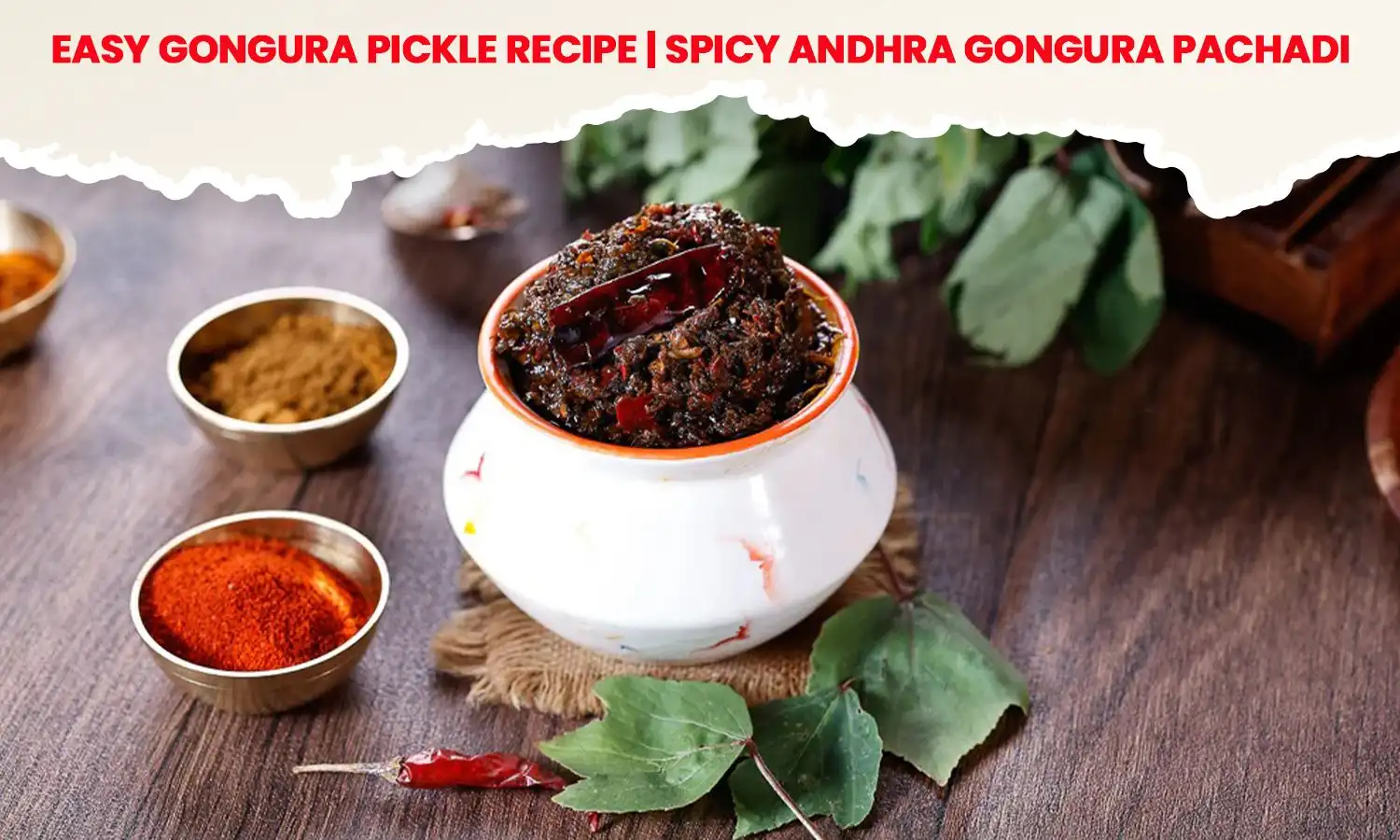
Why You Should Try This Gongura Pickle Recipe
There are pickles, and then there’s gongura pickle—a bold, tangy, fiery classic from Andhra Pradesh that’s earned a cult following across India. Whether served with hot rice and ghee or spooned beside a dosa, Gongura’s sharp, sour taste wakes up your palate like nothing else.
So what makes this Gongura pickle recipe so special? It’s the earthy flavor of gongura leaves, the roasted spice mix, and the gingelly oil preservation that makes it both delicious and long-lasting.
This blog will walk you through a simple, authentic Gongura pickle recipe, explain its health benefits, and share tips to preserve it just like grandma used to.
What Is Gongura?
Gongura, also known as sorrel leaves or ambada, is a green leafy plant with a distinctly sour taste. It’s native to Andhra Pradesh and is used in a wide range of pickles, curries, and chutneys. The Telugu word for pickle is oorugai, and gongura oorugai is one of the most popular regional condiments.Used both in gongura chutney in Andhra style and as a base for pachadis and pickles, this leaf is prized for its tangy flavor and health benefits.
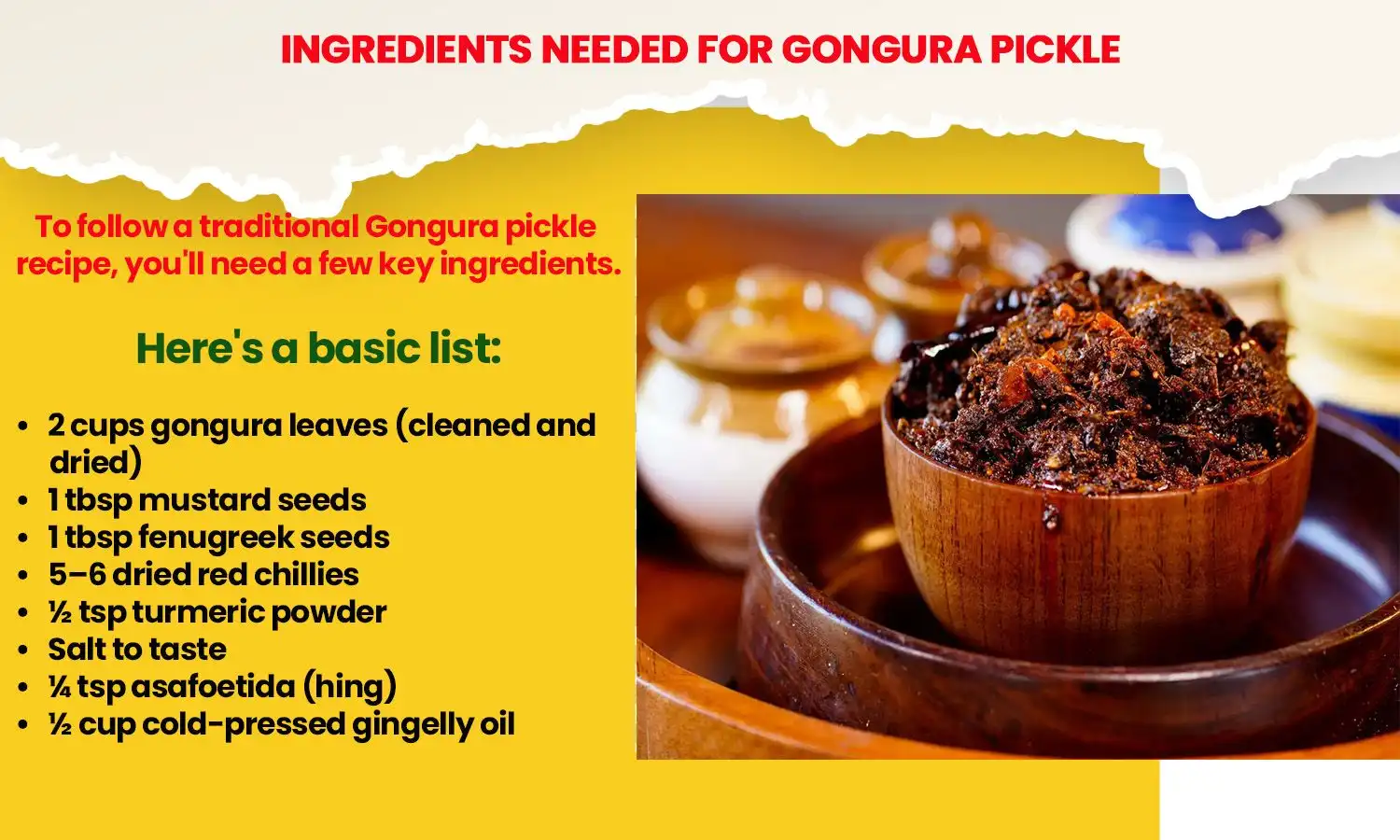
Ingredients Needed for Gongura Pickle
To follow a traditional Gongura pickle recipe, you’ll need a few key ingredients. Here’s a basic list:
- 2 cups gongura leaves (cleaned and dried)
- 1 tbsp mustard seeds
- 1 tbsp fenugreek seeds
- 5–6 dried red chillies
- ½ tsp turmeric powder
- Salt to taste
- ¼ tsp asafoetida (hing)
- ½ cup cold-pressed gingelly oil
These gongura pickle ingredients form the base of the recipe and can be doubled for larger batches. If you’d rather skip the prep, you can always buy gongura pickle online from authentic brands that follow the same traditional methods.
Step-by-Step Gongura Pickle Recipe
Now let’s learn how to prepare this spicy Andhra delicacy at home. Follow these simple steps for an authentic Gongura pickle recipe:
Prep the Leaves
Wash and dry the gongura leaves. Make sure there’s no moisture left.
Dry Roast the Spices
In a pan, roast mustard, fenugreek, red chillies. Cool and powder them.
Cook the Leaves
In a little oil, sauté the gongura leaves until soft and the moisture is gone.
Grind Together
Mix the sautéed leaves and spice powder in a blender.
Temper with Oil
Heat gingelly oil with asafoetida and mustard seeds. Pour over the mixture.
Let It Sit
Cool and transfer to a glass jar. Let it rest for 1–2 days before using.
That’s it! You’ve now made an authentic, home-style gongura achar ready to enjoy.
Tips to Store and Preserve Gongura Pickle
Now that you’ve made the Gongura pickle recipe, here’s how to make sure it lasts:
- Use only sterilized glass jars
- Add a thin layer of oil on top to prevent air contact
- Always use a dry spoon
- Store in a cool, dark place for 2–3 weeks
- Refrigerate for longer shelf life
If you’re short on time or ingredients, order the best gongura pickle online. Many small-batch producers maintain traditional Andhra taste without preservatives.
Serving Suggestions
Wondering how to enjoy your freshly made gongura pickle recipe?
- Mix with hot rice and ghee — the Andhra classic
- Pair with curd rice for a tangy kick
- Use with dosa or upma
- Serve with millet or pongal
- Even as a side for chapati
Want quick access to this flavor? Look for gongura pickle online options that retain the texture and taste of homemade batches. 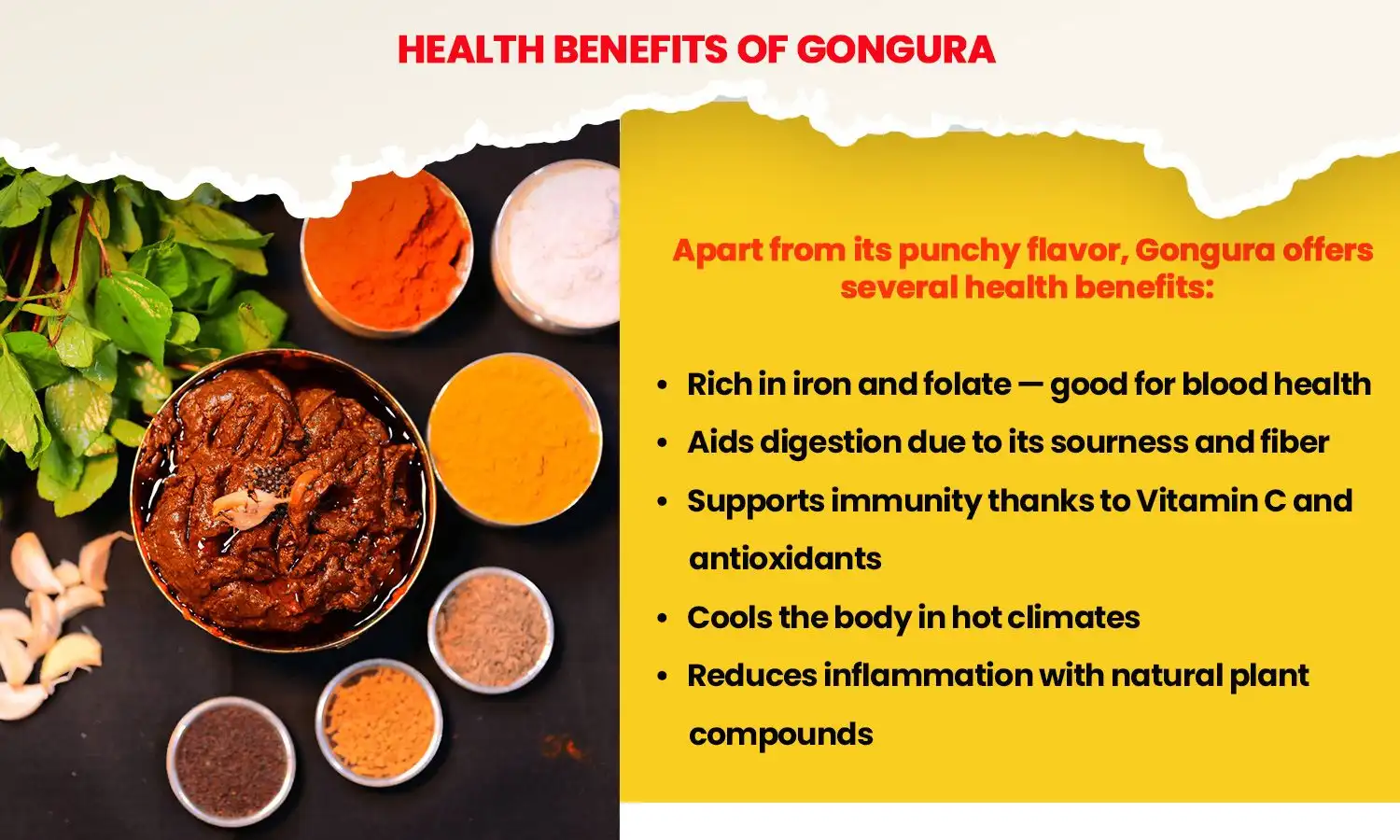
Health Benefits of Gongura
Apart from its punchy flavor, Gongura offers several health benefits:
- Rich in iron and folate — good for blood health
- Aids digestion due to its sourness and fiber
- Supports immunity thanks to Vitamin C and antioxidants
- Cools the body in hot climates
- Reduces inflammation with natural plant compounds
With these health perks, it’s no wonder people buy gongura pickle not just for taste but for wellness too.
Conclusion
Gongura is more than just a leaf—it’s a flavor, a feeling, and a reminder of Andhra kitchens. With the right Gongura pickle recipe, you can bring that same bold taste to your home. Whether you eat it with rice, roti, or dosa, this pickle delivers both spice and nutrition.
Key Takeaways
- The Gongura pickle recipe uses sorrel leaves, traditional spices, and gingelly oil
- Gongura is rich in iron, Vitamin C, and natural antioxidants
- Proper drying, oil tempering, and storage ensure shelf life
- You can enjoy it with rice, rotis, or South Indian tiffins
- Trusted options like 777 gongura pickle offer homemade flavor with convenience
Key Takeaways
What Is Gongura Pickle Made Of?Gongura pickle is made from fresh sorrel leaves, red chilli, mustard, fenugreek, salt, turmeric, and sesame oil. It’s cooked and preserved using a slow-curing process.
Is Gongura Pickle Good for Health?Yes. It’s rich in iron, folate, and antioxidants. The sour leaf supports digestion, boosts immunity, and cools the body during summer.
What Is the Difference Between Gongura Pachadi and Pickle?Pachadi is a quick chutney made fresh and consumed within a day. Pickle is oil-based, fermented, and preserved for longer shelf life. Both are based on Andhra style gongura pachadi traditions.
In Which State Gongura Pickle Is Famous?Gongura pickle is a signature dish of Andhra Pradesh. It’s commonly served in Telugu households and is a staple in both daily meals and festive spreads.