Can Pregnant Women Eat Pickles?

Introduction :

Pregnancy often brings about unexpected cravings, with pickles frequently at the top of the list. But can pregnant women eat pickles? While this tangy snack can be a fun treat during pregnancy, understanding its potential benefits and risks is crucial for making informed decisions.

Can Pregnant Women Eat Pickles?

Pickles are a common craving during pregnancy, and many women wonder if they are safe to eat. The good news is that in most cases, pickles can be enjoyed during pregnancy in moderation. However, there are a few things to keep in mind to ensure both safety and satisfaction.

Why Do Pregnant Women Crave Pickles?

  • Hormonal Effect
    During pregnancy, hormonal changes can heighten taste buds and increase cravings for certain flavors, including the salty and sour taste of pickles.
  • Emotional Stress
    Food cravings, including pickles, can sometimes provide a sense of comfort or relief from pregnancy-related stress. The sharp, tangy flavor can be refreshing and help improve mood.
  • Cultural Expectations
    In some cultures, pickles are a traditional part of pregnancy diets, further influencing cravings.
  • Taste Buds
    Pregnancy can alter taste perception, making bold flavors like those in pickles more appealing than ever.

Nutritional Facts of Pickles

Pickles are generally low in calories and contain small amounts of vitamins and minerals like vitamin K. So, can pregnant women eat pickles without worrying about nutrition? Yes—when consumed mindfully, they can be a flavorful and low-calorie addition. Some pickles, especially those made with garlic or chili, may offer additional benefits, but it’s important to check for added sugars or preservatives.

Is Consuming Pickles in Pregnancy Safe?

Many wonder, can pregnant women eat pickles safely? The answer largely depends on moderation. As long as pickles are consumed in reasonable amounts, they can be a tasty, safe addition to a pregnant woman’s diet. In moderation, pickles are safe for most pregnant women. The key is to avoid excessive amounts due to their high sodium content, which can lead to water retention and increased blood pressure. Always choose pickles made from fresh, natural ingredients and steer clear of heavily processed varieties. Can pregnant women eat pickles
Benefits of Eating Pickles During Pregnancy :

Still wondering, can pregnant women eat pickles and get any health perks? The answer may surprise you.

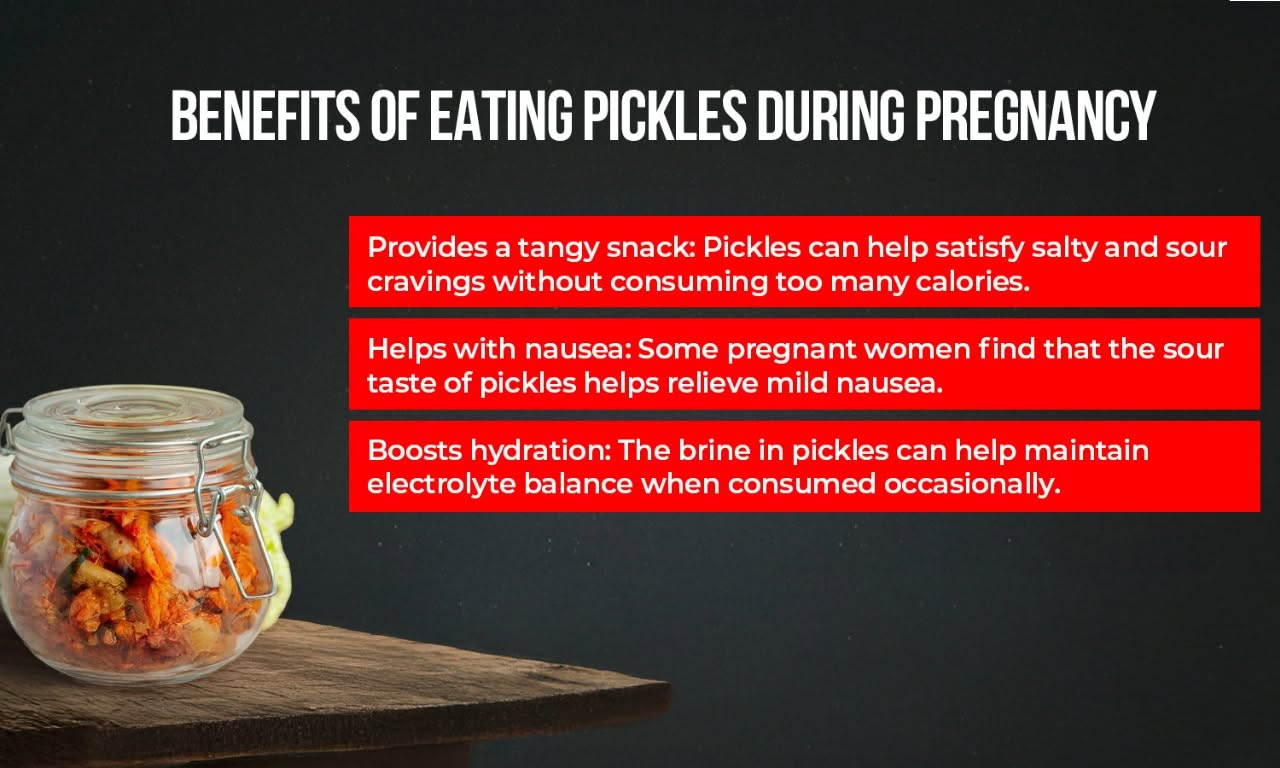
  • Provides a tangy snack: Pickles can help satisfy salty and sour cravings without consuming too many calories.
  • Helps with nausea: Some pregnant women find that the sour taste of pickles helps relieve mild nausea.
  • Boosts hydration: The brine in pickles can help maintain electrolyte balance when consumed occasionally.
Can pregnant women eat pickles

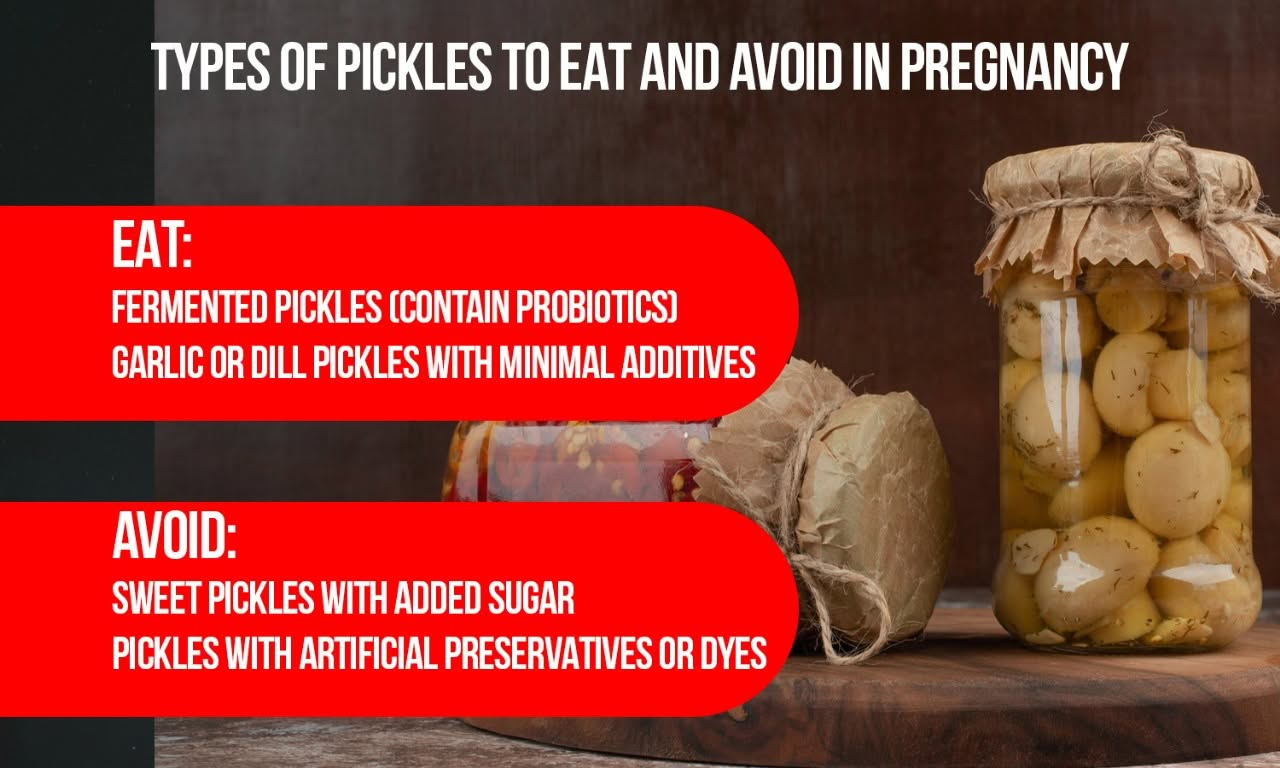
Types of Pickles to Eat and Avoid in Pregnancy

  • Eat:

Fermented pickles (contain probiotics).
Garlic or dill pickles with minimal additives.

  • Avoid:

Sweet pickles with added sugar.
Pickles with artificial preservatives or dyes.

Who Are Not Allowed to Eat Pickles During Pregnancy?

Women with certain conditions, such as high blood pressure or a history of gestational hypertension, should limit their pickle consumption. Additionally, if you have a sensitivity to vinegar or sodium, it’s best to consult your healthcare provider before adding pickles to your diet.

Conclusion :

Can pregnant women eat pickles? Yes—when enjoyed in moderation, pickles can be a safe, tangy, and satisfying snack during pregnancy. Their bold flavor may help ease nausea, and their low calorie content makes them a popular choice for expecting mothers. It’s important, however, to choose options with minimal additives and controlled sodium. 777 SGR Foods offers a trusted range of traditional pickles, made with authentic recipes and high-quality ingredients, making them a reliable and flavorful choice throughout pregnancy.

FAQs

Does Pickle Help With Pregnancy Nausea?Some women find that the tangy flavor of pickles can help reduce mild nausea, though it’s not a guaranteed remedy for everyone
Is It Safe to Eat Canned Pickles During Pregnancy?Canned pickles are generally safe, but it’s important to choose those with minimal additives and check the label for excess sodium.
Is It Safe to Eat Pickles During Breastfeeding?Yes, but as with pregnancy, moderation is key. Excessive sodium intake during breastfeeding can affect overall hydration and possibly impact milk supply.
Does a Pickle Cause Indigestion in Pregnancy?Some women may experience heartburn or indigestion after eating pickles, especially if consumed in large quantities. If this occurs, try eating smaller portions or opt for milder varieties.
Are Pickles Keto-Friendly?

Introduction :

Pickles are a common addition to many meals, but for those on a keto diet, it’s natural to wonder: are pickles keto-friendly? Understanding how pickles fit into a low-carb lifestyle can help you make informed choices and enjoy them without breaking your diet. For those who ask, are pickles keto-friendly, the answer lies in choosing the right varieties.
Pickles are a common addition to many meals, but for those on a keto diet, it’s natural to wonder: are pickles keto-friendly? Understanding how pickles fit into a low-carb lifestyle can help you make informed choices and enjoy them without breaking your diet.

What Are Pickles?

Pickles are cucumbers preserved in brine or vinegar, often with spices and seasonings. They come in various types, such as sour, spicy, and garlic pickles. While pickles are flavorful and versatile, knowing their nutritional profile is key to deciding if they’re a good fit for keto. Are pickles keto-friendly

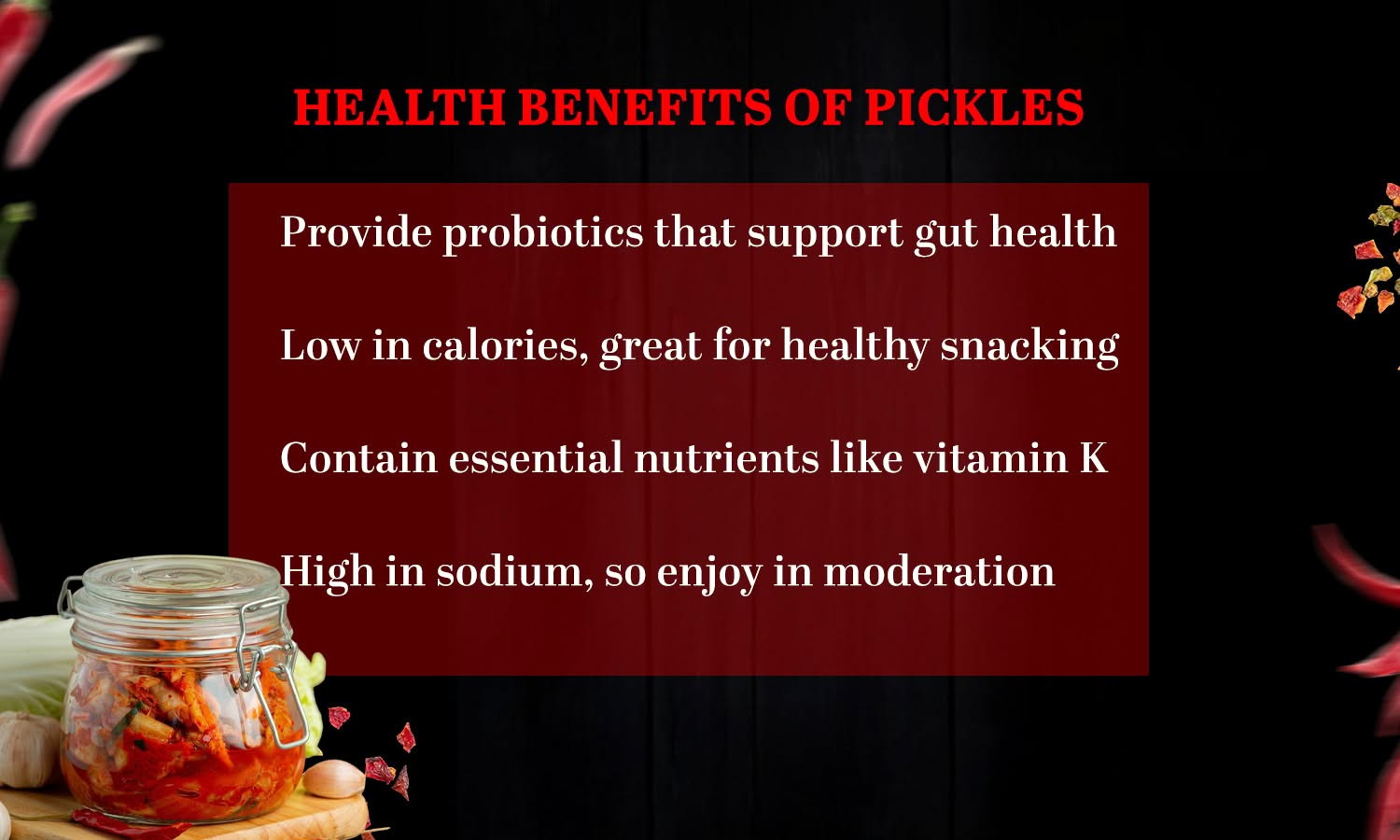
Health Benefits Of Pickles :

Pickles, especially fermented varieties, can provide beneficial probiotics that support gut health. They’re also a low-calorie snack that contains some essential nutrients like vitamin K. However, it’s important to remember that pickles can be high in sodium, so moderation is key.

How Many Carbs Are In Pickles?

Most pickles are low in carbohydrates. For instance, a dill pickle spear generally contains about 1 gram of net carbs. However, sweetened pickles, such as bread-and-butter pickles, may have higher carb counts due to added sugar. Reading labels can help you choose pickles that are keto-friendly.

Can I Eat Pickles on a Low-Carb Diet?

Yes, you can enjoy pickles on a low-carb diet, provided you choose unsweetened varieties. Dill and sour pickles tend to have very few carbs, making them an excellent choice for a low-carb snack or meal addition.The key is understanding are pickles keto-friendly based on their ingredients. Yes, you can enjoy pickles on a low-carb diet, provided you choose unsweetened varieties. Dill and sour pickles tend to have very few carbs, making them an excellent choice for a low-carb snack or meal addition.

Can I Eat Pickles on a Keto Diet?

Are pickles keto-friendly? Yes, as long as you opt for pickles without added sugars. Many traditional pickles, such as dill or fermented types, are keto-compatible because they contain minimal carbs. The key is to avoid sweet pickles and focus on those made with just vinegar, water, and spices

Are pickles keto-friendly

How to Choose Keto-Friendly Pickles?

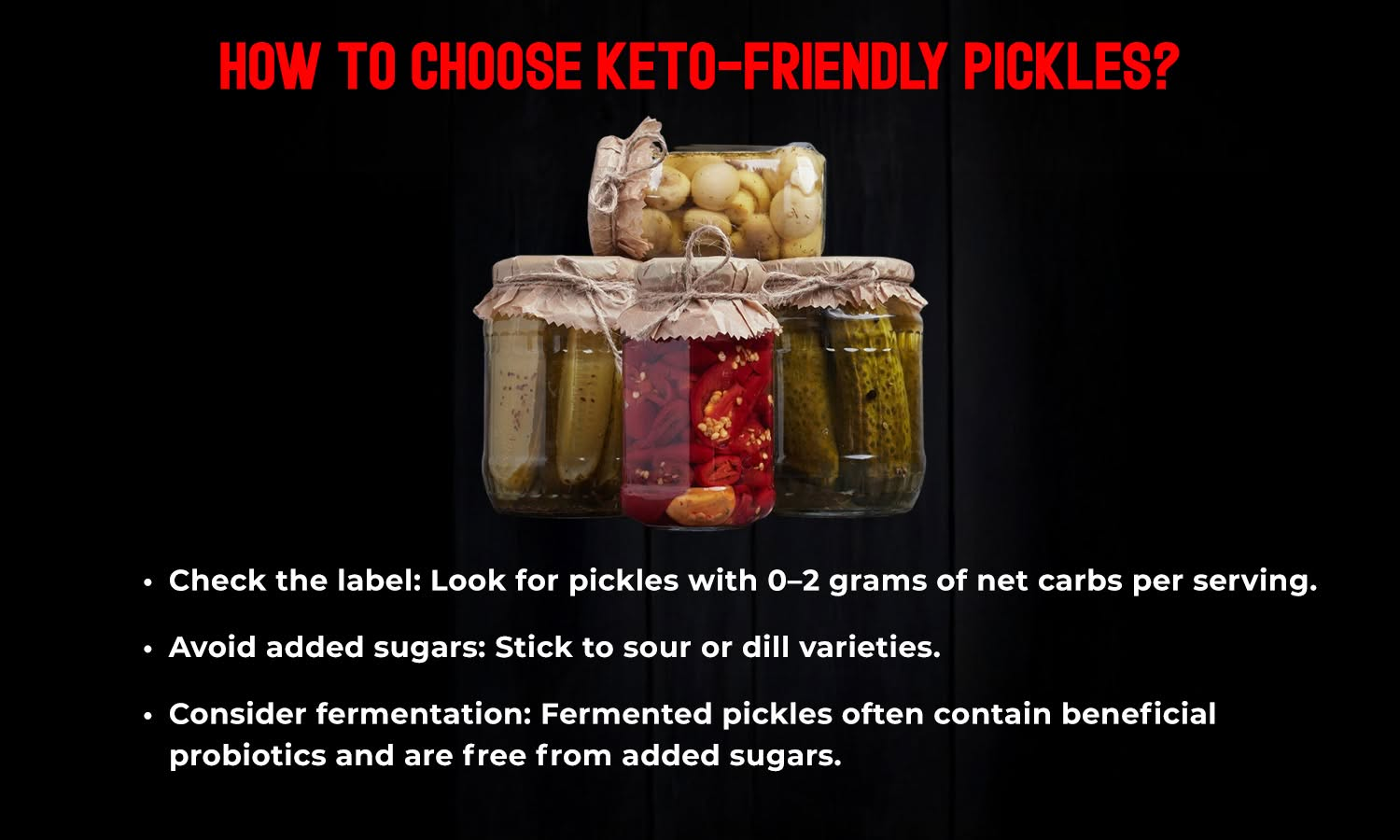
  • Check the label: Look for pickles with 0–2 grams of net carbs per serving.
  • Avoid added sugars: Stick to sour or dill varieties.
  • Consider fermentation: Fermented pickles often contain beneficial probiotics and are free from added sugars.

Conclusion :

Pickles are a great addition to a keto diet if you choose the right kind. Low-carb, unsweetened pickles let you enjoy their tangy taste without affecting your keto goals. 777 SGR Foods offers tasty, high-quality pickles that mix traditional flavors with modern health needs, helping you stay on track and enjoy your meals.

FAQs

Are pickles high in sodium?Gulab jamun takes about 5-7 minutes to fry until golden brown on medium heat.
Do pickles have any health benefits on a keto diet?Pickles can provide a crunchy, low-carb snack and may offer some probiotics if they’re fermented. They’re also a simple way to add flavor without many calories.
How can I incorporate pickles into my keto meal plan?You can add pickles to salads, eat them as a snack, use them as a topping for burgers, or include them in keto-friendly wraps and charcuterie boards.
Are fermented pickles better for keto than other types of pickles?Fermented pickles are often lower in carbs and contain beneficial probiotics, making them a better choice for keto compared to sweetened or non-fermented varieties.

10 Shocking Health Benefits of Eating Pickles?

Benefits of Eating Pickles

Benefits of Eating Pickles

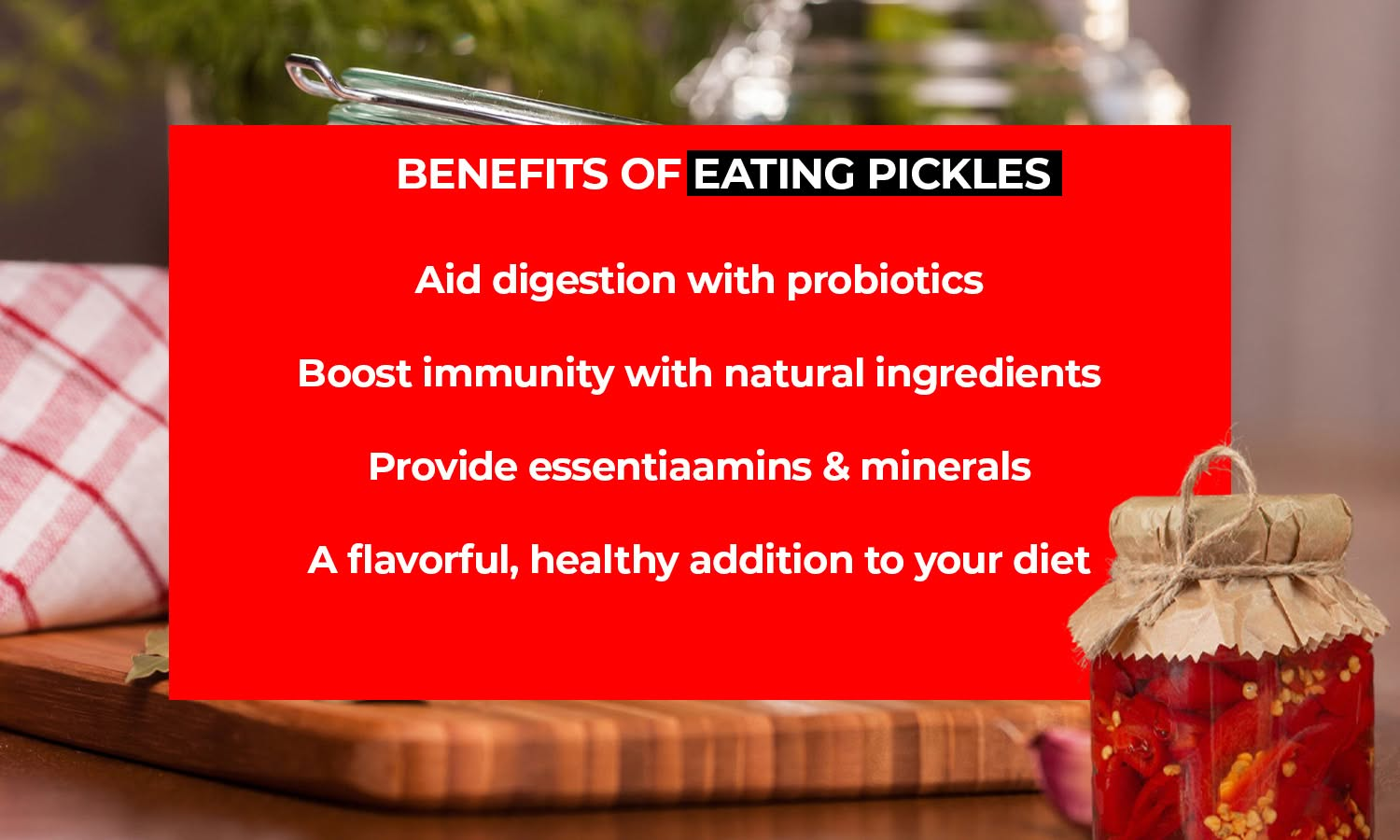
Benefits of eating pickles go beyond their tangy and spicy taste. These traditional fermented delights are not only flavorful but also packed with nutrients that offer several health advantages. The benefits of eating pickles include aiding digestion, boosting immunity, and providing essential vitamins and minerals. Whether homemade or store-bought, pickles can be a healthy addition to your diet. But are pickles good for digestion and overall well-being? Let’s find out!
Benefits of Eating Pickles

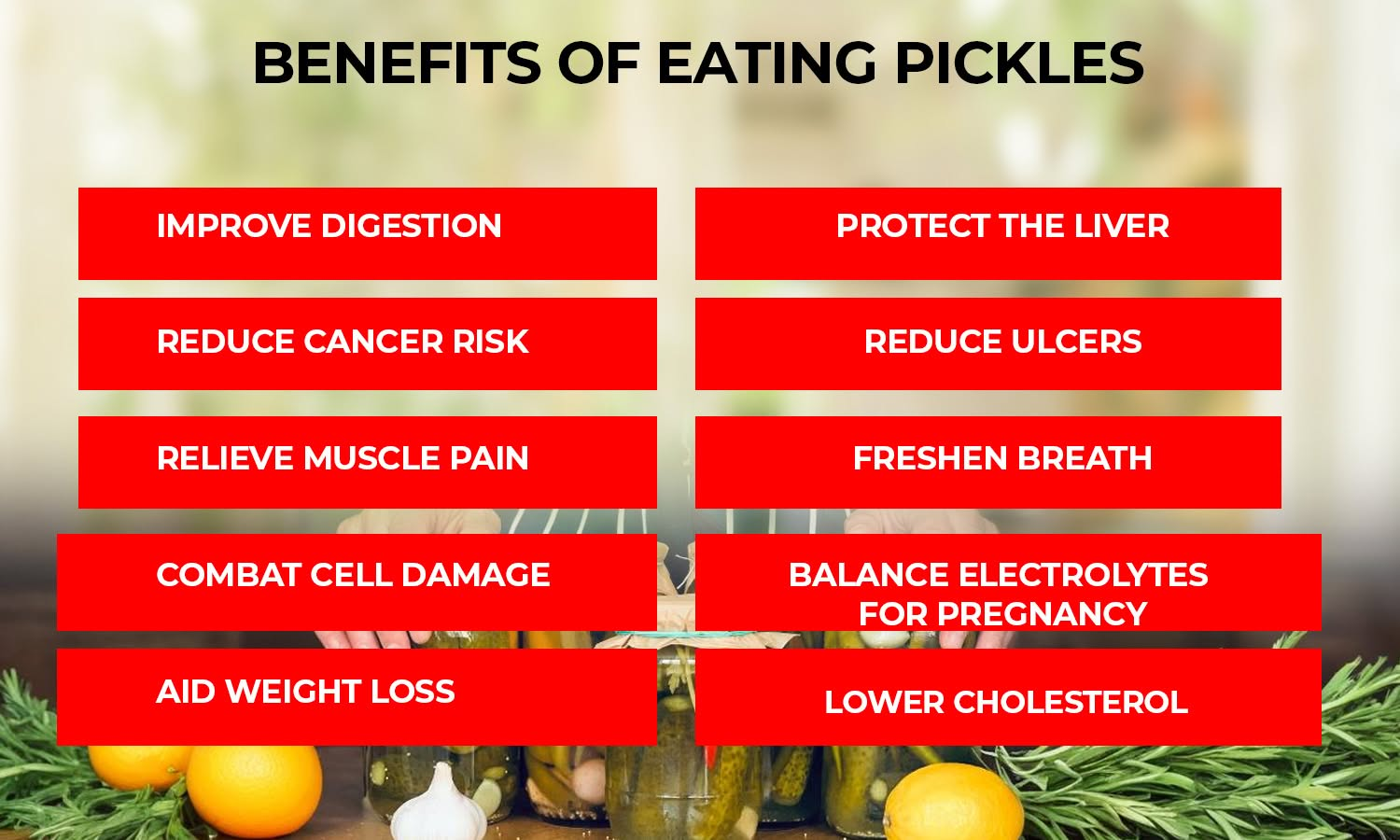
Pickles Are Good for the Gut

One of the major benefits of eating pickles is their ability to improve gut health. Fermented pickles contain probiotics, which are healthy bacteria that support digestion. If you’re wondering, are pickles good for digestion? The answer is yes! The natural fermentation process boosts the presence of probiotics, making your gut stronger and healthier.

Pickles Combat Cancer

Certain antioxidants found in pickles may help in reducing the risk of certain cancers. Fermented vegetables contain bioactive compounds that fight harmful free radicals in the body. So, are pickles healthy? When eaten in moderation, they can provide protective benefits against some diseases.

Pickles Reduce Muscle Pain :

Athletes often consume pickles to prevent muscle cramps. The electrolytes found in pickles help in reducing muscle soreness. So next time you experience muscle discomfort, consider the advantages of eating pickles for quick relief.

Pickles Reduce Cell Toxicity :

The antioxidants in pickles help combat cell damage caused by harmful toxins. Regular consumption of pickles, especially those made using natural ingredients, can protect the body from oxidative stress, making them a natural detoxifier.

Pickles Promote Weight Loss

If you’re wondering, are pickles good for weight loss? The answer is yes! Pickles contain vinegar, which has been linked to improved metabolism and fat reduction. Additionally, they are low in calories, making them a great addition to a weight-loss-friendly diet.

Pickles Protect the Liver

Among the benefits of eating pickles, their role in liver protection is significant. The antioxidants present in pickles help in maintaining liver health by reducing inflammation and protecting against harmful toxins. Are pickles good for your liver? Yes! When consumed in moderation, they contribute to a healthy liver.

Pickles Reduce Ulcers

The probiotic-rich content in pickles can help in preventing and reducing stomach ulcers. Fermented pickles enhance the production of good bacteria that strengthen the stomach lining, reducing the chances of developing ulcers.

Pickles Promote Fresh Breath

One of the lesser-known benefits to eating pickles is their ability to improve oral health. The acetic acid in pickles helps eliminate bad breath-causing bacteria, leaving you with fresher breath.

Pickles Are Good for Pregnant Women

Craving pickles during pregnancy? There’s a reason! Pickles provide necessary minerals like sodium and potassium, helping expectant mothers manage electrolyte levels. Are eating pickles good for you during pregnancy? Yes, when consumed in controlled portions, they help in balancing cravings and nutrient intake.

Pickles Help in Lowering Cholesterol

Pickles, especially those made with natural benefits of pickling techniques, may aid in lowering bad cholesterol levels. The fiber and probiotics in pickles help maintain heart health and keep cholesterol levels in check.

Conclusion :

The benefits of eating pickles are truly remarkable. Whether it’s supporting digestion, reducing muscle pain, or promoting weight loss, pickles are a healthy and flavorful addition to any diet. At SGR 777 Food Products, we offer high-quality pickles made using authentic techniques, ensuring every bite is packed with taste and nutrition. Explore our premium pickle pack, economy pickle pack, and affordable value pickles for a delicious and healthy experience!

Key Takeaways

  • Benefits of eating pickles include better digestion, weight loss, and liver protection.
  • Are pickles good for weight loss? Yes, they are low in calories and boost metabolism.
  • Are pickles good for digestion? Absolutely! They contain probiotics that enhance gut health.
  • Advantages of eating pickles include muscle recovery and improved oral health.
  • Shop for high-quality pickles from SGR 777 Food Products to enjoy the benefits of pickling.

FAQs

Is Pickle Good for Skin?Yes! The antioxidants in pickles help combat skin aging and promote a healthy glow.
Can I Eat Pickles Daily? Eating pickles in moderation is fine, but excess consumption can lead to high sodium intake.
Are Pickles Good for Your Liver?Yes! The probiotics and antioxidants in pickles contribute to better liver health.
Why Am I Craving Pickles?Pickle cravings may indicate a need for more electrolytes or sodium in your diet.

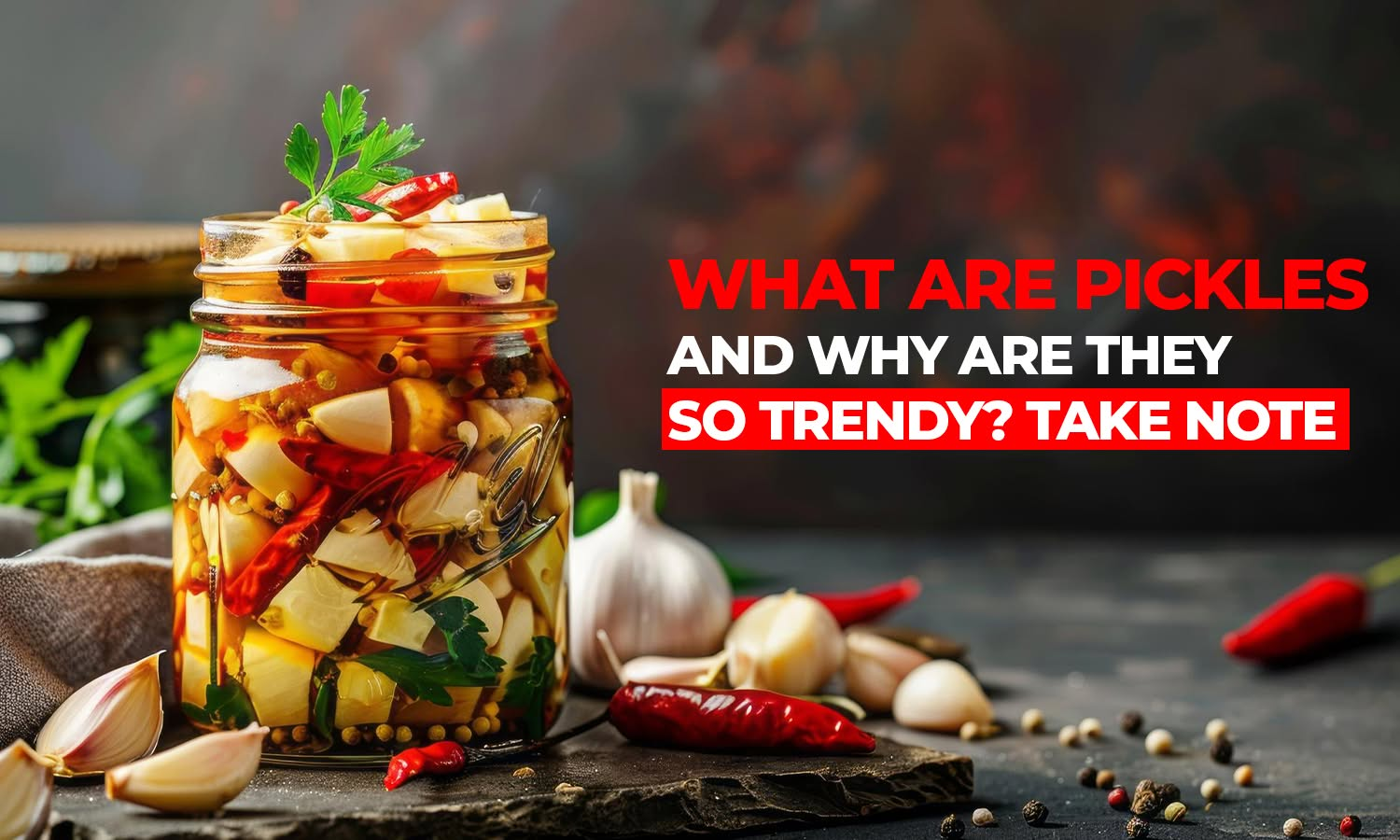
What are pickles and why are they so trendy? Take note

What Are Pickles?

Pickles are fruits or vegetables that are preserved using a process called pickling. This involves soaking them in pickling vinegar or brine, often with pickling spice for extra flavor. What are pickles known for? Their tangy, spicy, and sometimes sweet taste makes them a favorite across different cuisines. In India, Indian pickles play a crucial role in traditional meals, with varieties like mango pickle, chilli pickle, and garlic pickles being household staples. From a tangy sweet mango pickle to fiery chilli versions, there is a type for every taste.

Why Are Pickles Trending?

The love for pickles is spreading worldwide! But why? What are pickles doing that makes them so trendy? People are rediscovering their rich flavors, long shelf life, and health benefits. From gourmet pickles to exotic flavors, the rise of artisanal and homemade pickles has brought them into the limelight. Even those who buy pickles online are searching for the best pickles made with traditional recipes. Among the most trendy pickles today is the classic Mango Thokku Pickle, loved for its bold, spicy taste.
What Are Pickles

Health Benefits of Pickles

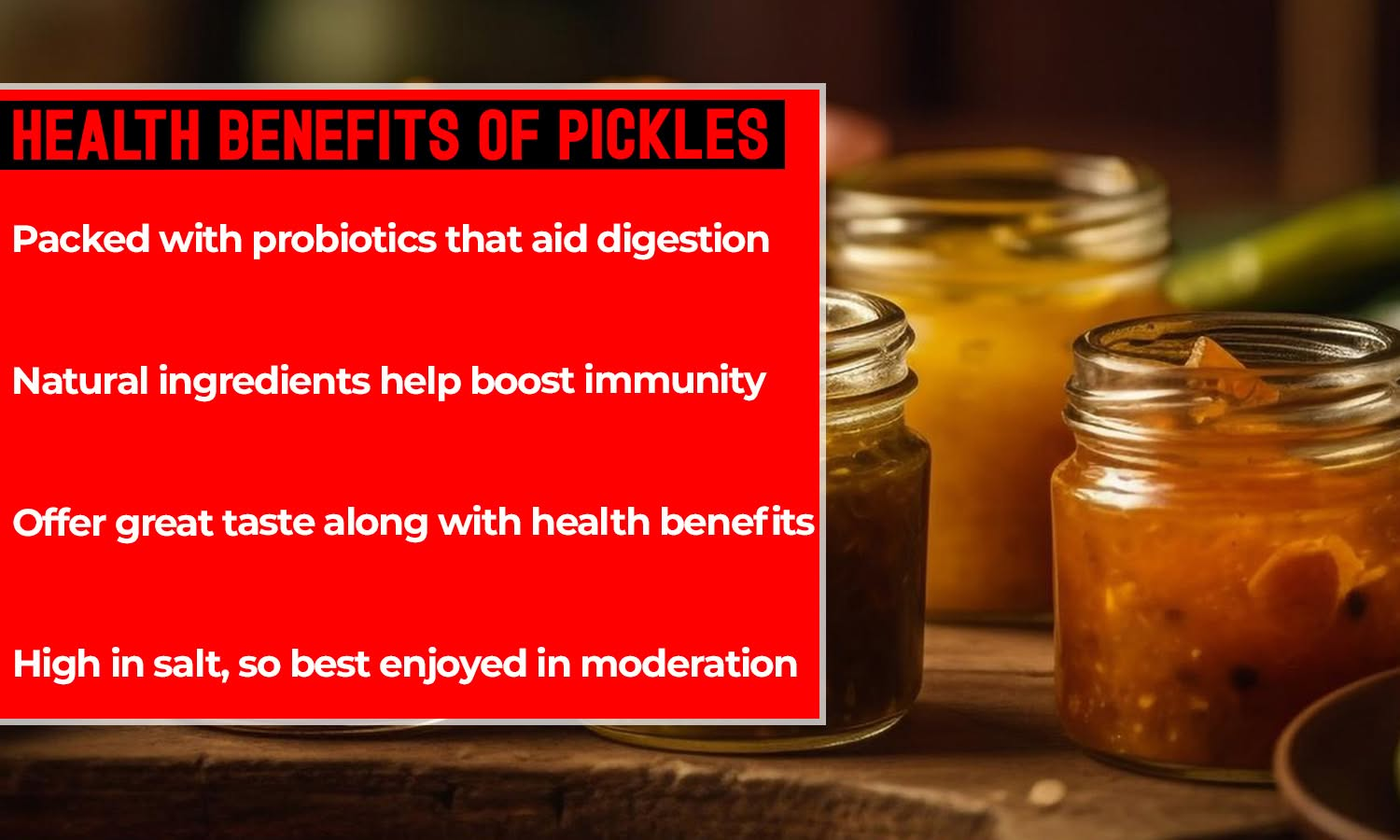
Eating pickles is not just about taste; it’s also about health! What are pickles good for? They are packed with probiotics, especially when fermented, helping in digestion. The natural ingredients in Andhra pickles and other regional varieties offer immunity-boosting properties. However, since pickles contain salt, it’s essential to enjoy them in moderation. The pickles benefits go beyond taste, and the health benefits of pickling have made them popular again in modern kitchens.
What Are Pickles

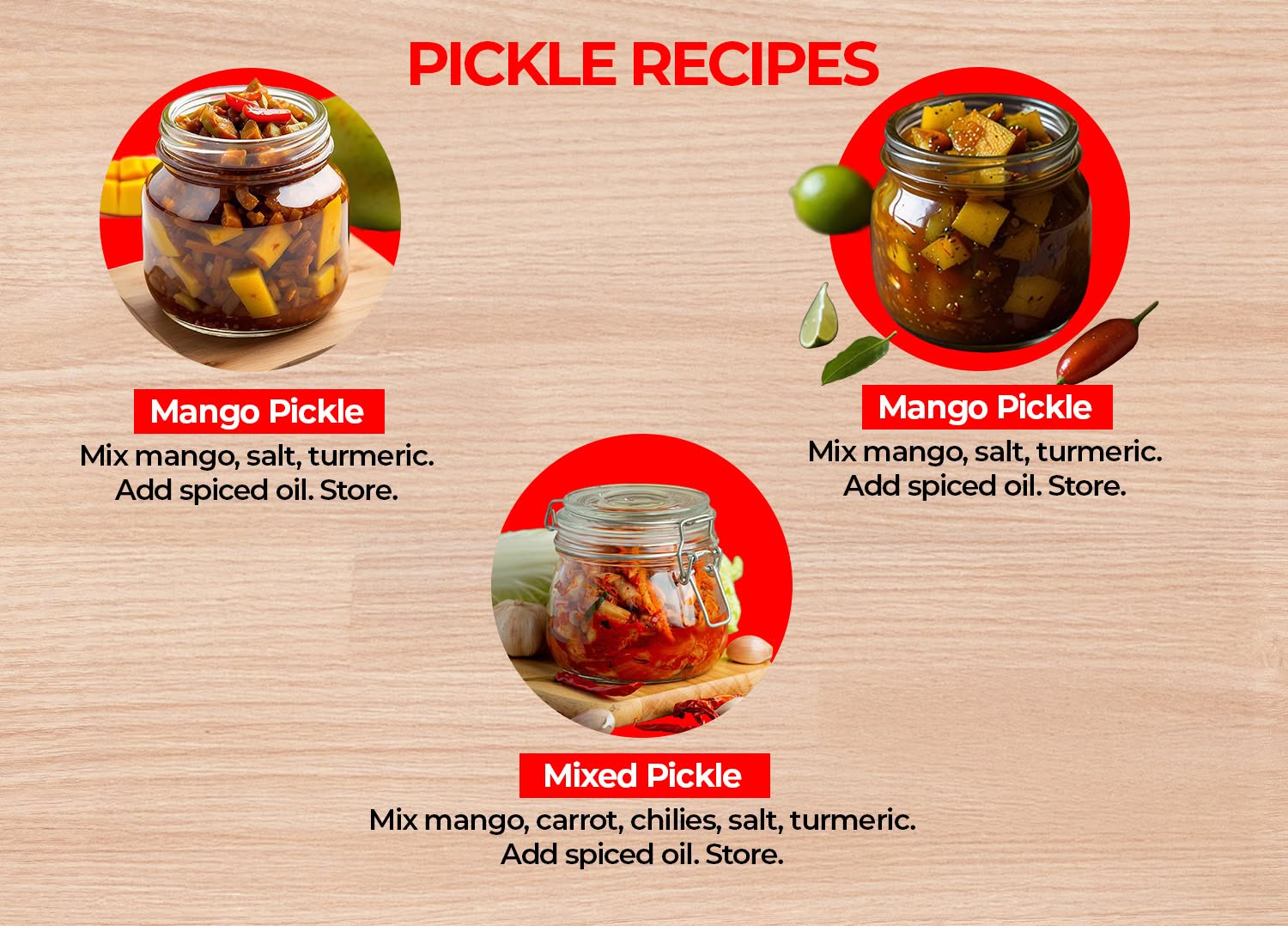
Pickle Recipes

Want to make pickles at home? Here are three simple yet delicious recipes for homemade pickles:

a. Cut Mango Pickle

Ingredients:
  • 500g raw mangoes
  • 50g salt
  • 2 tbsp red chili powder
  • 1 tbsp mustard seeds
  • ½ tsp turmeric powder
  • 100ml oil
Method:
  • Wash and chop mangoes into small pieces.
  • Mix with salt and turmeric powder. Let it rest for a day.
  • Heat oil, add mustard seeds, and allow them to pop.
  • Add chili powder, mix, and let it cool.
  • Pour over mango pieces and store in a jar.

This is also a great base for a dry mango pickle recipe or a traditional Andhra Style Cut Mango Pickle.

b. Lime Pickle

Ingredients:
  • 500g fresh lemons
  • 50g salt
  • 2 tbsp red chili powder
  • 1 tbsp mustard seeds
  • ½ tsp turmeric powder
  • 100ml oil
Ingredients:
  • Cut lemons and mix with salt and turmeric. Store for a week.
  • Heat oil, add mustard seeds, and let them pop.
  • Add chili powder, mix, and let it cool.
  • Pour over lemons and store.

c. Mixed Pickle

Ingredients:
  • 200g raw mangoes
  • 200g carrots
  • 100g green chilies
  • 50g salt
  • 2 tbsp red chili powder
  • 1 tbsp mustard seeds
  • ½ tsp turmeric powder
  • 150ml oil
Method:
  • Wash, dry, and chop vegetables.
  • Mix with salt and turmeric and let it rest for a day.
  • Heat oil, add mustard seeds, and let them pop.
  • Add chili powder, mix, and let it cool.
  • Pour over vegetables and store.

You can turn this into an Andhra Style Mixed Pickle by adding more spice, making it one of the tastiest vegetable pickles around.

Benefits of Pickles

  • They enhance digestion due to probiotics.
  • Rich in essential vitamins and minerals.
  • Serve as a perfect side dish for meals.
  • Traditional varieties like soul pickle are deeply connected to heritage.
  • Available easily through pickles online, ensuring convenience.

Conclusion

Pickles are more than just a side dish; they’re a tradition, a health booster, and a flavor enhancer. Whether it’s the tangy garlic pickles, spicy chilli pickle, or sweet-sour mango pickle, every variety has a story. At SGR 777 Food Products, we celebrate the magic of authentic pickles, bringing you the best from our kitchen to yours. Explore our premium pickle pack, economy pickle pack, and affordable value pickles to relish the true taste of tradition!

Key Takeaways

  • What are pickles? They are preserved foods soaked in pickling vinegar or brine.
  • Pickles are trending due to their bold flavors and health benefits.
  • Homemade pickles with pickling spice are easy to prepare and delicious.
  • Andhra pickles, soul pickle, and other traditional varieties are deeply cherished.
  • Shop for pickles online to enjoy convenience and authentic taste.

FAQs

What Is the Purpose of Pickles?Pickles add flavor to meals, preserve seasonal produce, and support gut health.
How Many Pickles Can You Eat a Day?Eating pickles in moderation is key. One or two pieces are great, but excessive salt intake should be avoided.
Are Eating Pickles Healthy?Yes! Pickles provide probiotics and nutrients, but it’s important to choose ones with natural ingredients like pickling spice and pickling vinegar.
Why Do Indians Eat Pickles?Pickles are a staple in Indian households, bringing bold flavors to meals. Varieties like Andhra pickles, mango pickle, and chilli pickle are deeply rooted in Indian food traditions.

Are pickles good for weight loss?

Pickles have long been a staple in many diets, but are pickles good for weight loss? The answer depends on how they are made and consumed. While some best pickles can support weight management, others may have added sugars or high sodium levels that can work against your goals. Let’s explore how pickles good for weight loss can be part of a healthy diet.

Understanding Pickles

Pickles come in various types, and their nutritional value can differ. Some common types include:

  • Sour pickles: Made with salt and natural fermentation, they are low in calories and rich in probiotics.
  • Vinegar-based pickles: Tangy and flavorful but without probiotics.
  • Sweet pickles: Contain added sugars, making them less ideal for weight loss.
  • Spiced pickles: Includes mango pickle, chilli pickle, and garlic pickles, often made with mustard oil and spices.

For those looking to answer do pickles help you lose weight, choosing the right type is essential. pickles good for weight loss

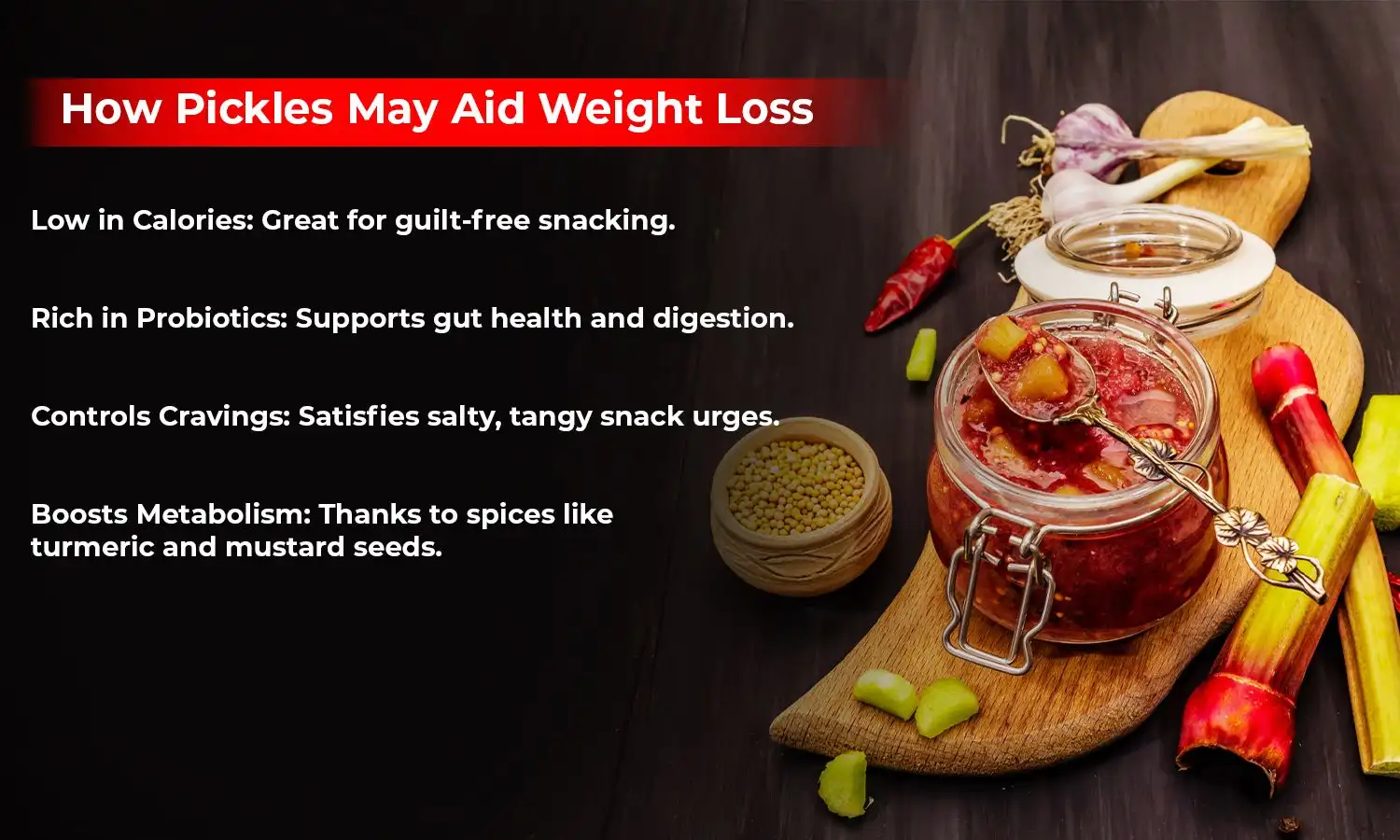
How Pickles May Aid Weight Loss

1. Low in Calories

Most pickles, especially those made without added sugar, are very low in calories, making them an excellent snack option for those trying to cut calories.

2. Rich in Probiotics

Fermented pickles contain probiotics that support digestion, improve gut health, and may aid in metabolism, helping in weight management.

3. Helps Control Cravings

The tangy and salty flavor of pickles can satisfy taste buds and curb cravings for unhealthy snacks.

4. Boosts Metabolism

Spices used in pickles, such as mustard seeds, turmeric, and garlic, may help boost metabolism, assisting in weight management.

For those wondering can pickles help you lose weight, the answer lies in selecting the best pickles with minimal additives and preservatives. pickles good for weight loss

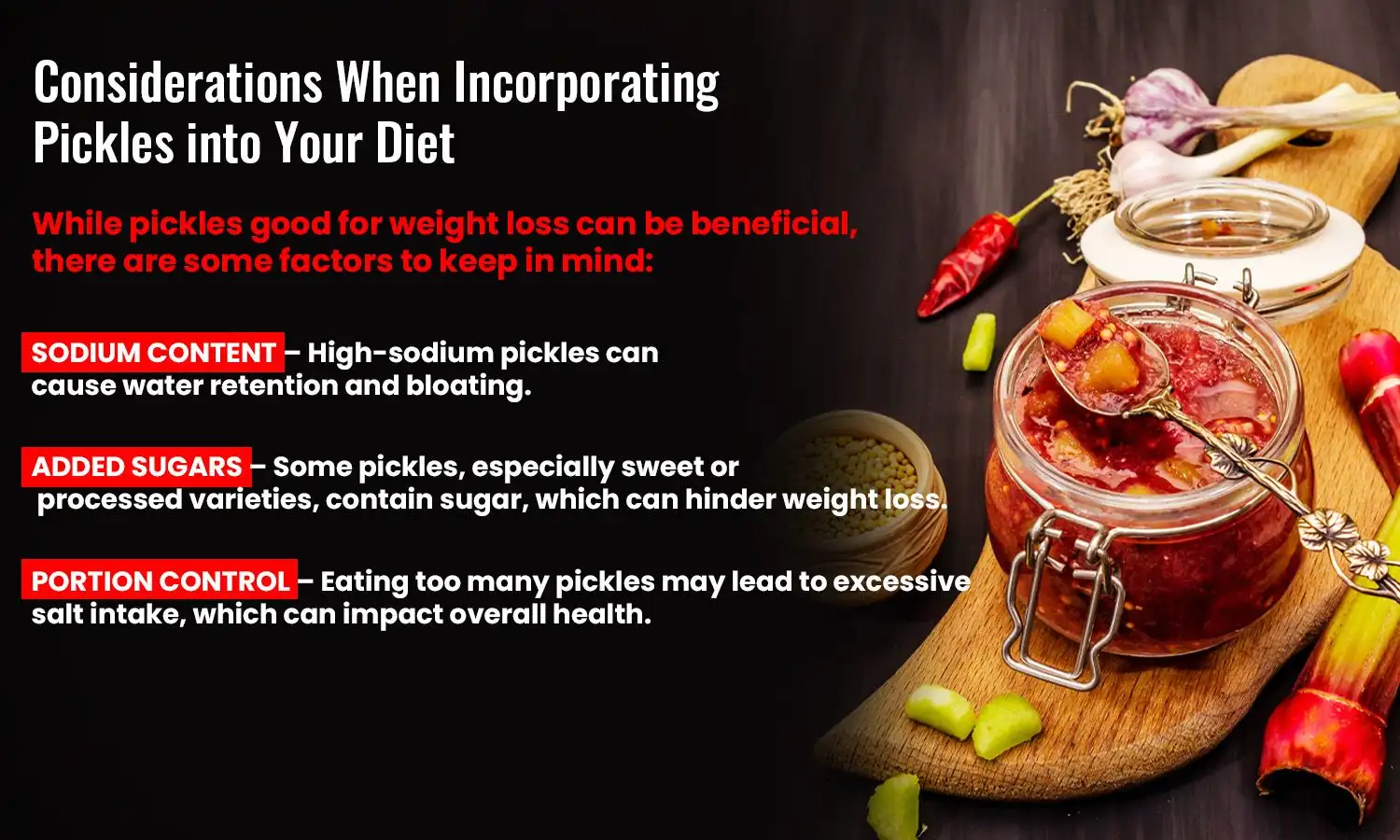
Considerations When Incorporating Pickles into Your Diet

While pickles good for weight loss can be beneficial, there are some factors to keep in mind:

  • Sodium Content: High-sodium pickles can cause water retention and bloating.
  • Added Sugars: Some pickles, especially sweet or processed varieties, contain sugar, which can hinder weight loss.
  • Portion Control: Eating too many pickles may lead to excessive salt intake, which can impact overall health.

Opting for low-sodium pickles or making homemade pickles can be a healthier choice.

Incorporating Pickles into a Balanced Diet

If you’re looking for are pickled foods good for weight loss, here’s how to include them effectively:

  • Pair with Protein: Eat pickles with lean proteins like grilled chicken or tofu to balance sodium intake.
  • Add to Salads: Slice pickles into salads for extra flavor without extra calories.
  • Use as a Condiment: Instead of high-calorie sauces, use pickles for a tangy kick in sandwiches and wraps.
  • Make Your Own Pickles: Homemade no-salt pickles or fermented varieties are the best for weight-conscious diets.

Conclusion

So, are pickles good for weight loss? The answer depends on how they are prepared and consumed. Fermented pickles, especially garlic pickles and chilli pickle, can support digestion and metabolism, while vinegar-based pickles can be a low-calorie snack.

However, avoiding high-sodium and sweet pickles is key. At 777 Foods, we offer a range of traditional, naturally fermented pickles that are flavorful, healthy, and a great addition to a balanced diet. If you’re looking for soul pickle flavors with authentic taste and health benefits, 777 Foods has you covered.

Key Takeaways

  • Pickles are low in calories, making them a smart weight-loss snack.
  • Fermented pickles aid digestion and gut health, supporting metabolism.
  • Avoid pickles with added sugar or high sodium content.
  • 777 Foods offers healthy, naturally fermented pickles for better weight management.

FAQs

Can Eating Pickles Help Reduce Belly Fat?

Pickles themselves don’t burn fat, but their low-calorie and probiotic content can support overall weight loss.

Are There Low-Sodium Pickle Options Available?

Yes. Many brands, including 777 Foods, offer low-sodium pickles for a healthier option.

Do Sweet Pickles Offer the Same Weight Loss Benefits?

No. Sweet pickles contain added sugars, which can contribute to weight gain rather than weight loss.

How Can I Make Low-Sodium Pickles at Home?

You can make no-salt pickles using vinegar, fresh vegetables, and spices without adding excessive sodium.

How to make pickles at home?

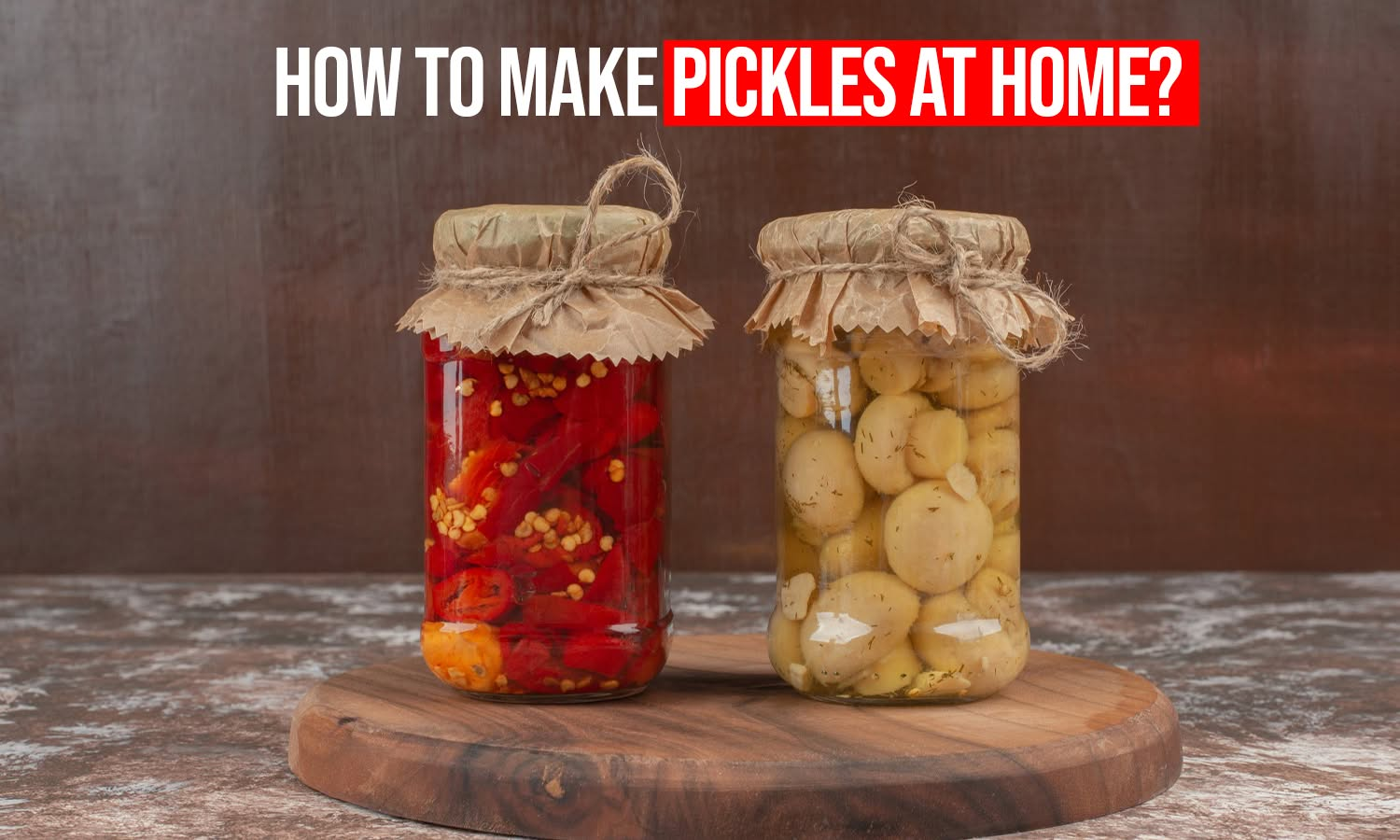
Pickles are a cherished part of Indian cuisine, adding tangy, spicy, and flavorful twists to every meal. Whether it’s mango, lime, or garlic, homemade pickles capture the essence of traditional flavours. If you’ve ever wondered how to make pickles at home, this guide walks you through every step, from selecting ingredients to storing your pickles for long-lasting freshness. With the right pickle masala and traditional pickle making techniques, you can enjoy authentic flavours every time.

What Are Pickles?

Pickles are preserved fruits or vegetables soaked in salt, oil, and spices. Indian pickles come in a variety of flavours, with each region following its own traditional pickle making methods. The combination of spices and natural preservation enhances taste while extending shelf life, making pickles an essential accompaniment to Indian meals.

Learning how to make pickles at home ensures fresh, preservative-free flavours. Many people also search for homemade pickles online or homemade pickles near me, but preparing a
homemade pickles allows complete control over quality, freshness, and ingredients.

How to make pickles at home

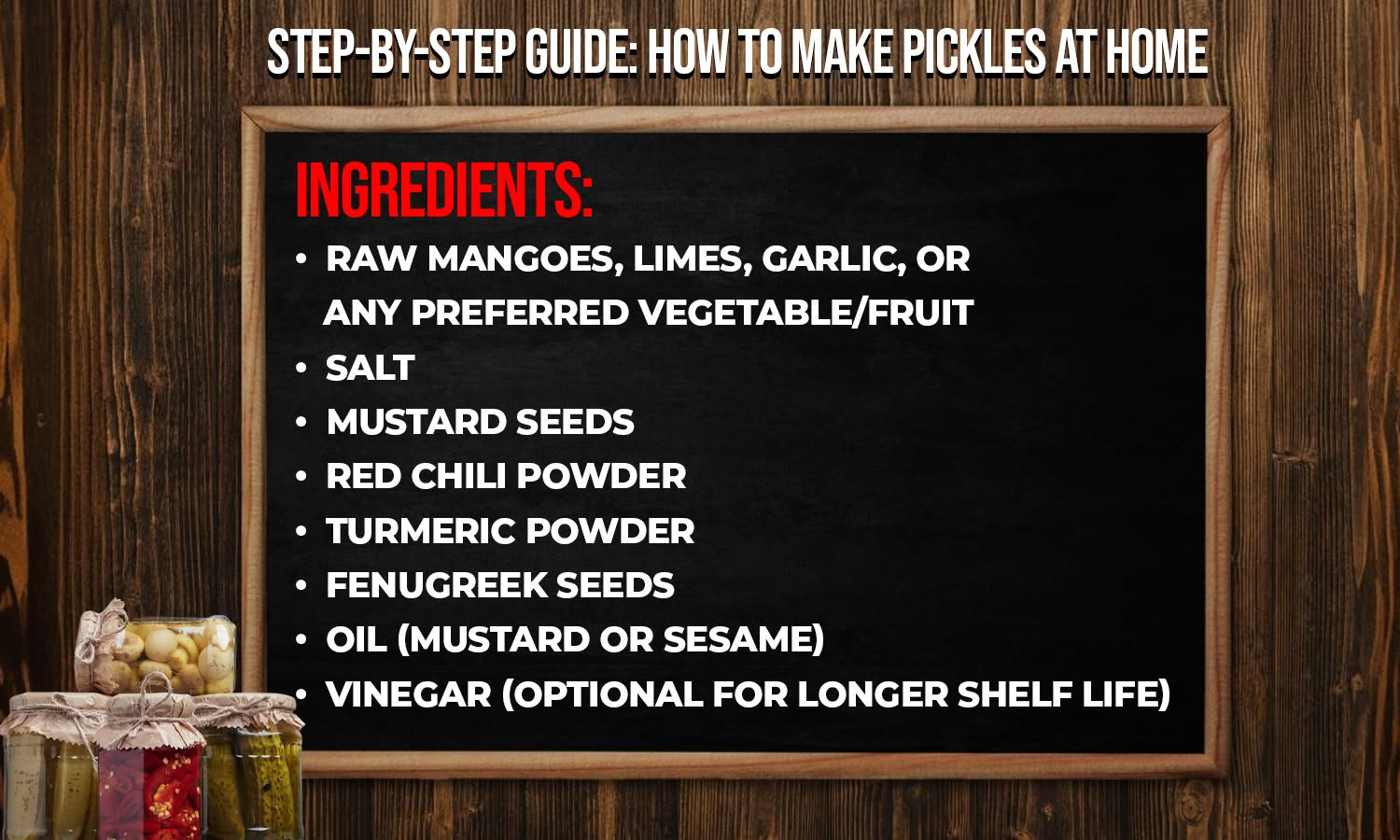
Step-by-Step Guide: How to Make Pickles at Home

Ingredients:

  • Raw mangoes, limes, garlic, or any preferred vegetable/fruit
  • Salt
  • Mustard seeds
  • Red chili powder
  • Turmeric powder
  • Fenugreek seeds
  • Oil (mustard or sesame)
  • Vinegar (optional for longer shelf life)
  • Pickle masala for enhanced flavour

Instructions:

    1. Prepare the Ingredients – Wash and dry the fruits or vegetables thoroughly to prevent moisture from spoiling the pickle.
    2. Cut and Marinate – Chop them into small pieces and coat them with salt, turmeric, and chili powder.
    3. Sun-Dry for Extra Flavor – Spread them under the sun for a day or two to improve spice absorption, a key part of traditional pickle making.
    4. Temper the Spices – Heat oil and add mustard seeds, fenugreek, and other spices. Let them cool before mixing.
    5. Mix Everything Together – Combine the sun-dried ingredients with the tempered spices and oil. This simple process creates an easy pickle recipe suitable for beginners.
    6. Store Properly – Transfer the pickle to an airtight glass jar and let it rest for a few days to develop its flavor.

Learning how to make pickles at home is rewarding because it allows you to customise flavours while preparing a fresh homemade pickle recipe. If you’re short on time, you can also explore homemade pickles online or search for homemade pickles near me to enjoy locally prepared varieties. How to make pickles at home

Best Types of Pickles You Can Make at Home

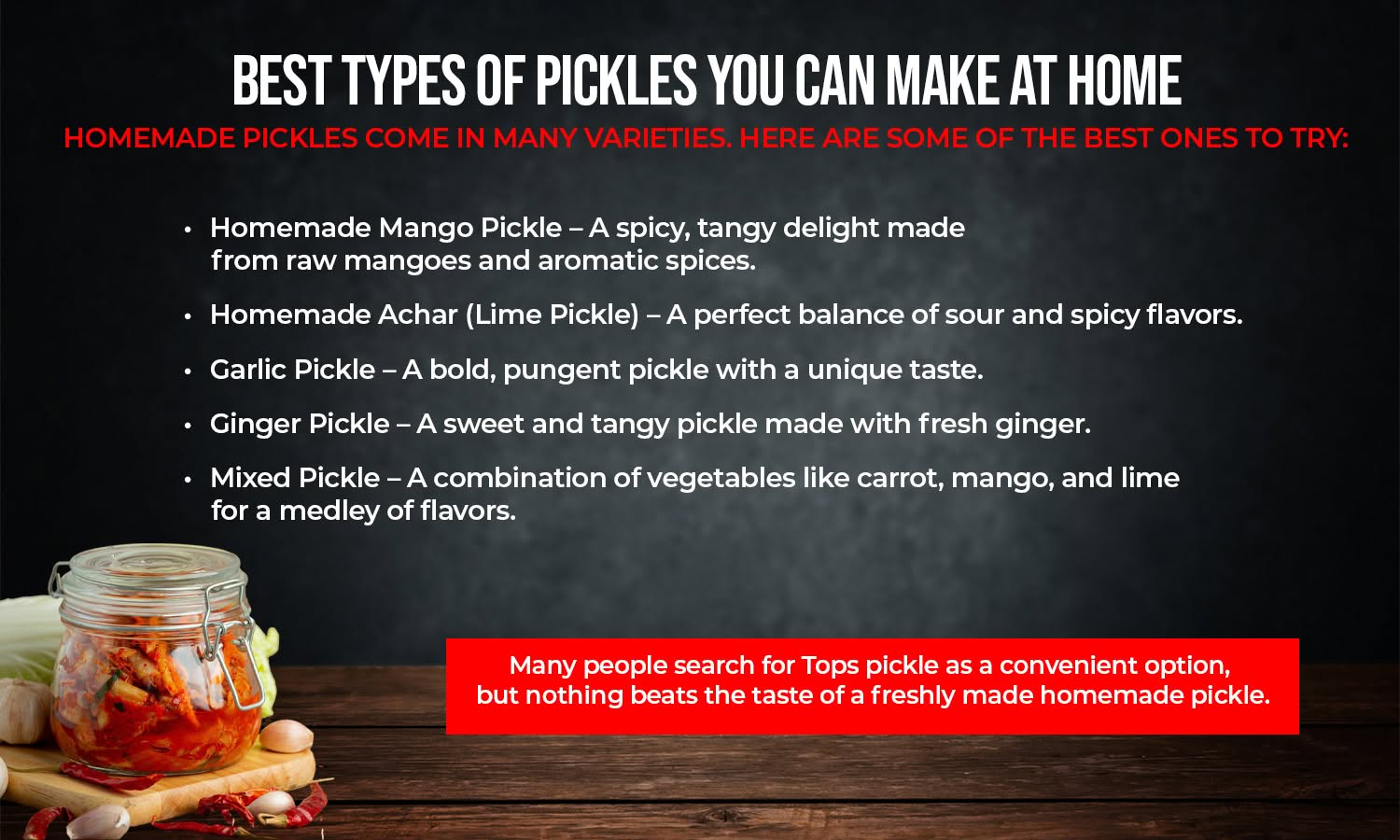
Homemade pickles come in many varieties. Here are some of the best homemade pickles you can try:

  • Homemade Mango Pickle – A spicy, tangy delight made from raw mangoes and aromatic spices. Besides its taste, many people also appreciate the mango pickle benefits, including its digestive spices and traditional preparation.
  • Homemade Achar (Lime Pickle) – A perfect balance of sour and spicy flavours using a classic lemon pickle recipe.
  • Garlic Pickle – A bold, pungent pickle with a unique taste.
  • Ginger Pickle – A sweet and tangy pickle made with fresh ginger.
  • Mixed Vegetable Pickle – A delicious mixed vegetable pickle prepared using carrots, mangoes, lime, and other seasonal vegetables.
  • Mix Achar – A traditional mix achar combines multiple vegetables and spices to create a rich blend of flavours loved across Indian households.

Many people search for Tops pickle as a convenient option, but nothing compares to the freshness of a home made pickle prepared using a trusted homemade pickle recipe.

Quick Pickles vs. Fermented Pickles: Which One Is Right for You?

  • Quick Pickles – Prepared using vinegar or oil, these are ready within a few hours to three days. They’re perfect if you’re looking for an easy pickle recipe that requires minimal waiting.
  • Fermented Pickles – These undergo natural fermentation over several weeks, developing deeper flavours and beneficial probiotics.

Whether you choose quick or fermented varieties, learning how to make pickles at home allows you to prepare pickles that match your taste and lifestyle.

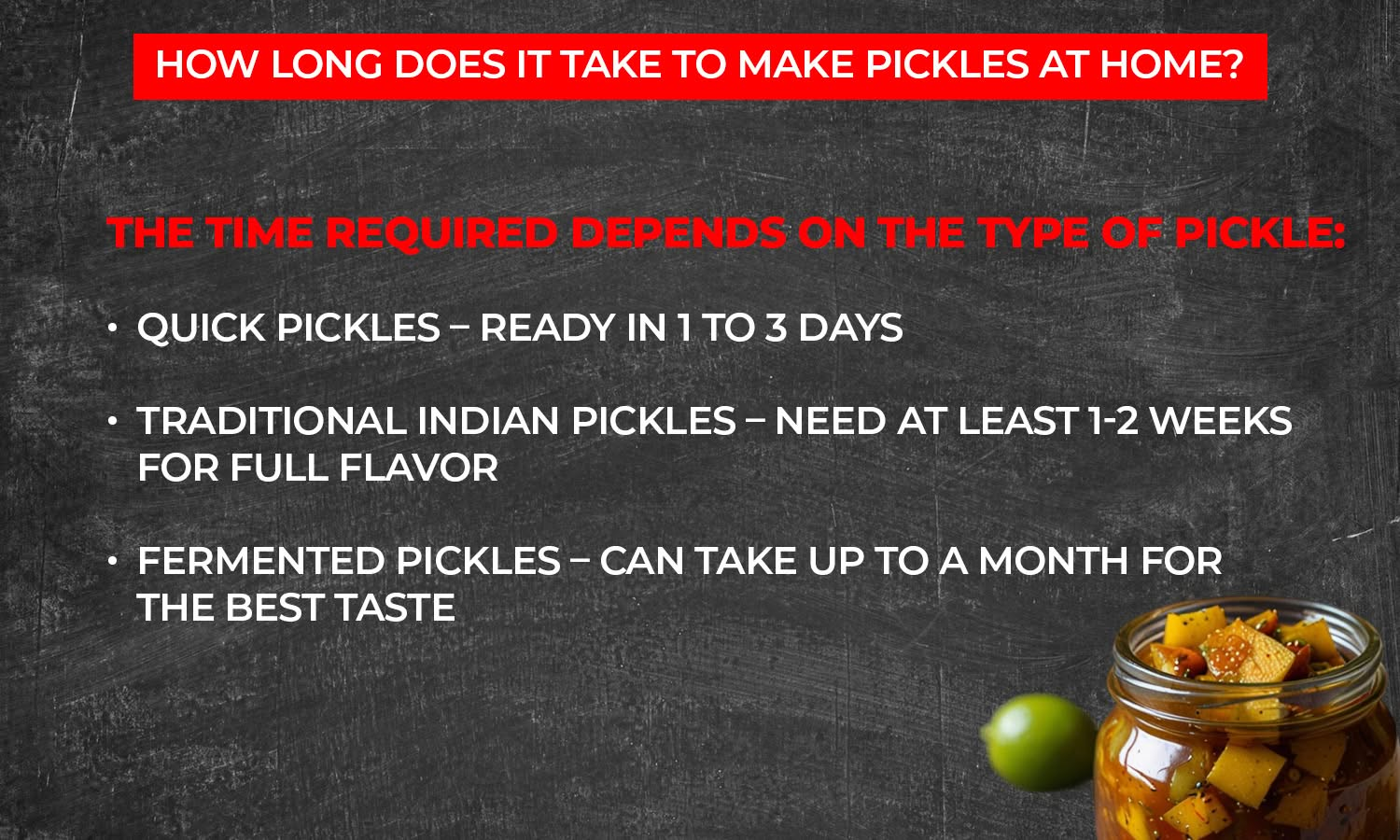
How Long Does It Take to Make Pickles at Home?

The time required depends on the type of pickle:

  • Quick pickles – Ready in 1 to 3 days
  • Traditional Indian pickles – Need at least 1-2 weeks for full flavor
  • Fermented pickles – Can take up to one month for the richest flavour

Understanding how to make pickles at home also means knowing when your pickle has matured enough to deliver the perfect balance of taste and aroma.

How to Store Homemade Pickles for Long-Lasting Freshness

  • Always use clean, dry glass jars for storage.
  • Keep pickles in a cool, dark place away from moisture.
  • Ensure the pickle is fully covered in oil to prevent spoilage.
  • Use a dry spoon every time to avoid contamination.

Proper storage is one of the most important steps in how to make pickles at home, helping your homemade achar remain fresh for months while preserving its authentic flavour.
How to make pickles at home

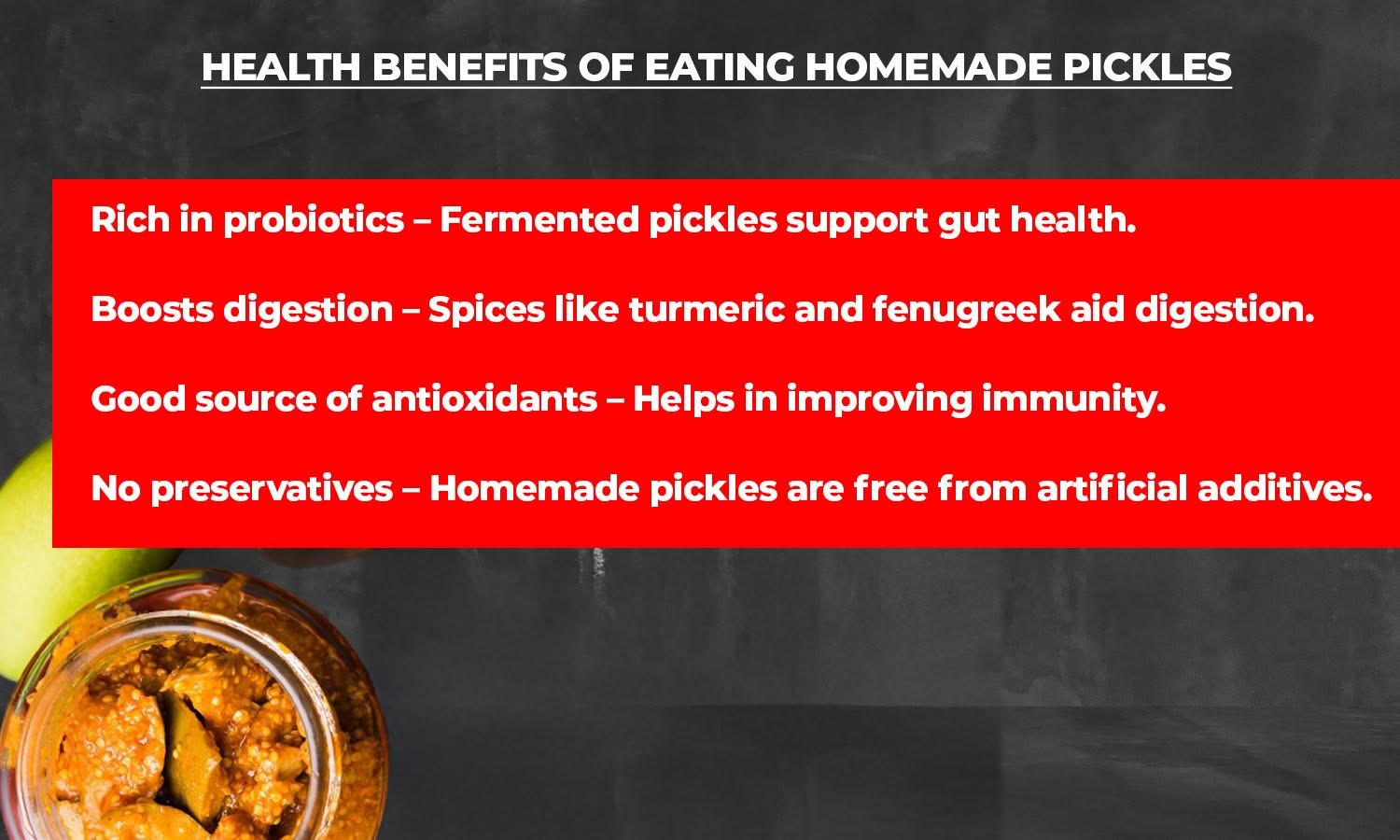
Health Benefits of Eating Homemade Pickles

Homemade pickles offer several advantages when prepared with quality ingredients.

  • Rich in probiotics – Fermented pickles support gut health.
  • Boosts digestion – Spices like turmeric and fenugreek aid digestion.
  • Good source of antioxidants – Helps in improving immunity.
  • No preservatives – Homemade pickles are free from artificial additives.

Many people also enjoy the mango pickle benefits, as raw mangoes contain nutrients while spices traditionally support digestion. This is one reason many families continue choosing the best home made pickles over commercially processed alternatives.

Conclusion

Learning how to make pickles at home is both simple and rewarding. Whether you’re preparing a mixed vegetable pickle, following a lemon pickle recipe, or experimenting with a spicy pickle recipe, homemade pickles offer unmatched freshness and authentic flavour.
By using quality ingredients, the right pickle masala, and proper storage techniques, you can enjoy delicious homemade achar throughout the year. Traditional recipes continue to prove that nothing matches the taste of a carefully prepared home made pickle.

Key Takeaways

  • Learning how to make pickles at home helps create fresh, preservative-free pickles.
  • Traditional pickle making enhances flavour through natural preservation.
  • Recipes such as mixed vegetable pickle, mix achar, and lemon pickle recipe suit different tastes.
  • Proper storage extends freshness for several months.
  • Homemade pickles provide authentic flavours using quality ingredients and pickle masala.

FAQs

Which vinegar is used for Indian pickles?

White vinegar or apple cider vinegar is commonly used in Indian pickles to enhance shelf life and flavor.

Can we use lemon instead of vinegar?Yes. Many traditional recipes use lemon juice, especially in a classic lemon pickle recipe, as a natural preservative.
What oil is used in Indian pickles?

Mustard oil is the most commonly used oil for Indian pickles, followed by sesame oil in South Indian recipes.

What is the formula of pickle?A basic pickle combines fruits or vegetables with salt, spices, pickle masala, and oil or vinegar to preserve freshness and develop flavour.

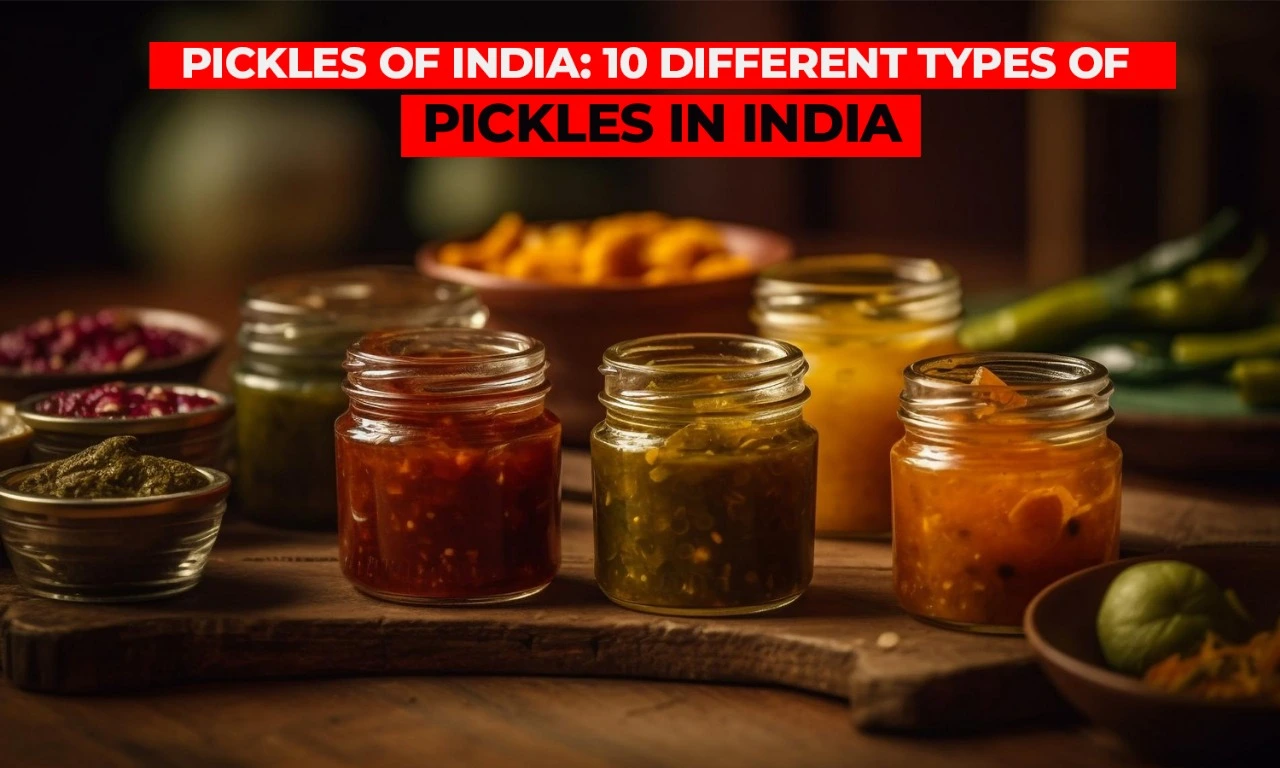
Pickles of India: 10 Different Types of Pickles in India

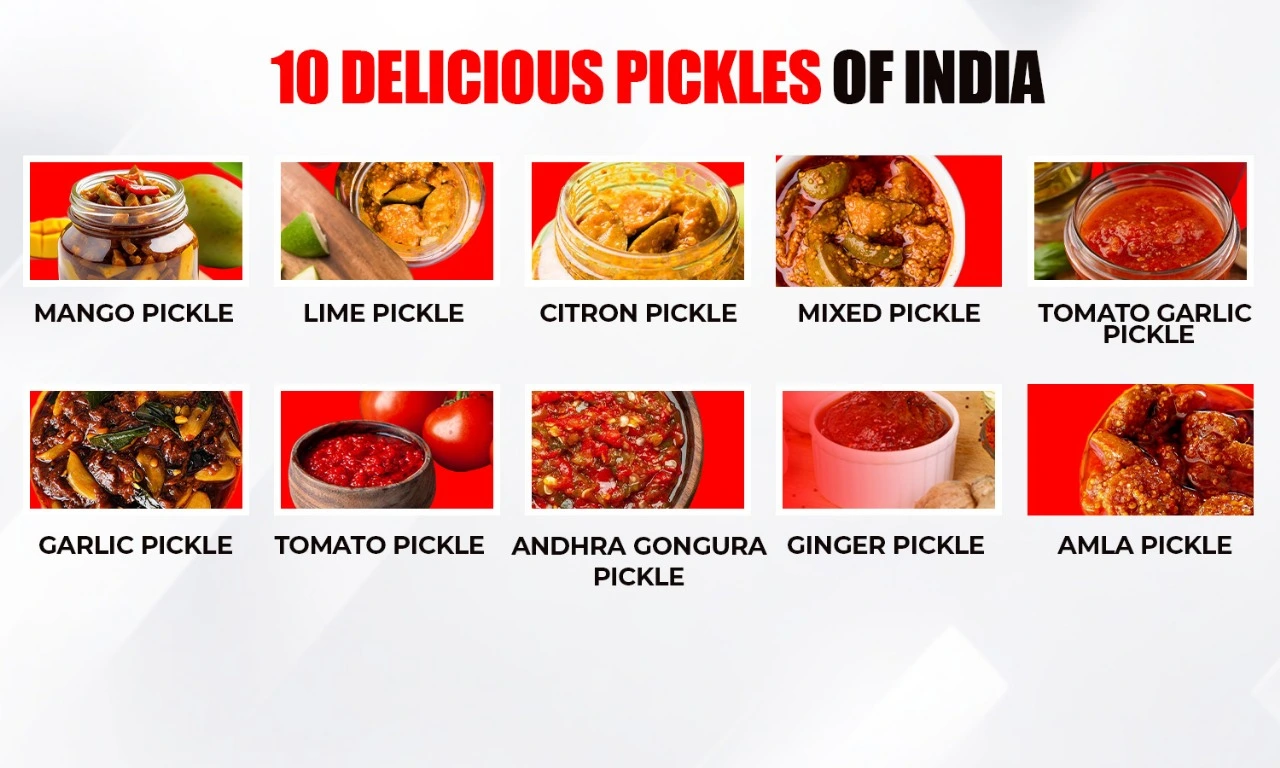
Pickles have been an essential part of Indian cuisine for centuries. They are more than just condiments—they represent tradition, culture, and flavors passed down through generations. Each region in India has its own unique pickling techniques, using a blend of spices and local ingredients to create distinct tastes. In this blog, we’ll explore the most loved types of pickles found across different regions of India. Let’s explore 10 delicious types of pickles that add a burst of flavor to every meal.

10 Delicious Types of Pickles in India

types of pickles

1. Mango Pickle

Arguably the most popular pickle in India, mango pickle is made using raw mangoes, mustard seeds, red chilies, and a mix of traditional spices. The tangy, spicy, and slightly sour taste makes it a staple in Indian households. Every region has its own variation, with North India preferring a mustard oil base and South India using sesame oil. This is one of the best types of pickles found across the country

2. Lime Pickle

A classic in every Indian kitchen, lime pickle offers a balance of sourness and spice. It is made with whole or sliced limes, salt, and a variety of spices that enhance its bold flavors. This pickle is known for its long shelf life, as it gets better with age. It’s one of the classic types of pickles that enhances every Indian thali. It belongs to the different kinds of pickles that are widely loved.

3. Citron Pickle

Citron, or Narthangai in Tamil, is a unique citrus fruit used in pickling. It has a distinct tangy and bitter taste, making it an excellent choice for those who enjoy a sharp flavor. This pickle is often consumed as a digestive aid due to its beneficial properties. Among the varieties of pickles, citron pickle stands out for its strong flavor profile.

4. Mixed Pickle

Why settle for one when you can have a mix? Mixed pickle combines different vegetables like mango, carrot, lime, green chilies, and ginger, marinated in a blend of spices. This pickle offers a variety of textures and flavors in every bite, making it one of the different types of pickles enjoyed across India.

5. Tomato Garlic Pickle

A delightful combination of ripe tomatoes and garlic, this pickle is popular in South India. The tanginess of tomatoes and the strong aroma of garlic create a rich and flavorful pickle that pairs well with rice, dosa, and parathas. It is an essential in the list of types of pickles known for their bold flavors.

6. Garlic Pickle

For those who love bold flavors, garlic pickle is a must-try. Made with whole garlic cloves, tamarind, and a mix of spices, this pickle is packed with a pungent, slightly sweet taste that enhances any meal. This is among the all kinds of pickles that are often enjoyed for their strong taste.

7. Tomato Pickle

A staple in Andhra Pradesh, tomato pickle is known for its tangy and spicy flavor. Made with sun-dried tomatoes, tamarind, and red chilies, this pickle is often paired with hot rice and ghee for a comforting meal.Its bold, tangy taste makes it a standout among South Indian types of pickles. It is one of the different types of pickles commonly found in South Indian households.

8. Andhra Gongura Pickle

One of the most well-known types of Indian pickles, Gongura pickle is a specialty of Andhra Pradesh. Made from the sour gongura leaves, this pickle has a unique tangy flavor that pairs exceptionally well with steamed rice.

9. Ginger Pickle

Popular in South India, ginger pickle is made with fresh ginger, tamarind, and jaggery. The combination of spiciness, sweetness, and tanginess makes it a unique addition to traditional meals. This is among all types of pickles known for their medicinal and digestive benefits.

10. Amla Pickle

Amla, or Indian gooseberry, is packed with nutrients and is a great ingredient for pickling. Amla pickle has a slightly bitter and tangy taste, with a hint of spice that makes it both delicious and beneficial for health. It is included in all pickles name lists due to its high nutritional value.

Conclusion

Pickles are more than just side dishes—they are a reflection of India’s rich culinary heritage. From the spicy Andhra Gongura pickle to the tangy mango pickle, every variety has its own unique taste and significance. With 777 Foods, you can experience authentic Indian pickles made with traditional recipes and high-quality ingredients. From everyday meals to festive feasts, these types of pickles continue to hold a special place in Indian kitchens. Bring home the flavors of India with every jar!

Key Takeaways

  • India has a diverse range of pickles, each offering unique flavors and regional influences.
  • Mango, lime, and mixed pickles are among the most popular varieties across India.
  • Andhra Gongura and tomato pickles are South Indian favorites known for their tangy and spicy taste.
  • Garlic, ginger, and amla pickles offer both taste and health benefits.
  • 777 Foods brings the taste of tradition with high-quality, authentic pickles.

FAQs

What is the famous pickle in India?Mango pickle is the most famous and widely consumed pickle in India. Every region has its own variation, from the spicy North Indian version to the tangy South Indian style.
Which state is famous for pickles in India?

Andhra Pradesh is known for its variety of spicy and flavorful pickles, especially Gongura pickle and Avakaya (mango) pickle.

Which is the pickle capital of India?Andhra Pradesh is known for using bold flavors, high-quality spices, and unique ingredients like gongura leaves and red chilies, making their pickles stand out.
Why is Andhra famous for pickles?Andhra Pradesh is known for using bold flavors, high-quality spices, and unique ingredients like gongura leaves and red chilies, making their pickles stand out.
Which pickle is more tasty?

Taste preferences vary, but mango pickle, gongura pickle, and mixed pickle are among the most loved in India due to their rich flavors and versatility.

What Are the Best Oils for Making Pickles?

Every household has that one glass jar tucked away in the kitchen—a jar filled with tangy, spicy, aromatic pickles that add life to any meal. Whether it’s the sharp kick of a mango pickle or the fiery hit of a chilli pickle, pickles are more than condiments; they’re emotional, cultural, and deeply nostalgic. But the soul of a good pickle? The oil.
Choosing the best oils for making pickles is not just about taste; it’s about preserving tradition, ensuring longevity, and retaining all the complex flavors. Let’s understand which oils have stood the test of time and why they matter. If you’re searching for the best pickles or planning to order pickles online, understanding the right oil is the first step. best oils for making pickles

Best Oils for Making Pickles

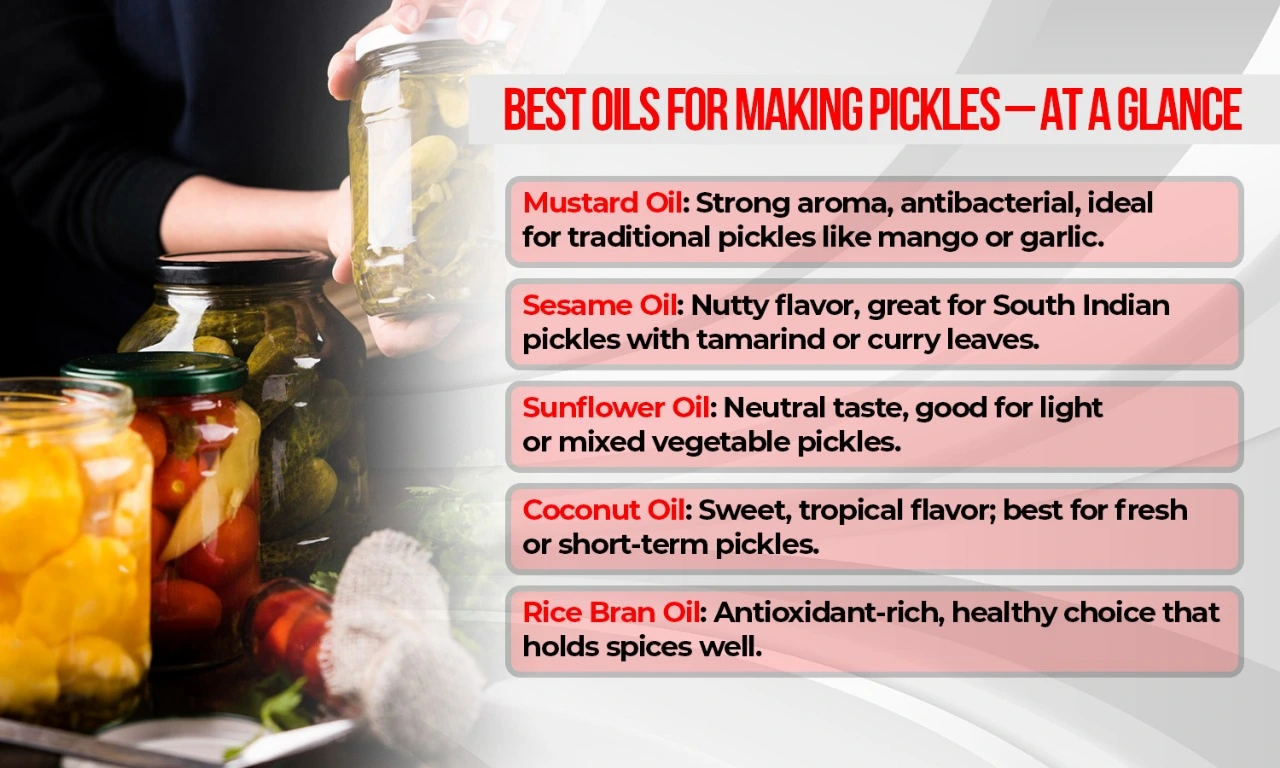
Pickles need an oil that acts as a preservative, enhances flavor, and binds the spices and ingredients together. The best oils for making pickles are those that offer stability, aroma, and traditional compatibility. These oils have been trusted in Indian households for generations.

Mustard Oil

Mustard oil is the gold standard in Indian pickling. Its strong aroma and natural antibacterial properties make it ideal for preserving ingredients over months. It adds a sharp, pungent taste, especially loved in fermented pickles like mango or garlic pickles. If you’re looking for one of the best oils for making pickles, mustard oil is always a top contender.

Sesame Oil

Popular in South Indian kitchens, sesame oil (gingelly oil) brings a nutty depth to pickles. It blends well with pickling spice and is especially used in pickle recipes involving curry leaves, tamarind, or garlic. It’s heat-stable and preserves spices beautifully.

Sunflower Oil

For those who prefer a neutral taste, sunflower oil is a great pick. It doesn’t interfere with the original flavor of vegetables or pickling vinegar, making it suitable for lighter pickles like sour pickles or mixed vegetable variants. Many modern kitchens consider it among the best oils for making pickles with subtle flavors.

Coconut Oil

Used in certain coastal regions, coconut oil brings a unique sweetness and tropical aroma to pickles. While not suitable for long shelf life, it works well for fresh or semi-preserved pickles.

Rice Bran Oil

Rich in antioxidants, rice bran oil is emerging as a modern pick for health-conscious home cooks. It holds spices well and supports traditional pickling methods without altering taste. Some families now count it among the best oils for making pickles with a health-first approach.

Ragi dosa is loaded with important nutrients that make it a healthy meal choice. Here are some key nutritional benefits: best oils for making pickles

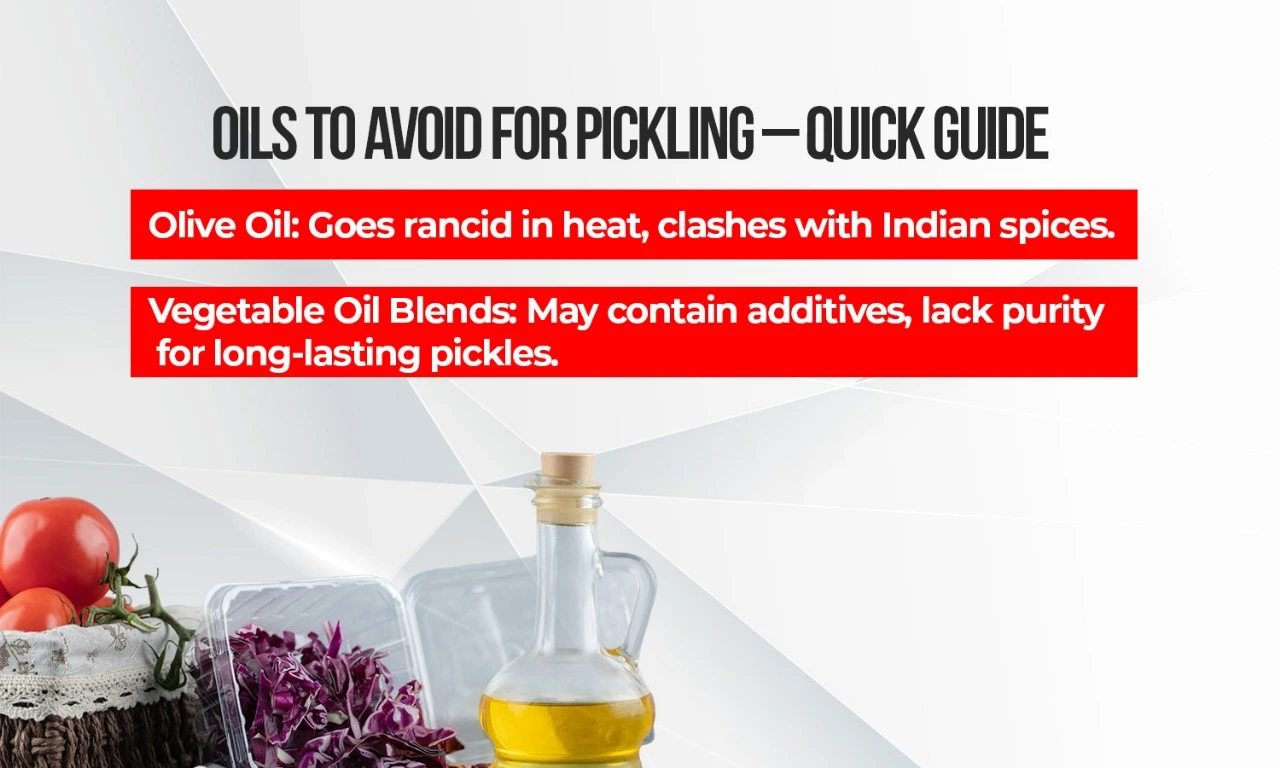
Oils to Avoid and Why

Olive Oil:

While popular in Mediterranean cuisine, olive oil is not suitable for Indian pickle recipes. It turns rancid quickly in warm climates and doesn’t blend well with Indian spices.

Vegetable Oil Blends:Blended oils may contain additives or refined elements that compromise pickle quality. They often lack the purity needed for making pickles that last.

Regional Preferences and Traditional Choices

In North India, mustard oil dominates, while in South India, sesame oil is the go-to. Coastal regions may prefer coconut oil for short-term pickling. These choices aren’t just about availability—they reflect cultural identity and traditional preservation techniques. No matter the region, the best oils for making pickles are deeply rooted in generational preferences.

Conclusion

The oil you choose can make or break your pickle. From the heat-friendly mustard oil of North India to the flavorful sesame oil of the South, each option tells a story of tradition and taste. Brands like 777 Foods honour these traditions by offering pure, preservative-free oils trusted by generations.
So next time you prepare a mango pickle or a batch of chilli pickle, think beyond taste—choose the oil that carries your legacy. Let your homemade pickles stand out as some of the best pickles your family and friends will love. And remember, the best oils for making pickles don’t just enhance taste—they preserve memories.

Key Takeaways

  • Mustard and sesame oils are traditional favorites for Indian pickling.
  • Coconut oil is great for quick-use pickles, not long-term storage.
  • Avoid olive oil and mixed vegetable oils for authentic results.
  • The right oil enhances flavor, aroma, and shelf life.
  • Regional preferences are rooted in tradition and climate
  • Know your oils before ordering pickles online or trying a new pickle recipe.

FAQs

What Is the Best Liquid for Pickles?The best liquid for pickles is a mix of oil and vinegar, depending on the recipe. Oils like mustard or sesame add flavor, while pickling vinegar ensures preservation.
What Is the Ratio of Salt to Vinegar for Pickles?A common ratio is 1:2—2 parts pickling vinegar to 1 part pickling salt. This ensures the pickle is both flavorful and safely preserved.
What Is the Minimum Vinegar for Pickles?Pickles typically require at least 2-3 tablespoons of vinegar per cup of water to maintain acidity and prevent spoilage.
What Is the 321 Rule for Pickles?This refers to a basic ratio: 3 parts vinegar, 2 parts water, 1 part sugar. It’s commonly used in quick pickle recipes.
How to Avoid Fungus in Pickles?Use clean jars, ensure ingredients are dry, and add enough oil to cover the surface. Oils like mustard or sesame create a barrier that helps prevent fungal growth.

Can You Make Pickles Without Vinegar?

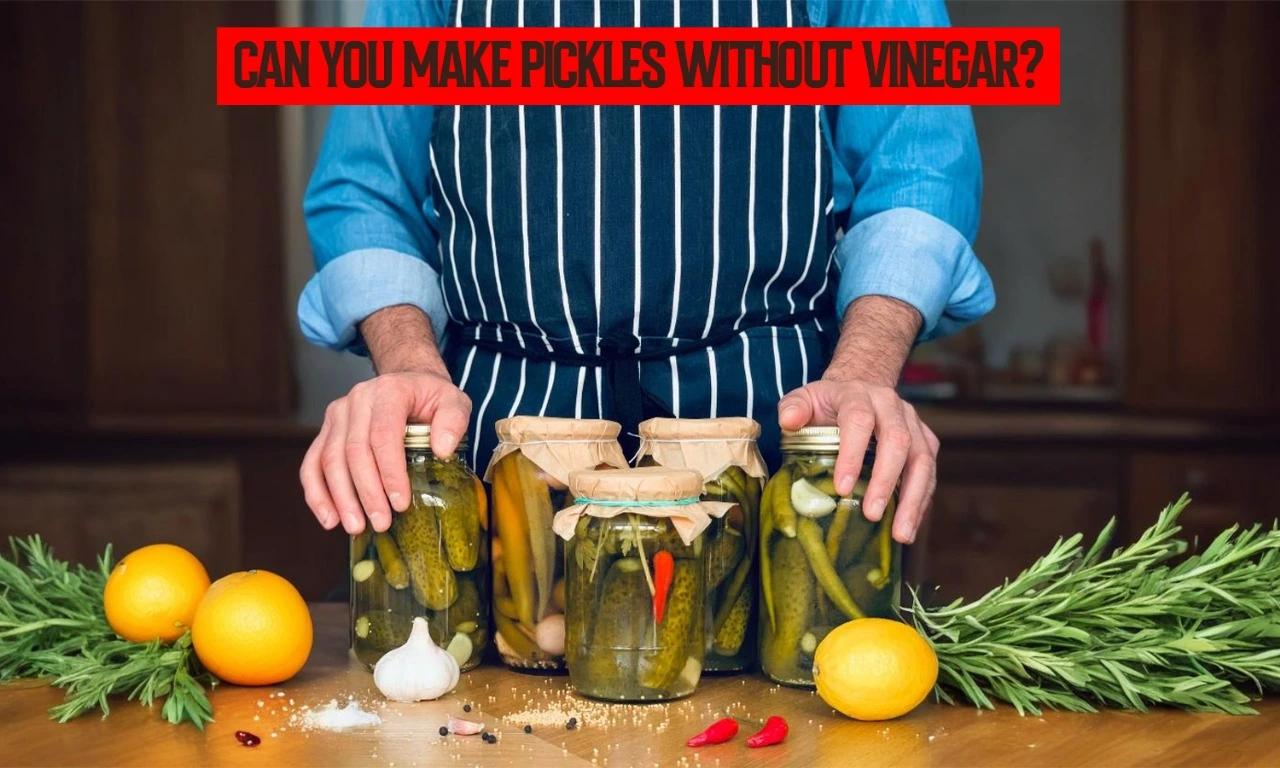
Vinegar-based pickles are widely popular, but did you know that you can also make pickles without vinegar? Traditionally, Indian pickles and many global varieties rely on natural fermentation instead of vinegar. This method enhances flavor, preserves nutrients, and introduces beneficial probiotics. Let’s explore how to make no vinegar pickles using natural fermentation.

Why Make Pickles Without Vinegar?

While vinegar-based pickles are quick and easy, naturally fermented pickles offer several benefits:

  • Rich in Probiotics: Fermentation produces beneficial bacteria that aid digestion.
  • Deeper Flavor: The taste evolves over time, giving a complex, tangy flavor.
  • No Artificial Preservatives: Fermented pickles are free from synthetic additives.
  • Traditional Method: Many classic Indian pickles, like achar without vinegar, follow this process.

pickles without vinegar

How to Make Pickles Without Vinegar: Natural Fermentation Process

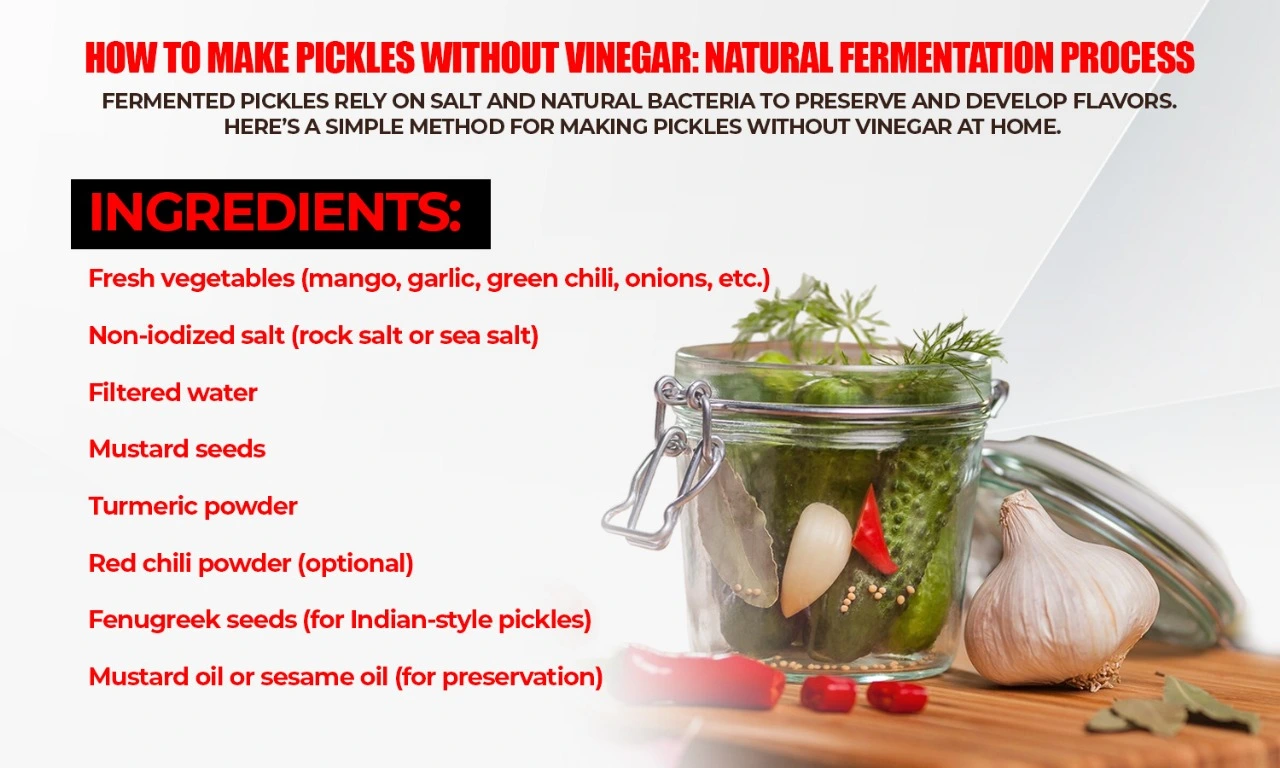
Fermented pickles rely on salt and natural bacteria to preserve and develop flavors. Here’s a simple method for making pickles without vinegar at home.

Ingredients:

  • Fresh vegetables (mango, garlic, green chili, onions, etc.)
  • Non-iodized salt (rock salt or sea salt)
  • Filtered water
  • Mustard seeds
  • Turmeric powder
  • Red chili powder (optional)
  • Fenugreek seeds (for Indian-style pickles)
  • Mustard oil or sesame oil (for preservation)

Instructions:

  • Prepare the Vegetables – Wash and dry the vegetables thoroughly to prevent mold formation.
  • Salt Brine Solution – Dissolve salt in water (typically 2-3 tablespoons per liter of water).
  • Pack the Ingredients – Place chopped vegetables in a sterilized glass jar and add mustard seeds, fenugreek, and spices.
  • Add the Brine – Pour the saltwater over the vegetables, ensuring they are completely submerged.
  • Fermentation Process – Cover the jar loosely and store at room temperature in a cool, dark place for 5-10 days.
  • Monitor & Stir – Check daily, stir if needed, and remove any foam or floating particles.
  • Taste & Store – Once the desired tangy flavor develops, store the pickle in the refrigerator for extended freshness.

This method works well for various pickles, including mango pickle without vinegar, garlic pickle without vinegar, and green chili pickle without vinegar.

pickles without vinegar

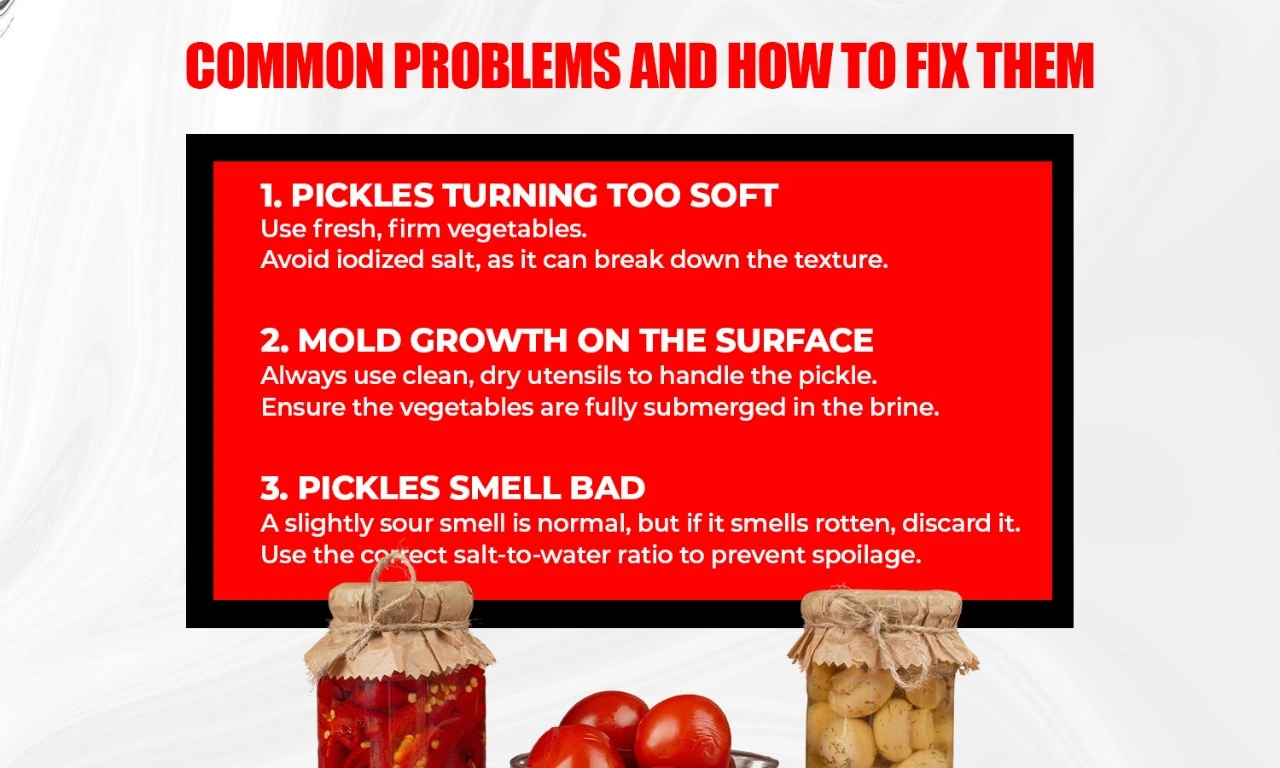
Common Problems and How to Fix Them

1. Pickles Turning Too Soft

  • Use fresh, firm vegetables.
  • Avoid iodized salt, as it can break down the texture.

2. Mold Growth on the Surface

  • Always use clean, dry utensils to handle the pickle.
  • Ensure the vegetables are fully submerged in the brine.

3. Pickles Smell Bad

  • A slightly sour smell is normal, but if it smells rotten, discard it.
  • Use the correct salt-to-water ratio to prevent spoilage.

pickles without vinegar

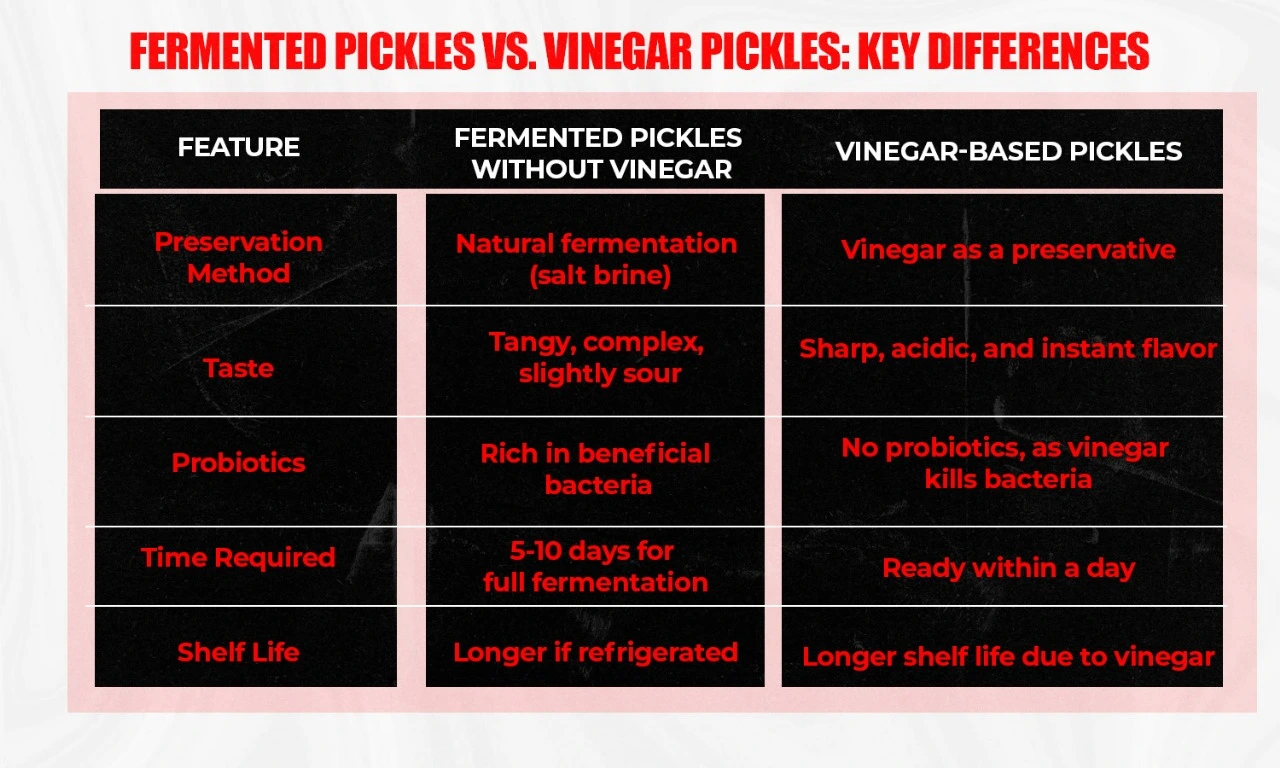
Fermented Pickles vs. Vinegar Pickles: Key Differences

Feature Fermented Pickles Without Vinegar Vinegar-Based Pickles
Preservation Method Natural fermentation (salt brine) Vinegar as a preservative
Taste Tangy, complex, slightly sour Sharp, acidic, and instant flavor
Probiotics Rich in beneficial bacteria No probiotics, as vinegar kills bacteria
Time Required 5-10 days for full fermentation Ready within a day
Shelf Life Longer if refrigerated Longer shelf life due to vinegar

If you’re looking to buy pickles without vinegar, check for fermented varieties available in specialty stores or online platforms.

Conclusion

Making pickles without vinegar is an age-old tradition that not only enhances flavor but also boosts gut health. Whether you prefer no vinegar pickle recipes like pickled onions without vinegar or Indian-style achar without vinegar, natural fermentation is a healthy and delicious alternative to store-bought pickles. Experiment with different vegetables and spices to create your own unique fermented pickles at home!

Key Takeaways

  • Fermented pickles use salt and natural bacteria instead of vinegar.
  • They offer probiotic benefits and a complex, tangy flavor.
  • Proper fermentation techniques prevent spoilage and ensure safe pickling.
  • Mango, garlic, and green chili pickles can be made without vinegar.
  • Fermented pickles take longer but provide a richer taste compared to vinegar pickles.

FAQs

How Long Do Fermented Pickles Last?Fermented pickles can last several months if stored properly in an airtight container in the refrigerator.
Can I Make Fermented Pickles without Salt?No, salt is essential for the fermentation process. It prevents harmful bacteria growth and aids in preserving the pickles.
What if My Pickles Are Too Salty?If pickles turn out too salty, rinse them lightly with water before serving, or dilute the brine with more water next time.
Are Pickles without Vinegar Safe to Eat?Yes, as long as they are fermented correctly, stored properly, and free from mold or off-putting smells.
Do Fermented Pickles Taste Like Vinegar Pickles?No, fermented pickles have a milder, complex tangy flavor, while vinegar pickles have a sharp, acidic taste.

Are Pickles Good for Digestion? The Truth About Pickles and Gut Health

Pickles have been a part of traditional diets for centuries, but are pickles good for digestion? The answer depends on the type of pickle you choose. While pickles good for your gut can provide beneficial probiotics, vinegar-based pickles lack these gut-friendly advantages. Let’s explore how pickles good for digestion impact overall gut health and which ones to choose.

Do Pickles Help with Digestion?

Many people ask, do pickles help gut health? The short answer is yes—but only certain kinds.

  • Fermented pickles contain live probiotics, which aid digestion and support good gut health.
  • Vinegar-based pickles do not have probiotics but can still provide some digestive benefits by stimulating stomach acid production.
  • Traditional Indian pickles, made using mustard oil, spices, and natural fermentation, are among the best pickles for gut health.

Including the right type of pickles in your diet can help maintain a balanced gut microbiome and promote foods good for gut health.

How Fermented Pickles Improve Digestion

Pickles Good for Digestion

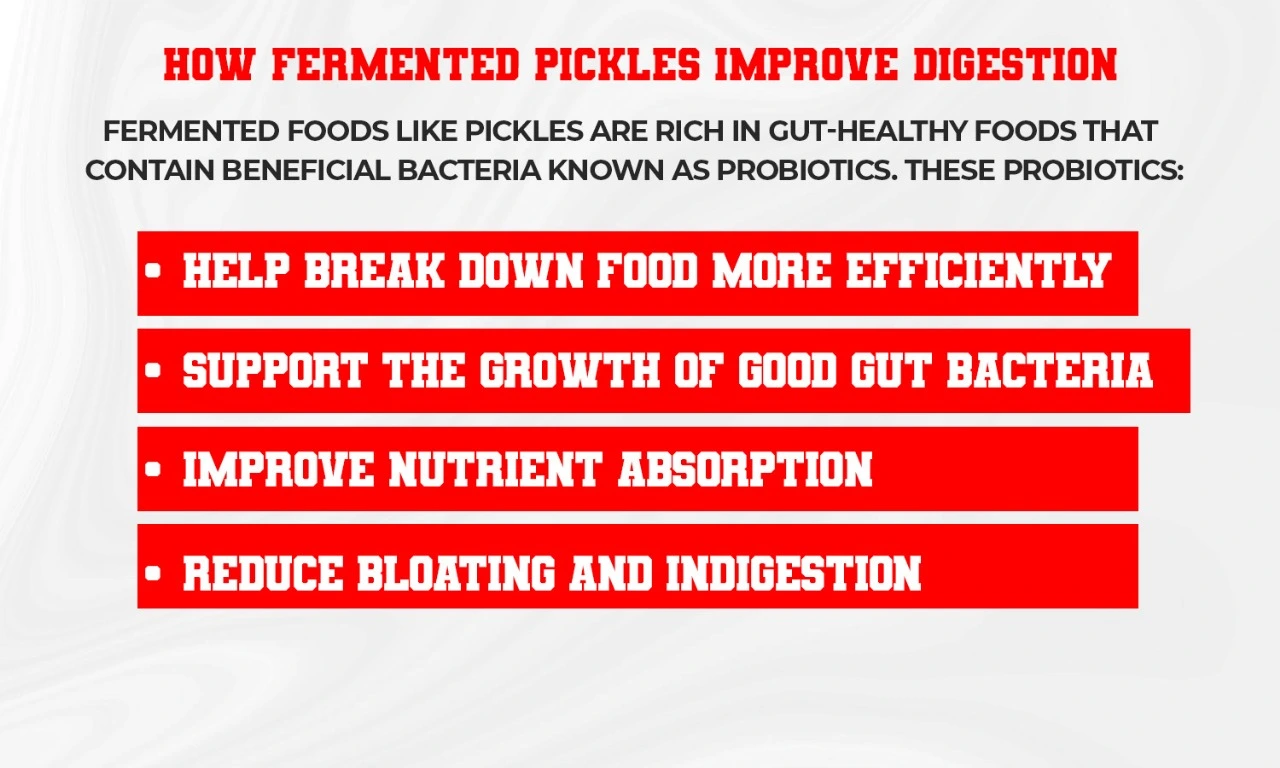
Fermented foods like pickles are rich in gut-healthy foods that contain beneficial bacteria known as probiotics. These probiotics:

  • Help break down food more efficiently
  • Support the growth of good gut bacteria
  • Improve nutrient absorption
  • Reduce bloating and indigestion

Some of the best foods for gut health include fermented pickles, yogurt, kimchi, and sauerkraut. Choosing pickles made without vinegar but fermented naturally ensures maximum probiotic benefits and a healthier gut.

Why Vinegar Pickles Don’t Offer the Same Benefits

While vinegar-based pickles are delicious, they do not undergo the fermentation process that creates probiotics. Instead,vinegar acts as a preservative, giving pickles their tangy flavor but without probiotic benefits.

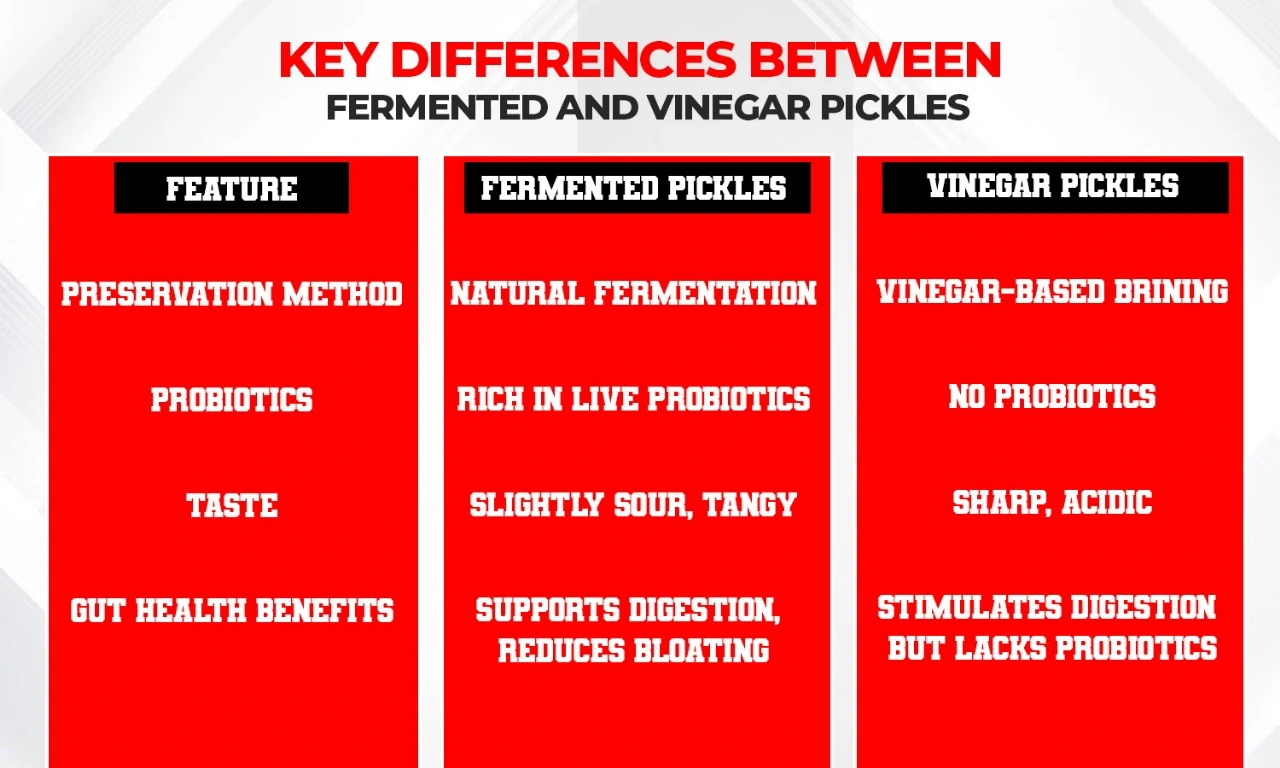
Key Differences Between Fermented and Vinegar Pickles

Pickles Good for Digestion

Feature Fermented Pickles Vinegar Pickles
Preservation Method Natural fermentation Vinegar-based brining
Probiotics Rich in live probiotics No probiotics
Taste Slightly sour, tangy Sharp, acidic
Gut Health Benefits Supports digestion, reduces bloating Stimulates digestion but lacks probiotics

For those looking for foods good for gut health, fermented pickles are the better choice.

How to Identify the Right Pickles for Gut Health

If you’re looking for pickles good for digestion, here’s what to look for:

  • Fermented, not vinegar-based – Choose naturally fermented pickles rather than those preserved in vinegar.
  • Unpasteurized – Pasteurization kills probiotics, so opt for raw or traditionally fermented pickles.
  • Minimal preservatives – Avoid store-bought pickles with artificial preservatives or excessive sodium.

For those wondering why are pickles good for your gut, the secret lies in their natural fermentation process, which promotes good gut health and better digestion.

Conclusion

Pickles can be a great addition to a gut-friendly diet—if you choose the right ones. Fermented pickles good for digestion are packed with probiotics that support gut healthy foods, while vinegar pickles, though tasty, lack these benefits. At 777 Foods, we focus on traditional fermentation methods to ensure our pickles are flavorful, natural, and beneficial for digestion. Try our range of pickles for an authentic, gut-friendly experience!

Key Takeaways

  • Fermented pickles good for your gut contain probiotics that support digestion.
  • Vinegar pickles lack probiotics but can still aid digestion.
  • Choosing unpasteurized, naturally fermented pickles is key to good gut health.
  • 777 Foods offers traditional, probiotic-rich pickles that promote foods good for gut health.

FAQs

Do All Pickles Contain Probiotics?

No. Only naturally fermented pickles contain probiotics, while vinegar-based pickles do not.

Can Pickles Help with Constipation?Yes. Fermented pickles improve gut healthy foods and digestion, which can help prevent constipation.
Do Pickles Cause Bloating?Fermented pickles can reduce bloating, but vinegar pickles may cause bloating in some people due to their acidic nature.
What’s the Best Way to Eat Pickles for Gut Health?Eat fermented pickles good for digestion in moderation with meals to support digestion and good gut health.