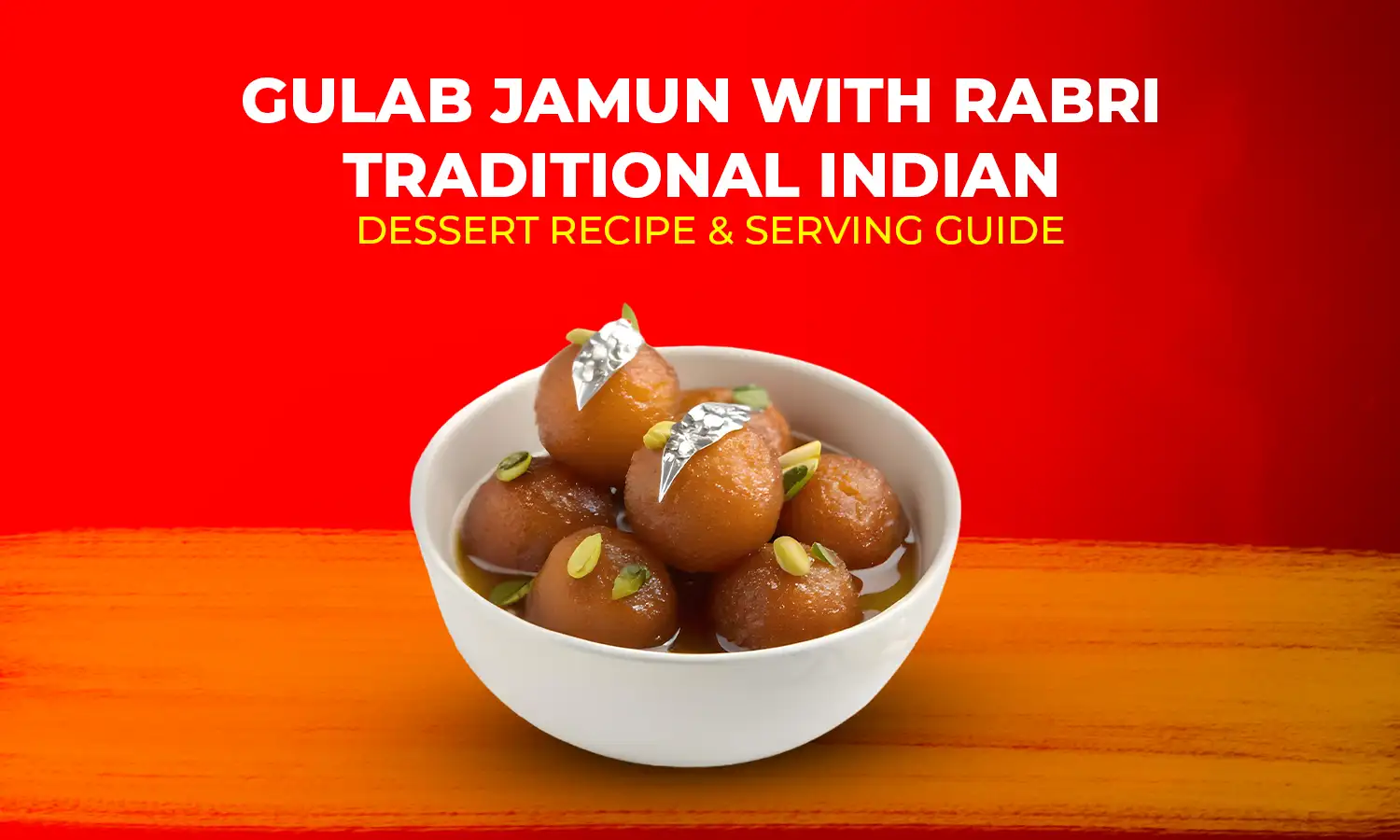
Gulab Jamun with Rabri – Traditional Indian Dessert Recipe & Serving Guide

Gulab jamun with rabri is one of the most indulgent Indian desserts. Soft, golden brown dumplings made of milk solids are soaked in fragrant sugar syrup and then topped or served with chilled, creamy rabri. The contrast between the warm gulab jamun and cold rabri, the syrupy sweetness and rich creaminess, makes it irresistible.
In Indian households, this dessert has been passed down through generations. With changing times, convenience has taken the front seat, and with brands like 777 Foods, maintaining authenticity while making preparation simpler is now possible.

Let’s dive into making this delightful dessert step-by-step. This Gulab Jamun Dessert Recipe is simple to follow and perfect for special occasions at home!

Ingredients:

For Gulab Jamun:

  • 1/4 cup milk (adjust as needed)
  • Ghee or oil for frying

For Sugar Syrup:

  • 1.5 cups sugar
  • 1.5 cups water
  • 4 cardamom pods
  • A few strands of saffron (optional)
  • 1 tsp rose water

For Rabri:

  • 1 litre full cream milk
  • 1/4 cup sugar (adjust to taste)
  • 10-12 chopped pistachios & almonds
  • 1/2 tsp cardamom powder
  • A few saffron strands

These ingredients are commonly used in easy indian dessert recipes that bring traditional flavours to your kitchen.

Instructions:

Step 1: Preparing the Sugar Syrup

1. Combine sugar and water in a wide pan.
2. Bring to a boil, then simmer for 5-7 minutes.
3. Add cardamom, saffron, and rose water.

4. Keep the syrup warm but not too hot while you prepare the gulab jamun.

Step 2: Making Gulab Jamun

1. Mix gulab jamun powder with milk slowly to form a soft dough.
2. Let it rest for 10 minutes.
3. Divide into equal portions and roll into smooth balls (avoid cracks).
4. Heat ghee/oil and fry on low-medium heat until golden brown.

5. Soak immediately in warm syrup for at least 30 minutes.

This forms the base of a step by step gulab jamun recipe that even beginners can follow.

Step 3: Making Rabri

1. Boil full cream milk in a thick-bottomed pan.2. Simmer and keep scraping the sides every few minutes to collect the cream (malai).
3. Continue until the milk reduces to about 1/3rd.
4. Add sugar, saffron, cardamom, and nuts.

5. Let it chill in the fridge before serving.

gulab jamun with rabri

How to Serve Gulab Jamun with Rabri

  • Place 2 warm gulab jamuns in a bowl.
  • Pour chilled rabri generously over them.
  • Garnish with chopped nuts and saffron.

This temperature contrast makes this one of the most satisfying desserts. You can even serve mini gulab jamun with rabri for individual portions during parties.

This style of serving is perfect for dessert plating ideas that look simple yet elegant. gulab jamun with rabri
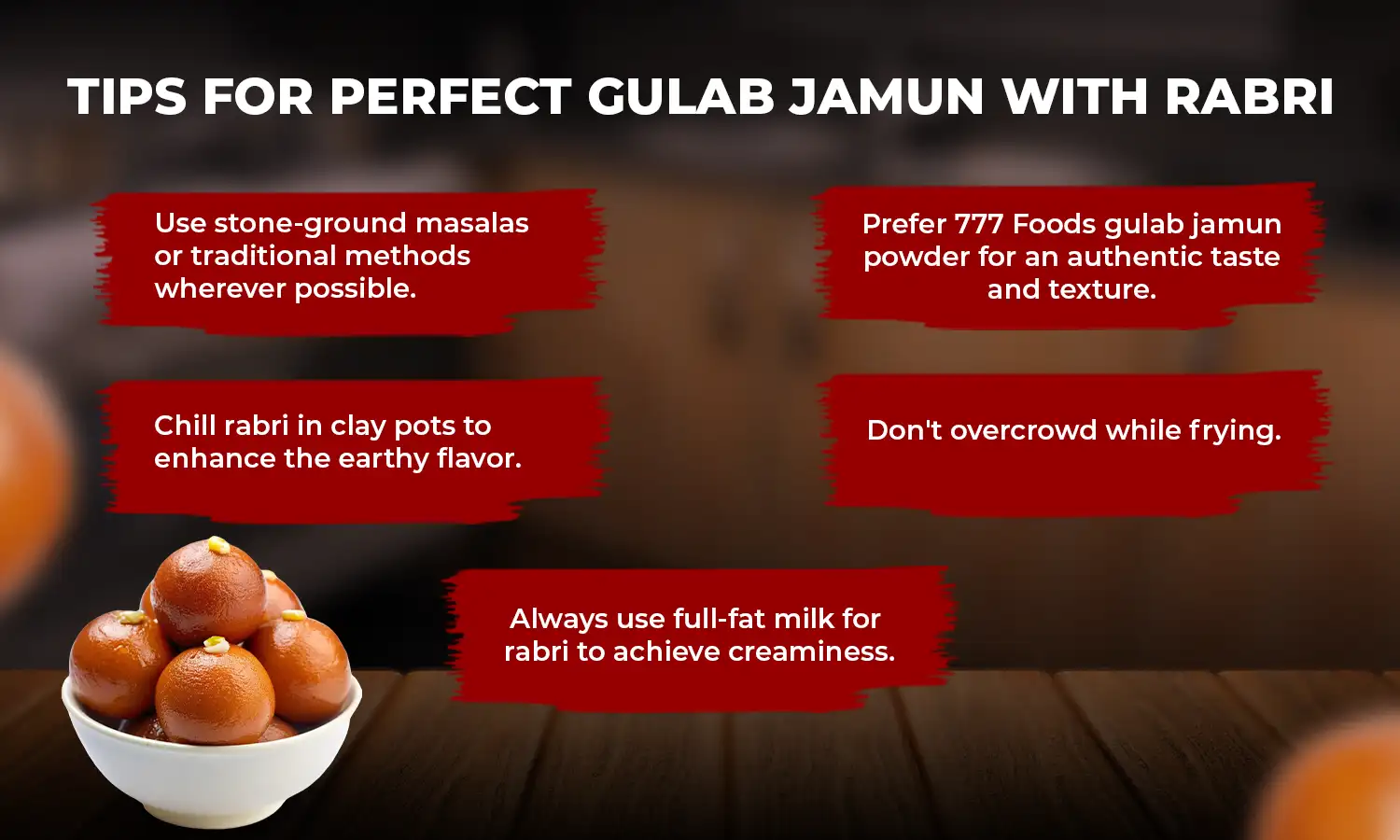
Tips for Perfect Gulab Jamun with Rabri

  • Use stone-ground masalas or traditional methods wherever possible.
  • Prefer 777 Foods gulab jamun powder for an authentic taste and texture.
  • Chill rabri in clay pots to enhance the earthy flavor.
  • Don’t overcrowd while frying.
  • Always use full-fat milk for rabri to achieve creaminess.

With these tips, you’ll perfect your gulab jamun with rabri every time. Using the right method helps you recreate a perfect gulab jamun with rabri recipe at home.

Exploring Modern Twists

If you’re watching your calorie intake, you might want to try baked gulab jamun with rabri. Yes, it’s possible! Instead of frying, bake the jamuns at 180°C until golden brown, and soak them in warm syrup as usual. Serve with cold rabri. This is growing popular among health-conscious dessert lovers.

This is a modern take on the classic, while keeping the taste and joy intact.

These variations make it an easy gulab jamun recipe at home for those looking for lighter options.

Why Quality Ingredients Matter

Whether it’s the gulab jamun ingredients or the milk you use for rabri, quality makes a world of difference. Traditional Indian desserts rely heavily on purity and richness of ingredients. That’s why trusted brands like 777 Foods are essential for preserving that legacy. Their products are made with handpicked ingredients, free from artificial preservatives, and are rooted in tradition.

When you choose made using quality products, you’re preserving flavor, tradition, and trust.

Good ingredients also make a big difference when preparing homemade gulab jamun.
gulab jamun with rabri

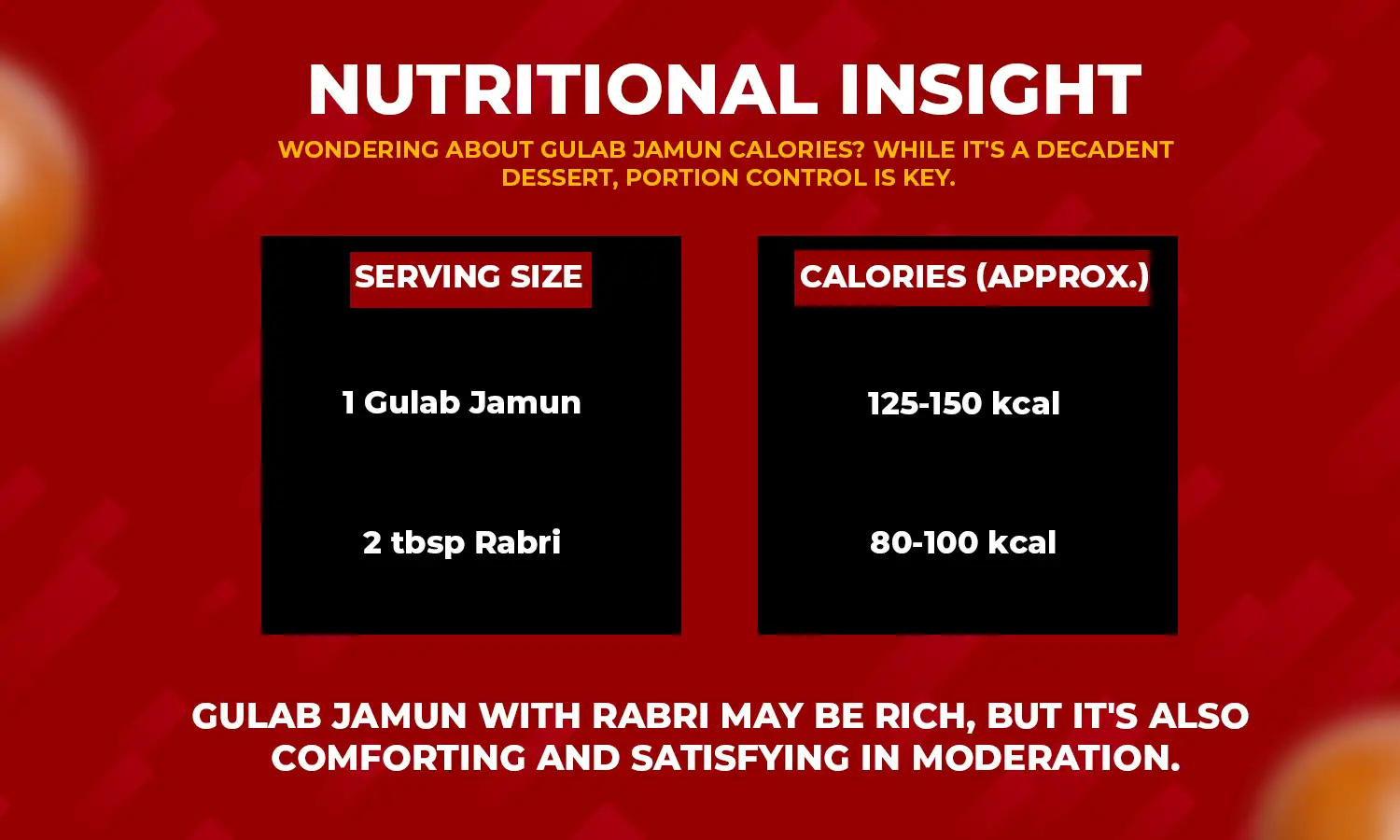
Nutritional Insights

Wondering about gulab jamun calories? While it’s a decadent dessert, portion control is key.

Serving Size Calories (Approx.)
1 Gulab Jamun 125-150 kcal
2 tbsp Rabri 80-100 kcal

Gulab jamun with rabri may be rich, but it’s also comforting and satisfying in moderation.

Despite being rich, it remains a popular sweet dessert after dinner for many families.

A Dessert That Connects Generations

Ask your grandmother for a gulab jamun ki recipe, and she’ll have a story behind every ingredient. This dish connects the past with the present. Whether you’re learning how to make rabri at home or picking up how to make gulab jamun with instant mix, the charm lies in the blend of tradition and modern-day convenience.

Even if you’re a beginner, with the right mix and guidance, you’ll create a dessert that feels like home. When it comes to heartwarming Indian sweets, gulab jamun with rabri is unbeatable.

This classic combination is often known as Rabri Gulab Jamun, loved for its rich taste and texture.

Key Takeaways:

  • Gulab jamun with rabri is a traditional Indian dessert perfect for any occasion.
  • Using high-quality ingredients ensures authentic flavor and texture.
  • Try modern versions like baked gulab jamun with rabri for a healthier twist.
  • Rabri recipe calls for patience but delivers unmatched richness.
  • Serve warm gulab jamuns with chilled rabri for the best experience.

This timeless Gulab Jamun Rabri pairing is a favourite among traditional festive desserts.

FAQs

What is gulab jamun with rabdi?Gulab jamun with rabri is a classic Indian dessert where soft, syrup-soaked dough balls are served with creamy, reduced milk (rabri), offering a rich and royal flavor.
What is the best combination with gulab jamun?The best pairing is with rabri, of course! The balance of warm syrupy jamuns and cold rabri creates a texture and taste contrast that’s simply delightful. Many prefer this timeless combination for festive feasts.
What do you serve gulab jamun with?Traditionally, gulab jamun with rabri is the most popular serving style. However, it also pairs well with vanilla ice cream or dry fruits for a festive touch.
Is gulab jamun better cold or warm?Gulab jamun tastes best when served warm, soaked in syrup. But when paired with cold rabri, it offers the best of both worlds—warmth and chill in every bite. This is why it is loved across generations.


Gulab Jamun with Ice Cream – A Perfect Hot and Cold Dessert Combo

Introduction

There’s something magical about the contrast of gulab jamun with ice cream. The warm, syrupy sweetness of golden brown gulab jamuns melting into a scoop of cold, creamy vanilla ice cream creates a dessert experience that feels indulgent, nostalgic, and exciting all at once. Whether served after a festive meal or enjoyed as a late-night treat, this fusion has become a favorite in Indian households and restaurants alike.
More than just a sweet dish, gulab jamun with ice cream brings together tradition and modern taste, satisfying those who crave both comfort and a twist. It’s the perfect example of how food evolves with time, yet still holds on to its roots.

What Makes Gulab Jamun with Ice Cream So Popular?

The popularity of gulab jamun with ice cream lies in its contrast — hot meets cold, soft meets creamy, and syrupy richness meets frozen lightness. It combines the traditional flavor of one of India’s most loved sweets with the global appeal of ice cream.

  • Texture contrast: The soft, spongy gulab jamun absorbs syrup and melts slightly into the ice cream, making every bite rich and indulgent.
  • Temperature play: The heat from the gulab jamun slightly melts the ice cream, creating a delightful warm-cold harmony.
  • Versatility: It works for weddings, birthdays, festivals, or just as a comfort dessert on any given day.

In a world where food combinations are often experimental, ice cream with gulab jamun stands out for its balance of tradition and innovation.
gulab jamun with ice cream

Best Ice Cream Flavors to Pair with Gulab Jamun

While vanilla ice cream with gulab jamun is the most popular combo for its simplicity and ability to enhance the gulab jamun’s flavor, there are many other delicious options to try:

  • Vanilla – Classic and clean, lets the gulab jamun shine.
  • Kesar Pista – Adds a traditional flair with saffron and pistachio notes.
  • Butterscotch – Brings in a crunchy texture and caramel undertone.
  • Kulfi – A thicker, more traditional milk-based dessert that complements the sweetness of gulab jamun.
  • Rose or Cardamom – For those who like a floral or spiced touch.

The best pairings depend on personal taste, but a scoop of hot gulab jamun with ice cream in any of these flavors promises a rich, satisfying finish.

How to Serve Gulab Jamun with Ice Cream

Presentation matters when it comes to such an indulgent dessert. Here’s how to make it look and taste even more irresistible:
1. Warm the gulab jamun slightly before serving. The dessert tastes best when the gulab jamun is hot and fresh.2. Place a scoop of vanilla ice cream with gulab jamun in a dessert bowl or glass.
3. Drizzle a bit of sugar syrup over the top for extra richness.
4. Garnish with crushed pistachios or rose petals.
5. Serve immediately to maintain the temperature contrast.

This quick recipe turns everyday sweets into something special. Many people search for a gulab jamun with vanilla ice cream recipe, but it’s as easy as heating, scooping, and plating!

gulab jamun with ice cream

Calories in Gulab Jamun with Ice Cream

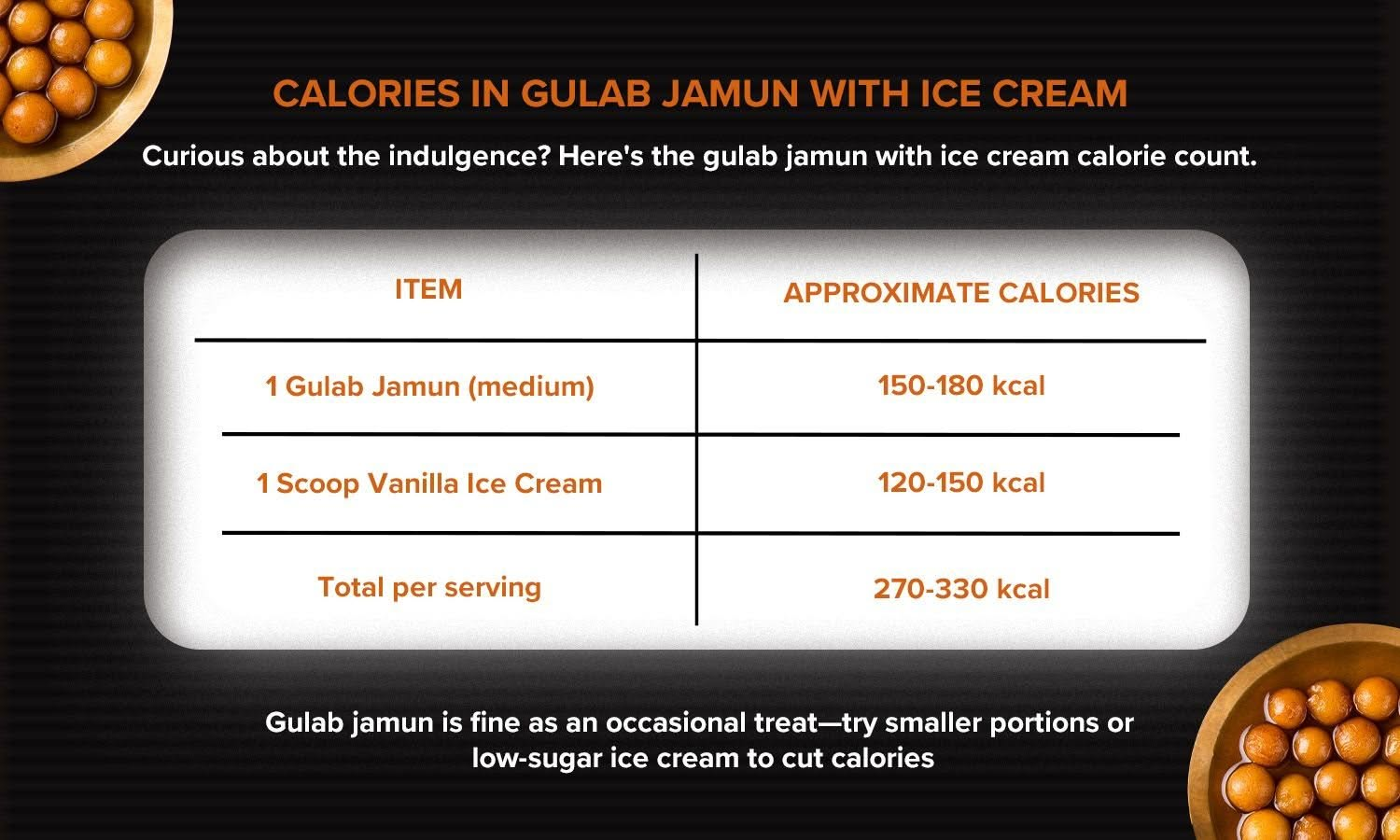
Wondering about the indulgence level? Here’s a look at gulab jamun with ice cream calorie count:

Item Approximate Calories
1 Gulab Jamun (medium) 150-180 kcal
1 Scoop Vanilla Ice Cream 120-150 kcal
Total per serving 270-330 kcal

While it’s definitely a treat, enjoying gulab jamun occasionally is completely fine. You can also opt for smaller portions or low-sugar ice creams to reduce the calorie load.

Creative Variations of Gulab Jamun with Ice Cream

Looking to elevate this classic? Try these fun and unique variations:

  • Mini Jamun Sundae: Cut mini gulab jamuns and layer them with ice cream and nuts in a sundae glass.
  • Jamun Ice Cream Sandwich: Flatten two gulab jamuns and place a scoop of ice cream in between.
  • Gulab Jamun Cheesecake: Use chopped jamuns in the base or topping of a fusion cheesecake.
  • Rolled Ice Cream Topped with Jamuns: If you’re into modern desserts, add chopped jamuns as a topping over fresh Thai-style rolled ice cream.
  • Baked Dessert Bowl: Bake a filo pastry cup and serve a hot jamun and ice cream combo in it.

No matter how you experiment, the classic flavor of gulab jamun and ice cream always finds a way to shine.

Where to Buy Ready-to-Eat Gulab Jamun Online

Craving the combo but short on time? Good news! You can find high-quality ready-to-eat gulab jamun online from trusted brands like 777 Foods.

At 777 Foods, we understand the value of tradition, which is why our gulab jamuns are made using carefully selected ingredients and time-honored methods. Pair them with your favorite ice cream for a quick yet authentic dessert at home.

Whether you’re celebrating or just treating yourself after dinner, keeping a tin of 777 Gulab Jamuns in your pantry ensures you’re never too far from a nostalgic indulgence. And yes, it makes preparing gulab jamun with ice cream a breeze.

Key Takeaways

  • Gulab jamun with ice cream is a beloved hot and cold dessert combination.
  • Vanilla, butterscotch, and kulfi are popular ice cream flavors that pair beautifully with gulab jamun.
  • Each serving of ice cream with hot gulab jamun contains around 270-330 calories.
  • You can get creative with sundaes, sandwiches, or even cheesecake using this combo.
  • Ready-to-eat gulab jamuns from 777 Foods offer quality and convenience for your dessert cravings.

FAQs

1. How to eat gulab jamun with ice cream?Scoop a warm gulab jamun onto a plate or bowl and top it with a scoop of your favorite ice cream. The combo is best enjoyed fresh, while the gulab jamun is still warm.
2. Which ice cream goes well with gulab jamun?Vanilla is the most common choice, but flavors like kesar pista, butterscotch, or even cardamom-infused ice cream pair wonderfully with gulab jamun.
3. What is the specialty of gulab jamun?Its melt-in-the-mouth texture and sweet, aromatic syrup make it a timeless dessert. It’s versatile and pairs beautifully with modern twists like ice cream.
4. What are the benefits of gulab jamun with ice cream?Apart from being delicious, gulab jamun with ice cream satisfies dessert cravings with minimal effort. It combines traditional richness with a refreshing twist, offering both comfort and indulgence.

Does a Gulab Jamun Contain Sugar Syrup? Nutrition, Ingredients & Health Facts

There’s a reason gulab jamun is the crown jewel of Indian desserts. Soft, spongy, and dripping in sweetness, this treat is a celebration in itself. But if you’ve ever paused mid-bite and asked, “Does a gulab jamun contain sugar syrup?”, you’re not alone. In this blog, we’ll break down everything from ingredients and syrup content to gulab jamun nutrition facts, all while keeping it rooted in tradition.

What Is Gulab Jamun Made Of?

Gulab jamun is a traditional Indian dessert made from khoya (reduced milk solids) or sometimes milk powder. The dough is shaped into small balls, deep-fried until golden brown, and then soaked in warm sugar syrup. In many modern homes, gulab jamun mix or gulab jamun powder is used to simplify any standard gulab jamun recipe.
These mixes usually contain refined flour, milk solids, a leavening agent, and a hint of cardamom for aroma. Though easier to use, the essence of the dish remains the same—rich, indulgent, and a symbol of celebration.
Does a Gulab Jamun Contains Sugar Syrup?

Does a Gulab Jamun Contains Sugar Syrup?

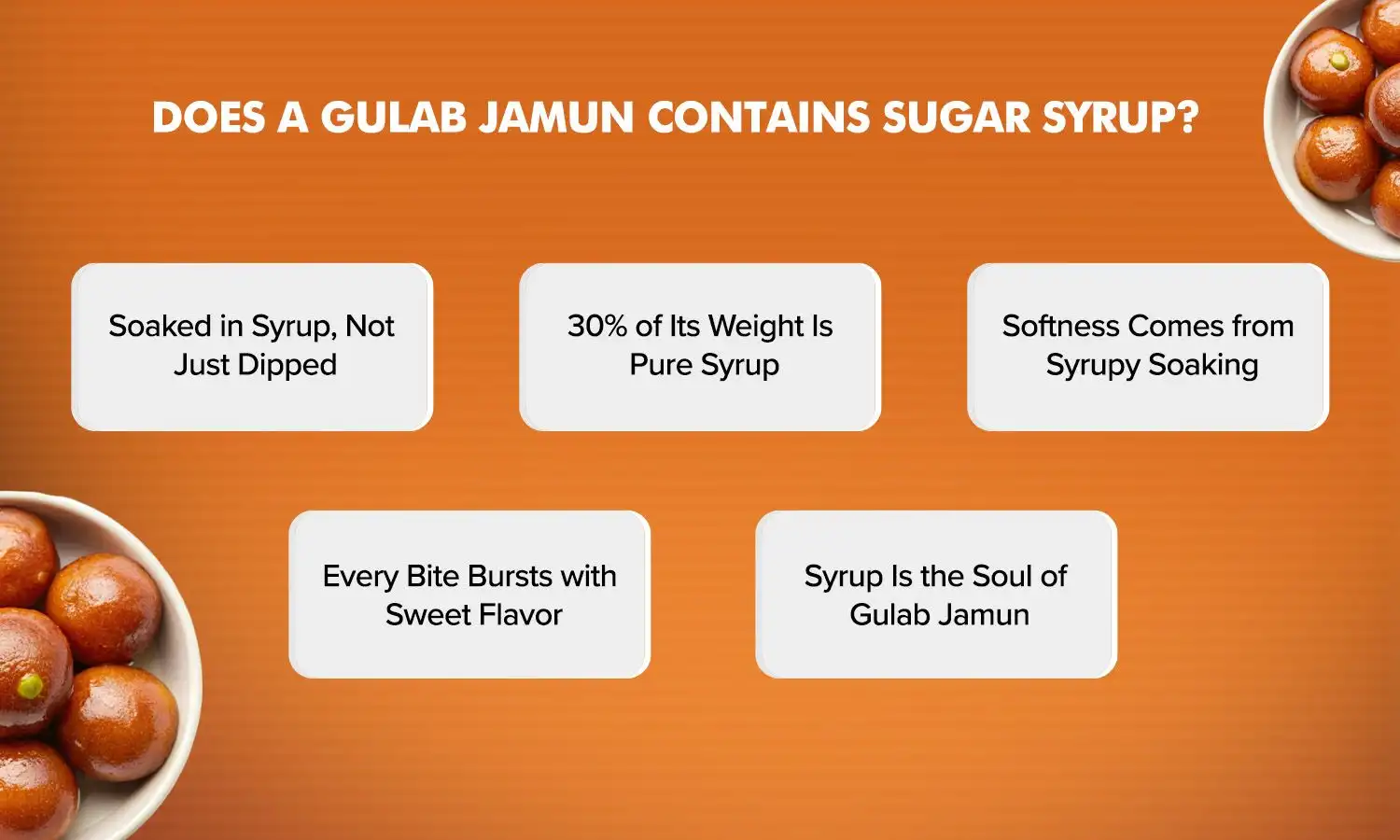
Yes, a gulab jamun contains sugar syrup. This syrup is not just a drizzle or a garnish; it is what transforms a fried milk ball into a rich, syrupy dessert that melts in your mouth.
The syrup is what gives gulab jamun its characteristic softness and intense sweetness. Once fried, the balls are soaked for hours, sometimes overnight, to absorb the syrup fully. This is why every bite bursts with sweet, aromatic flavor.
When someone says “a gulab jamun contains sugar syrup up to about 30% of its weight,” they are not exaggerating. The syrup seeps into the core, ensuring every bite is uniformly sweet.In essence, a gulab jamun contains sugar syrup at its heart—quite literally. It’s what makes it a dessert and not just a snack.
How Much Sugar Syrup Is in One Gulab Jamun?

How Much Sugar Syrup Is in One Gulab Jamun?

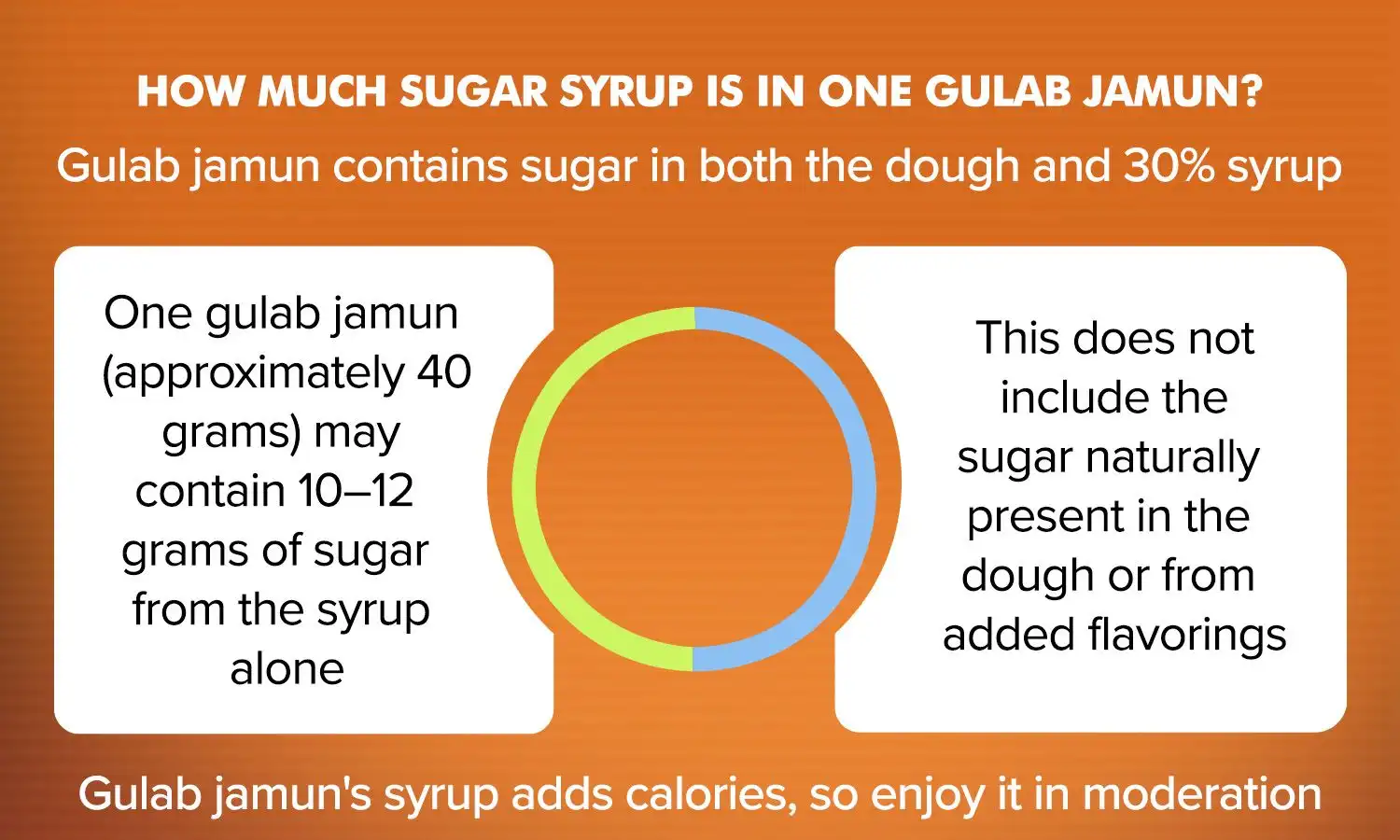
It might surprise you, but a gulab jamun contains sugar not just in the syrup, but also in the dough. On average, one medium-sized gulab jamun can hold sugar syrup equal to 30% of its weight.
For instance:

  • One gulab jamun (approximately 40 grams) may contain 10–12 grams of sugar from the syrup alone.
  • This does not include the sugar naturally present in the dough or from added flavorings.
  • One gulab jamun calories count typically ranges from 140 to 150 calories depending on its size and soaking time.

This means a gulab jamun contains sugar syrup that accounts for a significant portion of its calorie content. So, while delicious, it’s a dessert best enjoyed in moderation.

Why Is Sugar Syrup Used in Gulab Jamun?

Sugar syrup plays a central role in making gulab jamun recipe. Here’s why:

  • Texture: The syrup softens the fried dough, turning it from a dense ball into a melt-in-your-mouth delicacy.
  • Flavor: Infused with cardamom, rose water, or saffron, the syrup adds depth and aroma.
  • Preservation: The high sugar content helps preserve gulab jamun for a few days without refrigeration.

Without the syrup, you’re left with just a fried dough ball—not the rich, comforting taste that brings back childhood memories.

Some people even enjoy gulab jamun in syrup chilled, letting the flavors intensify over time. It’s the syrup that makes the dessert indulgent. That’s why a gulab jamun contains sugar syrup that is not only essential but irreplaceable.

How to Make Sugar Syrup for Gulab Jamun at Home

If you’re preparing gulab jamun from scratch, keeping the right gulab jamun sugar syrup ratio of equal parts sugar and water ensures the syrup penetrates the fried balls without making them soggy.

Here’s a quick and authentic gulab jamun sugar syrup recipe you can try:

Ingredients:

  • 1 cup sugar
  • 1 cup water
  • 4 cardamom pods (crushed)
  • A few strands of saffron (optional)
  • 1 tsp rose water (optional)

Without the syrup, you’re left with just a fried dough ball—not the rich, comforting taste that brings back childhood memories.

Steps:
1. In a saucepan, combine sugar and water. Heat until the sugar dissolves.2. Add cardamom and saffron. Let it simmer for 5–6 minutes.3. Turn off the flame and stir in rose water.4. The syrup should be warm—not boiling—when you soak the fried balls.This simple syrup brings out the authentic flavor, and if made fresh, enhances the texture of the dessert beautifully. Remember, a gulab jamun contains sugar syrup made lovingly to elevate taste and texture.
a gulab jamun contains sugar syrup

777 Foods & Traditional Desserts: A Sweet Connection

When it comes to upholding traditional Indian recipes with ease and quality, 777 Foods has been a trusted name for generations. From ready-to-use gulab jamun mix to wholesome instant dessert solutions, the brand ensures that each bite delivers both taste and trust.
While ordinary mixes may compromise on flavor or texture, 777 Foods uses finely ground, high-quality ingredients that preserve the true essence of a gulab jamun recipe. So, whether you’re serving guests or enjoying a sweet moment with family, you know you’re offering nothing but the best.
Even the gulab jamun price offered by 777 Foods strikes the right balance—affordable, yet premium in quality. With 777 Foods, every gulab jamun contains sugar syrup that tastes just like grandma made it.

Key Takeaways

  • A gulab jamun contains sugar syrup that makes it moist, sweet, and aromatic.
  • Sugar syrup content is up to 30% of the gulab jamun’s total weight.
  • The syrup is flavored with cardamom, saffron, and rose water.
  • Homemade or ready-made, using high-quality ingredients is key.
  • 777 Foods offers authentic gulab jamun powder and mix for easy and delicious preparation.

FAQs

Can Gulab Jamun Be Made Without Sugar Syrup?

Technically, yes. But without syrup, it’s just fried dough. A gulab jamun contains sugar syrup to enhance taste and texture. Skipping it means losing its soul.

What Is the Sugar Content in Gulab Jamun Syrup?

Gulab jamun syrup is highly concentrated. On average, 1 tablespoon of syrup contains about 12–15 grams of sugar. That’s why a gulab jamun contains sugar syrup in significant amounts.

How Is Gulab Jamun Syrup Made?

Simple! Combine equal parts sugar and water. Add cardamom, saffron, or rose water. The result? A rich, fragrant syrup that defines the dessert. This syrup is what ensures gulab jamun in syrup remains moist and flavorful. Clearly, a gulab jamun contains sugar syrup that’s essential to the experience.

Is Gulab Jamun healthy?

Many people ask if gulab jamun is healthy for a daily diet. Since it is deep-fried and soaked in sugar syrup, it is rich in fats and carbohydrates. It is best enjoyed as an occasional festive treat rather than an everyday health food.

Is Sugar Syrup in Gulab Jamun Bad for Diabetics?

Unfortunately, yes. Because a gulab jamun contains syrup high in refined sugar, it’s best avoided by those managing blood sugar levels. A gulab jamun contains sugar syrup in amounts that can spike glucose quickly.

Gulab Jamun Price in India – Powder, Packet, and Mix Rate Guide

Every Indian celebration, festival, or family gathering is incomplete without the soft, syrup-soaked delight called Gulab Jamun. Whether served hot at weddings or chilled after Sunday lunch, this sweet treat has become a timeless favorite. But with rising food prices and so many options in the market, one question always comes up: What is the current gulab jamun price in India? From powders to ready-to-eat packets and instant mixes, let’s explore the costs, comparisons, and insights that every sweet lover and home chef should know. gulab jamun price

What Is the Current Gulab Jamun Price in India?

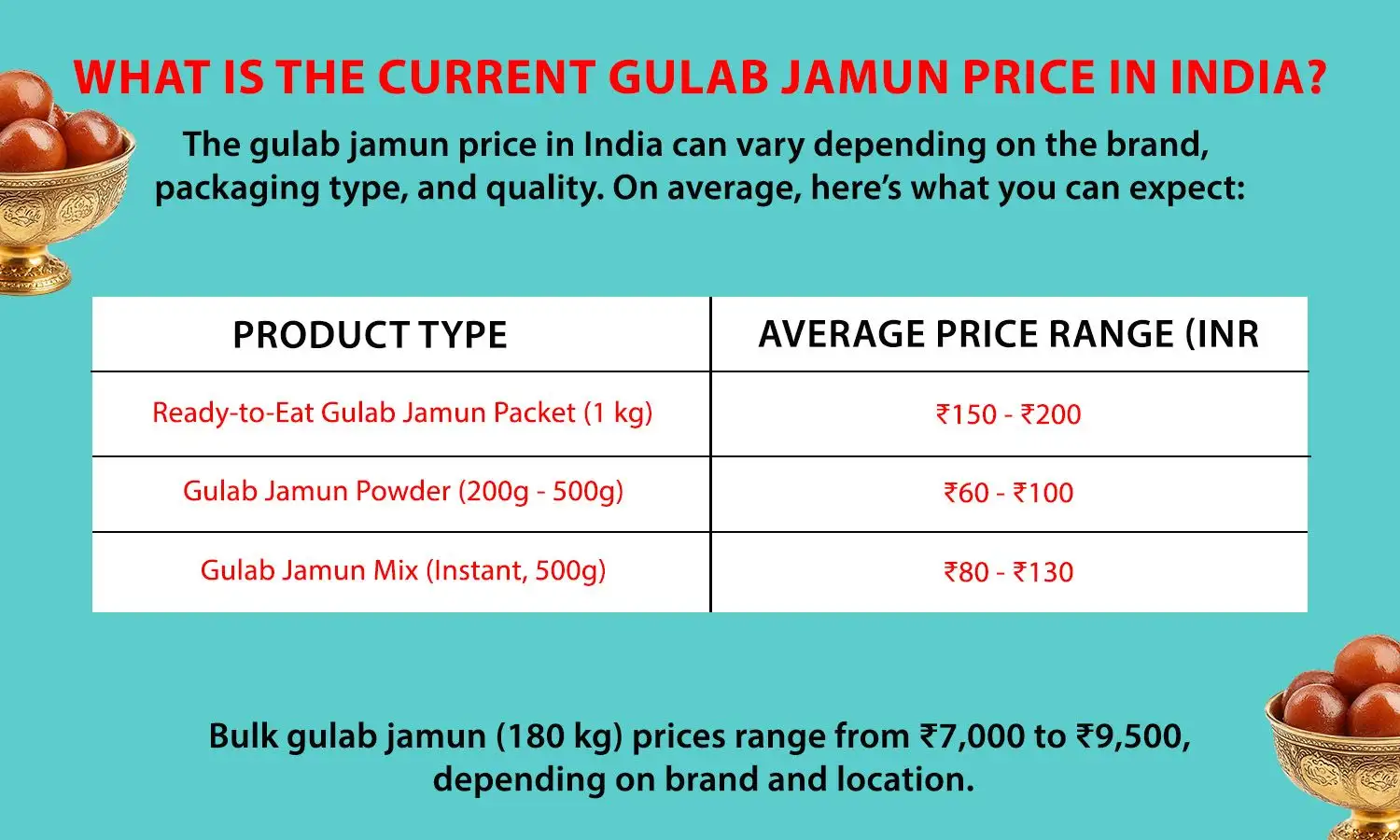
The gulab jamun price in India can vary depending on the brand, packaging type, and quality. On average, here’s what you can expect:

Product Type Average Price Range (INR)
Ready-to-Eat Gulab Jamun Packet (1 kg) ₹150 – ₹200
Gulab Jamun Powder (200g – 500g) ₹60 – ₹100
Gulab Jamun Mix (Instant, 500g) ₹80 – ₹130

Bulk orders, especially for events or sweet shops, can fetch different rates. For example, the gulab jamun price 180 kg in wholesale settings can start around ₹7,000 to ₹9,500, depending on region and brand.

Gulab Jamun Packet Price at Sweet Shops & Online Stores

When buying from your local mithai shop, the gulab jamun packet price usually includes preparation costs. A 1 kg box of fresh, hot gulab jamuns can cost anywhere between ₹180 and ₹250. During festive seasons like Diwali or Eid, prices may be slightly higher.

On the other hand, gulab jamun online purchases from stores like Amazon, BigBasket, and Flipkart often include options like instant mixes and readymade tins. These are more convenient, especially for people living away from home who crave traditional flavors without the need for extensive preparation.Popular brands like 777 Foods also offer ready-to-cook options that retain the richness of traditional recipes but simplify the process.

Gulab Jamun Powder vs Ready-Made Packets – What’s Cheaper?

When comparing gulab jamun powder price with the cost of ready-made packets, the powder tends to be more economical in the long run. Here’s a comparison:

  • Gulab Jamun Powder: You pay around ₹80 for 500g, which can make around 30-35 jamuns. That breaks down to just about ₹2.5 per piece.
  • Ready-Made Packets: A tin of 1 kg (about 15-20 pieces) costs ₹200, which is roughly ₹10-13 per piece.

If you’re hosting a function or prefer the joy of cooking at home, buying gulab jamun powder or gulab jamun mix is the more budget-friendly choice.Plus, using powder gives you control over freshness, sweetness, and quantity. gulab jamun price

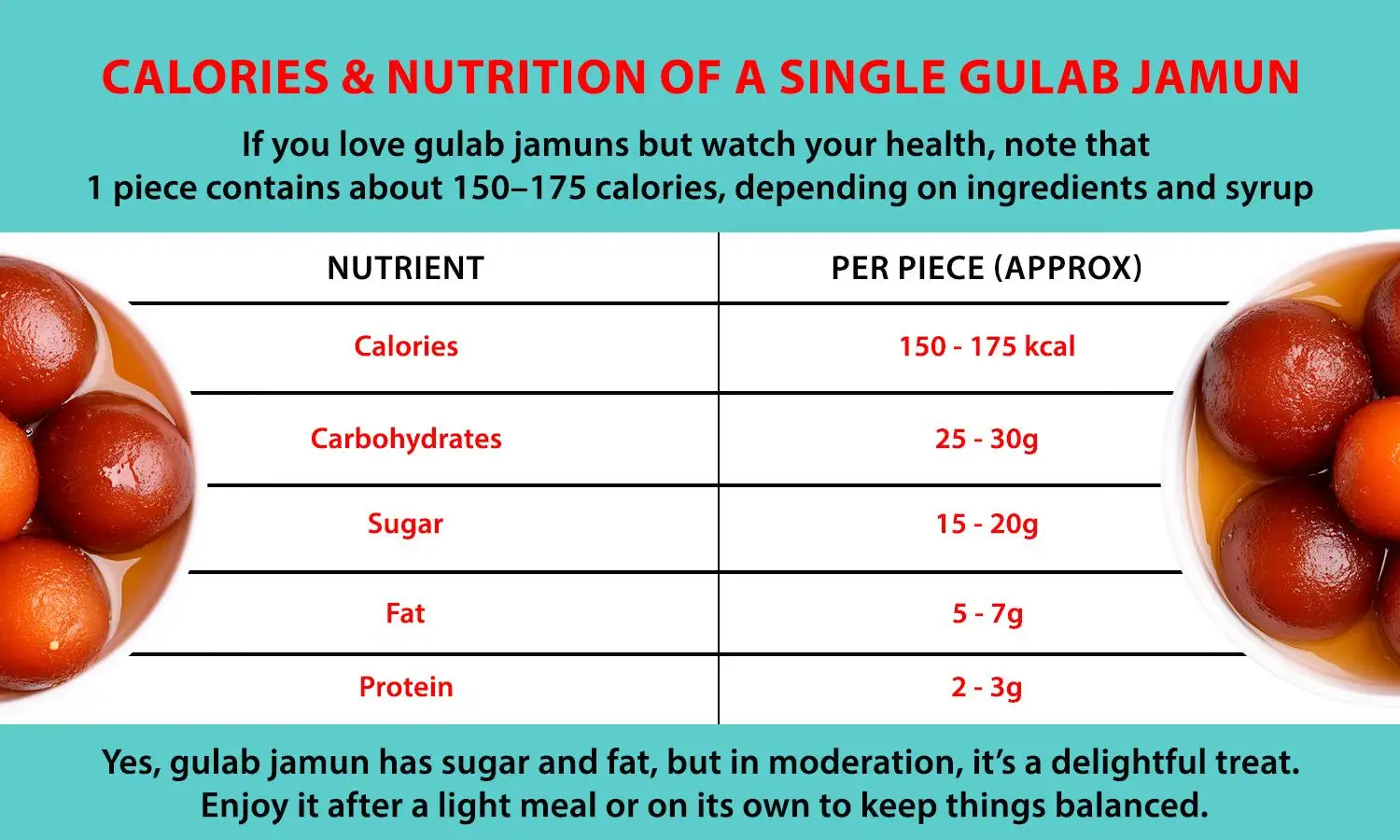
Calories & Nutrition of a Single Gulab Jamun

Now for those who love gulab jamuns but also keep an eye on their health, here’s what you need to know. On average, 1 gulab jamun calories amount to around 150-175 kcal, depending on ingredients and syrup content.

Here’s a simple nutritional breakdown:

Nutrient Per Piece (Approx)
Calories 150 – 175 kcal
Carbohydrates 25 – 30g
Sugar 15 – 20g
Fat 5 – 7g
Protein 2 – 3g

Yes, a gulab jamun contains sugar and fat, but when consumed in moderation, it adds a delightful indulgence to your meal. Pairing it with a lighter main dish or enjoying it as a standalone dessert keeps the balance right.

Where to Buy Gulab Jamun Online at Best Price?

If you’re wondering where to find the best deals, here’s what helps:

  • E-commerce platforms often offer discounts on bulk packs.
  • Brand websites, like 777 Foods, give you access to pure, trusted products directly from the source.
  • Subscribe & Save models let you schedule regular deliveries at a discounted gulab jamun mix price.

Whether it’s powdered mix or ready-to-eat, the advantage of buying gulab jamun online lies in variety, convenience, and consistent availability—especially for those staying abroad or in metro cities.

Don’t forget to check if the product includes gulab jamun syrup separately or already mixed, as that influences the taste and price.

Conclusion

Sweet, nostalgic, and rich in flavor, Gulab Jamun is not just a dessert—it’s an emotion. Whether you’re preparing it at home using gulab jamun powder or ordering ready-made packets, the choices today are plenty. And the gulab jamun price? It suits every budget, from economical powder packs to festive readymade boxes.With legacy brands like 777 Foods, you get the best of tradition, quality, and convenience in one spoonful of syrupy goodness.Enjoy the taste of tradition—without compromise.

Key Takeaways

  • Gulab jamun price varies based on form: powder (₹60-₹100), mix (₹80-₹130), and ready-made packets (₹150-₹200).
  • Gulab jamun powder price is more economical than ready-made options.
  • A single gulab jamun contains around 150-175 calories.
  • Bulk buyers can explore gulab jamun price 180 kg for events and functions.
  • For ease and quality, buying gulab jamun online from trusted brands is recommended.

FAQs

Why Is Gulab Jamun Expensive?The gulab jamun price reflects the quality of ingredients like khoya, ghee, and sugar. Handmade or ready-to-eat options involve labor and packaging, which can raise costs.
What Is the Shelf Life of Gulab Jamun?Freshly prepared gulab jamuns last 2-3 days without refrigeration. Tinned or packaged ones have a shelf life of 3 to 6 months if unopened and stored properly.
What Are the Benefits of Gulab Jamun?While mostly an indulgent treat, gulab jamun made from quality ingredients like those in gulab jamun powder offers quick energy from carbs and a small amount of protein.
How Much Protein Is in Gulab Jamun?Each gulab jamun typically contains 2-3g of protein, depending on preparation. Homemade versions with milk solids can have slightly more.

Top 7 Myths About Turmeric Powder

Introduction

Welcome! Today we’ll debunk the most common Myths About Turmeric Powder and share real insights backed by facts. Many people believe that turmeric’s power comes only from curcumin in turmeric, or that you must pair it with black pepper or fats. But myths swirl just like golden spice in milk—let’s sift fact from fiction together! By the end, you’ll confidently understand the turmeric powder health benefits, risks, et cetera. Let’s dive in.
Myths About Turmeric Powder

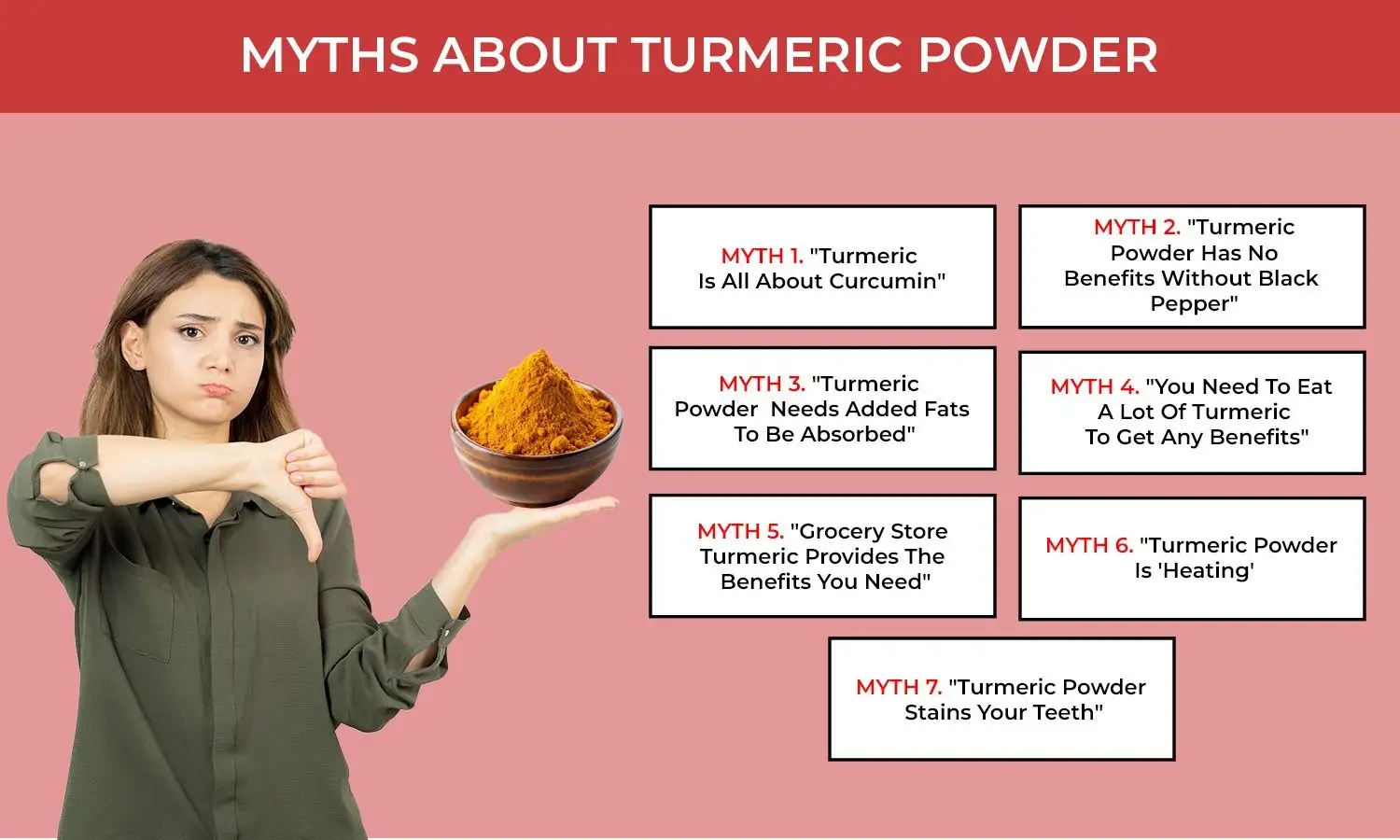
Myth 1: “Turmeric Is All About Curcumin”

One big misconception in Myths About Turmeric Powder is that only curcumin matters. True, curcumin in turmeric is a key compound—research shows anti-inflammatory and antioxidant action. But whole turmeric powder offers dozens more nutrients: essential oils, polysaccharides, and turmeric vitamins like C, E, and B6. Studies show the full spectrum works better than curcumin alone. So the myth falls—turmeric is more than a single compound.

Myth 2: “Turmeric Powder Has No Benefits Without Black Pepper”

Some insist no turmeric powder health benefits without turmeric and black pepper benefits. It’s true that black pepper, with piperine, improves uptake. But that doesn’t mean turmeric alone isn’t beneficial. Labs show that even without black pepper, turmeric offers mild anti-inflammatory and gut-support benefits. If you can’t tolerate pepper, you still get value. So the Myths About Turmeric Powder claiming zero benefit fall short.

Myth 3: “Turmeric Powder Needs Added Fats To Be Absorbed”

This is another of the Myths About Turmeric Powder floating around. While turmeric is fat‑soluble—often used in curries with oil or in turmeric golden milk (trending)—your body can still absorb it via warm water or plant-based sources like avocado or coconut milk. Sure, fat helps, but it’s not a requirement. Many turmeric smoothie recipes pair it with banana or almond milk—no butter needed!

Myth 4: “You Need To Eat A Lot Of Turmeric To Get Any Benefits”

Many believe you must consume large quantities to see results. But most turmeric powder health benefits start with just ½ to 1 teaspoon daily—around 2–3 g. Much more at once may increase turmeric powder side effects, like stomach upset or mild blood thinning. So the Myths About Turmeric Powder claiming you need tablespoons daily are false—small, consistent amounts give benefits without harm.

Myth 5: “Grocery Store Turmeric Provides The Benefits You Need”

This myth hides a real concern: turmeric adulteration. Common Myths About Turmeric Powder assume all store-turmeric is pure. Unfortunately, some low-cost powders are diluted with rice flour, chalk, or harmful dyes. To avoid that, look for organic turmeric powder with third-party testing. Labels like USDA Organic, Non-GMO Project Verified, or spice board certification show you’re getting pure turmeric. Don’t assume everything on grocery shelves is reliable. Myths About Turmeric Powder

Myth 6: “Turmeric Powder Is ‘Heating’”

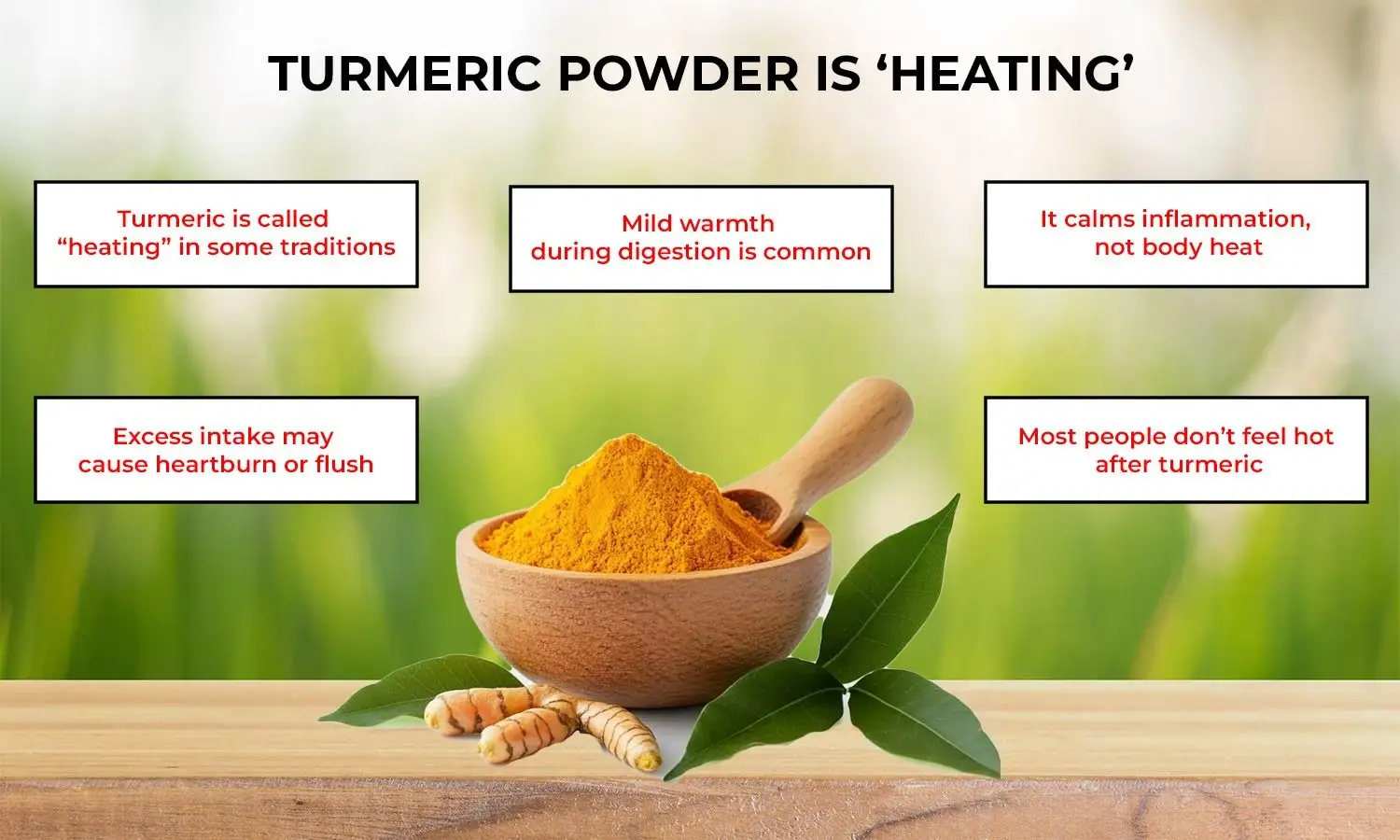
In some traditions, turmeric is labeled “heating,” thought to raise your internal temperature. If you’ve experienced mild warmth during digestion, that may explain the myth. But scientifically, turmeric isn’t thermogenic—instead, it helps calm inflammation. Some people say turmeric side effects include heartburn or flushing, especially if taken in excess or on an empty stomach. Most don’t get “hot” feelings. So this myth is mostly misunderstood.

Myth 7: “Turmeric Powder Stains Your Teeth”

One worry under Myths About Turmeric Powder is that golden spice can permanently yellow your teeth. Yes, bright color can coat enamel temporarily. But brushing afterward and using a straw with your turmeric golden milk (trending) or turmeric smoothie helps. Some even use turmeric for turmeric teeth whitening—the stain myth flips. Pro tip: rinse mouth after use to avoid any yellow cast.

Conclusion

Time to wrap up the Myths About Turmeric Powder adventure! We’ve debunked seven major ones—from exclusive focus on curcumin to fears of staining. You’ve learned that small daily amounts offer real benefit, pepper and fats help—but aren’t mandatory, grocery turmeric may not be pure, and turmeric doesn’t overheat the body or permanently stain teeth.
Next time someone tells you turmeric must meet one of these conditions, you’ll know the real story. Use authentic products—like pure organic turmeric powder—and enjoy one of nature’s most nourishing spices with confidence.

Key Takeaways

  • Turmeric has more than curcumin: contains vitamins, oils, fibers.
  • You don’t need pepper or fats to benefit—though they help.
  • Just ½–1 tsp per day can be effective; excess causes side effects.
  • Many powders are adulterated—choose certified organic turmeric powder.
  • Turmeric is not “heating”—it fights inflammation; side effects are mild.
  • It doesn’t permanently stain teeth—rinse after use or use a straw.
  • Enjoy turmeric in golden milk, smoothies, savory turmeric recipes, and more!

FAQs :

What Are the Facts About Turmeric Powder?
The truth behind Myths About Turmeric Powder is that turmeric contains many helpful compounds—not just curcumin. It offers antioxidant, anti-inflammatory, and digestive support when used in normal culinary amounts. Quality and dosage matter more than myths.
Who Cannot Take Turmeric Powder? Turmeric may cause mild turmeric powder side effects in people on blood thinners or those with gallbladder issues. Pregnant or nursing women and individuals with low blood pressure should ask a doctor before taking higher doses.
How Is Turmeric Powder Adulterated?
Sadly, turmeric adulteration occurs when cheaper fillers like sawdust, brick powder, or artificial dyes are added. Always choose a certified organic turmeric powder with lab testing to avoid contaminated products.
What Is the Raw Material of Turmeric?
Turmeric comes from the root (rhizome) of the Curcuma longa plant. After boiling, drying, and milling, it becomes the bright yellow spice—so the root is the real source behind turmeric powder health benefits.
How Many Varieties of Turmeric Are Grown in India? India grows over 80 different varieties of turmeric. Popular types include Allepey turmeric, Madras, Erode, and Rajapuri. Each has unique traits—flavor, color, curcumin levels—and all contribute to turmeric benefits worldwide.

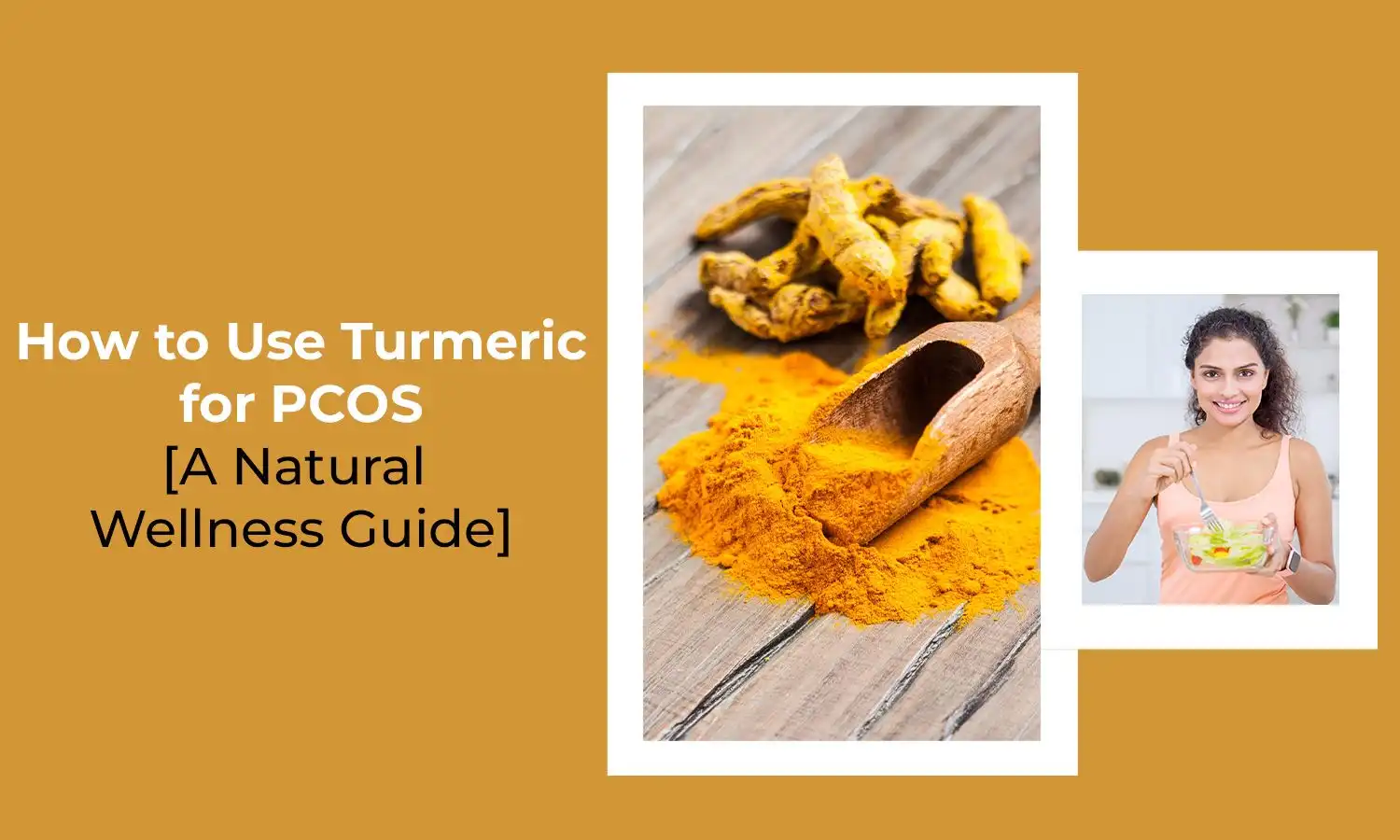
How to Use Turmeric for PCOS [A Natural Wellness Guide]

Understanding PCOS: It’s More Than Just Period Problems

Polycystic Ovary Syndrome (PCOS) affects millions of women globally. It’s a hormonal imbalance that leads to a range of concerns—from irregular periods and weight gain to mood swings, fertility challenges, and insulin resistance. While many know PCOS for missed periods or acne, its deeper effects on inflammation, hormonal imbalance, and metabolism often go unnoticed.
That’s why women today are turning to natural remedies for irregular periods and looking into PCOS natural treatment options that are rooted in tradition and backed by science. One such ingredient that continues to show promise is turmeric for PCOS.

The Golden Healer: How Turmeric Fights Key PCOS Symptoms

Turmeric, or haldi, has long been a cornerstone in Ayurveda. Known for its bright yellow hue and warm aroma, turmeric holds a powerful compound called curcumin. This is what gives turmeric its reputation as one of the best anti-inflammatory spices.

Women managing PCOS deal with chronic inflammation, oxidative stress, and insulin resistance. Turmeric for PCOS helps by targeting all three of these issues naturally. It’s also gaining popularity as a gentle aid in healing PCOS naturally. Beyond medicinal benefits, this spice is now recognized globally for improving wellness in women.

The Power of Curcumin: Reducing Inflammation & Improving Insulin Resistance

One of the most common questions is: how to reduce inflammation in body PCOS sufferers experience? The answer often lies in diet and lifestyle—but specifically, the inclusion of curcumin for PCOS.

Curcumin works by regulating inflammatory pathways and boosting antioxidant activity. This can help in lowering insulin levels and decreasing the risk of Type 2 diabetes. When taken regularly, turmeric for PCOS weight loss also becomes more achievable, as it supports metabolism and reduces bloating.

Adding curcumin-rich turmeric for hormonal acne has shown positive effects too. Many women notice improved skin texture, fewer breakouts, and better hormonal balance—all naturally. turmeric for pcos

Simple & Effective: How to Add Turmeric into Your Daily PCOS Diet

Adding turmeric to your diet doesn’t require a complete kitchen overhaul. Here are some easy, daily ways to incorporate turmeric for PCOS support:

  • Mix a pinch into your morning smoothie or warm lemon water.
  • Sprinkle it over sautéed veggies or lentils.
  • Add it to soups, dals, and curries for both color and health.
  • Use turmeric milk for PCOS relief before bedtime for its soothing, anti-inflammatory effect.

These small additions form part of a larger anti-inflammatory diet for PCOS. It’s also important to remember that including foods to eat for PCOS like leafy greens, whole grains, and healthy fats work in harmony with turmeric to balance the system.

Our Purity Promise: Why SGR777 Turmeric is the Right Choice for Your Health

At SGR777 Foods, we understand the importance of choosing only the purest ingredients—especially when it comes to wellness. Our pure haldi powder online is made from handpicked turmeric roots, stone-ground to preserve curcumin content, and packed without additives or preservatives.

When you’re navigating how to balance hormones naturally for PCOS, quality matters. That’s why our turmeric stands apart. Whether it’s in your kitchen or your wellness routine, turmeric for PCOS only works best when it’s pure.

turmeric for pcos

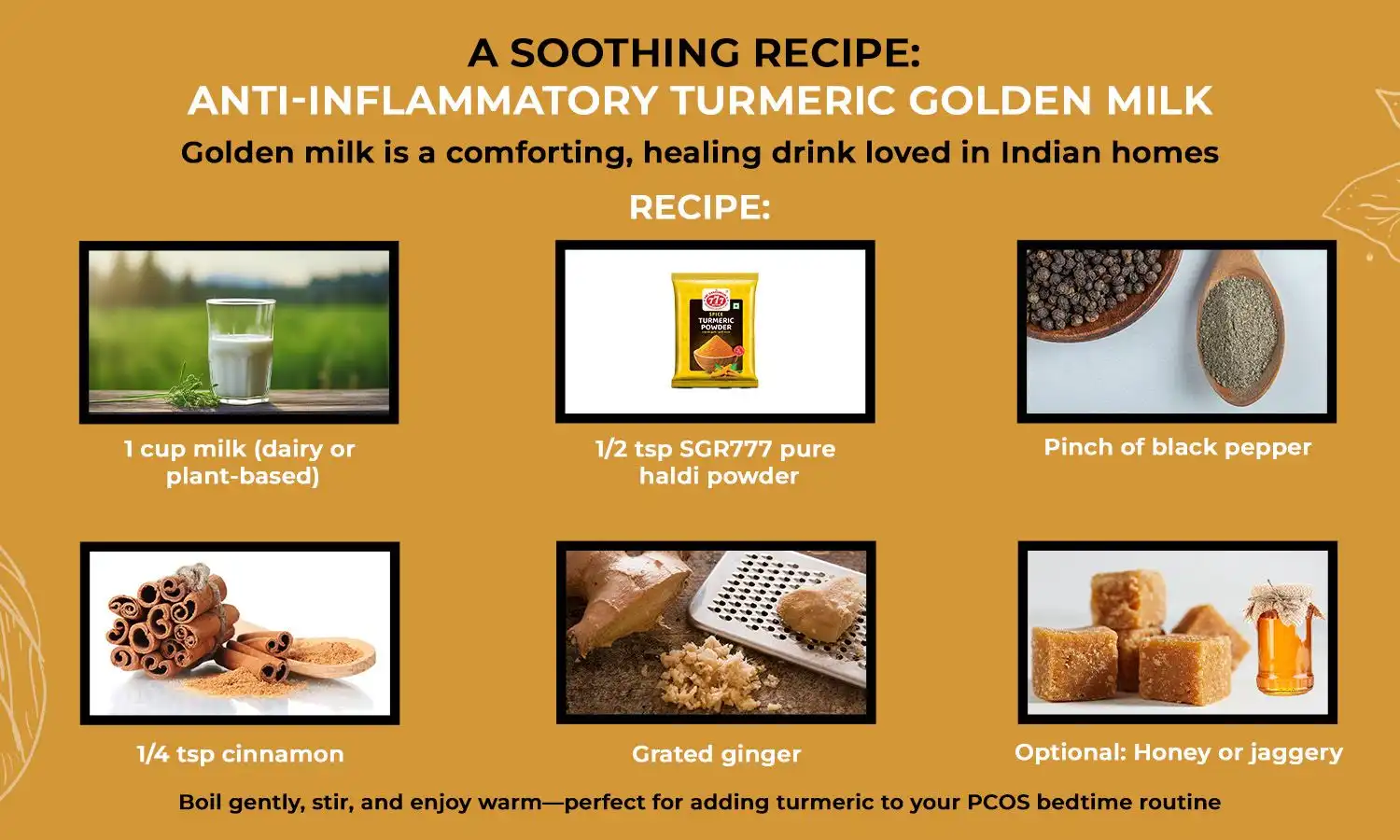
A Soothing Recipe: Anti-Inflammatory Turmeric Golden Milk

Golden milk has been cherished in Indian households for generations. It’s not just comforting—it’s healing.
Recipe:

  • 1 cup of milk (dairy or plant-based)
  • 1/2 tsp SGR777 pure haldi powder online
  • A pinch of black pepper (enhances curcumin absorption)
  • 1/4 tsp cinnamon
  • A small piece of grated ginger
  • Optional: Honey or jaggery for sweetness

Bring all ingredients to a gentle boil, stir well, and enjoy warm. This recipe is a natural way to add turmeric for PCOS into your bedtime routine.
turmeric for pcos

Important Precautions Before Using Turmeric for PCOS

While turmeric is generally safe, it’s always good to start slow and monitor your body. Here are a few tips:

  • Consult your doctor if you’re on medications for blood pressure or diabetes.
  • Too much turmeric may upset your stomach or cause thinning of blood.
  • Stick to safe doses—usually 1/2 to 1 teaspoon daily in food or drink is ideal.
  • Jeera supports digestion and wellness, but too much can cause acidity or discomfort.

As with all supplements for PCOS, consistency and balance are key. Make turmeric a daily ritual—not a quick fix.

FAQs :

How does turmeric actually help with PCOS? Turmeric helps reduce inflammation, improve insulin resistance, and support hormonal balance. The curcumin in turmeric plays a key role in managing PCOS symptoms naturally.
What is the best way to take turmeric for PCOS? Golden milk, smoothies, and curries are great ways to use turmeric for PCOS. Taking it with black pepper improves curcumin absorption.
How much turmeric should a woman with PCOS take? Generally, 1/2 to 1 teaspoon per day is safe. However, if you’re using supplements, always consult a healthcare provider.
Why is it important to use PURE turmeric powder?Only pure haldi powder online retains its natural oils, curcumin, and healing properties. Processed variants may lose nutritional value and contain fillers.

How to Add Turmeric to Your Diet [10 Simple and Tasty Ways]

There’s a reason your grandmother swore by turmeric. In every Indian household, this golden spice is more than just a kitchen staple—it’s a symbol of healing, warmth, and nourishment. If you’ve ever wondered how to add turmeric to your diet without making it feel like medicine, you’re in the right place.

Whether you’re looking to boost immunity, reduce inflammation, or simply enrich your meals with authentic Indian flavors, turmeric is your go-to spice.

At 777 Foods, we believe in preserving tradition while simplifying your cooking experience. So, here’s a detailed guide on how to add turmeric to your diet —blending old wisdom with modern-day convenience.

how to add turmeric to your diet

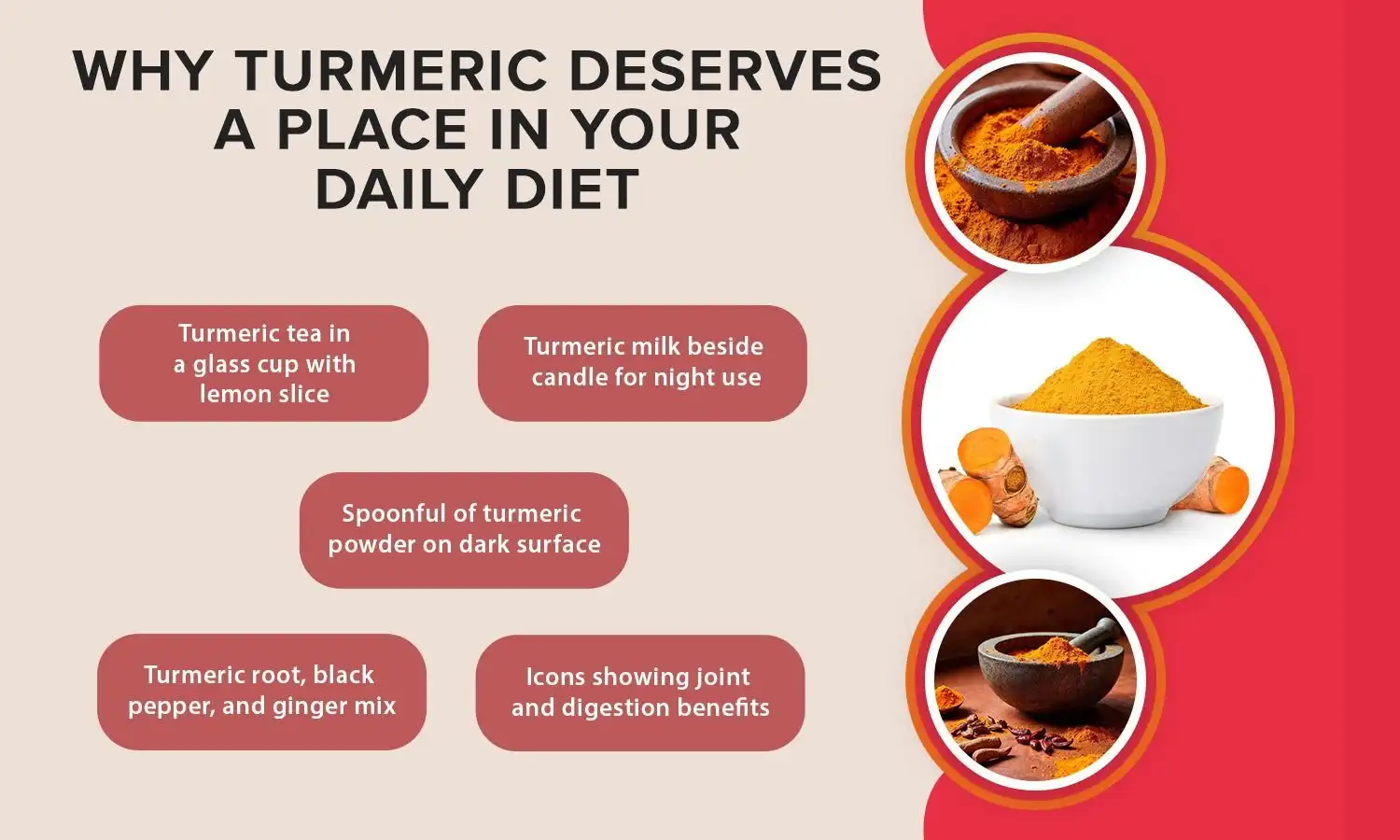
Why Turmeric Deserves a Place in Your Daily Diet

Turmeric isn’t just any spice—it’s a natural powerhouse. Curcumin, the active compound in turmeric, is known for its anti-inflammatory and antioxidant properties. But the real magic happens when you consume it consistently and in the right way. That’s why learning how to add turmeric to your diet daily can go a long way in supporting overall health.
From reducing joint pain to improving digestion, the benefits of turmeric tea, turmeric water benefits, and even turmeric with milk benefits at night are backed by centuries of Ayurvedic wisdom and growing scientific research. how to add turmeric to your diet

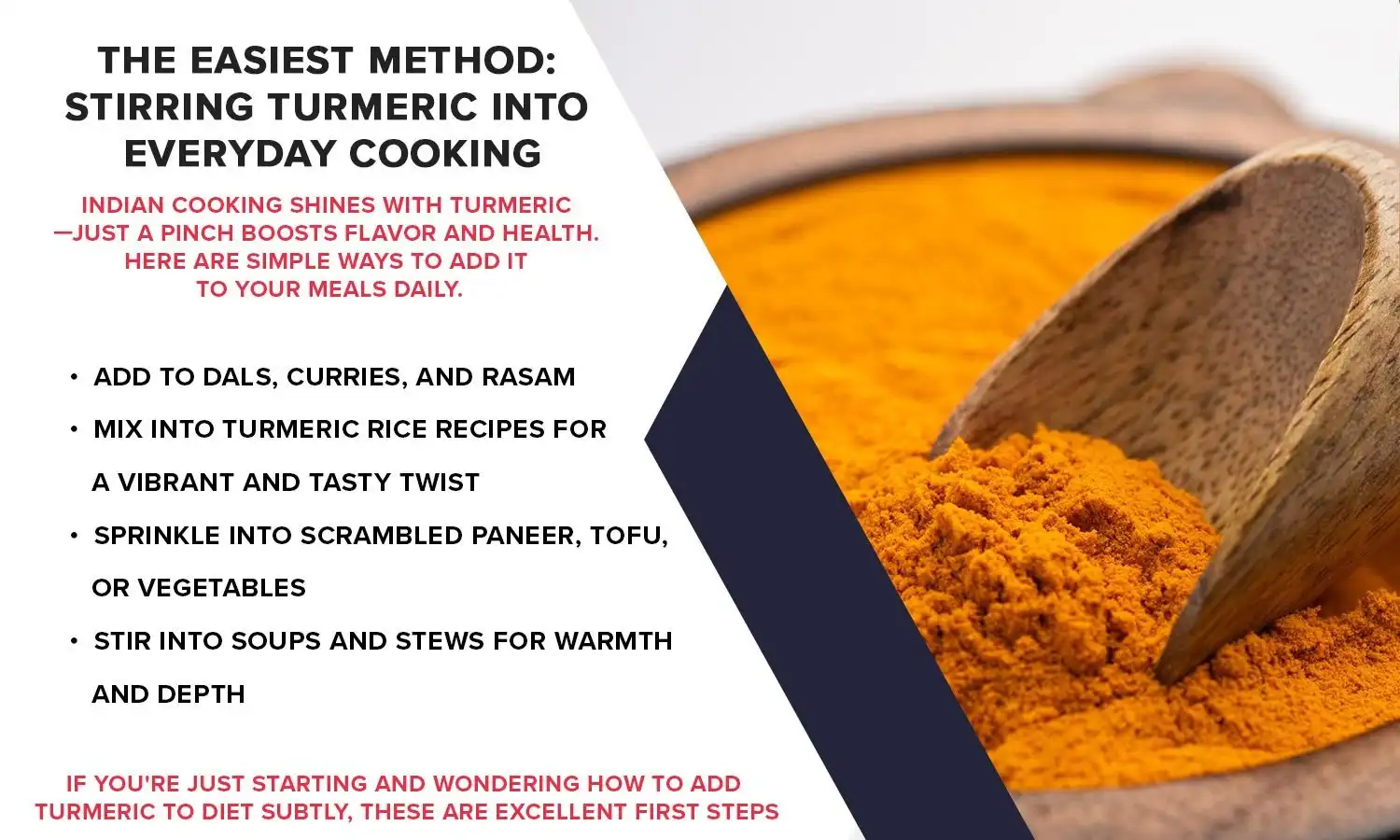
The Easiest Method: Stirring Turmeric into Everyday Cooking

Indian cuisine has always been a masterclass in cooking with turmeric powder. Even a pinch can transform simple dishes into aromatic, health-boosting meals. Here are some easy ways to incorporate it:

  • Add to dals, curries, and rasam
  • Mix into turmeric rice recipes for a vibrant and tasty twist
  • Sprinkle into scrambled paneer, tofu, or vegetables
  • Stir into soups and stews for warmth and depth

If you’re just starting and wondering how to add turmeric to your diet subtly, these are excellent first steps.

Crafting Health-Boosting Turmeric Beverages

Drinks are a great option if you’re exploring ways to eat turmeric without altering your main meals. A few popular options include:
1.Turmeric Tea: A calming and antioxidant-rich drink. The benefits of turmeric tea range from better digestion to improved mood.
2.Golden Milk: Also known as haldi doodh, this classic offers turmeric with milk benefits at night, such as sound sleep and immunity support.
3.Turmeric Smoothies: A modern twist to tradition. Blend turmeric with mango, banana, or berries for a soothing turmeric smoothie.4.Ginger and Turmeric Tea Recipe: This comforting blend helps with congestion, digestion, and immunity.
5.Turmeric Water: Starting your day with warm turmeric water benefits digestion and detoxification.
So, how to add turmeric to your diet if you’re not a fan of strong flavors? Begin with turmeric-infused drinks that are light and customizable. how to add turmeric to diet

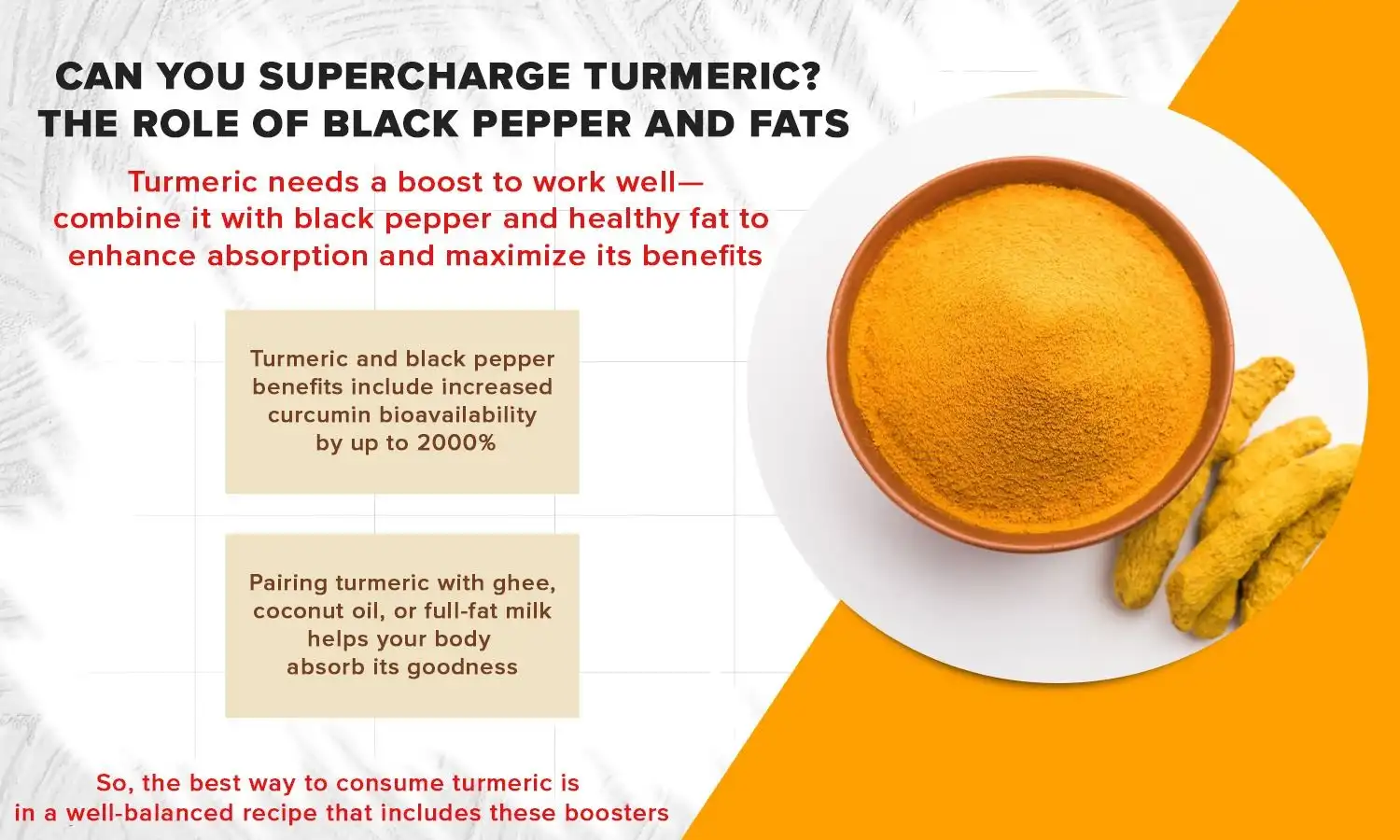
Can You Supercharge Turmeric? The Role of Black Pepper and Fats

You’ve probably heard this before: turmeric needs a little help to do its job well. Adding a pinch of black pepper and a healthy fat can significantly enhance absorption.

  • Pairing turmeric with ghee, coconut oil, or full-fat milk helps your body absorb its goodness.

So, the best way to consume turmeric is in a well-balanced recipe that includes these boosters.

Beyond Food: Other Practical Ways to Use Turmeric Powder

Turmeric isn’t just limited to your plate. Here are other creative tips on how to add turmeric to your diet :

  • Turmeric Paste Recipe: Make a batch of paste with turmeric, coconut oil, and black pepper. Store and use in teas or cooking.
  • Try eating raw turmeric (peeled and sliced) with honey or warm water for quick morning shots.
  • Include turmeric for immunity in your homemade energy balls, spice mixes, or salad dressings.
  • Use turmeric in daily diet by sprinkling a tiny amount into your lemon water, rice, or oats.

Whether it’s a hearty dinner or a healthy snack, there’s always a way to make turmeric part of the story.

777 Foods: Tradition in Every Pinch

At 777 Foods, we understand the value of purity and tradition. Our cooking with turmeric powder products are made from handpicked, sun-dried roots ground through traditional stone methods, retaining the natural oils and aroma. This is how we ensure that when you think about how to add turmeric to your diet, you know you’re choosing quality that’s trusted for generations.
Conclusion :

Adding turmeric to your diet is more than a health trend—it’s a return to roots. At 777 Foods, we bring you turmeric the way it’s meant to be—pure, potent, and packed with tradition. If you’ve been wondering how to add turmeric to your diet in ways that are both simple and satisfying, let our range of products and this guide be your kitchen companion.
Start today, and let every dish be a celebration of heritage, health, and flavor.

Key Takeaways :

  • How to add turmeric to diet doesn’t have to be complicated—start small and be consistent.
  • Explore different ways to eat turmeric through meals, drinks, and snacks.
  • Don’t forget the turmeric and black pepper benefits for better absorption.
  • Add variety with turmeric smoothie, turmeric paste recipe, and ginger and turmeric tea recipe.
  • Be mindful of quality and choose trusted brands like 777 Foods for authentic, hand-ground cooking with turmeric powder.

FAQs :

What is the easiest way to add turmeric to my diet?
The easiest way is to include it in your everyday meals—dal, curry, soups, or even in your tea. For a quick fix, try 777 Foods’ ready-to-use turmeric powder, which simplifies how to add turmeric to your diet without compromising on purity.
Is it better to take turmeric in the morning or at night?

You can take it anytime. In the morning, turmeric water benefits detoxification. At night, turmeric with milk benefits at night include better sleep and digestion support.

Should I eat turmeric raw or cooked?

Both have benefits. Eating raw turmeric may offer strong anti-inflammatory effects. Cooked turmeric, especially with black pepper and fats, helps with nutrient absorption.

How much turmeric should I have in a day?

Experts recommend around 1/2 to 1 teaspoon of turmeric powder daily. So, if you’re thinking how much turmeric to take daily, this is a safe range for most people.

Is Turmeric Good for Diabetes? A Guide to Using Haldi for Blood Sugar

The Golden Spice: What Makes Turmeric a Health Powerhouse?

In every Indian household, turmeric—fondly known as haldi—is more than just a kitchen staple. It’s a cultural emblem, a medicinal treasure, and increasingly, a global wellness favorite. But one question stands out for millions battling high blood sugar: Is turmeric good for diabetes?
Turmeric contains a bioactive compound called curcumin, which is known for its antioxidant and anti-inflammatory properties. These properties play a pivotal role in managing chronic conditions, especially diabetes. One of the main complications of diabetes stems from oxidative stress and chronic inflammation. That’s where haldi steps in as one of the best natural anti-inflammatory foods.To truly understand is turmeric good for diabetes, it’s important to see how curcumin interacts with your metabolic system. And when consumed regularly and in pure form, haldi for sugar patients might just become a daily ally.

The Science Corner: How Curcumin May Influence Blood Sugar Levels

So, how exactly does turmeric help manage diabetes? The answer lies in the power of curcumin for diabetes. Modern research has shown that curcumin improves insulin sensitivity, enhances glucose uptake, and reduces hepatic glucose production.
This means that for individuals asking, is turmeric good for diabetes, the answer—backed by science—is a promising yes. Curcumin can help regulate blood sugar levels and prevent sudden spikes, making it an effective natural supplement for diabetes.Furthermore, studies suggest that turmeric and blood sugar control go hand-in-hand when combined with other natural ways to lower blood sugar, like exercise and mindful eating. Curcumin also protects pancreatic beta cells—the cells responsible for insulin secretion—against oxidative damage.
This scientific backing makes curcumin for diabetes not just an ancient remedy but a modern health strategy.
Is Turmeric Good for Diabetes

Practical Ways to Add Turmeric to Your Daily Diabetes-Friendly Diet

Now that we know is turmeric good for diabetes, let’s look at how to add it practically to your diet:

  • Add a pinch of pure haldi powder to warm water in the morning.
  • Mix it into sabzis, dals, and curries.
  • Prepare turmeric milk for diabetes with low-fat or plant-based milk.
  • Use it in khichdi, stews, or roasted vegetables.
  • Prepare turmeric water for diabetes with 1/4 tsp haldi, warm water, lemon juice, and black pepper.

By doing so, you’re embracing natural ways to lower blood sugar that are safe, sustainable, and flavorful.
Adding turmeric for blood sugar control to high-fiber meals—like whole grains and vegetables—enhances its effects. It’s not about radical changes but small, consistent tweaks. And always remember, while we’re exploring is turmeric good for diabetes, it works best in synergy with a healthy lifestyle.

The SGR777 Purity Promise: Why Quality Turmeric Matters Most

Not all turmeric offers the same benefits. The quality of the turmeric you consume can significantly affect your health outcomes. So, when we ask is turmeric good for diabetes, we must also ask: is your turmeric pure and potent?
At SGR777 Foods, we ensure our SGR777 turmeric powder benefits come from authenticity and tradition. Our organic turmeric powder for health is:

  • Made from sun-dried turmeric roots
  • Stone-ground to preserve curcumin content
  • Free from artificial additives or preservatives

This makes it one of the best turmeric powders in India, especially for those managing diabetes. When purity is a priority, the question is turmeric good for diabetes turns into a confident affirmation—especially with brands like SGR777 committed to wellness. Is Turmeric Good for Diabetes

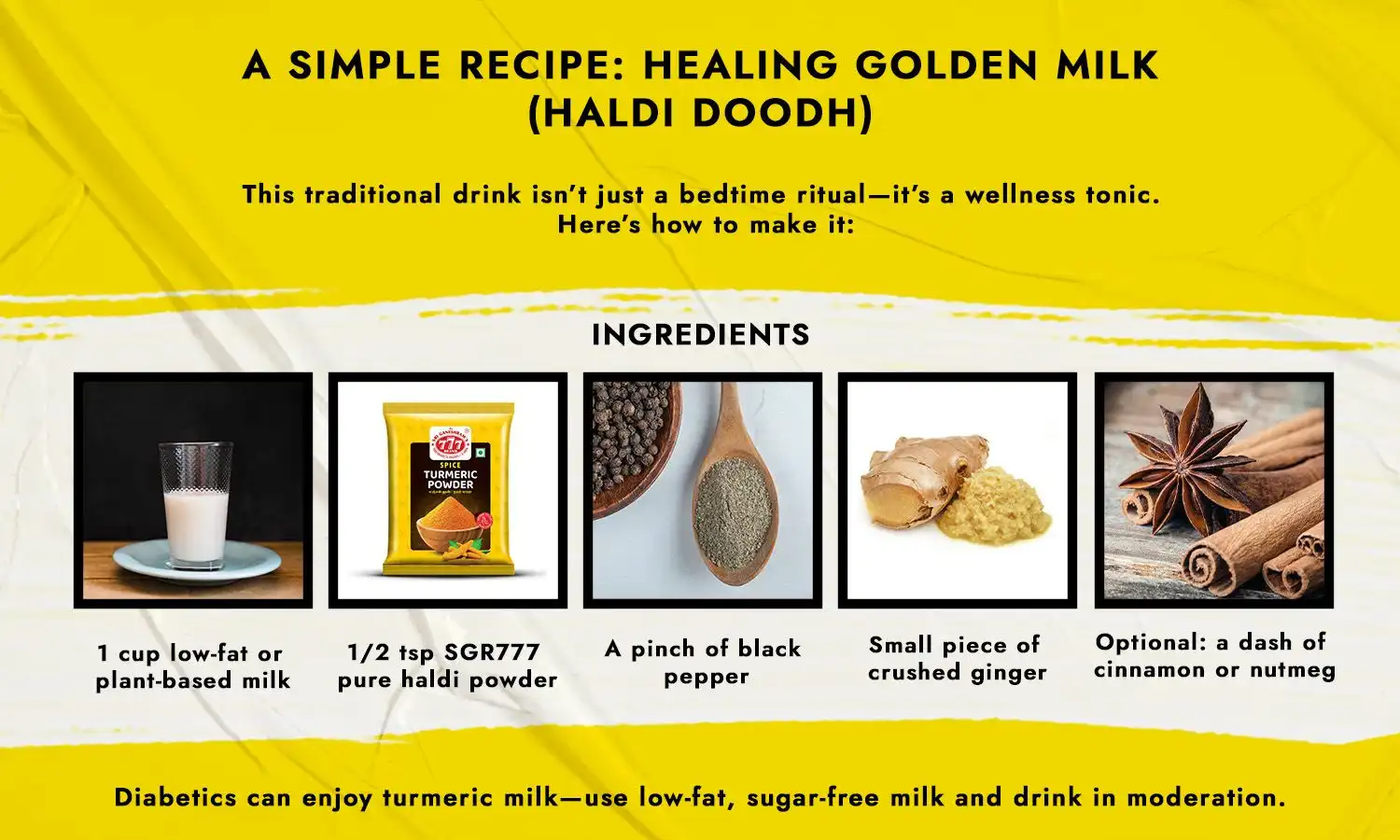
A Simple Recipe: Healing Golden Milk (Haldi Doodh)

This traditional Indian remedy isn’t just a bedtime drink—it’s a healing elixir. Here’s how to make turmeric milk for diabetes:

Ingredients:

  • 1 cup low-fat or plant-based milk
  • 1/2 tsp SGR777 pure haldi powder
  • A pinch of black pepper
  • A small piece of crushed ginger
  • Optional: a dash of cinnamon or nutmeg

Warm everything gently. Stir and sip slowly.
People often ask, “Can diabetic patients drink turmeric milk?” Yes—especially if it’s sugar-free and made with low-fat milk. It aids digestion and supports turmeric for blood sugar control. This golden drink combines curcumin for diabetes benefits with relaxation and nourishment.

Important Safety Tips and When to Talk to Your Doctor

Turmeric is generally safe but must be used wisely—especially for those on medication. If you’re wondering is turmeric good for diabetes and whether you can take it daily, here are some tips:

  • Start with 1/4 to 1/2 tsp of pure haldi powder per day.
  • Always pair it with black pepper for better curcumin absorption.
  • Avoid turmeric capsules or high-dose supplements unless prescribed.
  • Watch for mild side effects of turmeric for diabetics like nausea or indigestion.

Most importantly, consult your doctor before making turmeric a regular part of your regimen—especially if you’re already on natural supplements for diabetes or prescribed medications.

FAQs

How much turmeric should a diabetic take daily?Usually, 1/4 to 1/2 tsp of turmeric powder daily is safe. Start slow and observe. Always check with your doctor first.
Can turmeric lower blood sugar immediately?No, it doesn’t act like insulin or medication. But when used consistently, turmeric for blood sugar control can support long-term glucose balance.
What is the best way to consume turmeric for diabetes?Incorporate it in warm water, teas, milk, or meals. Use turmeric and black pepper together to enhance effectiveness.
Why is pure turmeric important?Because pure haldi powder retains vital compounds like curcumin. Avoid adulterated varieties which may have fillers and low potency.

What is the best way to store turmeric powder?

If you’ve ever bought a fresh batch of turmeric only to find it dull and clumpy months later, you’re not alone. Finding the best way to store turmeric powder isn’t just about keeping it dry—it’s about protecting its color, aroma, and natural strength. Whether you use turmeric daily or occasionally, knowing how to store turmeric powder makes all the difference.

In this guide, we’ll walk you through smart, simple storage practices to help preserve your turmeric powder for as long as possible—just like our elders have done for generations.
Why Proper Storage of Turmeric Powder Matters

Turmeric is a sensitive spice. Exposure to air, light, moisture, or heat can cause it to lose its rich color, earthy aroma, and health properties. Proper storage protects its active compound, curcumin, which is key to turmeric’s anti-inflammatory benefits.

For those of you, who are wondering, does turmeric powder expire? Unfortunately yes, it does. But when you know the best way to store turmeric powder, you extend both its shelf life , its strength and all of the turmeric’s qualities to use it further.

best way to store turmeric powder

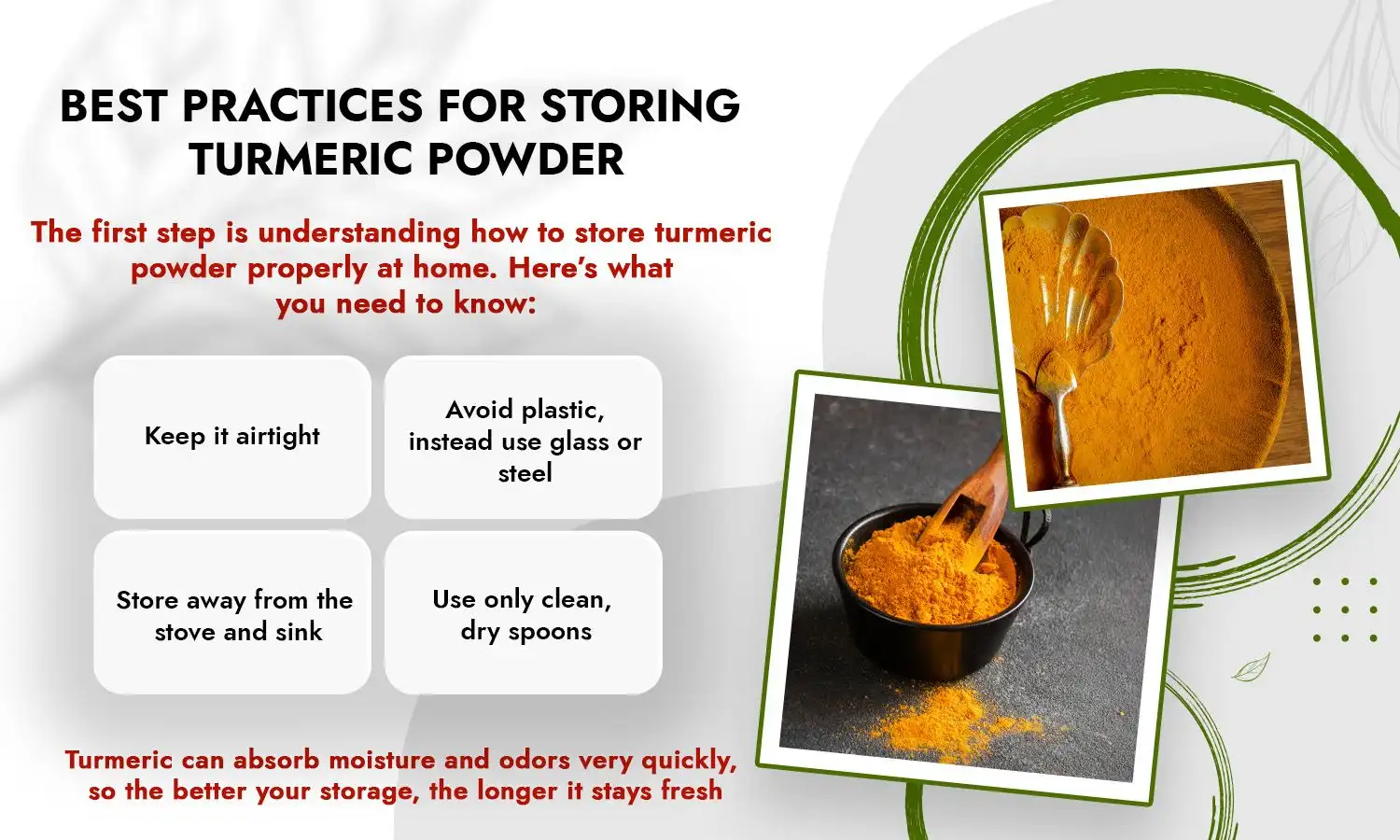
Best Practices for Storing Turmeric Powder

The first step is understanding how to store turmeric powder properly at home. Here’s what you need to know:

  • Keep it airtight
  • Avoid plastic, instead use glass or steel
  • Store away from the stove and sink
  • Use only clean, dry spoons

Turmeric can absorb moisture and odors very quickly, so the better your storage, the longer it stays fresh.
best way to store turmeric powder

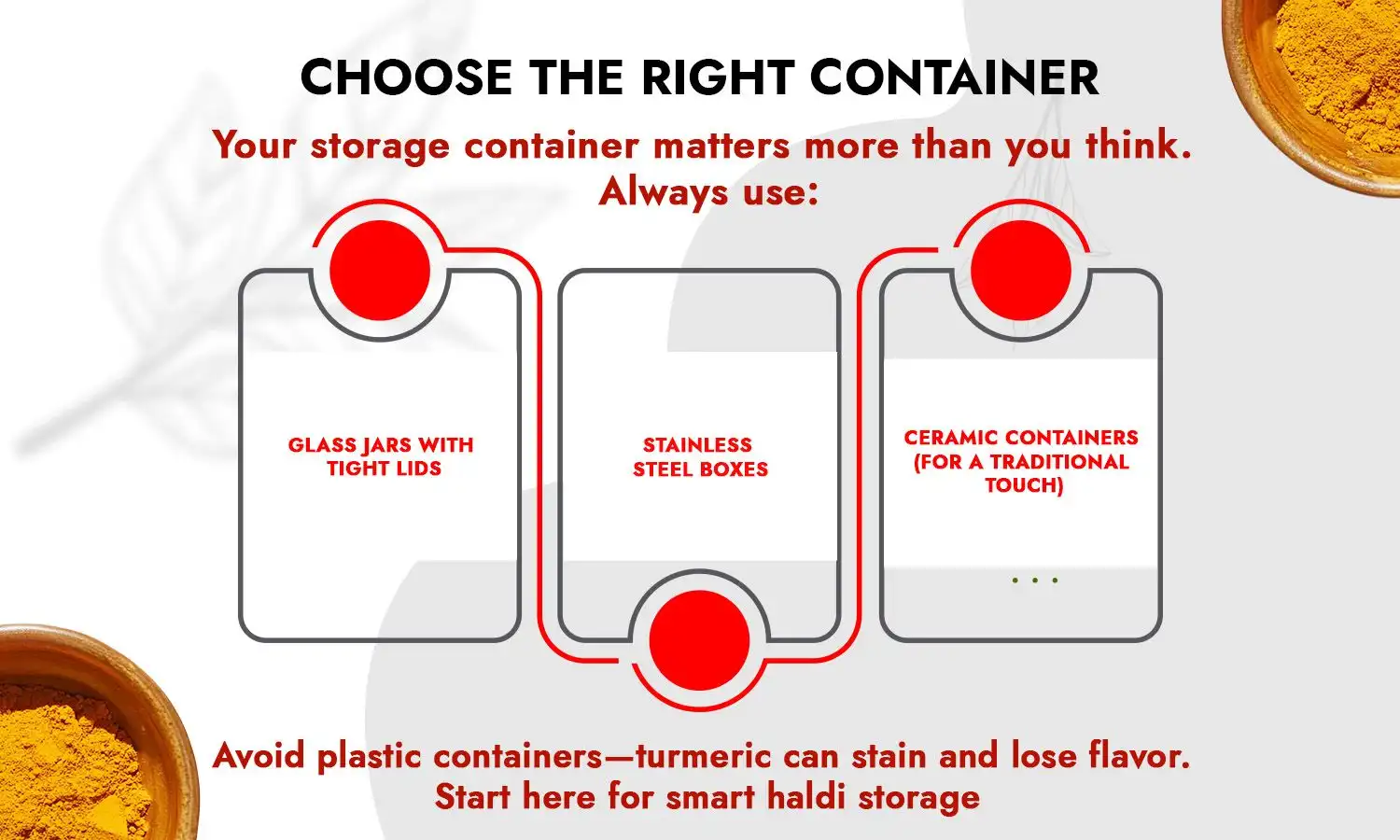
Choose the Right Container

Your storage container matters more than you think. Always use:

  • Glass jars with tight lids
  • Stainless steel boxes
  • Ceramic containers (for a traditional touch)

Avoid plastic containers, especially for long-term storage. They can alter flavor and absorb turmeric’s color. If you’ve wondered how to store haldi powder, this is where you start.

Keep It Cool and Dry

Moisture is turmeric’s biggest enemy. Always store it in a cool, dry place ,away from sunlight, heat, and steam. A closed kitchen cabinet or a pantry drawer works best.

Now, should turmeric powder be kept in the fridge? Not necessarily ,only if your kitchen gets too humid. Otherwise, it’s best stored in dry spots, areas which are not wet that ruins the turmeric. Moving on to the process of how to dry fresh turmeric at home , we need to wash and peel the fresh turmeric roots to clean off the dirt from it, next uniformly slice it , and then sun dry it in a clean tray or a bamboo mat in a single layer.

Use Desiccants

For extra protection in humid areas, place a small desiccant packet or a muslin pouch of rice grains inside the jar. This simple trick absorbs moisture and is part of the best way to store turmeric powder for long-term usage and keeping it good from making it expired.

Label and Date

Mark the purchase or opening date on your jar or the container that turmeric comes in. This helps you track the turmeric powder shelf life and makes it easier to know when it’s time to refresh your stock.
best way to store turmeric powder

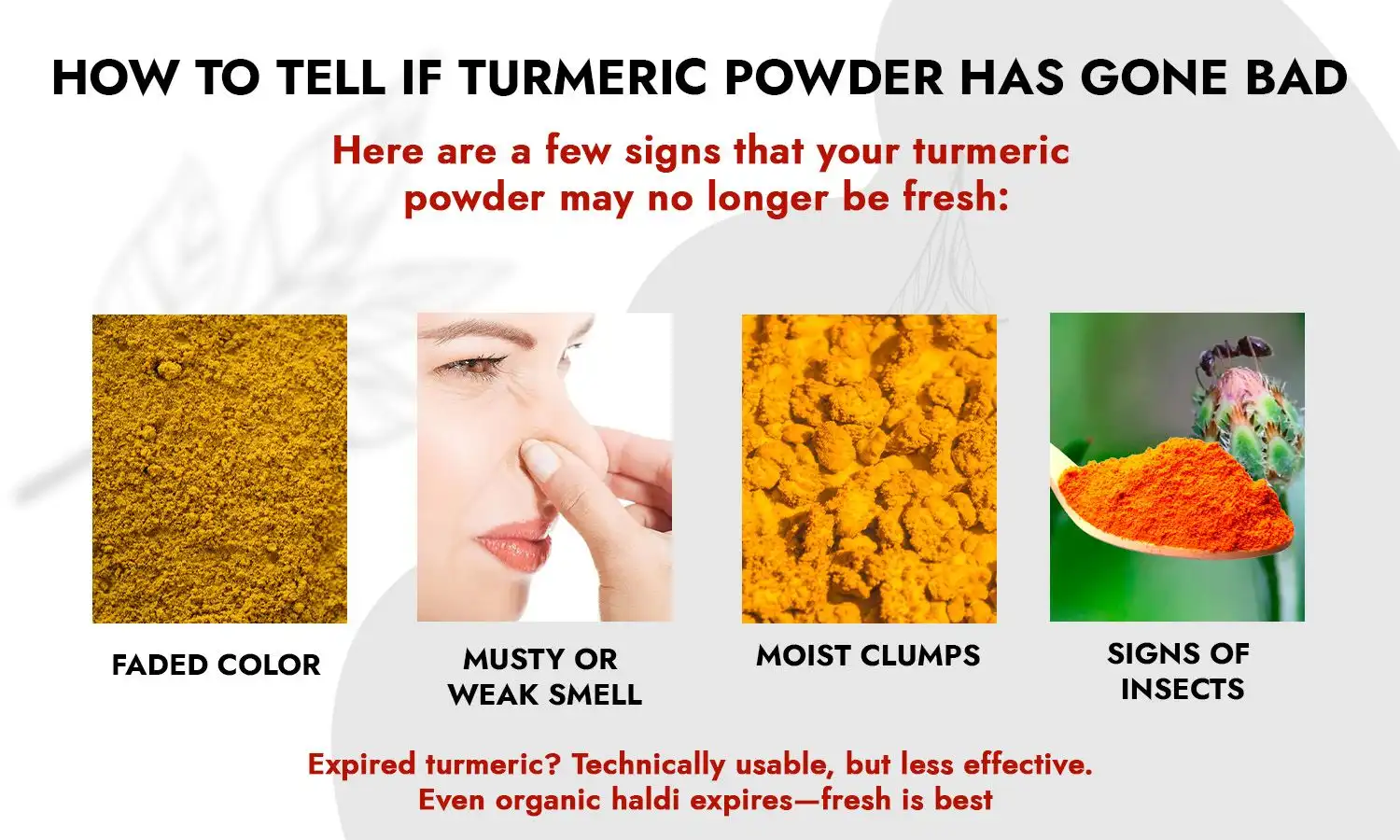
How to Tell If Turmeric Powder Has Gone Bad

Here are a few signs that your turmeric powder may no longer be fresh:

  • Faded color
  • Musty or weak smell
  • Moist clumps
  • Signs of insects

So, can expired turmeric powder be used? Technically yes, but it’s no longer effective. Even does organic turmeric powder expire? Absolutely all turmeric types do over time. Always choose freshness over guesswork.

Conclusion

Turmeric powder can be kept in airtight containers, keeping it dry, and avoiding heat are key parts of the best way to store turmeric powder at home. And if asked, is expired turmeric powder safe? We need to check the smell,texture and the colour of it. If you even ask can I use expired turmeric powder , it’s not dangerous , but it loses its effectiveness.
At 777, we believe that every ingredient deserves respect. When you know how to store haldi powder, you honor the purity of tradition and ensure your turmeric remains potent and original. And that is actually the best way to store turmeric powder at home .

Key Takeaways

  • The best way to store turmeric powder is in airtight glass or steel containers, away from heat, light, and moisture.
  • Store turmeric in a cool, dry place, like a closed cabinet. It need not be necessarily in the fridge unless your environment is very humid.Adding desiccants moisturizes it and helps it stay fresh.
  • Turmeric can expire and lose its color, aroma, and strength over time, even if it doesn’t look spoiled.Traditional storage tips like using neem leaves or muslin pouches which prevent insects and moisture damage.

FAQs

How to Keep Turmeric for a Long Time?

Use airtight containers, store in a cool, dry spot, and avoid plastic jars. This is the best way to store turmeric powder for daily use.

Should Turmeric Powder Be Kept in the Fridge?

Only if your home is very humid. Otherwise, keep it in a dark kitchen cabinet to avoid moisture buildup.

Does Turmeric Expire if Not Refrigerated?

Of course it loses its strength and flavor, without being refrigerated.

How to Protect Turmeric Powder From Insects?

Use clean spoons, tightly sealed jars, and place dried neem leaves or rice grains inside the container.

What Is the Lifespan of Turmeric Powder?

How long can you keep turmeric powder? Typically, it lasts 1–2 years. But like all spices, it depends on storage and the best way to store turmeric powder is to check its aroma and color to be sure , whether it’s good or expired. It is always how to preserve haldi powder, effectively.

Turmeric Powder for Stomach Problems: Benefits, How to Use, and Precautions

Introduction

Imagine the warm aroma of turmeric rising in your kitchen, reminding you of that soothing curry your grandmother used to make. When your stomach acts up ,whether from stress, rich food, or lifestyle , you deserve something that works and feels like a caring hug. That’s why turmeric powder for stomach problems is perfect: it’s traditional, pure, and effective.Read on to discover why turmeric powder for stomach problems is becoming a go-to home remedy, how to use it safely, and what you should watch out for.

Benefits, How to Use, and Precautions

  • Every time you feel that uneasy flutter in your tummy , be it gas, acidity, or bloating you want something natural, reliable, and gentle. Enter turmeric powder for stomach problems.
  • This golden spice isn’t just for curry; it’s been trusted for centuries to soothe digestion, calm inflammation, and balance your gut.

Let’s explore why it works, how to use it, and how to stay safe, all with a comforting tone that feels like advice from a respected elder.

1. How Turmeric Powder Helps in Digestion

Turmeric supports digestion through anti-inflammatory and antioxidant effects. Curcumin ,the active compound that stimulates bile production, improving fat breakdown and easing bloating.
“Curcumin enhances digestive enzyme activity” (University nutrition studies).
When you sprinkle turmeric powder in warm milk or soup, it works gently to keep your digestion smooth. That’s turmeric powder for stomach problems at its most comforting ancient wisdom meeting simple science. Is Turmeric Good for Acidity and Gas?

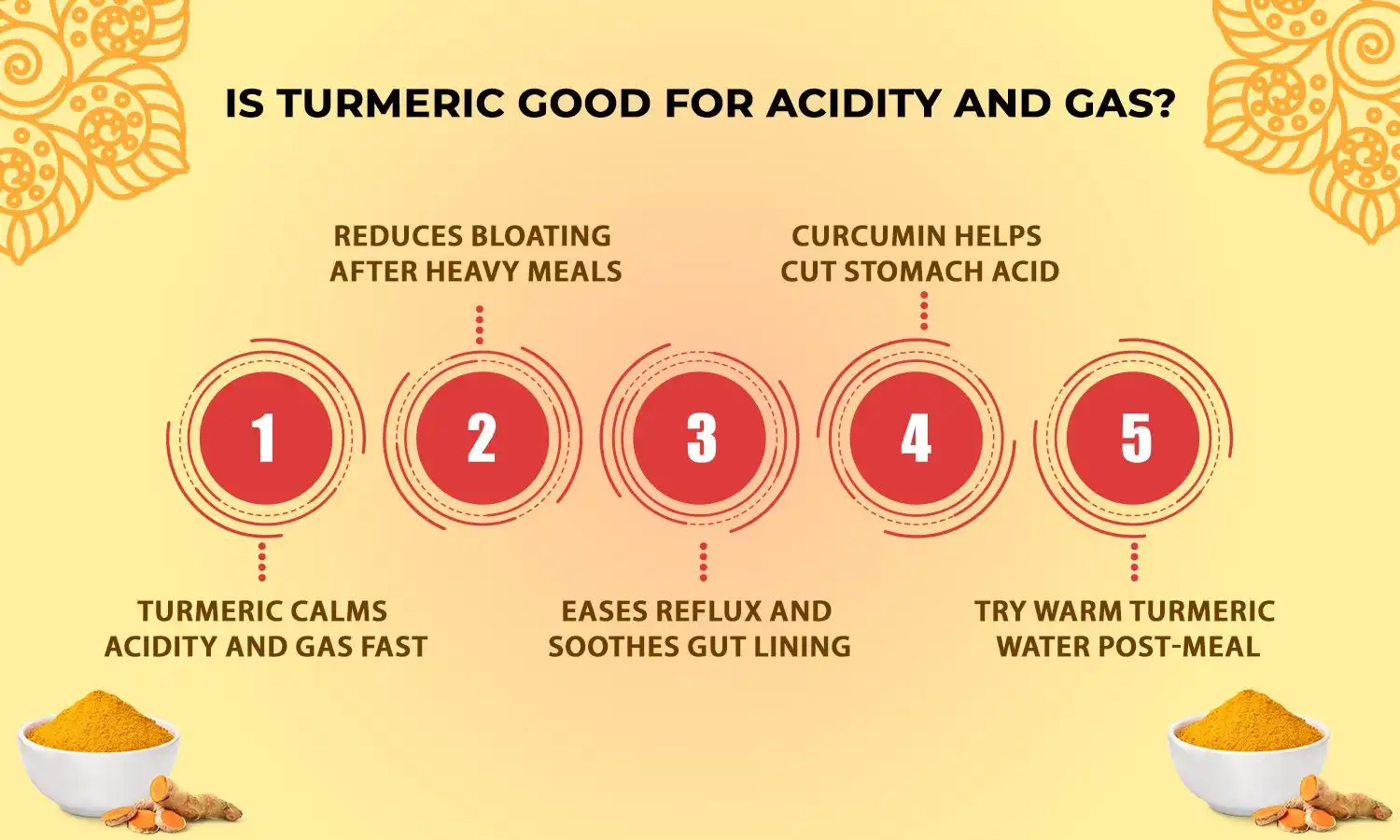
2. Is Turmeric Good for Acidity and Gas?

Yes. Turmeric targets common issues like acidity and gas. It calms stomach lining inflammation and neutralizes excess acid, reducing reflux and heartburn. One study found that curcumin reduced gastric acid output and eased gas buildup.If you often ask how to use turmeric for stomach pain, simply add ½ teaspoon of turmeric powder into warm water after meals. It can reduce bloating and soothe the gut within 30–60 minutes.

3. Turmeric Powder for Gastritis and Ulcers

Gastritis and stomach ulcers are often caused by irritation and inflammation in the stomach wall. Turmeric’s healing properties help repair the mucus lining and inhibit ulcer-causing bacteria.
Its traditional use as natural remedies for stomach ulcers goes back centuries ,and moreover modern clinics confirm curcumin promotes healing cells and reduces ulcer size.

Using turmeric powder for stomach problems like gastritis offers a gentle, supportive approach, especially when combined with a healthy diet and good hydration.
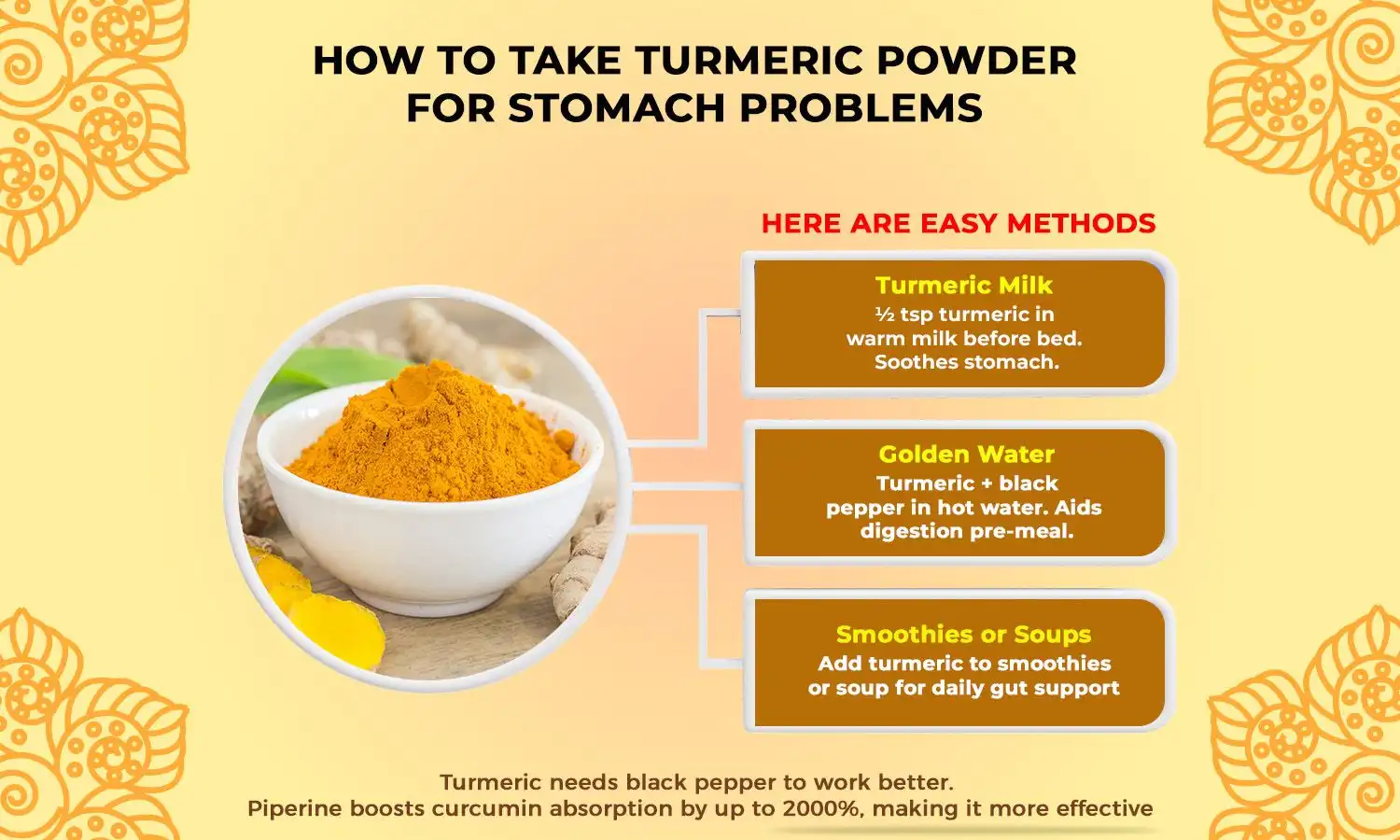
How to Take Turmeric Powder for Stomach Problems

4. How to Take Turmeric Powder for Stomach Problems

Here are easy methods:

  • Turmeric Milk: Mix ½ tsp turmeric powder for stomach problems in warm milk. Sip before bedtime for soothing relief.
  • Golden Water: Combine ½ tsp turmeric with a pinch of black pepper. Stir into hot water and drink before meals to aid digestion.
  • Smoothies or Soups: Add turmeric to vegetable soup or a morning smoothie for daily support.

You’re likely wondering why turmeric with black pepper matters. Black pepper contains piperine, which increases curcumin absorption by up to 2000%, ensuring you actually get the benefits.

5. Best Time to Take Turmeric for Stomach Relief

  • Morning (empty stomach): Drink turmeric water before breakfast to prime digestion.
  • After meals: A small turmeric drink 20 minutes post-lunch helps ease gas and bloating and settle digestion.
  • Before bed: A warm cup of turmeric milk calms stomach inflammation, promoting restful sleep.

The key is consistency. Taking turmeric powder for stomach problems at these times builds up gentle benefits over days or weeks.

6. Turmeric with Black Pepper: Why It Matters

Adding black pepper transforms turmeric’s effectiveness. Studies show turmeric and black pepper benefits include significantly better curcumin uptake.
This combo also supports natural ulcer remedies for the stomach , by boosting antimicrobial and anti-inflammatory activity in the gut.

Here’s how to use it:

  • Mix ½ tsp turmeric and a pinch of pepper in your drink.
  • Stir into soups or curries.
  • Add to roasted veggies or side dishes.

By pairing turmeric powder for stomach problems with pepper, you’re tapping into a potent duo backed by both tradition and science.

Precautions: side effects and Who Should Be Careful

Turmeric is safe for most people, but watch out if you have:

  • Low stomach acid: It may worsen digestion.
  • Gallstones or bile duct issues: Can stimulate bile flow.
  • Blood-thinners: Turmeric may increase bleeding risk.

Here are some side notes on turmeric side effects on stomach and side effects of turmeric and black pepper:

  • High doses (above 3 g/day) might cause mild stomach upset or diarrhea.
  • Pairing with pepper increases absorption, but too much black pepper can irritate sensitive stomachs.

If unsure, start small like, ¼ tsp, and talk to a healthcare provider.

7. Real Tips for Using Turmeric Powder for Bloating and Digestion

  • For gas and bloating: Take ½ tsp turmeric powder for bloating in warm water after meals.
  • Stir into yogurt: Add a pinch each morning to support healthy gut flora.
  • Blend into tea: Pair with ginger and honey for a calming digestive drink.
  • Include in cooking: Use turmeric powder in everyday dishes to get daily benefits without extra effort.

Key Takeaways

  • Turmeric powder for stomach problems supports digestion, acidity, ulcers, and gas.
  • Pairing with turmeric and black pepper benefits amplifies its effects.
  • Use it daily in water, milk, tea, or cooking for gradual relief.
  • Keep dosage moderate (½ to ½ tsp 1–3 times daily); talk to a doctor if on medication.
  • A gentle routine can bring lasting comfort and gut health.

FAQs

1. How to Drink Turmeric Powder? Mix ½ tsp turmeric powder for stomach problems in warm water or milk. Stir until dissolved and sip slowly, ideally after meals or before bed.
2. Can Turmeric Relieve Constipation? Yes. Turmeric benefits for digestion can gently stimulate bile production, improving bowel movements. A daily turmeric drink may ease mild constipation within a few days.
3. Can You Take Turmeric on an Empty Stomach? Yes, in the morning on an empty stomach is fine unless you already have acid reflux. Starting with a small dose (¼ tsp) helps your body adjust.
4. How Much Turmeric per Day Is Safe? Up to 1–1.5 g (≈½ tsp to 1 tsp) daily is commonly used for stomach relief. Always start low and consult a healthcare provider if you have health conditions or take medications.
5. Does Turmeric Turn Urine Yellow?Yes, it can cause yellowish urine, especially after large doses. It’s harmless, simply a sign your body is eliminating curcumin.