Introduction
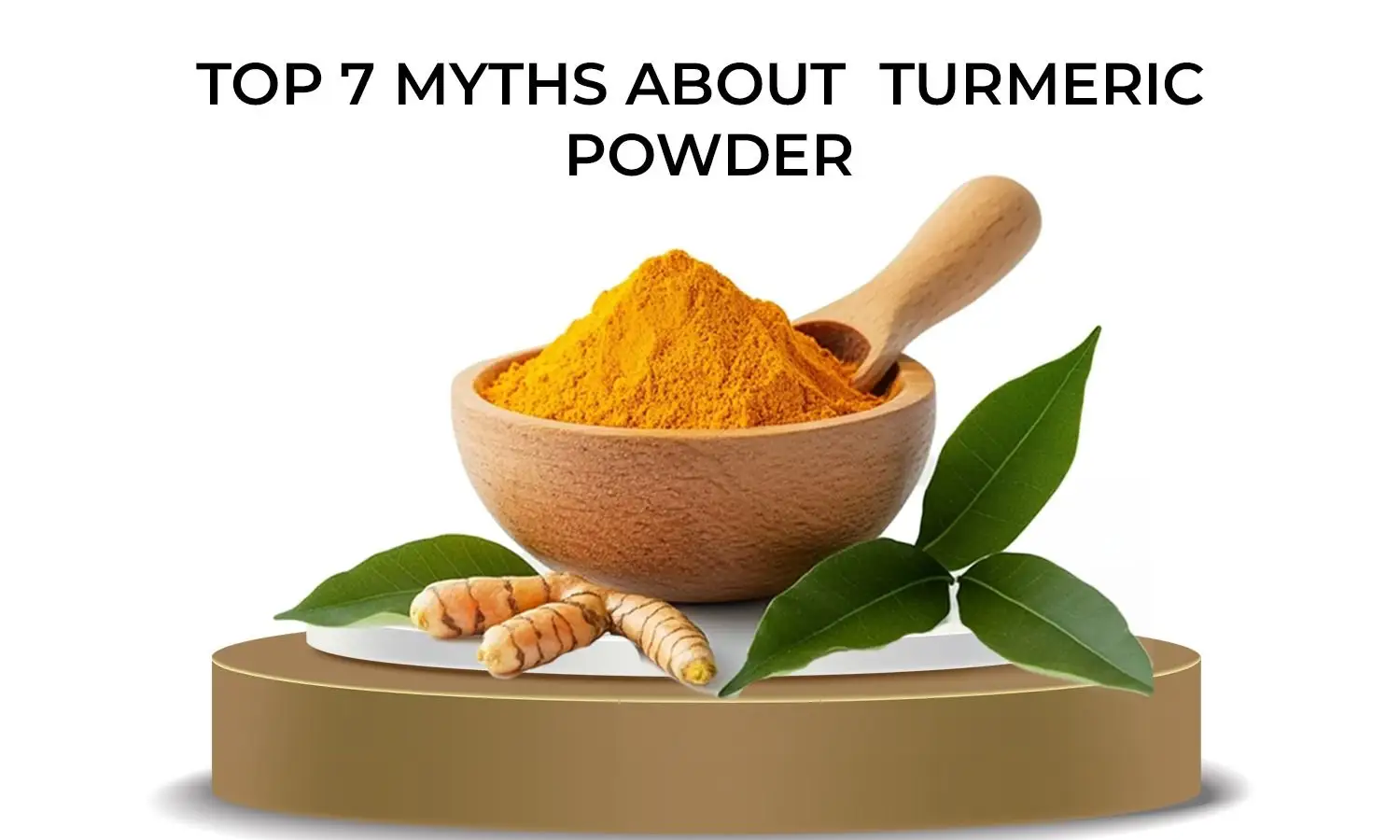
Welcome! Today we’ll debunk the most common Myths About Turmeric Powder and share real insights backed by facts. Many people believe that turmeric’s power comes only from curcumin in turmeric, or that you must pair it with black pepper or fats. But myths swirl just like golden spice in milk—let’s sift fact from fiction together! By the end, you’ll confidently understand the turmeric powder health benefits, risks, et cetera. Let’s dive in.
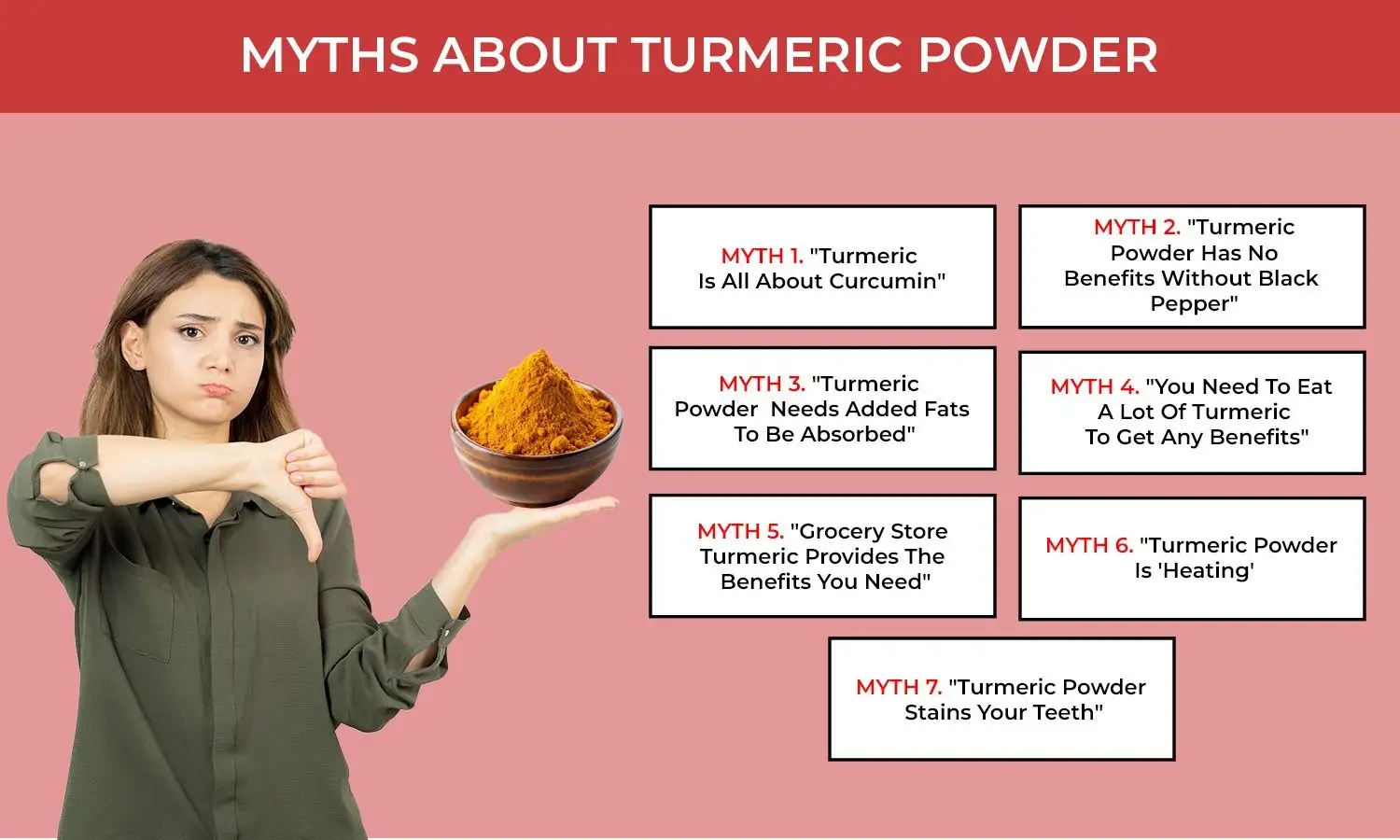
Myth 1: “Turmeric Is All About Curcumin”
One big misconception in Myths About Turmeric Powder is that only curcumin matters. True, curcumin in turmeric is a key compound—research shows anti-inflammatory and antioxidant action. But whole turmeric powder offers dozens more nutrients: essential oils, polysaccharides, and turmeric vitamins like C, E, and B6. Studies show the full spectrum works better than curcumin alone. So the myth falls—turmeric is more than a single compound.
Myth 2: “Turmeric Powder Has No Benefits Without Black Pepper”
Some insist no turmeric powder health benefits without turmeric and black pepper benefits. It’s true that black pepper, with piperine, improves uptake. But that doesn’t mean turmeric alone isn’t beneficial. Labs show that even without black pepper, turmeric offers mild anti-inflammatory and gut-support benefits. If you can’t tolerate pepper, you still get value. So the Myths About Turmeric Powder claiming zero benefit fall short.
Myth 3: “Turmeric Powder Needs Added Fats To Be Absorbed”
This is another of the Myths About Turmeric Powder floating around. While turmeric is fat‑soluble—often used in curries with oil or in turmeric golden milk (trending)—your body can still absorb it via warm water or plant-based sources like avocado or coconut milk. Sure, fat helps, but it’s not a requirement. Many turmeric smoothie recipes pair it with banana or almond milk—no butter needed!
Myth 4: “You Need To Eat A Lot Of Turmeric To Get Any Benefits”
Many believe you must consume large quantities to see results. But most turmeric powder health benefits start with just ½ to 1 teaspoon daily—around 2–3 g. Much more at once may increase turmeric powder side effects, like stomach upset or mild blood thinning. So the Myths About Turmeric Powder claiming you need tablespoons daily are false—small, consistent amounts give benefits without harm.
Myth 5: “Grocery Store Turmeric Provides The Benefits You Need”
This myth hides a real concern: turmeric adulteration. Common Myths About Turmeric Powder assume all store-turmeric is pure. Unfortunately, some low-cost powders are diluted with rice flour, chalk, or harmful dyes. To avoid that, look for organic turmeric powder with third-party testing. Labels like USDA Organic, Non-GMO Project Verified, or spice board certification show you’re getting pure turmeric. Don’t assume everything on grocery shelves is reliable. 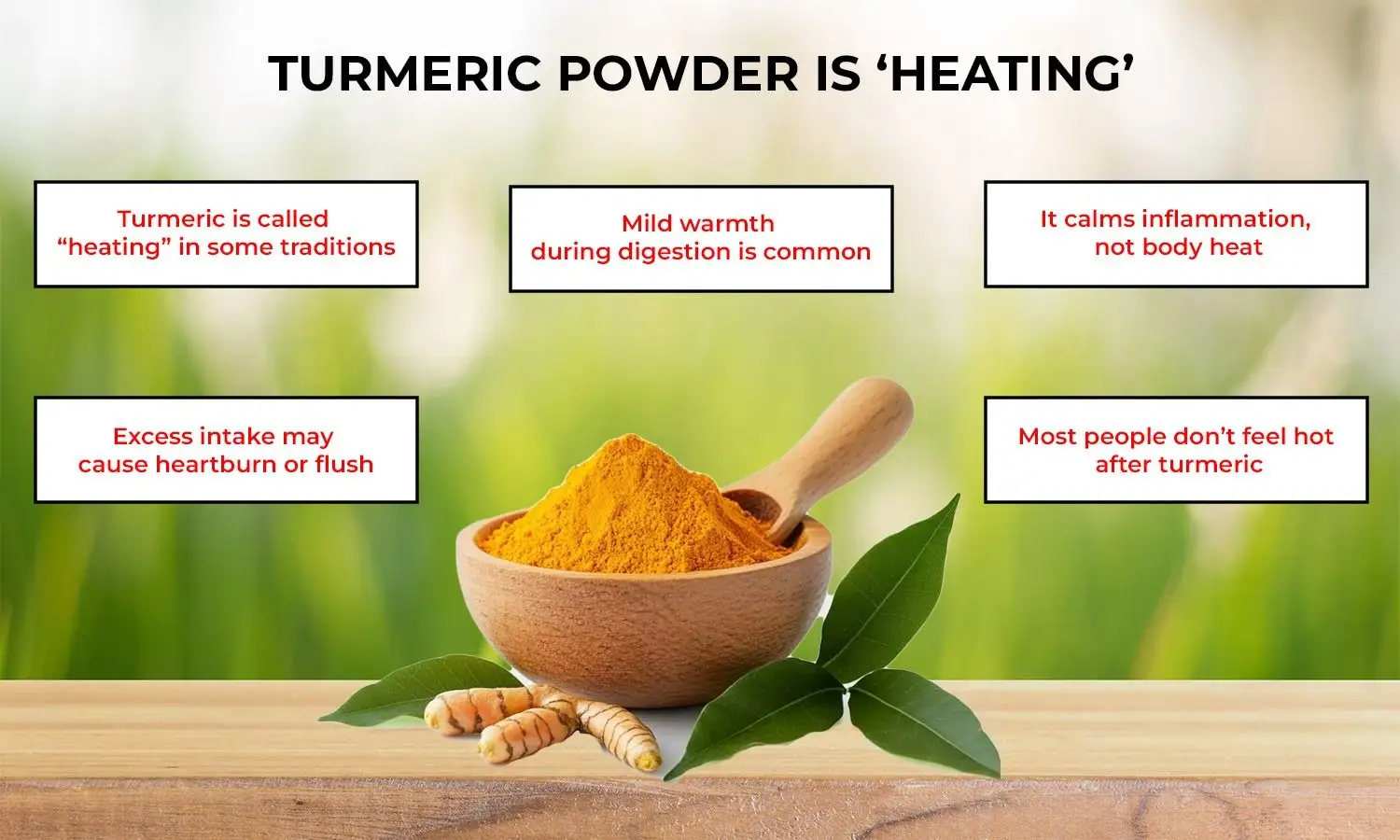
Myth 6: “Turmeric Powder Is ‘Heating’”
In some traditions, turmeric is labeled “heating,” thought to raise your internal temperature. If you’ve experienced mild warmth during digestion, that may explain the myth. But scientifically, turmeric isn’t thermogenic—instead, it helps calm inflammation. Some people say turmeric side effects include heartburn or flushing, especially if taken in excess or on an empty stomach. Most don’t get “hot” feelings. So this myth is mostly misunderstood.
Myth 7: “Turmeric Powder Stains Your Teeth”
One worry under Myths About Turmeric Powder is that golden spice can permanently yellow your teeth. Yes, bright color can coat enamel temporarily. But brushing afterward and using a straw with your turmeric golden milk (trending) or turmeric smoothie helps. Some even use turmeric for turmeric teeth whitening—the stain myth flips. Pro tip: rinse mouth after use to avoid any yellow cast.
Conclusion
Time to wrap up the Myths About Turmeric Powder adventure! We’ve debunked seven major ones—from exclusive focus on curcumin to fears of staining. You’ve learned that small daily amounts offer real benefit, pepper and fats help—but aren’t mandatory, grocery turmeric may not be pure, and turmeric doesn’t overheat the body or permanently stain teeth.
Next time someone tells you turmeric must meet one of these conditions, you’ll know the real story. Use authentic products—like pure organic turmeric powder—and enjoy one of nature’s most nourishing spices with confidence.
Key Takeaways
- Turmeric has more than curcumin: contains vitamins, oils, fibers.
- You don’t need pepper or fats to benefit—though they help.
- Just ½–1 tsp per day can be effective; excess causes side effects.
- Many powders are adulterated—choose certified organic turmeric powder.
- Turmeric is not “heating”—it fights inflammation; side effects are mild.
- It doesn’t permanently stain teeth—rinse after use or use a straw.
- Enjoy turmeric in golden milk, smoothies, savory turmeric recipes, and more!
FAQs :
What Are the Facts About Turmeric Powder?
The truth behind Myths About Turmeric Powder is that turmeric contains many helpful compounds—not just curcumin. It offers antioxidant, anti-inflammatory, and digestive support when used in normal culinary amounts. Quality and dosage matter more than myths.
Who Cannot Take Turmeric Powder? Turmeric may cause mild turmeric powder side effects in people on blood thinners or those with gallbladder issues. Pregnant or nursing women and individuals with low blood pressure should ask a doctor before taking higher doses.
How Is Turmeric Powder Adulterated?
Sadly, turmeric adulteration occurs when cheaper fillers like sawdust, brick powder, or artificial dyes are added. Always choose a certified organic turmeric powder with lab testing to avoid contaminated products.
What Is the Raw Material of Turmeric?
Turmeric comes from the root (rhizome) of the Curcuma longa plant. After boiling, drying, and milling, it becomes the bright yellow spice—so the root is the real source behind turmeric powder health benefits.
How Many Varieties of Turmeric Are Grown in India? India grows over 80 different varieties of turmeric. Popular types include Allepey turmeric, Madras, Erode, and Rajapuri. Each has unique traits—flavor, color, curcumin levels—and all contribute to turmeric benefits worldwide.