What Is Dark Sauce? Meaning, Uses, Taste & Cooking

Introduction :

If you often cook Asian or Indo-Chinese dishes, you may have come across the term dark sauce and wondered what dark sauce exactly is. Many people confuse it with regular soy sauce, while others are unsure how and when to use it.
Dark sauce is known for its deep colour, rich taste, and ability to transform the look of a dish. This blog explains what dark sauce is, how it tastes, what goes into it, and how you can use it correctly in everyday cooking.

What Is Dark Sauce and Why Is It Called Dark Soy Sauce?

This sauce is darker, thicker, and richer than regular soy sauce. It gets its name from its deep brown to almost black colour, which comes from longer aging and cooking. Many people also call it black soy sauce because of its intense colour. Unlike lighter sauces used mainly for seasoning, dark sauce is used more for colour and depth.
What is Dark Sauce

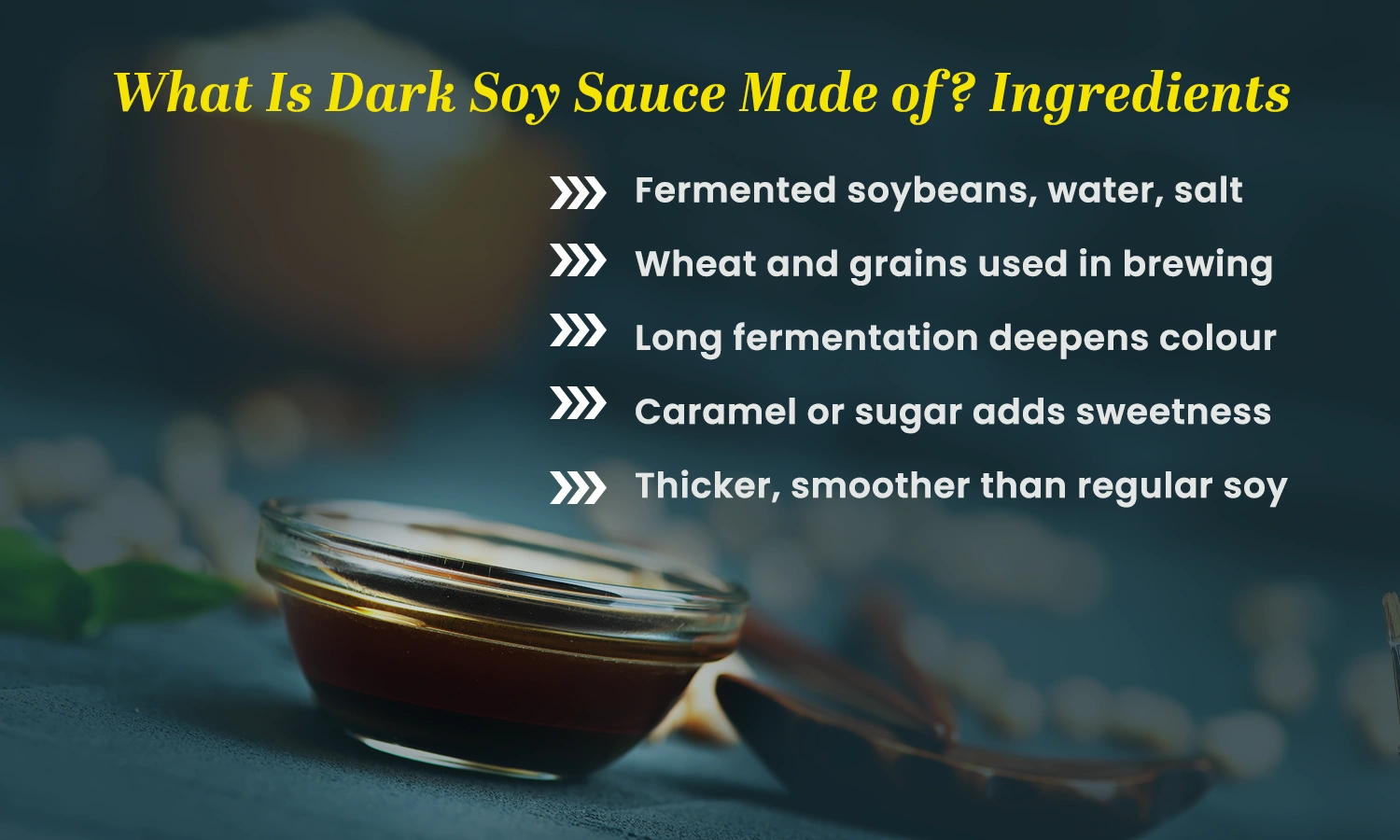
What Is Dark Soy Sauce Made Of? Ingredients

Dark soy sauce is made from fermented soybeans, water, salt, and grains such as wheat. These soya sauce ingredients are fermented and aged for a longer period, which deepens the flavour and colour.
In some versions, a small amount of natural caramel or sugar is added to enhance colour and give a mild sweetness. This process creates a sauce that is thicker and smoother than regular soy sauce, often referred to simply as dark soy in recipes.
What is Dark Sauce

How Does Dark Sauce Taste? Is It Sweet or Salty?

When people ask what is dark sauce, they often want to know about its taste. Dark sauce is less salty than light soy sauce and has a mild sweetness. This makes it suitable for cooked dishes rather than dipping.
It may sometimes feel like a sweet sauce, but the sweetness is subtle and balanced. Because of this, dark sauce adds richness without making the dish overly salty.

Uses of Dark Soy Sauce in Cooking

Understanding what dark sauce is becomes easier when you see how it is used. Dark soy sauce is mainly added to give colour and depth to food. Common uses include fried rice, noodles, gravies, and stir-fries. It is also used in slow-cooked dishes where colour develops over time.
Among black sauce varieties used in cooking, dark soy sauce is preferred because only a small amount can give a deep, appetising colour. Many cooks consider it the best dark soy option when presentation matters.

Is Dark Soy Sauce Healthy? Benefits, Price & Buying Tips

Dark soy sauce is generally low in fat, and when used in moderation, it fits into balanced cooking. Many people ask, is dark soy sauce healthy, and the answer depends on quantity and overall diet. Some brands also offer gluten free soy options for those with dietary restrictions.
There are also known dark soy sauce benefits, such as adding flavour without needing large amounts. When buying, check labels for ingredients and sodium levels. The black soy sauce price can vary depending on brand, packaging, and quality, so it’s better to choose based on usage rather than just cost. A good-quality sauce that suits your cooking style is always the best sauce choice.

Conclusion

Understanding what is dark sauce and how it helps you use it more confidently and correctly in everyday cooking. Its deep colour, mild sweetness, and thicker texture make it different from regular soy sauce and suitable for dishes where appearance and balance matter.
When used in moderation, dark sauce can enhance both flavour and presentation without overpowering the dish. Choosing a sauce that is consistently prepared and clearly labelled, such as those offered by SGR 777, can help home cooks rely on familiar ingredients that work well across regular cooking needs.

FAQs

Is dark sauce and soya sauce the same?Dark sauce is a type of soya sauce, but it is not the same as regular or light soya sauce. Dark sauce is thicker, less salty, and mainly used to add colour and depth rather than just seasoning.
How to make your sauce darker?To make a sauce darker, dark soy sauce is added during cooking rather than at the end. Longer cooking time and small amounts of caramelised sugar or jaggery can also deepen the colour naturally.
Why is soy sauce so dark?Soy sauce becomes dark due to fermentation, aging, and cooking. In dark soy sauce, longer fermentation and the addition of caramel or sugar give it a deeper brown or black colour.
Which soy sauce is best for fried rice?Dark soy sauce is best for fried rice when you want good colour and mild flavour. Light soy sauce adds saltiness, while dark sauce improves appearance and balance without overpowering the dish.
How do you know if it’s dark soy sauce?Dark soy sauce is thicker, darker in colour, and slightly sweet compared to regular soy sauce. The label usually mentions dark soy, black soy sauce, or indicates it is meant for colour and cooking.
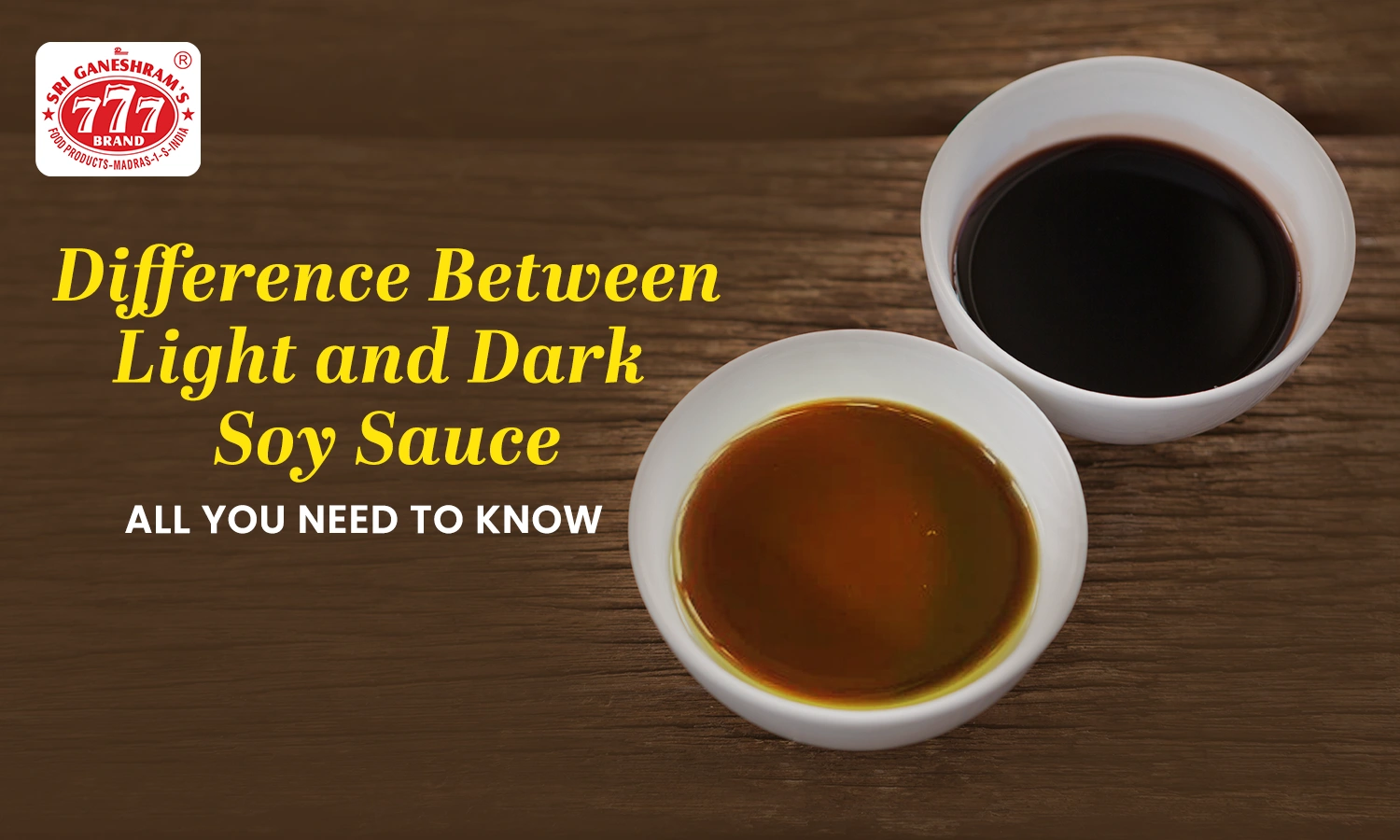
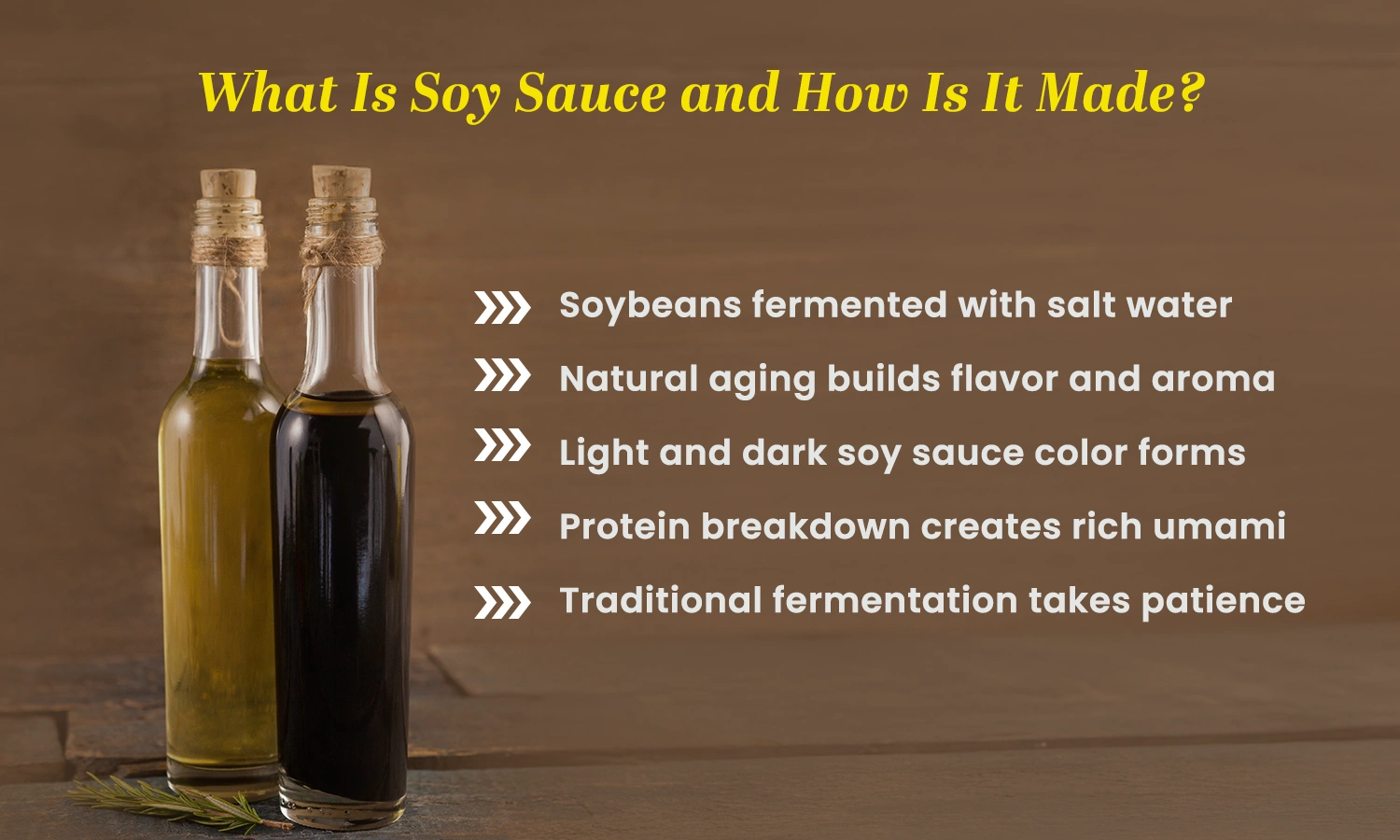
Difference Between Light and Dark Soy Sauce: All You Need To Know

Introduction :

Soy sauce is a common ingredient in many kitchens today, especially for stir-fries, noodles, and fusion dishes. However, many people are unsure about the difference between light and dark soy sauce.While both come from fermented soybeans, they serve very different purposes in cooking. Using the wrong one can change the taste, colour, or balance of a dish. This blog explains what sets them apart, how they are made, and how to use each correctly. Light And Dark Soy Sauce

What Is Soy Sauce and How Is It Made?

Soy sauce is a fermented liquid seasoning made primarily from soybeans, water, salt, and a fermenting culture. During fermentation, proteins break down and develop flavour and aroma. The length of fermentation and aging plays a major role in deciding the final taste, thickness, and soy sauce colour. This is why lighter and darker versions exist, even though they start from similar ingredients.

A Brief History of Soy Sauce

Soy sauce originated in East Asia over a thousand years ago as a way to preserve food and enhance flavour. Early versions were thick pastes, which later evolved into liquid sauces. Over time, regional preferences led to variations. Some regions favoured lighter, saltier sauces, while others developed darker, aged sauces. These traditions shaped what we now know as light and dark soy sauce.

Basic Ingredients and Brewing Process

The basic ingredients of soy sauce remain the same across types, but the brewing process differs. Shorter fermentation produces a lighter sauce, while longer aging results in darker sauces. Some dark varieties, often referred to as soy sauce black, may include a small amount of natural caramel for a deeper colour. These differences are about preparation, not quality, and determine how the sauce behaves in cooking.

Features of Light Soy Sauce

Light soy sauce is thin in texture and lighter brown in colour. It has a stronger salty taste and is mainly used for seasoning. Because it blends easily, it enhances flavour without darkening food. It is commonly used in fried rice, noodles, marinades, and quick stir-fries. Many everyday sauce uses rely on light soy sauce because it seasons dishes evenly.

Characteristics of Dark Soy Sauce

Dark soy sauce is thicker, darker, and less salty than light soy sauce. It is aged longer and often slightly sweet. Common dark soy sauce uses include braised vegetables, gravies, and noodles, where rich colour and depth are needed.
A small amount goes a long way, as it can easily overpower a dish if used excessively. Among dark sauce uses, adding colour is its main role.

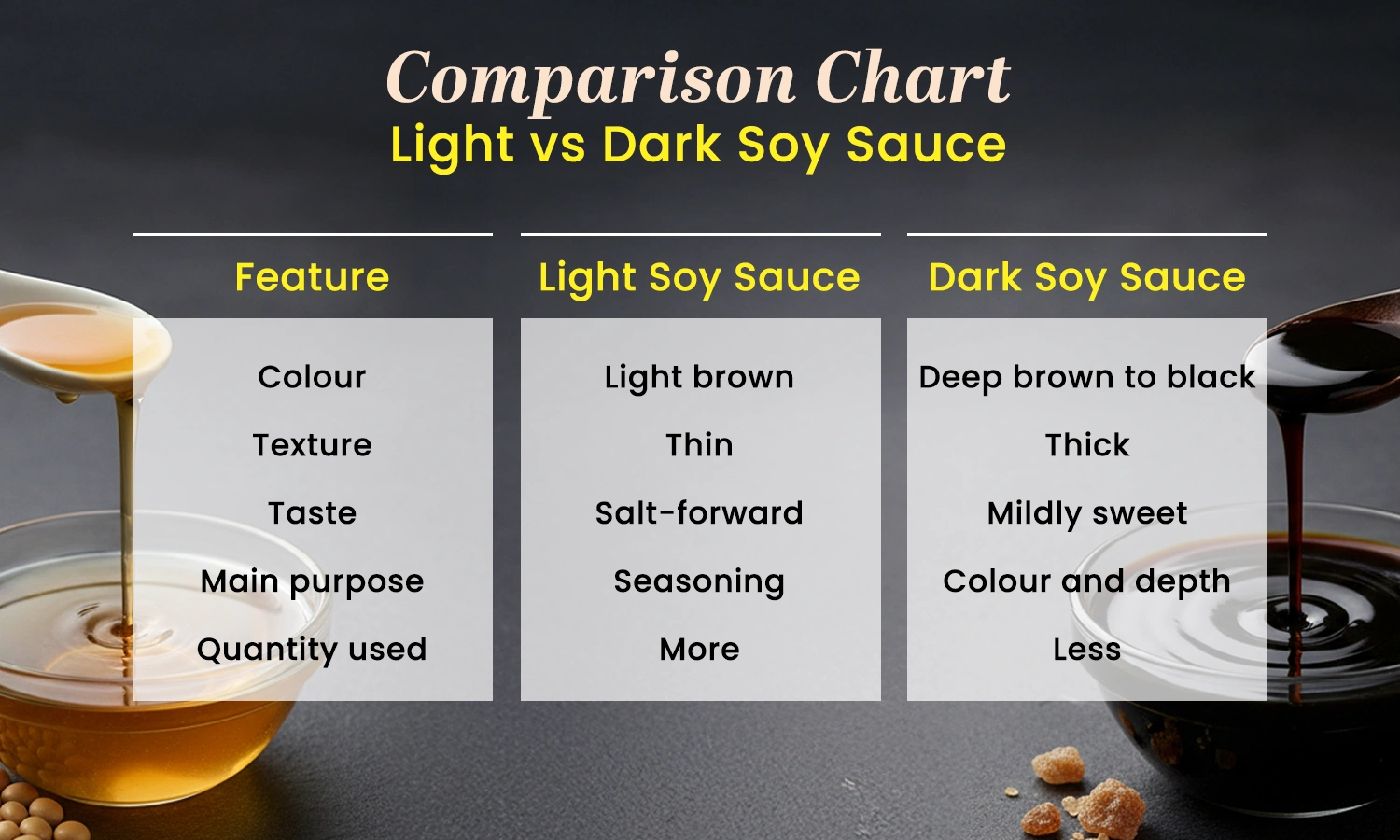
Comparison Chart: Light vs Dark Soy Sauce

Feature Light Soy Sauce Dark Soy Sauce
Colour Light brown Deep brown to black
Texture Thin Thick
Taste Salt-forward Mildly sweet
Main purpose Seasoning Colour and depth
Quantity used More Less

This clearly shows the dark soy sauce vs light soy sauce difference in everyday cooking.

How to Use Light and Dark Soy Sauce in Indian Cooking

In Indian-style Indo-Chinese cooking, both sauces are used together but in different roles. Light soy sauce is added early for seasoning fried rice, noodles, and marinades. Dark soy sauce is added later in small amounts to improve colour and richness.Choosing a good soy sauce depends on understanding this balance rather than using one type for everything. When used correctly, soy sauce can fit well into cooking styles that look for the healthiest soy sauce options through portion control.

Conclusion

Understanding the difference between light and dark soy sauce helps you cook with more confidence and accuracy. Each type has a specific role, and using them correctly improves flavour, appearance, and balance. When used thoughtfully and in moderation, soy sauce can be part of everyday cooking without complication. Brands like SGR 777, which focus on consistent preparation and clarity in sauce varieties, make it easier for home cooks to choose the right soy sauce for regular cooking needs.

Key Takeaways

  • Light and dark soy sauce have different cooking purposes
  • Light soy sauce seasons food without affecting the colour
  • Dark soy sauce adds colour and depth
  • Brewing time affects thickness and flavour
  • Using the right sauce improves taste balance

FAQs

Does soy sauce need to be refrigerated?After opening, soy sauce should be stored in a cool place. Refrigeration helps maintain flavour longer.
Is dark soy sauce healthier?Neither type is significantly healthier. Moderation matters more than the type used.
Which soy sauce is best in India?The best soy sauce depends on the dish, light for seasoning, dark for colour-rich cooking.
Is expired soy sauce okay?Expired soy sauce may lose quality and should be avoided.
How to store soy sauce once open?Keep it tightly closed and away from heat and sunlight.

Tomato Sauce Price in India: Rates, Factors & Buying Tips

Introduction :

The tomato sauce price in India can vary more than most people expect. While some bottles seem affordable at first glance, others cost noticeably more for the same quantity. This difference is influenced by factors such as ingredients, pack size, processing method, and where the sauce is purchased. From home kitchens to restaurants, tomato sauce is widely used, making it important to understand pricing trends before buying. This blog explains the current tomato sauce price range, what affects it, and how you can choose wisely without overspending.

What Is the Current Tomato Sauce Price in India?

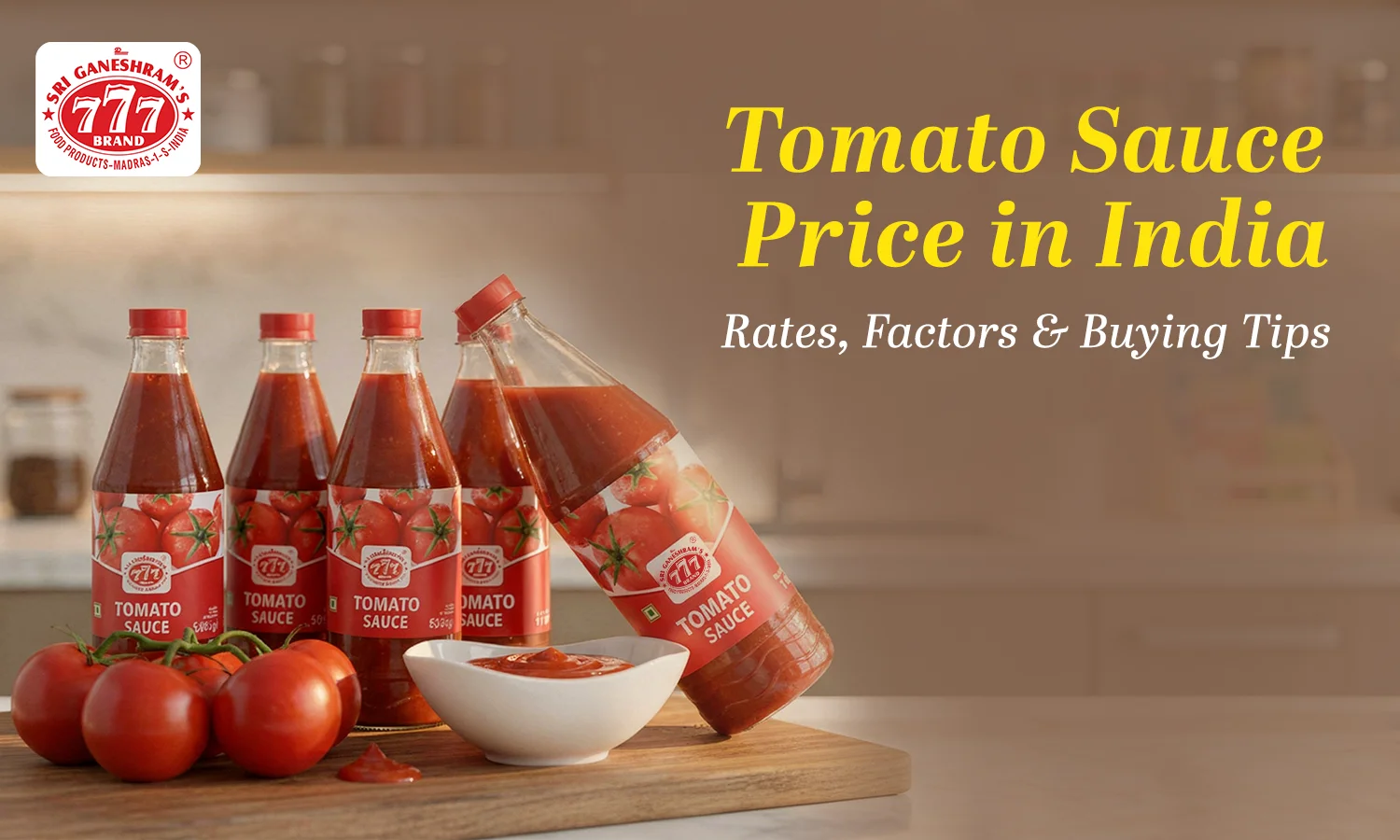
The price of tomato sauce in India usually falls within a broad range of ₹60 to ₹140 per kg. Smaller packs may look cheaper but often cost more per gram, while family packs, such as tomato sauce 1 kg, provide better value over time. The tomato sauce cost depends on tomato quality, thickness, and whether the product is positioned for everyday use or special dietary needs. In this general market range, SGR 777 tomato sauce (1 kg) is commonly priced around ₹90 to ₹110, placing it in a balanced mid-range suitable for regular household use. A quick look at any tomato sauce price list reveals that trusted mid-tier brands offer the most consistent value.

Tomato Sauce Price at Shops & Online Stores

Prices for tomato sauce can vary slightly between physical stores and online platforms. Local shops may reflect regional supply and demand, while online listings often show more consistent pricing and occasional offers.Buying tomato sauce online allows easy comparison of pack size, shelf life, and the general price of tomato sauce per kg. However, delivery charges should always be considered. Across channels, 777 Foods’ tomato sauce tends to maintain stable pricing, which helps households plan repeat purchases without frequent price fluctuations. Homemade Tomato Sauce vs Ready-Made Sauce

Homemade Tomato Sauce vs Ready-Made Sauce – What’s Cheaper?

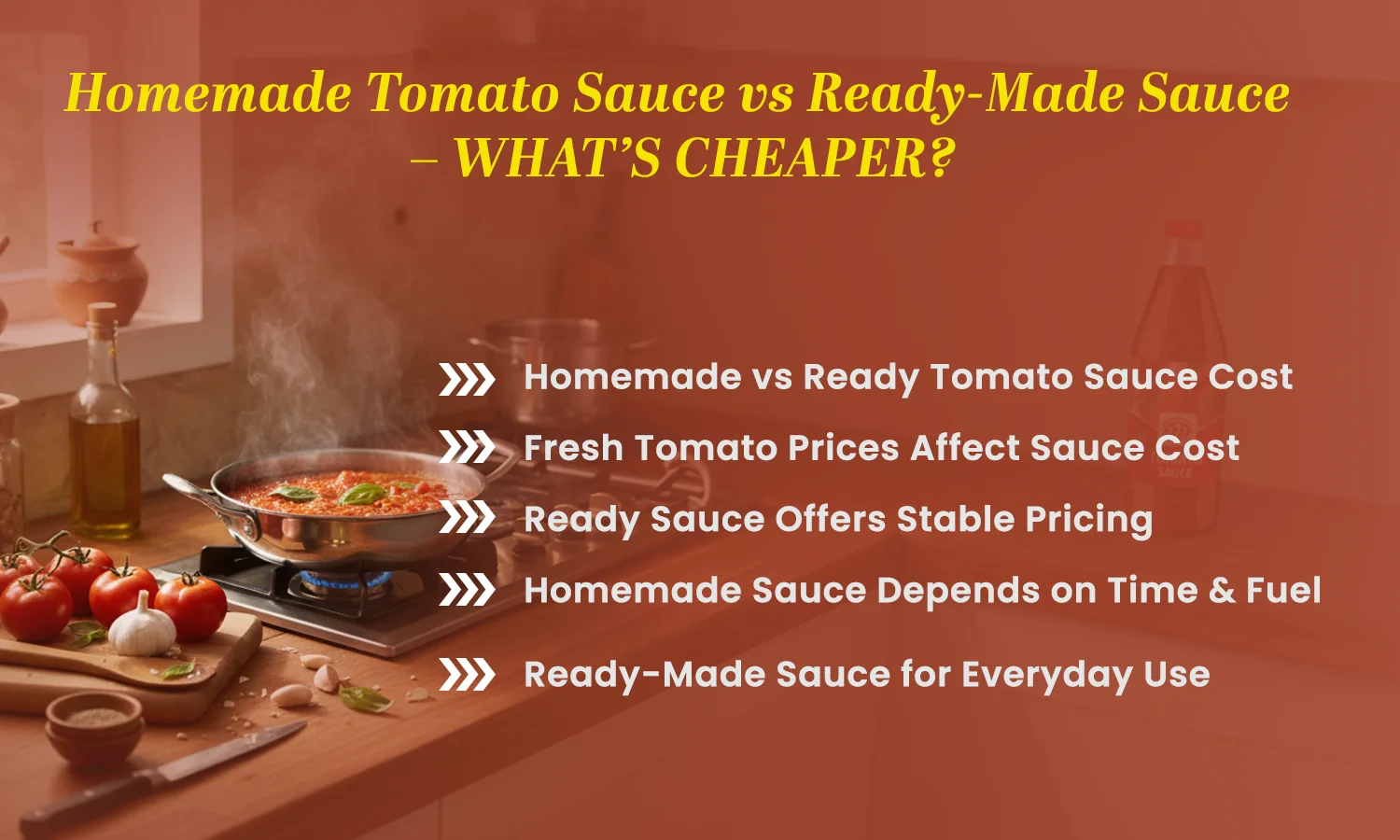
At first glance, homemade sauce may appear economical, but its cost depends heavily on fresh tomato prices, cooking fuel, and time. During seasons when tomato prices rise, homemade preparation may not always be cheaper.Ready-made sauce, on the other hand, offers predictable pricing, longer shelf life, and immediate use. For frequent users, a consistent, ready-made sauce like SGR 777 can often be more practical than preparing sauce repeatedly at home. Tomato Sauce Price in India

Factors That Influence Tomato Sauce Prices in India

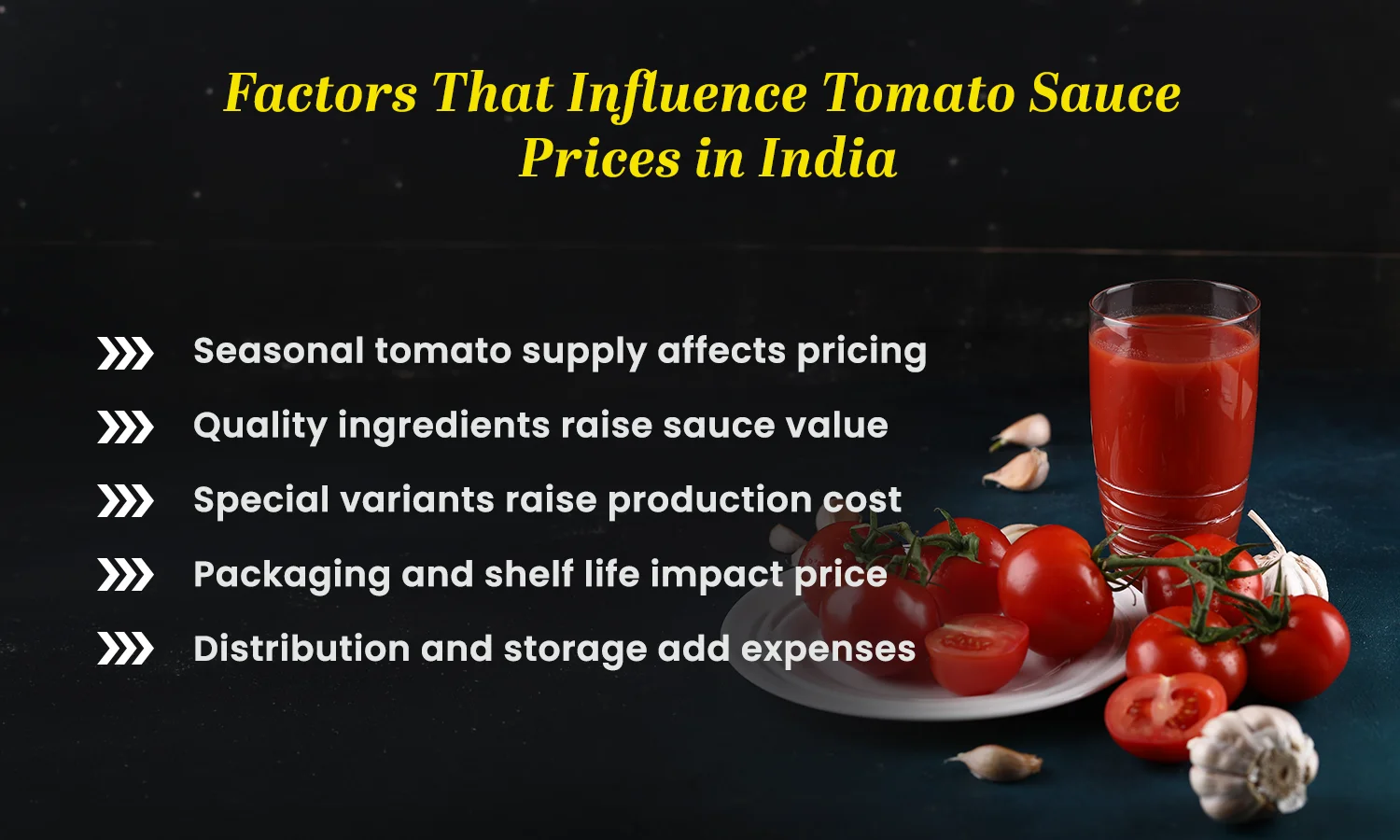
Several factors directly affect the tomato sauce price. Tomato availability plays a major role, as seasonal shortages can increase costs. Processing methods, thickness, and ingredient quality also influence pricing. Special variants such as keto sauce or low-sugar options usually cost more due to specific formulation requirements. Packaging size, storage life, and distribution also contribute to price differences between products, which eventually determine the final tomato sauce bottle price.

Buying Tips to Save on Tomato Sauce in India

To get better value, compare prices based on quantity rather than bottle size. Bulk packs usually reduce the cost per use. Check ingredient labels to avoid paying extra for unnecessary additives. Some buyers also compare sauce pricing with the tomato ketchup price, as both are used in similar ways.
Understanding a basic tomato sauce recipe can also help you judge whether a product’s price matches its ingredients and quality. Buying directly from official brand sources helps avoid inflated prices.

Conclusion

Understanding the tomato sauce price range helps you make informed choices instead of relying only on label pricing. Market rates vary based on ingredients, quantity, and processing, but focusing on value rather than the cheapest option leads to better long-term satisfaction.
Within the common price range, 777 Foods offers tomato sauce that balances consistency, quality, and everyday affordability, making it a practical choice for regular cooking needs.

Key Takeaways

  • Tomato sauce price in India generally ranges from ₹60 to ₹140 per kg
  • Larger packs offer better long-term value
  • Online prices are easier to compare, but may include delivery costs
  • Homemade and packaged sauces serve different needs
  • 777 Foods’ tomato sauce is typically priced around ₹90-₹110 for 1 kg

FAQs

Why is tomato sauce expensive?Prices increase due to tomato costs, processing quality, packaging, and storage. What you see as the tomato sauce bottle price also accounts for secure food-grade packaging materials.
What is the shelf life of tomato sauce?

Unopened bottles last several months; opened ones should be refrigerated and used within weeks.

What are the benefits of tomato sauce?

It adds flavour and convenience while retaining nutrients from tomatoes.

Is tomato sauce high in sugar?

Some varieties contain added sugar. Always check labels if sugar intake is a concern. You can also review the ingredients list alongside the tomato ketchup price to see why pricing differs between sauces and ketchups.

Can I convert tomato paste to tomato sauce?

Yes. Adding water, seasoning, and cooking can turn paste into sauce.