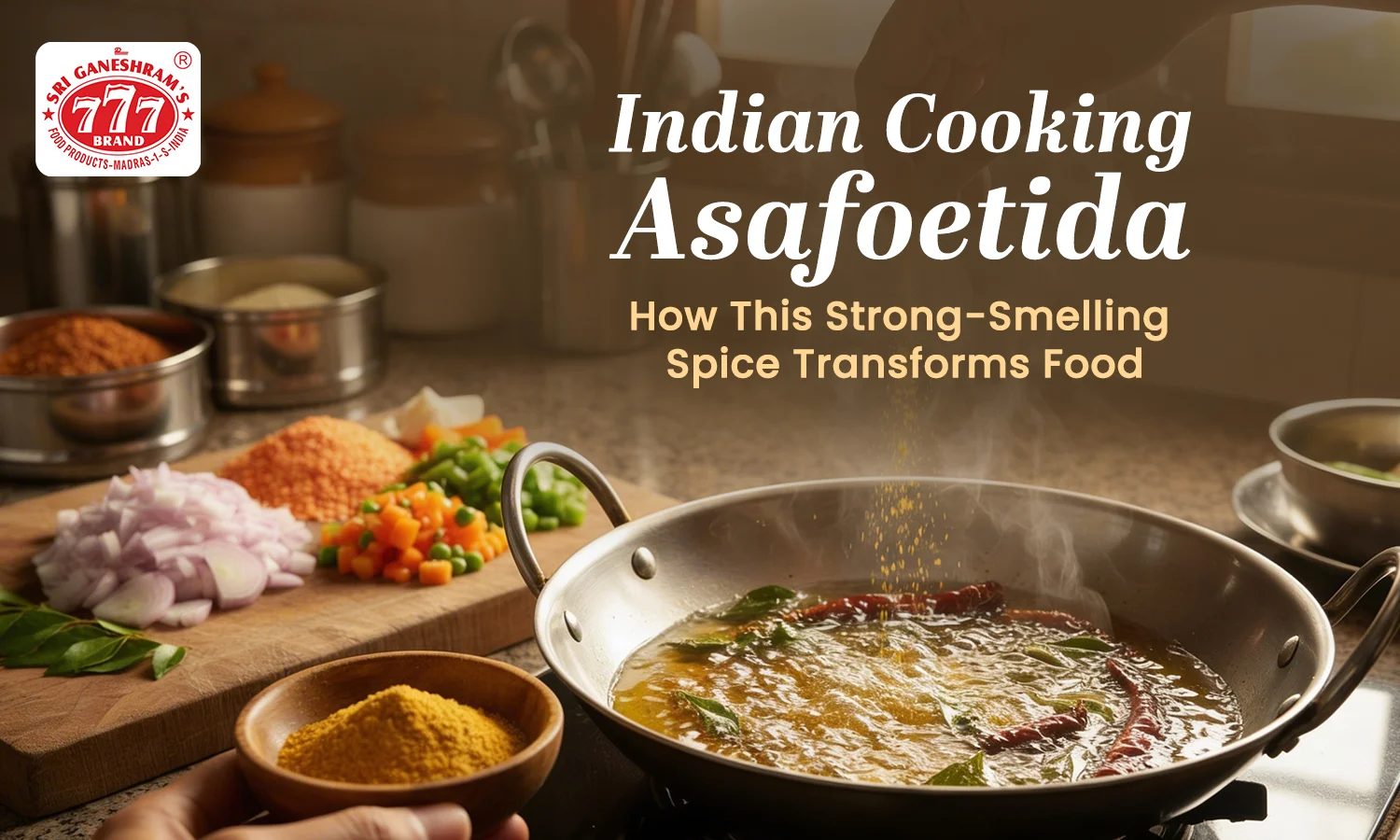
Indian Cooking Asafoetida: How This Strong-Smelling Spice Transforms Food

If you have ever wondered why some Indian dishes feel complete even with simple ingredients, the secret is often Indian cooking asafoetida. Known as hing, this spice has a strong smell when raw but turns into a savoury, mouth-watering flavor once cooked. A tiny pinch of this Indian spice hing can completely change the taste of dals, curries, and vegetables.
Today, Indian asafoetida is valued not just for flavor but also for its digestive support and its ability to balance other spices in food.

What Exactly Is Asafoetida (Hing)?

Many people ask what asafoetida actually is. It is a dried gum resin taken from the roots of the Ferula plant. This resin is meticulously processed into a convenient powder form, making it much easier to use in modern kitchens.
While some markets offer lower-grade blends, sourcing a pure asafoetida powder ensures you get the most authentic aroma. In its form as a raw hing powder, it smells sharp and sulfur-like, but the moment it hits hot oil, it develops a mild onion-garlic flavor that makes it irreplaceable in traditional meals.

Why Is Asafoetida Used in Indian Cooking?

The main reason for using Indian cooking asafoetida is flavor balance. It enhances other spices and gives a distinct savory depth to vegetarian dishes.
In traditional households, understanding the uses of hing in cooking goes beyond taste; it is regularly added to lentils and heavy brassica vegetables because it helps reduce gas and bloating. It also works as an excellent substitute for onion and garlic in certain communities. These practical uses of asafoetida in cooking make it a daily kitchen ingredient.

How to Cook With Asafoetida

The best method for using this spice is tempering, locally known as tadka.
Simple method:

  • Heat oil or ghee in a pan.
  • Add mustard or cumin seeds.
  • Lower the flame.
  • Add a small pinch of hing powder.
  • Let it sizzle for 5–10 seconds.
  • Mix the hot tempering directly into your dish.

This step is incredibly important because the spice must always be bloomed in fat; you should never add it completely raw to a finished plate. If you are wondering how much to use, start with just an eighth of a teaspoon for a dish serving four people.
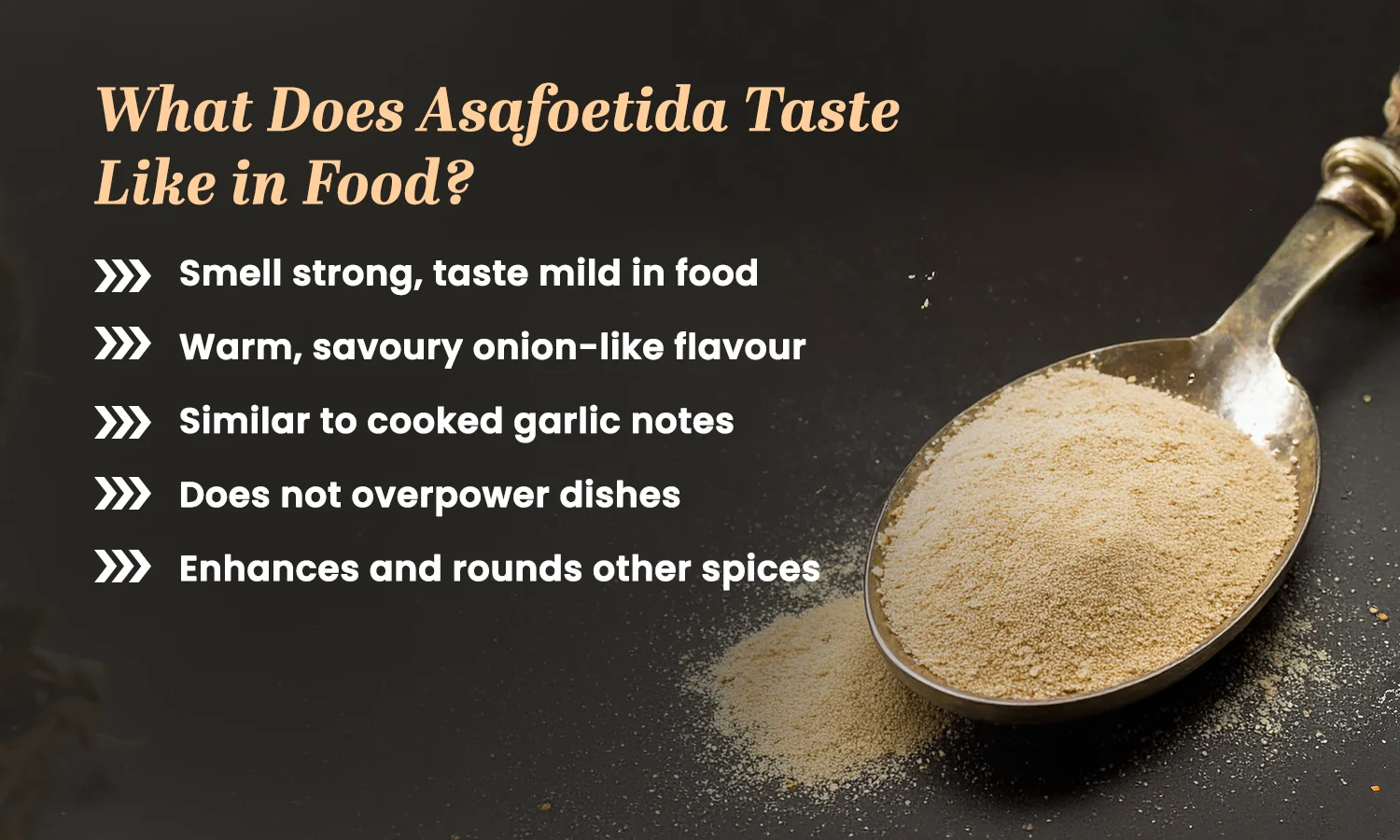
What Does Asafoetida Taste Like in Food?

Many first-time users worry about the smell. But in food, Indian cooking asafoetida tastes very different. It adds a warm, savoury flavour similar to cooked onions or garlic.

The asafoetida taste does not overpower dishes. Instead, it quietly enhances other spices and gives a rounded flavour that makes food feel complete.

Easy Ways to Use Asafoetida in Everyday Cooking

Here are some simple asafoetida uses in cooking you can try:

  • Add a pinch to dal tempering
  • Use in potato or vegetable stir-fries
  • Mix into buttermilk after heavy meals
  • Add to batter for pakoras

These recipes using asafoetida are common in Indian homes because they are easy and practical. You will also find many recipes with asafoetida in South Indian dishes like rasam and sambar.
indian cooking asafoetida

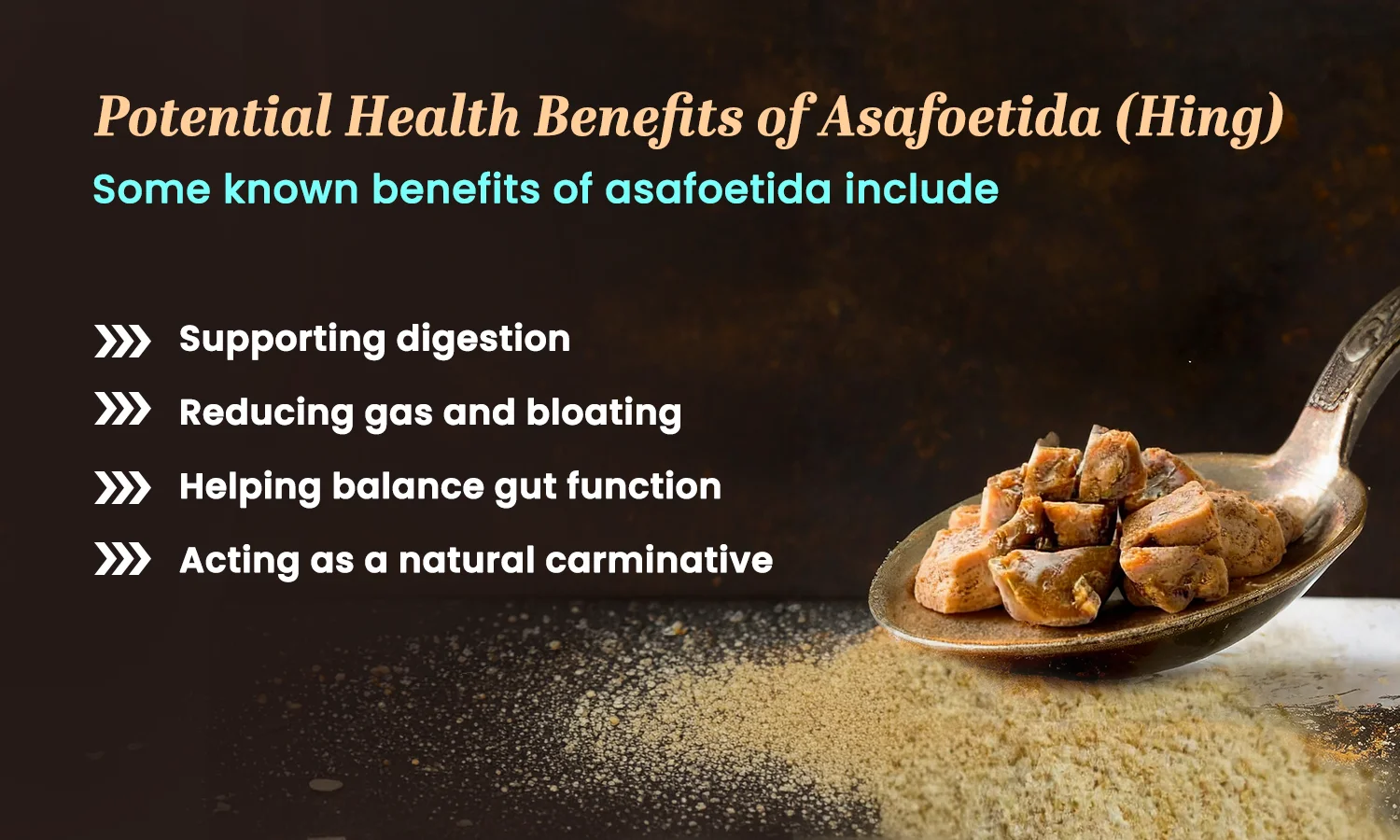
Potential Health Benefits of Asafoetida (Hing)

Apart from flavour, asafoetida benefits are widely discussed in traditional cooking.

Some known benefits of asafoetida include:

  • Supporting digestion
  • Reducing gas and bloating
  • Helping balance gut function
  • Acting as a natural carminative

Because of these asafoetida uses, it is often added to lentil dishes that are heavy to digest.

A Few Tips for Cooking With Asafoetida

  • Use only a pinch — more can make food bitter.
  • Always cook it in oil or ghee first.
  • Store in an airtight jar to control aroma.
  • Choose fresh hing powder uses in cooking for the best results.

These small tips help you get the best from indian cooking asafoetida without overpowering your dish.

Key Takeaways

  • Indian cooking asafoetida adds depth and balance to dishes.
  • Always cook hing in hot oil or ghee.
  • A small pinch is enough for most recipes.
  • Common in dals, curries, and vegetable dishes.
  • Supports digestion and reduces heaviness after meals.

Conclusion

Indian cooking asafoetida shows how a tiny ingredient can completely change food. From improving flavour to supporting digestion, it plays an important role in daily Indian meals. Once you learn how to use it correctly, hing becomes a simple but powerful addition to your kitchen.

FAQs

Is Asafoetida the Same as Hing?Yes, hing is the common Indian name for asafoetida. In indian cooking asafoetida, both terms refer to the same spice used for flavour and digestion.
Can You Eat It Raw?No. Asafoetida should not be eaten raw because the smell and taste are too strong. It must be cooked properly for a safe and pleasant flavour.
What Does It Replace in Cooking?In many recipes, indian cooking asafoetida replaces onion and garlic while still giving a savoury base flavour.
Where Can I Buy It?You can find asafoetida in supermarkets, spice stores, and online grocery platforms in powder or resin form.
What Is Its Shelf Life?When stored in an airtight container, asafoetida usually stays fresh for about 12–18 months.
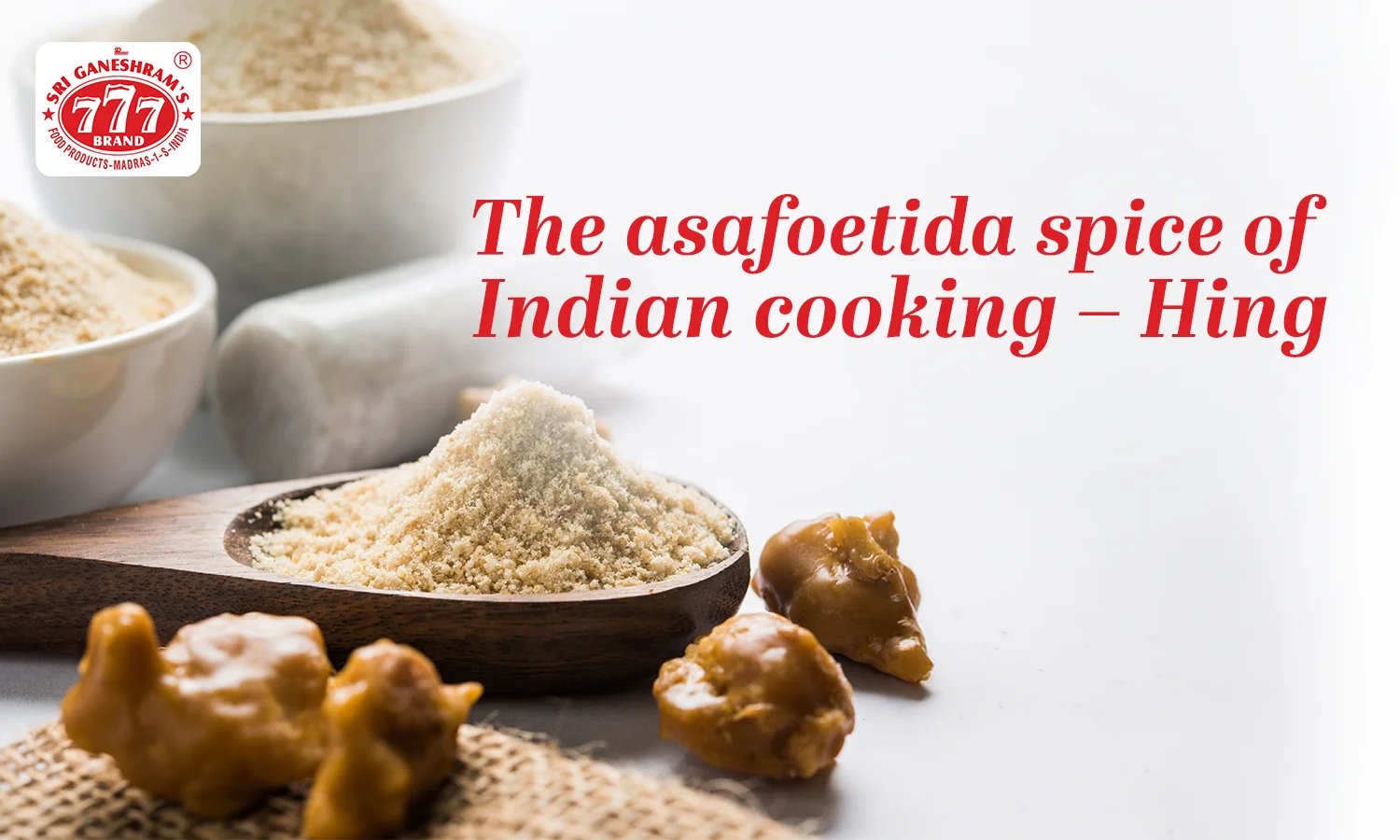
The asafoetida spice of Indian cooking – Hing

If you’ve ever cooked a simple dal or vegetable dish, you’ve probably seen a recipe that calls for a tiny pinch of hing. This strong-smelling ingredient is known as the asafoetida spice, and it plays an important role in Indian kitchens.
Though it is used in very small amounts, the asafoetida spice can completely change the flavour of a dish. It adds depth, improves digestion, and often replaces onion and garlic in certain cuisines. Let’s understand what makes this spice so unique.
asafoetida spice

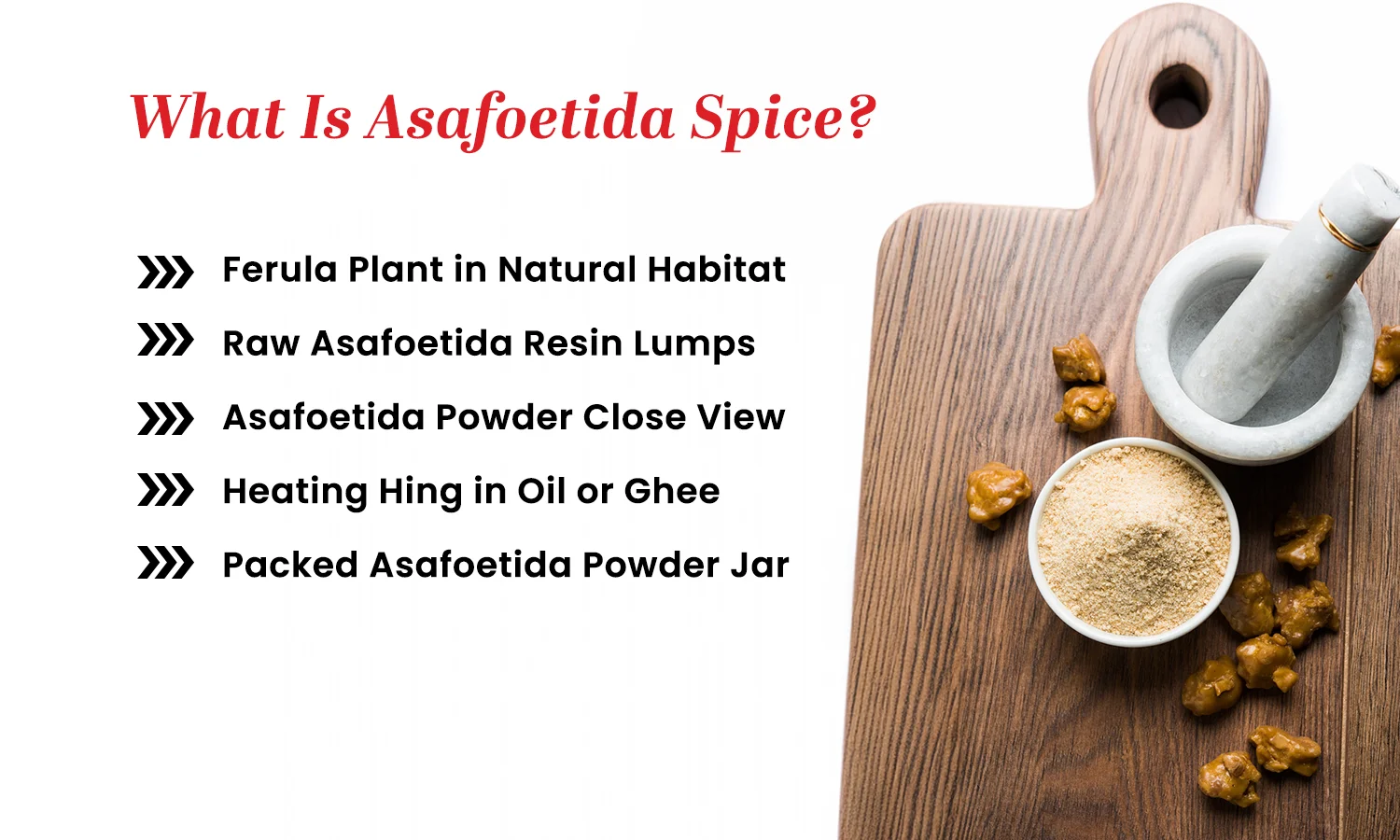
What Is Asafoetida Spice?

The asafoetida spice comes from the dried resin of the Ferula plant. This plant grows mainly in regions of Iran, Afghanistan, and parts of Central Asia. The resin is collected, dried, and processed into either lumps or powder.
Many people ask, is asafoetida a spice or a herb? In the kitchen, it is treated as a spice because it is used in very small amounts to enhance flavour. This asafoetida hing spice is known for its strong aroma in raw form.
In fact, the raw spice asafoetida has a sharp, sulfur-like smell. But once it is heated in oil or ghee, the smell changes into a savoury, onion-like aroma. That is why hing asafoetida is often used as a substitute for onion and garlic in certain traditional diets. Understanding how asafoetida is made helps explain why it has such a strong aroma and why it is used in very small quantities.
Today, it is commonly sold as asafoetida powder, which is easier to measure and store than the pure resin.

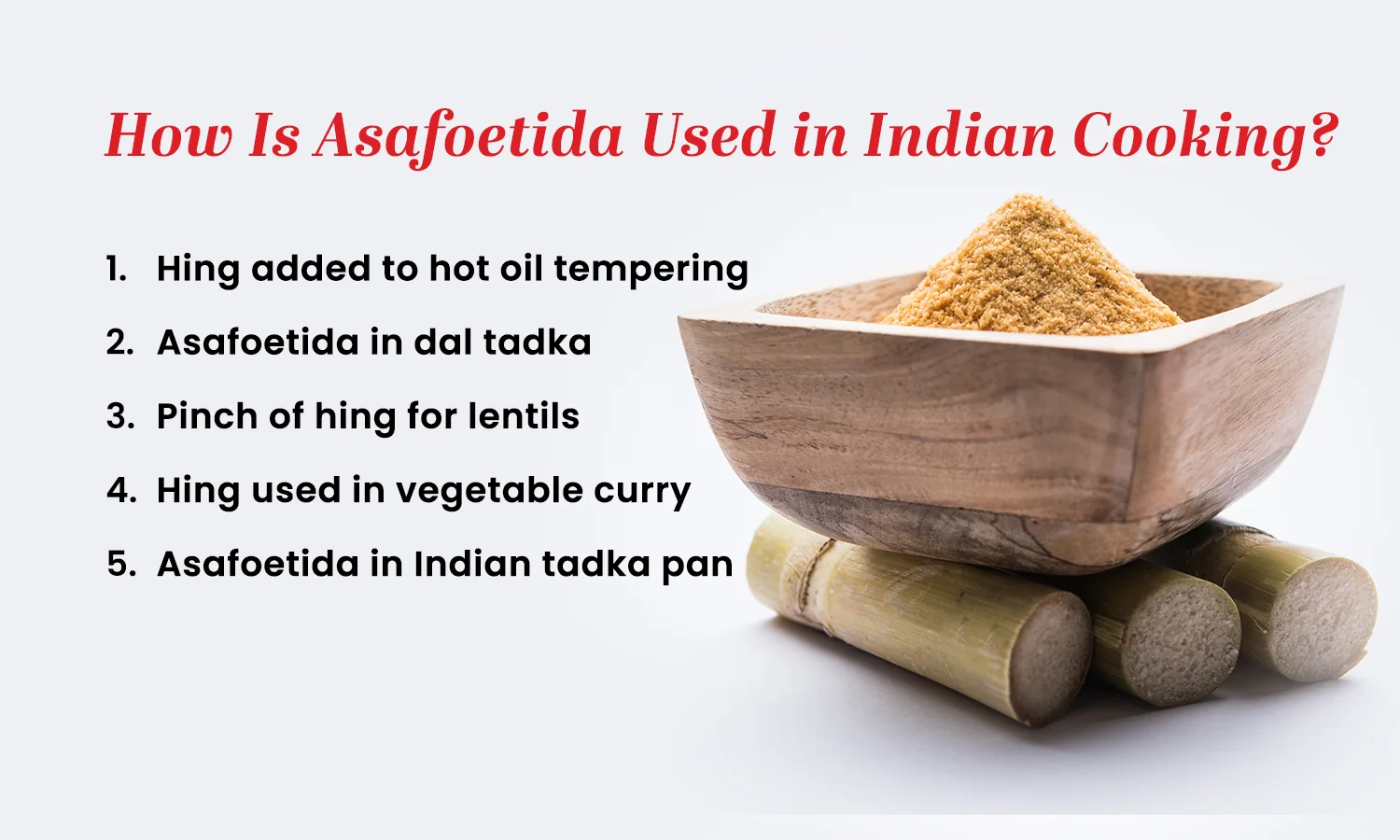
How Is Asafoetida Used in Indian Cooking?

The asafoetida spice is a staple in many vegetarian dishes. It is especially common in lentils, vegetable curries, pickles, and spice blends.
This asafetida indian spice, is valued for two main reasons:

  • It adds a savoury depth similar to onion and garlic.
  • It helps reduce gas and bloating, which is why many people use asafoetida for gas in lentil-based dishes.

In traditional asafoetida indian cooking, it is added during tempering, also called tadka. The spice is heated in oil or ghee for a few seconds before other ingredients are added. This process releases its flavour and removes the harsh raw smell.

Because of its strong taste, asafetida use always follows the “pinch rule.” Even a tiny amount is enough for an entire pot of food.

The benefits of hing make it a common addition in everyday meals, especially in simple vegetarian cooking. asafoetida spice

How You Can Easily Use Asafoetida in Cooking

If you are new to the asafoetida spice, using it is simple once you know the basics.
The Basic Tadka Method

  • Heat a spoonful of oil or ghee in a pan.
  • Add mustard or cumin seeds.
  • Lower the heat and add a tiny pinch of hing.
  • Let it sizzle for a few seconds.
  • Add vegetables, lentils, or pour the mixture over cooked food.

This is the most common method used in everyday asafoetida cooking.

These methods also highlight hing powder uses, showing how easily it can be added to daily recipes.

Other Easy Ways to Use It

  • Dissolve a pinch in warm water before adding to soups.
  • Mix a small amount into buttermilk for digestion.
  • Add it to the gram flour batter for fritters.

These methods show asafoetida how to use it in simple, practical ways.

Regular use also shows hing benefits for stomach, especially when added to lentils and heavy foods.

Because of its strong aroma, always store it in an airtight container. If you plan to buy it, you can easily find asafoetida online from trusted brands.

Key Takeaways

  • The asafoetida spice is a dried resin used in Indian cooking.
  • It has a strong smell when raw but a savoury taste when cooked.
  • Commonly used in dals, vegetables, and pickles.
  • Helps improve digestion and reduce gas.
  • Only a small pinch is needed for most dishes.

In most stores, you will also find compounded asafoetida powder, which is blended with other ingredients for easier use.

Conclusion

The asafoetida spice may look simple, but it carries deep flavour and tradition. Used in tiny amounts, it transforms everyday dishes and supports digestion. From dals to pickles, this asafoetida in food shows how a small ingredient can have a big impact.

Whether you’re cooking a classic dal or trying new recipes, adding a pinch of this asafoetida indian spice can bring authentic taste to your meals.

When choosing the right type, many people prefer pure asafoetida for its strong flavour and better quality.

FAQs

What Does Asafoetida Taste Like?

Raw asafoetida spice has a very strong and sharp smell. But once it is cooked in oil or ghee, it develops a mild, savoury flavour similar to onion and garlic.

What Is the Spice Asafoetida Used For?

The asafoetida spice is mainly used to add flavour and improve digestion. It is commonly added to lentils, vegetable dishes, and pickles.

When to Use Asafoetida in Cooking?

The asafoetida spice is usually added during the tempering stage. It is heated in oil or ghee for a few seconds before other ingredients are added.

Can We Use Asafoetida Daily?Yes, the asafoetida spice can be used daily in small amounts as part of regular cooking. Since it is very strong, a tiny pinch is enough for most meals. While widely used, it is also important to understand hing benefits and side effects, especially when consumed in larger amounts.

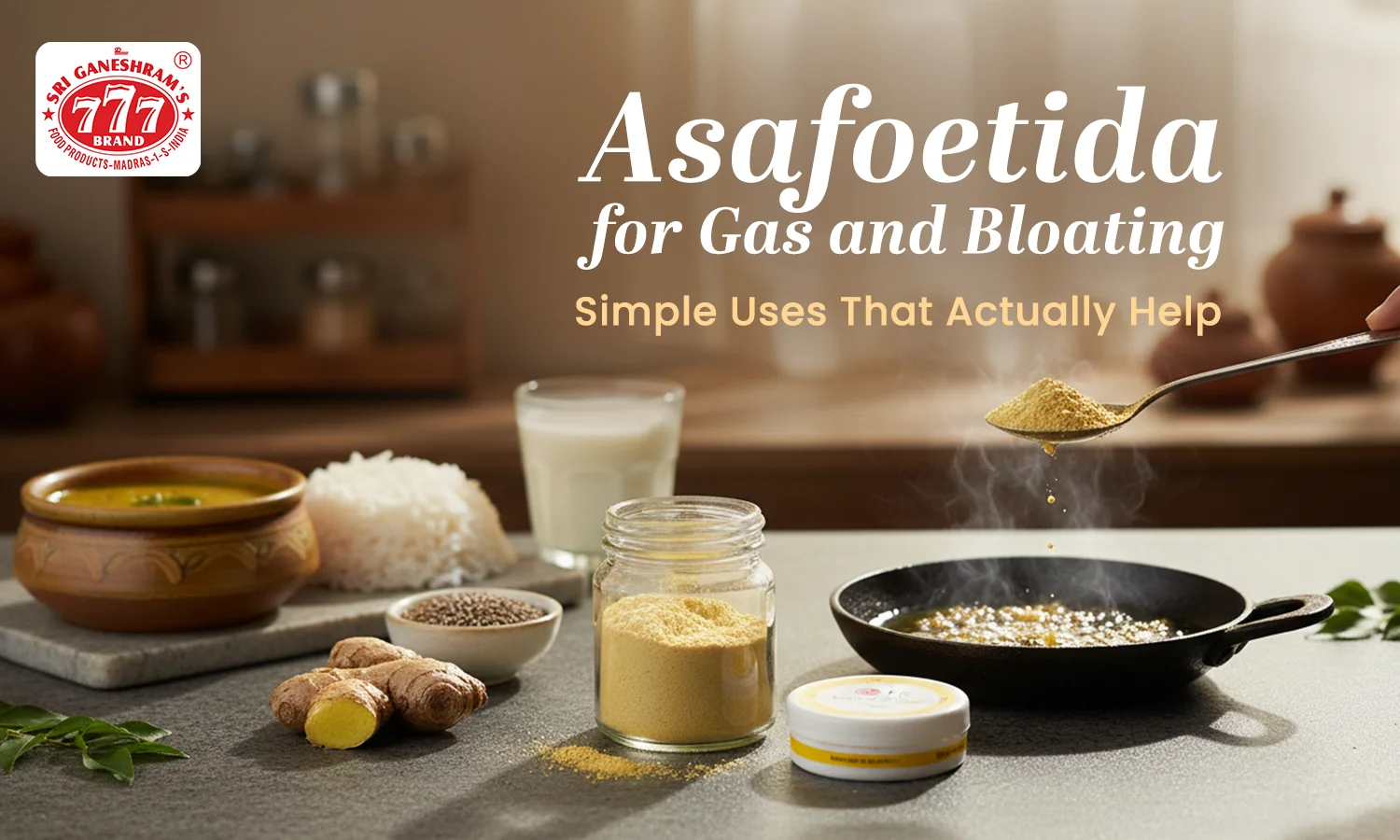
Asafoetida for Gas and Bloating: Simple Uses That Actually Help

If you’ve ever felt heavy or uncomfortable after a meal, you’re not alone. Gas and bloating are common, especially after dishes made with lentils, beans, or fried foods. This is why many households rely on asafoetida for gas as a simple, natural remedy.
Used for generations, hing is known for its digestive support. A tiny pinch in the right place can make meals easier to digest and reduce discomfort. Let’s look at how asafoetida for gas actually works and how you can use it in daily cooking.

Why People Reach for Asafoetida for Gas and Bloating

The main reason people use asafoetida for gas is its carminative property. This means it helps prevent gas formation and supports the release of trapped air from the digestive tract.
Some well-known asafoetida benefits for gas include:

  • Stimulating digestive enzymes
  • Relaxing intestinal muscles
  • Supporting healthy gut bacteria
  • Reducing fermentation after heavy meals

Many households rely on hing for gas after eating lentils or fried foods because it helps the stomach feel lighter.

What Makes Hing Helpful After Legume-Rich Meals

Beans and lentils contain complex sugars that are hard to digest. When these reach the intestines, they ferment and produce gas.

Using asafoetida for gas during cooking helps:

  • Improve enzyme activity
  • Reduce fermentation in the gut
  • Ease cramps and discomfort

This is why hing for gas problem is commonly added to dals, chickpeas, and beans.

Exactly How to Temper Hing for Digestion-Friendly Meals

The best way to use asafoetida for gas is through tempering, also called tadka.

Simple tempering method:

  • Heat a spoonful of oil or ghee.
  • Add cumin or mustard seeds.
  • Lower the flame.
  • Add a small pinch of hing.
  • Let it sizzle for a few seconds.
  • Mix it into your dal or vegetables.

This method creates hing gas relief by activating its digestive compounds.

Picking the Right Form and Jar Size

For daily use of asafoetida for gas, compounded powder is the most practical option.

  • Powder form: Easy to measure and mix into dishes.
  • Resin form: More potent but harder to use.

Choose a small jar of asafoetida powder so it stays fresh. Large packs may lose aroma before you finish them.
Asafoetida for Gas

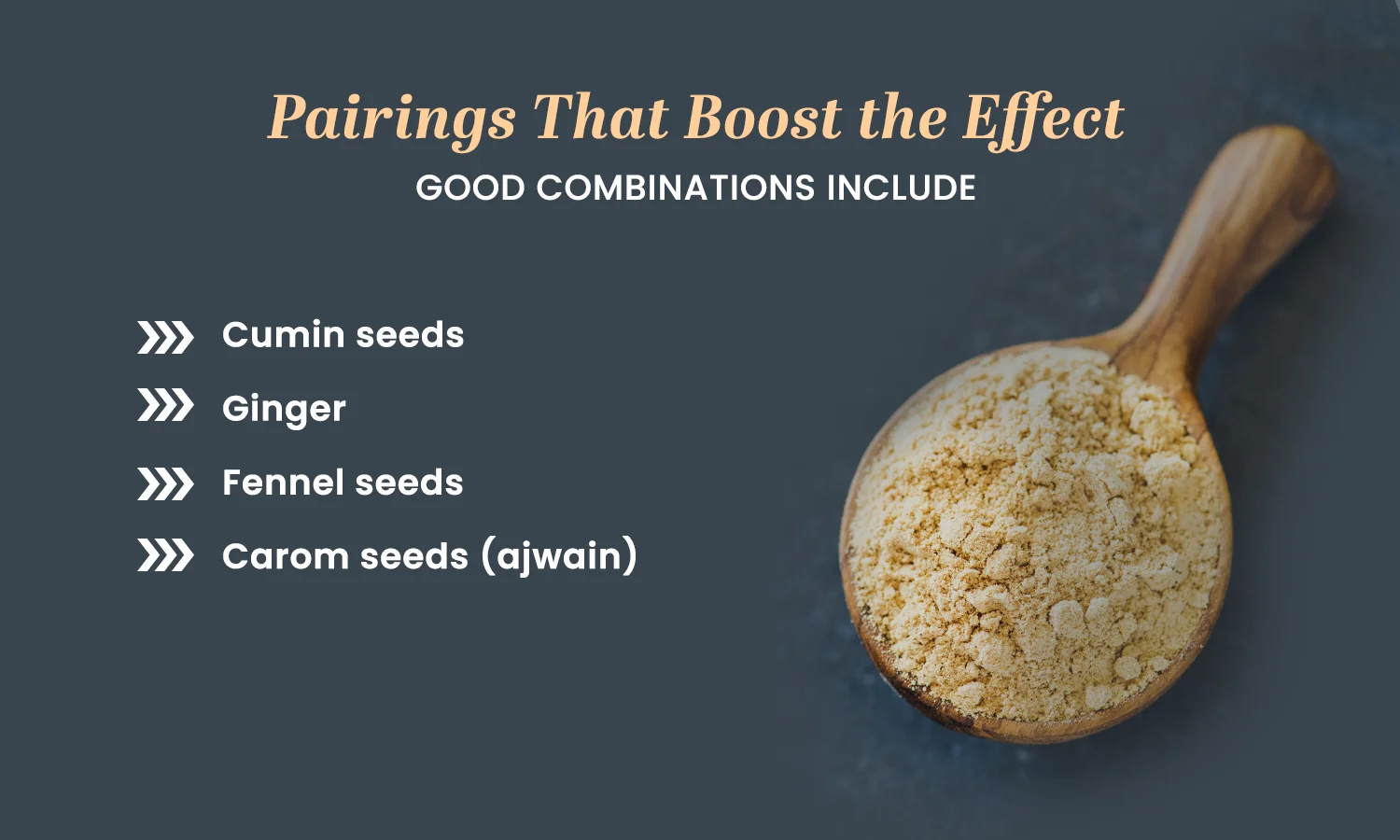
Pairings That Boost the Effect

Certain spices work well with asafoetida for gas and enhance its digestive effect.

Good combinations include:

  • Cumin seeds
  • Ginger
  • Fennel seeds
  • Carom seeds (ajwain)

These pairings increase the overall benefits of asafoetida in heavy or protein-rich meals.

How Much Is “a Pinch”?

When using asafoetida for gas, a pinch usually means:

  • Around 1/16 to 1/8 teaspoon
  • Roughly 50–100 mg of powder

This small amount is enough for a dish serving 3–4 people. For adults seeking hing for gas relief in adults, sticking to this quantity is usually sufficient.

Storage That Preserves Bloom (and Reduces Smell)

Proper storage helps maintain the effectiveness of asafoetida for gas.

  • Store it in a small airtight glass jar.
  • Keep the original pouch inside the jar.
  • Place it in a cool, dry cupboard.
  • Always use a dry spoon.

Good storage keeps the aroma strong and supports the digestive asafoetida benefits.
Asafoetida for Gas

Who Should Be More Cautious

While asafoetida for gas is safe for most adults in cooking amounts, some people should be careful.

  • Pregnant women
  • Breastfeeding mothers
  • Infants and young children
  • People on blood-thinning medication
  • Those with stomach ulcers or severe acidity

In such cases, consult a doctor before regular asafoetida uses.

One-Week “Lighter Meals” Plan Using Asafoetida for Gas and Bloating

A simple meal plan can help you test how asafoetida for gas works in daily food.

Day Lunch Dinner
Day 1 Moong dal with hing Steamed rice and bottle gourd
Day 2 Jeera rice with hing Cabbage stir-fry
Day 3 Thin moong soup Vegetable dalia
Day 4 Moong khichdi Warm chickpea chaat
Day 5 Raw mango rasam Quinoa upma
Day 6 Fermented rice dish Spinach khichdi
Day 7 Amla rasam Hing mashed potatoes

You can also try hing water for gas after dinner by mixing a tiny pinch in warm water.

Key Takeaways

  • Asafoetida for gas works by reducing fermentation in the gut.
  • A small pinch during cooking is usually enough.
  • It is especially helpful with lentils and beans.
  • Pairing it with cumin or ginger improves digestion.
  • Proper storage keeps it effective and aromatic.

Conclusion

Using asafoetida for gas is one of the simplest ways to make heavy meals easier to digest. A tiny pinch in your tempering can reduce bloating and keep your stomach comfortable. With the right amount, proper storage, and simple meal choices, hing can become a reliable part of your everyday kitchen routine.

FAQs

What Is Asafoetida Good For?Asafoetida for gas is one of its most common uses. It helps reduce bloating, improves digestion, and supports gut health when used in small cooking amounts.
Who Should Not Eat Asafoetida?People who are pregnant, breastfeeding, or taking blood-thinning medication should be cautious with asafoetida for gas. It’s best to consult a doctor before regular use in such cases.
Can I Eat Asafoetida Daily?Yes, asafoetida for gas can be used daily in very small amounts during cooking. A tiny pinch in dal or vegetables is usually safe for most adults.
What Is the Fastest Way to Remove Gas?One quick remedy using asafoetida for gas is mixing a small pinch in warm water or buttermilk after a heavy meal. This traditional method may help ease bloating and discomfort.

Asafoetida During Pregnancy: Is It Safe? A Balanced Kitchen Guide

Answering “Is Asafoetida Safe During Pregnancy” Without Panic

Many home cooks rely on hing for flavour and digestion. But when it comes to asafoetida during pregnancy, the question naturally comes up: Is it safe?

In most cases, small culinary amounts are considered acceptable, especially after the first trimester, and only with a doctor’s guidance. However, large or medicinal doses are not recommended. The key to asafoetida during pregnancy is understanding the difference between a tiny pinch in food and concentrated or raw forms.

What Normal Culinary Use Looks Like

When we talk about asafoetida during pregnancy, normal use means very small quantities in cooked food.

In a typical home recipe:

  • A single pinch is added to hot oil or ghee.
  • It is cooked for a few seconds before adding other ingredients.
  • The dish is shared among several servings, reducing the amount per person.

This method softens its intensity and keeps asafoetida during pregnancy within a safe culinary range rather than a medicinal one.

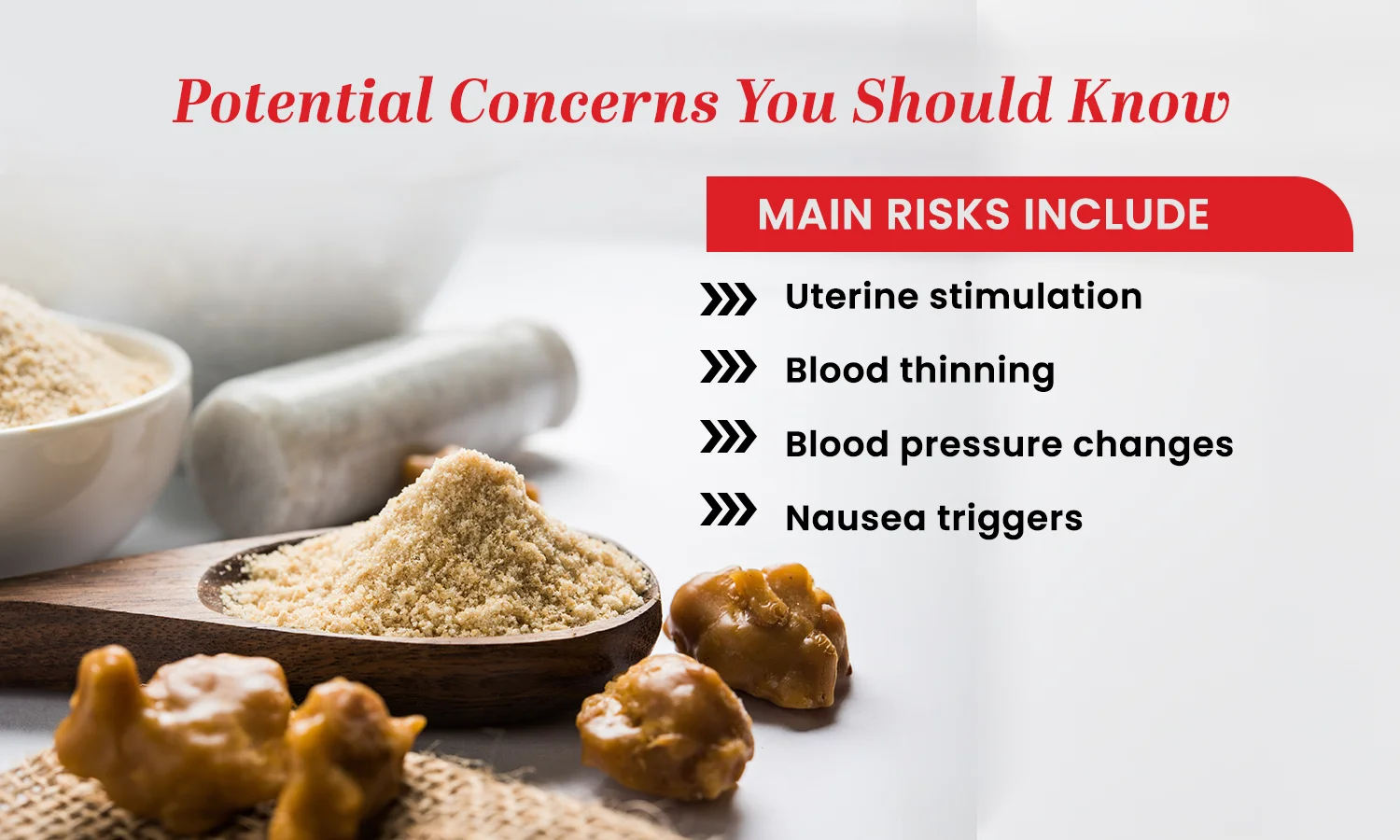
Potential Concerns You Should Know

While small amounts of food may be acceptable, there are certain concerns linked to asafoetida during pregnancy.

asafoetida during pregnancy Main risks include:
  • Uterine stimulation: Large doses may trigger contractions.
  • Blood thinning: It contains natural compounds that may increase bleeding risk.
  • Blood pressure changes: It may lower blood pressure in sensitive individuals.
  • Nausea triggers: The strong smell can worsen morning sickness.

Because of these factors, doctors often recommend caution with asafoetida during pregnancy, especially in the early months.

Green-Zone Practices (After Clinician Okay)

If your doctor approves small culinary amounts, you can follow a few simple practices for asafoetida during pregnancy.

  • Use only a tiny pinch per dish.
  • Always cook it in oil or ghee.
  • Add it to larger portions of dal or vegetables.
  • Keep the kitchen ventilated while cooking.

Some traditional households also use a diluted paste around the navel for bloating instead of consuming it. This approach reduces direct intake of asafoetida during pregnancy.

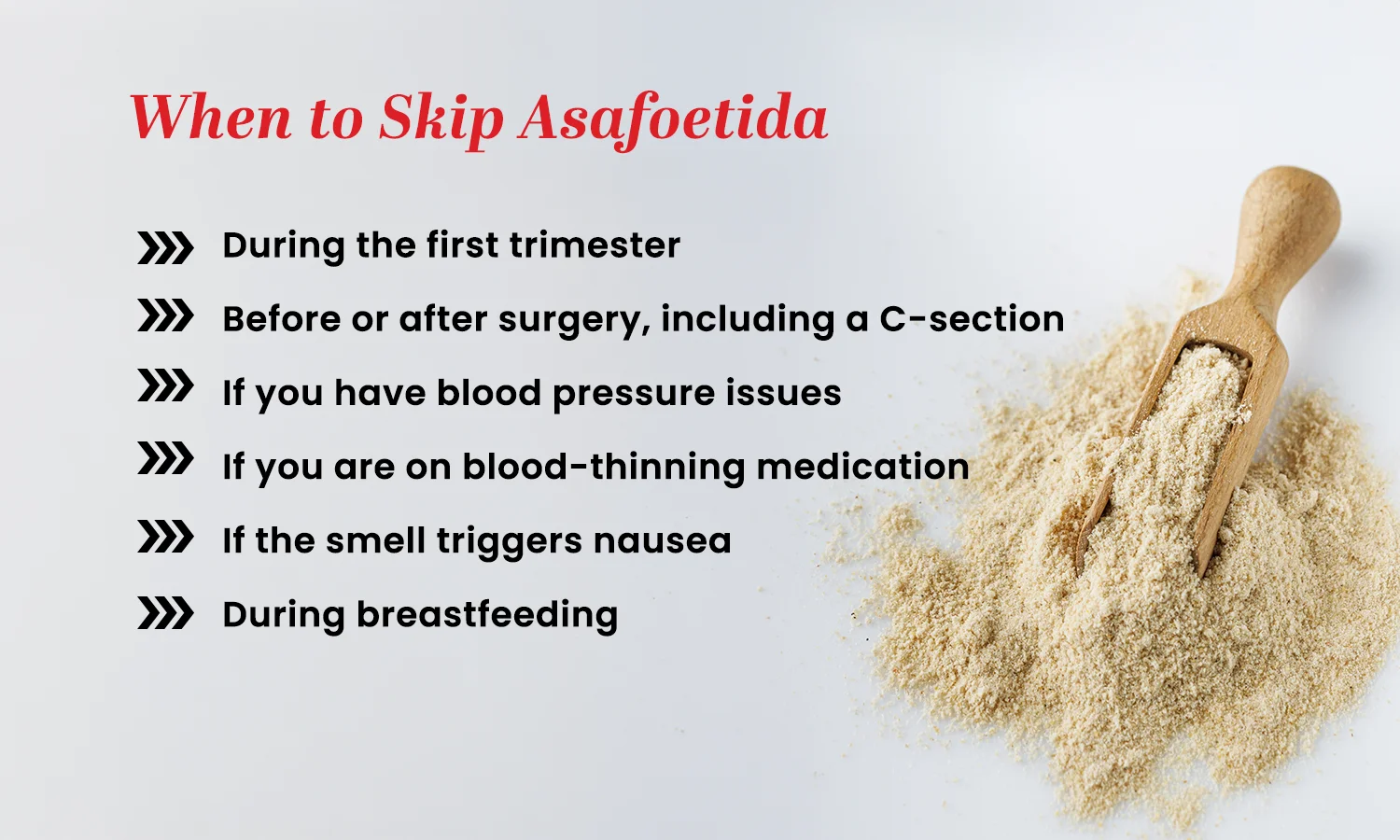
When to Skip Asafoetida

There are certain situations where it’s better to avoid asafoetida during pregnancy completely.

asafoetida during pregnancy

  • During the first trimester
  • Before or after surgery, including a C-section
  • If you have blood pressure issues
  • If you are on blood-thinning medication
  • If the smell triggers nausea
  • During breastfeeding

In these cases, skipping asafoetida during pregnancy is usually the safer choice.

Smart Alternatives if You’re Avoiding Asafoetida

If you choose not to use it, you can still maintain flavour and digestion without asafoetida during pregnancy.
For flavour:

  • Cumin seeds in ghee
  • Green parts of spring onions
  • Celery salt in small amounts

For digestion:

  • Fresh ginger
  • Fennel seeds
  • Lemon juice at the end of cooking

These simple swaps help maintain comfort without relying on asafoetida during pregnancy.

Shopping and Storage for Safer Use

If you plan to keep hing in your kitchen, safe handling matters during asafoetida during pregnancy.

  • Choose products with clear ingredient labels.
  • Buy small packs with visible expiry dates.
  • Store in an airtight glass jar.
  • Keep it in a cool, dry cupboard away from heat.

Proper storage helps maintain freshness and ensures safer use of asafoetida during pregnancy.

Simple Recipes That Keep Flavour Gentle

You can still cook comforting meals while being careful with asafoetida during pregnancy.

Gentle moong dal idea:

  • Cook the soaked yellow moong dal with turmeric and salt.
  • Heat a spoonful of ghee and add cumin seeds.
  • Add grated ginger.
  • If approved by your doctor, add one tiny pinch of hing.
  • Pour the tempering over the dal and finish with lemon juice.

This method keeps the dish mild while managing asafoetida during pregnancy safely.

Key Takeaways

  • Asafoetida during pregnancy is usually safe only in tiny cooked amounts.
  • Avoid it completely in the first trimester.
  • Never consume it raw or in medicinal doses.
  • Always consult a doctor before regular use.
  • Simple spices like ginger or cumin can be good alternatives.

Conclusion

The topic of asafoetida during pregnancy doesn’t have to be confusing or alarming. In most cases, a small pinch in well-cooked food is acceptable after medical approval. The real concern lies in large, raw, or medicinal amounts. By using it carefully, following medical advice, and choosing gentle alternatives when needed, you can keep your meals both safe and flavourful during pregnancy.

FAQs

Can I Take Asafoetida Capsules for Nausea?Capsules or medicinal doses are not recommended when it comes to asafoetida during pregnancy. These forms contain higher concentrations than normal cooking amounts and may increase the risk of uterine stimulation. Always consult your doctor before taking any supplements.
Does Asafoetida Help Constipation or Gas in Pregnancy?Some people use asafoetida during pregnancy in tiny cooked amounts to reduce bloating or gas. However, this should only be done after medical approval, and the quantity must remain very small and well-cooked.
What if I Accidentally Added Too Much?If you used slightly more than a pinch of asafoetida during pregnancy in a dish, it is usually not a cause for panic. Diluting the dish or sharing it among more servings can reduce the amount per portion. If you feel discomfort, consult your doctor.
Is the Smell Harmful?The smell of asafoetida during pregnancy is not harmful by itself. However, its strong aroma may trigger nausea or vomiting in some women, especially during the first trimester. If the smell bothers you, it is best to avoid using it.

Uses of Asafoetida: A Spice Packed with Surprising Health Benefits

Nutritional Profile of Asafoetida

The uses of asafoetida are closely linked to its nutritional composition. Though used in small quantities, it contains several beneficial compounds.

Approximate nutritional value per 100 g:

Nutrient Amount
Energy 297–343 kcal
Carbohydrates 67–68 g
Protein 4 g
Fiber 4–4.1 g
Fat 1–1.1 g
Calcium 690 mg
Iron 39 mg
Phosphorus 50 mg

uses of asafoetida

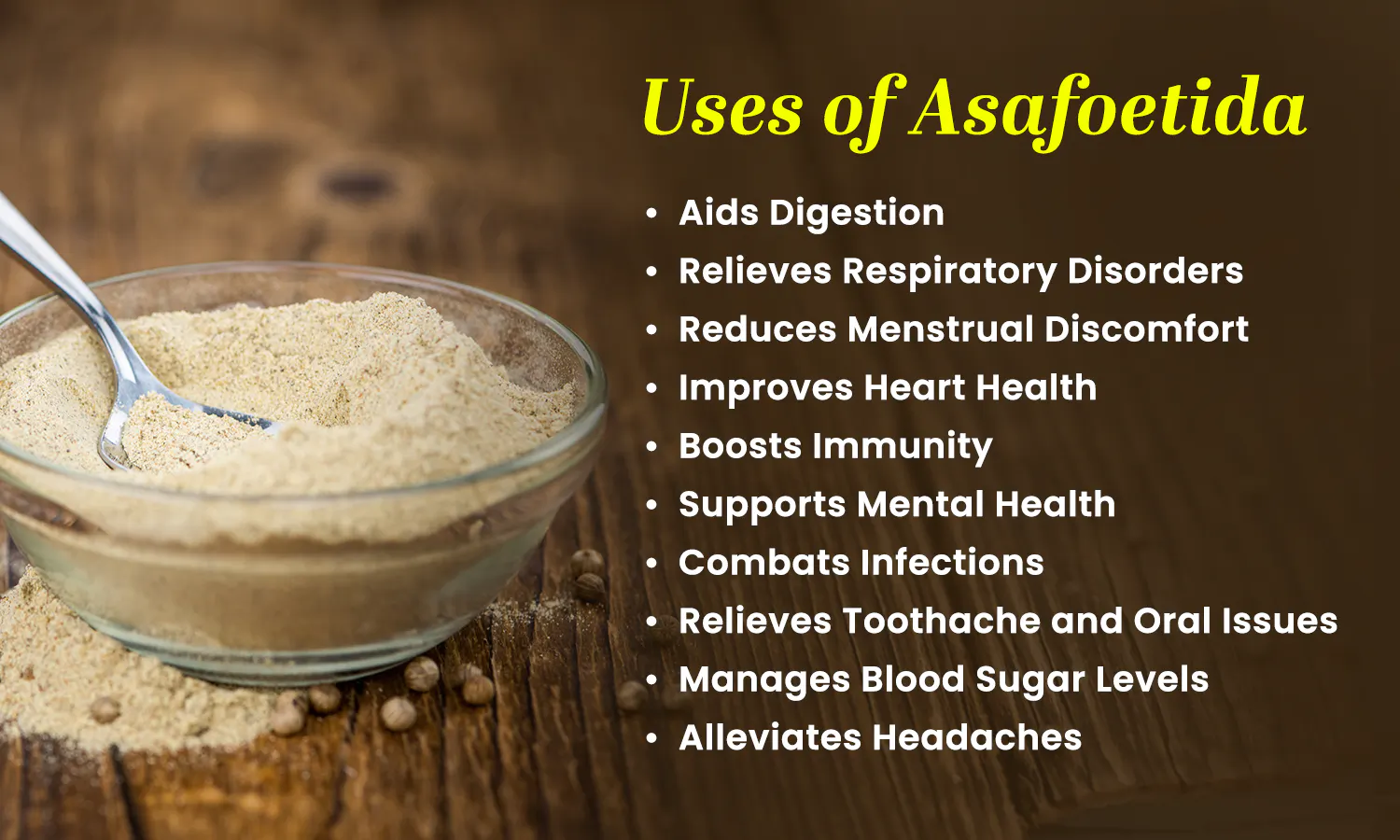
Uses of Asafoetida

Aids Digestion

One of the most common uses of asafoetida is as a digestive aid. It helps reduce gas, bloating, and stomach discomfort. Many households rely on uses of asafoetida powder by adding a pinch to lentils and beans to make them easier to digest. These traditional asafetida uses are still followed in everyday cooking.

Relieves Respiratory Issues

Among the traditional uses of asafoetida, respiratory relief is widely known. It works as a natural expectorant that helps loosen mucus and clear airways. These asafetida health benefits are often used in home remedies for cough and congestion.

Reduces Menstrual Discomfort

Another important area among the uses of asafoetida is menstrual support. Its antispasmodic properties help relax muscles and ease cramps. These asafoetida medicinal uses have been part of traditional remedies for generations.

Improves Heart Health

The uses of asafoetida also extend to heart health. It contains compounds that may support better blood circulation and help manage cholesterol levels. Many people see these as natural advantages of asafoetida when included in balanced meals.

Boosts Immunity

One of the lesser-known uses of asafoetida is its role in immunity. It contains antimicrobial and anti-inflammatory compounds that help the body fight infections. These asafoetida powder health benefits support both gut health and overall resistance to illness.

Supports Mental Well-Being

Traditional practices also mention the uses of asafoetida for calming the nervous system. It is believed to help reduce stress and support mood balance. These lesser-known asafetida benefits are linked to its antioxidant properties.

Combats Infections

Among the therapeutic uses of asafoetida, its antimicrobial nature is significant. It has been used in traditional remedies to fight bacterial and fungal infections. These asafoetida benefits and side effects highlight the importance of using it in moderation.

Relieves Toothache and Oral Issues

The uses of asafoetida also include oral care. Its antibacterial properties help reduce toothache and gum infections. Some traditional asafoetida powder uses involve applying a warm paste for temporary relief.

Traditional Uses of Asafoetida

Across cultures, the uses of asafoetida have been recorded in Ayurveda, Unani, and other ancient systems.

It was used:

  • As a digestive stimulant
  • To treat colic in infants (topically)
  • As a remedy for nervous disorders
  • In rituals to ward off illness

These long-standing asafetida uses highlight its role beyond the kitchen.
uses of asafoetida

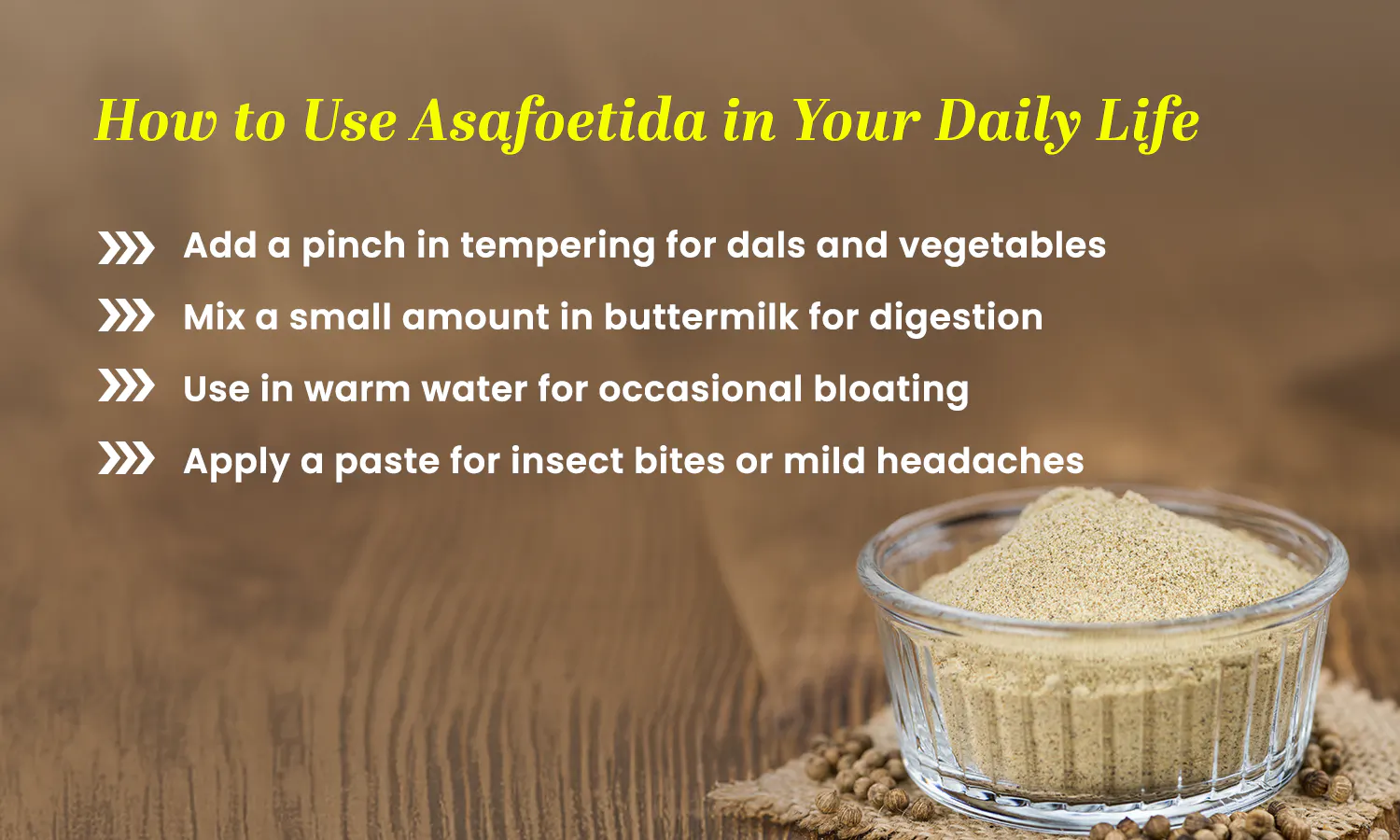
How to Use Asafoetida in Your Daily Life

You can easily include the uses of asafoetida in your routine cooking and home remedies.

Simple daily uses:

  • Add a pinch during tempering for dals and vegetables
  • Mix a small amount in buttermilk for digestion
  • Use in warm water for occasional bloating
  • Apply a paste for insect bites or mild headaches

In everyday asafoetida cooking, even a tiny quantity is enough to enhance flavour and improve digestion.

Precautions and Potential Side Effects

While the uses of asafoetida are many, it should be used in moderation.
Key precautions:

  • Avoid large doses during pregnancy
  • Not recommended for infants
  • May interact with blood-thinning or diabetes medication
  • Excess intake can cause nausea or irritation

Understanding both the benefits and limits helps you use it safely.

Key Takeaways

  • The uses of asafoetida range from digestion to immunity support.
  • A small pinch in cooking can improve flavour and gut comfort.
  • Traditional medicine values it for respiratory, menstrual, and heart health.
  • It also has antimicrobial and anti-inflammatory properties.
  • Always use in small amounts and follow safety precautions.

Conclusion

The uses of asafoetida show how a small spice can make a big difference in everyday life. From improving digestion to supporting immunity and heart health, hing has earned its place in traditional kitchens and home remedies. When used in small, regular amounts, it can be a simple way to add both flavour and wellness to your meals.

FAQs

What Is Asafoetida Called in India?

In India, the uses of asafoetida are closely tied to the name “hing.” It is widely used in Indian cooking, especially in dals and vegetable dishes. Different regions may pronounce it slightly differently, but “hing” is the most common term.

Does Asafoetida Thin Blood?One of the medicinal uses of asafoetida is its natural blood-thinning effect due to compounds like coumarins. While this may support heart health, people taking blood-thinning medication should consult a doctor before regular use.
Does Asafoetida Expire?Like most spices, the uses of asafoetida are best enjoyed when it is fresh. Over time, it may lose its aroma and potency. Proper storage in an airtight container can help maintain its strength for longer.
How to Identify Original Asafoetida?To experience the full uses of asafoetida, it’s important to choose a high-quality product. Pure asafoetida usually has a strong aroma and is often sold as resin or compounded powder. Checking ingredient labels helps ensure authenticity.

Asafoetida Price in India: Factors, Varieties, and Best Quality Hing

The asafoetida price in India varies widely, from about ₹100 to more than ₹35,000 per kilogram. The cost depends on purity, origin, and whether you buy raw resin or compounded powder. For everyday cooking, small packs are more common, and the asafoetida powder price usually falls between ₹75 and ₹500 for a 50g jar.
When you compare the price of asafoetida across brands, you will notice that purity and strength play a major role. Premium resin may have a very high asafoetida price per kg, while blended powders remain affordable for daily use.

Why Asafoetida Price Differs in India

The asafoetida price changes because of several factors related to quality and sourcing.
The most important factor is purity. Raw resin is the most concentrated form, which is why the Pure asafoetida price can reach ₹30,000 to ₹80,000 per kilogram. On the other hand, compounded powders are mixed with edible flours and gums, making them easier to use and more affordable. For example, a typical asafoetida 1kg price for compounded powder may range from ₹1,500 to ₹6,000.
Another major factor is origin. India imports most of its raw resin from Afghanistan and Iran, which increases the asafoetida cost due to international transport and currency changes. Supply issues and seasonal demand also influence the asafoetida rate in the market.
asafoetida price

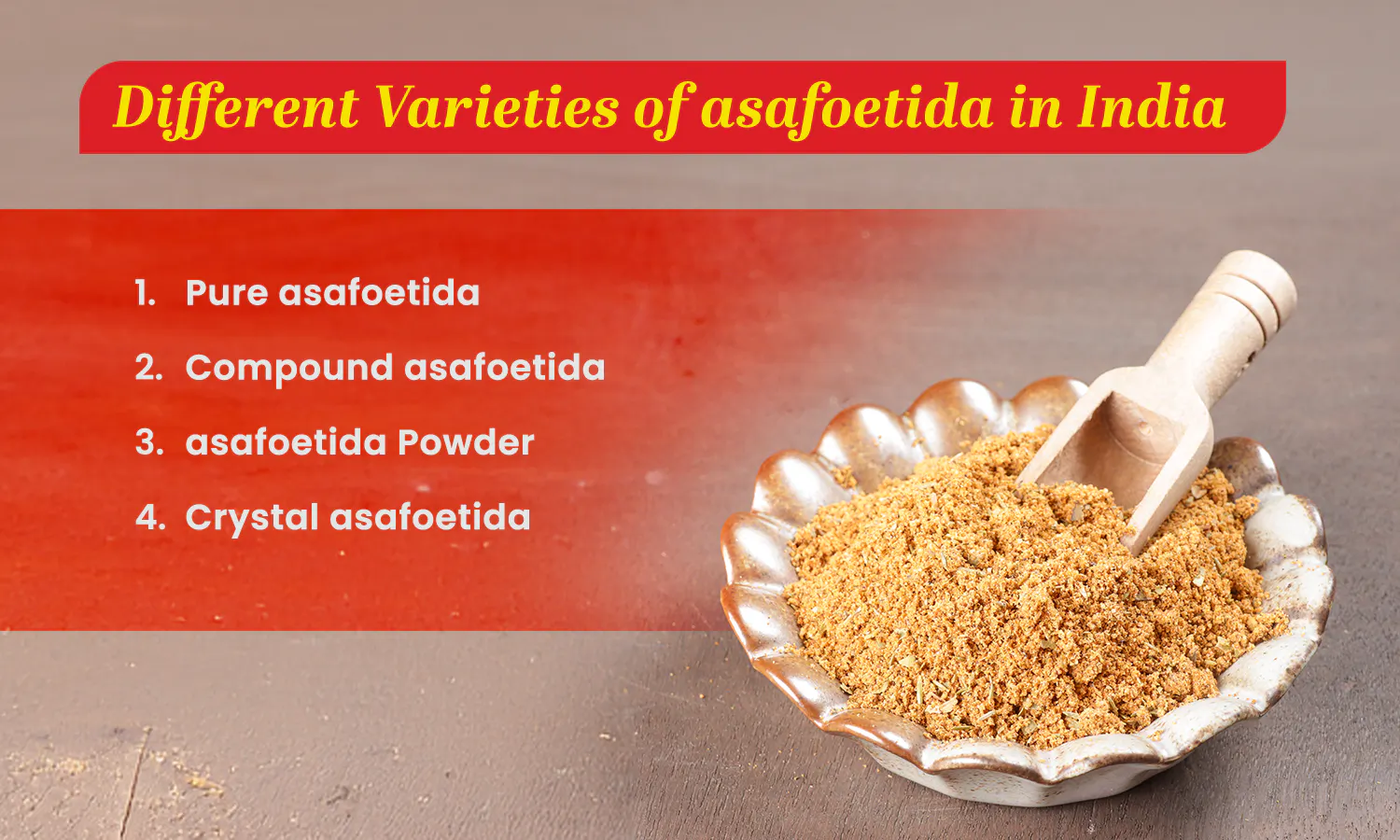
Different Varieties of Asafoetida in India

1. Pure Asafoetida

Pure asafoetida is the raw resin taken directly from the plant root. It comes as tears, crystals, or lumps. This is the most potent form, and a very small quantity is enough for cooking.

2. Compound Asafoetida

Compound hing is the most common form used in Indian kitchens. The resin is blended with edible fillers like wheat or rice flour to reduce its strength and make it easier to measure.

3. Asafoetida Powder

Asafoetida powder is usually a compounded product. It is convenient for daily cooking and is widely available. Many people search for asafoetida buy options or compare prices before purchasing. Today, it is easy to find asafoetida online across grocery platforms.

4. Crystal Asafoetida

Crystal hing refers either to pure resin crystals or compounded granules. Pure crystals are very strong and expensive, while compounded crystals are milder and more affordable.

Asafoetida Price Range in India

The asafoetida price depends mainly on purity and form.

Type Average Price (₹/kg) Retail Pack Price
Raw resin (pure) ₹60,000 – ₹80,000 Sold in small pieces
Pure powder/crystals ₹10,000 – ₹25,000 ₹350 – ₹500 (50g)
Compounded powder ₹1,500 – ₹6,000 ₹60 – ₹180 (50g)

For household packs, the hing 100 gm price usually ranges from ₹120 to ₹400, depending on the brand. A smaller hing 50 gm price may fall between ₹60 and ₹200, while a sealed jar or hing bottle price can vary based on packaging and quality.
Many shoppers compare hing powder online to check deals, and the hing powder price often changes during festive seasons or bulk offers.

Choosing good-quality hing is important because the asafoetida price often reflects purity.

asafoetida price

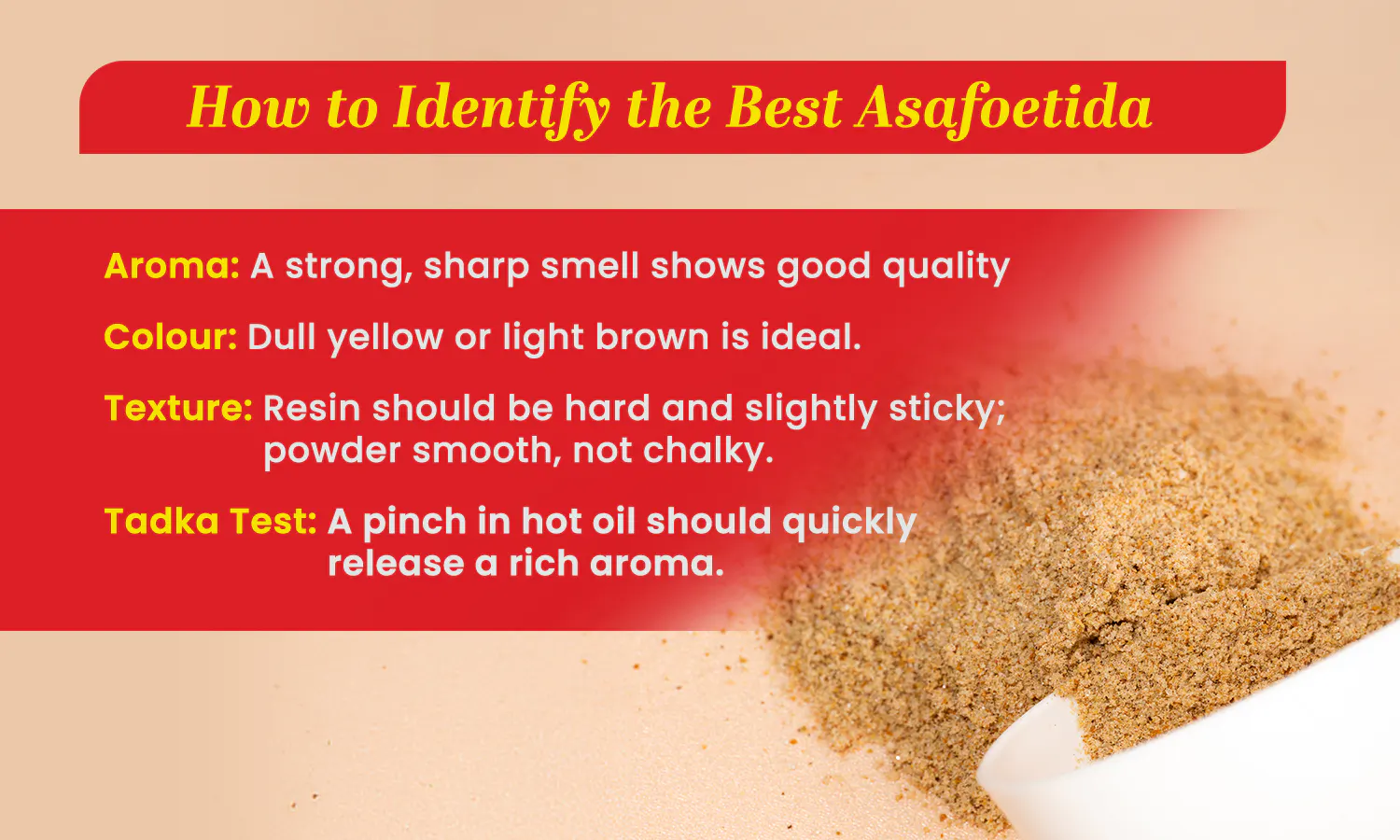
How to Identify the Best Asafoetida

Here are simple checks:
Always read the ingredient list. High-quality products usually mention asafoetida resin as the main ingredient.

  • Aroma: A strong, sharp smell indicates good quality.
  • Colour: Natural shades like dull yellow or light brown are ideal.
  • Texture: Pure resin is hard and slightly sticky. Powder should feel smooth, not chalky.​
  • Tadka test: A small pinch in hot oil should release a rich aroma within seconds.

Where to Buy Asafoetida Online at Best Price

Today, you can compare the asafoetida price easily on major e-commerce platforms. Websites like Amazon, Flipkart, and BigBasket offer a wide range of brands and pack sizes.

For daily cooking, compounded powder is the most practical choice. These products are affordable, easy to store, and available in small jars. If you want a stronger flavour, pure resin or non-compounded powder is also available online, though at a higher cost.

Key Takeaways

  • The asafoetida price depends mainly on purity, origin, and form.
  • Raw resin is the most expensive, while compounded powder is budget-friendly.
  • Small retail packs are the most practical for daily cooking.
  • Strong aroma and clean ingredient lists indicate better quality.
  • Comparing prices online helps you find the best deal.

Conclusion

Understanding the asafoetida price helps you choose the right product for your kitchen. Pure resin offers a strong flavour but comes at a higher cost, while compounded powders provide convenience and affordability. By checking purity, aroma, and ingredients, you can select a quality product that suits your cooking style and budget.

FAQs

What Is Asafoetida Called in India?In India, asafoetida is commonly known as hing. The asafoetida price may vary by region, but the spice is widely used across Indian cuisines, especially in lentil and vegetable dishes.
What Is Asafoetida Good For?

Asafoetida is mainly used as a flavour enhancer and digestive spice. Even though the asafoetida price can be high for pure resin, a small pinch is enough to add aroma and depth to food.

Who Should Avoid Asafoetida?People who are pregnant, breastfeeding, or on blood-thinning medication should consult a doctor before using it regularly. The asafoetida price may differ across types, but safety depends more on dosage than cost.
Can Hing Expire?Yes, hing can lose its aroma over time. Even if the asafoetida price was high when you bought it, improper storage can reduce its strength. Always store it in an airtight container away from moisture.

Asafoetida Side Effects and Dosage: How Much Hing Is Safe?

Disclaimer: This information is for general knowledge and should not be taken as medical advice. Consult a healthcare professional before using hing for medicinal purposes.
Asafoetida is a strong, aromatic spice used in Indian kitchens for centuries. While it is valued for digestion, understanding asafoetida side effects is important before using it in large amounts. Most people use a pinch of asafoetida powder in cooking, which is generally safe. Problems usually arise when it is taken in excess or used as a remedy without guidance.
Many traditional households talk about asafoetida benefits and regular asafoetida uses, but safe quantity matters just as much as the benefits.

Why Asafoetida Side Effects and Dosage Matter

Asafoetida side effects are mostly linked to its strength and concentration. This spice is not like other powders you can add by the spoonful. It is a dried resin, and even a tiny pinch can change the flavour and the body’s response.
Traditional texts refer to asafoetida hing as a digestive aid, but excess intake can cause discomfort. Some of the common uses of asafoetida include reducing gas and enhancing flavour, but moderation is essential.Overconsumption may lead to stomach irritation, headaches, or sudden drops in blood pressure. Pregnant women, infants, and people on blood-thinning medicines are usually advised to avoid medicinal quantities.

Overview of Asafoetida Side Effects and Dosage in Daily Cooking

In regular meals, asafoetida side effects are rare if the spice is used correctly. A tiny pinch of powder asafoetida is enough for a dish serving 3–4 people.

Safe cooking range:

  • About 50–100 mg per dish
  • Up to 2–3 pinches across the day for healthy adults

Understanding how asafoetida is made also explains why small quantities are enough. It comes from the dried sap of a plant root, which is naturally concentrated.
If you clearly notice the sharp asafoetida taste dominating the dish, it is likely too much.
asafoetida side effects

Common Mild Asafoetida Side Effects You May Notice

Even in cooking amounts, some people may notice mild asafoetida side effects.

Possible mild reactions:

  • Heartburn or acidity
  • Nausea or loose motions
  • Mild headaches
  • Skin itching or lip swelling in rare cases

These are usually temporary. However, consistent overuse can increase the side effects of asafoetida.
Some people read about asafoetida benefits and side effects and assume it is always safe. But just like any spice, too much can cause discomfort. Sensitive individuals may also notice asafoetida powder side effects if it is not cooked properly.
asafoetida side effects

Safe Asafoetida Dosage in Home Cooking

To avoid asafoetida side effects, follow these simple cooking rules.

  • Use only a small pinch per dish.
  • Always sauté hing in hot oil or ghee before adding other ingredients.
  • Avoid adding raw hing directly to food.

The asafoetida price often reflects quality, but dosage rules remain the same regardless of cost. Overuse may lead to hing asafoetida side effects like acidity or dizziness.
Many guides talk about asafoetida uses and side effects together because the same spice that aids digestion can irritate the stomach when overused.

Asafoetida Dosage for Hing Water and Home Remedies

Home remedies using hing should be approached with extra care because they may cause stronger asafoetida side effects than cooking amounts.

Traditional guideline:

  • 1 small pinch in a glass of warm water
  • Usually, once a day at most

This method is sometimes recommended for bloating, but always consult a doctor if you have medical conditions. Understanding both asafoetida benefits and side effects helps you use it more responsibly.
Infants, pregnant women, and people on blood-thinning or blood pressure medicines should avoid medicinal quantities unless advised by a healthcare professional.

Why Hing from SGR 777 Is Safer for Daily Use

Hing from SGR 777 is considered safer for daily cooking because of its focus on purity, consistent processing, and strict quality checks. The brand follows hygienic manufacturing practices and lab-tested standards, which help reduce the risk of adulteration often found in low-quality products. With controlled potency, the hing delivers a balanced strength, making it easier for home cooks to follow the “pinch rule” without accidentally adding too much.
This consistency supports better portion control and helps minimize possible asafoetida side effects. Since the product is processed carefully to preserve its natural properties, it offers reliable flavour and quality, making it suitable for regular use in everyday meals when used in small quantities.

FAQs

How Much Can I Safely Use per Day?For most healthy adults, asafoetida side effects are unlikely if you use only a pinch per dish. Two to three small pinches of cooked food across the day is generally considered safe. If you are using it as a remedy, consult a healthcare professional first.
Can Asafoetida Side Effects and Dosage Be Different for Children?Yes, asafoetida side effects may appear more quickly in children because their bodies are more sensitive. Medicinal use is usually not recommended for infants or young children unless advised by a doctor. Cooking amounts in family meals are usually fine in moderation.
Is It Safe to Use Hing Every Day?Daily use in cooking is generally safe when you follow proper quantities. Asafoetida side effects are rare if you use only a small pinch and cook it properly in oil or ghee. Avoid large or raw amounts.
Can I Use Asafoetida for Gas if I Am Already on Antacid Tablets?If you are taking medication, asafoetida side effects may interact with certain drugs, especially blood pressure or blood-thinning medicines. It is best to consult your doctor before using hing as a remedy along with other medications.
What Should I Do if I Suspect an Allergic Reaction to Hing?If you notice unusual asafoetida side effects like swelling, itching, or dizziness, stop using it immediately. Drink water and seek medical advice, especially if symptoms persist or worsen.

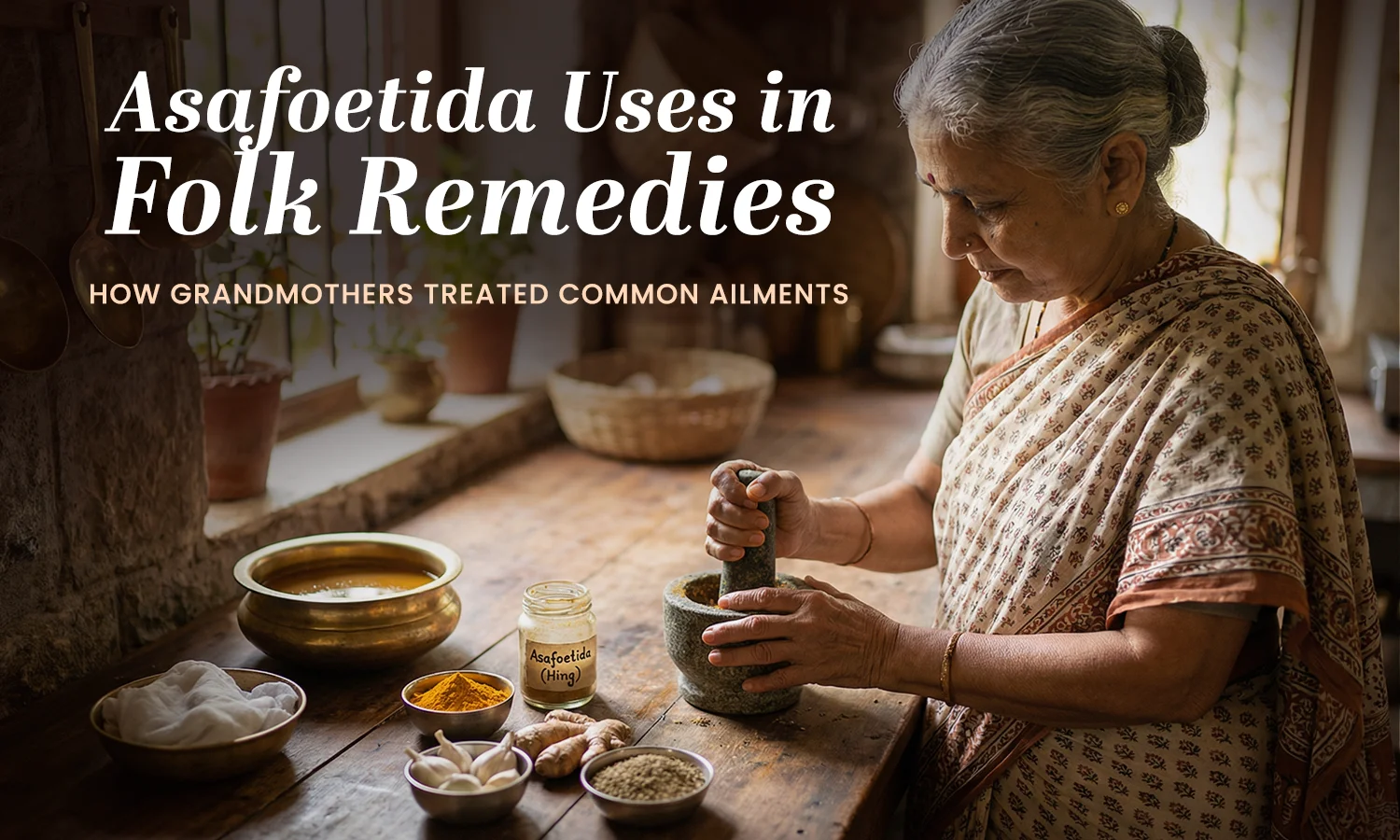
Asafoetida Uses in Folk Remedies: How Grandmothers Treated Common Ailments

Traditional Asafoetida Uses Grandmothers Followed for Common Ailments

In many traditional Indian and Middle Eastern households, asafoetida uses went far beyond cooking. Known as asafoetida hing, this pungent resin was treated as a household healer passed down through generations. Grandmothers relied on it as a quick, accessible remedy for everyday problems long before modern medicine became common. Many of these medicinal uses of hing continue to be valued in traditional wellness practices today.
One of the most popular medicinal uses of hing was for digestion. A pinch of asafoetida powder mixed with warm water or buttermilk was given to adults suffering from gas, bloating, or asafoetida for stomach pain. Among the many hing powder uses, it was widely trusted to support digestive comfort after heavy meals. For babies with colic, elders prepared a mild paste of hing and water and gently applied it around the navel to ease discomfort.
For respiratory problems like cough, cold, and chest congestion, hing powder uses include mixing it with honey and dry ginger or adding it to steam inhalation. During menstruation, women were advised to take hing with warm milk or water to relieve cramps due to its antispasmodic nature.
Grandmothers also used hing externally. A paste was applied to the forehead for headaches, placed carefully near aching teeth for toothaches, and spread over insect bites to reduce swelling. Historically, some families even hung small pouches of asafoetida around children’s necks during epidemics, believing its strong smell could ward off illness.
asafoetida spice

How Asafoetida Helps the Body: Traditional Wisdom and Science

Traditional knowledge around asafoetida benefits aligns surprisingly well with modern research. Ayurveda describes hing as a warming spice that stimulates digestion and balances bodily energies. Scientifically, studies show that asafoetida stimulates digestive enzymes, bile secretion, and gut motility, explaining why it works so well for bloating, indigestion, and asafoetida for stomach pain. These are among the most recognized benefits of asafoetida in both traditional medicine and modern wellness.

In respiratory health, its volatile sulfur compounds act as natural expectorants, helping clear mucus and relax airway muscles. This validates traditional asafetida health benefits for asthma and bronchitis.

For women’s health, folk medicine used asafoetida to regulate menstrual cycles. Modern findings suggest it may influence progesterone production and relax uterine muscles, supporting its traditional role in pain relief.Beyond this, asafoetida benefits extend to antimicrobial action against harmful bacteria, antioxidant protection from oxidative stress, and mild blood-thinning effects that support heart health when used carefully. While some people search for asafoetida homeopathic medicine uses, it is important to note that asafoetida is also recognized in certain homeopathic preparations, although these differ significantly from its culinary and Ayurvedic applications.

Are Asafoetida Home Remedies Still Useful Today?

Many traditional asafoetida uses remain relevant today, especially for digestion and mild respiratory issues. Clinical studies now support its effectiveness in reducing gas, bloating, post-meal discomfort, and asafoetida for stomach pain in adults. Its role in easing menstrual pain has also gained scientific backing, with effects comparable to certain pain-relief medicines in controlled settings.

However, not all old practices are recommended anymore. Wearing hing pouches for disease prevention is now considered historical rather than medicinal. Modern use focuses on measured culinary or supplement-based intake rather than excessive or raw consumption.

The key difference today is awareness. While asafoetida is good for health when used correctly, it must be consumed in safe quantities and with proper preparation to fully enjoy the benefits of asafoetida asafoetida uses

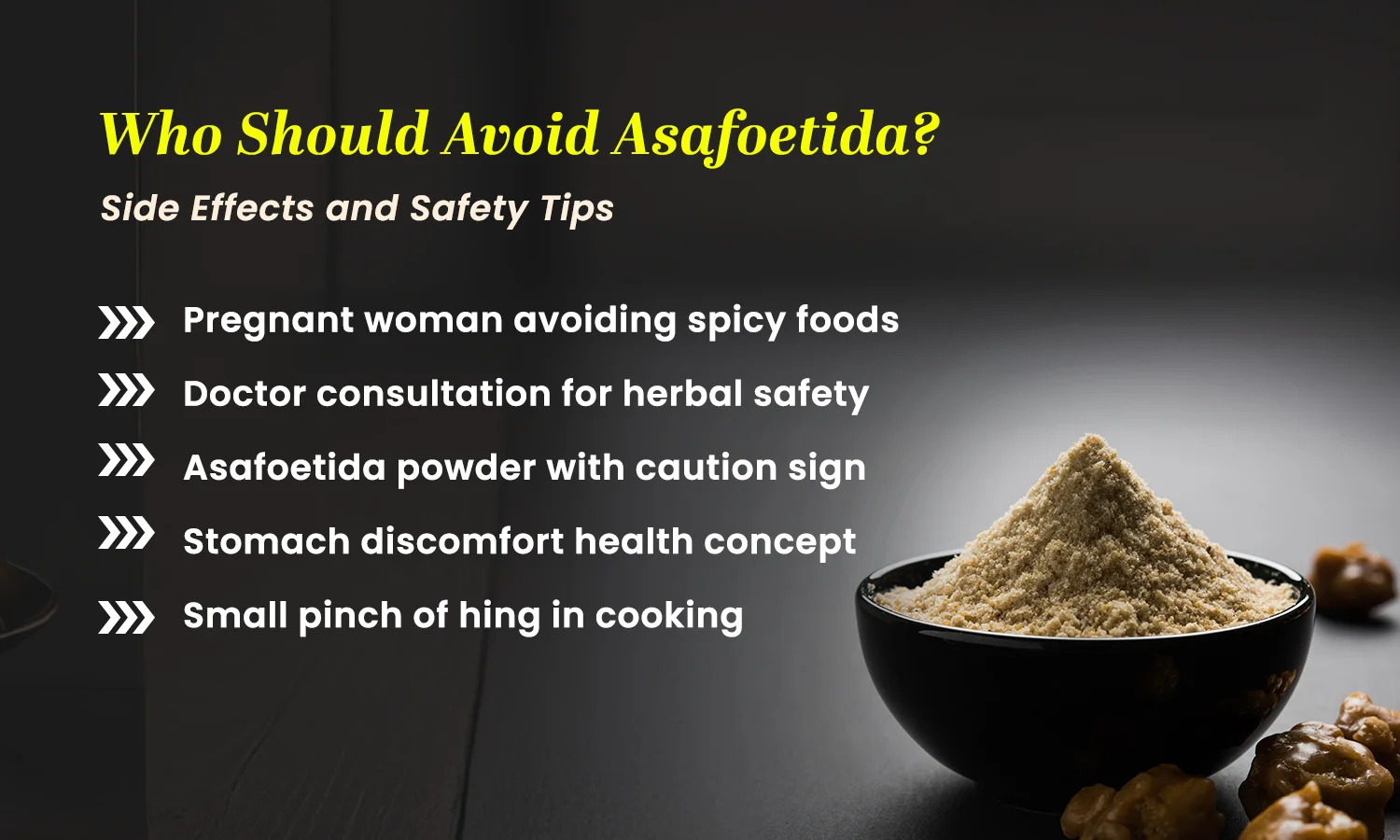
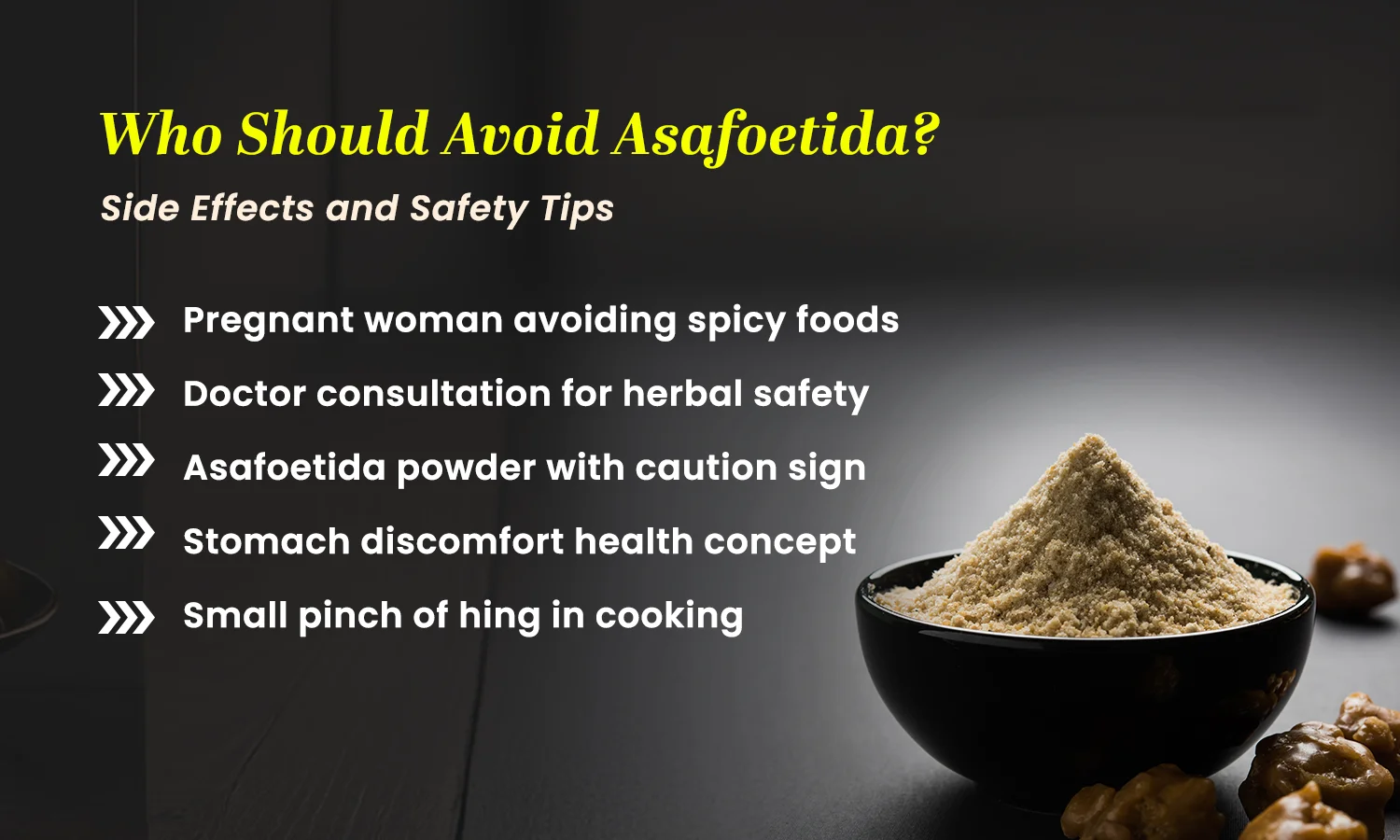
Who Should Avoid Asafoetida? Side Effects and Safety Tips

Despite its many asafoetida benefits, hing is not suitable for everyone. Pregnant women are advised to avoid it, as it may stimulate uterine contractions. Breastfeeding mothers should also be cautious, since certain compounds can pass into breast milk.Infants should never consume asafoetida internally. Traditional colic remedies now recommend only mild external application, as ingestion may lead to serious blood disorders. People with bleeding disorders, epilepsy, or those taking blood-thinning or blood pressure medications should consult a doctor before regular use.
Common side effects of excessive intake include stomach irritation, diarrhea, headaches, dizziness, and allergic reactions such as swelling or rashes. To stay safe, always cook asafoetida in oil or ghee, use only a tiny pinch, and avoid raw or medicinal doses unless advised by a healthcare professional.

History of Asafoetida in Folk Medicine and Its Curious Name

The story of asafoetida is as striking as its smell. The name comes from the Persian word “asa” meaning resin, and the Latin “foetida” meaning foul-smelling, giving rise to the infamous nickname “Devil’s Dung.”
In ancient Rome and Greece, asafoetida replaced the extinct Silphium plant as a prized medicinal ingredient. During medieval plagues and the 1918 flu, people believed its odor could repel disease. In India, it became a cornerstone of Ayurvedic medicine, valued for digestion, nerve health, and preservation of food. Its long history reflects the enduring medicinal uses of hing across cultures

Ironically, the very sulfur compounds responsible for its offensive smell are also what give asafoetida its powerful healing reputation.

Conclusion

The enduring asafoetida uses followed by grandmothers reflect deep-rooted wisdom shaped by observation and experience. Today, the benefits of asafoetida are supported by growing scientific evidence, particularly for digestive wellness, respiratory health, and relief from asafoetida for stomach pain. While modern science explains many of the traditional medicinal uses of hing, it also reminds us to use it wisely. When consumed in moderation and prepared correctly, asafoetida remains a remarkable link between traditional remedies and modern health practices.

FAQs

What Are the Benefits of Asafoetida?It supports digestion, relieves gas, helps respiratory health, eases menstrual pain, and offers antimicrobial and antioxidant protection. These are some of the most recognized benefits of asafoetida.
Can We Eat Asafoetida Daily?

Yes, in very small culinary amounts. Daily medicinal doses should only be taken under medical guidance.

Who Should Avoid Asafoetida?

Pregnant women, infants, people with bleeding disorders, epilepsy, or those on blood-thinning medications should avoid it.

How to Consume Asafoetida?It is best consumed cooked in oil or ghee, added during tempering, or diluted in warm water or buttermilk in minimal quantities. These are among the safest and most common hing powder uses for everyday cooking and wellness.

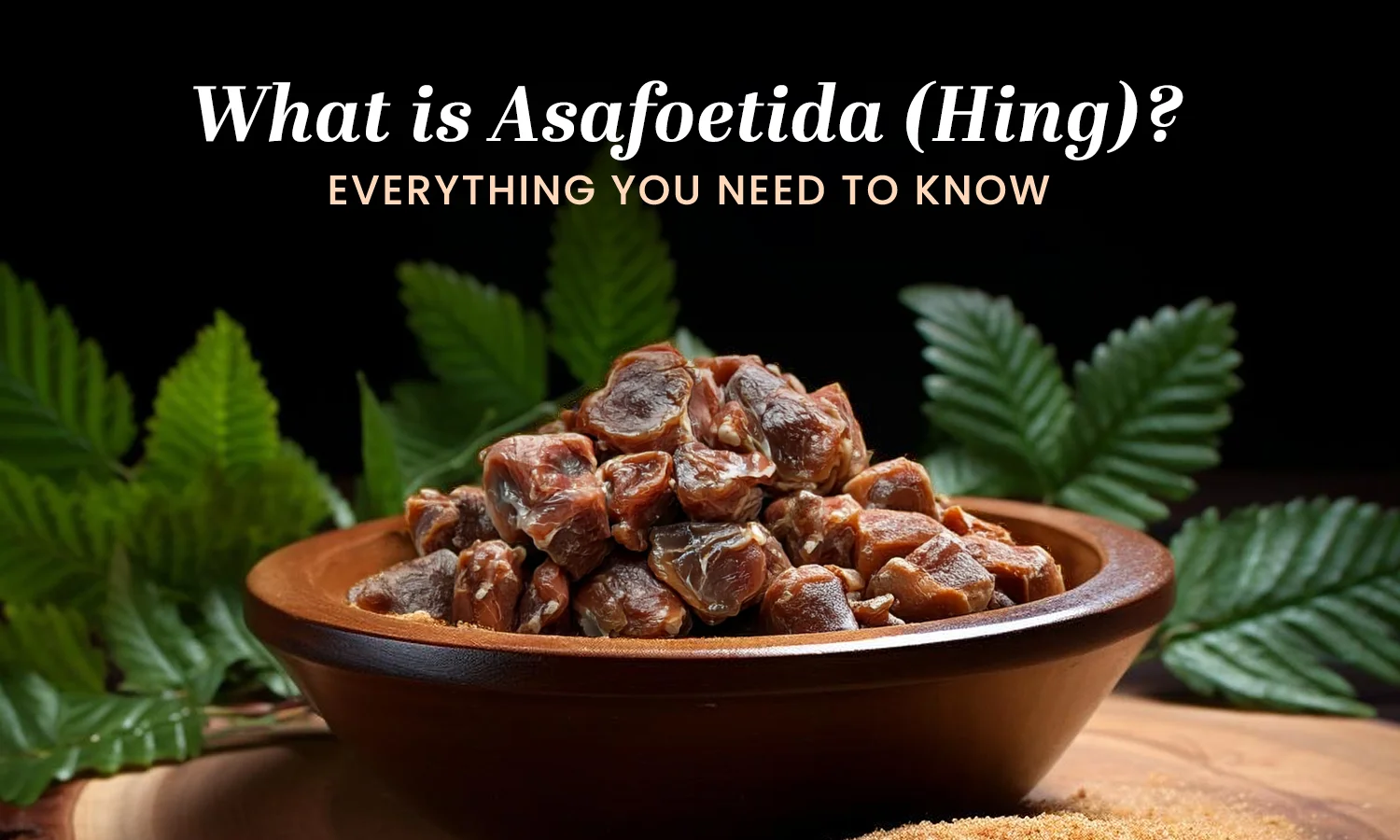
What is Asafoetida (Hing)? Everything You Need to Know

What is Asafoetida spice?

What is Asafoetida? Asafoetida, commonly known as asafoetida hing, is a pungent, gum-like resin extracted from the roots of the Ferula plant. It is widely used in Indian cooking as a flavouring agent and digestive aid. In its raw form, the resin has an extremely strong sulphur-like smell, often described as unpleasant. However, when heated in oil or ghee, it transforms into a mellow, savoury flavour similar to cooked onion and garlic.
Commercially, what is asafoetida powder sold in markets is usually a compounded form where the resin is mixed with edible starch such as rice flour or wheat flour, making it easier to measure and use in everyday cooking.

Why is asafoetida important in Indian cooking?

Asafoetida uses in Indian cuisine go far beyond flavour. It plays a crucial role in enhancing taste while supporting digestion. Indian meals often include lentils, beans, and root vegetables that are heavy and gas-forming. Adding a pinch of hing helps reduce bloating and indigestion.
For communities that avoid onion and garlic, such as Jains and certain Brahmin households, asafoetida replaces them without compromising flavour. It is also deeply rooted in Ayurveda, where it is used to balance digestion and stimulate the digestive fire. What is Asafoetida

What does Asafoetida taste and smell like?

Asafoetida has one of the most dramatic flavour transformations in cooking.

Raw Asafoetida smell

In raw form, the smell is extremely pungent and sulphurous, often compared to rotten eggs, boiled cabbage, or garlic gone bad. This intense aroma comes from its high concentration of sulphur compounds.

Cooked Asafoetida flavour

When cooked in hot oil or ghee, the harsh smell disappears within seconds. The flavour becomes savoury, umami-rich, and slightly garlicky, blending seamlessly into the dish rather than standing out.

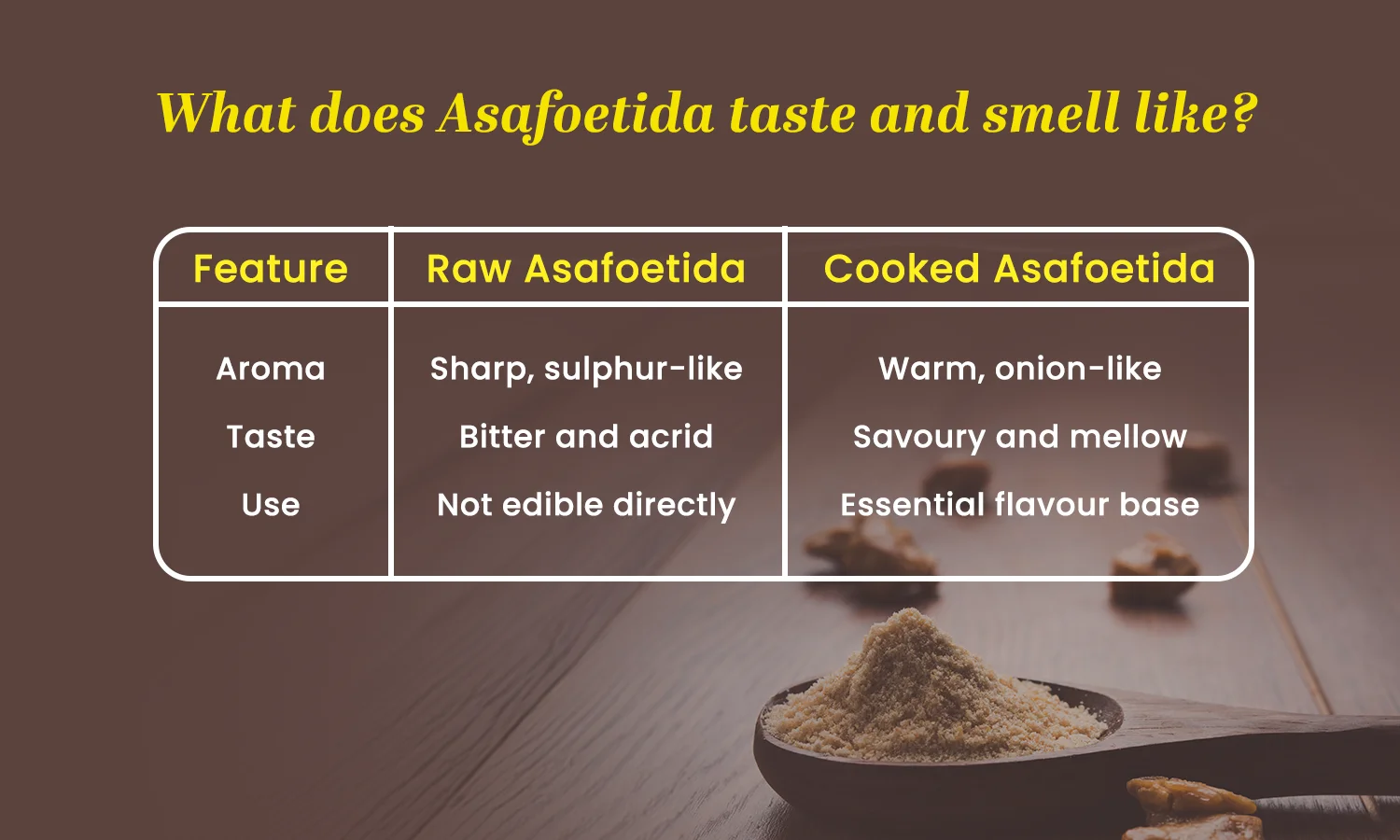
Feature Raw Asafoetida Cooked Asafoetida
Aroma Sharp, sulphur-like Warm, onion-like
Taste Bitter and acrid Savoury and mellow
Use Not edible directly Essential flavour base

How to use Asafoetida in cooking

Knowing what is the use of asafoetida is important because it must never be used raw. It should always be cooked.

How much should you use?

Only a tiny quantity is needed. For most dishes, 1/8 to 1/4 teaspoon of compounded powder is sufficient. Pure resin requires even less, roughly the size of a grain of rice.

How to cook with Asafoetida (the traditional way)

The traditional method is tempering, also called tadka.

  • Heat oil or ghee until hot but not smoking.
  • Add a small pinch of powder asafoetida.
  • Let it sizzle for 5–10 seconds until fragrant.
  • Immediately add other ingredients to prevent burning.

In soups or rasam-style dishes, asafoetida can also be dissolved in warm water and added during simmering for a milder aroma.
What is Asafoetida

Best dishes for Asafoetida

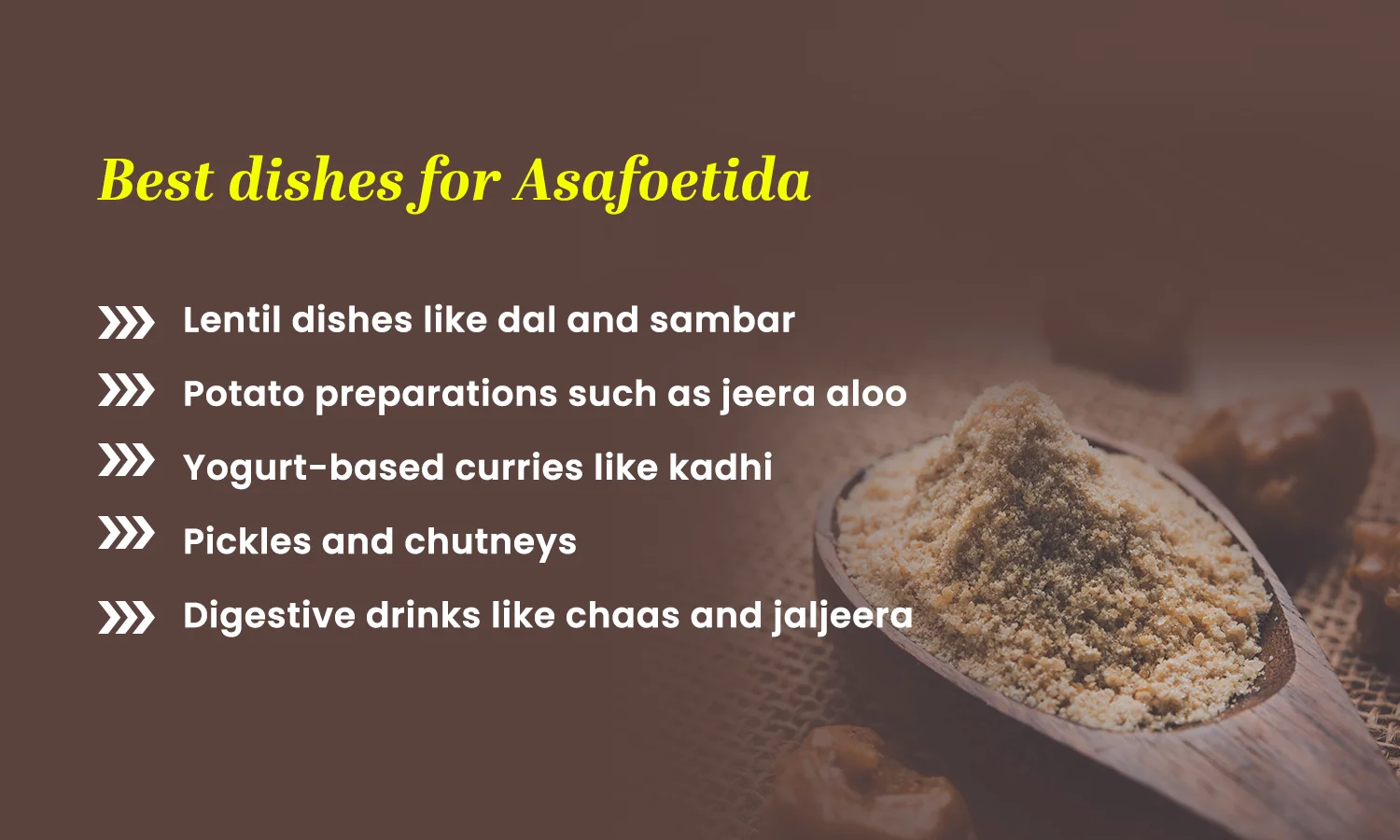
Uses of asafoetida are most common in vegetarian dishes, where it adds depth and improves digestibility.

  • Lentil dishes like dal and sambar
  • Potato preparations such as jeera aloo
  • Yogurt-based curries like kadhi
  • Pickles and chutneys
  • Digestive drinks like chaas and jaljeera

It also works well in global dishes such as lentil soups, bean stews, and vegetable stir-fries.

What can you use instead of Asafoetida?

If you run out of hing, substitutes depend on dietary preferences.

  • Onion powder + garlic powder (best flavour match if allowed)
  • Fenugreek powder for Jain or allium-free cooking
  • Celery seeds for savoury depth
  • Cumin and coriander blend as a mild alternative

None offers the exact digestive benefits of hing, but they can approximate its flavour.

Conclusion

Understanding what Asafoetida is helps you appreciate why this powerful spice is used so sparingly yet effectively. From its strong raw aroma to its mellow cooked flavour, asafoetida plays a vital role in Indian kitchens. Whether used for taste, digestion, or as an onion-garlic substitute, hing remains an irreplaceable ingredient when used correctly and in moderation.

FAQs

Is asafoetida the same as hing?Yes, asafoetida is the English name, and hing is its Indian name.Yes, asafoetida is the English name, and hing is its Indian name.
Why does asafoetida smell so bad?The raw resin contains sulphur compounds that create its strong odour.
Is asafoetida gluten-free? Pure resin is gluten-free, but many powdered versions contain wheat flour.
How much asafoetida should I use in cooking? Usually, 1/8 to 1/4 teaspoon is enough for an entire dish.
What can I use instead of asafoetida? Onion-garlic powder blends or fenugreek powder are the closest substitutes

13 Asafotida Benefits and Side Effects

Nutritional Value of Asafotida

Asafoetida, commonly known as hing, is nutritionally dense but used in very small quantities, so its direct calorie contribution is low. In its raw resin form, it contains carbohydrates, dietary fibre, and essential minerals like calcium and iron that support overall health. Commercial asafoetida powder is often mixed with wheat flour or gum arabic, which slightly alters its nutritional profile.

Nutrient Amount per 100 g
Calories 297–343 kcal
Carbohydrates 67–68 g
Protein 4 g
Fat 1–1.1 g
Dietary Fiber 4–4.1 g
Calcium 690 mg
Iron 39 mg

asafoetida benefits

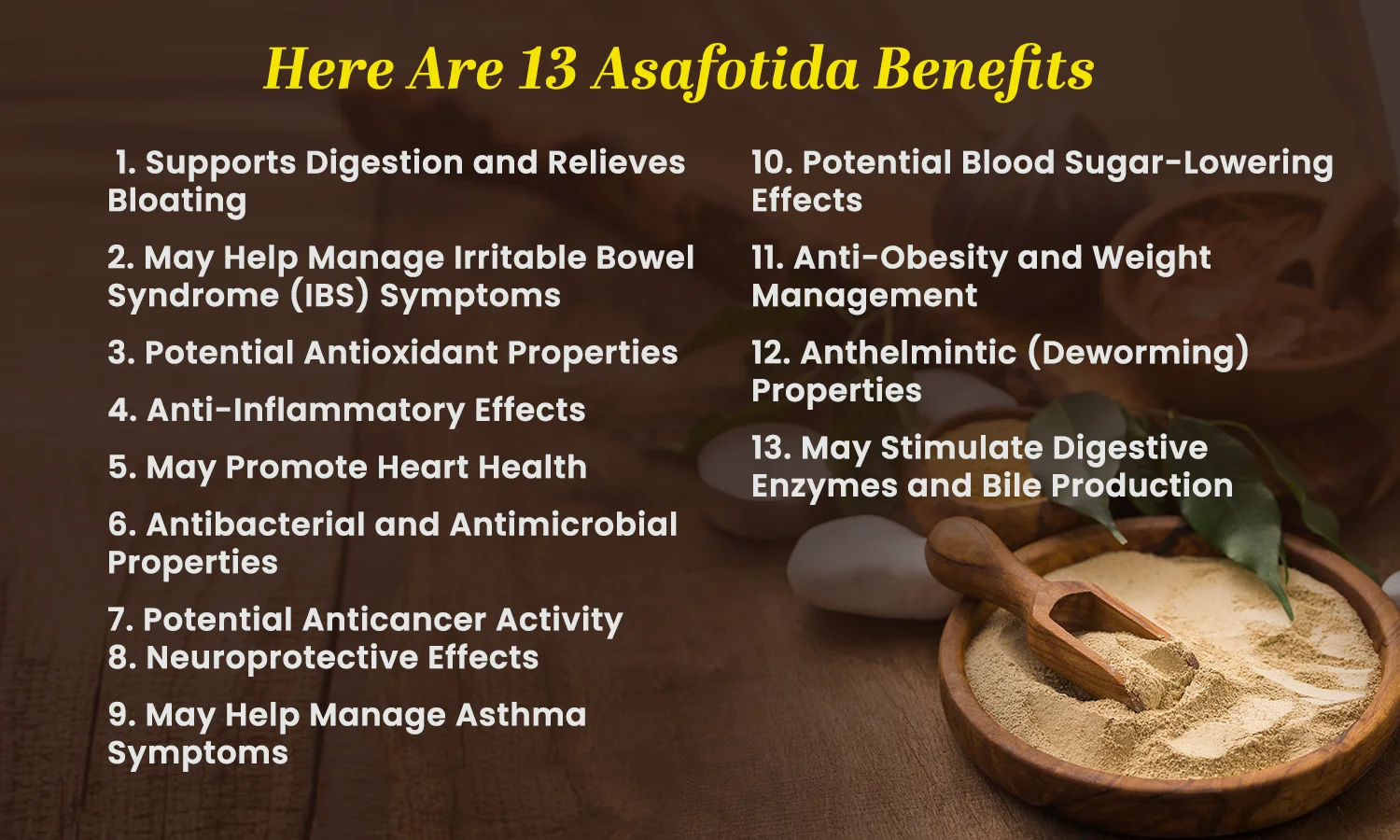
Here Are 13 Asafotida Benefits

1. Supports Digestion and Relieves Bloating

One of the most well-known asafoetida benefits is its powerful effect on digestion. It acts as a carminative, helping prevent gas formation and expel trapped gas from the intestines. Its antispasmodic nature relaxes gut muscles, easing cramps and discomfort. Asafoetida also stimulates digestive enzymes and bile flow, improving the breakdown of fats and proteins. A pinch mixed with warm water or buttermilk after meals is a common home remedy for bloating.

2. May Help Manage Irritable Bowel Syndrome (IBS) Symptoms

Asafoetida helps calm intestinal spasms, which are a major cause of IBS pain. It reduces abdominal cramping, bloating, and irregular bowel movements. Its mild anti-inflammatory action may also soothe the gut lining, making digestion smoother for people with sensitive intestines.

3. Potential Antioxidant Properties

Salt acts as a natural preservative and controls fermentation. While it enhances flavour, excessive salt is also responsible for many soy sauce benefits and side effects when consumed in excess.

4. Anti-Inflammatory Effects

Compounds like ferulic acid and umbelliferone help reduce inflammation throughout the body. This makes asafoetida useful for joint pain, muscle stiffness, headaches, and inflammatory digestive conditions.

5. May Promote Heart Health

Asafoetida benefits for health include cardiovascular support. It acts as a natural blood thinner, improves circulation, and helps relax blood vessels. This may contribute to better blood pressure control and reduced strain on the heart.

6. Antibacterial and Antimicrobial Properties

Test-tube studies suggest that asafoetida medicinal benefits include protection against harmful bacteria and fungi. It helps control gut pathogens, supports respiratory health during infections, and maintains microbial balance.

7. Potential Anticancer Activity

Early laboratory and animal studies show that asafoetida compounds may slow tumour growth, trigger cancer cell death, and reduce the spread of cancer cells. However, large human studies are still needed.

8. Neuroprotective Effects

Animal research indicates that hing asafoetida benefits include protection against memory loss and nerve damage. It may support brain health by reducing oxidative stress and preserving neurotransmitter activity.

9. May Help Manage Asthma Symptoms

Asafoetida acts as an expectorant and bronchodilator. It helps relax airway muscles, reduce inflammation, clear mucus, and ease breathing during asthma, bronchitis, and chronic cough.

10. Potential Blood Sugar-Lowering Effects

Studies in animals suggest that asafoetida may stimulate insulin secretion and improve insulin sensitivity, leading to lower fasting blood sugar levels.

11. Anti-Obesity and Weight Management

Asafoetida powder health benefits may include metabolic support. It improves digestion, reduces fat accumulation, and helps manage cholesterol levels, supporting a healthier body weight.

12. Anthelmintic (Deworming) Properties

Traditionally used to eliminate intestinal worms, asafoetida paralyses parasites and helps expel them from the digestive tract.

13. May Stimulate Digestive Enzymes and Bile Production

Asafoetida boosts salivary, gastric, and pancreatic enzymes while increasing bile secretion. This improves fat digestion, nutrient absorption, and prevents sluggish digestion after heavy meals.
asafoetida benefits

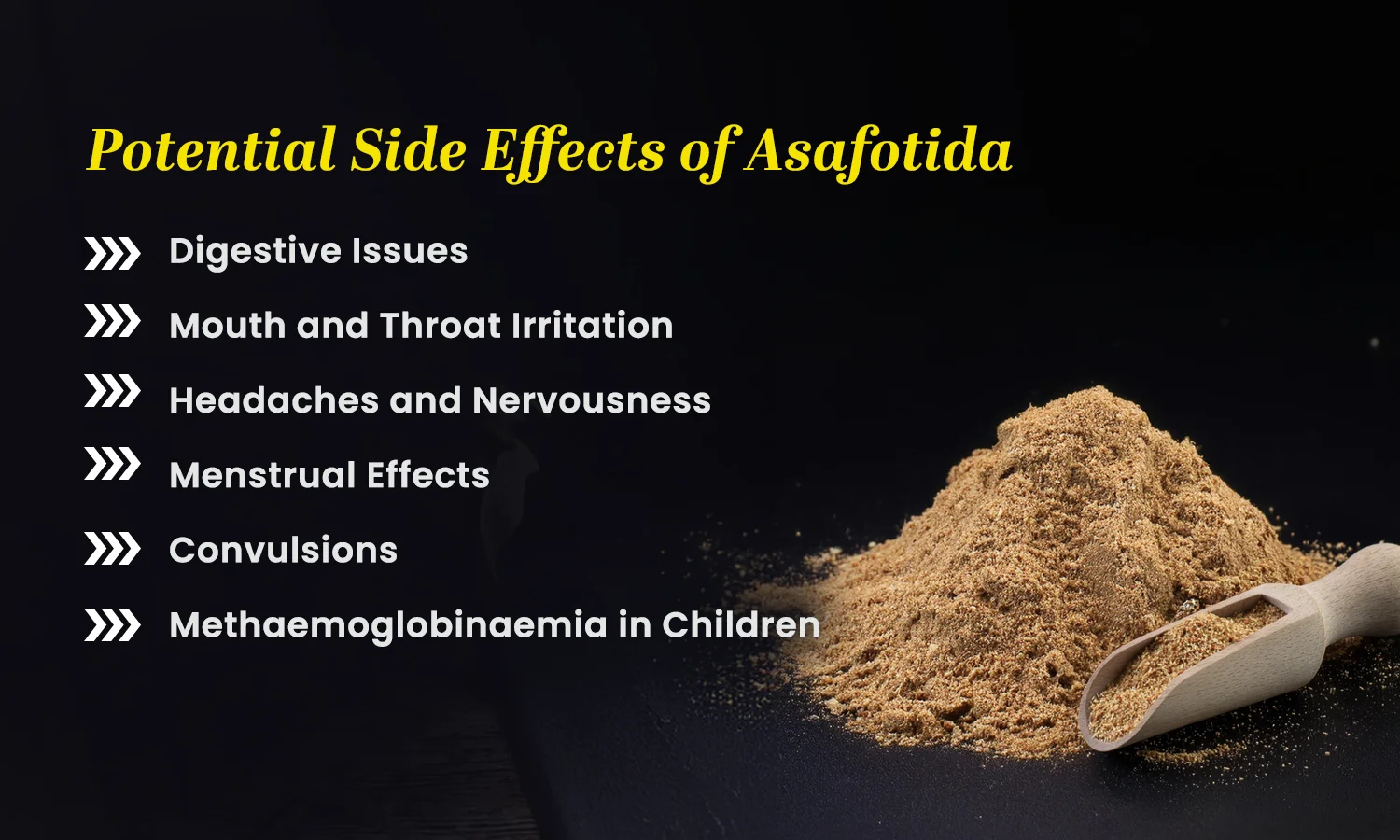
Potential Side Effects of Asafotida

Despite many advantages of asafoetida, excessive intake can cause side effects.

Digestive Issues

Overconsumption may lead to nausea, diarrhoea, stomach irritation, heartburn, or increased gas due to its strong laxative effect.

Mouth and Throat Irritation

Raw or concentrated asafoetida can cause lip swelling, burning sensation, throat irritation, or gum sensitivity if not properly diluted.

Headaches and Nervousness

Large medicinal doses may trigger headaches, dizziness, restlessness, or mild confusion in sensitive individuals.

Menstrual Effects

Asafoetida increases pelvic blood flow and uterine contractions. It can worsen heavy bleeding and is unsafe during pregnancy due to the risk.

Convulsions

Rare cases of seizures have been reported with high doses, especially in people with nervous system disorders.

Methaemoglobinaemia in Children

Asafoetida side effects are severe in infants. It can interfere with oxygen transport in the blood, causing a dangerous condition known as methaemoglobinaemia. It should never be given to children under five or breastfeeding mothers.

Conclusion

Asafoetida benefits cover digestion, inflammation control, respiratory relief, heart support, and metabolic health. While traditional use and early research highlight its potential, most evidence comes from animal or lab studies. Used in small culinary amounts, asafoetida is generally safe, but medicinal use requires caution and professional guidance.

FAQs

Is Asafoetida Safe for the Kidneys?In small culinary amounts, asafoetida is generally considered safe for kidney health. However, people with kidney disorders or those on medication should consult a doctor before regular medicinal use.
What Are the Advantages of Hing?The main asafoetida benefits include improved digestion, reduced bloating, anti-inflammatory effects, and potential support for heart and respiratory health. It is commonly used to enhance flavour while aiding digestion.
Is Asafoetida Good for the Thyroid?There is limited scientific evidence linking asafoetida directly to thyroid health. It may support general metabolism, but people with thyroid conditions should seek medical advice before using it regularly.
How Much Hing Is Safe per Day?Typically, a small pinch (around 50–100 mg) in cooking is considered safe for daily use. Larger medicinal doses should only be taken under professional guidance.
How to Consume Asafoetida?Asafoetida is usually added to hot oil during cooking, mixed in dals, curries, or vegetable dishes. Some people also dissolve a small pinch in warm water or buttermilk for digestive relief.