Top 7 Health Benefits of Asafoetida Powder You Should Know

Asafoetida powder, commonly known as asafoetida hing powder, has been used for centuries in Indian kitchens and traditional medicine. Derived from the resin of the asafoetida plant, this pungent spice is valued not only for its flavour but also for its powerful therapeutic properties. From aiding digestion to supporting heart health, the benefits of asafoetida go far beyond cooking.
Let’s explore the top 7 health benefits of asafoetida powder and understand why this humble spice deserves a regular place in your diet.

Benefit 1 – Improving Digestion Naturally

One of the most well-known asafoetida powder uses is for digestive health. Asafoetida powder acts as a strong carminative, helping prevent gas formation and easing bloating.
It stimulates digestive enzymes, improves nutrient absorption, and relaxes intestinal muscles to relieve cramps. This makes it especially useful when cooking lentils, beans, or legumes that are known to cause flatulence. Regular use supports a balanced gut environment and smoother bowel movements, making it one of the most trusted benefits of eating asafoetida.

Benefit 2 – A Potent Source of Antioxidants

Among the lesser-known nutritional benefits of asafoetida, its antioxidant profile stands out. Asafoetida powder contains phenolic compounds, flavonoids, and ferulic acid that help neutralise free radicals.These antioxidants protect cells from oxidative stress, which is linked to premature ageing and chronic diseases. By reducing cellular damage, asafoetida benefits may contribute to better immunity and overall long-term health.

Benefit 3 – Relief for Respiratory Issues

Traditional medicine has long relied on asafoetida powder uses for respiratory wellness. Its expectorant and anti-inflammatory properties help loosen mucus, clear airways, and reduce chest congestion.

Asafoetida powder may ease symptoms of asthma, bronchitis, and persistent coughs. It also has antimicrobial properties that help fight respiratory infections. Used internally or as steam inhalation, this spice supports easier breathing and lung comfort.

Benefit 4 – Potential Anti-inflammatory Effects

Chronic inflammation is linked to joint pain, digestive disorders, and metabolic issues. One of the key asafoetida benefits is its strong anti-inflammatory action.
Compounds like ferulic acid and sulfur-based elements help suppress inflammatory markers in the body. This makes asafoetida powder beneficial for easing arthritis discomfort, muscle stiffness, headaches, and gut inflammation. Its antioxidant action further enhances its inflammation-reducing potential.

Benefit 5 – Supporting Healthy Blood Pressure

Asafoetida powder may play a supportive role in cardiovascular health. It helps relax blood vessels, improving blood flow and reducing strain on the heart.
Its natural anticoagulant properties may prevent clot formation, while potassium content helps balance sodium levels .Together, these effects make asafoetida benefits valuable for maintaining healthy blood pressure when consumed in small culinary amounts.

Benefit 6 – Relief from Menstrual Cramps

One of the most effective traditional asafoetida uses is for menstrual comfort. Asafoetida powder has antispasmodic properties that relax uterine muscles and ease painful contractions.

It also improves pelvic blood circulation and reduces inflammation, helping relieve cramps and abdominal discomfort. Many women find asafoetida powder useful for smoother menstrual flow and reduced bloating during periods.

Benefit 7 – Potential Stress and Anxiety Relief

Emerging evidence and traditional practices suggest that asafoetida powder may support mental well-being. It is known for its calming effect on the nervous system and is traditionally used to manage restlessness.

By influencing neurotransmitters like serotonin and reducing inflammation in the brain, asafoetida benefits may help reduce stress and anxiety levels. Its antioxidant compounds also protect brain cells from oxidative stress linked to mood disorders.
asafoetida powder

How to Incorporate Asafoetida Powder into Your Diet

Using asafoetida powder correctly is essential due to its strong potency.

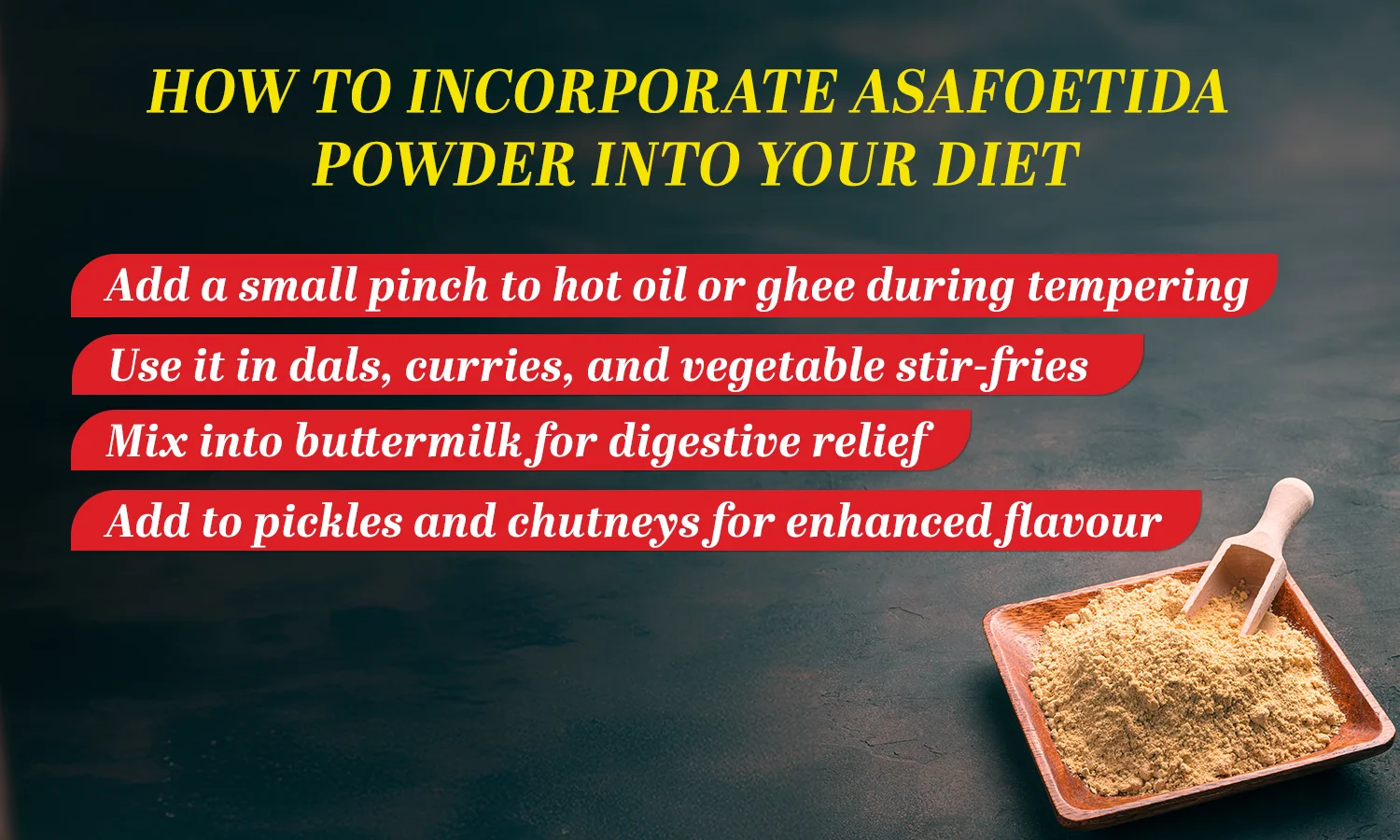
  • Add a small pinch to hot oil or ghee during tempering
  • Use it in dals, curries, and vegetable stir-fries
  • Mix into buttermilk for digestive relief
  • Add to pickles and chutneys for enhanced flavour

Always use sparingly and store in an airtight container. If you have gluten sensitivity, choose a certified gluten-free variety, as many brands mix asafoetida hing powder with wheat flour.

asafoetida powder

Important Considerations & Potential Side Effects

While asafoetida powder uses are generally safe in cooking, excessive or medicinal use may cause side effects.

  • May cause digestive discomfort in high doses
  • Can trigger allergic reactions in sensitive individuals
  • Unsafe during pregnancy and breastfeeding
  • Acts as a blood thinner and may interact with medications
  • Not recommended for infants and young children

Consult a healthcare professional before using asafoetida powder for therapeutic purposes.

Conclusion

From easing digestion to supporting heart health and menstrual comfort, the benefits of asafoetida are deeply rooted in tradition and supported by emerging research. When used mindfully, asafoetida powder can be a powerful addition to your daily diet, offering both flavour and wellness in a single pinch.

FAQs

What Is Asafoetida Powder Used For?

Asafoetida powder is used to improve digestion, reduce gas, relieve cramps, support respiratory health, and enhance flavour in cooking.

What Is the Indian Name for Asafoetida?

In India, asafoetida powder is commonly known as hing.

What Does Asafoetida Taste Like?Raw asafoetida powder has a strong sulphur-like aroma, but when cooked, it develops a mild onion-garlic flavour.
Does Asafoetida Reduce Gas?Yes, one of the primary asafoetida benefits is reducing gas, bloating, and flatulence.
How Much Asafoetida to Use in a Curry?A very small pinch (about 1/8 teaspoon) is sufficient for a curry or dal.
Difference Between Tomato Sauce and Ketchup

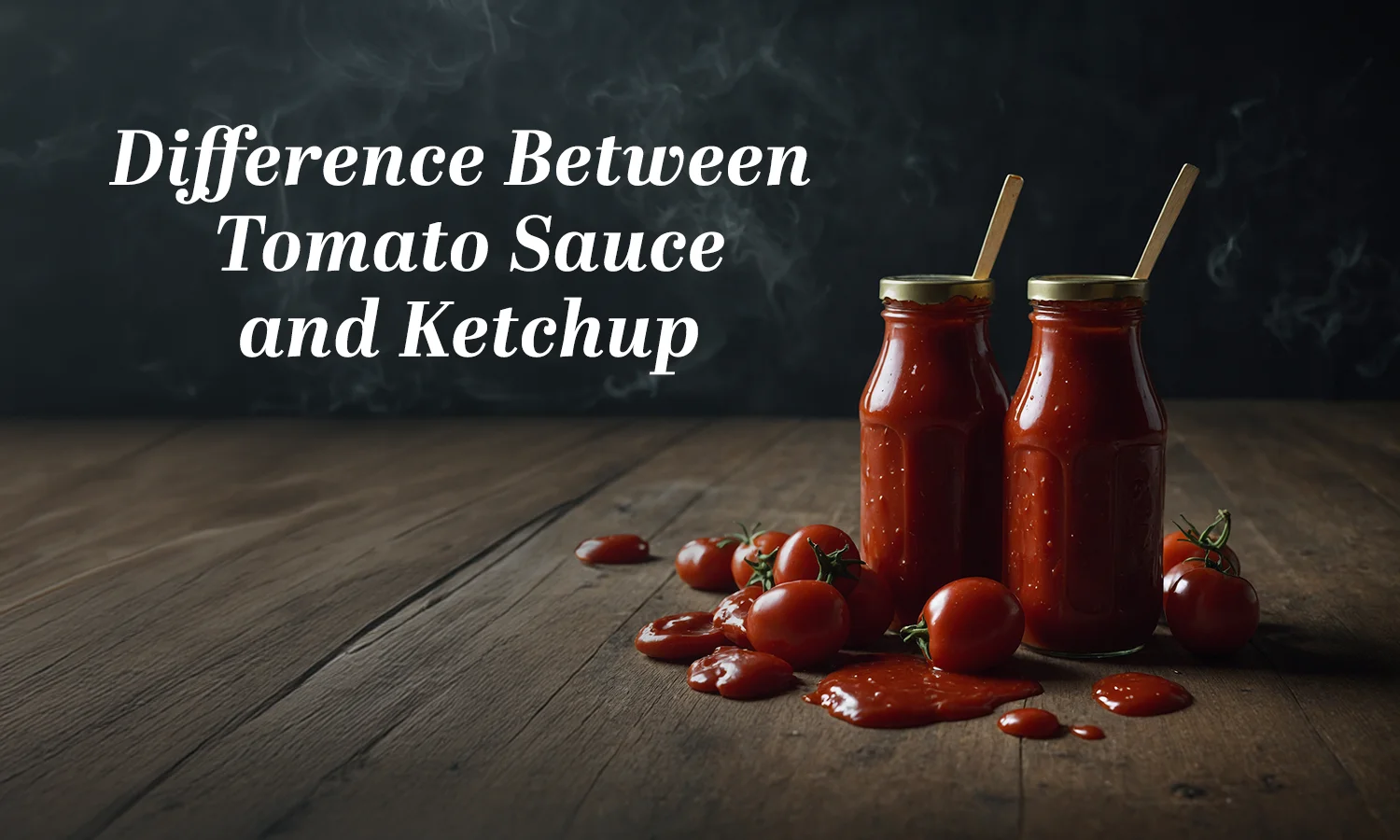
Tomato-based condiments are kitchen staples across the world, yet many people still confuse tomato sauce and tomato ketchup difference. Though both are made from tomatoes, they serve very different purposes in cooking and everyday eating. This blog explains the difference between ketchup and sauce, covering ingredients, taste, consistency, sugar levels, usage, and more, so you know exactly when to use which.

Tomato Sauce

Tomato sauce is a broad culinary category rather than a single standardized product. It is mainly used as a cooking ingredient and forms the base of many dishes across Italian, Mexican, and Indian cuisines. The sauce can be smooth or chunky, depending on preparation, and often includes onions, garlic, oil, and herbs.Unlike ketchup, tomato sauce focuses on a savory and balanced flavor. It may be lightly sweet from the tomatoes themselves, but it usually does not contain high amounts of added sugar. Tomato sauce is commonly simmered, blended, and adjusted with spices based on the dish it supports.

Tomato Ketchup

Tomato ketchup is a ready-to-eat condiment designed for dipping and topping. It is made using tomatoes, sugar, vinegar, salt, and spices such as cloves or cinnamon. Ketchup has a uniform texture, glossy appearance, and a predictable sweet-and-tangy taste across brands.In India and many other countries, ketchup is paired with snacks like fries, samosas, burgers, and sandwiches. Unlike tomato sauce, ketchup is not typically cooked and is consumed directly from the bottle.

Sugar: The Key Difference Between Tomato Sauce and Ketchup

Sugar is the most defining factor in the difference between tomato ketchup and tomato sauce.Ketchup contains a high amount of added sugar, often around 4 grams per tablespoon. Sugar balances the acidity of vinegar and tomatoes, thickens the product, and extends shelf life. In contrast, tomato sauce contains little to no added sugar, relying instead on the natural sweetness of tomatoes.
This difference in sugar content explains why ketchup tastes sweet and tangy, while tomato sauce tastes savory and neutral. Substituting ketchup for tomato sauce in cooking can make dishes unnaturally sweet. Difference Between Tomato Sauce and Ketchup

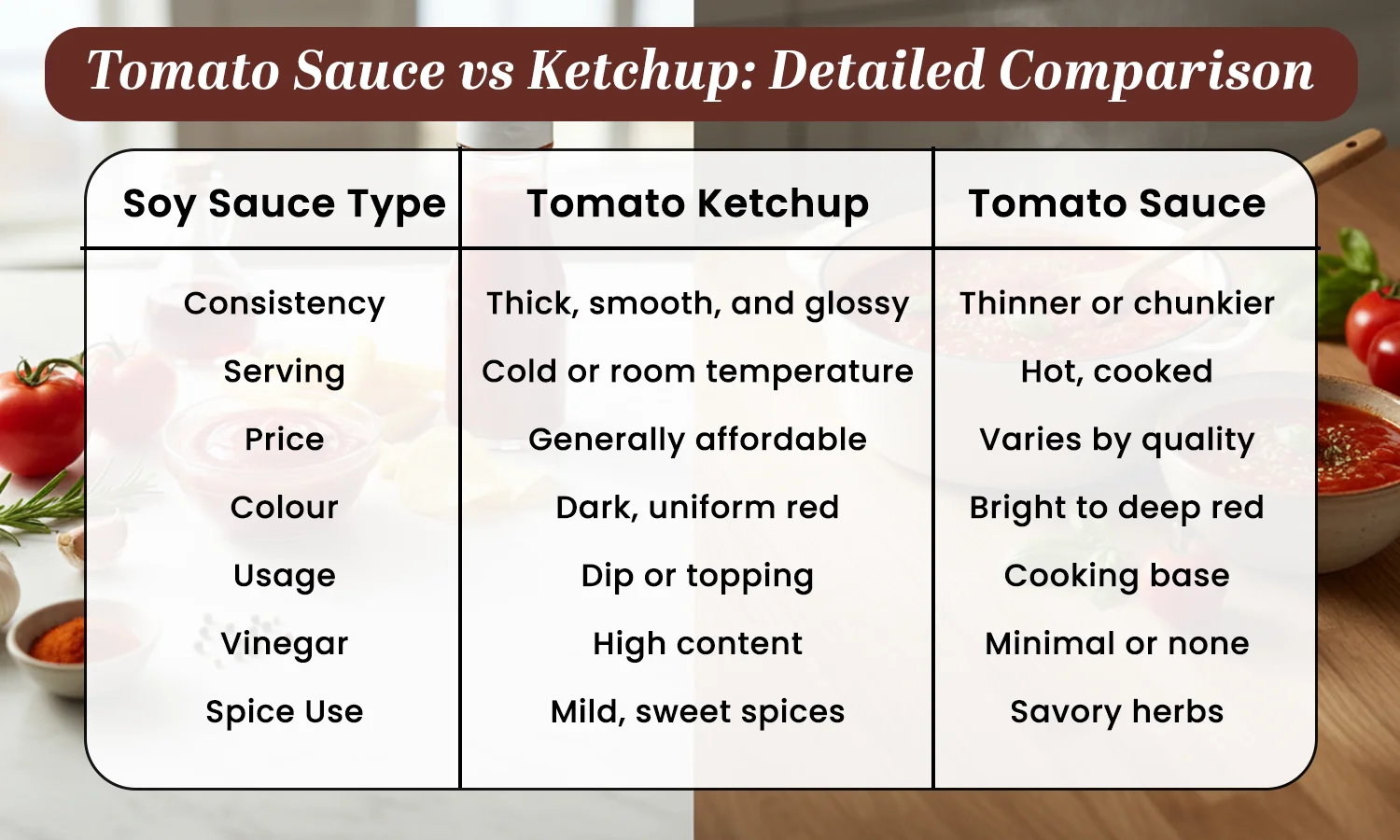
Tomato Sauce vs Ketchup: Detailed Comparison

Feature Tomato Ketchup Tomato Sauce
Consistency Thick, smooth, and glossy Thinner or chunkier
Serving Cold or room temperature Hot, cooked
Price Generally affordable Varies by quality
Colour Dark, uniform red Bright to deep red
Usage Dip or topping Cooking base
Vinegar High content Minimal or none
Spice Use Mild, sweet spices Savory herbs

Consistency

The ketchup sauce difference is immediately noticeable in texture. Ketchup is thick and sticky, designed to cling to food. Tomato sauce is thinner and flows easily, making it suitable for simmering, coating pasta, or blending into gravies.

Serving

Ketchup is always served cold or at room temperature. Tomato sauce, on the other hand, is almost always served hot, as part of a prepared meal.

Price

Packaged ketchup is usually cheaper because of its long shelf life and mass production. Tomato sauce price varies widely depending on whether it is basic canned sauce or premium artisanal sauce.

Colour

Ketchup has a deep, glossy red colour due to concentrated tomatoes and sugar. Tomato sauce may range from bright red to darker shades depending on cooking time and added ingredients.

Usage

The ketchup and tomato sauce difference is most evident in usage. Ketchup is a table condiment, while tomato sauce is an ingredient used during cooking. One cannot fully replace the other without affecting taste.

Vinegar

Vinegar is a core ingredient in ketchup, contributing to its sharp tang and preservation. Tomato sauce uses little to no vinegar, focusing instead on natural tomato acidity.

Spice Use

Ketchup uses mild spices mainly to enhance sweetness. Tomato sauce uses herbs like basil and oregano to build depth and aroma.

Conclusion

Understanding the difference between tomato sauce and ketchup helps you make better culinary choices. Ketchup is ideal for dipping and quick flavor, while tomato sauce is essential for cooking wholesome meals. Though similar in appearance, their ingredients, sugar levels, and usage make them fundamentally different.

FAQs

Are Ketchup and Tomato Sauce the Same?No. The difference between ketchup and sauce lies in sugar, vinegar, consistency, and usage.
Can We Use Tomato Ketchup Instead of Tomato Sauce?Not recommended for cooking, as ketchup’s sugar content alters the dish.
Why Can I Eat Ketchup but Not Tomato Sauce?Tomato sauce may contain onions, garlic, or herbs that some people cannot digest easily.
Why Is Tomato Sauce Called Ketchup?Historically, ketchup evolved from fermented sauces, but modern tomato ketchup is a sweetened version.

Did You Know the Amazing Advantages of Soy Sauce?

What is Soy Sauce?

Soy sauce is a fermented liquid seasoning traditionally made from soybeans, wheat, salt, and water. Through fermentation, it develops a strong umami flavour that enhances food naturally. Because of this, debates about whether soy sauce healthy or not usually focus on its fermentation benefits versus its sodium content.

How is Soy Sauce Made?

Soy sauce is produced using either a traditional fermentation method or a faster chemical process. The method used directly affects the taste, quality, and nutritional benefits of soy sauce.

Fermentation

Traditional fermentation takes several months. Soybeans and wheat are broken down by natural molds and bacteria, creating amino acids, antioxidants, and aroma compounds. This slow process is responsible for most health benefits of soy sauce.

Salt

Salt acts as a natural preservative and controls fermentation. While it enhances flavour, excessive salt is also responsible for many soy sauce benefits and side effects when consumed in excess.

Sugar

In naturally brewed soy sauce, sugar forms naturally when wheat starch breaks down during fermentation. In some varieties, additional sugar or molasses is added, especially in dark and sweet soy sauces.

Alcohol and Stabilizers

Alcohol is a natural byproduct of fermentation and helps preserve flavour. Some commercial varieties add stabilizers or preservatives to improve shelf life.

Color, Flavoring, and Preservatives

Traditional soy sauce develops colour naturally through aging. Commercial versions may use caramel colour or flavour enhancers to imitate this effect, which can reduce the benefits of eating soy sauce.

Aging

Aging allows flavours to deepen and improves overall quality. Longer aging usually results in better taste and stronger benefits of soy sauce in food.

Types and Varieties of Soy Sauce

Soy sauce comes in several varieties, and each type serves a different purpose in cooking. Understanding these differences helps you use the sauce correctly while also gaining the full advantages of soy sauce in everyday meals.

Light Soy Sauce

Light soy sauce has a thin texture and lighter colour but a strong salty taste. It is mainly used for everyday seasoning in stir-fries, soups, and dipping sauces. This variety enhances flavour without changing the appearance of the dish, making it one of the most commonly used options.

Dark Soy Sauce

Dark soy sauce is thicker, darker, and slightly sweeter due to longer aging. It is mostly used in cooking to add rich colour and depth to gravies, noodles, and slow-cooked dishes. Many people value the dark soy sauce benefits for its ability to improve flavour with small quantities.

Japanese Soy Sauce (Shoyu)

Shoyu is made using soybeans and wheat in almost equal amounts. It has a balanced, slightly sweet flavour and works well for both cooking and table use. Its versatility contributes to the overall advantages of soy sauce in daily meals.

Tamari Soy Sauce

Tamari contains little or no wheat and is often chosen as a gluten-free soy sauce option. It has a thicker consistency and a stronger umami taste, so smaller amounts are enough for seasoning.

Sweet Soy Sauce (Kecap Manis)

Sweet soy sauce is thick and syrupy, with a high sugar content from palm sugar. It is commonly used in marinades and glazes rather than regular seasoning.
advantages of soy sauce

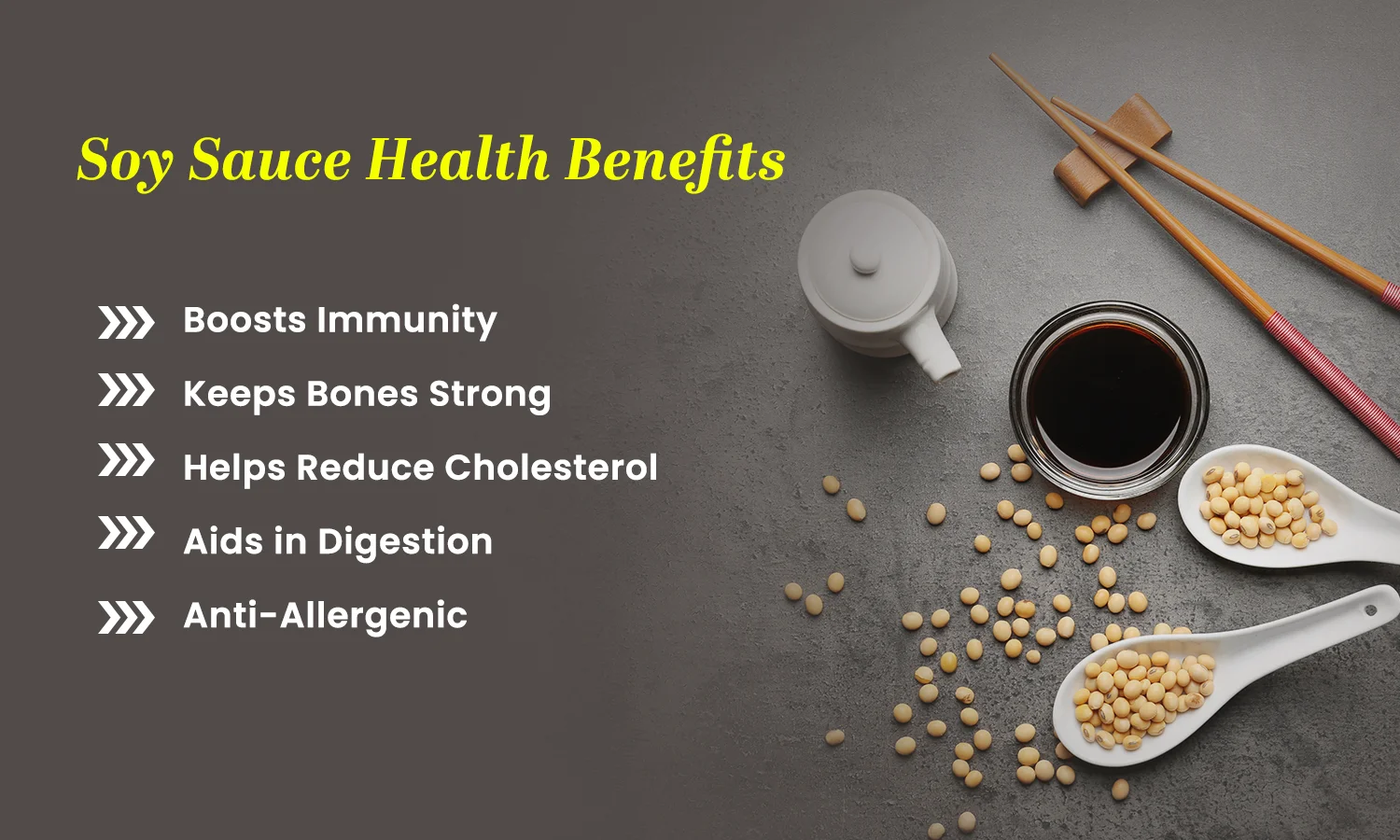
Soy Sauce Health Benefits

When used in moderation, soy sauce offers several functional benefits that go beyond flavour.

Boosts Immunity

Fermented soy sauce contains natural compounds that may support immune response, contributing to the health benefits of soy sauce.

Keeps Bones Strong

Soybeans contain isoflavones that help support bone strength, making this one of the lesser-known nutritional value soy sauce advantages.

Helps Reduce Cholesterol

Antioxidants formed during fermentation may help lower bad cholesterol, adding to the benefits of soy sauce when paired with a balanced diet.

Aids in Digestion

Fermentation produces compounds that support gut bacteria and improve digestion, one of the most practical soy sauce uses and benefits.

Anti-Allergenic

Some fermented peptides may reduce mild allergic responses, contributing to the broader health benefits of dark soy sauce. advantages of soy sauce

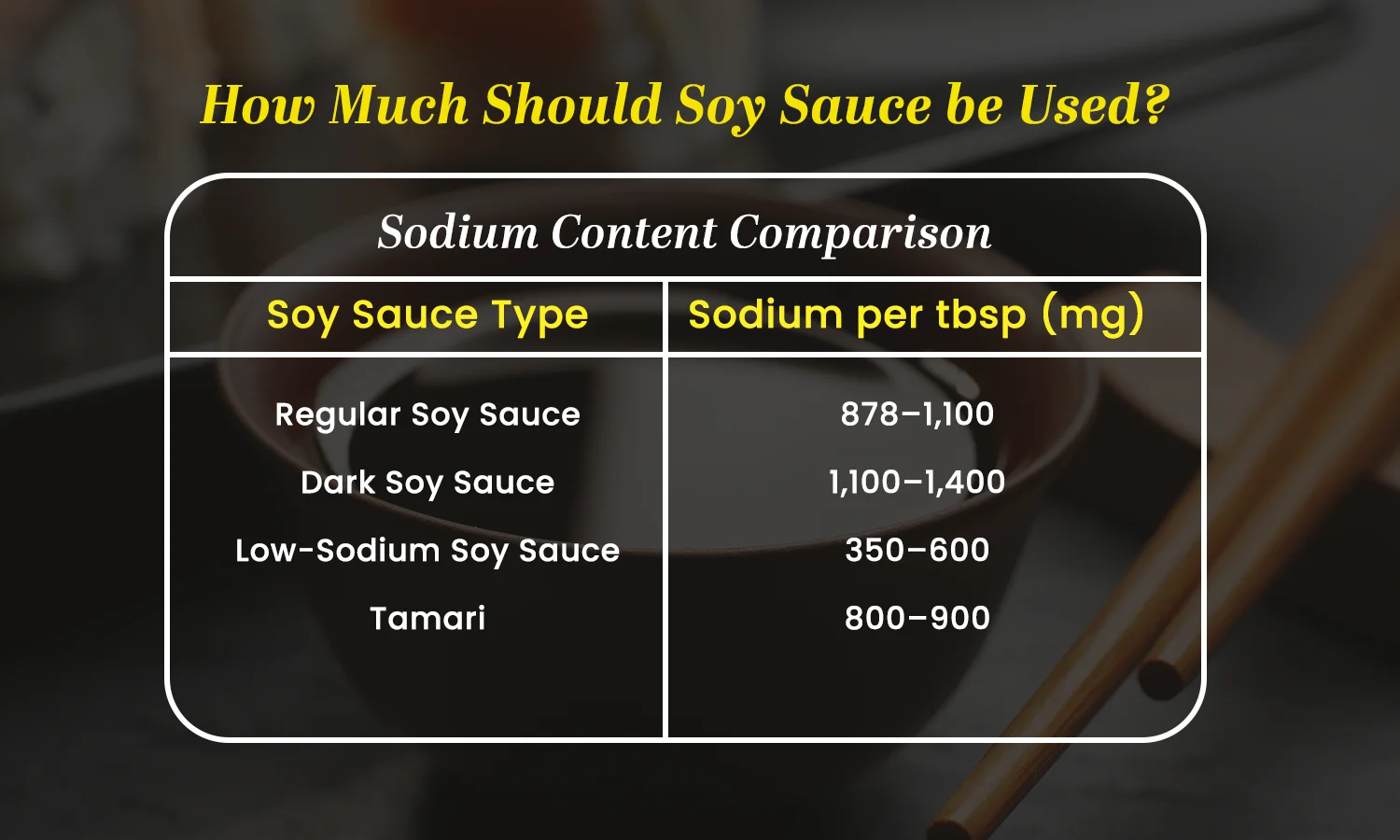
How Much Should Soy Sauce be Used?

Moderation is essential to enjoy the advantages of soy sauce without increasing health risks. Health experts suggest limiting intake to 1–2 teaspoons per day.

Sodium Content Comparison

Soy Sauce Type Sodium per tbsp (mg)
Regular Soy Sauce 878–1,100
Dark Soy Sauce 1,100–1,400
Low-Sodium Soy Sauce 350–600
Tamari 800–900

Because soy sauce is low in calories, many people ask whether soy sauce is good for weight loss. It can support weight control when used to replace high-fat sauces, but sodium intake must still be managed.

Conclusion

The advantages of soy sauce go far beyond taste. From digestion support to antioxidant properties, soy sauce offers real value when chosen wisely and used in moderation. Naturally fermented varieties provide the best nutritional benefits of soy sauce, while excessive use can increase sodium-related risks. The key lies in quality, portion control, and balance.

FAQs

Is Soy Sauce Good for Health?Yes, when used in small amounts, naturally fermented soy sauce provides flavour and functional benefits.
Is Soya Sauce Non-Veg?Traditional soy sauce is plant-based and vegetarian.
Is Soy Sauce Full of Sugar?Regular soy sauce contains very little sugar, but sweet varieties may have added sugar.
Is Soy Sauce Ok for Your Stomach? Fermented soy sauce can aid digestion, but excessive intake may cause discomfort due to salt.

Is Soy Sauce Good for Health? Exploring the Benefits and Considerations

Soy sauce is one of the most commonly used condiments across global cuisines. From Asian dishes to everyday home cooking, it adds a deep savoury taste with just a small amount. This often leads to the question – is soy sauce good for health or not? Many people believe soy sauce is good for health, while others worry about salt and additives. The truth depends on how it is made, how much is used, and who is consuming it.

What Is Soy Sauce?

Soy sauce is a fermented liquid seasoning traditionally made from soybeans, wheat, salt, and water. Through fermentation, it develops a strong umami flavour that enhances food naturally. Because of this, debates about whether soy sauce healthy or not usually focus on its fermentation benefits versus its sodium content.

The History of Soy Sauce

Soy sauce originated in ancient China more than 2,000 years ago as a method of preserving food while reducing salt usage. It later spread to Japan and other Asian countries, where recipes were refined. Over time, it became a global condiment, with variations influencing whether dark soy sauce is good for health compared to lighter or reduced-sodium versions.

How Is Soy Sauce Made?

Traditional soy sauce is made using a slow fermentation process that can take several months. Soybeans and wheat are broken down by natural microorganisms, producing amino acids and antioxidants. Faster chemical methods skip fermentation, producing cheaper sauces that lack many benefits. This difference plays a major role when deciding if soy sauce is healthy for you. soy sauce good for health

Nutritional Content of Soy Sauce

Soy sauce is low in calories but high in sodium. It contains small amounts of protein and minerals, but it is not meant to be a primary nutrient source. People following calorie-conscious eating often ask if soy sauce is good for diet plans. The answer depends on portion size and product quality. Choosing healthy soy sauce options usually costs more, which is reflected in soy sauce price differences.

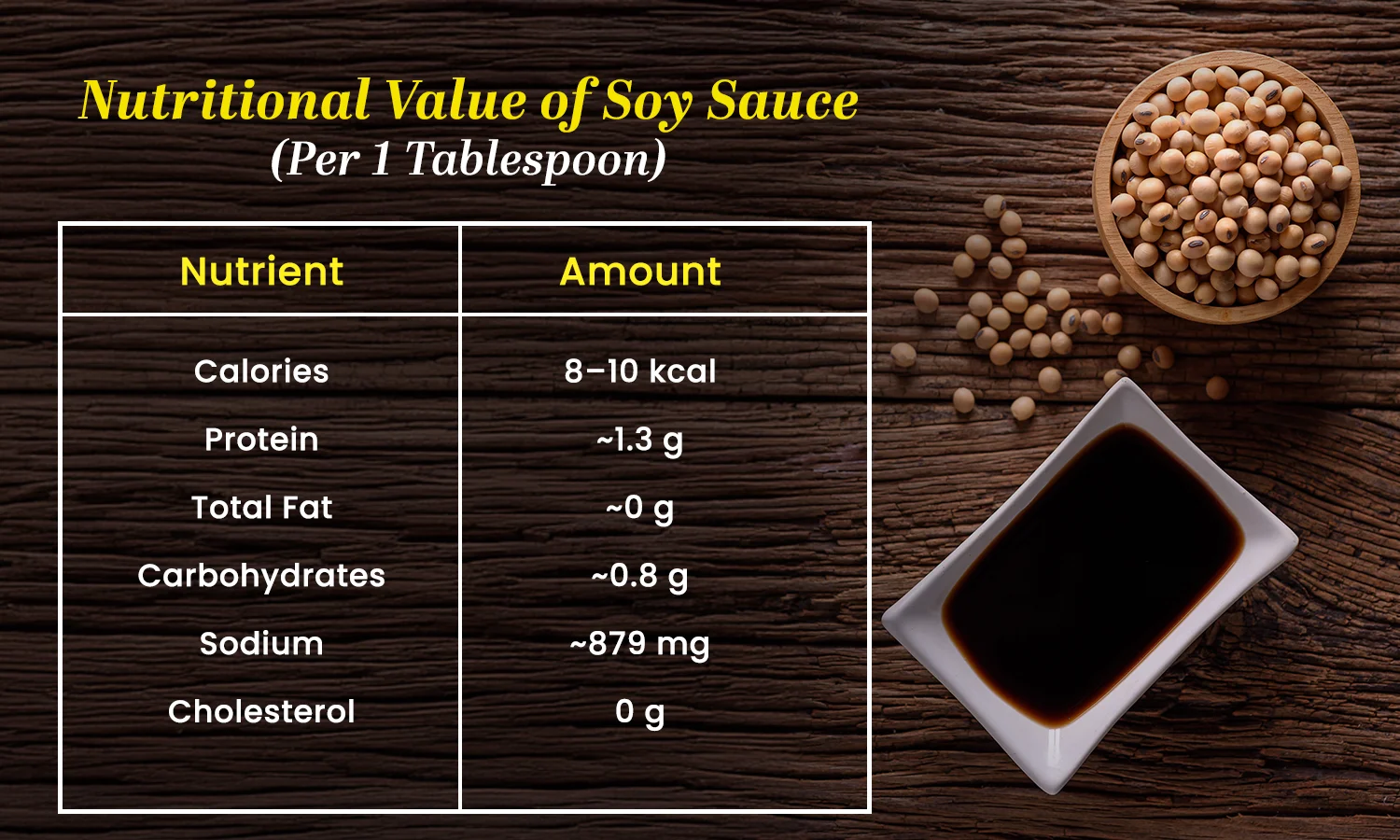
Nutritional Value of Soy Sauce (Per 1 Tablespoon)

Nutrient Amount
Calories 8–10 kcal
Protein ~1.3 g
Total Fat ~0 g
Carbohydrates ~0.8 g
Sodium ~879 mg
Cholesterol 0 g

Fermentation and Gut Health

Fermentation gives soy sauce much of its health value. Naturally fermented soy sauce contains compounds that support digestion and gut balance. This is a key reason many people say soy sauce is good for health when consumed in moderation.

The Role of Gut Microbiota

Gut microbiota refers to trillions of beneficial bacteria living in the digestive system. These bacteria help digest food, absorb nutrients, support immunity, and reduce inflammation. A balanced gut microbiome is essential for long-term digestive health.

How Soy Sauce Affects Gut Microbiota

Fermented soy sauce provides prebiotic compounds that feed beneficial gut bacteria. It may also help limit harmful bacteria. However, excessive sodium can disrupt gut balance, which is why moderation is essential when asking if soy sauce is healthy. soy sauce good for health

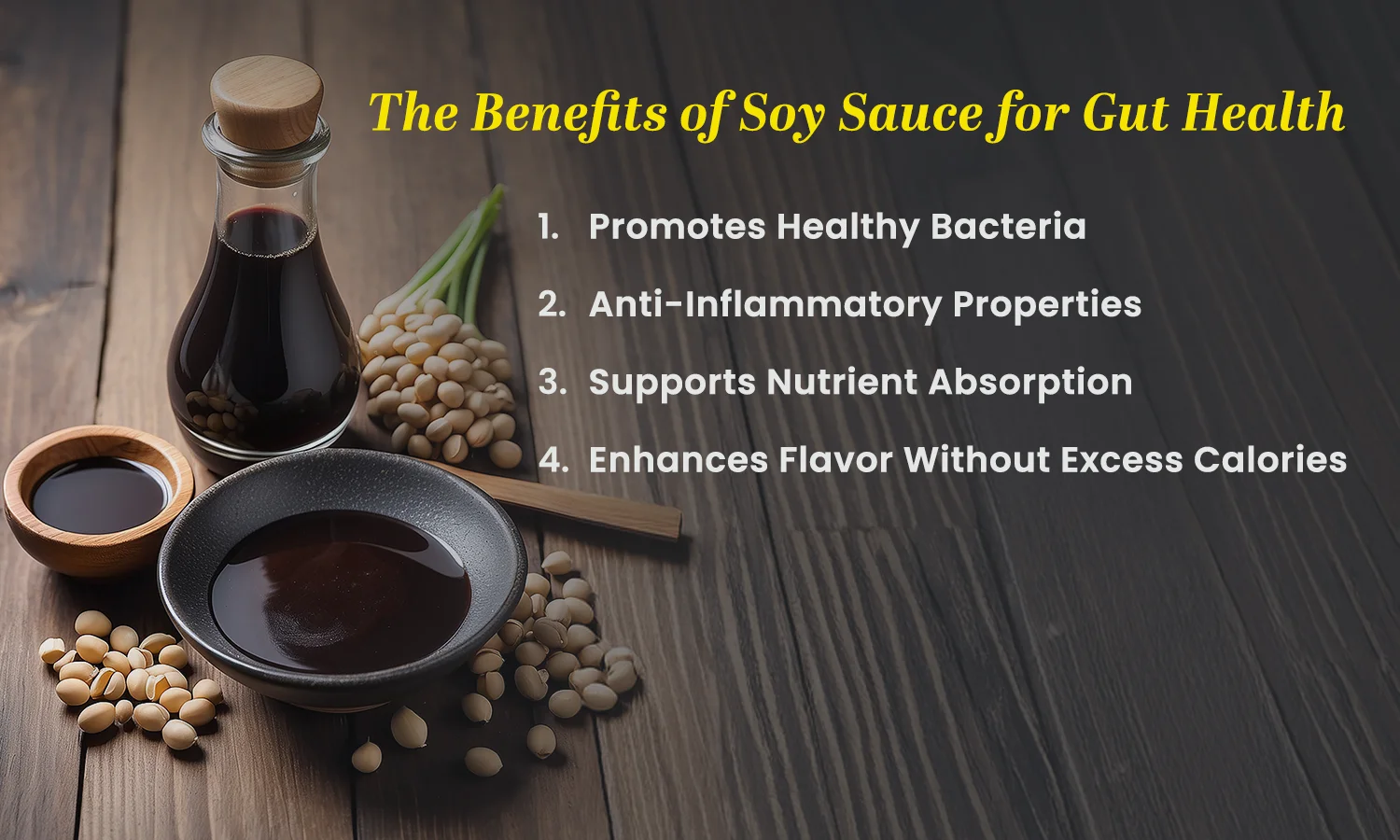
The Benefits of Soy Sauce for Gut Health

1. Promotes Healthy Bacteria

Naturally brewed soy sauce supports beneficial gut bacteria by supplying fermented compounds that help maintain microbial balance.

2. Anti-Inflammatory Properties

Fermentation creates antioxidants that may reduce gut inflammation and support digestive comfort.

3. Supports Nutrient Absorption

Fermentation breaks down proteins and antinutrients, helping the body absorb minerals more efficiently.

4. Enhances Flavor Without Excess Calories

Its strong umami taste allows meals to be flavourful without added fats or sugar, highlighting the advantages of soy sauce.

Considerations When Using Soy Sauce

1. High Sodium Content

One tablespoon can contain nearly 40% of the daily sodium needs, which may raise blood pressure if consumed frequently.

2. Allergies and Sensitivities

Soy sauce contains soy and often wheat. People with allergies or gluten sensitivity should choose gluten free soy sauce options carefully.

3. FODMAP Considerations

Most fermented soy sauces are low-FODMAP in small servings, making them suitable for sensitive digestion when portion sizes are controlled.

How to Incorporate Soy Sauce into Your Diet

Use soy sauce during cooking instead of adding it at the table. Marinating proteins, seasoning vegetables, or finishing dishes with a few drops helps reduce sodium intake. Choosing the best soy sauce, diluting it with vinegar or citrus, and using measured portions like soy sauce packets helps maintain balance.

Conclusion

So, is soy sauce good for health? Yes, when it is naturally fermented, used in small amounts, and chosen carefully. It supports gut health, provides antioxidants, and enhances flavour without excess calories. However, its sodium content and potential sensitivities mean mindful use is essential. With moderation, soy sauce can be part of a healthy eating routine.

FAQs

What Are the Health Benefits of Soy Sauce?Soy sauce supports digestion, offers antioxidants from fermentation, and enhances flavour with minimal calories when used moderately.
Is Soy Sauce High in Sodium? Yes, regular soy sauce is high in salt. Reduced-sodium options are better for frequent use.
Can Soy Sauce Be Part of a Low FODMAP Diet? Yes, fermented soy sauce is generally low-FODMAP in controlled servings.
Is Soy Sauce Gluten-Free? Standard soy sauce contains wheat. Always choose labelled gluten free soy sauce if avoiding gluten.
How Can I Incorporate Soy Sauce Into My Meals Healthily?Use it in marinades, stir-fries, or dressings, measure portions, and avoid overuse.

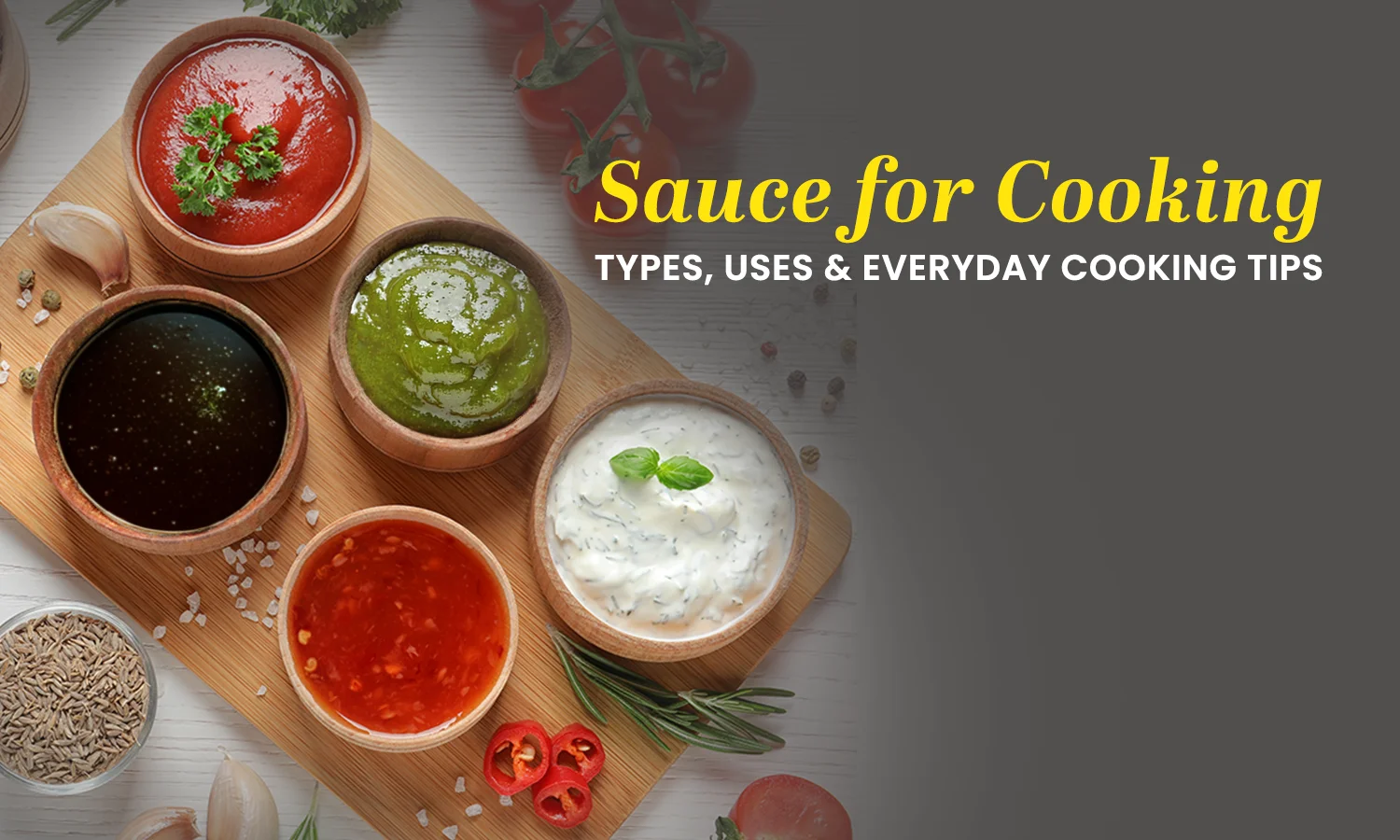
Sauce for Cooking: Types, Uses & Everyday Cooking Tips

What Is a Cooking Sauce and Why Is It Important in Recipes?

A sauce for cooking is a liquid or semi-solid preparation added during cooking or served alongside food to improve taste, texture, moisture, and appearance. Sauces are rarely eaten by themselves. Instead, they act as a supporting element that connects ingredients and helps a dish feel complete. In everyday cooking, a well-made sauce can turn simple ingredients into a balanced meal.Instead, they act as a supporting element that connects ingredients and helps a dish feel complete. In everyday cooking, a well-made sauce can turn simple ingredients into a balanced meal. Sauces play several roles in recipes.They enhance flavour by adding depth or contrast, help prevent food from drying out, and improve texture by making dishes smoother or richer.They also improve visual appeal by adding colour and shine. In many recipes, sauces act as a binding medium that ensures every bite carries flavour evenly. Understanding the importance of sauce helps you build better meals with less effort.

Which Sauce Is Best for Cooking Everyday Meals?

The best sauce for cooking everyday meals depends on how often you cook and what kind of food you prepare. For most home kitchens, versatile sauces that work across multiple dishes are the most useful. Tomato-based sauces, soy-based stir-fry sauces, and white sauces are commonly used because they are easy to handle and adapt well to different ingredients.Having a small set of basic sauces for cooking makes daily meals easier to manage. These sauces can be adjusted with simple additions like spices, herbs, or water, helping you avoid repeating the same flavours while keeping preparation simple. For busy homes, the best sauces to cook with are the versatile ones, and the best sauces for cooking everyday meals are those you can adapt easily.
sauce for cooking

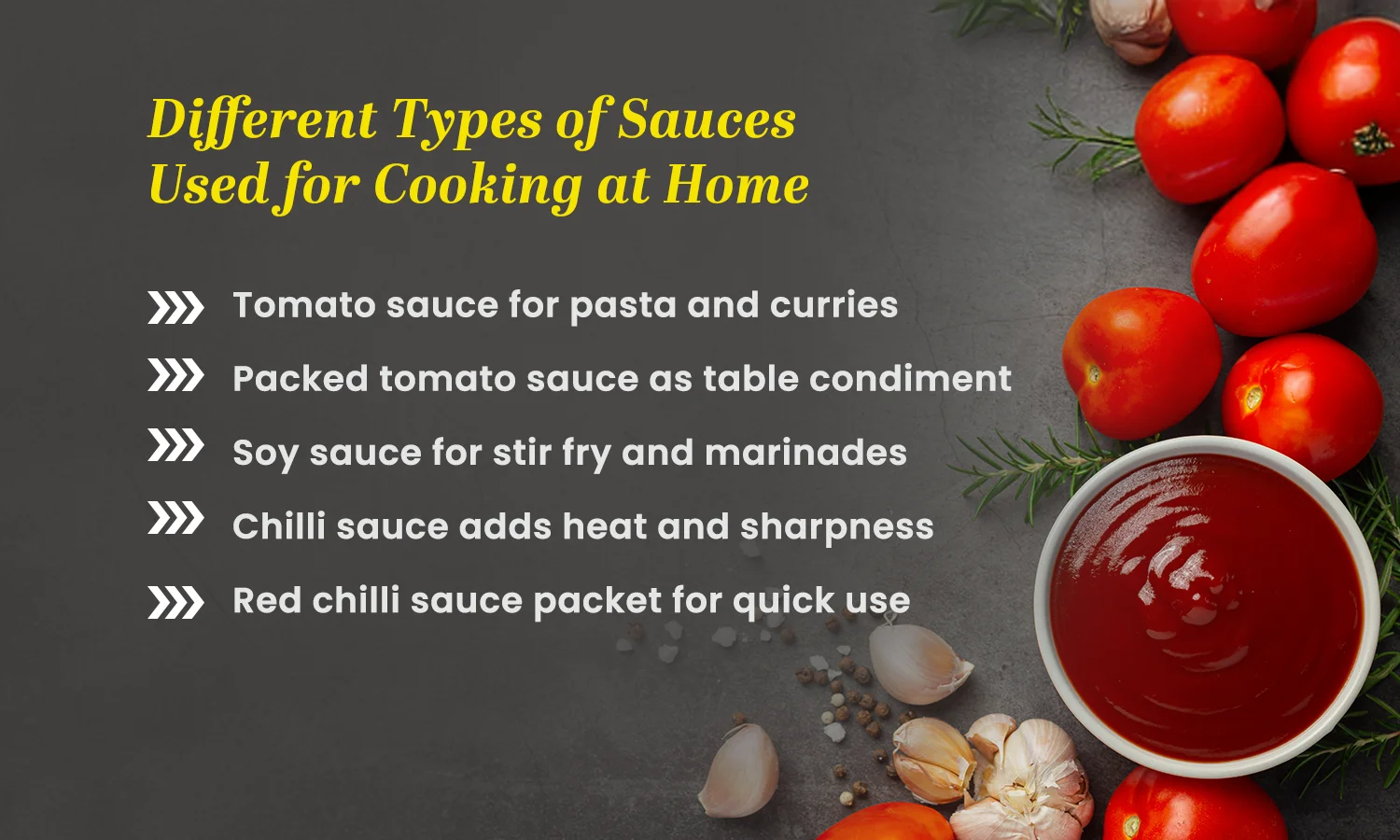
Different Types of Sauces Used for Cooking at Home

Home cooking sauces can be grouped based on how they are prepared and used.Tomato-based sauces are widely used for pasta, curries, and slow-cooked dishes.

In Indian kitchens, tomato sauce is used both as a cooking base and as a table condiment, often available in sealed packs such as a tomato sauce packet, with variation in tomato sauce price depending on brand and quantity. Soy-based sauces are commonly used in stir-fries and marinades. Cooking soy sauce, also known as soya sauce or soy sauce, adds saltiness, colour, and depth.

It works well with vegetables, noodles, rice, and protein-based dishes. Chilli-based sauces are another staple, with chilli sauce and red chilli sauce adding heat and sharpness. Many households rely on packaged options like a red chilli sauce packet for convenience. Knowing the different types of sauces makes cooking simpler, and the many tomato sauce uses and a good sauce for noodles show just how flexible they are.

How to Choose the Right Sauce for Cooking Different Dishes

Choosing the right sauce depends on the main ingredient and cooking method. Heavier foods like meats work well with sauces that have acidity or richness, while vegetables benefit from lighter sauces that add moisture without overpowering flavour. Stir-fried dishes often pair well with soy-based sauces, while baked or simmered dishes suit tomato or cream-based sauces.
Texture also matters. Thick sauces coat food better during slow cooking, while thinner sauces work well for quick cooking or finishing. Personal taste plays a role, too. The best sauce choice is one that supports the dish rather than covering it completely. Learning how to use sauce for each dish helps, whether you are trying sauce recipes for chicken or a quick sauce for fried rice.
sauce for cooking

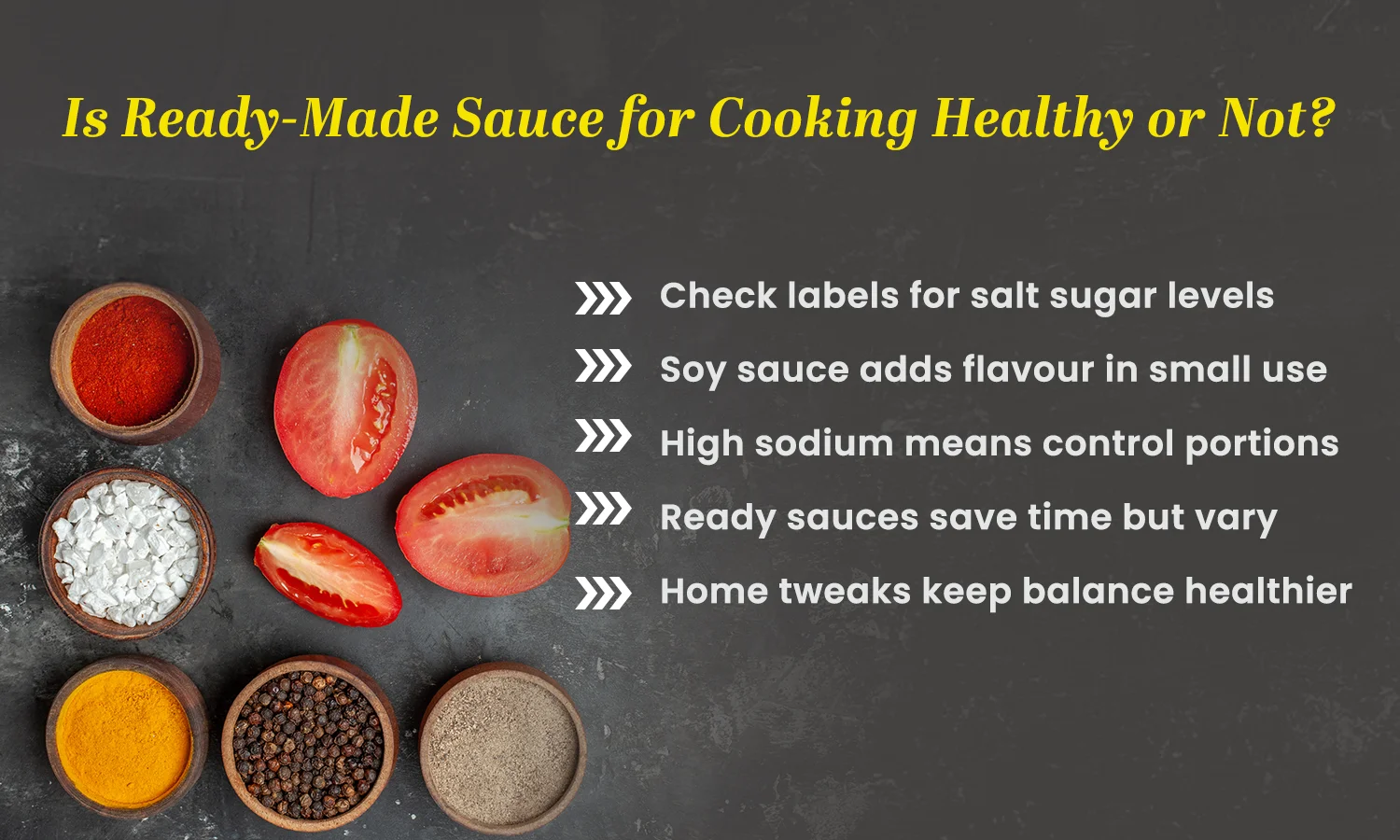
Is Ready-Made Sauce for Cooking Healthy or Not?

Whether a ready-made sauce for cooking is healthy depends on its ingredients and how much is used. Many packaged sauces are convenient but can contain high levels of salt, sugar, or preservatives.

Some people value soy sauce benefits, such as strong flavour with small quantities, but sodium intake should be controlled. This leads many people to ask is soy sauce healthy, and the answer depends on portion size and frequency of use.Reading labels helps you understand what soy sauce is made of and decide if it fits your diet. Making simple versions at home using a basic soy sauce recipe or diluting store-bought sauces with fresh ingredients can help maintain balance. Many cooks keep a few ready to use sauces on hand for those busy weeknights.

Common Mistakes to Avoid When Using Sauces in Cooking

One common mistake is using high heat for delicate sauces. Cream or egg-based sauces should be gently heated to avoid separation. Another issue is adding liquid incorrectly when thickening sauces, which can cause lumps. Temperature control and gradual mixing help prevent this.

Over-seasoning early in cooking can also ruin a sauce, as flavours concentrate over time. Sauces should coat food, not drown it. Ignoring browned bits left in the pan after cooking is another missed opportunity, as these add depth when deglazed properly. Finally, adding fresh herbs too early can dull their flavour; they are best added at the end.

FAQs

What Is the Most Commonly Used Sauce for Cooking?Soy-based sauces are among the most commonly used worldwide due to their versatility and wide soy sauce uses across cuisines.
How Many Types of Sauce Are There?There are many types of sauces globally, but most fall into categories based on base, thickness, and method of preparation.
What Are the 3 Types of Sauces?

Most sauces can be grouped into base sauces, thickened sauces, and finishing or flavouring sauces.

Can Sauces Be Used in Indian Cooking?

Yes, sauces are widely used in Indian cooking, from traditional gravies to modern stir-fry and fusion dishes.

The Health Benefits of Soy Sauce: What You Need to Know

Health Benefits of Soya Sauce

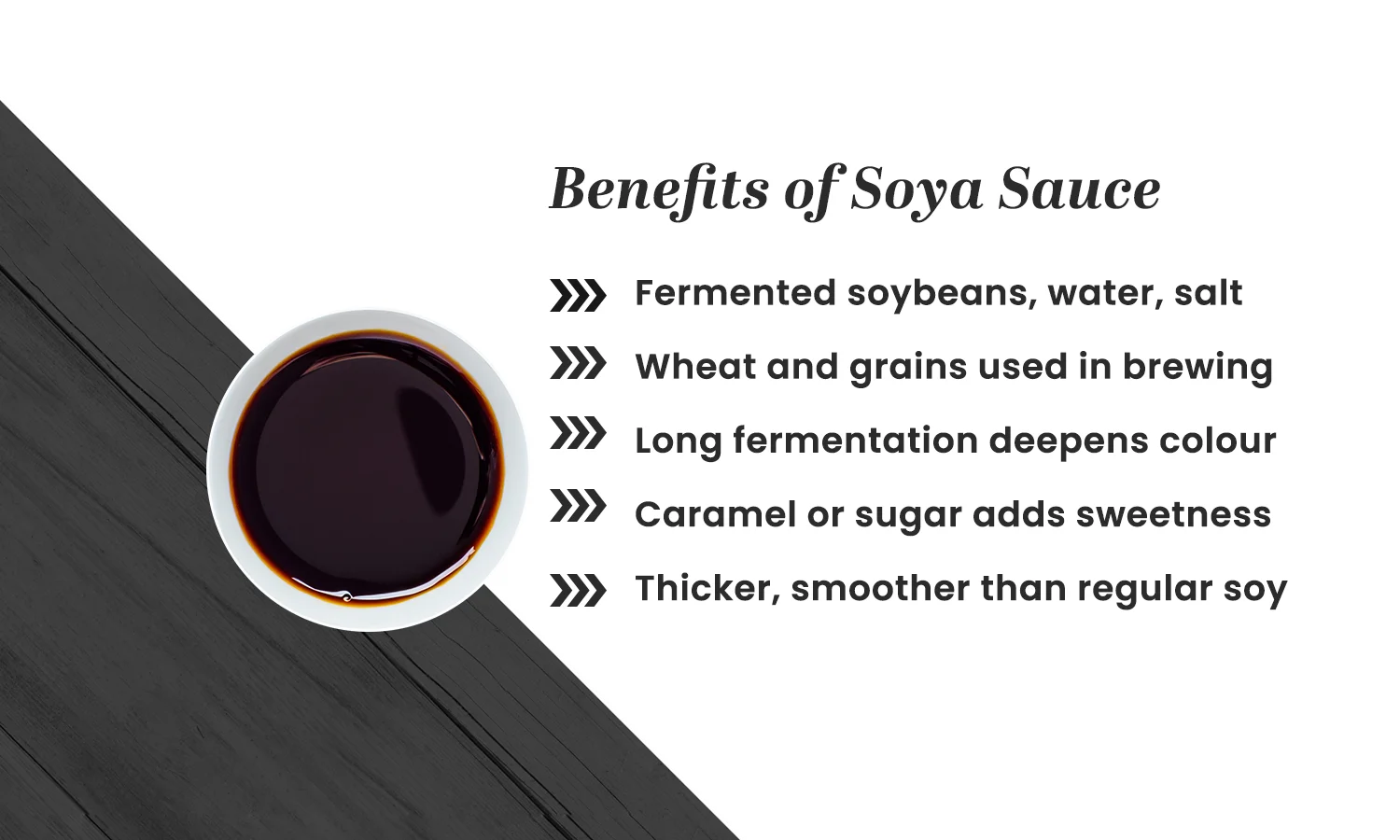
The Benefits of Soy Sauce mainly come from naturally fermented varieties that develop bioactive compounds during long brewing. When used in small amounts as a flavour enhancer, soy sauce can support digestion, add antioxidants, and improve overall taste without adding many calories. However, it should never be treated as a primary nutrition source due to its high sodium content.
One of the key advantages of soy sauce is that it delivers strong umami flavour, helping reduce the need for extra salt in cooking. This makes it useful for seasoning dishes efficiently, provided portion sizes are controlled.

Soy Sauce Nutritional Value

From a nutritional point of view, soy sauce is low in calories, fat, and carbohydrates. A tablespoon contains roughly 8–10 calories, small amounts of protein, and trace minerals, but sodium remains the dominant nutrient. This is why many people ask is soy sauce good for health—the answer depends on how frequently and how much you use it.Low-sodium varieties reduce salt by nearly half and are a better option for daily meals. Understanding soy sauce ingredients, such as soybeans, wheat, salt, water, and fermentation cultures, helps consumers make informed choices, especially when buying a soy sauce bottle for home use.

Antioxidant Properties of Soya Sauce

Naturally brewed soy sauce contains strong antioxidant compounds formed during fermentation. Darker varieties, in particular, develop melanoidins, isoflavones, and phenolic compounds that help neutralise free radicals in the body. This explains the growing interest in dark soy sauce benefits compared to lighter versions.
While studies show high antioxidant activity in laboratory tests, soy sauce is consumed in small quantities. Therefore, its antioxidant role should be viewed as supportive rather than a primary source, contributing modestly to overall dietary protection. Benefits of Soy Sauce

Benefits of Soya Sauce

Beyond flavour, the health benefit of soy sauce include aiding nutrient absorption and digestive efficiency. The fermentation process breaks proteins into amino acids, making food easier to digest. Many people also appreciate soy sauce benefits such as improved taste satisfaction, which can prevent overeating.At the same time, understanding soy sauce benefits and side effects is essential. Excess consumption may increase blood pressure due to sodium, making moderation the most important rule.

Cardiovascular Health Benefits

Soy sauce presents a mixed picture for heart health. Fermented soy compounds may support blood vessel function and reduce oxidative stress, but sodium remains a concern. This creates confusion around is soy sauce healthy for people with hypertension.Research suggests that fermented soy products may be less harmful than equal amounts of table salt, yet reduced-salt options are still recommended. Using soy sauce sparingly can support flavour without overloading sodium intake.

Digestive Health Improvements

Fermentation enhances digestive benefits by stimulating gastric juice secretion and supporting gut bacteria. Naturally brewed soy sauce may help improve digestion and reduce bloating when used in small quantities.Additionally, antimicrobial compounds in soy sauce may help limit harmful gut bacteria. Understanding soy sauce made of helps explain why fermentation plays such an important role in digestive effects.

Potential Anti-Inflammatory Effects

Soy sauce contains bioactive peptides and antioxidants that may reduce inflammation by regulating inflammatory pathways. These effects are mainly seen in traditionally brewed sauces rather than chemically produced versions.That said, inflammation benefits depend on moderation. High sodium intake can trigger inflammation, cancelling out positive effects if overused.

Bone Health Advantages of Soya Sauce

Soy sauce provides indirect bone support through isoflavones, which may help slow bone loss, especially in postmenopausal women. Fermentation also improves mineral availability, supporting calcium balance.

However, excess salt can increase calcium loss, making portion control essential to maintain any potential bone benefit.

Benefits of Soy Sauce

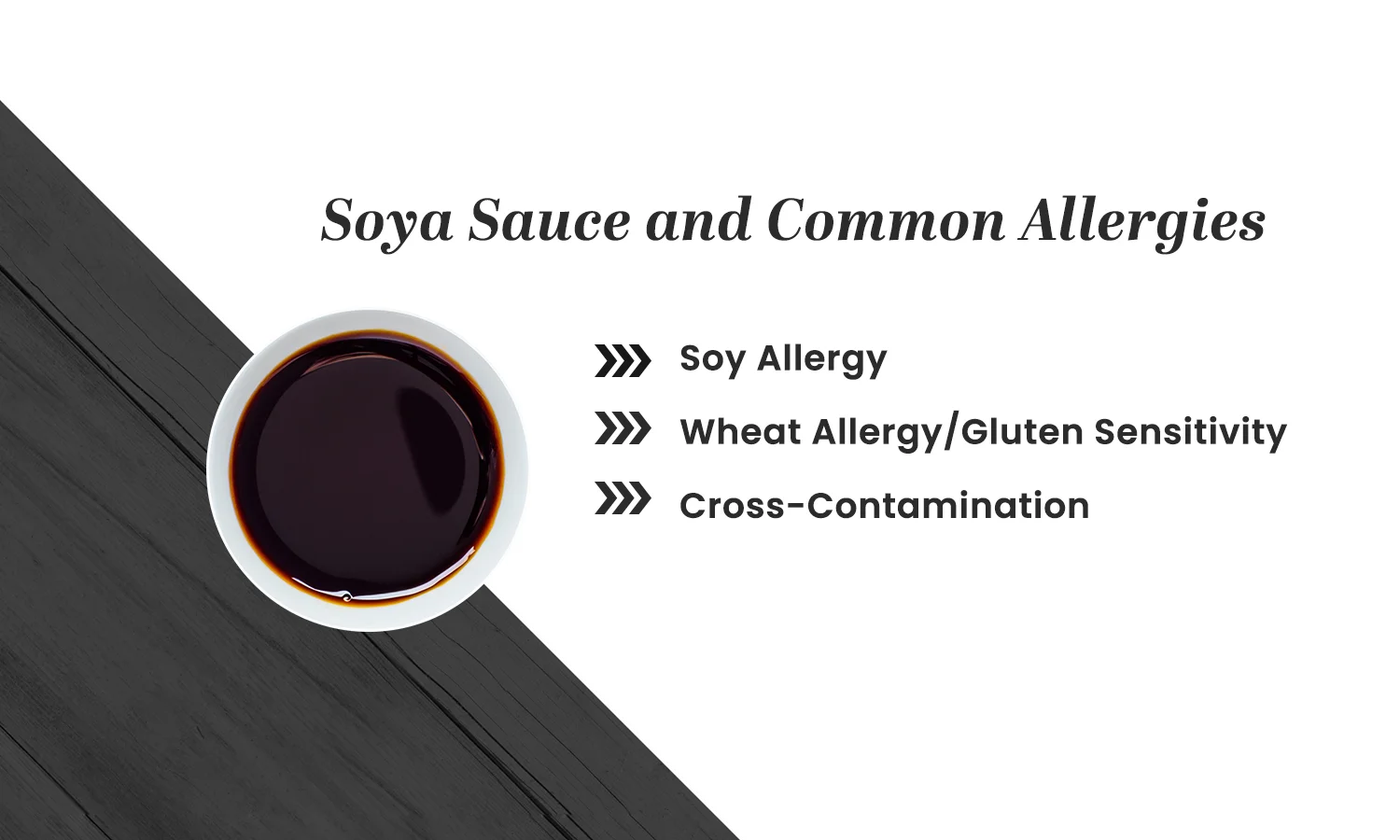
Soya Sauce and Common Allergies

Soy Allergy:

Soy allergy occurs when the immune system reacts to soy proteins, causing symptoms ranging from mild rashes to severe anaphylaxis. People with soy allergies must avoid soy sauce entirely.

Wheat Allergy/Gluten Sensitivity:

Traditional soy sauce contains wheat. Those with gluten sensitivity or celiac disease should choose Gluten free soy sauce, such as certified tamari.

Cross-Contamination:

Cross-contamination can occur during manufacturing or restaurant use. Shared bottles and refilling practices increase risk, making certification labels important.

Conclusion and Recommendations

The Benefits of Soy Sauce are real but limited. When used mindfully, naturally brewed soy sauce can support digestion, provide antioxidants, and improve flavour efficiency. However, sodium, allergies, and hidden gluten must be considered.Choose fermented, low-sodium varieties, avoid chemical sauces, and always read labels—especially during soy sauce in pregnancy, where sodium control is important. Moderation ensures enjoyment without health risks, and knowing does soy sauce expire helps maintain safety and quality.

FAQs

What Are the Antioxidant Benefits of Soy Sauce?Soy sauce contains fermentation-derived antioxidants that help reduce oxidative stress, especially in darker varieties.
How Does Soy Sauce Support Digestion?Fermentation improves protein breakdown and stimulates digestive enzymes, aiding nutrient absorption.
Can Soy Sauce Help Reduce the Use of Table Salt?Yes, its strong umami flavour allows smaller quantities to season food effectively.
Is Soy Sauce Low in Calories, Making It Diet-Friendly?Soy sauce is very low in calories, but sodium content must still be monitored.
What Are the Main Downsides or Cautions When Using Soy Sauce?High sodium levels, soy or wheat allergies, and chemical processing are the main concerns.

What Is Sauce? Ingredients, Types & Uses

What Is Sauce?

To clearly understand what a sauce is, it helps to see how it functions in everyday cooking. A sauce is a liquid, cream, or semi-solid preparation that is served with food or used during cooking to improve flavour, texture, moisture, and appearance. Sauces are not meant to be eaten alone. Instead, they support the main dish by balancing taste and improving how food feels when eaten.The term comes from the Latin word salsus, meaning “salted,” which reflects its early purpose of seasoning food. Over time, sauces became a key part of cooking across cultures. Whether used to soften dry food, add richness, or bring contrast, sauces act as a supporting element that brings a dish together. what is sauce

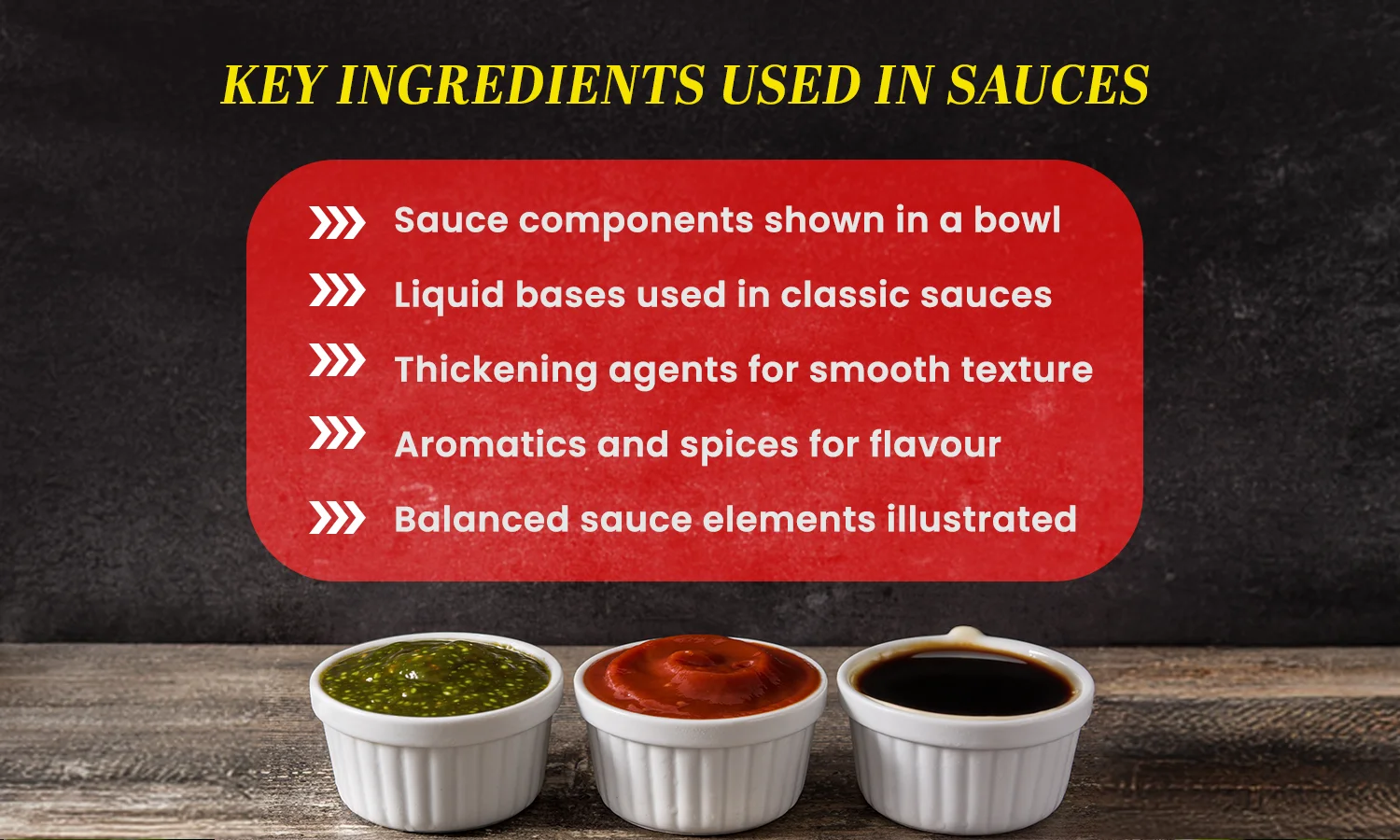
Key Ingredients Used in Sauces

Most sauces are built using three essential components. The first is the liquid base, which gives the sauce its body. This can be stock, milk, cream, tomato products, oil, coconut milk, or vinegar-based liquids, depending on the style of cooking.
The second component is a thickening agent. Traditional sauces often use a roux made from flour and fat, while others rely on starch slurries, egg yolks, pureed vegetables, or slow reduction. The third component is flavouring. Aromatics like onions and garlic, herbs, spices, acids, and seasonings shape the final taste and help balance sweetness, saltiness, and sharpness.

What Are the Basic Sauce Types Used in Indian Cuisine?

Indian cooking does not follow a formal sauce classification system, but it relies heavily on base gravies and condiments. Onion-tomato masalas, nut-based gravies, coconut sauces, and fermented condiments form the foundation of many dishes. Alongside these traditional bases, modern Indian kitchens also use bottled and freshly prepared sauces influenced by global and Indo-Chinese cooking, especially in urban and street-food settings

Tomato Sauce

In Indian usage, tomato sauce usually appears in two forms. As a table condiment, it refers to the sweet and tangy bottled sauce served with snacks and street food. This version is widely recognised by its packaging and varies by brand, tomato sauce bottle size, and tomato sauce price.
As a cooking base, tomato sauce refers to slow-cooked tomato gravies used in popular dishes like paneer curries and butter-based preparations. Many households still prefer making this at home using a basic tomato sauce recipe that focuses on cooked tomatoes, fats, and controlled seasoning.

Green Chilli Sauce

Green chilli sauce is a strong-flavoured condiment commonly used in Indo-Chinese cooking. The core green chilli sauce ingredients include fresh green chillies, vinegar, garlic, salt, and a small amount of sugar to balance the heat. Its smooth texture and sharp taste make it suitable both as a dip and as a cooking ingredient.

People often look for the best green chilli sauce based on spice level and consistency. Unlike traditional green chutney, this sauce is shelf-stable and has a noticeable tang from vinegar.

Dark Soy Sauce

Dark soy sauce is thicker and darker than regular soy sauce and is mainly used to add colour and depth rather than saltiness. The difference between dark vs light soy sauce lies in texture, sweetness, and purpose, with dark soy sauce preferred for cooking.
In Indian-Chinese dishes, dark soy sauce uses include stir-fries, noodles, fried rice, and gravies, where a rich brown colour is expected. The dark soy sauce price often reflects longer fermentation and processing time. what is sauce

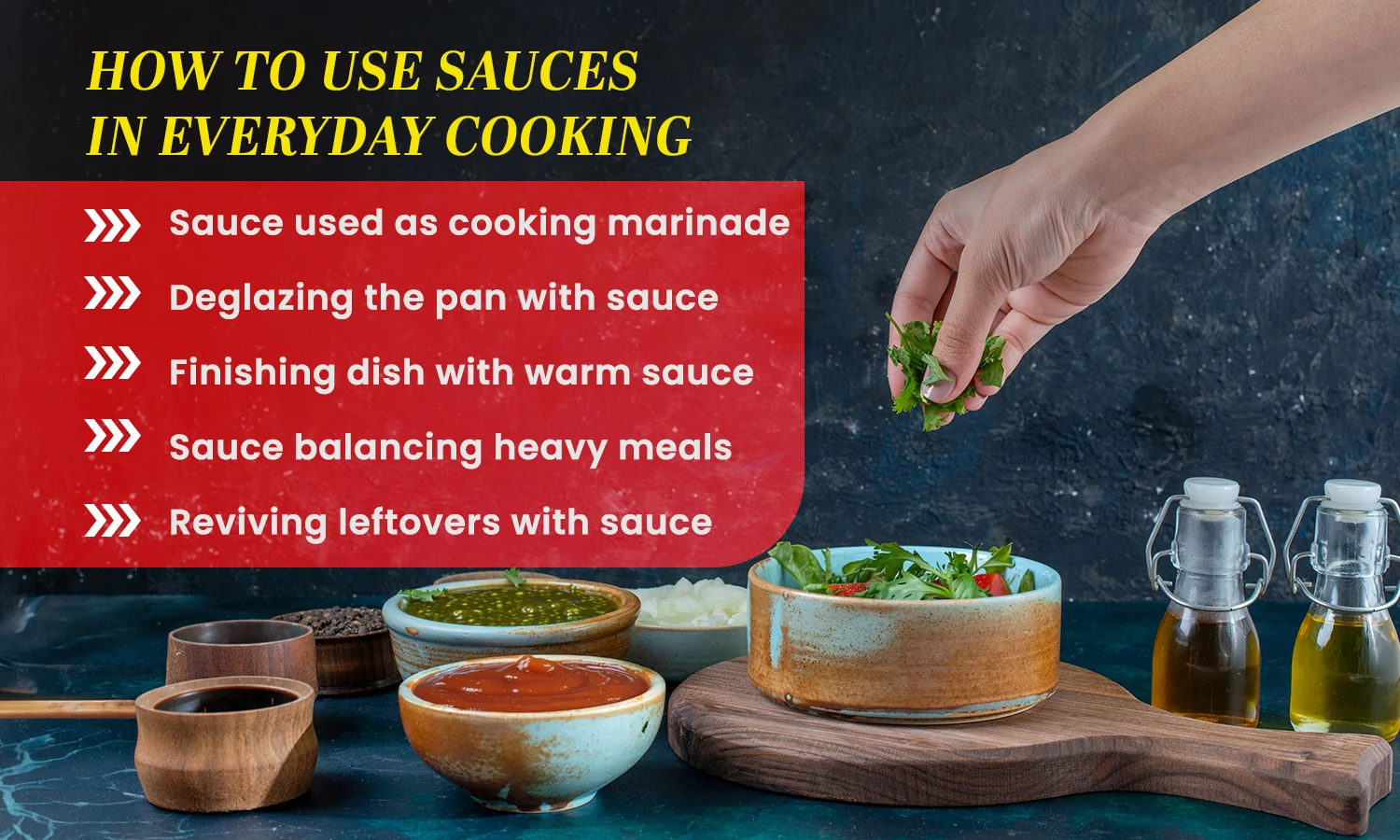
How to Use Sauces in Everyday Cooking

Understanding what a sauce is also means knowing how to use it correctly. Sauces can be used before cooking as marinades, during cooking to deglaze pans, or after cooking to finish a dish. A small quantity added at the right stage can improve flavour without overpowering the food.

If a dish feels dry, a warm sauce can add moisture. If it feels heavy, a sharp sauce can bring balance. Sauces are also useful for refreshing leftovers, helping turn simple ingredients into complete meals.

How to Store Sauces Properly

Proper storage helps maintain both safety and quality. Homemade sauces should be cooled before storing and kept in airtight containers. Dairy-based sauces spoil quickly and should be used within a few days. Tomato-based sauces last slightly longer because of their acidity.Commercial sauces with high salt or vinegar content are more stable, but refrigeration after opening helps preserve flavour. Always use clean, dry spoons to avoid contamination.

Conclusion

Knowing what sauce helps you cook with more clarity and control. Sauces are not just extras; they shape how food tastes, looks, and feels. From tomato and green chilli sauces to dark soy sauce, each has a specific role in Indian and global cooking. When used in the right amount and stored properly, sauces can make everyday cooking more consistent and enjoyable.

FAQs

Which Sauce Is Healthy?Health depends on ingredients and quantity. Many people ask is soy sauce healthy, and when used in moderation, it can add flavour without fat. Some also value soy sauce benefits, but sodium intake should be monitored.
What Sauce Is Most Popular?

Soy sauce is one of the most widely used sauces worldwide due to its versatility and long shelf life, reflected in steady soy sauce price ranges.

What Sauce Is Best for You?The best choice depends on diet and taste. Understanding how soy sauce made of fermented soybeans and wheat, helps decide suitability. Some prefer trying a controlled soy sauce recipe at home.
What Is the Most Eaten Sauce?Globally, soy sauce is considered the most consumed sauce, followed closely by tomato-based sauces.

Chilli Sauce Price in India: A Simple Buying Guide

Introduction :

The chilli sauce price in India varies widely based on ingredients, pack size, processing, and where you buy it. From small bottles for occasional use to larger packs for regular cooking, chilli sauce is available across multiple price points.While spice level is often the first thing buyers look for, understanding pricing helps you choose a sauce that balances cost, quality, and everyday usability. This guide explains general price ranges, compares shop and online prices, looks at homemade versus ready-made options, and shares tips on buying chilli sauce wisely.

What Is the Current Chilli Sauce Price in India?

The chilli sauce price in India usually ranges from around ₹80 to ₹180 per kilogram. Basic variants with fewer ingredients tend to be at the lower end, while sauce with richer flavour profiles or added seasonings fall toward the higher end.

Smaller bottles may appear cheaper upfront, but when you check the cost per kg, they are often less economical than larger packs like Chilli sauce 1 kg. In this range, sauces aimed at everyday use are common.

For example, SGR 777 chilli sauce is typically priced around ₹90–₹120 per kg, offering a balance of flavour, consistency, and affordability. This mid-market positioning makes such sauces suitable for families and frequent users who want a reliable bottle without spending on premium products. The Red chilli sauce price can sit slightly higher when extra spices are added, so always check the per kg rate.
chilli sauce price

Chilli Sauce Price at Shops & Online Stores

At local shops, the price of chilli sauce depends on location and the distributor’s pricing strategy. Urban supermarkets often offer multiple options within the ₹80–₹180 per kg bracket, while smaller town stores may have slightly higher prices due to transport costs.Shopping for chilli sauce online makes price comparison simpler. Online grocery platforms allow you to view price per kg, customer ratings, and ingredient lists in one place. E-commerce sites often run periodic discounts or combo deals, making sauces more affordable during sales. However, remember to factor in delivery charges when calculating the total cost. In many online listings, SGR 777 chilli sauce appears consistently in the ₹90–₹120 per kg range, with clear labelling and ingredient transparency, helping buyers plan repeat purchases. The Tomato chilli sauce price is often a little lower, since tomatoes are cheaper than pure chilli bases.

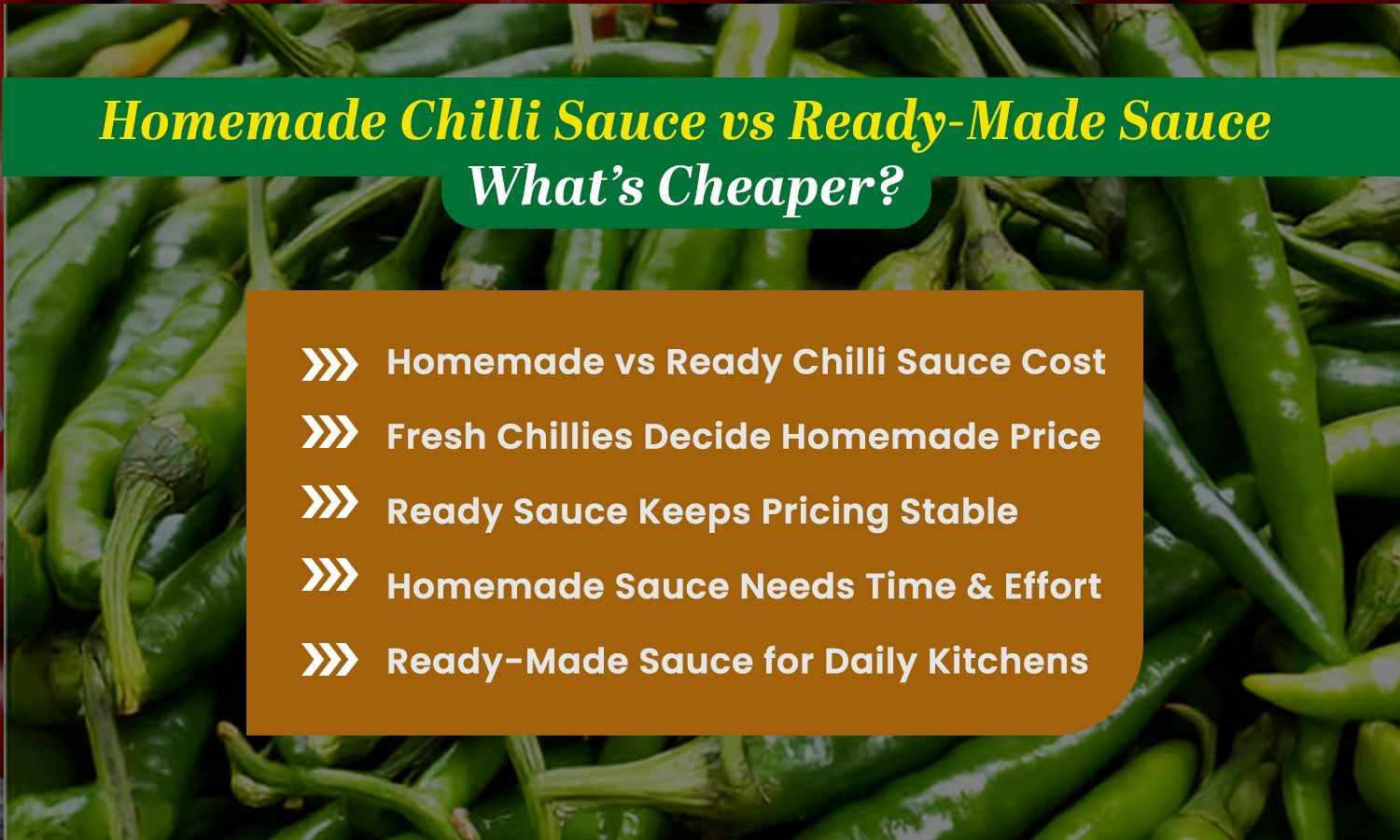
Homemade Chilli Sauce vs Ready-Made Sauce – What’s Cheaper?

Choosing between homemade sauce and ready-made sauce involves more than just money. Homemade chilli sauce can be economical when fresh chillies are affordable. You control the spice level and avoid preservatives.The preparation involves grinding chillies with vinegar and seasoning, followed by slow cooking to preserve flavour. However, costs can add up when chillies are expensive or when you factor in fuel and labour time. On the other hand, ready-made sauces are manufactured at scale, which often keeps the price of chilli sauce per kg stable and predictable.Packaged sauces save time, have a longer shelf life, and ensure consistent taste. For frequent users, a ready-made option like SGR 777 chilli sauce may be more convenient and cost-effective in the long run, especially if your household uses chilli sauce daily. A good spicy chilli sauce brings bold heat to everyday meals whether you make it fresh or buy it ready.
chilli sauce price

Where to Buy Chilli Sauce Online at the Best Price?

To get the best chilli sauce price online, start by comparing prices per kg across platforms rather than just looking at the bottle tag. Many online grocery apps and marketplaces let you filter by price, pack size, and customer ratings, which helps narrow down the most economical options.Purchasing during festive sales or using combo packs can further reduce the per kg cost. Pay attention to ingredient lists and sodium levels as well, since some products may add sugar or stabilisers.A consistently priced option with clear ingredient practices like SGR 777 chilli sauce, available on official brand stores and select grocery platforms, is often priced around ₹90–₹120 per kg, making it a reliable choice for everyday cooking needs. Comparing the hot chilli sauce price across stores is the easiest way to lock in the best chilli sauce price for your kitchen.

Conclusion

Understanding the chilli sauce price in India helps you make informed choices based on quality, quantity, and usage needs. Prices generally range from ₹80 to ₹180 per kg, with factors like pack size, ingredients, and sales offering opportunities to save.Comparing shop and online prices and weighing homemade vs ready-made options gives you a balanced view. Choosing reliable, consistently priced options such as SGR 777 chilli sauce can make everyday cooking spicier and more satisfying without overspending.

Key Takeaways

  • Chilli sauce price in India usually ranges from ₹80 to ₹180 per kg
  • Larger bottles often offer better value than smaller packs
  • Online platforms make price comparison and search easier
  • Homemade sauce is good for customised heat and occasional use
  • Ready-made sauces like SGR 777 balance flavour, price, and reliability

FAQs

Why is chilli sauce expensive? Chilli sauce prices rise due to chilli quality, processing, packaging, and shelf-life stability.
What is the shelf life of chilli sauce? Unopened bottles can last several months; once opened, refrigerate and use within a few weeks.
What are the benefits of chilli sauce? Chilli sauce adds heat and flavour, potentially reducing the need for excess salt or fats when used in moderation.
Is chilli sauce high in sugar? Some sauces include added sugar. Checking the label helps you choose options with lower sugar levels.
Can I convert chilli paste to chilli sauce? Yes. By adding vinegar, seasoning, and cooking gently, chilli paste can be turned into a sauce-like consistency.

Different Types of Sauces in India

Introduction :

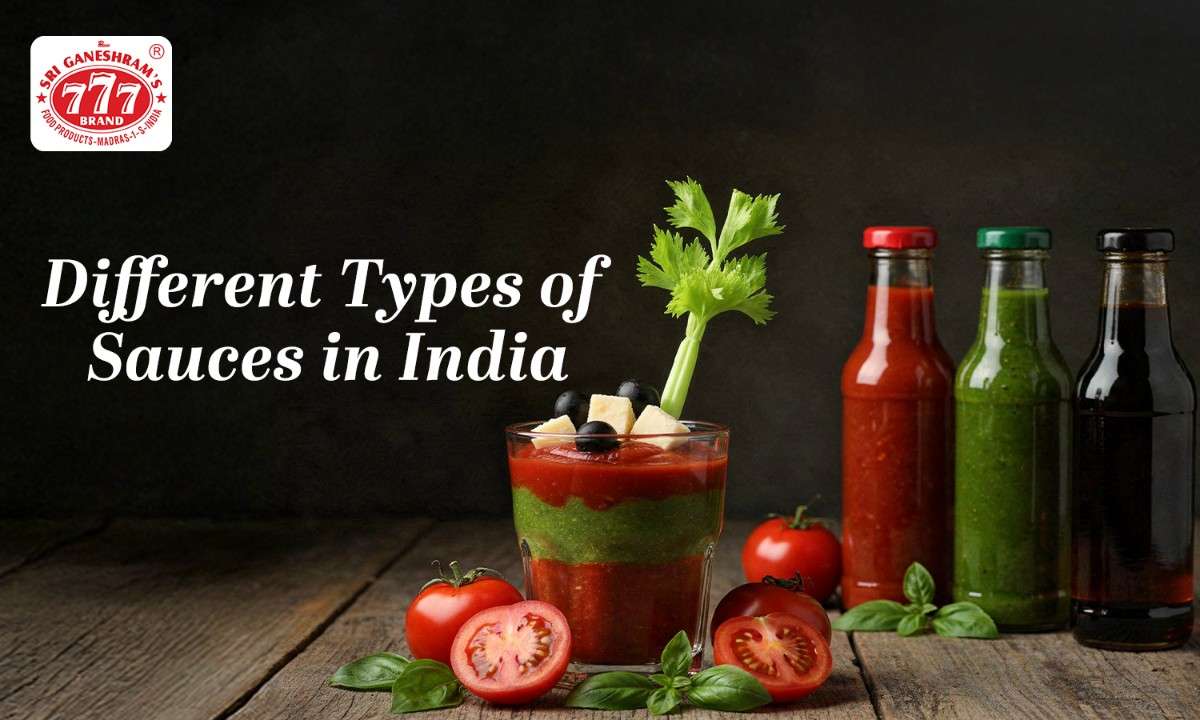
Today, sauces can be considered an integral component of Indian cuisine. The ever-changing nature of food habits has led to the widespread use of sauces. Although chutneys or gravies continue to occupy prime positions as sauces in traditional Indian cuisine, modern sauces also find numerous applications in Indian cuisine.Knowledge of the common types of sauces consumed in India will make it easy for anyone to make the right selection. This blog explains the sauces consumed in Indian kitchens. types of sauces

Types of Sauces

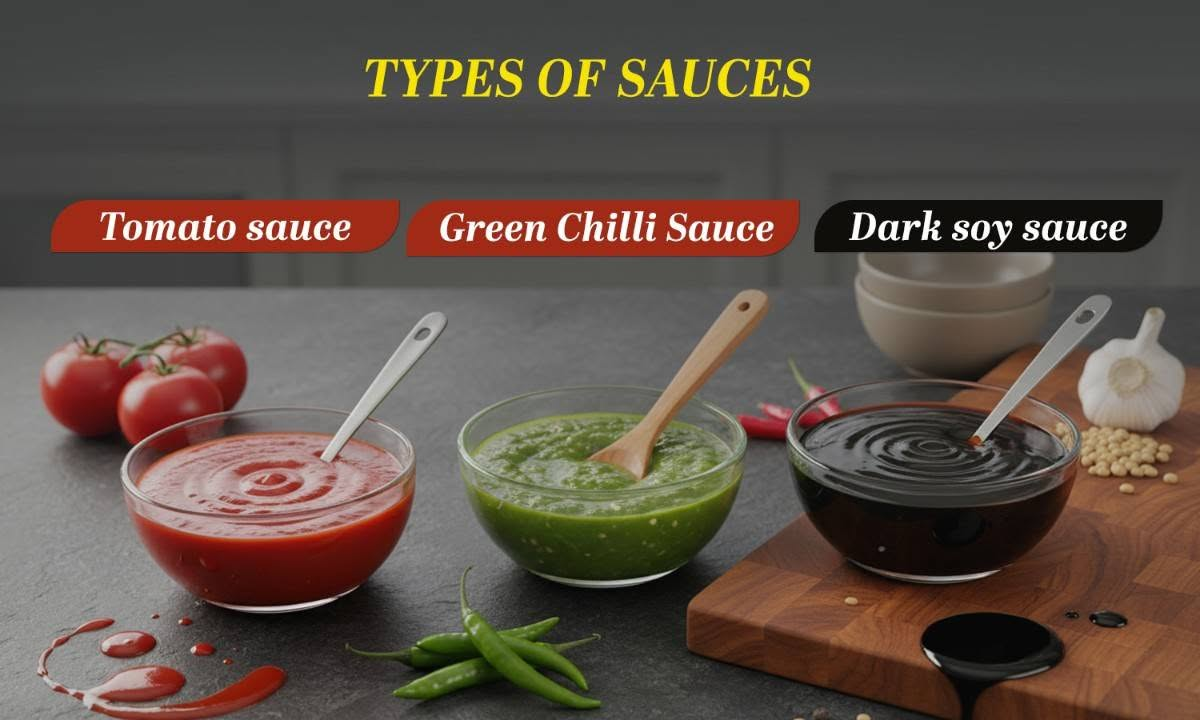
India has a combination of traditional saucy flavours and a range of western sauces. Among those, tomato sauce, green chilli sauce, and dark soy sauce are the most widely utilized sauces.

1. Tomato Sauce

Tomato sauce is one of those sauces that are most commonly found in an Indian household. This sauce is prepared using ripe tomatoes and has a mild sweetness and subtle tanginess, which makes it quite appealing to all age groups. This sauce has no specific taste, which makes it quite versatile.Tomato sauces were adopted in India with the development of processed foods. Over the years, tomato sauce has evolved beyond being a dip product and has become a staple in many cuisines.It is made by cooking tomatoes until they are soft, peeling off the skin, and simmering the flesh in salt and mild seasonings. This way, it thickens on its own and has a great flavour. It is also often made at home to use as a sauce.The primary advantages of tomato sauce are its convenience and versatility. Tomato sauce can be considered a topping to snacks such as cutlets, sandwiches, as well as a component to top noodles or even to prepare quick gravy. If utilized properly, tomato sauce is a good complement to a meal, adding to its flavour. In the Indian market, tomato sauces are always priced under a medium category, with SGR 777 tomato sauces being amongst those that offer great quality with a realistic price tag.

2. Green Chilli Sauce

Green chili sauce is a favourite of those who like a lot of heat and taste. It consists of only three ingredients – green chilies, vinegar, and salt. When you add it to food, it provides an instant explosion of heat and taste.This sauce was later introduced to India through Indo-Chinese cuisine and is quite popular in cities. The sauce gradually spread into restaurants, food stalls, and finally into households.Green chilli sauce is made from ground green chilies mixed with vinegar and seasoning, cooked slowly to preserve its flavor, which is quite strong. It is also referred to as ‘green sauce’ since, unlike other sauces, its use is limited because it has a strong flavor.It is commonly used in fried rice, noodles, momos, and snacks. Many people regard it as the best chilli sauce for Indo-Chinese cuisine. Health-wise, it is utilized as a condiment, and it doesn’t require much, hence the utilization of excess amounts of salt or oil. Readymade packs of this sauce can be found everywhere, and it’s wise to buy those brands that clearly state their practices on using ingredients. In some recipes, a milder variation like sweet chilli sauce is also used for balance.

3. Dark Soy Sauce

Dark soy sauce is thicker, darker, and richer than regular soy sauce. Sometimes referred to as Black sauce, it is mainly used to add colour and depth rather than saltiness.Soy-based sauces entered Indian cooking through Chinese and Southeast Asian influences. Dark soy sauce became popular as Indo-Chinese dishes gained acceptance across the country.

It is prepared through the extended fermentation of soybeans and grains, followed by aging. This longer process results in its deep colour and slightly sweet taste. Among various sauce varieties, dark soy sauce stands out for its visual impact.

Dark soy sauce is used in stir-fries, noodles, and gravies where appearance matters. People also look at the benefits of soy sauce, such as enhancing flavour without heavy seasoning. When used in moderation, it fits well into everyday cooking without overpowering dishes.

Conclusion

The different types of sauces used in India reflect how cooking has adapted to modern needs while keeping flavour at the centre. Each sauce has a specific role, whether it is adding sweetness, heat, or richness. Using sauces in balance helps improve taste and presentation without overwhelming dishes. Choosing reliable brands like SGR 777, which focus on consistency and practical pricing, makes it easier for households to enjoy everyday cooking with confidence and convenience.

Key Takeaways

  • India uses a mix of traditional and modern types of sauces influenced by global and local cooking styles
  • Tomato sauce is mild, versatile, and widely used in everyday meals
  • Green chilli sauce adds sharp heat and is commonly used in Indo-Chinese dishes
  • Dark soy sauce is mainly used for colour and depth rather than saltiness
  • Choosing sauces with balanced ingredients and practical pricing makes them suitable for regular household use

FAQs

What are the 5 main types of sauce?The five main types of sauces are tomato-based sauces, chilli sauces, soy-based sauces, herb-based sauces, and fermented sauces.
Which sauce is best for pasta?Tomato-based sauces are best for pasta because they pair well with vegetables, herbs, and mild seasonings.
What is sauce and its types?A sauce is a liquid or semi-liquid preparation used to enhance flavour, colour, or texture. Types vary based on ingredients and preparation methods.
What are traditional sauces?Traditional sauces include chutneys, gravies, and region-specific preparations commonly used in Indian cuisine.
What are Indian sauces?Indian sauces include tomato sauce, chilli sauces, soy-based sauces used in Indo-Chinese cooking, and traditional regional sauces.

How to Make Fresh Tomato Sauce: Quick & Healthy Recipe

Introduction :

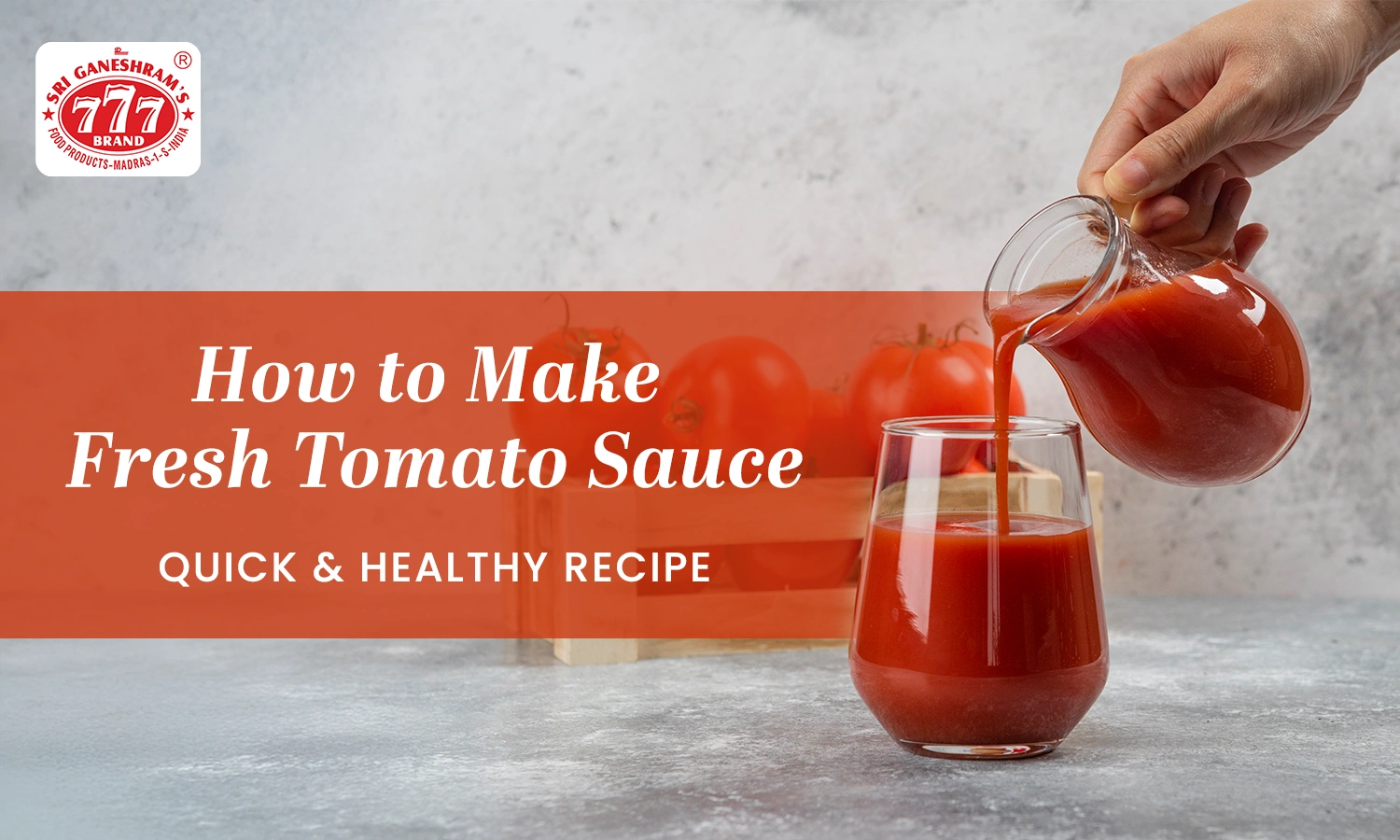
Making fresh tomato sauce at home is one of the easiest ways to improve both taste and quality in everyday cooking. Unlike store-bought sauces, homemade versions do not rely on preservatives, excess sugar, or artificial flavours.
When you prepare sauce using fresh tomatoes, you control the ingredients, texture, and flavour. This guide explains how to make fresh tomato sauce quickly, how it tastes compared to packaged sauces, and how you can use it across different recipes.

How to Make Fresh Tomato Sauce at Home?

Preparing fresh tomato sauce at home does not require special tools or complicated steps. The process focuses on using ripe tomatoes and slow cooking to bring out natural flavour.A standard homemade tomato sauce recipe usually begins with blanching the tomatoes to easily remove their skins, followed by a gentle simmer with garlic, basil, and a touch of olive oil. By following a traditional tomato sauce recipe, you avoid the high sodium and corn syrup typically found in store-bought jars. This results in a much more healthy tomato sauce that retains its natural lycopene and vitamin content, providing a nutrient-dense addition to your pasta or stews.
For those looking to elevate the quality of their homemade tomato sauce, using vine-ripened, pesticide-free produce is key. Opting for an organic tomato sauce base ensures that the final product is free from synthetic additives, allowing the bright, acidic, and sweet notes of the fruit to shine through. Mastering this simple kitchen skill gives you total control over your ingredients, turning a few humble pantry staples into a gourmet foundation for your favorite meals.
When made properly, the sauce feels light, clean, and adaptable to many dishes. Whether used immediately or stored for a short time, it works well as a base for daily cooking.

What Ingredients Are Needed to Make Fresh Sauce

To make fresh tomato sauce, you only need a few basic ingredients. Fresh, ripe tomatoes are the foundation and determine the final taste. Along with tomatoes, you will need garlic, salt, and a small amount of oil.
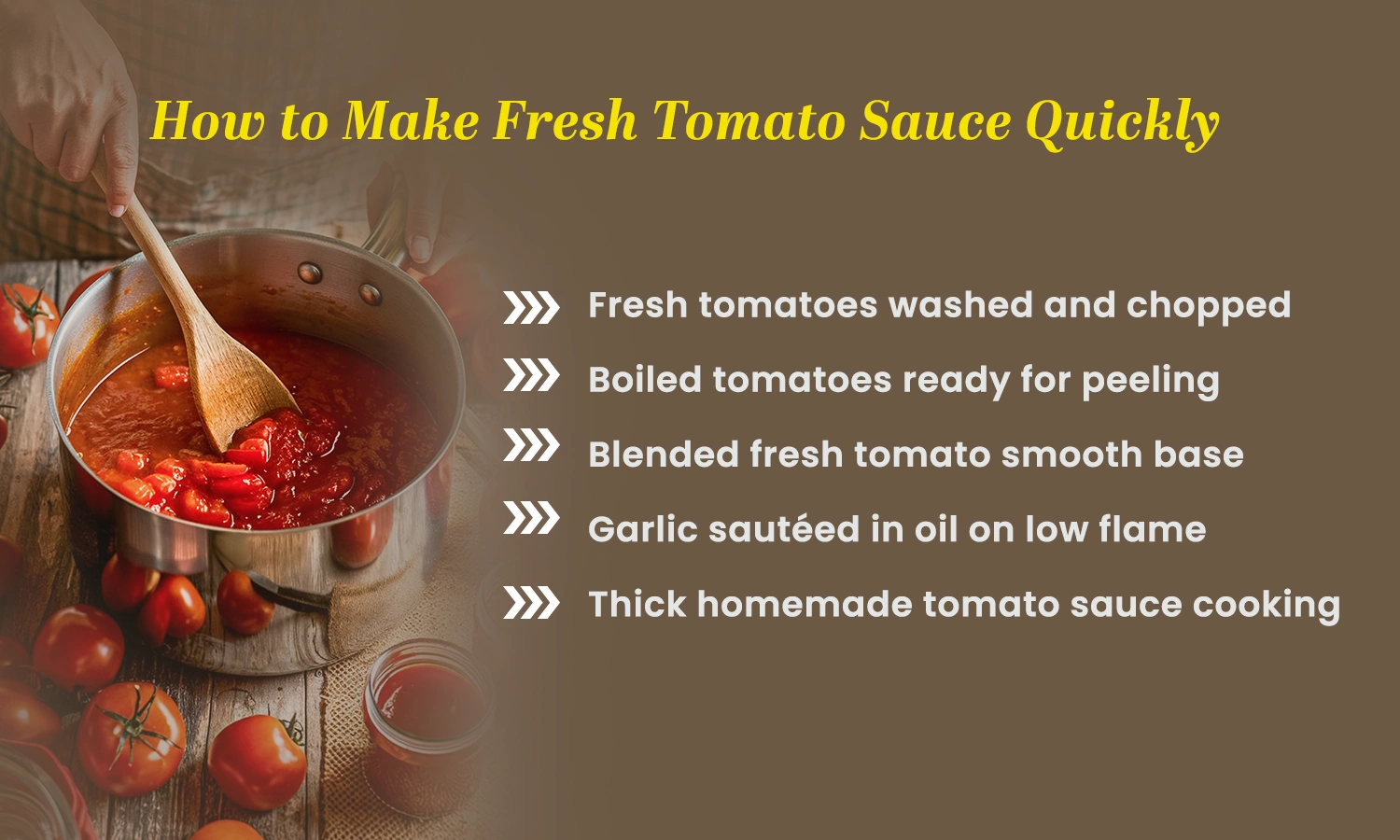
If time is limited, fresh tomato sauce can still be prepared efficiently. Start by washing and chopping fresh tomatoes. Boil them until soft, allow them to cool slightly, and peel off the skin. Blend the tomatoes into a smooth base to create a tomato sauce from fresh tomatoes. Fresh Tomato Sauce

How to Make Fresh Tomato Sauce Quickly

If time is limited, fresh tomato sauce can still be prepared efficiently. Start by washing and chopping fresh tomatoes. Boil them until soft, allow them to cool slightly, and peel off the skin. Blend the tomatoes into a smooth base to create a tomato sauce from fresh tomatoes.Heat a pan on low flame, add oil, and lightly sauté garlic. Pour in the blended tomatoes and cook gently while stirring. Within 20–25 minutes, the sauce thickens naturally. This quick method gives you a homemade tomato sauce that is suitable for immediate use. Since it uses minimal oil and no sugar, it also works as a low calorie sauce option.
Fresh Tomato Sauce

How Does Fresh Tomato Sauce Taste Compared to Other Sauces?

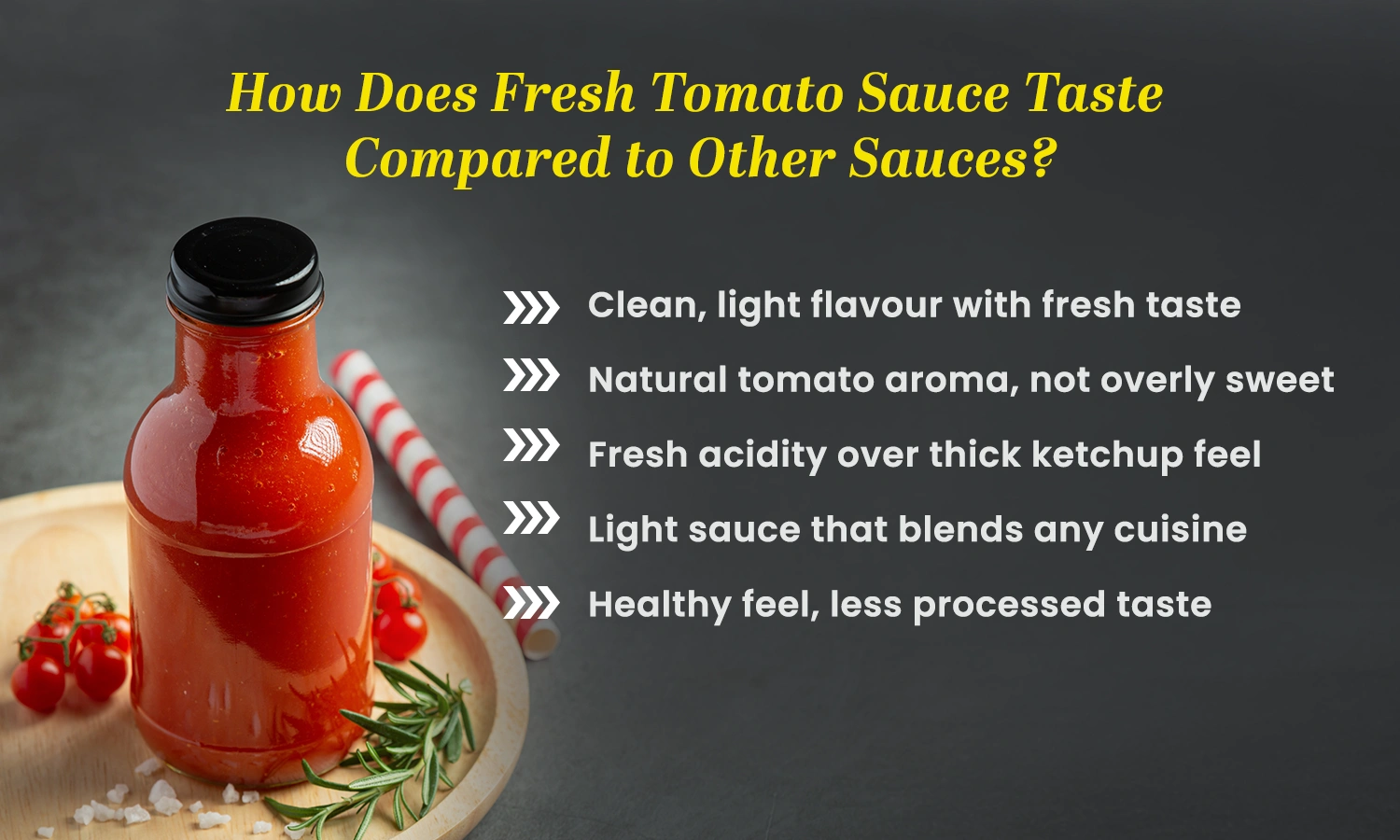
The taste of fresh tomato sauce is noticeably different from packaged sauces. It has a cleaner, lighter flavour and a natural tomato aroma. Unlike tomato ketchup, which is sweeter and thicker, fresh sauce highlights acidity and freshness.

This makes it a natural sauce that blends easily into different cuisines. Many people prefer it as a healthy tomato sauce because it does not feel heavy or overly processed.

How to Use Fresh Tomato Sauce in Recipes

One of the biggest advantages of fresh tomato sauce is its versatility. It can be used as a base for pasta, curries, vegetable stir-fries, or even rice dishes.
You can season it differently depending on the recipe, which is why many consider it the best tomato sauce for daily cooking. Since it is lightly seasoned, it adapts well without clashing with other ingredients, making it suitable for both Indian and international dishes.

Conclusion

Making fresh tomato sauce at home is a practical and healthy choice for everyday meals. With minimal ingredients and simple steps, it delivers natural flavour, flexibility, and freshness that packaged sauces often lack.
Whether used immediately or stored briefly, fresh tomato sauce fits easily into regular cooking while keeping meals light and balanced. For those times when a ready-made option is needed, choosing a brand like 777 Foods, known for consistency and clear ingredient practices, helps maintain similar quality and reliability in everyday cooking.

Key Takeaways

  • Fresh tomato sauce uses simple, natural ingredients
  • Fresh tomatoes give better flavour and texture
  • Quick preparation makes it suitable for daily cooking
  • Lighter taste compared to packaged sauces
  • Easy to adapt across multiple recipes

FAQs

How to make a tomato sauce tastier?

Slow cooking and using ripe tomatoes naturally improve flavour without adding extra ingredients.

How to improve the taste of tomato sauce?

Balancing acidity with proper cooking time and gentle seasoning helps enhance taste.

What is the most common mistake in sauce making?

Cooking on high heat can burn the sauce and affect the flavour.

Why add baking soda to tomato sauce?

A small pinch is sometimes used to reduce acidity, but it should be used carefully.

How to add flavor to homemade tomato sauce? Adding garlic, herbs, or a small amount of oil during cooking enhances flavour naturally.