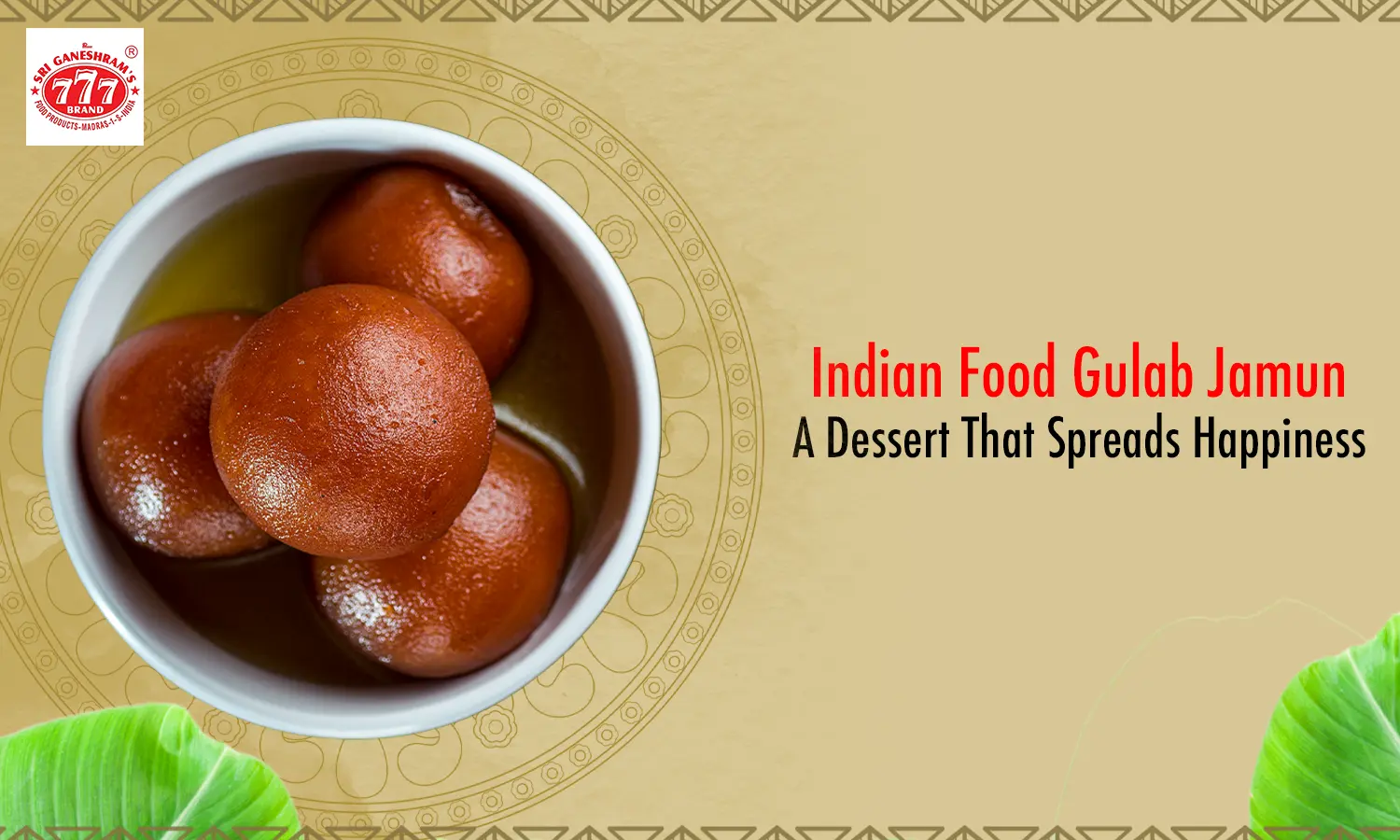
Indian Food Gulab Jamun: A Dessert That Spreads Happiness

Why Indian Food Gulab Jamun is Loved Worldwide

Among countless Indian sweets, Indian food gulab jamun stands as a universal favorite. This melt-in-mouth delicacy, soaked in sugary syrup, is not just a dessert but a symbol of celebration. Whether it’s birthdays, weddings, or festivals, the presence of dessert gulab jamun makes every occasion sweeter.

Its soft texture and caramelized flavor have even inspired modern twists like gulab jamun cake, gulab jamun cheesecake, and even cake with gulab jamun layers.

What is the Origin of Gulab Jamun

The history of gulab jamun traces back to medieval India, with roots believed to be influenced by Persian and Turkish desserts. The term itself comes from Persian words “Gul” (flower) and “Ab” (water), referring to the rose-scented syrup.

Over time, it became a staple gulab jamun food across India and eventually gained worldwide recognition. Today, whether it’s a traditional bread gulab jamun or a quirky bun gulab jamun, its identity remains deeply tied to Indian culture.

How Many Calories are in One Gulab Jamun

If you’re calorie-conscious, it’s worth noting that 1 gulab jamun calories generally range from 150–175 depending on preparation. The exact calories in one gulab jamun vary if it’s made from khoya, gulab jamun from milk powder, or experimental versions like almond flour gulab jamun. While it’s undeniably delicious, moderation is key to enjoying it guilt-free.

Health Benefits and Risks of Eating Indian Food Gulab Jamun

Like every sweet indulgence, Indian food gulab jamun comes with both positives and drawbacks.

Health Benefits :

  • Made from milk solids or gulab jamun from milk powder, it provides calcium and protein that support bone strength.
  • During celebrations, enjoying this dessert gulab jamun can bring emotional happiness and reduce stress levels.​
  • Variations like almond flour gulab jamun or sugar free gulab jamun offer healthier alternatives for those who want to indulge guilt-free.
  • Some modern fusions, such as gulab jamun fruit pairings, add vitamins and freshness to the sweet.

Health Risks :

  • Traditional fried recipes increase cholesterol and fat intake.
  • High sugar content can lead to weight gain, diabetes, or dental issues if consumed regularly.
  • A dessert gulab jamun typically packs around 150–175 calories per piece, making portion control important.
  • Overconsumption can easily turn it from a festive treat into a health concern.

The key is moderation. Enjoy the richness of gulab jamun during special occasions, but opt for lighter versions like sugar free gulab jamun when you want to satisfy your sweet tooth more often.
Indian food gulab jamun

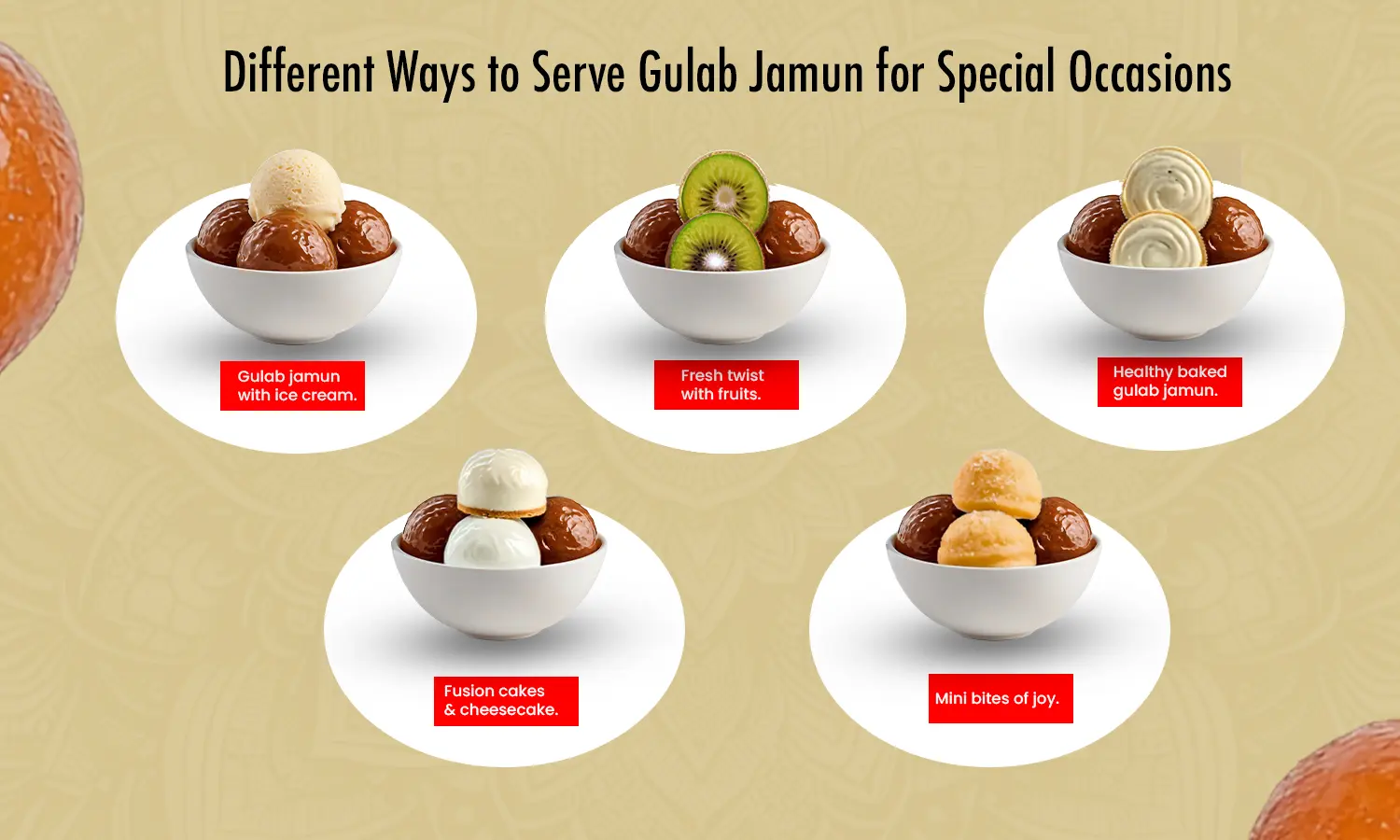
Different Ways to Serve Gulab Jamun for Special Occasions

The versatility of Indian food gulab jamun is what makes it stand out. For instance:

  • Serve warm gulab jamun with vanilla ice cream for a perfect East-meets-West dessert.
  • Create a gulab jamun dessert platter with fruits like gulab jamun banana for a refreshing twist.
  • Experiment with baked versions such as almond flour gulab jamun for healthier indulgence.
  • Festive bakers are even exploring gulab jamun cake and gulab jamun cheesecake, while some prefer mini gulab jamun to serve in bite-sized delight.

No matter the form, the joy of Indian food gulab jamun lies in its ability to bring people together and spread happiness with every bite.

FAQs

What does gulab jamun taste like? Gulab jamun has a rich, soft, and spongy texture with a caramelized flavor, soaked in rose-scented syrup.
Is gulab jamun junk food or not? When eaten occasionally, gulab jamun is a festive treat. But frequent indulgence, especially without options like sugar free gulab jamun, can make it unhealthy.
Which is tastier, rasgulla or gulab jamun? It depends on personal preference. Rasgulla is light and spongy, while gulab jamun is rich and syrupy.
Which sweet is good for health? Alternatives like sugar free gulab jamun or those made with almond flour gulab jamun are better choices for health-conscious sweet lovers.
What do we call gulab jamun in English? There isn’t a direct English translation, but it’s often described as “milk-solid-based sweet balls soaked in syrup.”
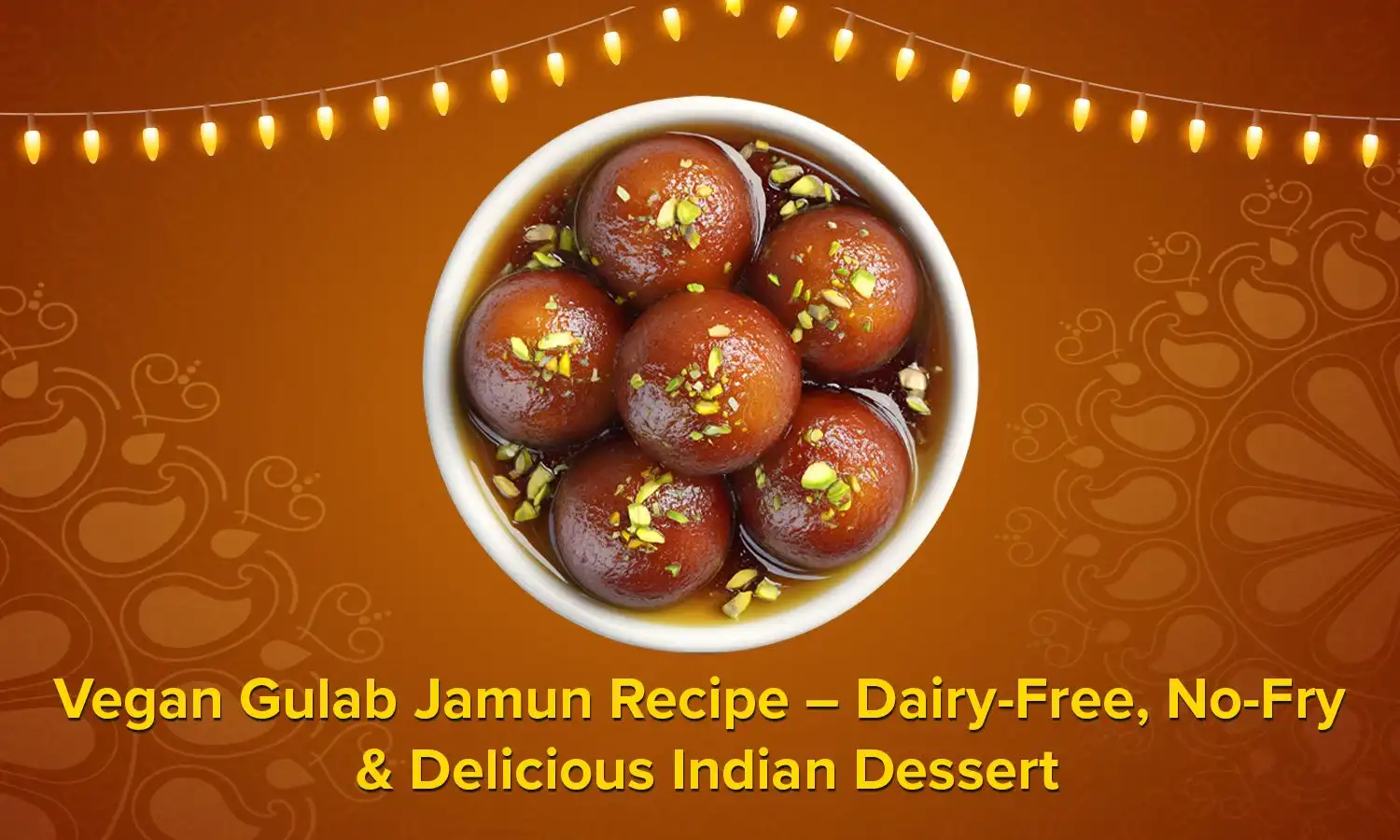
Vegan Gulab Jamun Recipe – Dairy-Free, No-Fry & Delicious Indian Dessert

Every Indian festival table feels incomplete without a plate of soft, syrup-soaked gulab jamun. Traditionally made with milk solids and fried in ghee, this dessert has been loved for generations. But times are changing – and so are our kitchens. Today, more people are embracing plant-based choices, and vegan gulab jamun is becoming a favorite for those who want to enjoy authentic taste without dairy. This isn’t just about replacing ingredients; it’s about keeping tradition alive while making it accessible to everyone. At 777 Foods, where authenticity meets modern convenience, our approach to desserts like gulab jamun blends heritage cooking with thoughtful innovations, so you get all the flavor, minus the dairy.

What is Vegan Gulab Jamun?

Vegan gulab jamun is a plant-based twist on the beloved Indian sweet, made without milk, khoya, or paneer. Instead, it uses vegan alternatives like almond or soy milk powder, plant-based ghee substitutes, and dairy-free yogurt to create the same soft, melt-in-your-mouth texture.If you’ve tried the classic gulab jamun Indian sweet, you know it’s more than a dessert—it’s an emotion. The vegan version captures that same feeling, ensuring that those following plant-based diets or with lactose intolerance can still savor every bite. Whether you use a vegan gulab jamun mix or prepare it from scratch, the goal is the same: rich flavor, soft texture, and fragrant syrup. vegan gulab jamun

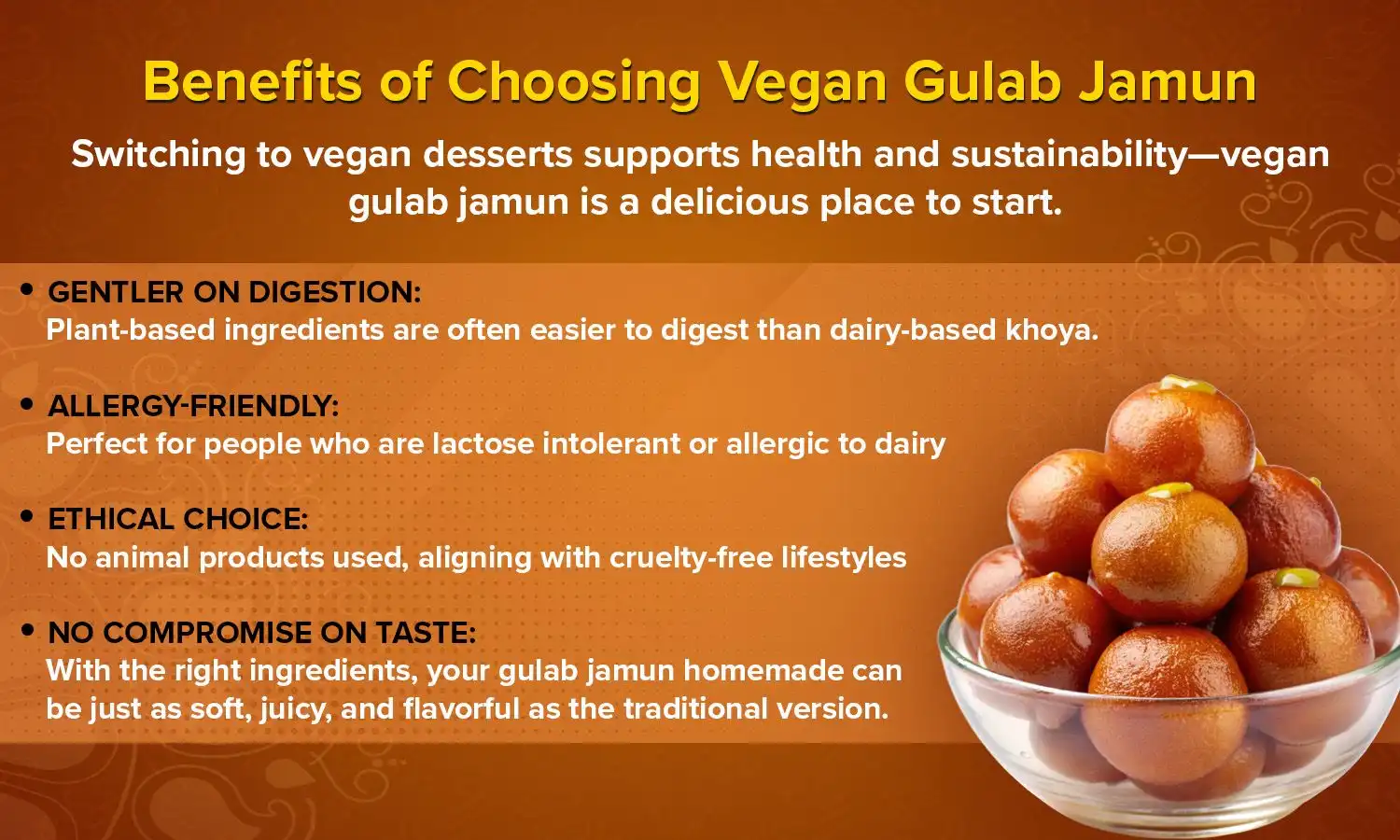
Benefits of Choosing Vegan Gulab Jamun

Switching to vegan desserts isn’t just for those avoiding dairy—it’s a step towards healthier and more sustainable eating. Here’s why vegan gulab jamun is worth trying:

  • Gentler on Digestion: Plant-based ingredients are often easier to digest than dairy-based khoya.
  • Allergy-Friendly: Perfect for people who are lactose intolerant or allergic to dairy.
  • Ethical Choice: No animal products used, aligning with cruelty-free lifestyles.
  • No Compromise on Taste: With the right ingredients, your gulab jamun homemade can be just as soft, juicy, and flavorful as the traditional version.

And with ready-to-use options like gulab jamun packet mixes from trusted brands, you can save time while ensuring authentic taste.

Ingredients for Gulab Jamun :

Here’s what you’ll need for a batch of vegan gulab jamun (serves 12–15 pieces):

  • 1 cup plant-based milk powder (almond or soy)
  • ¼ cup all-purpose flour
  • ½ tsp baking soda
  • 2 tbsp dairy-free yogurt
  • 2 tbsp vegan butter or coconut oil
  • 1½ cups water
  • 3–4 crushed cardamom pods
  • A few drops of rose water

If using gulab jamun from mix, check the label for vegan-friendly ingredients. Trusted options like gulab jamun mix or gulab jamun powder make the process even easier.

Step-by-Step Gulab Jamun Recipe :

1. Prepare the Syrup:

  • In a deep pan, combine sugar and water.
  • Add cardamom pods and simmer until slightly thickened.
  • Stir in rose water and turn off the heat.

Make the Dough:

  • In a bowl, mix milk powder, flour, and baking soda.
  • Add vegan butter and dairy-free yogurt.
  • Knead gently into a soft dough. Avoid overmixing to keep it light.

Shape the Jamuns:

  • Roll small balls, ensuring no cracks. This ensures even cooking.

Cook the Jamuns:

vegan gulab jamun

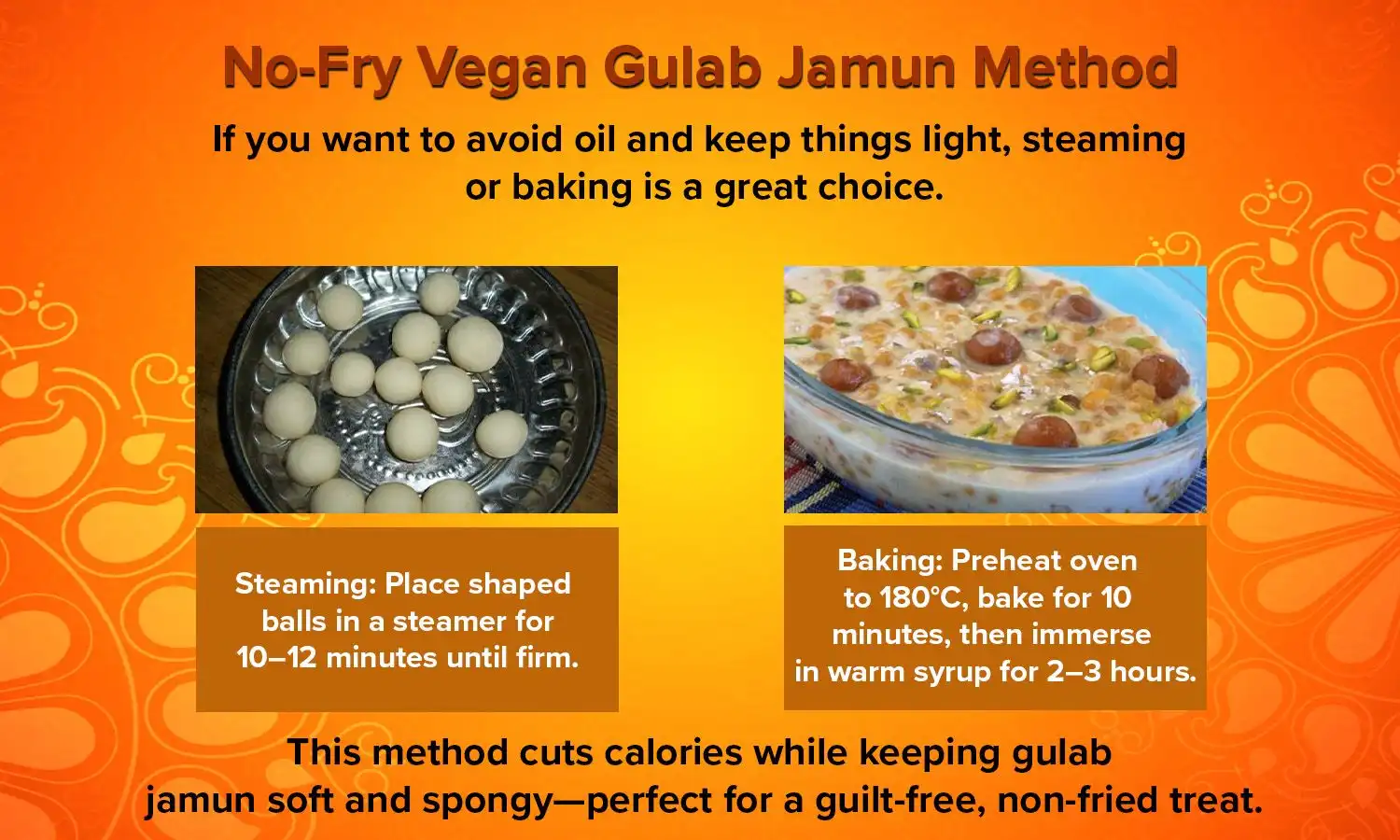
No-Fry Vegan Gulab Jamun Method

If you want to avoid oil and keep things light, steaming or baking is a great choice.

  • Steaming: Place shaped balls in a steamer for 10–12 minutes until firm.
  • Baking: Preheat oven to 180°C, bake for 10 minutes, then immerse in warm syrup for 2–3 hours.

This method not only reduces calories but also keeps the texture soft and spongy. It’s perfect for those who want a guilt-free dessert without deep-frying.

Tips for Perfect Vegan Gulab Jamun Texture

  • Do not over-knead; this makes the jamuns dense.
  • Always immerse in warm, not boiling, syrup so they soak evenly.
  • Let them rest in syrup for at least 2 hours before serving for best flavor.

Common Mistakes to Avoid :

  • Too Much Baking Soda: Can cause cracks and a soapy taste.
  • Overcooking: Leads to hard centers.
  • Cold Syrup: Won’t absorb properly; always keep it warm when adding jamuns.

How to Store and Reheat Vegan Gulab Jamun

  • Store in an airtight container in the refrigerator for up to 5 days.
  • To reheat, warm the syrup slightly and let the jamuns sit for 5–10 minutes before serving.
  • Avoid microwaving directly, as it can make them dry.

If you’re buying instead of making, check the gulab jamun price on trusted brands, ensuring you’re getting quality ingredients and freshness.

Key Takeaways

  • Vegan gulab jamun offers the same traditional flavor without dairy.
  • Choose quality ingredients or a trusted vegan gulab jamun mix for the best results.
  • No-fry methods make the dessert lighter yet equally delicious.
  • Let the jamuns rest in warm syrup for at least 2 hours before serving.
  • Store in the fridge and reheat gently for the perfect soft texture.

FAQs

1. What Is an Interesting Fact About Gulab Jamun?

The name comes from Persian words “Gul” (flower) and “Aab” (water), referring to rose-flavored syrup. Whether you make it traditional or gulab jamun vegan, the essence remains sweet and fragrant.

2. Can Vegans Eat Gulab Jamun?

Yes, with plant-based substitutes like almond milk powder and vegan butter, vegan gulab jamun is entirely dairy-free yet retains the authentic taste.

3. How Long Can Vegan Gulab Jamun Be Stored?

When stored in an airtight container in the fridge, vegan gulab jamun stays fresh for up to 5 days without losing its softness.

4. In Which Country Gulab Jamun Was First Made?

While popular in India, gulab jamun traces its origins to Persia. Over centuries, it became a beloved gulab jamun Indian sweet across South Asia.

5. In Which State Is Gulab Jamun Famous?

It’s enjoyed nationwide, but states like Uttar Pradesh and West Bengal are particularly famous for their variations of gulab jamun home made and shop-bought versions.