In every Indian kitchen, there’s one ingredient that finds its way into almost every meal, the turmeric powder. Used for centuries, turmeric powder in Indian cooking is not just about color or taste; it carries warmth, healing, and heritage in every pinch.From simple home meals to festive dishes, turmeric has a special place in our hearts—and our spice boxes. Let’s look at how this golden spice brings life to traditional recipes, and how you can bring turmeric powder in Indian cooking. 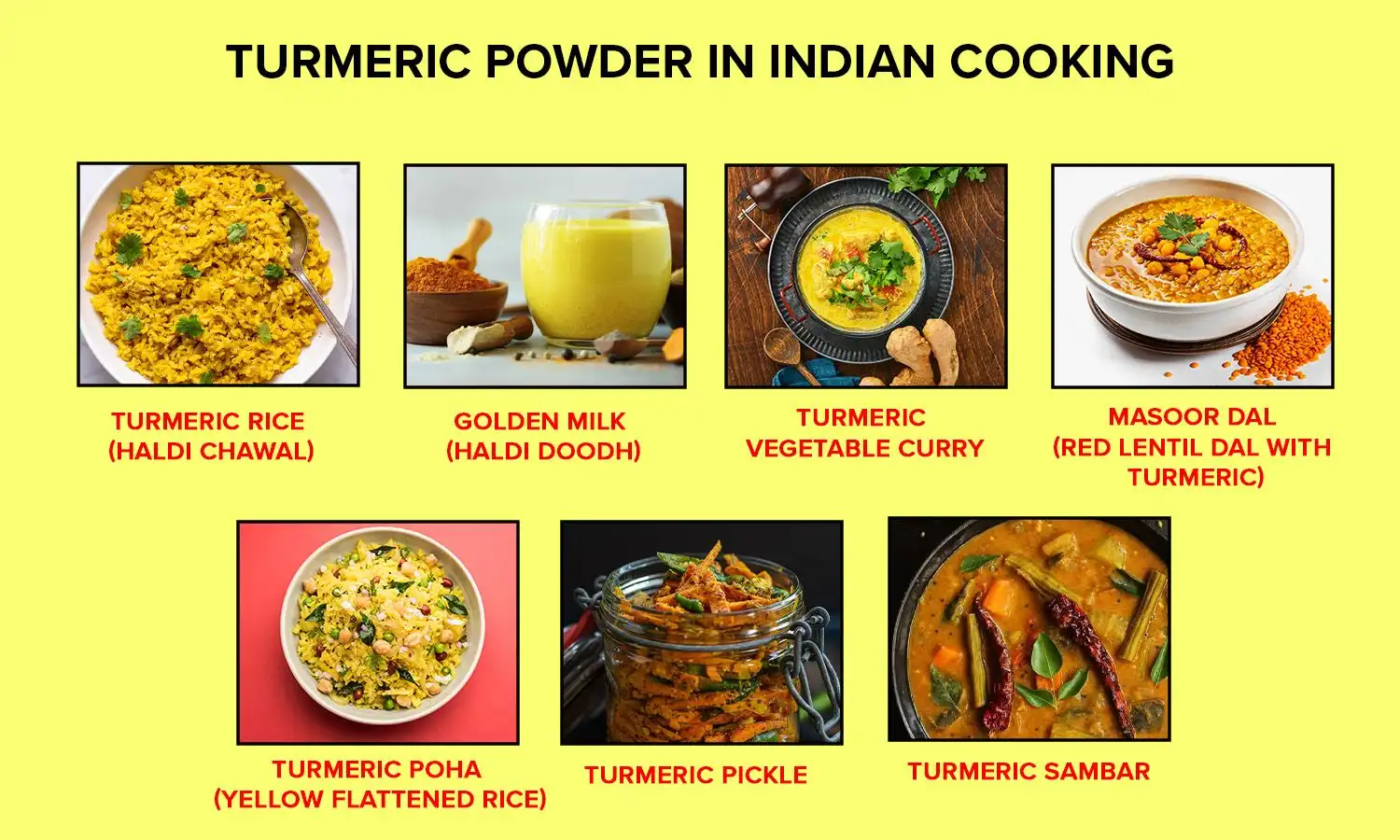
1. Turmeric Rice (Haldi Chawal)
Turmeric rice is an all time comfort food its nothing but rice with turmeric powder, and is both simple and nourishing. A few whole spices, basmati rice, and a pinch of pure turmeric powder are all you need. This classic turmeric powder rice is not just delicious ,it’s a gentle, healing option when you’re feeling under the weather. This is also one way to add turmeric powder in Indian cooking.
2. Golden Milk (Haldi Doodh)
The second most efficient way to add turmeric powder in Indian cooking which is known across the world today as a health trend, turmeric golden milk has always been a bedtime tradition in Indian households. Made with warm milk, a pinch of organic turmeric powder, and a dash of black pepper, the turmeric milk is perfect for winding down.This turmeric milk drink is especially helpful during the monsoon or winter season. Rich in antioxidants, it soothes the throat, supports sleep, and feels like a warm hug after a long day.
3. Turmeric Vegetable Curry
When it comes to sabzis, turmeric in vegetables is almost a given. From aloo gobi to baingan bharta, that sprinkle of yellow does more than just add color—it helps in digestion and enhances flavor, this is how to add turmeric powder in Indian cooking in a delicious way.No, turmeric is not a vegetable, but it’s a must-have in most vegetarian dishes. Add it while sautéing onions and tomatoes to release its earthy flavor into the dish. The secret to many sabzis tasting “just like home” is often hidden in that pinch of pure organic turmeric powder.
4. Masoor Dal (Red Lentil Dal with Turmeric)
Dal masoor, or red lentils, paired with turmeric, is the heart of many weekday meals. This simple recipe is tempered with cumin, garlic, and turmeric which is both light and hearty.You can also switch things up by using black masoor dal and still benefit from turmeric’s anti-inflammatory properties. Whether it’s lunch or dinner, a bowl of hot dal with turmeric feels like coming home.
5. Turmeric Poha (Yellow Flattened Rice)
Poha is a breakfast favorite across many Indian states. Add the best turmeric powder to your poha while cooking, and watch it turn golden, fluffy, and full of flavor. The turmeric not only gives it its signature color but also aids digestion, making it perfect for mornings.
With a few curry leaves, mustard seeds, peanuts, and a squeeze of lime, turmeric transforms this humble dish into a comforting meal , and that’s how you can add turmeric powder in Indian cooking , to make a nationwide favourite breakfast .
6. Turmeric Pickle
Pickles are one of the oldest methods of preserving seasonal produce, and green turmeric pickle or haldi ka achar which is a true delicacy during winter.
The ingredients include sliced green turmeric, mustard oil, salt, and some other spices, making this pickle full of health benefits , which makes turmeric powder in Indian cooking a healthy choice . If you’ve never tried it, it’s time to discover this hidden gem of Indian cuisine. A spoonful of this alongside rice or paratha is a burst of flavor and tradition.
7. Turmeric Sambar
No South Indian kitchen is complete without sambar, and no sambar is complete without turmeric. Whether it’s a weekday meal or a festive spread, sambar gets its depth of flavor and color from turmeric.A spoon of the best turmeric powder from 777 brings balance to the spices, enhancing the lentils and vegetables while also aiding digestion. Paired with rice or idli, turmeric-rich sambar is the perfect example of health and taste working together.
Why Turmeric Is Essential in Indian Cooking
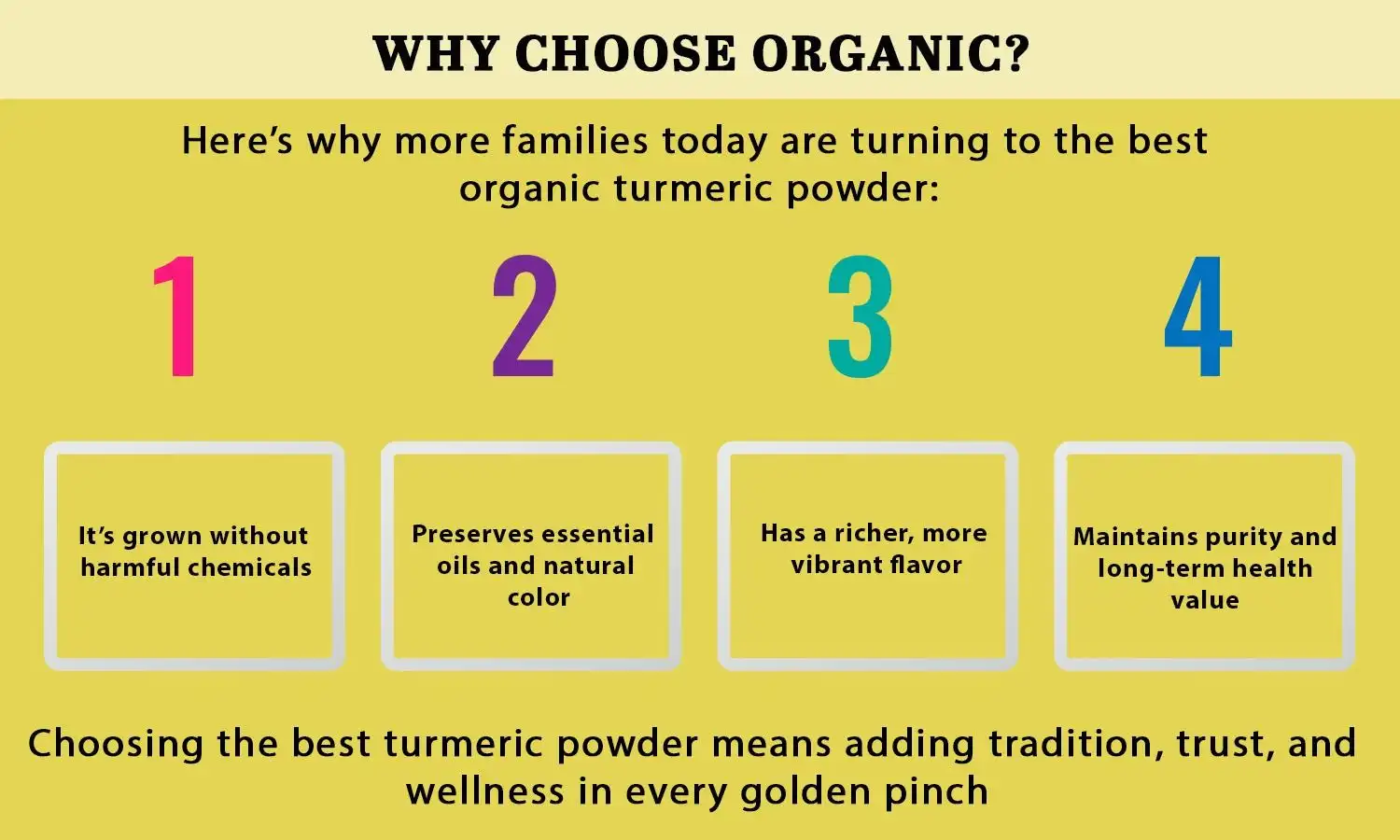
Turmeric powder in Indian cooking isn’t just about the golden hue it’s about the history behind every meal. From healing properties to enhancing flavor, turmeric powder in Indian cooking is both symbolic and practical.At 777 Foods, we believe in preserving these traditional practices. That’s why we use pure turmeric powder, carefully sourced and processed to retain its natural aroma, flavor, and goodness.
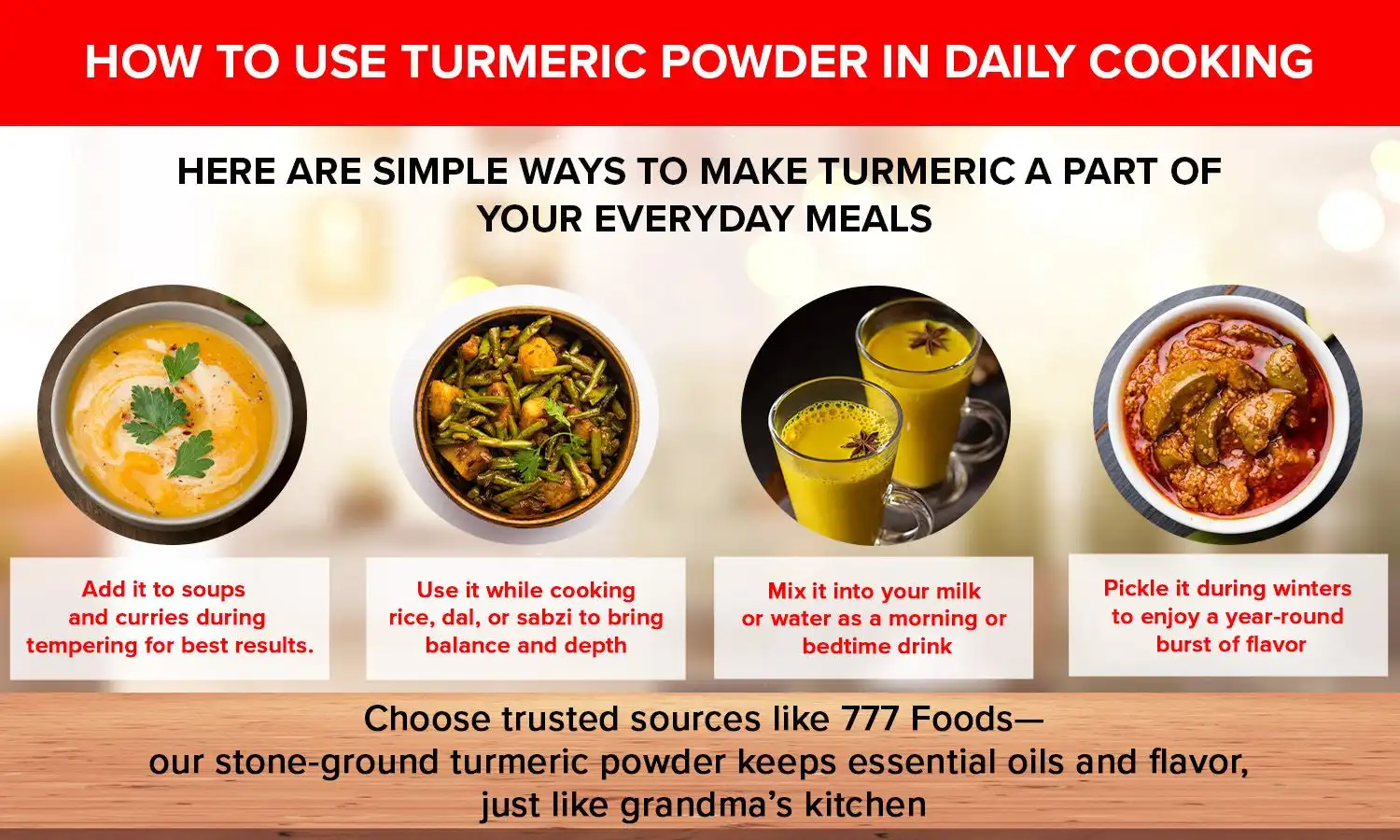
How to Use Turmeric Powder in Daily Cooking
Here are simple ways to make turmeric a part of your everyday meals
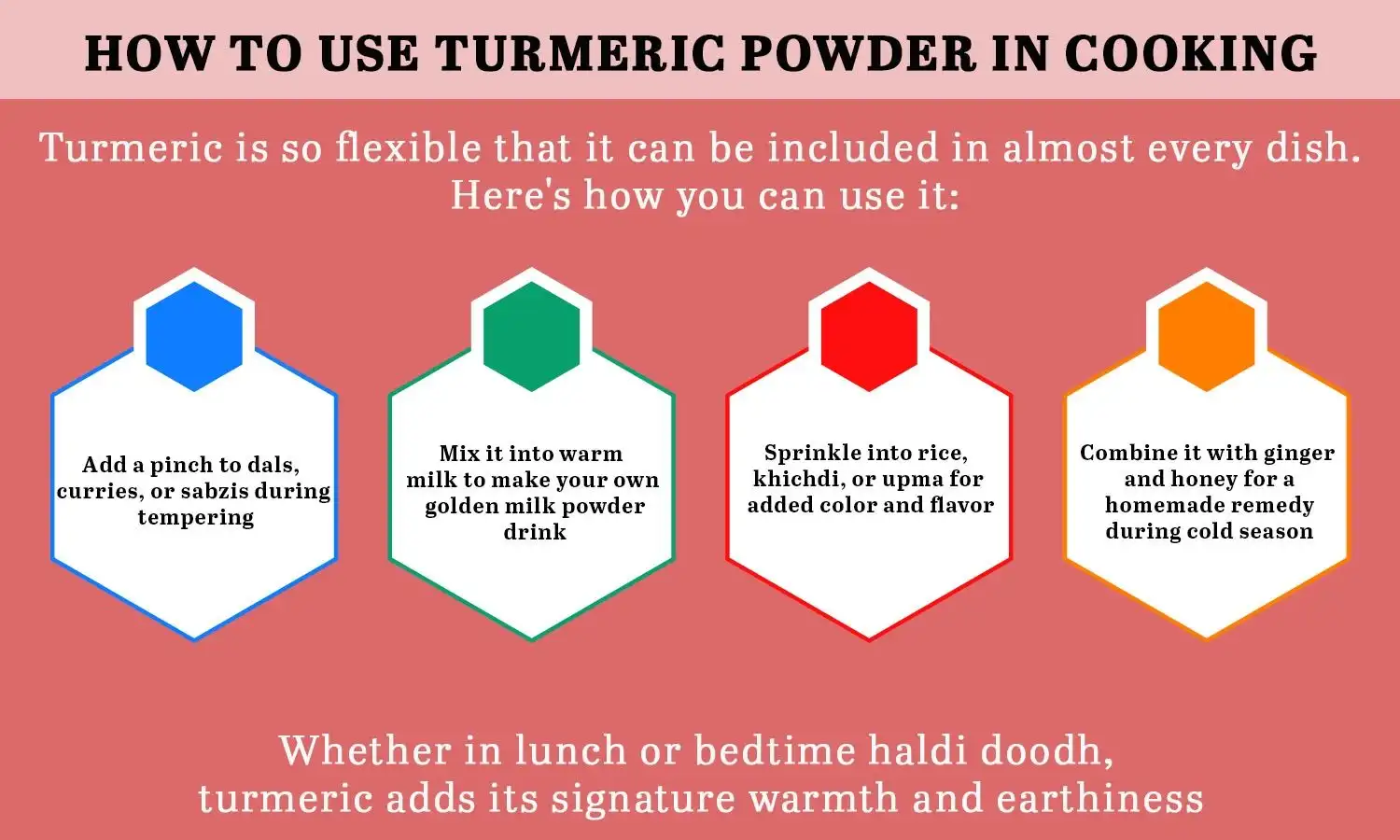
- Add it to soups and curries during tempering for best results.
- Use it while cooking rice, dal, or sabzi to bring balance and depth.
- Mix it into your milk or water as a morning or bedtime drink.
- Pickle it during winters to enjoy a year-round burst of flavor.
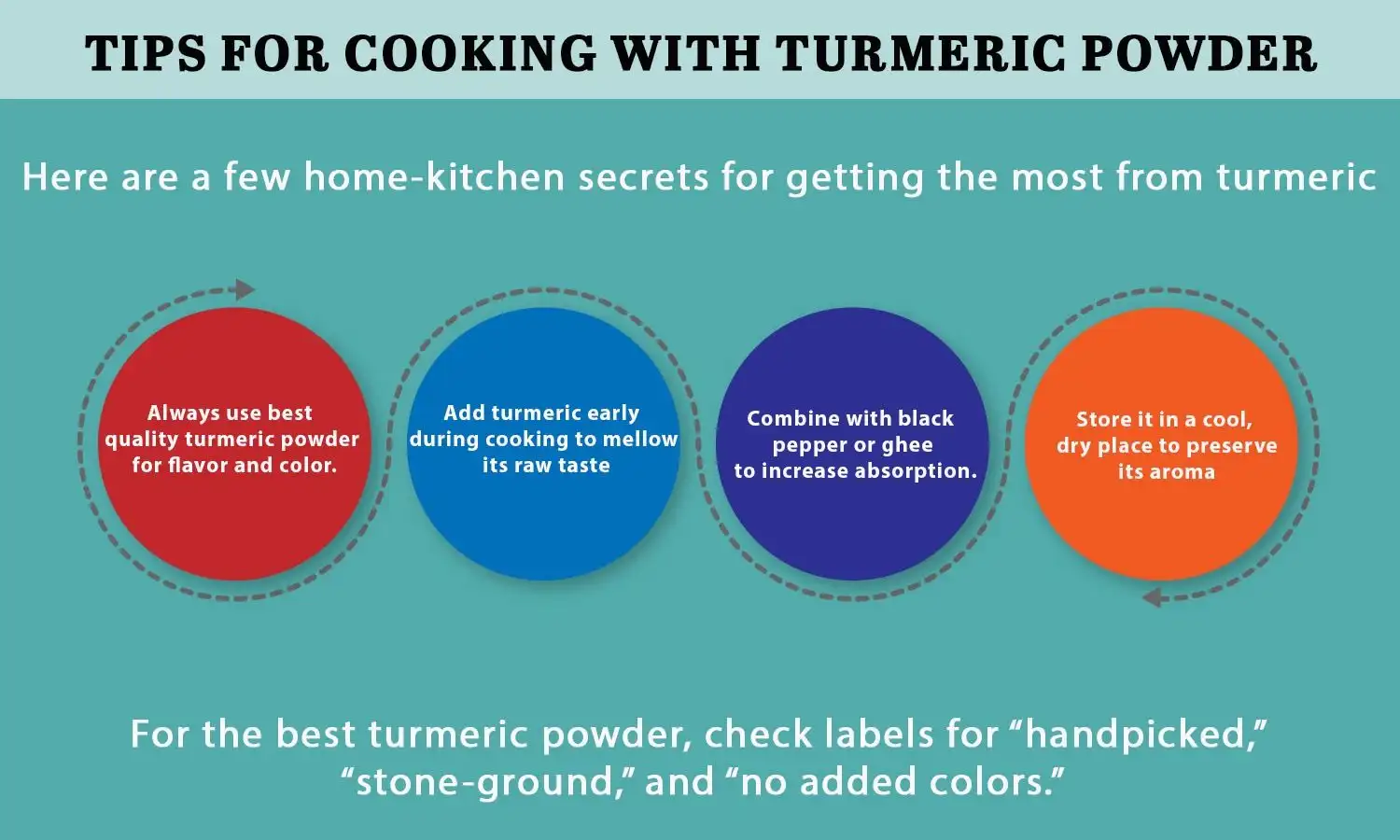
Always choose trusted sources like turmeric powder for sale from 777 Foods to ensure quality. Our best turmeric powder is stone-grounded, retaining essential oils and flavor ,just like your grandmother’s kitchen.
Conclusion
The use of turmeric powder in Indian cooking is more than a habit, it’s a celebration of our heritage. From humble dals to festive dishes, turmeric adds meaning to every meal.When you choose trusted, authentic ingredients like those from 777 Foods, you’re not just cooking, you’re honoring tradition, health, and taste.
Key Takeaways
- Turmeric powder in Indian cooking enhances flavor, color, and health benefits.
- Must-try recipes of turmeric powder in Indian cooking include turmeric rice, golden milk, masoor dal, and haldi achar.
- Add turmeric to daily meals for better digestion, immunity, and overall wellness.
- Choose authentic products like pure organic turmeric powder from 777 for best results.
- Use turmeric in rice, vegetables, lentils, and milk-based recipes to embrace traditional cooking.
FAQs
What Is the Difference Between Turmeric and Turmeric Powder?
Turmeric is the whole root, often used fresh or dried, while turmeric powder is made by drying and grinding the root. For daily cooking, turmeric powder in Indian cooking is easier to use and stores longer.
Is It Healthy to Cook With Turmeric Powder?
Yes, turmeric is rich in curcumin, which supports digestion, reduces inflammation, and may help boost immunity. Using pure organic turmeric powder in meals regularly is a healthy habit.
How Much Turmeric Is Safe to Take Daily?Typically, 1/2 to 1 teaspoon of turmeric powder a day is safe for most adults. Just be sure to choose the best turmeric powder without additives or preservatives, select 777 foods.
Can Turmeric Powder Be Taken With Hot Water?Absolutely. Many people drink a warm glass of water with turmeric in the morning. Just ensure you’re using organic turmeric powder and a pinch of black pepper to help with absorption.