Why Groundnut Oil for Cooking Is the Best Choice for Indian Kitchens

Why Groundnut Oil Is Made for Indian Cooking

Ever noticed that specific, nutty aroma in a South Indian home during lunch? That is almost certainly groundnut oil. It has been a staple in our kitchens for ages, but it is not just about tradition. It is about how this oil handles the actual “fire” of an Indian stove.Think about the way we cook. We do tadkas – where spices have to hit hot oil and pop instantly. Most delicate oils would just smoke and turn bitter, but groundnut oil is tough. It stays stable. It acts as a quiet partner that lets the real flavours of your ginger and cumin stand out, rather than leaving your food smelling like a chemistry lab. That reliability is exactly why Groundnut oil for indian cooking has stayed popular for generations.

Is Groundnut Oil Healthy for Cooking?

People often ask: Is groundnut oil healthy for cooking if it’s used every single day? The science actually backs it up. Unlike those heavy, solid fats, this oil is full of what we call “good fats” – specifically monounsaturated fatty acids (MUFA). It’s about 50% oleic acid. That is the same heart-healthy fat found in olive oil.But there’s more. The benefits include a natural source of Vitamin E. A single tablespoon covers about 14% of your daily requirement. It’s an antioxidant that supports skin and overall health. Plus, it contains plant sterols that help reduce bad cholesterol absorption. It’s a win for both the heart and the palate. These Benefits of groundnut oil for cooking are a big reason ground nut oil is good for health when used daily.

Can We Use Groundnut Oil for Cooking Every Day?

For most Indian families, the answer to “can we use groundnut oil for cooking every day?” has always been a simple “yes.” It doesn’t break down easily when you’re doing your daily cooking.
Of course, moderation is important. Even though it is nutrient-dense, it’s still oil. Most experts say 3 to 4 teaspoons a day is enough for an adult. Using a high-quality brand ensures better value in terms of both taste and health. In short, Groundnut oil can be used for cooking every day without worry when you stick to sensible amounts. groundnut oil
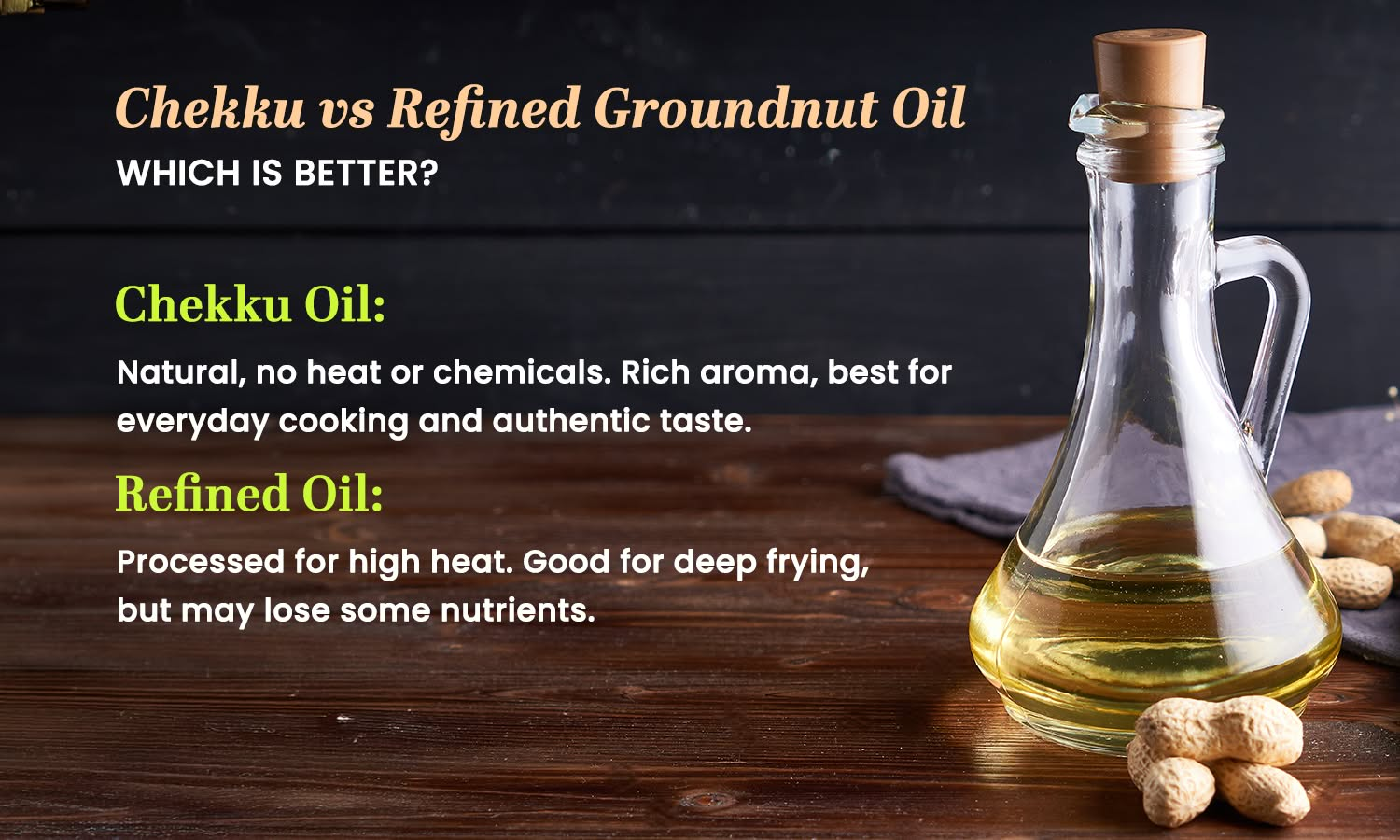
Chekku Pressed vs Refined Groundnut Oil – Which Is Better?

Standing in the oil aisle can be confusing. It depends on your cooking method.

  • Chekku Pressed: Made the old way—crushing peanuts in a wooden press. No heat, no chemicals. It keeps that deep, earthy smell. This type works well for daily cooking, where you want an authentic taste.
  • Refined Oil: This is processed to handle extreme heat. While it may lose some natural vitamins, it performs well for frying because it won’t smoke even when the pan is very hot.
groundnut oil for cooking

Is Groundnut Oil Good for Deep Frying?

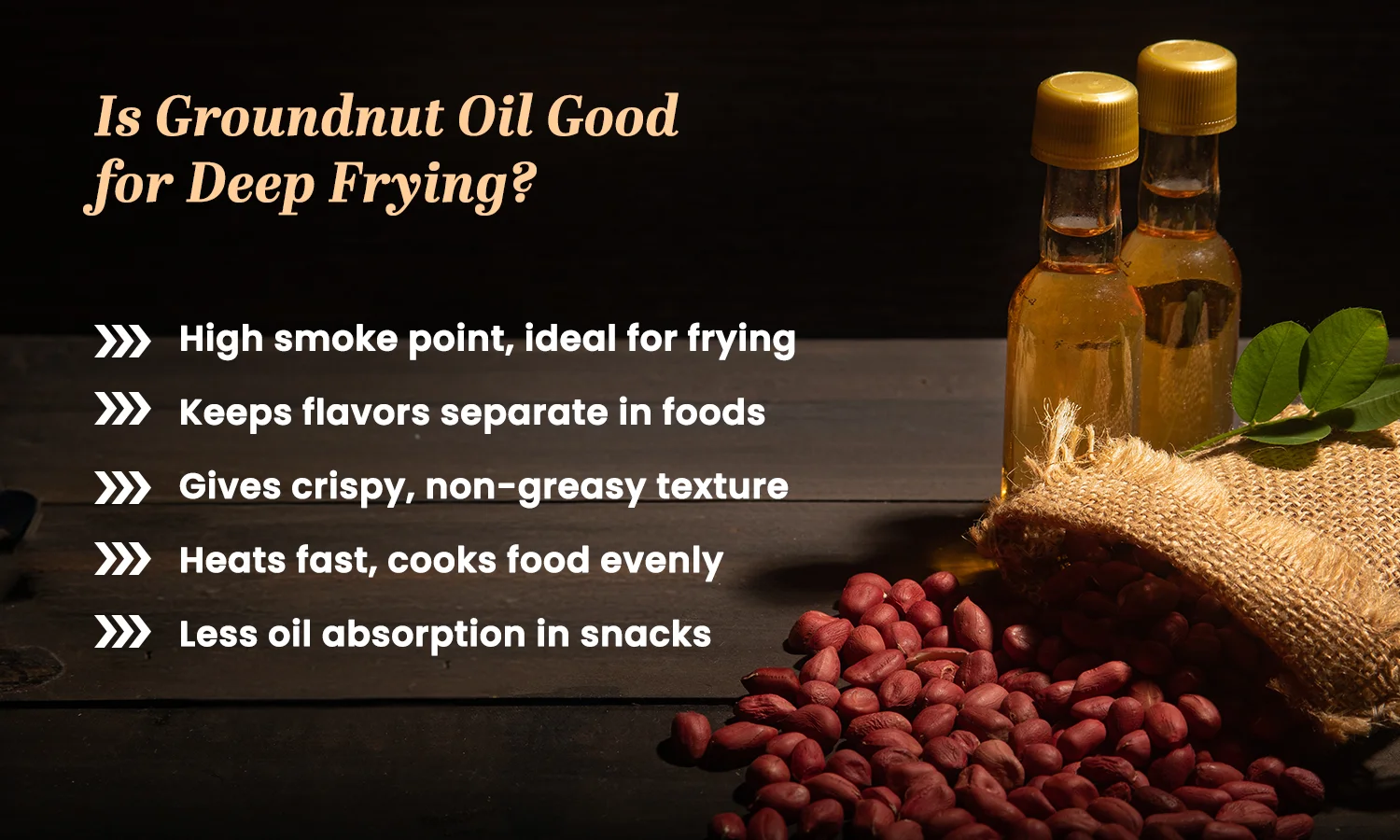
Deep frying is where this oil works particularly well. It is a favorite among chefs because it does not transfer flavors. You can fry pakoras and then sweet vadas, and they won’t taste like each other.
It can handle temperatures up to 232°C safely. It sears food quickly and creates an outer layer, preventing excess oil absorption. That’s the reason behind crispy snacks and a less greasy texture.

Which Groundnut Oil Is Best for Cooking in India?

Choosing the right oil in India is about understanding what makes it suitable. Consider the extraction method, purity, and filtration process. Also, check if it is free from chemicals.
The best choice is an oil that is minimally processed and suits your cooking style. By paying attention to these factors, you get better flavour, better health, and a more authentic cooking experience. It also helps to compare the groundnut cooking oil price across brands so you get genuine value.

The SGR 777 Foods Way

At SGR 777, we have spent over 60 years keeping things simple. We believe groundnut oil is good for cooking only when it stays natural. Our peanut cooking oil is extracted at low temperatures, so the flavour and nutrition stay intact. It’s a legacy of purity that families have trusted since 1933. That is what makes a Pure Groundnut Oil for Cooking worth choosing for your family.

Whether you prefer a simple 1-litre pouch or the rich, traditional feel of a jar, SGR 777 ensures that the advantages of groundnut oil reach your kitchen in its purest form. It’s about more than just cooking; it’s about bringing a legacy of health and authentic taste to your dining table every single day.

Conclusion

From a simple poha to a festive feast, groundnut oil for cooking is one of the most versatile options you’ve got. It supports your heart, stays stable, and lets your spices shine. Choosing a brand like SGR 777 ensures every meal is as healthy as it is tasty.

FAQs

Is Groundnut Oil Healthy for Daily Cooking?Yes. Its high MUFA content and Vitamin E make it a heart-healthy choice for regular use.
Can I Cook and Deep Fry With Groundnut Oil?Absolutely. It is one of the best oils for deep frying because of its high smoke point and the fact that it doesn’t transfer flavors between foods.
Which Groundnut Oil Is Best for Cooking in India?For health, choose cold-pressed (Chekku) oils like SGR 777. For heavy deep frying on a budget, filtered oils like Dhara are also excellent choices.
How to Check the Quality of Groundnut Oil?Place a small jar of the oil in the fridge for 3 hours. Pure groundnut oil will turn cloudy or thicken, while adulterated oil will remain completely liquid.
How Long Does Groundnut Oil Last After Opening?If stored in a cool, dark place, it usually stays fresh for about 6 to 12 months.
Advantages of Groundnut Oil and Its Nutritional Facts

What is Groundnut Oil?

If you’ve ever stepped into a South Indian kitchen while someone is tempering spices, that deep, roasted aroma filling the air is unmistakable. Usually, that scent comes from groundnut oil. Often called peanut or arachis oil, this golden liquid is pressed from the seeds of the peanut plant. It has been a kitchen staple for generations because it doesn’t just make your food taste like home—it handles the high heat of Indian frying without any trouble.

When you ask what groundnut oil is, you’ll find it comes in various forms. Refined versions are popular for deep-frying due to their high smoke point. However, many health-conscious families are moving back to chekku groundnut oil, which is extracted using traditional wooden presses. This old-school method keeps the natural nutrients alive, giving you a product that smells like real, sun-dried peanuts and offers a massive boost to your health.

Nutritional Facts of Groundnut Oil

Understanding groundnut oil calories and its unique fatty acid makeup helps you use it better in your daily meals. Pure oil is essentially 100% fat, but it is the “good” kind that our bodies actually need for energy and cell repair. A single tablespoon offers about 120 calories, mostly coming from monounsaturated and polyunsaturated fats.

The oil content in groundnut seeds is surprisingly high, usually ranging between 40% and 50%, which makes it a very efficient source of natural energy. One of its standout features is Vitamin E, a fat-soluble antioxidant that protects your body’s cells from damage. It is also naturally cholesterol-free, which is why people are constantly checking the groundnut oil price to swap out processed vegetable fats for this more natural alternative.

advantages of groundnut oil

Health Advantages of Groundnut Oil

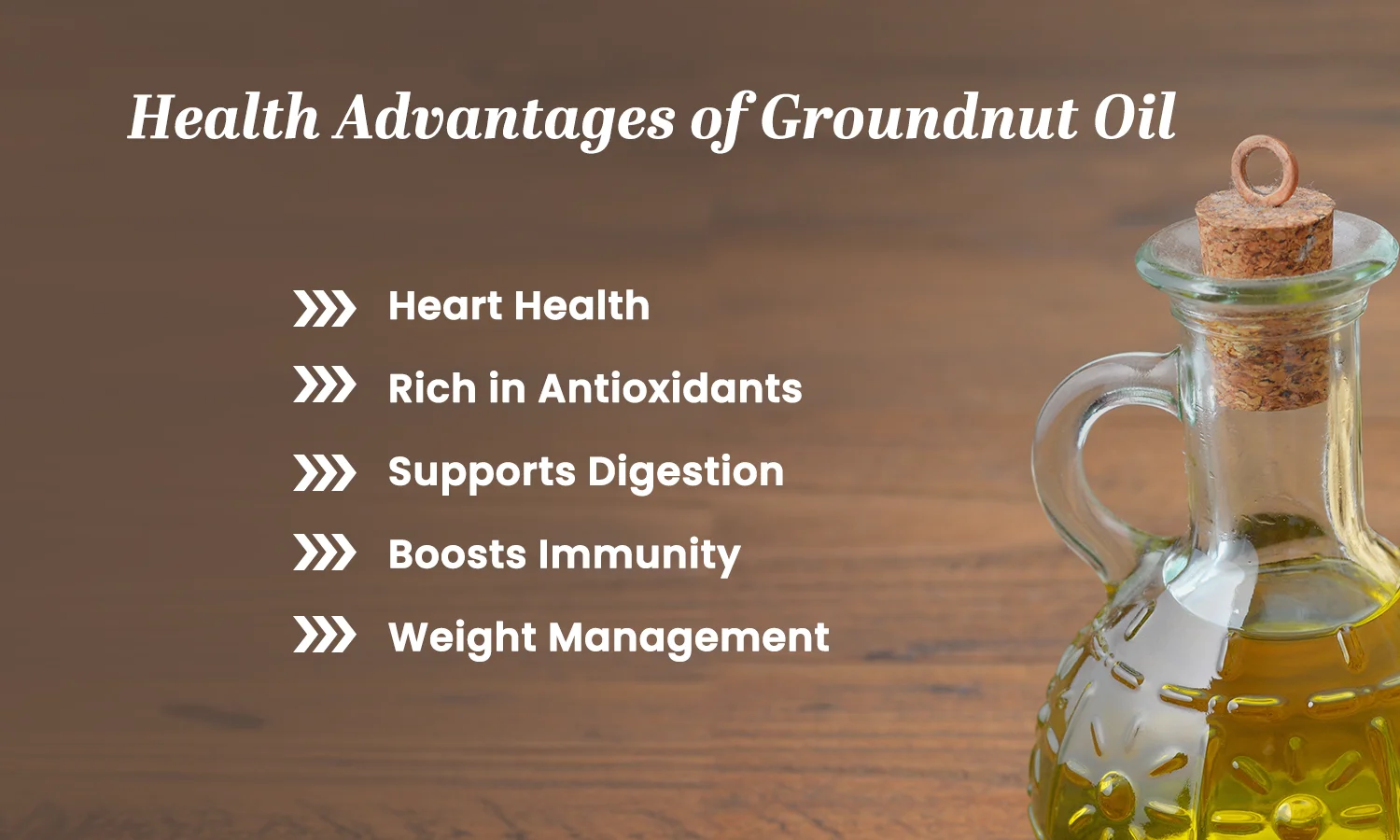
There are many advantages of groundnut oil that go way beyond just making your pakoras crispy. Because it is packed with Vitamin E and heart-friendly fats, it acts as a silent guardian for your family’s wellness.

Better Heart Health

Groundnut oil is a true friend to your heart. It is loaded with monounsaturated fatty acids (MUFA), which help bring down bad cholesterol levels while keeping your good cholesterol right where it should be. It also contains plant sterols that help stop cholesterol from being absorbed in your gut. By choosing groundnut cooking oil for your meals, you are making a simple, daily investment in your heart’s long-term health.

Rich in Antioxidants

One of the most powerful benefits of groundnut oil is its high Vitamin E content. This vitamin works as an antioxidant that fights off free radicals—those pesky molecules that can cause cellular damage over time. It also contains resveratrol, a natural compound that helps manage blood pressure and reduces strain on your arteries, keeping your entire system working smoothly.

Supports Digestion

We don’t often think of oil as a digestive aid, but the healthy fats in groundnut oil act as a natural lubricant for the gut. Even better, these fats are needed to absorb fat-soluble vitamins like A, D, E, and K from the vegetables in your curry. This ensures your body actually gets the fuel it needs from the healthy food you cook.

Boosts Immunity

A strong immune system is your body’s first line of defense, and Vitamin E is a big part of that. It protects the outer layers of your immune cells, helping them stay strong enough to fight off infections. This makes the advantages of groundnut oil particularly valuable for kids and the elderly who need that extra layer of strength.

Weight Management

It might sound odd to link oil with weight goals, but the right fats can make a huge difference. The MUFAs in groundnut oil make you feel full and satisfied for much longer after a meal. This naturally reduces the urge to reach for salty or sugary snacks later in the day. When you use it to replace heavy saturated fats like butter, it helps keep your metabolism on track.

Radiant Skin and Anti-Aging

The nutritional value of groundnut oil extends beyond immunity boosting and weight management. For instance, one of the most celebrated peanut oil benefits is its ability to act as a natural moisturizer and protective barrier for the skin. Because it is incredibly rich in Vitamin E and essential fatty acids, it helps tackle common skin issues like eczema, dry patches and minor inflammations. When integrated into your lifestyle, the health benefits of groundnut oil extend to the cellular level, where its antioxidants help neutralize the oxidative stress that leads to premature aging, fine lines, and wrinkles. Whether used as a topical treatment or as part of your diet, groundnut oil helps maintain a youthful, healthy glow by keeping the skin’s cell membranes robust and hydrated.

Blood Sugar Regulation

Peanut oil advantages also include a significant impact on metabolic health, particularly for those managing blood sugar levels. Studies suggest that replacing saturated fats with unsaturated fats, specifically the polyunsaturated and monounsaturated fats found in this oil, can improve insulin sensitivity. This makes it an excellent oil for cooking for individuals looking to maintain steady glucose levels. Furthermore, the versatile groundnut oil uses in high-heat sautéing or traditional frying allows you to prepare flavorful meals without the rapid blood sugar spikes often associated with processed fats, ensuring your metabolism stays balanced and efficient throughout the day. advantages of groundnut oil

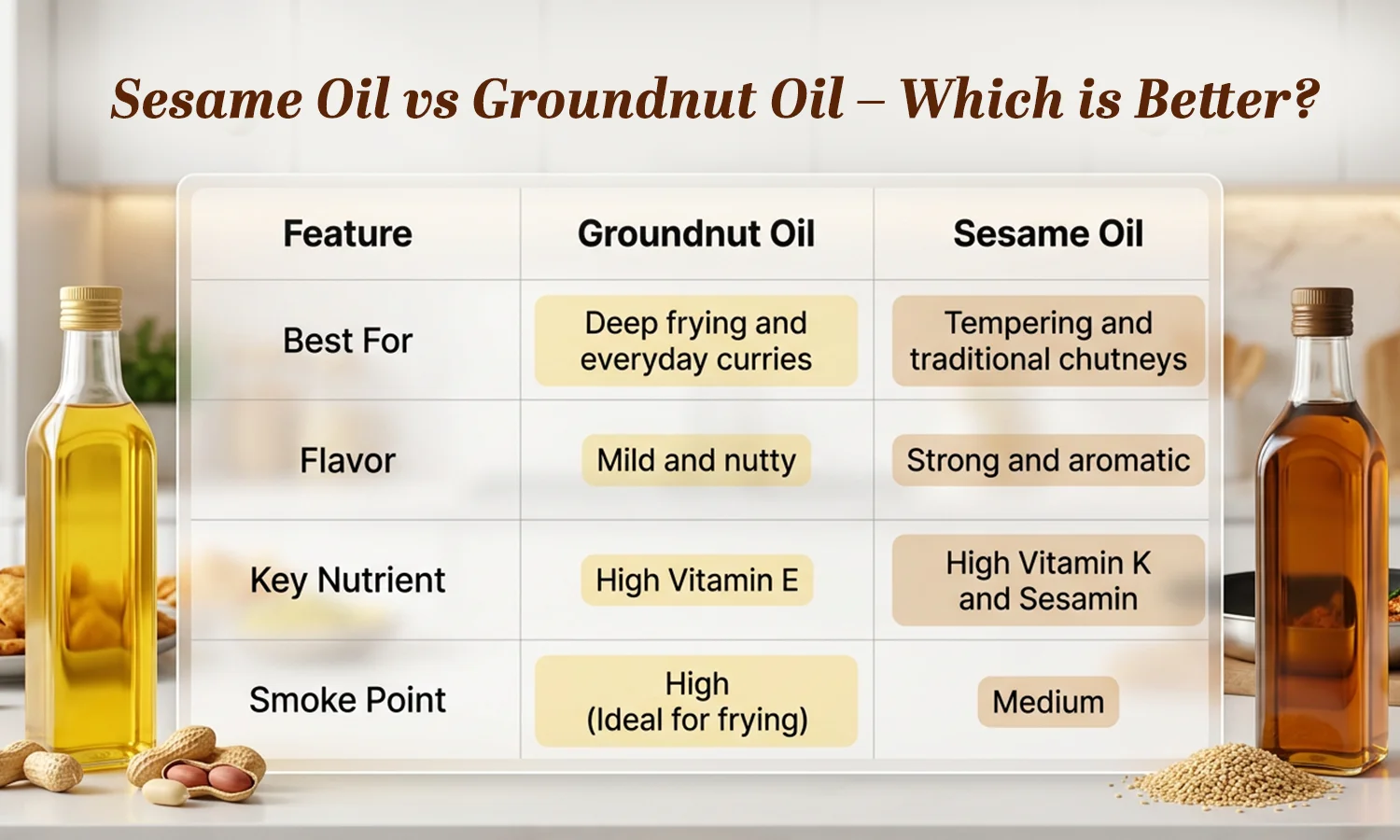
Sesame Oil vs Groundnut Oil – Which is Better?

Choosing between these two oils usually depends on what’s on the menu for the day. Both are stars in South Indian nutrition, but they play different roles.

Feature Groundnut Oil Sesame Oil
Best For Deep frying and everyday curries Tempering and traditional chutneys
Flavor Mild and nutty Strong and aromatic
Key Nutrient High Vitamin E High Vitamin K and Sesamin
Smoke Point High (Ideal for frying) Medium

If you are debating sesame oil vs groundnut oil, the answer is usually to keep both in your pantry. Use groundnut for your main cooking and frying, and save the sesame oil for that final touch in podis or pickles.

How to Check the Quality of Groundnut Oil

With so many brands claiming to be the best groundnut oil in India, you need a way to spot the real stuff. High-quality oil groundnut should have a clear, golden look and a very distinct, sweet peanut scent.
A simple trick is the “Fridge Test.” Put a little bit of your oil in a glass jar in the fridge for a few hours. Pure groundnut oil will thicken or turn solid because of its natural fats. If it stays completely liquid like water, it is likely mixed with cheaper, low-quality oils. This is why checking the groundnut oil percentage of purity on the bottle is so important. Always look for the Agmark or FSSAI seal to make sure you are getting the groundnut oil benefits without any hidden chemicals.

Why Choose SGR 777 Foods Groundnut Cooking Oil?

When you’re looking for which groundnut oil is best, SGR 777 stands out because we stick to our roots. We know that the advantages of groundnut oil are at their peak when the oil is handled with care. Our oil is double-filtered to get rid of impurities while keeping all the natural flavor and nutrients that have made it a favorite since 1933.Whether you prefer a simple 1-litre pouch or the rich, traditional feel of a jar, SGR 777 ensures that the advantages of groundnut oil reach your kitchen in its purest form. It’s about more than just cooking; it’s about bringing a legacy of health and authentic taste to your dining table every single day.

Key Takeaways :

  • Advantages of groundnut oil include better heart health and a stronger immune system due to its Vitamin E.
  • It has a very high smoke point, making it the safest choice for deep-frying and high-heat Indian cooking.
  • Chekku groundnut oil is the best pick for those who want maximum nutrients and that traditional aroma.
  • You can easily verify your oil’s purity at home with a simple 3-hour refrigerator test.

FAQs

Is Groundnut Oil Healthy for Daily Cooking?

Yes, it is perfectly healthy for daily use. The advantages of groundnut oil come from its high concentration of MUFA and PUFA, which are much better for your heart than heavy saturated fats. Because it stays stable at high temperatures, it doesn’t break down into toxins during your daily sautéing or frying.

How Many Calories Are in Groundnut Oil?

You will find roughly 119 to 124 groundnut oil calories in a single tablespoon. While the health perks are great, it is energy-dense, so you should use it in moderation. Balancing your oil intake as part of a healthy diet is the best way to manage your weight.

Which Groundnut Oil Is Best in India?

The best groundnut oil in India is usually one that is double-filtered or cold-pressed rather than chemically refined. Brands like SGR 777 are a top choice because they avoid harsh solvents and high-heat processing, making sure the oil keeps its natural antioxidants and Vitamin E.

What Is the Shelf Life of Groundnut Oil?

Most pure oils last between 6 and 12 months. To keep enjoying the advantages of groundnut oil, store it in a cool, dark spot. Keeping it away from direct sunlight prevents it from losing its nutritional value or developing a stale smell over time.

How to Check Pure Chekku Groundnut Oil?

Pure chekku groundnut oil will be thick and have a very strong, pleasant smell of fresh peanuts. You can also try the fridge test; pure oil will get cloudy and start to solidify in the cold, which proves there is no cheap palm oil or liquid filler mixed in.

Groundnut Oil Benefits: 5 Reasons It’s Great for Cooking

Is Groundnut Oil Bad for You?

Whenever you step into a kitchen where someone is frying fresh vadas or bajjis, that mouth-watering aroma filling the house is almost always thanks to groundnut oil. But in an era where we are constantly flooded with conflicting health advice, it’s natural to stop and wonder: is this traditional oil actually helping or hurting us? Well, the reality is that groundnut oil is good for health as long as you are choosing the right variety and not going overboard with the quantities.

The real confusion usually starts with the calorie count. Yes, all oils are energy-dense, but the advantages of groundnut oil are what make it stand out from the crowd of processed fats. Unlike the heavy saturated greases that can clog up your system, this oil is actually full of heart-healthy unsaturated fats.

The secret is in how it’s made; while refined groundnut oil is a beast at handling deep-frying, the raw, chekku groundnut oil keeps the very soul of the peanut intact. This gives you a nutrient profile that modern, over-processed oils just can’t compete with. For most families the honest answer to whether is groundnut oil good for cooking is a clear yes.

Groundnut Oil Nutrition and Health Benefits

To really get why people love this stuff, you have to look at the groundnut oil health benefits hidden in every drop. It isn’t just a medium to cook your food; it’s a functional ingredient. A single tablespoon has zero cholesterol and zero trans fats. This makes the question of “Is Groundnut Oil Healthy” a very easy one to answer with a confident “yes.”

The peanut oil nutrition profile is mostly made up of monounsaturated fatty acids (MUFA). If that sounds familiar, it’s because it’s the same “good fat” found in olive oil that doctors always talk about. Plus, it gives you a huge dose of Vitamin E—a nutrient that most of us actually miss out on in our regular diets.

When you look at the advantages of peanut oil, you aren’t just buying a cooking liquid; you are getting a source of natural antioxidants that shield your cells from the stresses of daily life. Together these health benefits of groundnut oil make it more than just a cooking medium.

groundnut oil benefits

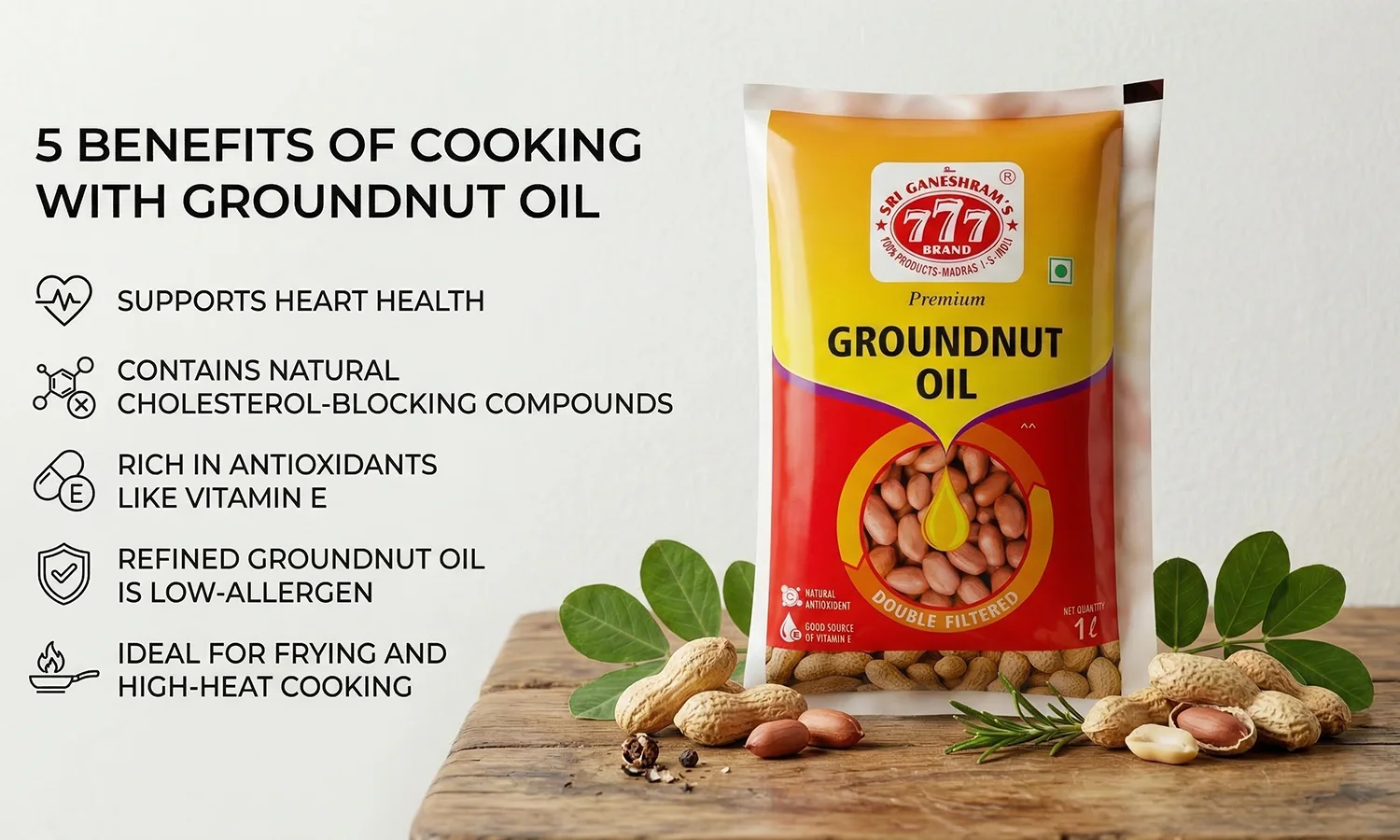
5 Benefits of Cooking with Groundnut Oil

So, why has this oil stayed a favorite from our great-grandmothers’ time all the way to 2026? Here are five solid reasons why cooking with groundnut oil is still the smartest move for your home kitchen. Once you see the Groundnut oil for cooking benefits laid out, the choice becomes simple.

1. Supports Heart Health

The most talked-about of all groundnut oil benefits is how it looks after your heart. Because it is so high in MUFA, it actively works to lower the “bad” LDL cholesterol while keeping the “good” HDL cholesterol exactly where it needs to be. It’s a simple, daily way to make your curries a lot kinder to your heart.

2. Contains Natural Cholesterol-Blocking Compounds

Nature has a pretty clever way of protecting us. Groundnut oil is full of phytosterols. These are plant compounds that look almost exactly like cholesterol to your body. When you eat food cooked in this oil, these phytosterols basically “race” against the real cholesterol to get absorbed in your gut. By winning that race, they lower the amount of cholesterol that actually ends up in your blood, further proving that peanut oil is healthy for long-term wellness.

3. Rich in Antioxidants Like Vitamin E

Being rich in antioxidants is a massive win for your skin and your immune system. The Vitamin E in the oil acts like a tiny shield, neutralizing the free radicals that cause aging and cellular damage. This high Groundnut Oil Nutrition value is exactly why Indian households have trusted it for nearly a hundred years. These Peanut oil health benefits are a big reason it stays popular today.

4. Refined Groundnut Oil Is Low-Allergen

A lot of people worry about peanut allergies, and rightly so. But here’s an interesting fact: the high-heat process used to make refined groundnut oil actually strips away almost all the proteins that cause those allergic reactions. While you should still be careful with severe allergies, it makes it a much more versatile and safer choice for big family feasts where you want everyone to enjoy the benefits of groundnut oil without worry.

5. Ideal for Frying and High-Heat Cooking

Indian cooking is intense. We do a lot of high-heat tempering—that classic tadka—and deep-frying. This oil has a very high smoke point, so it won’t burn or turn into something toxic the moment the pan gets hot. Also, it has a weirdly cool trait: it doesn’t carry flavors. You can fry fish and then fry chips in the same batch, and your chips won’t taste like fish! These diverse groundnut oil uses make it the most practical tool in a busy kitchen. Such practical uses of groundnut oil make it a staple in everyday cooking. groundnut oil benefits

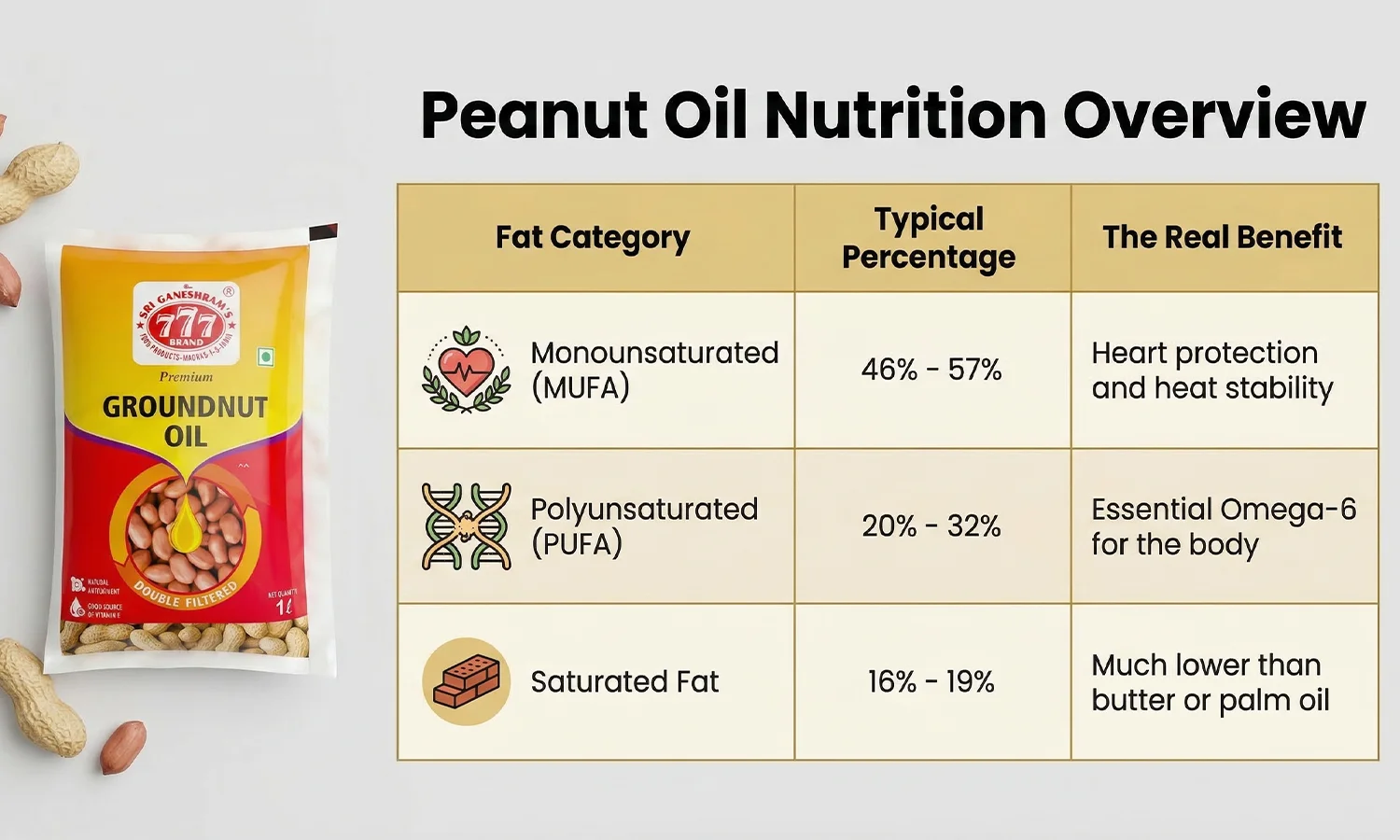
Peanut Oil Nutrition Overview

When you break down Peanut Oil Nutrition per 100g, the facts speak for themselves. You get about 15mg of Vitamin E, which covers your whole day’s requirement in just a few servings.

Fat Category Typical Percentage The Real Benefit
Monounsaturated (MUFA) 46% – 57% Heart protection and heat stability
Polyunsaturated (PUFA) 20% – 32% Essential Omega-6 for the body
Saturated Fat 16% – 19% Much lower than butter or palm oil

Conclusion

At SGR 777, we’ve always believed that purity is the only thing that matters. Our oil is made to make sure the natural aroma and the full groundnut oil benefits stay right there in the bottle. We don’t believe in using harsh chemicals or over-processing our products. Since 1933, we’ve been all about quality you can trust. Choosing SGR 777 isn’t just a shopping choice; it’s about bringing a legacy of health and that authentic South Indian taste back to your table.

Key Takeaways :

  • Groundnut oil benefits the heart by managing cholesterol through natural MUFA and plant sterols.
  • It is rich in antioxidants, especially Vitamin E, which helps with skin health and fighting inflammation.
  • The high smoke point makes it the safest choice for high-heat Indian cooking and deep-frying.
  • To get the best Groundnut Oil Nutrition, always choose a brand that avoids heavy chemical refining.

FAQs

Is Groundnut Oil Healthy for Daily Cooking? Yes, it really is. Because it doesn’t break down easily under heat, it’s one of the safest oils for an Indian home. The groundnut oil benefits include providing essential fats that are far better for your long-term heart health than the saturated fats found in things like vanaspati or margarine.
How Can You Identify Good Quality Groundnut Oil? A good oil should have a clear golden color and a distinct, nutty smell. If it’s totally odorless or smells like chemicals, it’s likely been stripped of its nutrients. When you see the SGR 777 label, you can be sure you’re getting the true advantages of peanut oil without the junk.
How Much Groundnut Oil Should Be Used Daily? Even though groundnut oil is good for health, you still have to watch the portions because it is calorie-dense. Most experts suggest sticking to about 3 to 4 teaspoons a day as part of a balanced diet so you get the nutrients without the extra weight.
What Is the Shelf Life of Groundnut Oil? It usually stays fresh for 6 to 12 months if you keep it in a cool, dark place. Just keep it away from direct sunlight so the peanut oil nutrition doesn’t spoil over time.
Which Type of Groundnut Oil Is Best for Cooking? For heavy deep-frying, refined oil is great because it’s very stable. But for your everyday dals and curries, most people prefer chekku groundnut oil because it tastes better and keeps more of its natural vitamins.

Best Quality Asafoetida: Buying Tips, Uses, and Benefits

Introduction – Why Choosing the Best Quality Asafoetida Matters

Choosing the best quality asafoetida is essential because it directly affects both flavour and health benefits. Pure hing has a strong, sharp, sulfurous aroma and a yellowish-brown or golden-amber appearance. Low-grade varieties, on the other hand, often contain excessive fillers that dilute flavour and reduce potency.
High-quality asafoetida hing transforms beautifully when heated in oil, developing a mellow, savoury depth similar to onion and garlic. Poor-quality versions may remain harsh or turn bitter even after tempering.
Since hing is used in very small quantities, buying the best quality asafoetida ensures you get maximum impact from just a tiny pinch. Picking a good quality hing also means you waste less and enjoy more consistent results. How to Identify the Best Quality Asafoetida

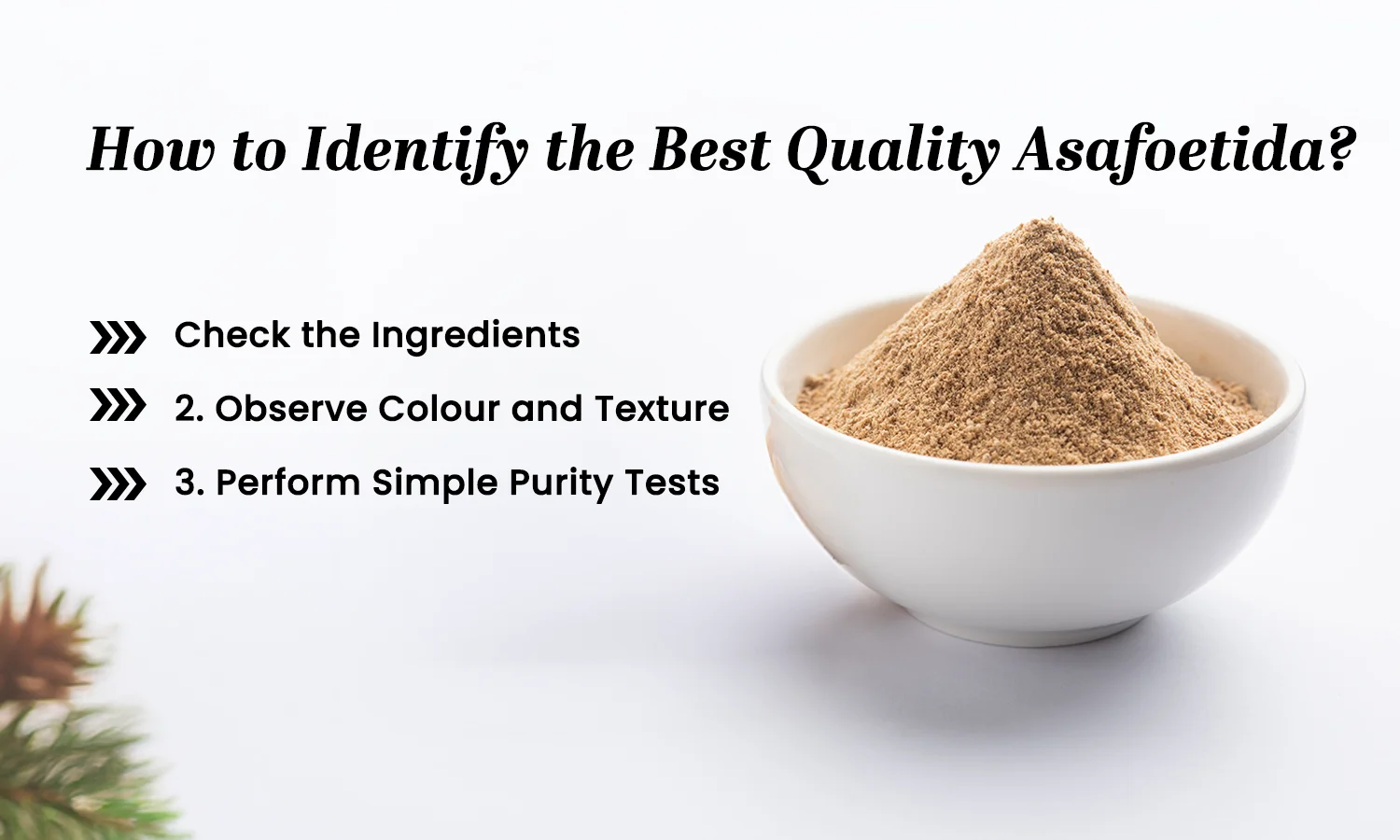
How to Identify the Best Quality Asafoetida?

Identifying the best quality asafoetida requires looking beyond branding and focusing on purity. Knowing what sets the best asafoetida powder apart makes shopping far easier.

1. Check the Ingredients

Always read the label. Pure resin should be listed clearly. Many powdered varieties are blended with flour and edible gum. If buying hing powder, make sure the resin content is specified.

2. Observe Colour and Texture

  • High-quality resin appears yellowish-brown or amber.
  • Avoid chalky white or overly bright products.
  • Powder should be fine and free-flowing.

If you are searching for the best hing powder, texture and aroma are reliable indicators.

3. Perform Simple Purity Tests

  • Water Test: Pure resin dissolves in warm water, forming a cloudy solution without grit.
  • Burn Test: Authentic resin burns with a bright flame, similar to camphor.

When buying Asafoetida online, check detailed ingredient lists and customer reviews to avoid adulterated products. A genuine Pure asafoetida powder will always pass these simple checks. What Are the Uses of Asafoetida Powder

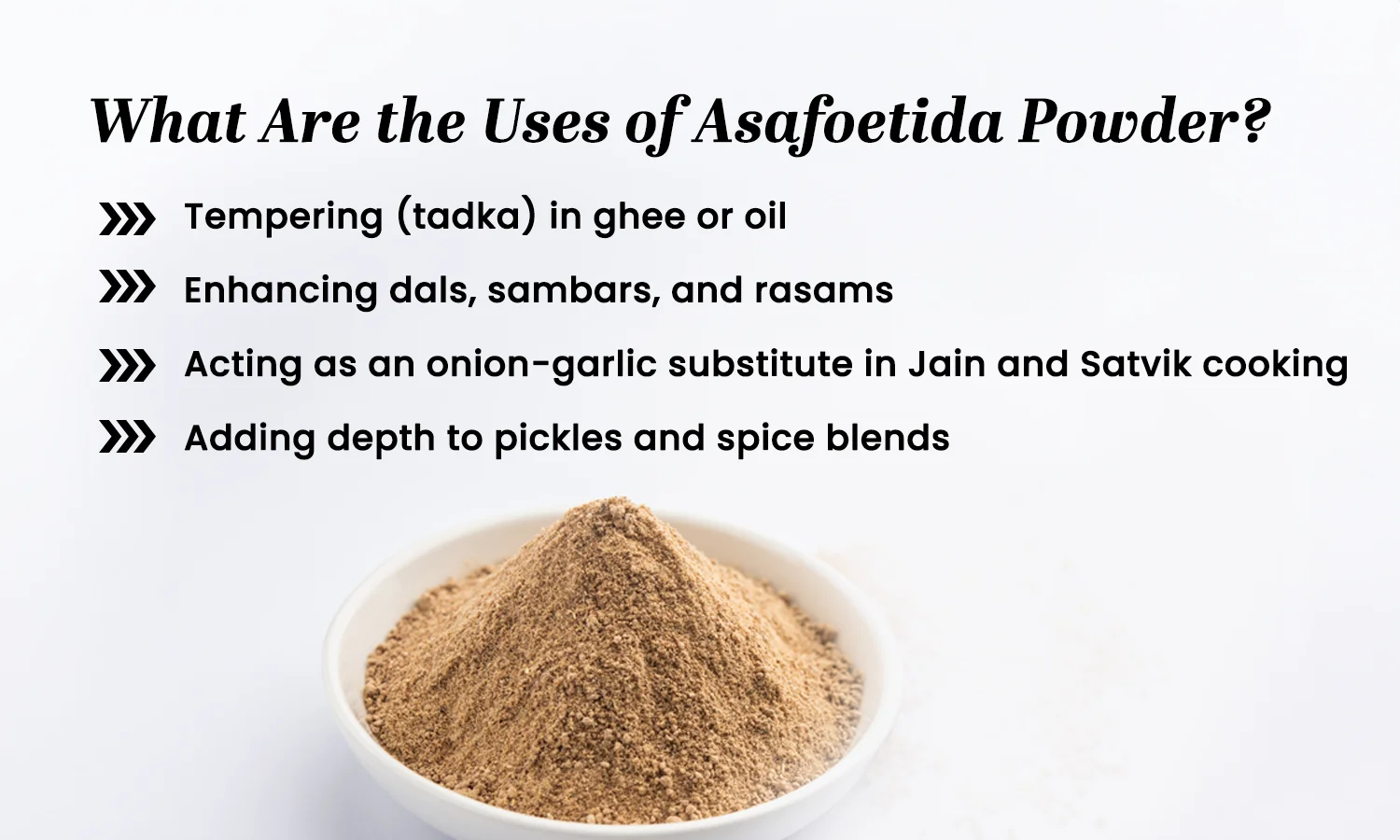
What Are the Uses of Asafoetida Powder?

The uses of asafoetida are both culinary and traditional.

Culinary Uses

In Indian cooking, asafoetida powder uses include:

  • Tempering (tadka) in ghee or oil
  • Enhancing dals, sambars, and rasams
  • Acting as an onion-garlic substitute in Jain and Satvik cooking
  • Adding depth to pickles and spice blends

A small pinch of hing asafoetida powder added at the beginning of cooking unlocks its true aroma.

Digestive and Traditional Uses

Among common asafetida uses, digestive relief stands out. It is widely used to reduce bloating and discomfort when cooking legumes. Traditionally, a pinch mixed with warm water is used for gas relief.
Because it is potent, asafoetida powder used for cooking should always be measured carefully.

What Are the Benefits of Best Quality Asafoetida?

The best quality asafoetida contains higher concentrations of active compounds, making its effects more noticeable.

1. Digestive Support

One of the major asafoetida benefits is its ability to stimulate digestive enzymes. It acts as a natural carminative, helping reduce gas and bloating.

2. Respiratory Relief

Traditional practices use it to ease asthma, cough, and bronchitis due to its expectorant properties.

3. Anti-inflammatory and Antioxidant Effects

Pure resin contains bioactive compounds such as ferulic acid. These contribute to recognised asafetida benefits, including antioxidant support and reduced inflammation.
Using the best quality asafoetida ensures these properties are not diluted by excessive fillers.

What Should You Know Before Buying Asafoetida?

Before purchasing the best quality asafoetida, consider the following:

Types Available

  • Pure Resin: Most potent and expensive form.
  • Compounded Powder: Mixed with flour or gum for easier use.
  • Granules (Dana): Balanced option between resin and powder.

If gluten sensitivity is a concern, check whether the asafoetida powder contains wheat flour. Gluten-free versions typically use rice flour or edible gum.

Price Awareness

Authentic resin is expensive due to limited sourcing regions such as Afghanistan and Tajikistan. Extremely cheap products often indicate heavy adulteration.

Packaging

Choose airtight containers. Poor packaging causes aroma loss and moisture clumping, reducing effectiveness.
Investing in the best hing available ensures better flavour, improved digestion, and consistent cooking results. A reliable Best Quality Hing Powder stays fresh and aromatic when stored this way.

Conclusion

Selecting the best quality asafoetida is about more than just brand preference, purity, aroma, ingredient transparency, and packaging all matter. Whether you choose resin or powder, high-quality hing delivers stronger flavour, better digestive comfort, and reliable results in everyday cooking.
With proper selection and careful usage, this powerful spice continues to be an essential ingredient in Indian kitchens. Choosing a Premium Quality Asafoetida rewards you with richer aroma and dependable everyday cooking.

FAQs

How Many Types of Asafoetida Are There?There are three main types: pure resin, compounded powder, and granules.
Which Hing Is Strong?Pure resin is the strongest form. Compounded powder is milder and easier for daily use.
What Is the Price of Real Hing?Pure resin can cost ₹30,000 or more per kilogram, while compounded powders range between ₹1,500–₹6,000 per kilogram, depending on quality.
How to Check the Purity of Hing?You can perform water and burn tests at home to check authenticity.
How to Identify Original Asafoetida?Original asafoetida has a sharp sulfurous aroma, amber colour, and dissolves without leaving chalky residue.

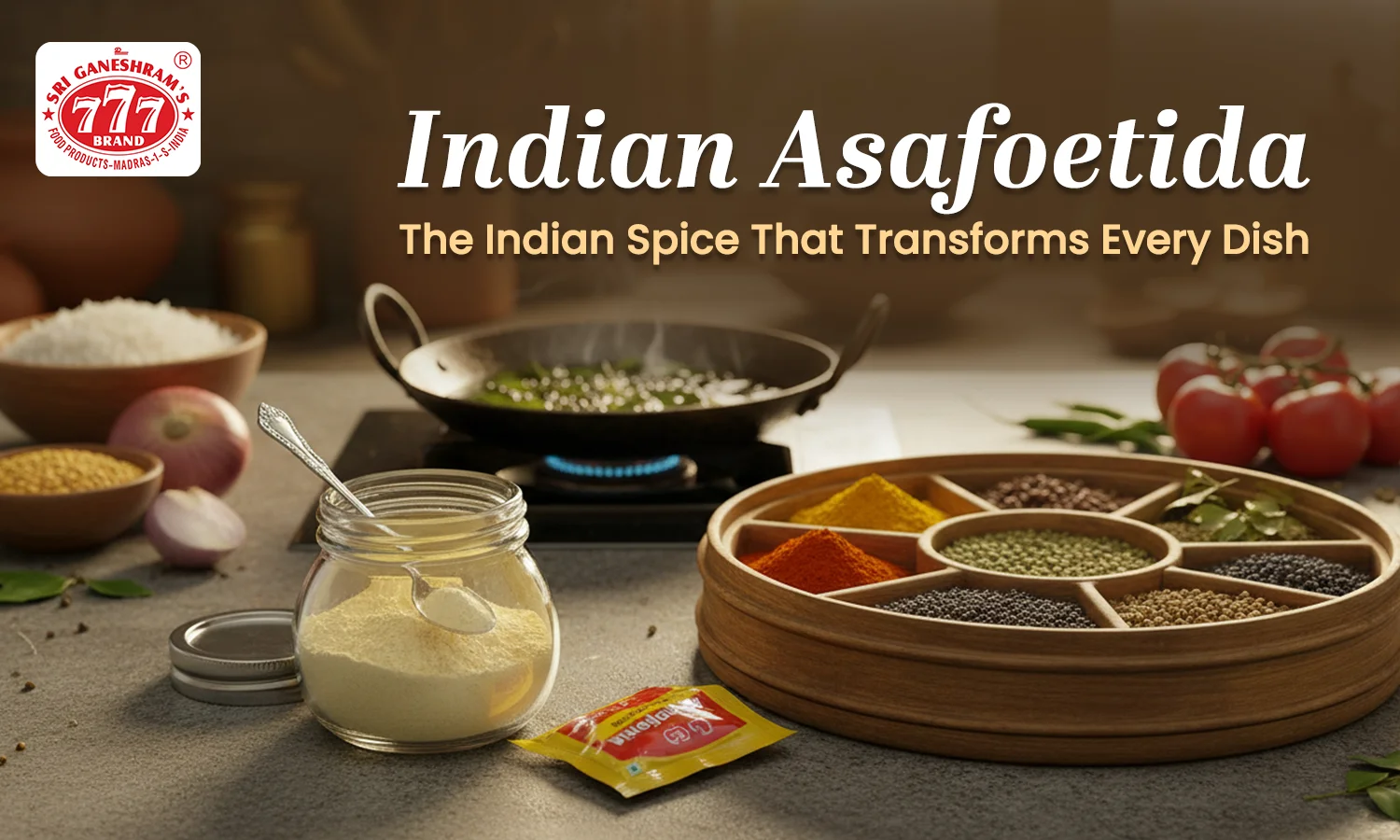
Indian Asafoetida – Benefits, Uses, and Best Brands in India

If you cook Indian food, you have likely used indian asafoetida at some point. Known as hing, this spice is used in tiny amounts but has a powerful impact on flavour and digestion. In many kitchens, indian asafoetida is considered essential for everyday dishes like dal, sambar, and vegetable curries.

From improving digestion to enhancing aroma, indian asafoetida has remained a trusted spice in Indian cooking for generations.

What Is Hing (Asafoetida)?

Many people ask, what is asafoetida, and why does it smell so strong. Asafoetida is a dried resin extracted from the roots of the Ferula plant. This asafoetida hing is known for its sharp smell in raw form.

However, once cooked, the indian asafoetida develops a mild, savoury aroma similar to onion and garlic. This unique asafoetida taste is the reason it is widely used in vegetarian cooking.

Today, most households use asafoetida hing powder, which is easier to measure and store than raw resin.

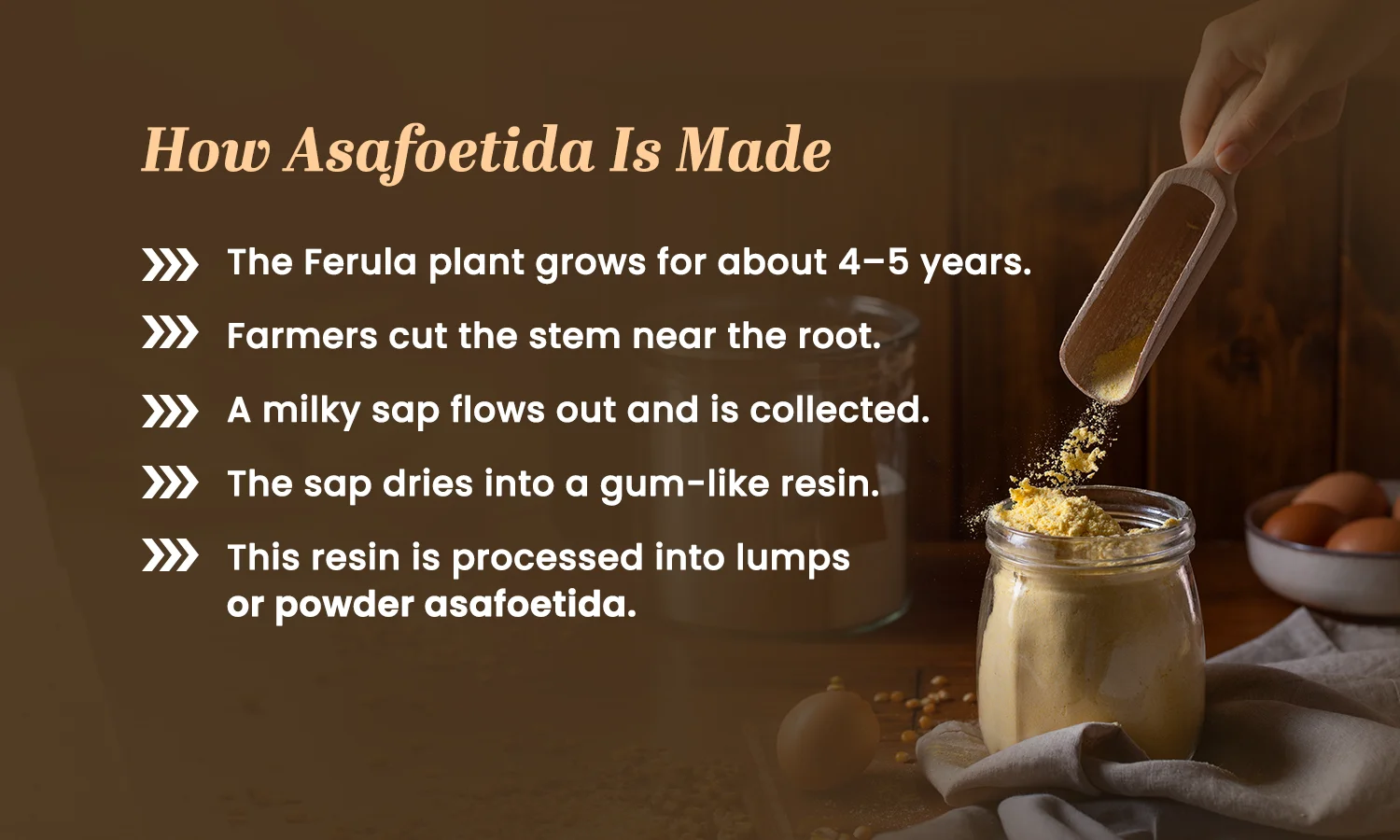
How Asafoetida Is Made

How Asafoetida Is Made

Understanding how asafoetida is made helps explain its value. The process takes several years and involves careful harvesting.

  • The Ferula plant grows for about 4–5 years.
  • Farmers cut the stem near the root.
  • A milky sap flows out and is collected.
  • The sap dries into a gum-like resin.
  • This resin is processed into lumps or powder asafoetida.

Most commercial products are blended with edible starch to create asafoetida powder that is easier to use in daily cooking.

Why Is Asafoetida So Important in Indian Cooking?

In many kitchens, indian asafoetida is used at the start of cooking to build flavour.It is valued because:

  • It acts as a substitute for onion and garlic.
  • It improves digestion in heavy dishes.
  • It enhances the overall aroma of food.

A pinch of hing asafoetida in hot oil releases its flavour, making it an essential ingredient in asafoetida in curry and lentil dishes.

Health Benefits of Asafoetida

The asafoetida benefits are widely recognised in traditional cooking and Ayurveda.

Some common benefits of asafoetida include:

  • Reducing gas and bloating
  • Supporting digestion
  • Helping with respiratory discomfort
  • Providing anti-inflammatory effects

These uses of asafoetida show why it is more than just a flavouring spice. Asafoetida Uses in Everyday Cooking

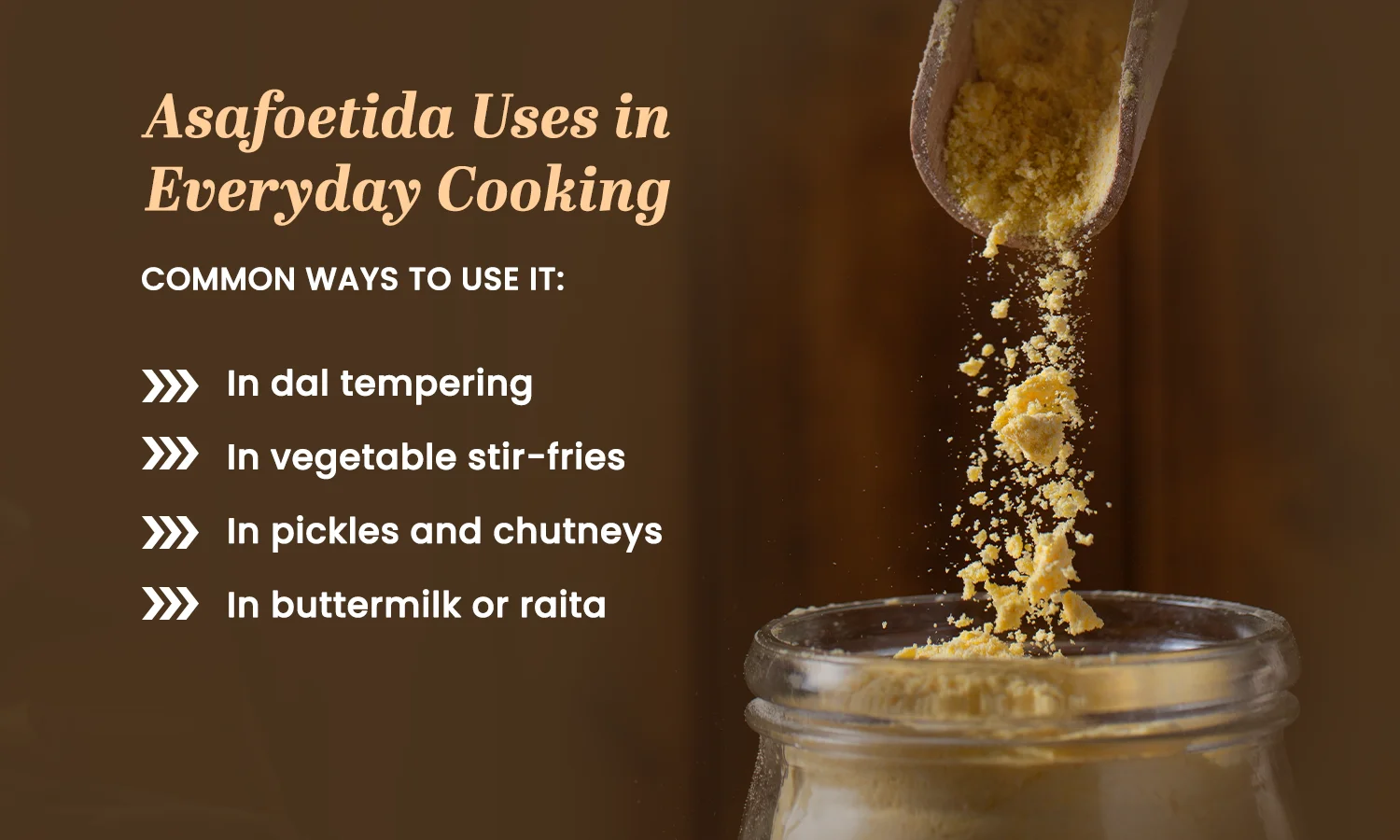
Asafoetida Uses in Everyday Cooking

There are many asafoetida uses in daily meals. Even a tiny amount of indian asafoetida can transform the taste of a dish.Common ways to use it:

  • In dal tempering
  • In vegetable stir-fries
  • In pickles and chutneys
  • In buttermilk or raita

You will often find asafoetida in food where lentils or beans are used, because it helps make them easier to digest.

Asafoetida Price in India

The price of indian asafoetida depends on its form and purity.Typical price ranges:

Form Price Range
Compounded powder (25–50g) ₹60 – ₹150
Compounded powder (100g) ₹160 – ₹300
Pure resin (per kg) ₹6,500 – ₹30,000

Powdered versions are more affordable because they are blended with carriers, while pure resin is more concentrated and expensive.

Why Choose SGR 777 Foods Asafoetida?

When selecting indian asafoetida, quality matters. SGR 777 Foods focuses on purity and consistent flavour.

Reasons many cooks choose it:

  • Carefully processed for consistent strength
  • Lab-tested for quality
  • Traditional flavour suited for Indian dishes
  • Suitable for dals, curries, and pickles

A good-quality indian asafoetida ensures better aroma and taste in everyday cooking.

Beyond the standard kitchen requirements, understanding the asafoetida ingredients is crucial for health-conscious consumers. 777 Foods offers a high-quality compounded asafoetida that balances the intense raw resin with edible flours, thus making it easier to measure and use as a daily hing spice. This careful formulation makes sure that even a small pinch delivers the functional asafoetida health benefits that aid digestion and reduce bloating problems in traditional heavy meals.

For people searching for an authentic Indian hing spice, the market can be confusing, but the original hing price in India reflects the purity of the source resin. When you choose a trusted brand like 777 Foods, you are getting pure hing powder that’s free from synthetic fillers or artificial colours. You might prefer a standard variety or look for organic asafoetida options; whatever it is, using a reliable brand ensures that the pungent, savory notes of high-grade hing remain the backbone of your culinary creations.

Conclusion

Indian asafoetida remains one of the most important spices in Indian kitchens. Its strong raw smell turns into a rich, savoury flavour when cooked. From improving digestion to enhancing everyday meals, indian asafoetida continues to be a trusted ingredient. Choosing a reliable brand ensures consistent flavour and quality in every dish.

Key Takeaways :

  • Indian asafoetida is a resin-based spice used in small amounts.
  • It adds flavour and supports digestion.
  • Commonly used in dals, curries, and vegetable dishes.
  • Available as powder or pure resin.
  • Prices vary based on purity and form.

FAQs

What Is Asafoetida Made From?Indian asafoetida is made from the dried resin of the Ferula plant. The sap from the root is collected, dried, and processed into lumps or powder for cooking.
Is Asafoetida Good for Digestion?Yes, indian asafoetida is commonly used to reduce gas and improve digestion. A small pinch of lentil or bean dishes helps make them easier on the stomach.
Which Is the Best Asafoetida Brand in India?Many brands offer indian asafoetida, but choosing one known for purity and consistent flavour is important. Brands like SGR 777 Foods focus on quality and traditional taste.
How Should I Store Asafoetida?To keep indian asafoetida fresh, store it in an airtight container in a cool, dry place. Proper storage helps maintain its aroma and effectiveness.