Top 10 Health Benefits of Narthangai Pickle You Should Know

Why You Shouldn’t Ignore the Benefits of Narthangai Pickle

In many South Indian homes, pickles aren’t just a side—they’re a way of healing. Among them, Narthangai pickle holds a special place. Made from sun-dried citron, it delivers bold flavor and deep-rooted wellness. If you’ve ever enjoyed it with curd rice or hot rasam, you’ve already tasted its magic.This blog explores everything you need to know—from its preparation to how to use it daily. If you’re considering adding this to your meals, understanding the benefits of Narthangai pickle is the perfect place to begin.But beyond taste, the benefits of Narthangai pickle make it one of the most underrated natural remedies in our kitchens. From improving digestion to balancing liver health, it’s been trusted for generations.

What is Narthangai Pickle?

Narthangai, or citron, is a citrus fruit that looks like a rugged lemon but has a more complex bitter-sour flavor. The narthangai pickle recipe involves chopping and drying the fruit, mixing it with turmeric, rock salt, chilli powder, mustard seeds, and finally curing it in gingelly oil.This method brings out its strong aroma and enhances its health properties. You’ll often find narthangai pickle bottles in Tamil households—aged perfectly in ceramic jars.When made properly, the benefits of Narthangai pickle are preserved through sun-drying and slow fermentation, creating a long-lasting, therapeutic condiment. Benefits of Narthangai Pickle

Top 10 Health Benefits of Narthangai Pickle

Let’s look at the most compelling benefits of Narthangai pickle, one by one:

1. Improves Digestion

The sharp taste of Narthangai stimulates the secretion of digestive enzymes. This is one of the key narthangai pickle benefits for those struggling with bloating or indigestion.

2. Reduces Acidity NaturallyThe alkalizing properties of the fruit help reduce acid reflux. Many people consume it after spicy meals for this reason.3. Boosts AppetiteLoss of appetite? A small spoon of this pickle can activate your taste buds and digestive juices instantly.4. Eases Nausea and VomitingOne of the lesser-known benefits of Narthangai pickle is its anti-nausea properties. It’s even safe during pregnancy in small amounts.5. Supports Liver FunctionThe bitter-sour profile of Narthangai detoxifies and supports healthy liver function—a major reason it’s part of traditional diets.6. Enhances Iron AbsorptionThanks to its high citric acid content, it boosts the absorption of iron from other foods.7. Strengthens ImmunityWith high Vitamin C levels, Narthangai pickle health benefits include fighting infections and improving skin health.8. Relieves Flatulence

Traditional use includes using this pickle to reduce gas and bloating after heavy meals.

9. Balances Sugar CravingsIts bitter profile can help control sugar urges and balance your palate.10. Acts as a Natural AntioxidantThe fruit’s bioactive compounds help fight free radicals in the body.

These benefits of Narthangai pickle have stood the test of time—not just for flavor, but for genuine health support.

Is Narthangai Pickle Safe During Pregnancy?

Yes, narthangai pickle during pregnancy is generally safe—in moderation. In fact, its sour profile helps reduce morning sickness, nausea, and bloating. Many women prefer it in the first trimester as a natural appetite stimulator.However, you should:

  • Ensure it’s made without chemical preservatives
  • Opt for low-oil, naturally cured variants
  • Avoid excessive intake due to high sodium

If you’re unsure, consult your doctor and choose brands like 777 SGR Foods, known for preservative-free traditional pickles

Nutritional Breakdown That Supports the Benefits of Narthangai Pickle

Understanding the nutritional profile can help reinforce the benefits of Narthangai pickle. Here’s what you’re really eating:

Nutrient Role in the Body
Vitamin C Immunity, skin health
Citric Acid Digestion, iron absorption
Potassium Blood pressure regulation
Antioxidants Cellular protection
Natural oils Liver detox, digestion aid

Fermentation and oil preservation help retain these compounds and make them easier for the body to absorb. Benefits of Narthangai Pickle
How to Use Narthangai Pickle in Daily Meals

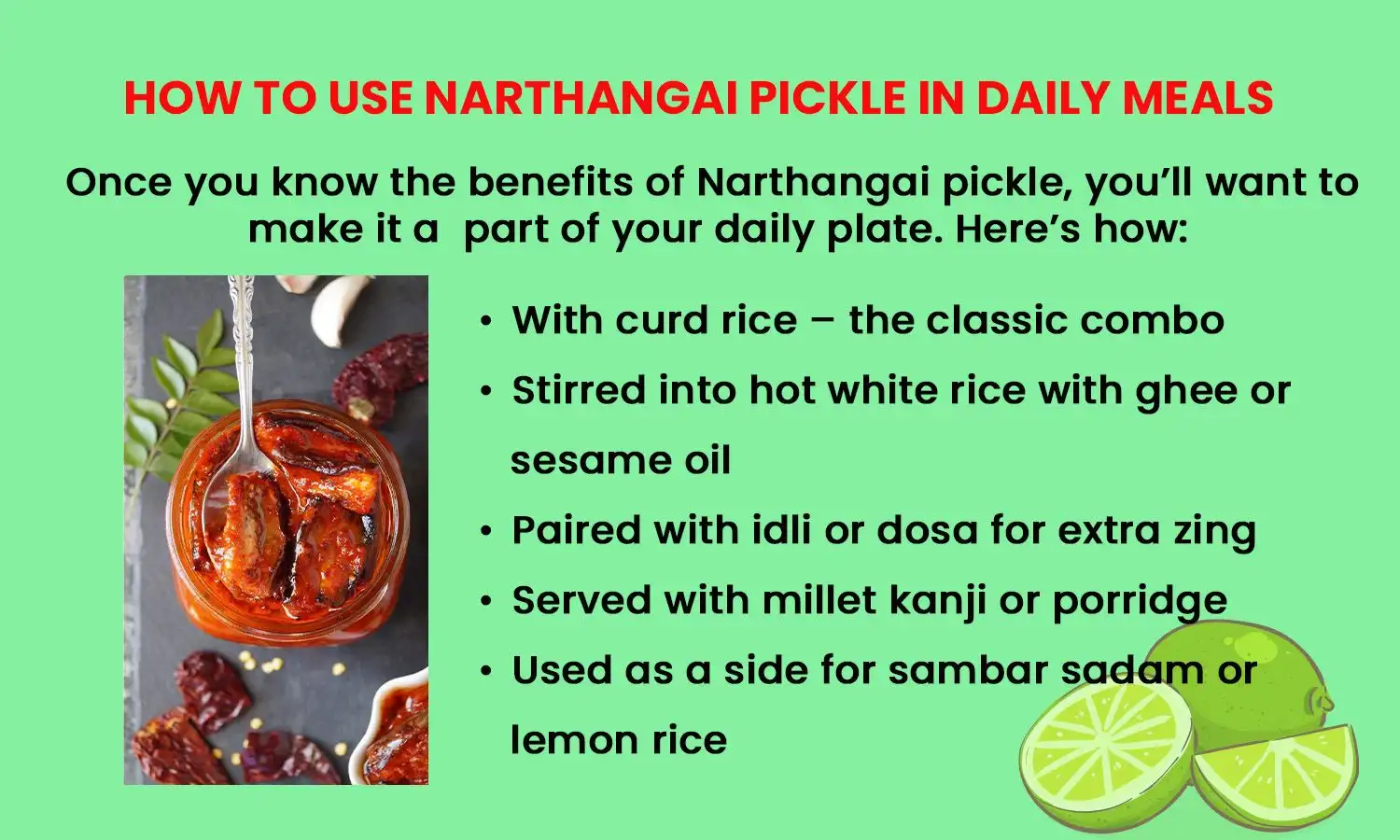
Once you know the benefits of Narthangai pickle, you’ll want to make it a part of your daily plate. Here’s how:

  • With curd rice – the classic combo
  • Stirred into hot white rice with ghee or sesame oil
  • Paired with idli or dosa for extra zing
  • Served with millet kanji or porridge
  • Used as a side for sambar sadam or lemon rice

Don’t have time to make it yourself? You can buy Narthangai online from traditional brands that use clean recipes and small-batch methods.

Conclusion

When we talk about food as medicine, the benefits of Narthangai pickle offer the perfect example. This isn’t just a tangy side—it’s a legacy that’s been healing bodies and balancing diets for generations.
And if you’re short on time or ingredients, choose a trusted source like 777 SGR Foods. Their narthangai pickle online offerings are made with sun-dried fruit, authentic spices, and zero preservatives—just like home, but ready in a jar.

Key Takeaways

  • The benefits of Narthangai pickle include digestive support, liver detox, iron absorption, and improved immunity
  • Safe for pregnancy in small amounts, especially for morning sickness relief
  • Made using simple ingredients: citron, spices, sesame oil
  • Easy to pair with most South Indian dishes
  • Available online—opt for authentic options like 777 SGR Foods’ Narthangai pickle

FAQs

What are the benefits of Narthangai Pickle?

They include improved digestion, liver support, reduced acidity, and better immunity. It’s also a natural appetite booster and anti-nausea aid.

Can I eat Narthangai Pickle during pregnancy?

Yes, in small quantities. It helps with nausea and digestion. Choose homemade or clean-label pickles only.

What are the ingredients in Narthangai Pickle?

Narthangai pickle recipe ingredients include dried citron, turmeric, red chilli, mustard seeds, rock salt, and sesame oil.

Is Narthangai the same as lemon?

No. Narthangai is citron, which is larger and more bitter than regular lemons. It’s ideal for long-lasting pickles.

How long does Narthangai Pickle last?

Traditionally made pickles can last 2–3 months if stored in a clean jar. Check expiry if buying narthangai pickle online.

What are the benefits of mango ginger Pickles?

Among Indian pickles, mango ginger pickle, locally known as inji manga, is unique for its pungent taste and incredible health benefits. While everyone enjoys its sour taste with a plate of curd rice or paratha, not many are aware of the benefits of mango ginger pickles beyond their deliciousness. In this blog, we’ll explore all the key advantages and reasons to include them in your meals.

benefits of mango ginger Pickles

What Is Mango Ginger (Inji Manga)?

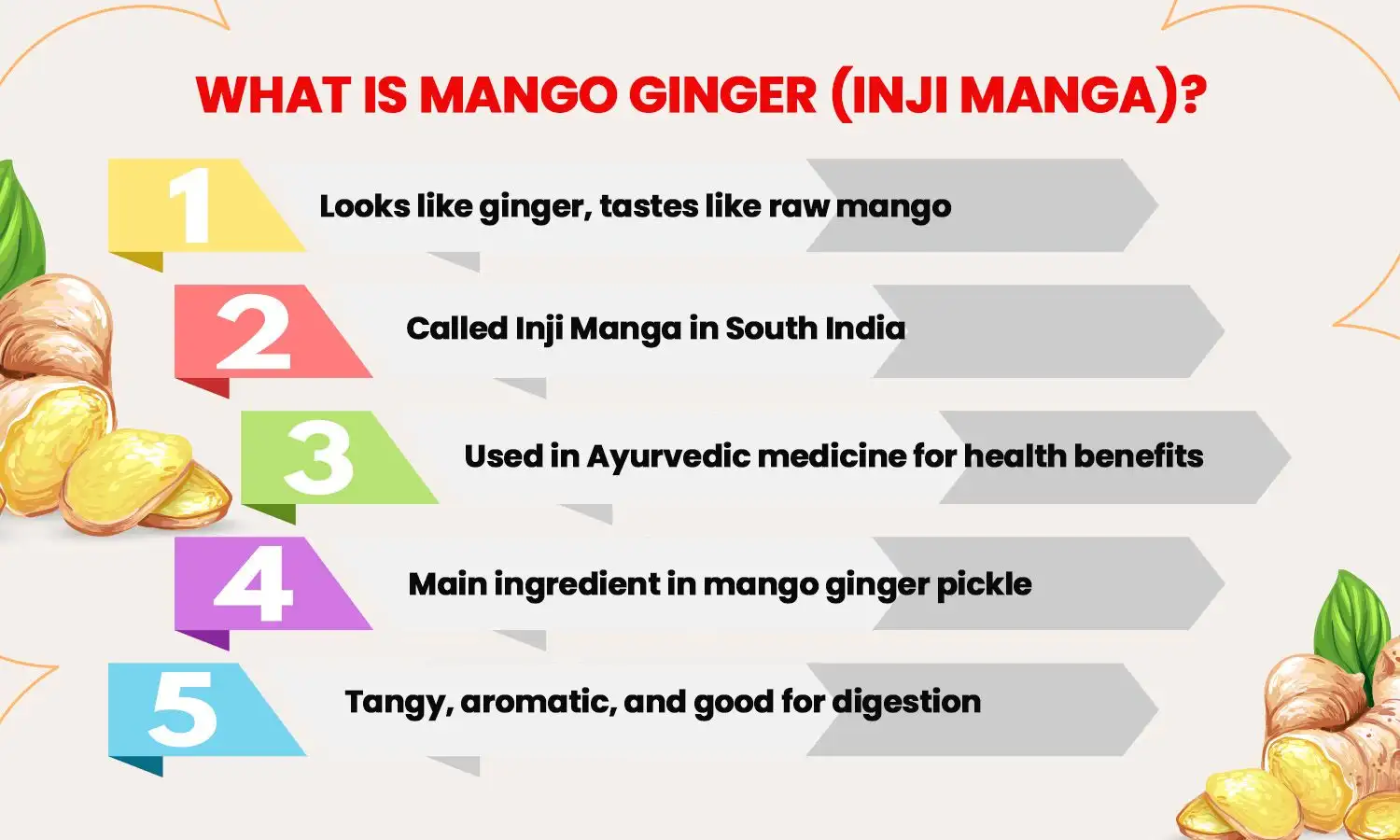
Mango ginger is neither mango nor ginger, as suggested by the name. It is a unique root that looks like ginger but has the scent and taste of raw mango. Known as inji manga in Southern India, it holds an important place in Ayurvedic medicine for its healing properties.
This scented root is the star ingredient behind the benefits of mango ginger pickles, combining both flavour and wellness in one bite.

Why is Mango Ginger Pickle So Unique?

Unlike standard mango pickle recipes that use raw mangoes, mango ginger pickle blends the tang of mango with the mild heat of ginger. It’s usually mixed with lemon juice, green chilies, and mustard seeds to deliver that zesty punch.
The benefits of mango ginger pickles go beyond taste — this blend supports digestion, adds nutrition, and offers a unique variety among traditional pickles. You’ll also find variations like ginger in mango pickle or ginger garlic pickle that bring their own flavour and health perks. benefits of mango ginger Pickles

What Are the Nutrition Facts of Mango Ginger Pickle?

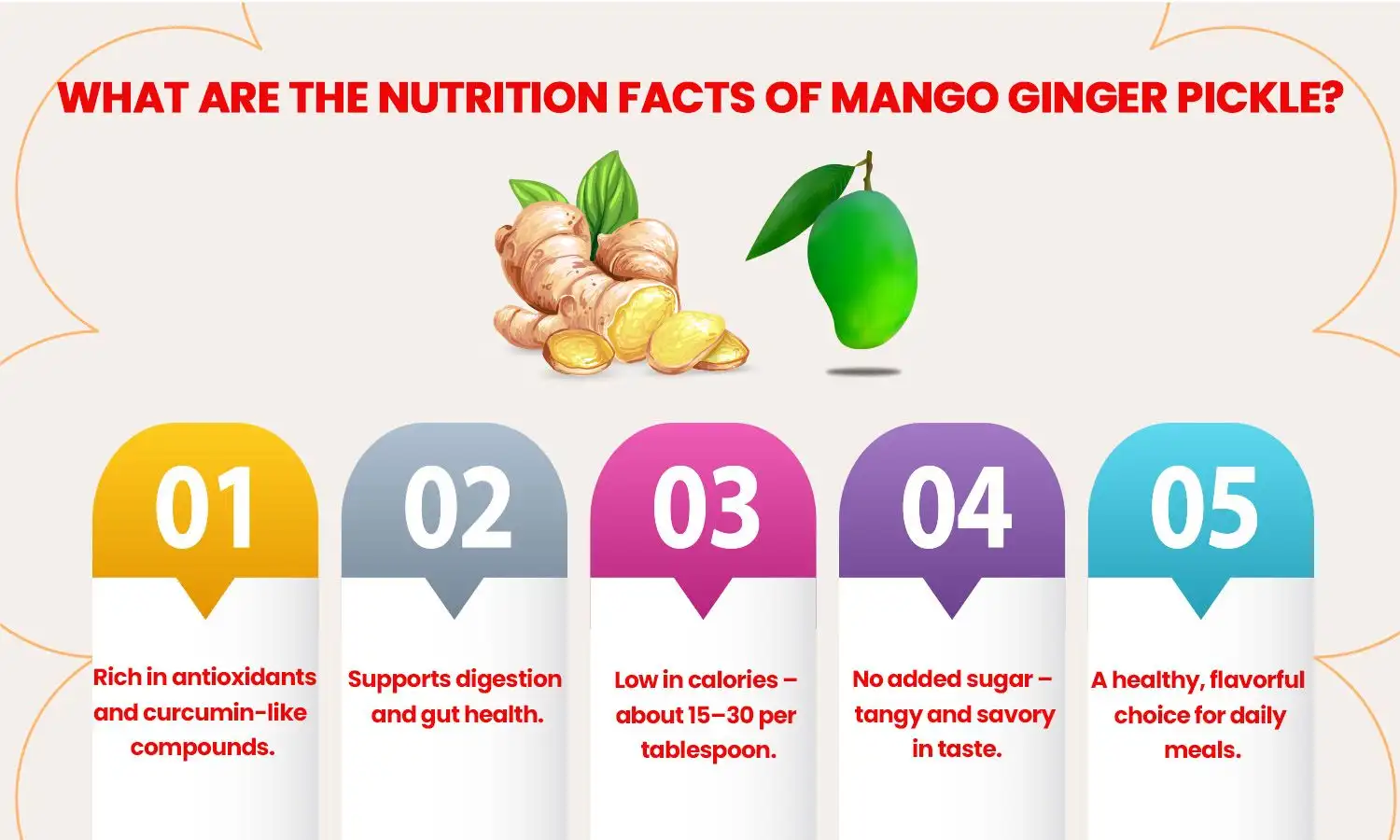
Beyond the bold taste, the benefits of mango ginger pickles include being rich in antioxidants and natural anti-inflammatory compounds. It’s similar to ginger in its ability to promote digestion by stimulating digestive enzymes.
With just 15–30 calories per tablespoon, depending on oil content, it’s a low-calorie addition to your plate. And unlike sweet pickles, mango ginger pickle stays savoury, tangy, and sugar-free — perfect for those watching their intake but craving flavour. benefits of mango ginger Pickles

How to Prepare Mango Ginger Pickle at Home?

If you want to know how to prepare mango ginger pickle, let’s have a brief overview:

  • Ingredients:

    • 1 cup sliced mango ginger (inji manga)
    • 2 tbsp lemon juice or tamarind paste
    • 1 tsp mustard seeds
    • 1/2 tsp turmeric powder
    • Salt as per taste
    • 2 tbsp sesame (gingelly) oil
  • Preparation:

    • Wash and peel the mango ginger. Slice thinly.
    • Heat oil, splutter mustard seeds.
    • Add turmeric, mango ginger, and sauté for a minute.
    • Shut off the heat and stir in the lemon juice and salt.
    • Store in a dry, clean jar.
    • This simple mango ginger pickle recipe can be kept for up to 2 weeks refrigerated.

Where to Purchase Original Mango Ginger Pickle Online?

For those in a rush, you can order mango ginger pickle online​ from our website. We have a wide range of pickles. Authentic South Indian varieties like inji manga pickle are often available in our stock.

Is Mango Ginger Pickle Safe for Daily Consumption?

Yes! The benefits of mango ginger pickles include their suitability for regular meals. Our SGR 777 mango ginger pickle contains less salt and oil while delivering full flavour. It’s a smart, gut-friendly addition to your daily diet — especially with rice, curd, or rotis.

FAQs

Can We Add Ginger to Mango Pickle?

Yes, ginger can be added to traditional mango pickle recipes to create unique combinations like ginger mango pickle or even a ginger garlic mango pickle. It enhances both flavor and digestive benefits.

Is Ginger Mango Pickle Healthy or Not?

Ginger mango pickle, especially when made with mango ginger (inji manga), is considered healthy in moderation. It contains anti-inflammatory compounds, supports digestion, and is often lower in sugar than sweet pickles.

What Are the Advantages of Ginger Mango Pickled Foods?

The benefits of mango ginger pickles include aiding digestion, reducing inflammation, and improving appetite. They also contain antioxidants and natural enzymes that support gut health.

Is Mango Ginger Pickle the Same as Ginger Garlic Mango Pickle?

Not exactly. Mango ginger pickle uses the root inji manga, which tastes like raw mango but looks like ginger. Ginger garlic mango pickle usually uses regular ginger with garlic and mango pieces. Both are distinct in flavor and preparation.

Is Mango Ginger Pickle a Probiotic?

If prepared through natural fermentation, mango ginger pickle may contain probiotics. However, most quick recipes and store-bought versions are not fermented long enough to offer probiotic benefits unless specified.

Not exactly. Mango ginger pickle uses the root inji manga, which tastes like raw mango but looks like ginger. Ginger garlic mango pickle usually uses regular ginger with garlic and mango pieces. Both are distinct in flavor and preparation.

Top 5 health benefits of Garlic Pickle

Summary

Details seven health benefits of traditional garlic pickle: heart health (allicin lowers LDL), improved iron metabolism for vegetarians, cold and immunity support, weight management and digestion, anti-inflammatory effects for joints, liver detoxification via sulfur compounds, and microbiome balance through fermentation. Includes a simple home recipe using sun-dried garlic, spices, and sesame oil, plus a recommended daily portion.

Why Everyone’s Talking About the Benefits of Garlic Pickle

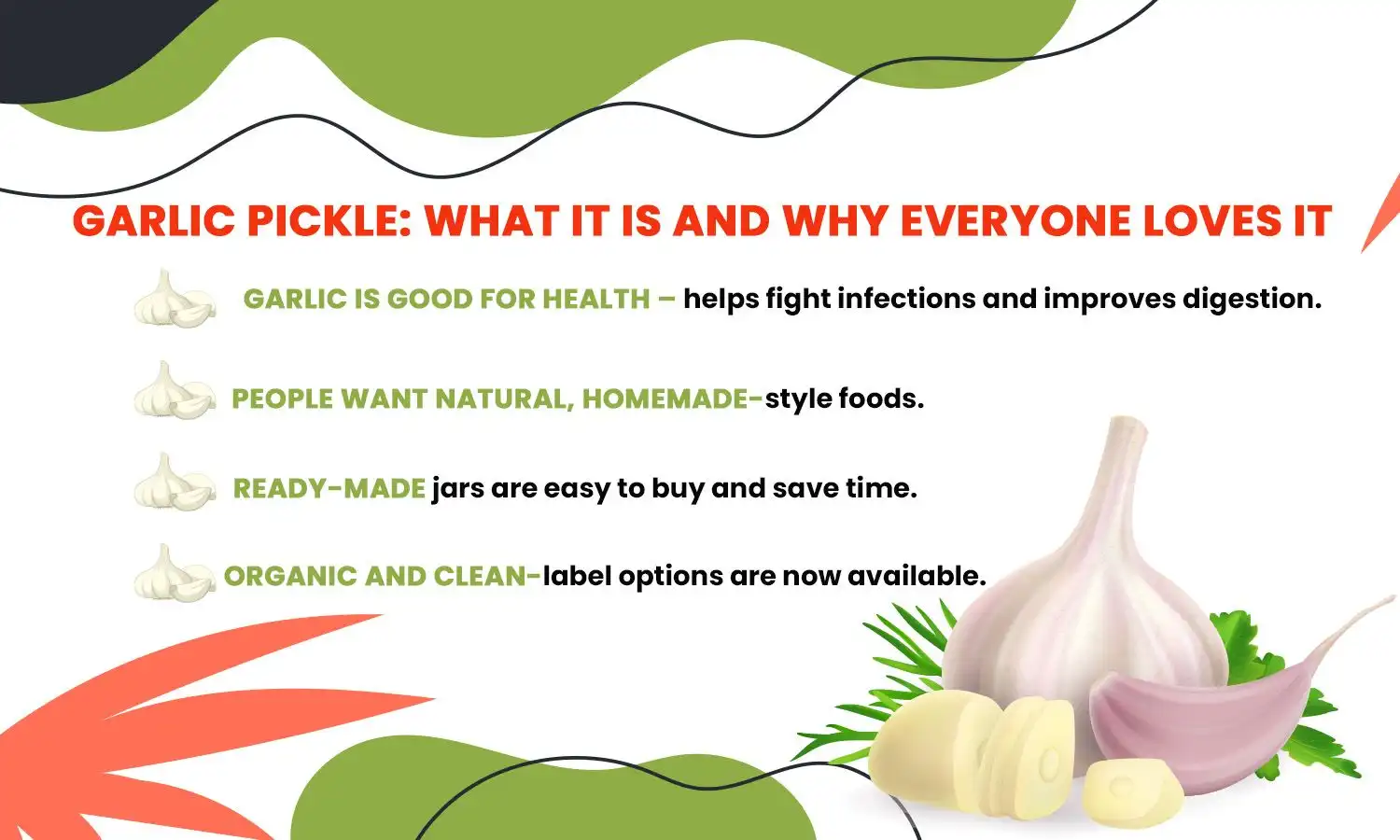
In Indian kitchens, garlic is more than just a seasoning—it’s a healer. When preserved the traditional way, it transforms into something powerful: garlic pickle. And what’s exciting is how many people are rediscovering the benefits of garlic pickle not just as a condiment, but as a daily health booster.Whether you’re eating it with curd rice, roti, or dal, the benefits of garlic pickle go far beyond flavor. From aiding digestion to boosting immunity, this age-old recipe packs wellness into every spoonful. If you’ve tasted 777 garlic pickle, you already know what authentic, oil-cured garlic can do for the body and soul.Let’s explore the top reasons why this humble pickle deserves a permanent place in your meals. benefits of Garlic Pickle

What Is Garlic Pickle and Why Is It So Popular Now?

Garlic pickle (also known as garlic achar) is a traditional Indian preparation made by curing peeled garlic cloves in mustard seeds, red chilli, turmeric, salt, and sesame oil. The process of fermentation and oil preservation not only enhances flavor but also unlocks the true benefits of garlic pickle.

As more people seek natural, food-based solutions for health issues, the demand for organic pickled garlic and clean-label pickle jars has grown. This is why many now prefer to buy garlic pickle from trusted brands instead of making it from scratch.

1. Promotes Heart Health

One of the most celebrated benefits of garlic pickle is its impact on heart function. Garlic naturally lowers LDL cholesterol, prevents arterial plaque buildup, and regulates blood pressure. When fermented and consumed regularly, the allicin in garlic helps strengthen cardiovascular health.

This is why so many health-conscious families now buy pickled garlic or incorporate it into meals at least a few times a week.

2. Improves Iron Metabolism

Garlic contains compounds that help the body absorb non-heme iron, especially from plant-based foods like greens and legumes. One of the lesser-known benefits of garlic pickle is its role in improving energy levels by boosting iron metabolism—particularly important for vegetarians.

If you’re buying a ready-made jar, opt for the best garlic pickles that list clean, minimal ingredients on the label.

3. Treats Cold and Supports Immunity

Since ancient times, garlic has been used to treat colds, congestion, and sore throats. Its antibacterial, antiviral, and anti-inflammatory properties become even more bioavailable when garlic is pickled. One of the practical benefits of garlic pickle is quick relief during seasonal flu or runny noses—without needing a prescription.The heat and flavor of old south pickled garlic recipes are especially effective for this.

4. Aids in Weight Management and Digestion

Garlic improves gut health and boosts metabolism, making garlic pickle for weight loss a natural option for those looking to reduce bloating and improve digestion. When taken in small amounts with meals, it supports fat metabolism and reduces sugar cravings.

This makes it both a digestive and a gentle detoxifier—two important benefits of garlic pickle if you’re focused on wellness through food.

5. Anti-Inflammatory Effects: Supports Joints and Immunity

Garlic is rich in sulfur compounds that reduce inflammation in the joints. One of the overlooked benefits of garlic pickle is its role in managing arthritis symptoms. Regular, small servings can reduce morning stiffness and support joint mobility—especially when paired with a clean diet.

Looking for natural remedies? Explore the garlic pickle health benefits listed in Ayurveda and folk medicine.

6. Supports Liver Function and Detoxification

The garlic pickle health benefits extend deep into the body’s detoxification pathways. Garlic is rich in sulfur and selenium, which activate the liver enzymes responsible for flushing out toxins. Therefore, by incorporating it as a condiment, you can enjoy pickled garlic benefits, such as reduced oxidative stress on the liver, which can enhance skin clarity and energy levels. The garlic pickle price may differ according to the quality of oil and spices used. When you invest in a high-quality jar of garlic pickle, you will be getting a potent source of bioactive compounds that support your body’s natural cleansing cycle.

7. Promotes Microbiome Balance

Beyond basic metabolism, garlic pickle for digestion works wonders due to its probiotic potential when prepared through traditional fermentation. An Indian garlic pickle recipe uses mustard oil and salt. These two ingredients serve as natural preservatives while allowing beneficial bacteria to thrive. The unique preparation of garlic pickle makes the garlic easier to digest compared to raw cloves, which can sometimes be harsh on a sensitive stomach.
Understanding the various garlic pickle uses, from stirring it into curd rice to serving it alongside parathas, is a delicious way to enjoy the health benefits of pickled garlic. If you are seeking the best garlic pickle, look for traditional handmade varieties that maintain the integrity of these age-old fermentation techniques.

benefits of Garlic Pickle

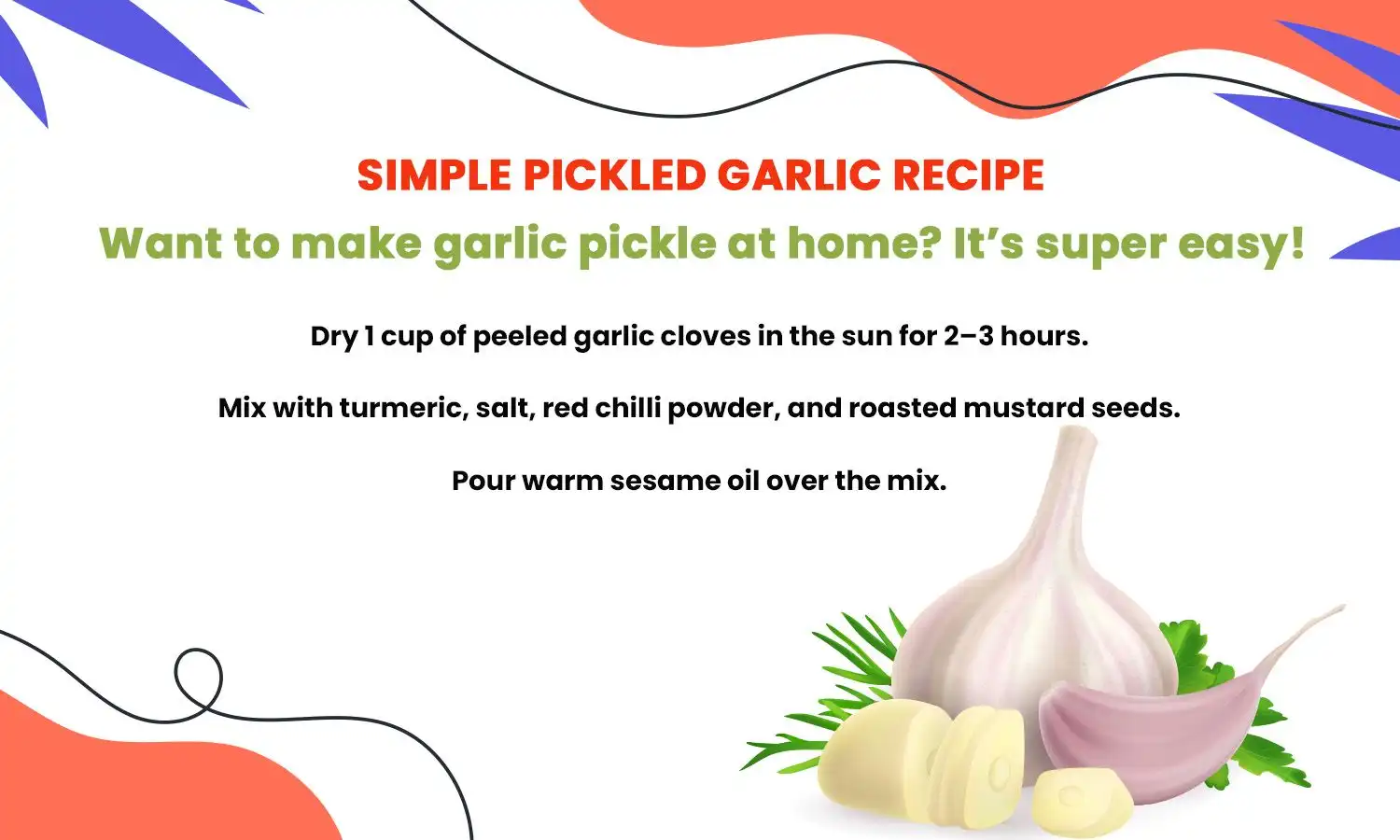
Bonus: Simple Pickled Garlic Recipe

Don’t have time to make it at home? No problem. You can easily buy garlic pickle from authentic brands online. But if you want to try it yourself, here’s a quick guide:
  • Sun-dry 1 cup peeled garlic cloves for 2–3 hours
  • Mix with turmeric, salt, red chilli, and roasted mustard
  • Pour warm sesame oil, let sit in a jar for 3–5 days
  • Store in a cool, dry place

Can’t make it from scratch? Go for the best garlic pickle online —look for brands with no artificial preservatives and traditional recipes like 777 garlic pickle.

Conclusion

Now that you know the benefits of garlic pickle, it’s easy to see why it’s been part of Indian meals for generations. This tiny powerhouse not only brings bold flavor to your plate—it brings real, proven health support too.And if you want the same traditional strength in every spoon without the hassle of making it at home, trust 777 SGR Foods’ garlic pickle, online crafted with oil, spice, and authenticity that tastes like home.

Key Takeaways

  • The benefits of garlic pickle include heart health, digestion, immunity, iron absorption, and anti-inflammatory relief
  • Pickled garlic increases the availability of compounds like allicin
  • Helps manage cold, arthritis, bloating, and low energy
  • Easily made at home or ordered as organic pickled garlic
  • Authentic products like 777 garlic pickle offer clean-label convenience

FAQs

How Is Garlic Pickle Made?

Garlic pickle is made by sun-drying garlic, then curing it in a blend of mustard seeds, red chilli, turmeric, and sesame oil. It’s left to rest and ferment for 3–5 days.

How Long Will Garlic Pickle Last?

If stored properly in a clean, dry glass jar with a layer of oil, garlic pickle can last 2–3 months. Refrigerate in humid weather for extended freshness.

How Does Pickled Garlic Taste?

It has a bold, spicy, and slightly tangy flavor. The fermentation softens its bite while retaining garlic’s signature aroma.

How Much Garlic Pickle Should I Eat Daily?

A small spoonful—2 to 3 cloves a day—is enough to enjoy the benefits of garlic pickle without overloading on oil or salt.

How to Make a Mango Pickle

The Joy (and Simplicity) of Learning How to Make a Mango Pickle

In Indian households, there’s something sacred about the first mangoes of the season. For many, they aren’t just eaten—they’re preserved, spiced, and turned into something unforgettable: mango achar. Whether it’s Andhra-style, Punjabi-style, or Tamil-style, learning how to make a mango pickle connects you to a tradition that’s all about flavor and patience.The good news? You don’t need a commercial kitchen or rare ingredients to master how to make a mango pickle. All you need are raw mangoes, quality spices, and a little guidance—like this blog. We’ll walk you through everything, from ingredient prep to the common mistakes people make.And if you ever need a shortcut, authentic brands like 777 mango pickle offer jarred goodness that tastes like it’s made at home. If you have ever wondered How do you make mango pickle at home, this guide makes the whole process simple. How to Make a Mango Pickle

Ingredients Required to Make Mango Pickle

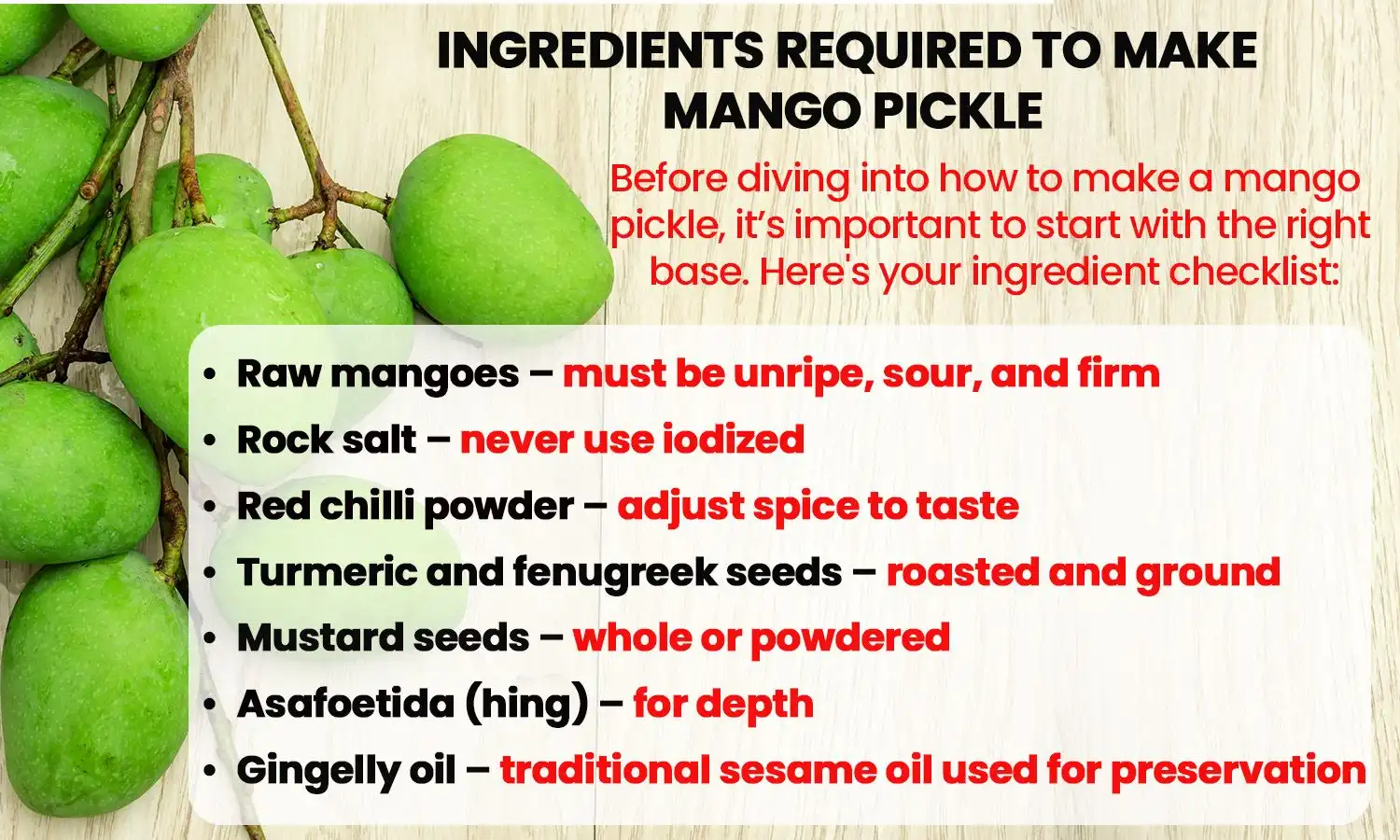
Before diving into how to make a mango pickle, it’s important to start with the right base. Here’s your ingredient checklist:

  • Raw mangoes – must be unripe, sour, and firm
  • Rock salt – never use iodized
  • Red chilli powder – adjust spice to taste
  • Turmeric and fenugreek seeds – roasted and ground
  • Mustard seeds – whole or powdered
  • Asafoetida (hing) – for depth
  • Gingelly oil – traditional sesame oil used for preservation

While these ingredients help preserve your pickle naturally, you can also find the best mango pickle variants that follow these same recipes and arrive sealed in glass jars. Getting the Mango Pickle Ingredients right is the first step in any good How to Prepare Mango Pickle guide.

Choosing the Right Mango for Pickling

The heart of how to make a mango pickle lies in choosing the mango. You want mangoes that are:

  • Firm, raw, and fibrous-free
  • Unripe with thick skin and deep green color
  • Sour but not spoiled

Avoid sweet or semi-ripe mangoes—they’ll ferment and ruin your batch. The same mango varieties are often used in organic mango pickle products, where quality is preserved without artificial preservatives.

If you want to try pickles from other states, look for jars labeled Indian mango pickle—each region has its own signature spice mix. A proper Raw Mango Pickle depends on firm, sour fruit, and a classic South Indian Mango Pickle is built on exactly this kind of mango. How to Make a Mango Pickle

Easy Tips to Make Your Pickle Taste Better and Last Longer

No matter how well you follow instructions on how to make a mango pickle, your pickle’s taste and shelf life depend on the little things:

  • Dry all ingredients and tools thoroughly
  • Store in sun-dried glass jars
  • Heat the oil and let it cool before pouring
  • Keep it in sunlight for 5–7 days post mixing
  • Shake the jar every 2–3 days for uniform flavoring

Want to skip the process but still get the flavor? Order homemade achar online from reputable brands—some even offer small-batch, sun-cured varieties that feel like they came from your own kitchen. Follow these steps and you have a reliable Easy Mango Pickle Recipe that works every time. How to Make a Mango Pickle

How to Store Mango Pickle the Right Way

Storing it right is half the secret in learning how to make a mango pickle that lasts months.Tips to follow:

  • Always use sterilized glass or ceramic jars
  • Add a thin oil layer on top to lock out moisture
  • Never use wet spoons or expose to water
  • Store in a cool, dark place after initial sun-curing
  • Refrigerate if you live in humid climates

If you’re buying instead of making, always compare the mango pickle price by volume—not just by jar size. This helps you find real value when buying online or at local stores.

Mistakes to Avoid When Making Mango Pickle

Even the most well-intentioned cook can mess up pickle-making. Here’s what to avoid when learning how to make a mango pickle:

  • Not drying mangoes completely – invites fungus
  • Using the wrong oil – stick to cold-pressed sesame
  • Using plastic jars – can leach flavor and reduce shelf life
  • Skipping the sunlight step – this affects the curing
  • Adding too much salt or too little oil – both can spoil the taste

For those looking to skip the hassle, there’s no shame in going for the best mango pickle online—just ensure it lists all-natural ingredients and no chemical preservatives. Avoiding these slip-ups is what separates an average jar from the Best Mango Pickle Recipe.

Conclusion :

By now, you’ve learned not just how to make a mango pickle, but how to do it right—using age-old methods that ensure both taste and longevity. From choosing the right mangoes to sun-curing and careful storage, every step in this process is about respecting tradition and letting real ingredients shine.

Key Takeaways

  • Learning how to make a mango pickle starts with the right mango and ends with smart storage
  • Avoid common mistakes like wet ingredients, plastic jars, or iodized salt
  • Proper sunlight, oil layering, and dry storage help extend shelf life
  • You can also order mango pickle online for the same traditional taste
  • Whether it’s homemade or store-bought, the best pickles follow time-honored techniques

FAQs

Is Mango Pickle Good for Health?

Yes, when consumed in moderation. Mango pickle helps with digestion, boosts appetite, and offers antioxidants. When made traditionally—with cold-pressed oil, rock salt, and spices—it provides health benefits without artificial additives.

Which State Is Famous for Mango Pickles?

Andhra Pradesh and Tamil Nadu are especially known for their fiery, oil-rich Indian mango pickle recipes. North India also has its own versions, like Punjabi-style dry mango pickle with fennel and mustard.

Why Do Mango Pickles Turn Black?

Discoloration usually happens due to moisture, the use of iodized salt, or storage in metal or plastic containers. Always follow clean drying practices and proper oil layering to prevent this.

Can I Eat Mango Pickle With Curd?Yes. In fact, mango achar with curd rice is a staple in many South Indian homes. The sourness of the pickle complements the cooling effect of curd, creating a balanced digestive meal.
Which Oil Is Best for Mango Pickle?Traditionally, cold-pressed gingelly (sesame) oil is preferred for its flavor and preservative qualities. Mustard oil is also common in North Indian styles. Avoid refined oils if you’re serious about preserving the integrity of your pickle.

How to Make Amla Pickle at Home

Amla Pickle – A Spoonful of Tradition and Good Health

Every Indian kitchen has its hero pickle—fiery mango, spicy garlic, or sharp lemon. But when health meets heritage, amla achar (gooseberry pickle) shines through. If you’re wondering how to make amla pickle at home, this blog brings you a simple recipe rooted in tradition and everyday ingredients.

Amla is celebrated for its medicinal value—it’s high in Vitamin C, boosts immunity, and aids digestion. Pickling it preserves those nutrients while turning it into a flavorful, long-lasting side. Whether you’re craving instant amla pickle or planning to bottle a batch of amla thokku, this method suits both.

Let’s begin with what makes amla worth pickling.

Why Amla Deserves a Spot on Your Plate

Before we get into how to make amla pickle at home, it helps to understand why this fruit is such a staple in South Indian kitchens. Known as arai nellikai or nellikai oorugai, amla isn’t just another sour fruit—it’s a nutritional powerhouse.Here’s why:

  • Rich in antioxidants and Vitamin C
  • Supports gut health and digestion
  • Balances heat in spicy meals
  • Naturally boosts immunity
  • Helps regulate blood sugar and iron absorption

No wonder it’s become the base for everything from nellikai urugai to wellness-focused sweet amla pickle. When pickled right, amla becomes more than an ingredient—it becomes tradition. amla pickle at home

Ingredients You’ll Need to Make Amla Pickle

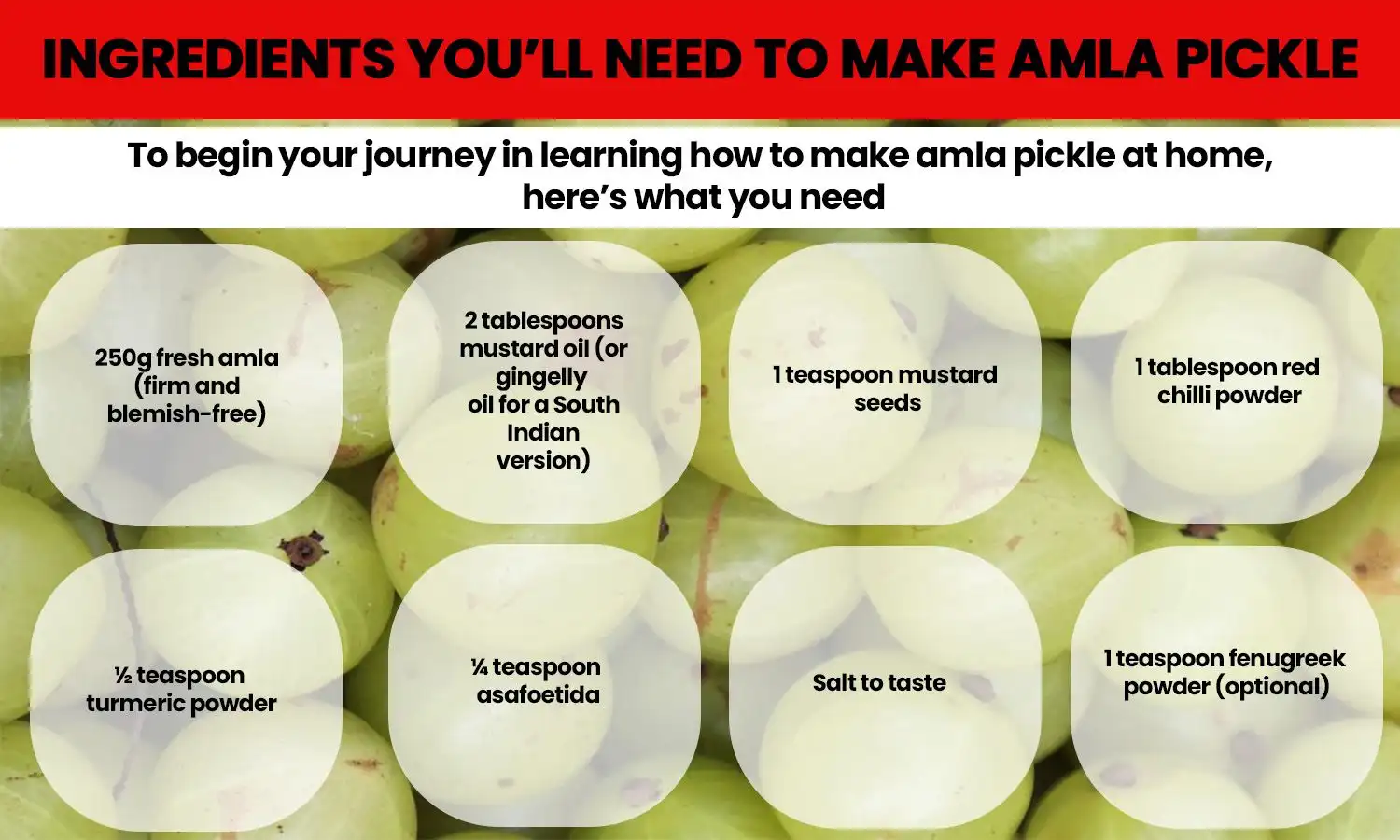
To begin your journey in learning how to make amla pickle at home, here’s what you need:

  • 250g fresh amla (firm and blemish-free)
  • 2 tablespoons mustard oil (or gingelly oil for a South Indian version)
  • 1 teaspoon mustard seeds
  • 1 tablespoon red chilli powder
  • ½ teaspoon turmeric powder
  • ¼ teaspoon asafoetida
  • Salt to taste
  • 1 teaspoon fenugreek powder (optional)

You can always tweak spice levels to suit your family’s preference. This is the same style used in many homemade amla pickle batches passed down across generations.

How to Make Amla Pickle at Home – 6 Simple Steps

This method shows you exactly how to make amla pickle at home using traditional pan-cooked oil tempering. It’s easy to follow and works even if you’re new to pickling.

1. Boil and Cool the Amla

Boil amla in water for 5–6 minutes until soft. Drain and let them cool. Once cool, press gently to separate into segments.

2. Dry Properly

Boil amla in water for 5–6 minutes until soft. Drain and let them cool. Once cool, press gently to separate into segments.

3. Prepare the Oil and Spices

Heat mustard oil until it reaches smoking point. Turn off the heat and add mustard seeds, turmeric, red chilli powder, asafoetida, and fenugreek powder.

4. Add Amla and Mix Well

Add the amla segments to the warm spiced oil. Mix well so every piece is coated in flavor.

5. Cool and Bottle It

Once the mixture cools completely, transfer it to a sterilized glass jar. Don’t seal while hot.

6. Let It Rest Before Serving

Let the pickle rest at room temperature for 2–3 days before refrigerating. Now you know exactly how to make amla pickle at home that’s full of flavor and lasts long. amla pickle at home

How to Store Your Amla Pickle Right

After you’ve learned how to make amla pickle at home, storing it properly ensures it stays safe, fresh, and tasty. Here are a few storage rules every household should follow:

  • Use only clean, dry, airtight glass jars
  • Always use dry spoons when serving
  • Top with a thin layer of oil to lock out air
  • Store in a cool, dry spot or refrigerate
  • Shake the jar every few days to prevent settling

If you’re buying amla pickle online, check that the label mentions these traditional practices. That’s what sets brands like 777 SGR Foods apart—products made with care, using time-honored methods. amla pickle at home

What to Pair Amla Pickle With

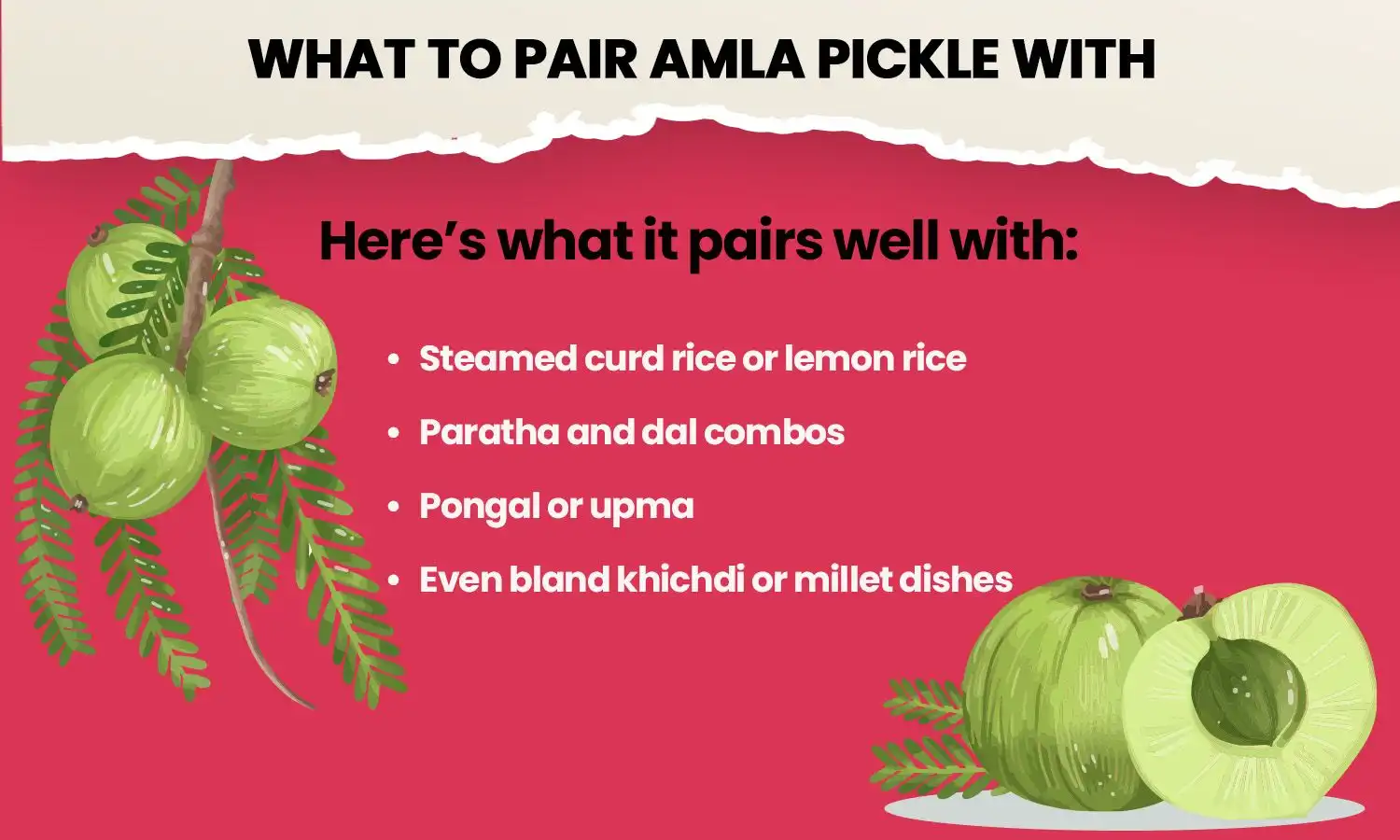
Once you master how to make amla pickle at home, you’ll find yourself adding it to almost everything. This sharp, spicy-sour pickle lifts even the simplest meals.Here’s what it pairs well with:

  • Steamed curd rice or lemon rice
  • Paratha and dal combos
  • Pongal or upma
  • Even bland khichdi or millet dishes

In fact, many people keep both a homemade jar and a store-bought backup. Compare based on freshness, amla achar price, and flavor—both have a place in the Indian kitchen.

Key Takeaways

  • You now know how to make amla pickle at home in 6 easy steps using traditional ingredients
  • Amla helps with digestion, immunity, and everyday wellness
  • Use mustard oil, dry amla thoroughly, and store it the right way
  • Pairs well with everyday South and North Indian dishes
  • For ready-made options, choose trusted brands like 777 SGR Foods

FAQs

What Is the Best Oil for Amla Pickles?

Mustard oil gives a sharp North Indian flavor, while gingelly oil offers a South Indian balance. Both are traditionally used in amla achar recipes.

What Is the Shelf Life of Amla Pickles?

When stored in a cool place using dry spoons, homemade amla pickle lasts 2–3 months easily—longer if refrigerated.

Can Diabetic Patients Eat Amla Pickle?Yes—in moderation. Amla helps regulate blood sugar, but the oil and salt should be kept light.
What Are the Benefits of Sweet Amla Pickle?

Sweetened versions (made with jaggery) are gentler on the stomach, aid digestion, and taste great with plain meals.

How to Make Tamarind Rice Using Puliyodharai Rice Paste

When travelling to any pilgrims or a picnic for family time, the most sought-after food to pack for south Indians is Tamarind Rice, popularly known as Puliyodharai. This tangy and spicy dish will melt into your mouth as you’re sitting in a shade, ready to devour your food.

Puliyodharai is known for its bold flavours and a long shelf life, and it’s a favourite across South Indian households. Now thanks to Puliyodharai rice paste, making authentic tamarind rice has never been easier.

Also, using tamarind rice paste makes this dish quick to prepare without losing its traditional taste. Puliyodharai Rice Paste

What is Tamarind Rice?

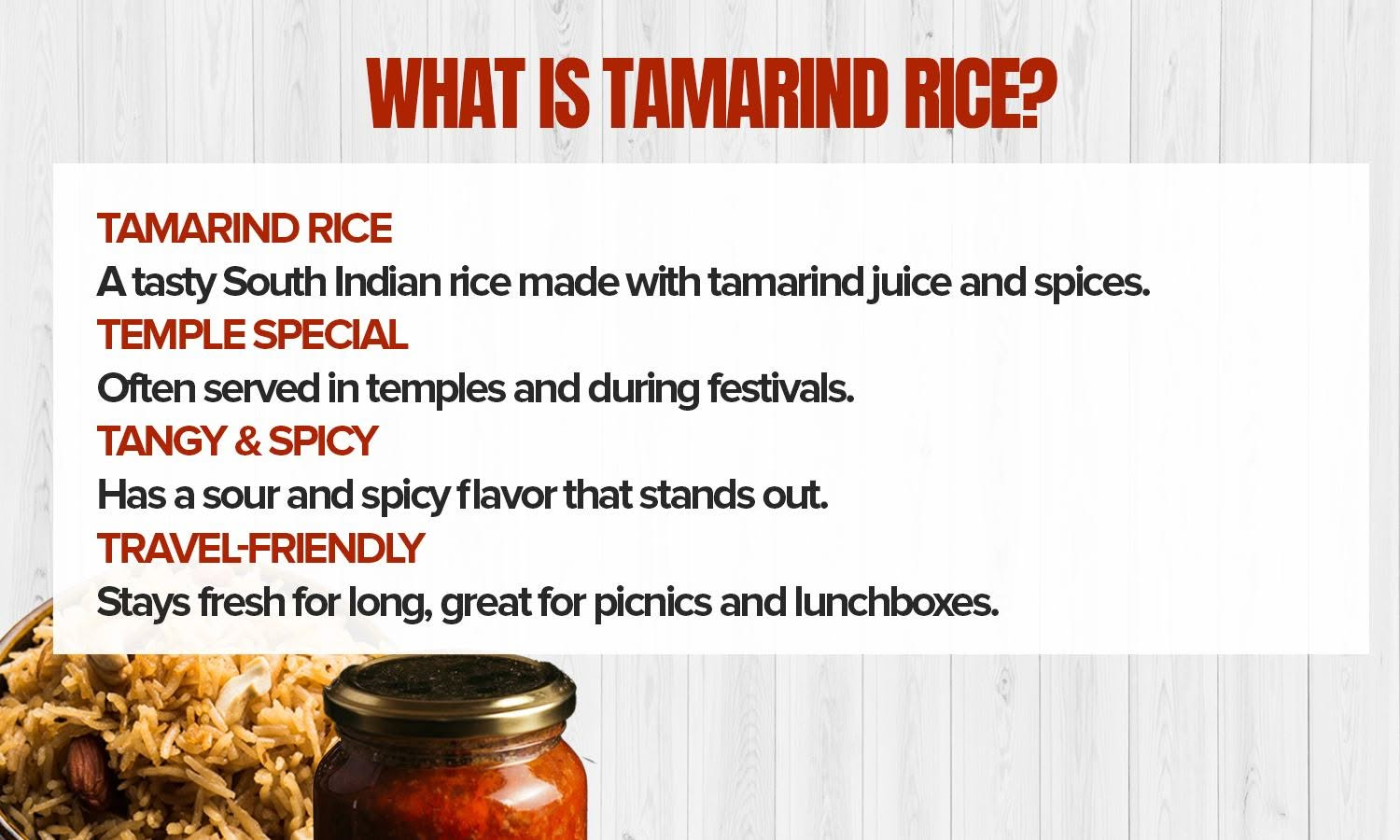
South Indian tamarind rice is a staple dish prepared using cooked rice, tamarind juice, and a unique spice mix. It’s also known as Puliyodharai or Puliyogare and is said to be a delicacy in many temples, picnics, and festive gatherings. The dish derives its strong, sour, and aromatic flavor from its special tamarind-based seasoning.

This classic dish is often prepared using traditional puliyodharai ingredients that give it its signature flavour.

Why Use Puliyodharai Rice Paste?

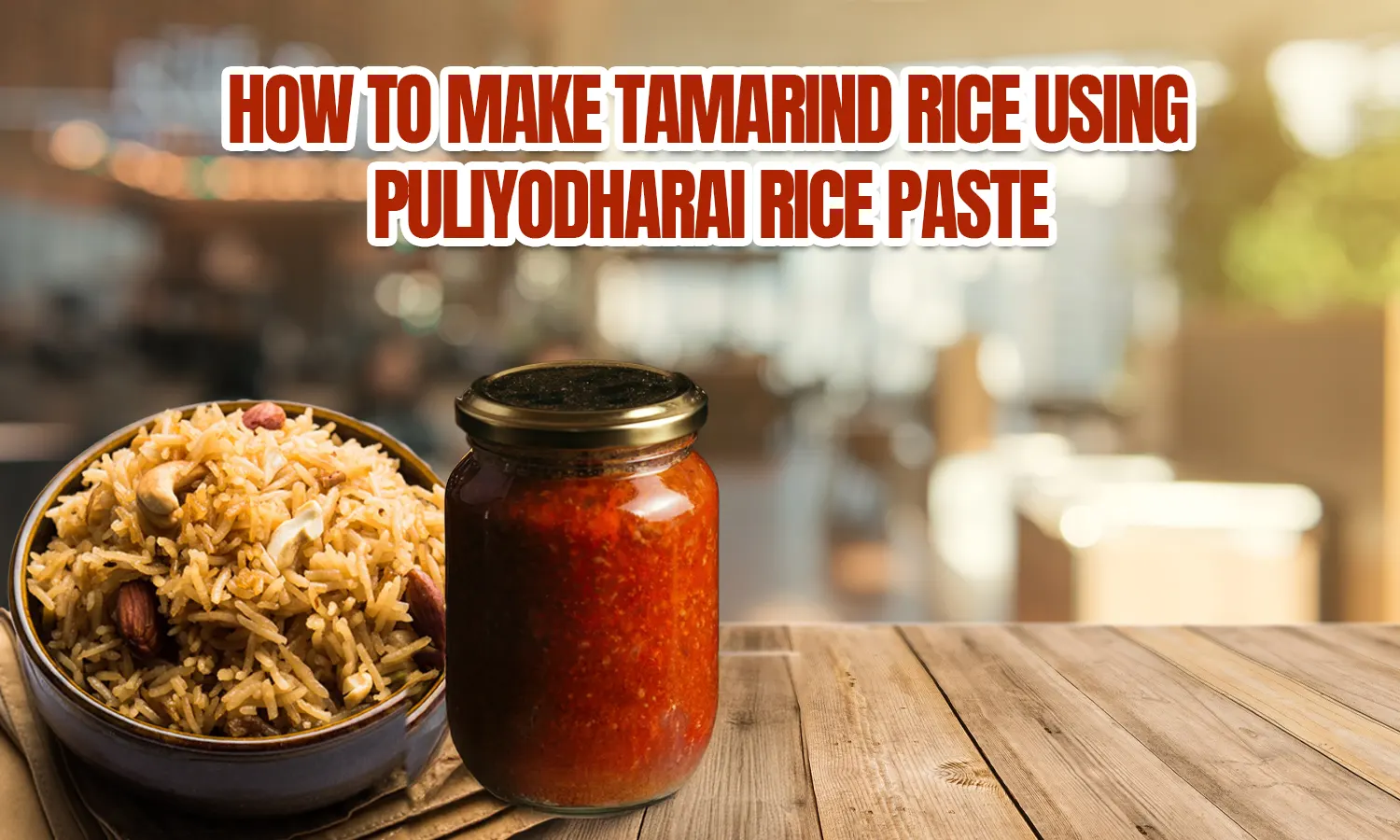
With Puliyodharai rice paste, cooking becomes easy with an authentic taste. You can use homemade puliyogare paste or a store-bought one, such as 777 Puliyodharai paste or other instant puliyogare mix.

Ingredients for Tamarind Rice Using Puliyodharai Rice Paste

To prepare a tasty bowl of tamarind rice, begin with 2 cups of cooked and well-cooled rice, short-grain ones being the best for achieving the desired texture. Add 2 to 3 tablespoons of puliyodharai rice paste, adding more or less according to your choice of taste.

Tamarind rice ingredients usually have a tablespoonful of sesame oil or ghee which not only adds aroma but also helps coat the rice properly. For an extra touch of crunch and flavor, garnish with roasted peanuts, crisp curry leaves, or fried red chilies, each bite will bring back memories of traditional South Indian kitchens.

These ingredients come together in a simple puliyodharai rice recipe that is easy to follow at home.

Tamarind Rice

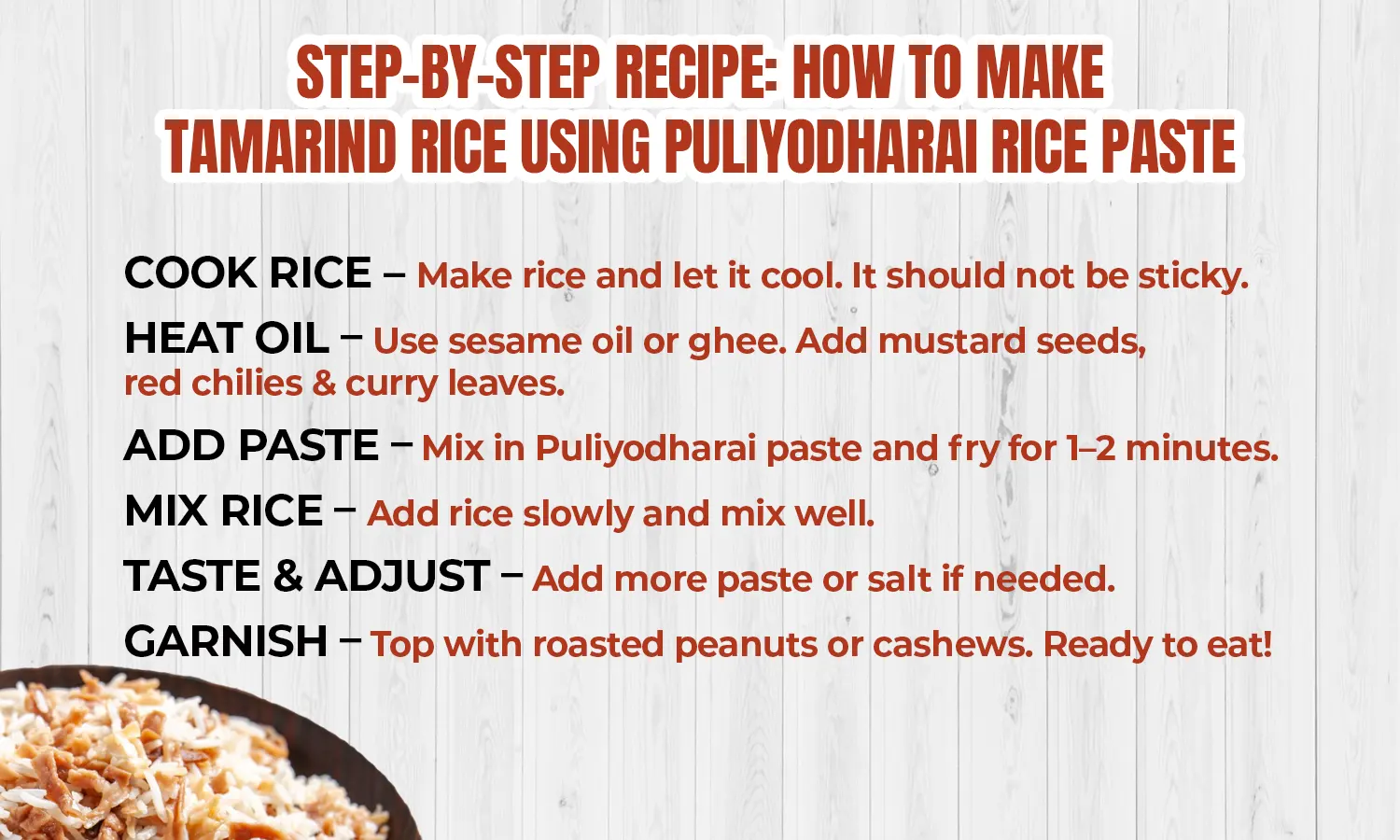
Step-by-Step Recipe: How to Make Tamarind Rice Using Puliyodharai Rice Paste

A simple tamarind rice recipe consists of following steps:

Cook the Rice

Use freshly cooked rice, then spread it out to cool. Non-sticky rice works best.

Heat Oil

In a pan, heat ghee or sesame oil. For more flavor, add mustard seeds, dry red chilies, and curry leaves.

Add Paste

Add the paste of Puliyodharai and fry over low heat for 1–2 minutes, until well-perfumed.

Mix Rice

Add cooked rice in increments, mixing carefully to coat all grains.

Taste & adjust

Taste and adjust the rice, adding paste or salt according to taste.
Garnish: Serve topped with roasted peanuts or cashews for texture.

If you are wondering how to make puliyodharai rice, this method gives consistent results every time.

Tips and Tricks for Spot-On Tamarind Rice

For the optimum texture, cook day-old rice or cool down your rice till it’s really cold before you make tamarind rice. Sesame oil not only tastes good but also makes the rice fresh for longer. In case you do not have much time, you can buy our store-bought instant puliyodharai mix like 777 puliyodharai paste that can be quickly made and tastes delicious.

After mixing, let the rice alone for about 30 minutes to allow the flavors to soak through thoroughly and mature thoroughly.

This also makes it one of the best instant mix recipes for travel, as it stays fresh for long hours.

How to Serve Tamarind Rice

Instant tamarind rice is not only a meal, it’s a nostalgic memory for the majority of South Indians. This spiced rice is usually carried in steel tiffin boxes for school or train travel, and really springs to life when served alongside crispy, golden fried appalams that crackle in each bite.

A sprinkle of cool, creamy curd or plain yogurt provides balance and homeliness, while a spoonful of spicy South Indian pickle gives the required jolt of nostalgia. For an added touch, and most important serving is the famous brinjal curry, which transports us back into our grandmother’s place.

It’s perfect for lunchboxes, picnics, and travel meals in particular, due to its long shelf life without refrigeration.
Tamarind Rice

Health Benefits of Tamarind Rice

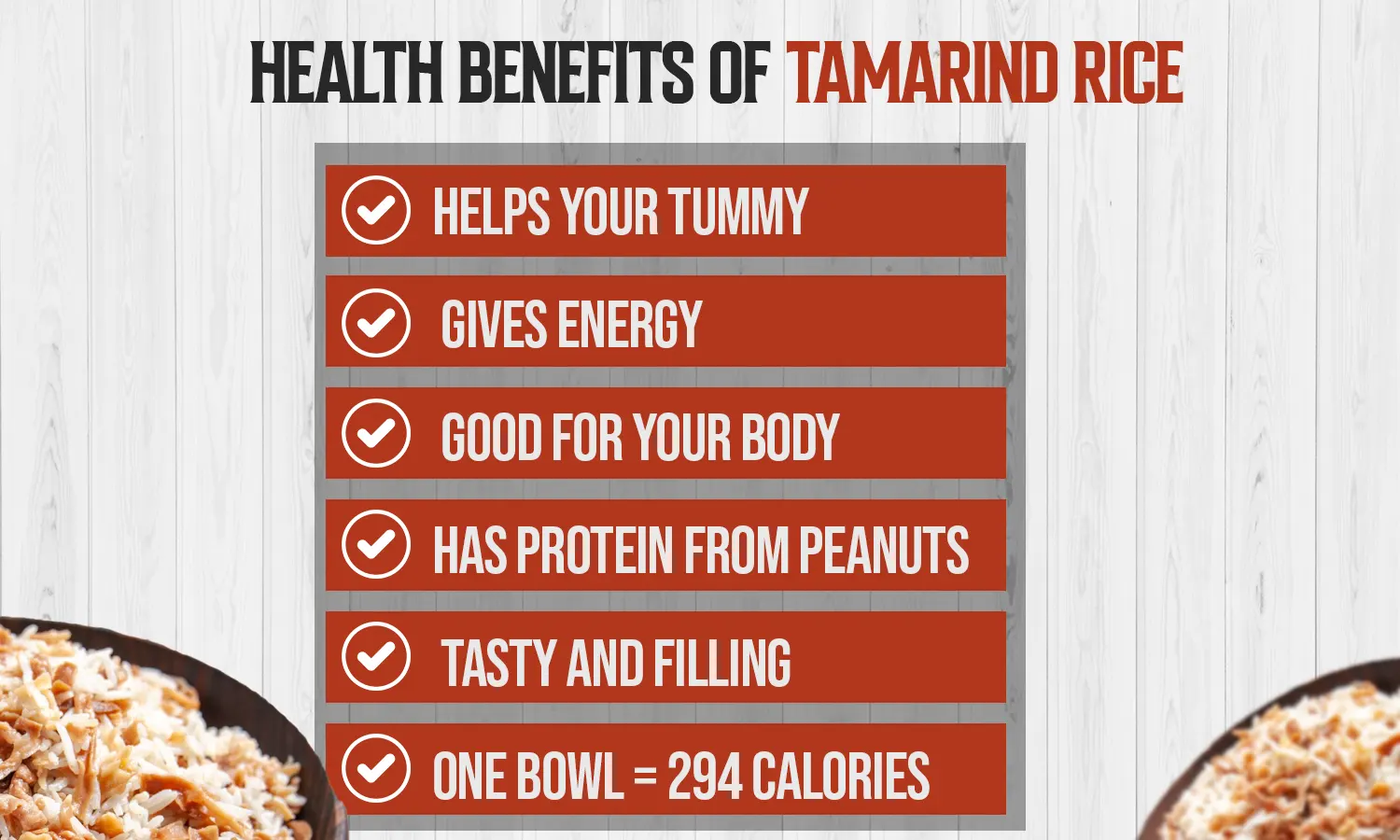
Tamarind rice is not only tasty, it also has nutritional benefits. Tamarind itself is a digestive aid and is full of antioxidants that help to promote overall health. Tamarind rice calories​ consists of ​294 calories, with a quantity of 235 grams.

The traditional spice flavorings in puliyodharai rice paste, including mustard seeds, turmeric, and curry leaves, add natural anti-inflammatory elements. Paired with crunchy peanuts or lentils, which are protein-rich, the dish is a healthy balance of carbohydrates and protein that is both satisfying and health-promoting.

The Tamarind rice benefits include better digestion and sustained energy. On average, Tamarind Rice Calories 100g is moderate, making it suitable for balanced meals.

Conclusion

Savor the flavor of tradition and convenience through the delicacy of tamarind rice prepared with Puliyodharai rice paste, a cinch of a dish that never disappoints. 

Many people also ask is puliyogare good for health, and the answer depends on ingredients and portion size, but it can be part of a balanced diet.

FAQs

Is Tamarind Rice Good for Health?Yes, tamarind rice is not only flavorful but also packed with health benefits. Tamarind is rich in antioxidants and aids digestion, while the spices in puliyodharai paste, like turmeric and mustard seeds, offer anti-inflammatory properties. When paired with peanuts or lentils, it becomes a nutritious dish providing both protein and carbohydrates.
In Which State Tamarind Rice Is Famous?Yes, tamarind rice is not only flavorful but also packed with health benefits. Tamarind is rich in antioxidants and aids digestion, while the spices in puliyodharai paste, like turmeric and mustard seeds, offer anti-inflammatory properties. When paired with peanuts or lentils, it becomes a nutritious dish providing both protein and carbohydrates.
How Long Does Tamarind Rice Last?When made with sesame oil and stored properly in an airtight container, tamarind rice can last up to 2 days at room temperature and 3–5 days in the refrigerator. Its long shelf life makes it ideal for travel and lunchboxes.
Can I Use Puliyodharai Rice Paste for Travel?Absolutely! Puliyodharai rice paste is perfect for travel. Packing tamarind rice for travel is easy, requires minimal preparation, and stays fresh for hours without refrigeration, making it a go-to meal for road trips and pilgrimages
What Are the Ingredients in Tamarind Rice?Tamarind rice typically includes cooked and cooled short-grain rice, puliyodharai rice paste, sesame oil or ghee, and optional garnishes like roasted peanuts, curry leaves, and fried red chilies. The paste itself is made of tamarind extract and a blend of traditional South Indian spices.

What is the shelf life of homemade pickles?

What Is the Shelf Life of Homemade Pickles and How to Make Them Last Longer?

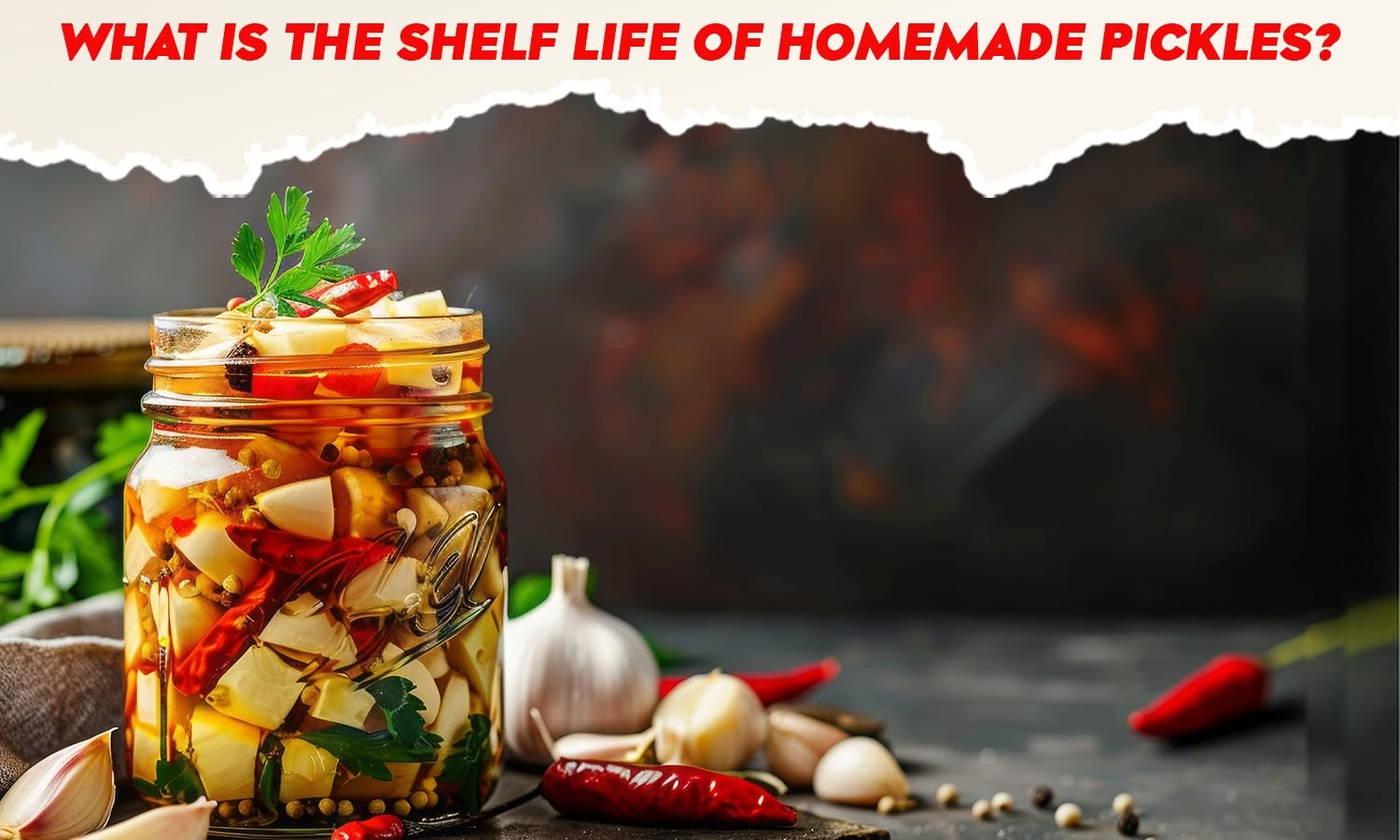
The shelf life of homemade pickles depends on how they’re prepared and stored. Typically, pickles without preservatives can last from 1 month to 1 year, depending on the ingredients used.

For example, homemade pickled onions shelf life is often just 4–6 weeks in the fridge, while an oil-based mango pickle can easily last a year in cool, dry storage. Regardless of the variety, the goal is to slow down fermentation and prevent mold or yeast formation.

If you’re shopping for ready options, you’ll find plenty of homemade pickles online, but even these need proper care once opened.

shelf life of homemade pickles

Does the Type of Pickle Affect How Long It Lasts?

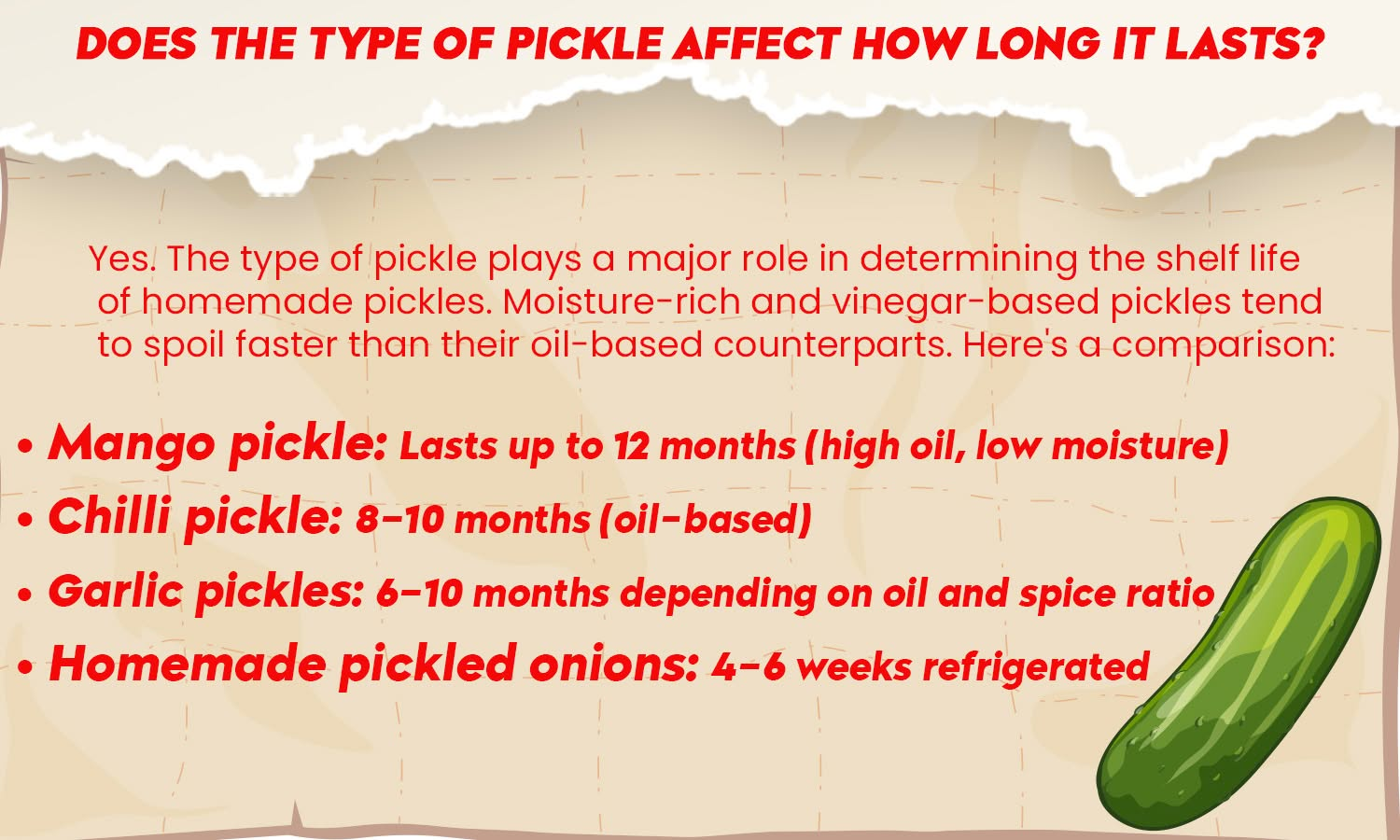
Yes. The type of pickle plays a major role in determining the shelf life of homemade pickles. Moisture-rich and vinegar-based pickles tend to spoil faster than their oil-based counterparts. Here’s a comparison:

  • Mango pickle: Lasts up to 12 months (high oil, low moisture)
  • Chilli pickle: 8–10 months (oil-based)
  • Garlic pickles: 6–10 months depending on oil and spice ratio
  • Homemade pickled onions: 4–6 weeks refrigerated

Choosing ingredients with low water content and proper preservation helps extend the shelf life effectively. shelf life of homemade pickles

What Makes Homemade Pickles Spoil Faster?

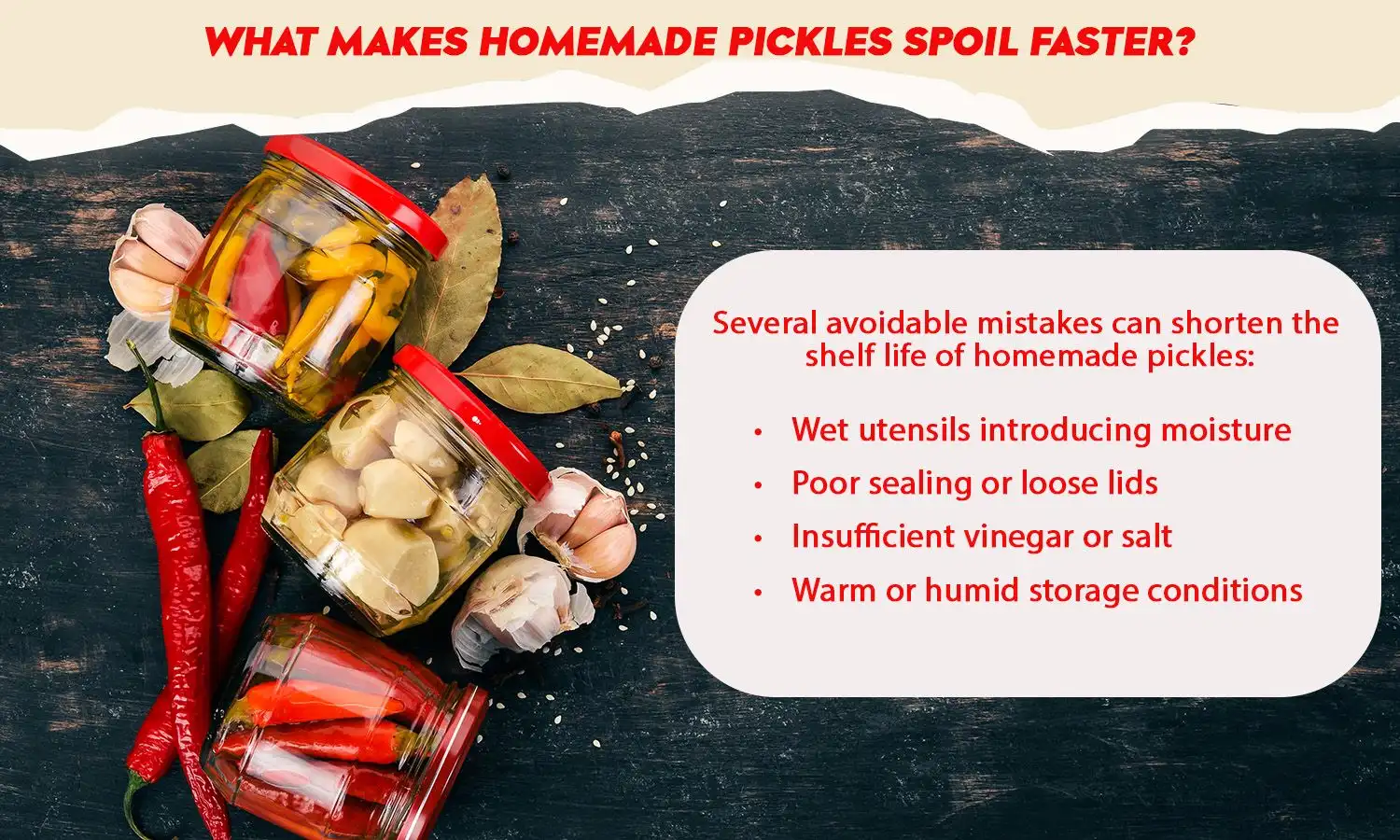
Several avoidable mistakes can shorten the shelf life of homemade pickles:

  • Wet utensils introducing moisture
  • Poor sealing or loose lids
  • Insufficient vinegar or salt
  • Warm or humid storage conditions

Even the best homemade pickles India has to offer can go bad in a few weeks without proper handling. If you’re buying from a local vendor, searching home made pickles near me might get you great taste—but always verify how they’re packed and stored.

Should You Keep Homemade Pickles in the Fridge?

Definitely—for many types. If you’re unsure whether refrigeration is necessary, it’s safer to refrigerate. This is especially true for:

  • Vinegar-based pickles (like lemon or onion)
  • Low-oil pickles or water-based brines

Keeping them chilled extends the shelf life of homemade pickles by several weeks. This rule also applies to homemade achar online deliveries. Once opened, refrigeration slows down spoilage and maintains taste.
shelf life of homemade pickles

Tips to Make Your Homemade Pickles Last Longer

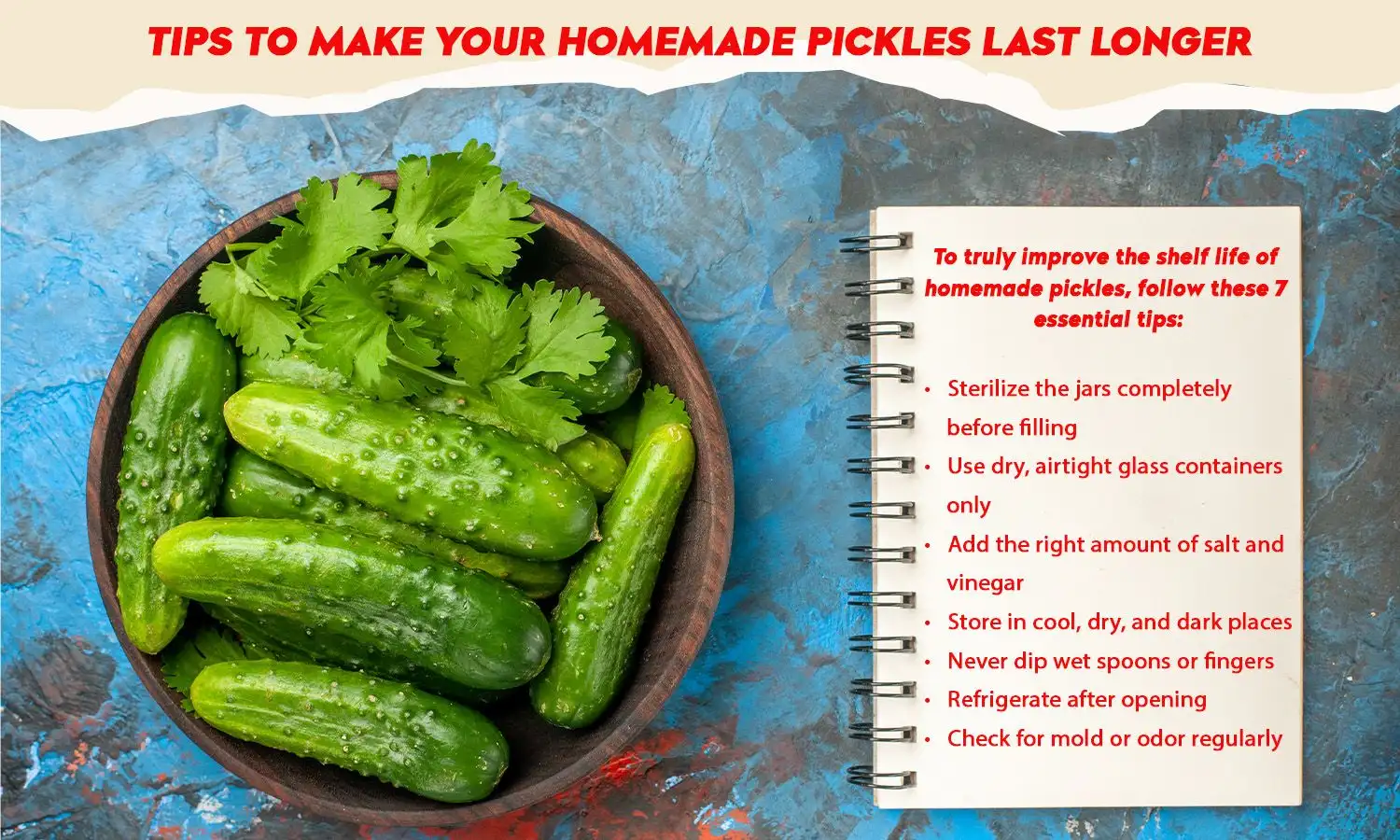
To truly improve the shelf life of homemade pickles, follow these 7 essential tips:

1. Sterilize the jars completely before filling

2. Use dry, airtight glass containers only

3. Add the right amount of salt and vinegar

4. Store in cool, dry, and dark places5. Never dip wet spoons or fingers
6. Refrigerate after opening7. Check for mold or odor regularly

Whether you’re preparing it yourself or ordering the best home made pickles, good practices can save both flavor and shelf life.

Why Store-Bought Pickles Last Longer Than Homemade Ones

Commercially packed pickles have preservatives, controlled sterilization, and vacuum sealing, giving them a shelf life of up to 2 years. That’s why even the best pickles in stores rarely spoil, even outside refrigeration.

In contrast, the shelf life of homemade pickles is naturally shorter. But with clean processes and proper storage, you can still enjoy delicious achar for months. Brands like 777 SGR Foods strike a great balance—traditional flavor and safe shelf life, with zero artificial taste.

If you’re browsing for the best homemade pickles online, pick brands that preserve old recipes while following modern hygiene.

Key Takeaways

  • The shelf life of homemade pickles ranges from 1 month to 1 year depending on type and storage.
  • High-oil pickles like garlic or mango pickle last longer than brine-based options.
  • Always use dry spoons and sterilized containers.
  • Refrigeration extends the life of opened jars.
  • Trusted brands offering homemade pickles online make it easier to enjoy safely.

FAQs

Can You Eat 2 Year Old Homemade Pickles?Only if stored in airtight jars, untouched by moisture, and showing no spoilage signs like mold, foul smell, or bubbling.
How Long Are Homemade Pickles Safe to Eat?The shelf life of homemade pickles is between 1–12 months. The exact duration depends on type, salt/oil content, and storage practices.
What Is the Ratio of Vinegar to Water for Pickles?A 1:1 vinegar-to-water ratio with 2 tablespoons of salt per cup is ideal for long-lasting and safe pickles.
What Happens if You Put Too Much Vinegar in Pickles?It may slightly overpower the flavor but helps extend the shelf life of homemade pickles by increasing acidity.

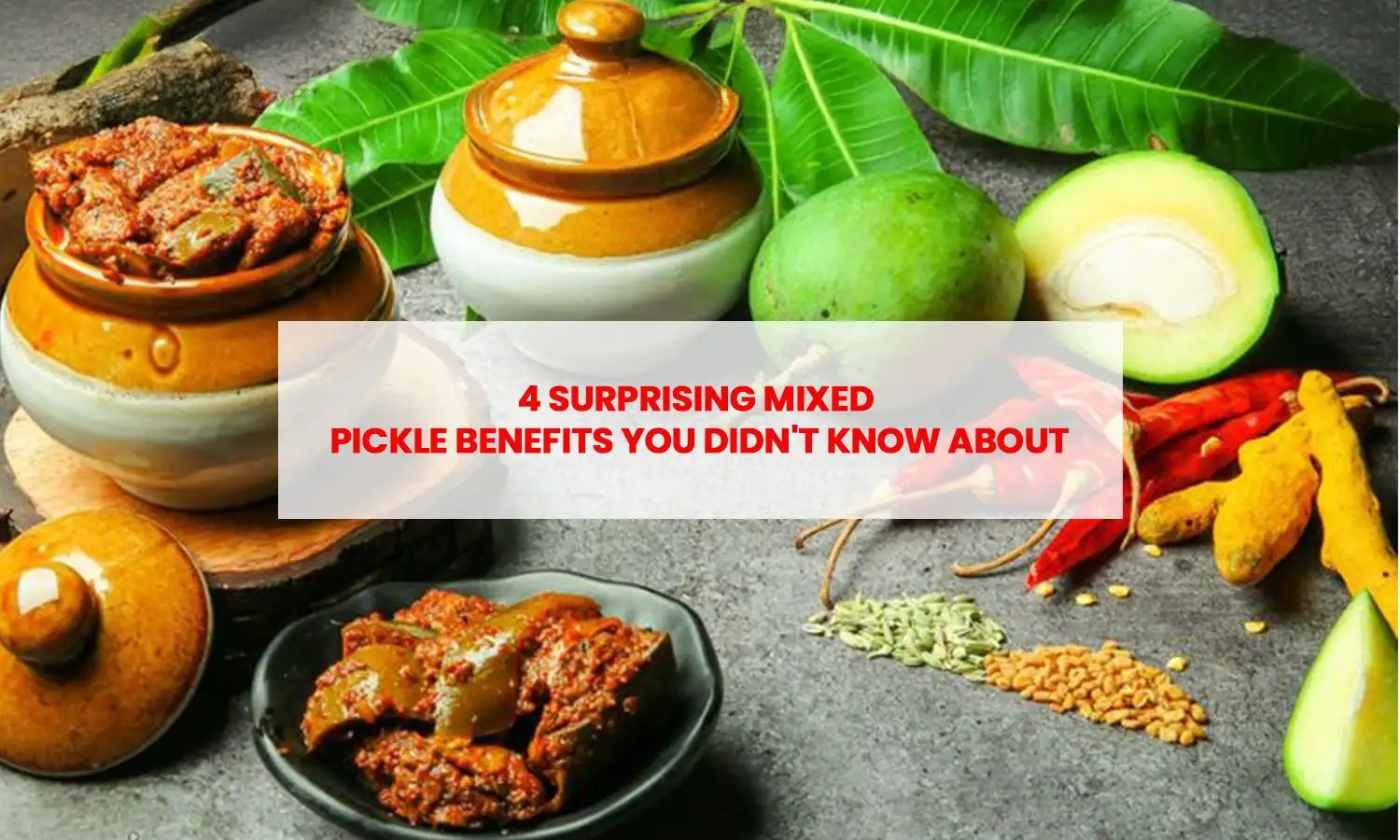
4 Surprising Mixed Pickle Benefits You Didn’t Know About

Mixed Pickle, or achar, is found in nearly every Indian household. With its load of sour, hot, and salty tastes, the condiment turns any bland meal into a feast. But do you know that in addition to taste, there are some mixed pickle advantages that can positively affect your health? Understanding the full range of Indian mixed pickle benefits makes it easy to appreciate why this traditional side dish has remained a daily essential across generations.

Mixed Pickle Benefits

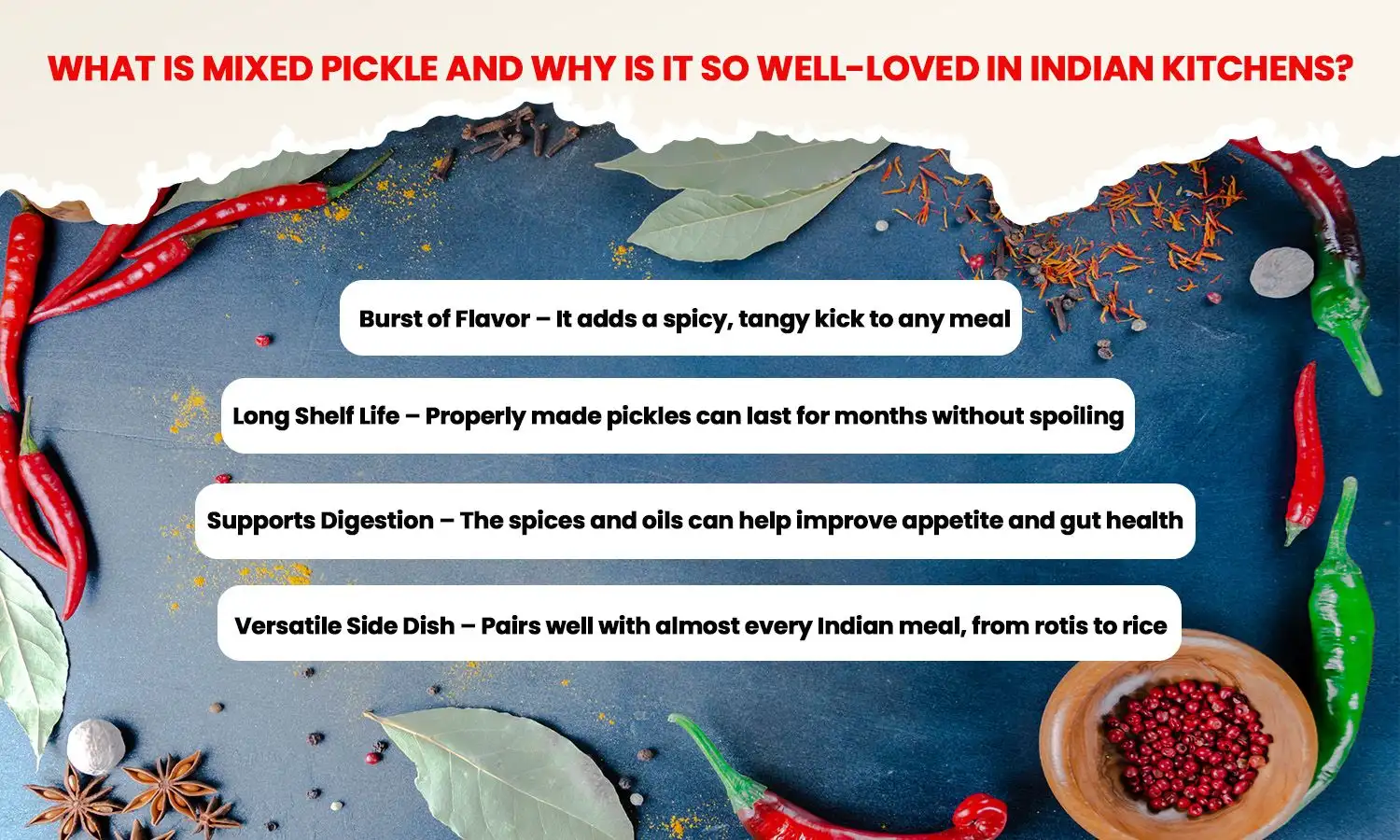
What Is Mixed Pickle and Why Is It So Well-Loved in Indian Kitchens?

Mixed pickle is a mixture of different vegetables and sometimes fruits, all of which are marinated in spiced oil. Its strong flavor and adaptability make it an all-purpose condiment with rice to roti.

Let’s dive into four benefits of Indian pickle and find out why this humble side dish deserves a permanent spot on your plate.

Mixed Pickle Benefits

1. Encourages Digestion and Gut Health

Can Mixed Pickle Help with Digestion or Gut Health? Absolutely! One of the most sought-after uses of Indian pickles is in enhancing digestion. The quintessential Indian mix veg achar is generally naturally fermented, promoting good bacteria growth. Probiotic Indian foods like Indian pickles can assure a healthy gut microbiome, which can enhance digestion and even enhance nutrient uptake.

In addition, the popular spices such as mustard, fenugreek, and asafoetida (hing), which are used in mixed pickle ingredients occasionally, can be the best pickle for gut health. Exploring the core benefits of mixed pickle shows that it offers much more than just a quick flavor boost during lunch or dinner.

2. Nutrient-Rich and High in Antioxidants

Homemade or good store-bought mixed vegetable pickles often consist of carrots, cauliflower, green chilies, and lemons, each rich in vitamins. The vegetables are preserved with oil and spices, which serve to keep their nutritional content intact. The spices added to mix veg pickle recipes, such as turmeric and chili powder, also provide effective antioxidants to your diet.

Checking the mixed pickle nutrition facts reveals that a small portion contains vitamin C, dietary fiber, and healthy plant compounds preserved directly from fresh vegetables. Preparing a classic mixed vegetable pickle recipe at home or choosing a trusted packaged option ensures you get these wholesome properties with every bite.

3. Serves as a Natural Appetizer Enhancer

Ever noticed that achar mixed pickle increases your hunger? That is no coincidence. With calories in mixed pickles being over 35 calories, the piquant taste of Indian pickles activates digestive enzymes and salivary glands, which not only break down the food but also make you hungrier. This is particularly useful for convalescent patients or those with poor appetites.

4. Long Shelf Life and Travel-Friendly Nutrition

Whether you are cooking at home or traveling, mixed pickle pouches are a savior. Stored in oil and salt, these pickles can be stored for months without refrigeration. Varieties such as 777 mixed vegetable pickles are widely used for their quality and original taste. Finding the best mixed pickle for your pantry ensures you always have access to top-quality ingredients and authentic flavor. A spoonful with your meal ensures that you still receive some flavor and nutrition even while on the move.

Conclusion:

Mixed pickles have high nutritional and real health benefits like aiding digestion, providing antioxidants, and adding valuable nutrients to your diet. The key benefits of mixed pickle extend far beyond flavor, giving you a quick way to support your gut health every day. Choosing the right pickle matters, and that’s where 777 Pickles stands out.
We use time-tested recipes and premium ingredients, and deliver authentic Indian flavor in every bite, keeping in mind your tastes and preferences. If you are searching for the best mixed pickle to complement your daily meals, our traditional range brings both quality and taste to your dining table.

FAQs

Is Mixed Pickle Healthy?Yes, in moderation. Mixed pickles offer probiotics, antioxidants, and nutrients from vegetables and spices. Key Indian mixed pickle benefits include supporting digestion and overall immune health when made with quality ingredients and stored properly.
How Much Mixed Pickle Is Safe to Eat Daily?A small serving (about 1 tablespoon) is safe for most people. Reviewing standard mixed pickle nutrition facts shows that a single tablespoon provides flavor and digestive benefits without overwhelming your sodium intake.
What Is Indian Mixed Pickle Called?

It’s commonly known as achar in India. There are regional variations like Punjabi achar, South Indian avakai, and Gujarati athanu.

Is Mixed Pickle Good for Weight Loss?

While it isn’t a weight-loss food per se, mixed pickles can support digestion and help curb unhealthy cravings by enhancing meal satisfaction, especially when consumed in small quantities.

Can Diabetic Patients Eat Mixed Pickles?

Yes, but in moderation and only if it’s low in added sugars. Many Indian mix veg achar varieties like 777 mixed vegetable pickle use minimal or no sugar, making them suitable for diabetics when eaten sparingly.

Tomato Pickle for Beginners: Easy Recipes and Tips

If you’re just entering the spicy realm of Indian spices, tomato pickles is the best recipe to begin with. It’s easy to make, full of flavor, and doesn’t need any sophisticated techniques or extended fermentation times. And it’s a dish that introduces nostalgia and spice to your plate without much effort. Tomato Pickle for Beginners

Why Is Tomato Pickle for Beginners the Easiest Recipe to Start With?

While typical pickles require sun-drying or lots of prep time, tomato pickles may be prepared within 30 minutes. The basic tomato pickle only needs some shelf ingredients and is easy to follow for new cooks. Even a beginner Indian cook will easily learn how to make tomato pickle because it’s easy to understand.

How Is Tomato Pickle Different From Pickled Tomatoes?

Although they may have a similar name, pickled tomatoes and Indian tomato pickle are quite distinct. Pickled tomatoes are usually pickled in vinegar or brine and are well-liked in Western cuisines. In contrast, Indian home-made spicy tomato pickle involves the use of oil, mustard seeds, curry leaves, and strong spices to make a dense, tangy, and fiery condiment. It’s very different from the mild tanginess of pickled tomatoes.

Tomato Pickle for Beginners

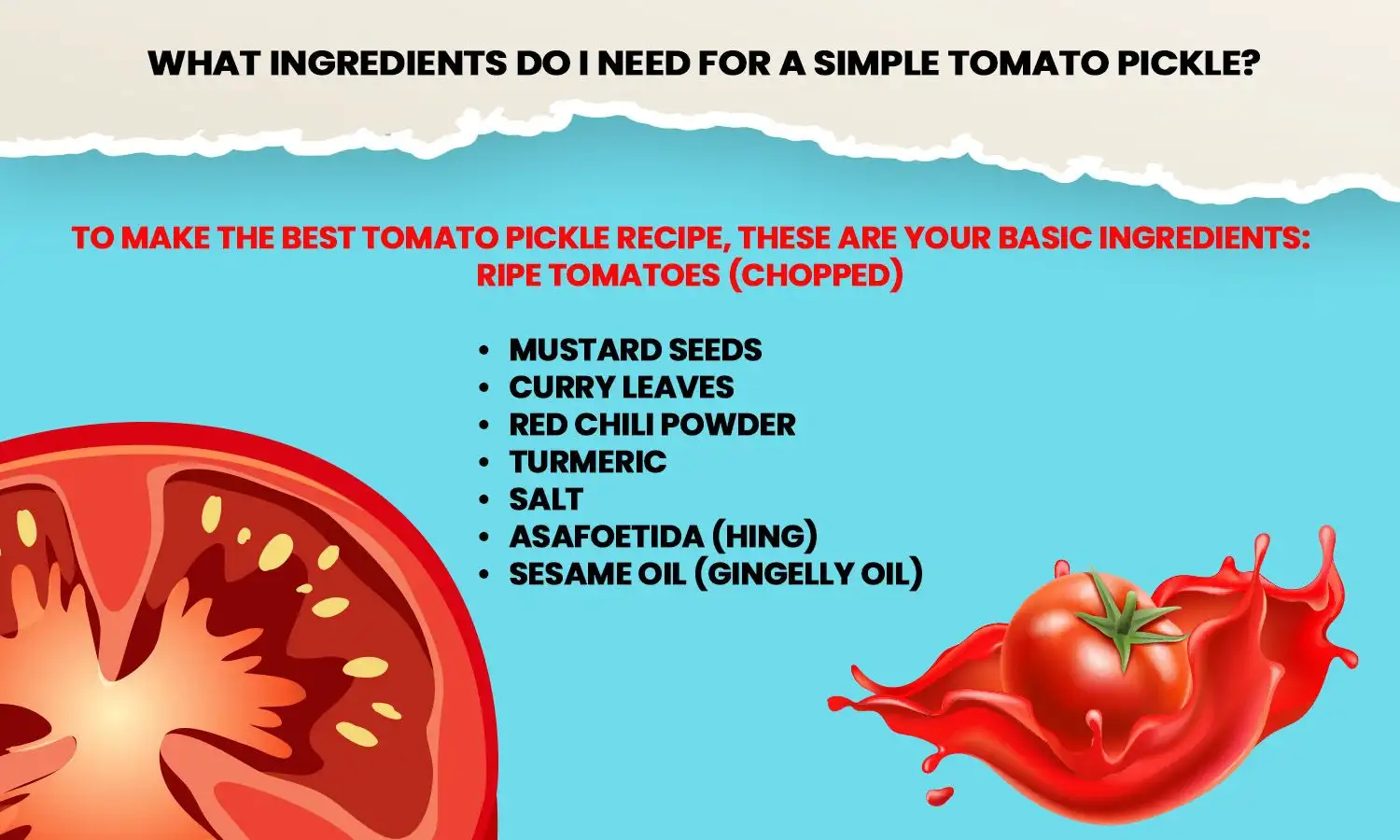
What Ingredients Do I Need for a Simple Tomato Pickle?

To make the best tomato pickle recipe, these are your basic ingredients: Ripe tomatoes (chopped)

  • Mustard seeds
  • Curry leaves
  • Red chili powder
  • Turmeric
  • Salt
  • Asafoetida (hing)
  • Sesame oil (gingelly oil)

You can also include garlic for a quick tomato pickle spin or green chilies for an added kick. By using this recipe, you would know how to prepare tomato pickle. Whether you’re learning to make tomato pickle for the first time or modifying it to your taste, these ingredients are convenient and readily available.

What Oil Is Best for Tomato Pickles?

Sesame oil, otherwise called gingelly oil, is the authentic and optimal option to prepare tomato pickle. It will extend the life of the pickle and introduce a nutty note into the taste. It is safe to apply in sautéing spices and cooking down the tomatoes. It is particularly useful while preparing an instant tomato pickle, where the oil can be both the carrier of flavors and a natural preservative.

Is Tomato Pickle Healthy to Eat Daily?

Tomato pickle is a powerhouse in small quantities. Tomatoes have high levels of antioxidants such as lycopene, while spices used provide anti-inflammatory properties. The pickle contains little sugar and, depending on the quantity of oil, tomato pickle calories is 20–40 per tablespoon. For the enhancement of rice, roti, or dosa without adding heaps of calories, just watch portion sizes.

Where Can I Buy Tomato Pickles Online?

Don’t feel like cooking? No issue! It is simple to purchase tomato pickles online, and one of the most popular ones you can buy tomato pickle online at SGR 777. Famous for their true-to-life taste and quality ingredients, SGR 777 brings the real taste of homemade achar to your home. This simple yet tasty collection of pickles is a must-have.

And if you’re wondering about the tomato pickle price, SGR 777 offers great value without compromising on authenticity or flavor.

FAQs

Is Tomato Pickle Good for Health?Yes, when consumed in moderation, tomato pickle can be a healthy addition to your meals. Tomatoes are rich in antioxidants like lycopene, and the spices used (such as turmeric, mustard seeds, and asafoetida) have anti-inflammatory and digestive benefits. Just be mindful of portion sizes due to the oil and salt content.
How Many Calories Are in Tomato Pickles?Tomato pickle typically contains 20–40 calories per tablespoon, depending on how much oil is used in the preparation. It’s a flavorful way to elevate your meals without significantly increasing your calorie intake.
What Dishes Go Well With Tomato Pickle?Tomato pickle pairs beautifully with a variety of Indian dishes such as rice, curd rice, idli, dosa, roti, or even a plain bowl of dal. It adds a tangy, spicy burst that enhances both everyday meals and special occasions.
Where Can I Buy Ready-Made Tomato Pickles Online?You can buy tomato pickles online from SGR 777 Pickles, a trusted name known for authentic taste and high-quality ingredients. Their ready-made tomato pickle brings home the nostalgic flavors of traditional Indian kitchens with the convenience of doorstep delivery.

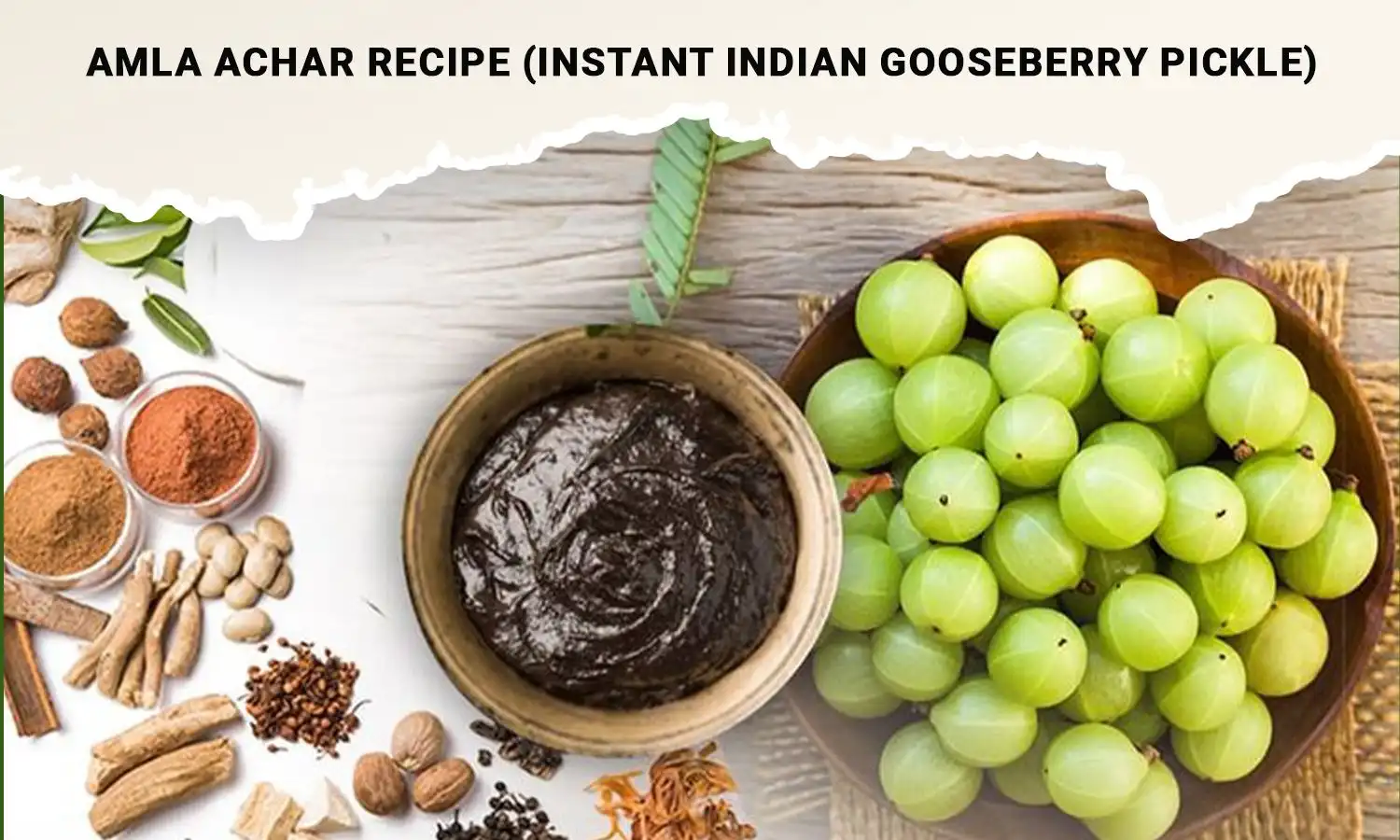
Amla Achar Recipe (Instant Indian Gooseberry Pickle)

Amla Achar Recipe – A Tangy Tradition Worth Keeping

Every Indian home has that one jar of achar that disappears faster than it’s made. For many, it’s amla achar—tangy, spicy, nourishing. If you’re looking for a time-tested amla achar recipe that’s quick, authentic, and packed with health benefits, this one is for you.

This isn’t just a side dish. It’s heritage in a spoon. Amla (Indian gooseberry) has been part of Ayurvedic diets for centuries, and pickling it turns this superfruit into a flavorful daily essential. Whether you’re searching for aawle ka achar, amla pickle recipe, or the best amla achar recipe, this blog brings them all together—along with modern storage tips and serving ideas. Amla Achar Recipe

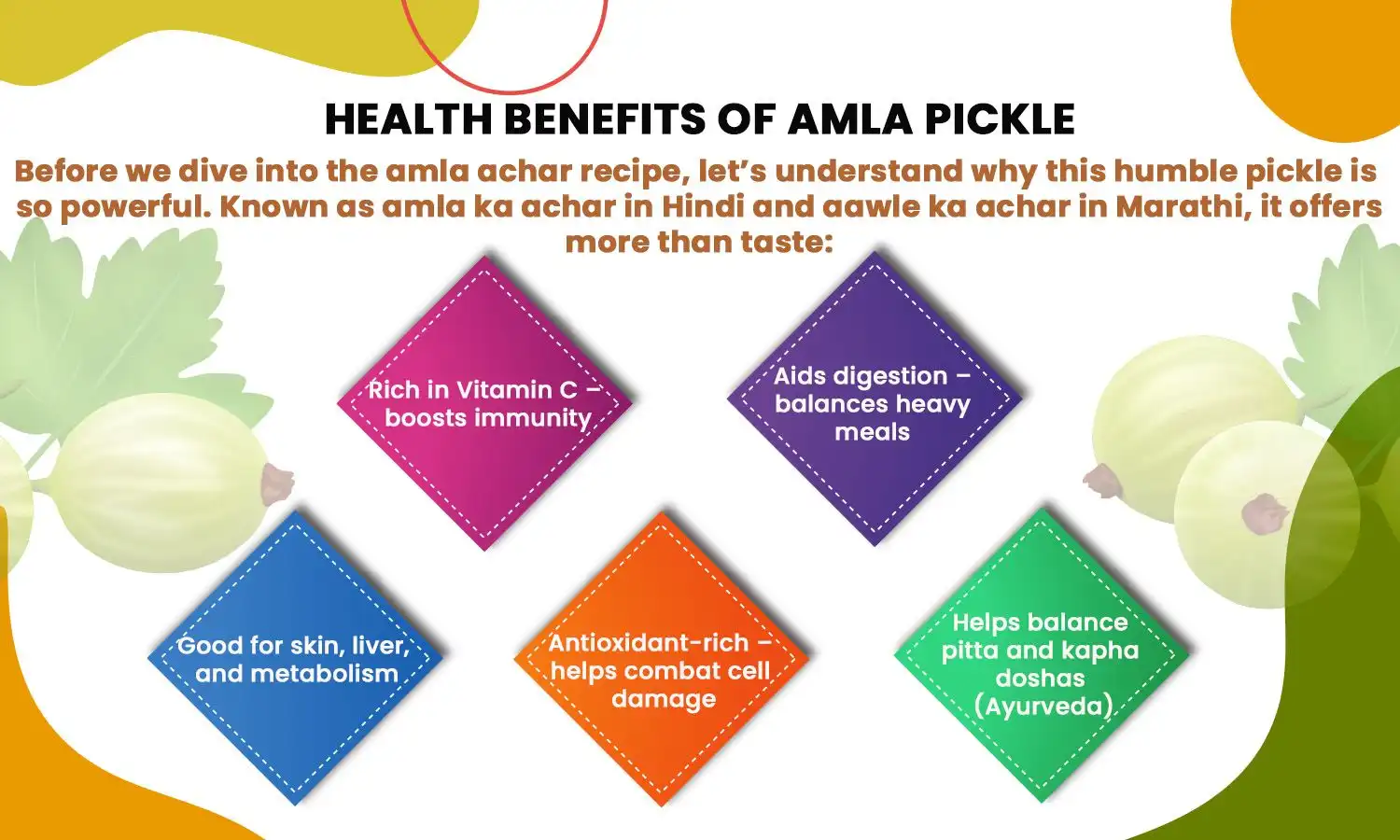
Health Benefits of Amla Pickle

Before we dive into the amla achar recipe, let’s understand why this humble pickle is so powerful. Known as amla ka achar in Hindi and aawle ka achar in Marathi, it offers more than taste:

  • Rich in Vitamin C – boosts immunity
  • Aids digestion – balances heavy meals
  • Good for skin, liver, and metabolism
  • Antioxidant-rich – helps combat cell damage
  • Helps balance pitta and kapha doshas (Ayurveda)

When made at home or bought from traditional brands, Indian gooseberry pickle becomes more than just a condiment—it becomes part of your daily wellness. Amla Achar Recipe

Different Regional Styles of Amla Pickle in India

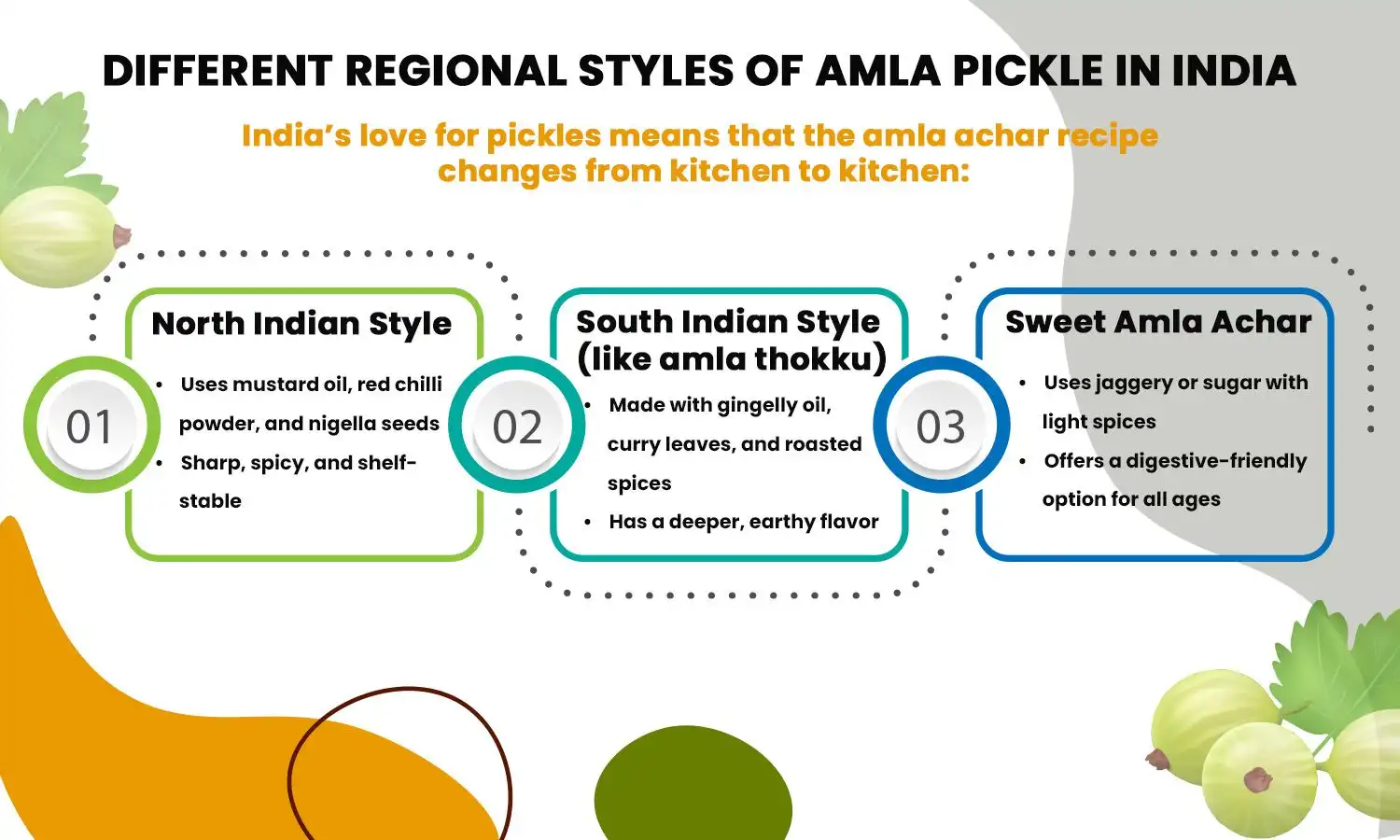
India’s love for pickles means that the amla achar recipe changes from kitchen to kitchen:North Indian Style

  • Uses mustard oil, red chilli powder, and nigella seeds
  • Sharp, spicy, and shelf-stable

South Indian Style (like amla thokku)

  • Made with gingelly oil, curry leaves, and roasted spices
  • Has a deeper, earthy flavor

Sweet Amla Achar

  • Uses jaggery or sugar with light spices
  • Offers a digestive-friendly option for all ages

Whether you like it bold, tangy, or slightly sweet, you’ll find a version that fits your taste. And if time is short, try ordering amla achar online from authentic brands.

Mistakes to Avoid When Making Amla Achar at Home

Even a great amla achar recipe can go wrong if these basics aren’t followed:

  • Skipping drying: Wet amla leads to fungal growth
  • Not heating oil properly: Especially in oil-based pickles
  • Using iodized salt: Always opt for rock or sea salt
  • Storing in plastic jars: Use only glass or ceramic
  • Over-spicing: Amla has natural tang—don’t mask it

If you’re going for amla achar without oil, increase vinegar or lemon juice and store it in the fridge. Light versions like this are perfect for people seeking low-oil options.

How to Include Amla in Your Daily Diet (Without Getting Bored!)

Pickles shouldn’t just sit on the side of your plate. Here’s how to use your homemade or store-bought amla achar recipe more creatively:

  • Breakfast: Add a spoon next to paratha, pongal, or poha
  • Lunchbox: Pair with dal-chawal or curd rice for balance
  • Snacks: Stir into boiled potatoes or bhel for a spicy twist
  • Wraps & Rolls: Use in rotis with paneer or veggies
  • Rice Mixes: Try it with lemon rice or millet bowls

A spoonful of achar can make even bland meals exciting. You can even try variations like amla green chilli pickle for extra heat. Amla Achar Recipe

Amla in Ayurveda: Healing Properties & Dosha Balance

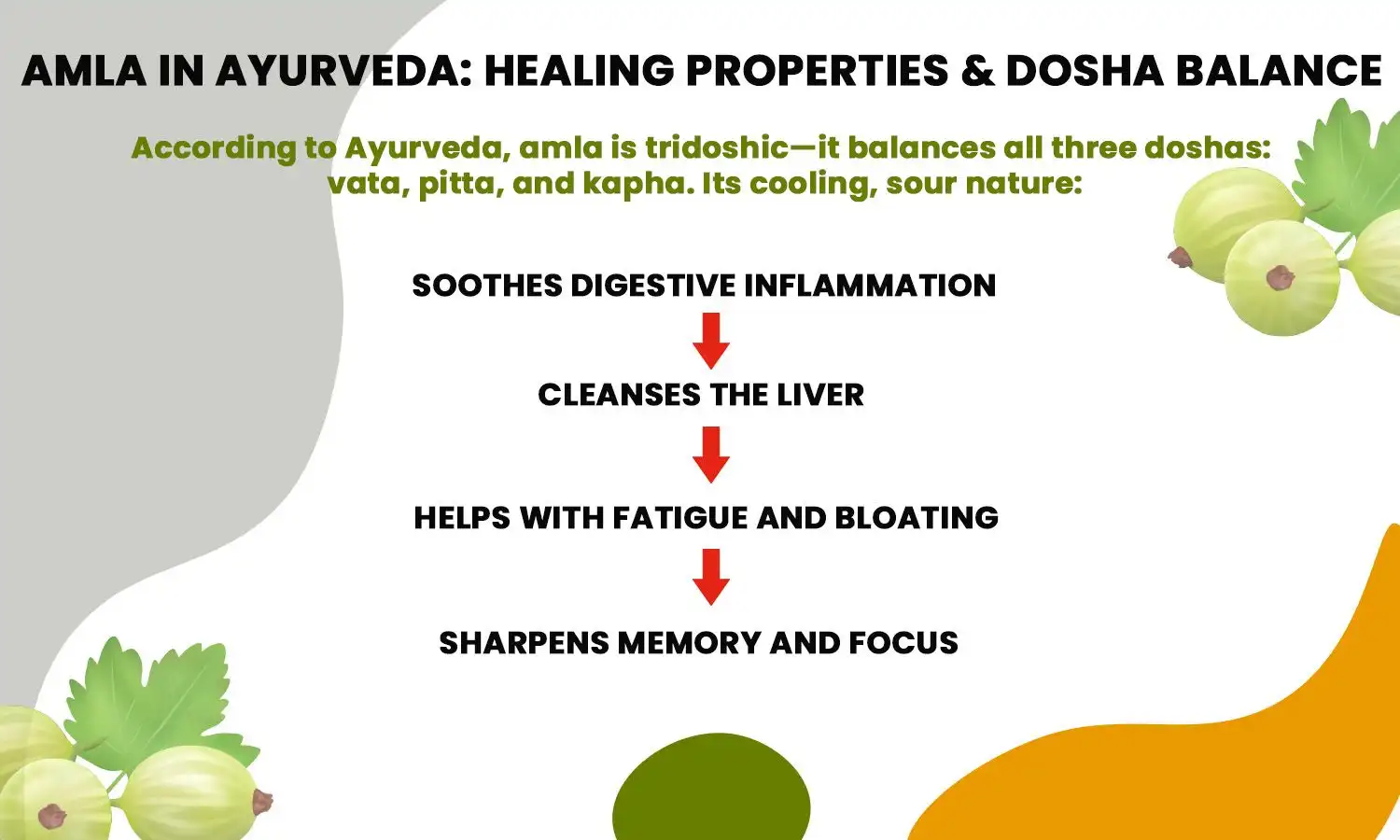
According to Ayurveda, amla is tridoshic—it balances all three doshas: vata, pitta, and kapha. Its cooling, sour nature:

  • Soothes digestive inflammation
  • Cleanses the liver
  • Helps with fatigue and bloating
  • Sharpens memory and focus

When made using the right amla achar recipe, gooseberry becomes more than food—it becomes medicine. If you’re unsure about sourcing fresh amla, search gooseberry pickle near me for quality alternatives.

Conclusion

Whether you grew up eating amla ka achar with dal-rice or just discovered its tangy punch, mastering a simple amla achar recipe is a great way to bring tradition into your modern kitchen.

But if time is short or you’re craving a trusted taste, brands like 777 SGR Foods offer high-quality, preservative-free amla achar online—prepared using traditional techniques, premium ingredients, and care passed down through generations. With 777, you’re not just buying a product—you’re bringing home a legacy of flavor.

Key Takeaways

  • A good amla achar recipe balances health and taste with traditional methods
  • Amla is a natural antioxidant and immunity booster
  • India offers many regional versions—spicy, sweet, oil-free
  • Proper drying and oil heating are key to long shelf life
  • You can buy or make it—but choose quality over shortcuts

FAQs

What are the ingredients in Amla Achar?Basic ingredients include boiled amla, mustard or gingelly oil, red chilli, turmeric, mustard seeds, salt, and fenugreek. Variants may use jaggery or green chilli.
Is Amla Achar healthy?Yes. When made properly, it supports digestion, boosts immunity, and is rich in antioxidants. Look for low-oil or homemade versions for maximum benefit.
How long does an Amla pickle last?Homemade amla achar lasts up to 2 months if stored in a dry, airtight glass jar. Always use a dry spoon to serve.
Is Amla pickle good for liver?Yes. Amla is known to support liver detoxification and fat metabolism. Its antioxidant content is beneficial for liver health.
Is it OK to eat achar every day?In moderation, yes. A spoon of amla achar with meals enhances digestion and taste. Avoid high-oil or overly salted versions if you’re health conscious.