The Ultimate Guide to Storing Masala Powder for Maximum Freshness

Masala powders are indeed the soul of Indian food, providing depth and flavor that are simply unmatched. Beyond their culinary magic, they often boast strong nutritional advantages. From the aromatic warmth of garam masala to the tangy zest of rasam powder and the fiery kick of red chili powder, every mix demands the best attention to preserve its potency. Storing Masala Powder in a proper way is crucial, ensuring they remain fresh and aromatic whenever you open the box.If you’re wondering how to store masala powder, here are some spice container storage ideas you should know about storing masala powder to get maximum flavour and shelf life.

1. Use Airtight Containers

One of the most important spice storage ideas is keeping your masala in airtight containers. The masala powder storage begins with selecting an appropriate container. Use airtight jars, which keep the air and moisture out of your spices. These preserve the valuable oils in the spices. Use glass jars or plastic containers that are of high quality with tight-fitting lids. Store Indian masala using clear-marked containers to identify what you need. Storing Masala Powder

2. Keep Away from Heat and Sunlight

Direct exposure to sunlight or heat sources such as stoves can reduce the strength of masala powder. Spices are not only sensitive to heat but also to UV light, which destroys both their color and flavor. Storing Masala Powder in a cool and dark shelf can keep them fresh.

3. Protect from Moisture

Use dry spoons when taking masala out to prevent clumping or spoilage. Storing Masala Powder away from sinks and dishwashers can keep it dry and fresh. For improved spice storage options, keep spice storage shelves or racks somewhere away from water sources.
Storing Masala Powder

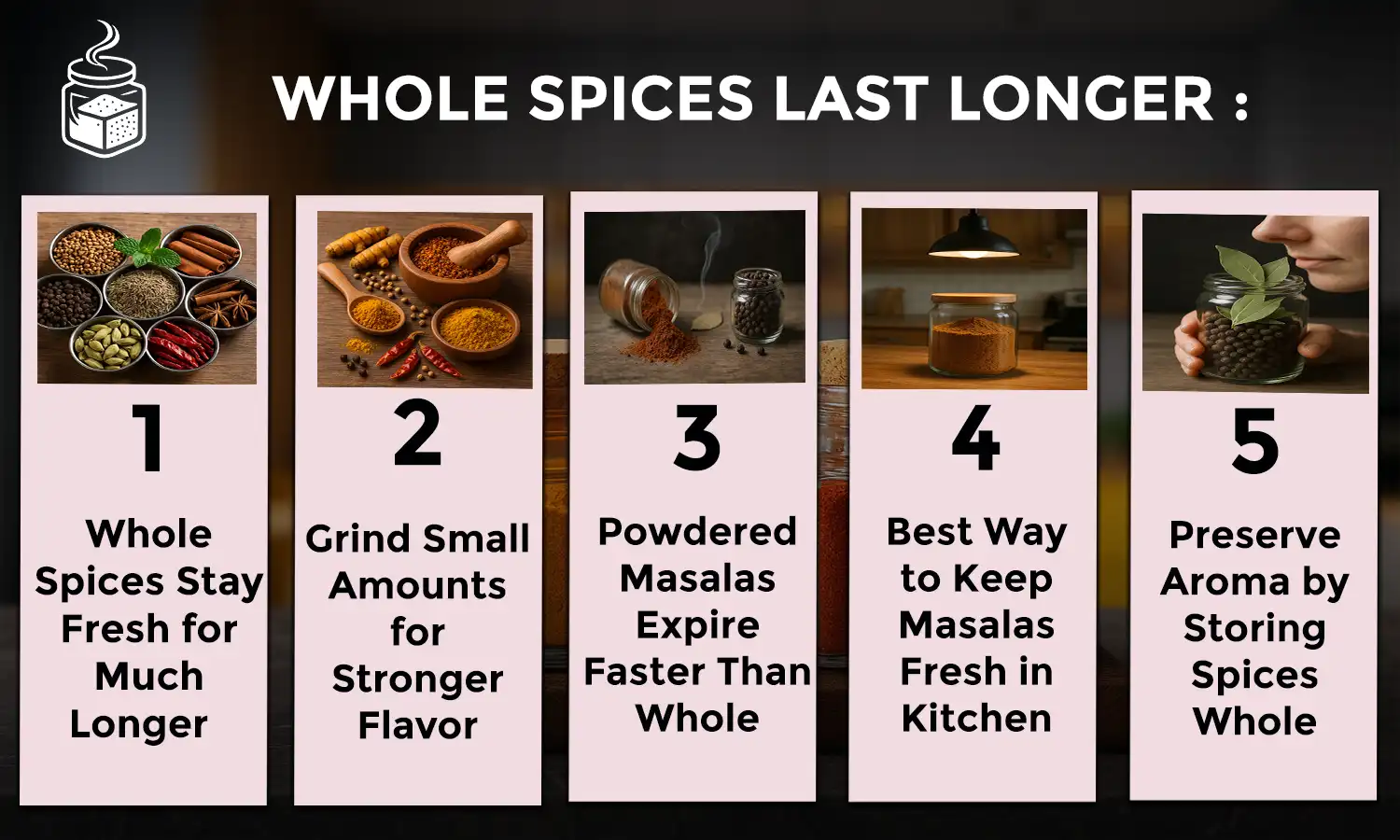
4. Whole Spices Last Longer

If you want a longer shelf life, go for whole spices and grind them fresh in small amounts while Storing Masala Powder. Whole spices last much longer compared to powdered ones. This is the best method to store spices in the kitchen without getting spoiled.

5. Label Your Spices

Storing Masala Powder in the kitchen is best when you label your containers with appropriate masala powder names. Organize spice bags with labels as well as monitoring expiry dates when stocking masala powders. With these spice storage solutions, you can organize effectively. Just use permanent markers or customized labels to stay organized.
Storing Masala Powder

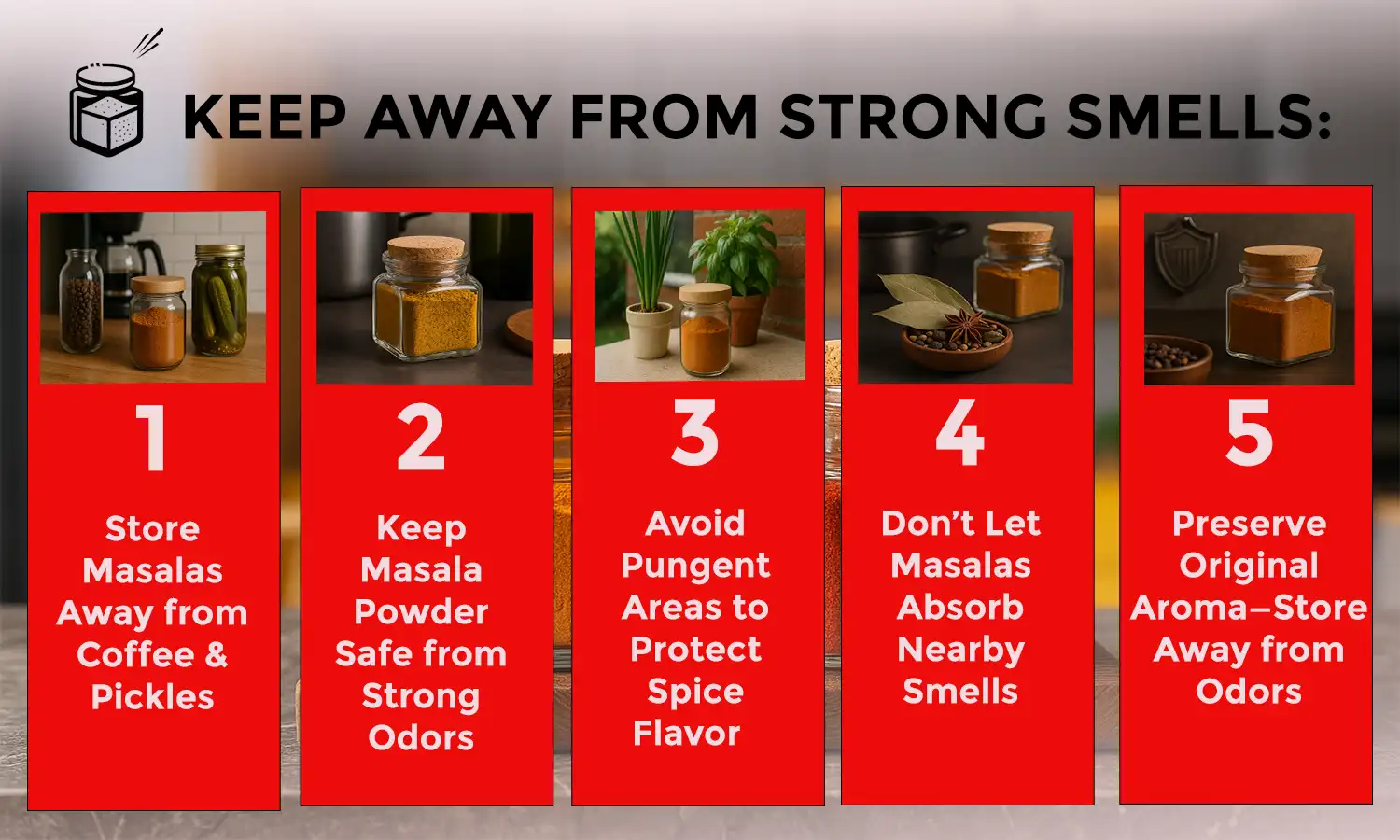
6. Keep Away from Strong Smells

To ensure your garam masala powder or sambar masala remains untainted, Storing Masala Powder away from pungent things such as coffee or pickles makes them stay longer. This advice helps you maintain the flavor of each mix.

7. Refrigerate Some Spices

Refrigeration can be useful in storing masala powder, particularly organic garam masala or rasam powder with fresh coconut or herbs. The best way to store masala powder is to keep them in air-tight containers even within the fridge to avoid spoilage. This is a lesser-used but efficient spice storage idea for longer preservation of freshness.

8. Check Spices for Freshness

Smell and color are both good signs of freshness. Nutritional values of black pepper powder, turmeric, and other spices decrease when they lose their vital oils. Replace such spices for optimal culinary and health outcomes while Storing Masala Powder.

Conclusion

Properly Storing Masala Powder means every dish you prepare is full of the genuine Indian spice flavor India is famous for. Our masalas are designed to maintain their maximum freshness and value, and with proper Indian masala storage containers, you can make the best of them. Browse our extensive masala powder collection, from 777 sambar powder to the finest chilli powder, and take home the taste of India.

FAQs

What Is Masala Powder Made Of?Masala powder ingredients usually consist of ground spices such as cumin, coriander, pepper, cardamom, cinnamon, and cloves, along with herbs and dried roots at times. The mixture varies based on the masala type, such as garam masala spice or sambar masala.
What Are the Advantages of Masala?Masalas not only add taste but are antioxidant, vitamin, and mineral-rich. Some spices such as turmeric and black pepper provide anti-inflammatory and digestion benefits.
Is Masala Healthy or Harmful?Prepared using high-quality ingredients and taken in moderation, masalas are extremely healthy. Organic red chilli powder and garam masala spice, for example, are nutrient-rich and promote well-being.
Is Garam Masala Bad for the Heart?Not at all! Actually, garam masala contains heart-friendly spices such as cinnamon and black pepper. Just steer clear of mixes with added salt or preservatives.

5 Best Masala Powders to Make Famous Indian Food

Why Is Indian Food So Popular?

Indian food is loved for its rich flavors and vibrant spices. At the core of every iconic dish is masala powder, the soul of Indian cooking. Whether it’s the comforting warmth of garam masala or the tangy kick of rasam powder, the best masala powders don’t just add taste—they create unforgettable meals. These blends turn ordinary recipes into aromatic experiences, transforming your kitchen into a space filled with tradition, flavour, and the magic of authentic Indian cuisine.

1. Garam Masala Powder

No Indian kitchen is complete without garam masala, a fragrant blend that improves everyday dishes. It is made from a mix of coriander, cumin, cinnamon, cloves, and cardamom. A finishing touch that adds complexity to gravies, biryanis, and dry sabzis. For those seeking purity and quality, organic garam masala is a great pick. Our best garam masala is slow-roasted and stone-ground to preserve natural oils and aroma. Best Masala Powders

2. Sambar Powder

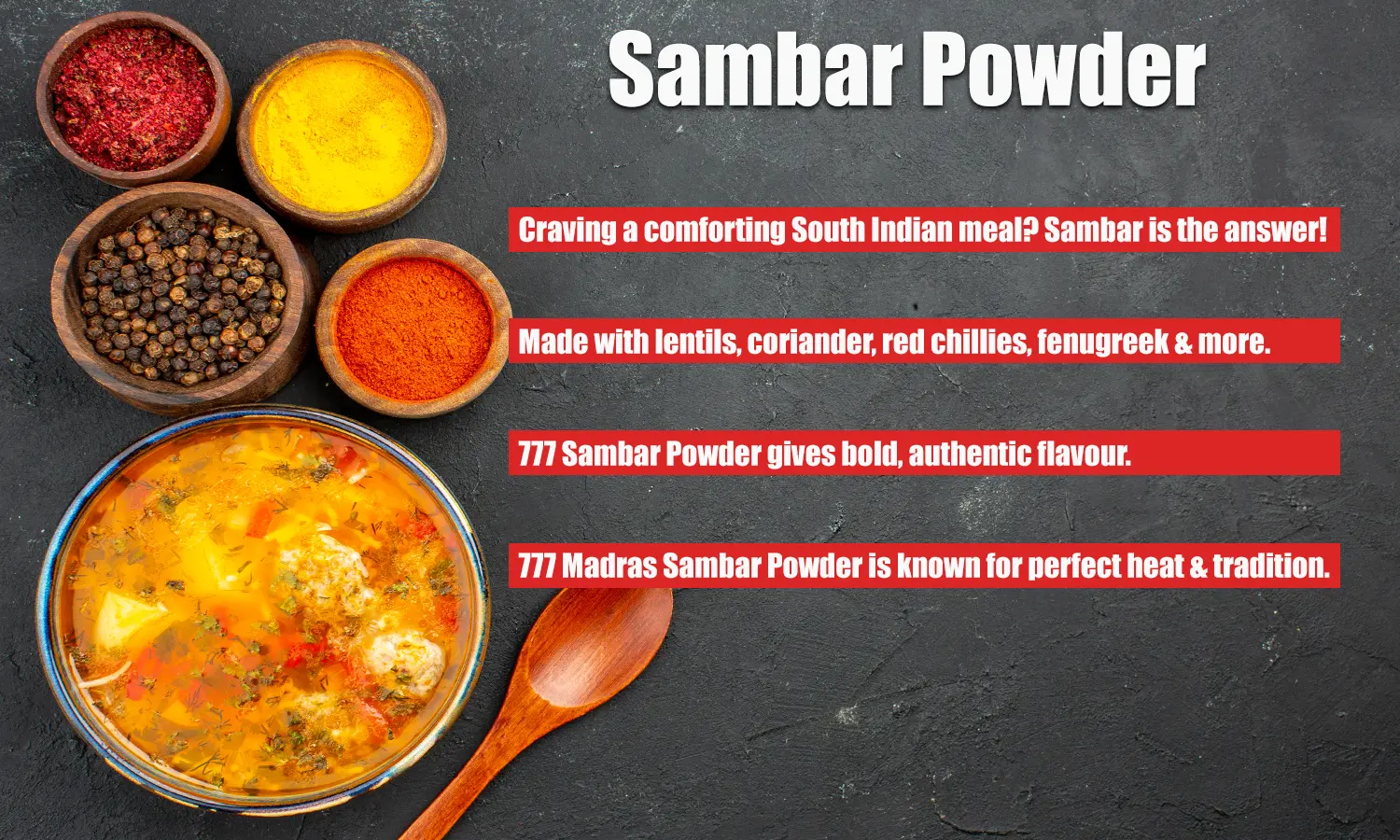
If you’re craving a hearty, comforting South Indian meal, sambar powder is your go-to. Our Best Masala Powders are crafted from a unique mix of lentils, coriander, red chillies, fenugreek, and more. 777 Sambar Powder delivers bold, authentic taste in every bite you take. The 777 Madras Sambar Powder is particularly known for its balanced heat and traditional recipe.

How to Use:

  • Cook toor dal with turmeric until soft.
  • In a pan, sauté mustard seeds, curry leaves, and veggies.
  • Add tamarind water, salt, and 2 tbsp of 777 Sambar Powder.
  • Simmer, mix with dal, and boil for a rich, flavorful sambar from our best Masala Powders

Best Masala Powders

3. Rasam Powder

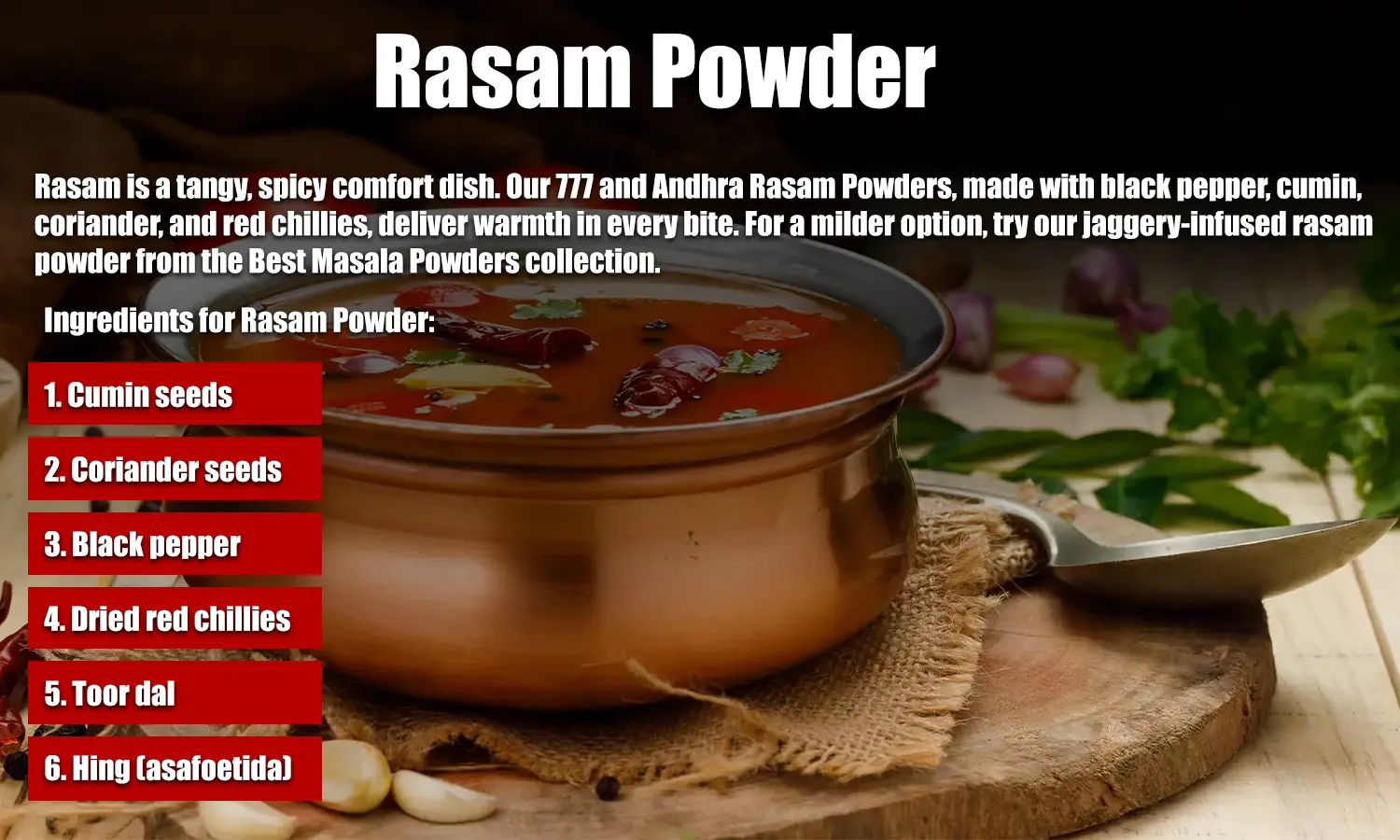
Rasam is a tangy and spicy soup-like dish. It’s a comfort dish that warms you from within. Our 777 Rasam Powder and Andhra Rasam Powder are made from a blend of black pepper, cumin, coriander seeds, and red chillies, making sure you have warmth in every bite. If you’re looking for something milder, try our authentic rasam powder with a touch of jaggery in our list of Best Masala Powders.

Ingredients for Rasam Powder:

  • Cumin seeds
  • Coriander seeds
  • Black pepper
  • Dried red chillies
  • Toor dal
  • Hing (asafoetida)
  • Curry leaves

Cooking Tip: Use 1 tbsp of rasam powder—one of the best masala powders—in 2 cups of tamarind water. Add diced tomatoes and crushed garlic. Temper with mustard seeds in ghee for a warm, comforting broth packed with authentic South Indian flavor.

4. Red Chilli Powder

The essence of heat in Indian cooking lies in the perfect red chilli powder. Our organic red chilli powder is sun-dried, stone-ground, and free from additives. If you’re looking for versatility, Indian chili powder (also known as mirchi powder) can be used in curries, stir-fries, and marinades alike. The best chilli powder enhances your food’s color and spice profile without overwhelming it.

5. Black Pepper Powder

Known as the “king of spices”, black pepper powder is a pantry staple. With its sharp and earthy notes, it pairs beautifully with soups, rasam, salads, and even eggs. At 777, our buy black pepper powder range is made from whole, sun-ripened peppercorns to retain maximum aroma and flavor. Aside from its taste, the benefits of black pepper powder include improved digestion and increased nutrient absorption. You can check the nutritional value of black pepper powder on our 777 website.

Conclusion

From bold and spicy to warm and comforting, the best masala powder list plays a crucial role in Indian cooking. With 777’s curated collection, garam masala spice, 777 sambar, authentic rasam powder, organic red chilli powder, and black pepper powder, your culinary creations are bound to be memorable. Each pack is filled with flavor, purity, and tradition, making your everyday cooking more delicious and healthful.Whether you’re preparing a festive thali or a quick family dinner, choose masala powders that honor tradition and taste.

FAQs

Which masala is best?

It depends on the dish! For general use, garam masala is excellent. For South Indian food, go for 777 sambar powder or 777 rasam powder.

What is the difference between masala powder and curry powder?

Masala powder ingredients are traditional Indian spice blends specific to a dish (like sambar or rasam), while curry powder is a generic Western invention not typically used in Indian households.

What is Madras Sambar Powder used for?

Our Best Masala Powders are used to prepare the classic South Indian sambar, a lentil-based vegetable stew served with rice or idli/dosa and made with sambar masala.

How do I use Rasam Powder in cooking?

Add it to tamarind water with tomatoes and garlic, boil, then temper with mustard seeds, curry leaves, and ghee for authentic rasam.

Is Red Chilli Powder very spicy? Not necessarily. Our organic chilli powder balances flavor and heat. Use sparingly and adjust based on your spice tolerance.
How should I store these masala powders?Our Best Masala Powders can be kept in airtight containers away from heat and moisture. Store in a cool, dry place for maximum freshness.

What are the 7 Most Helpful Health Benefits of Masala Powders

Benefits of Masala Powders

What is Masala Powder?

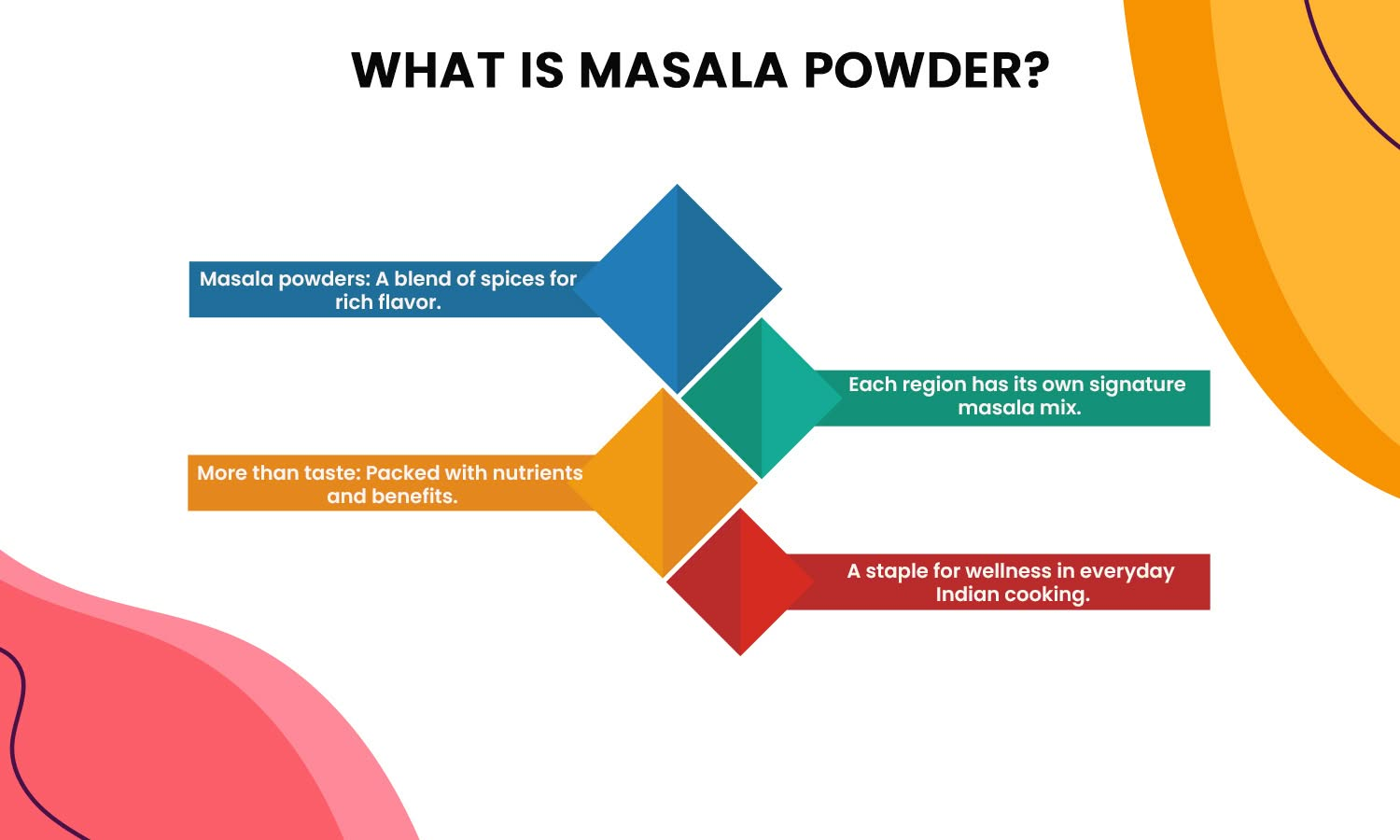
Masala powder is more than just a flavour enhancer. It’s a powerful blend of Indian spices, ground and mixed to perfection. Each region has its signature blends, whether it’s garam masala, rasam powder, or turmeric-based mixes. These aromatic combinations are not only used to improve taste but are packed with nutrients and therapeutic qualities. The benefits of masala powders extend far beyond the kitchen, they’re part of everyday wellness for generations.

Benefits of Masala Powders

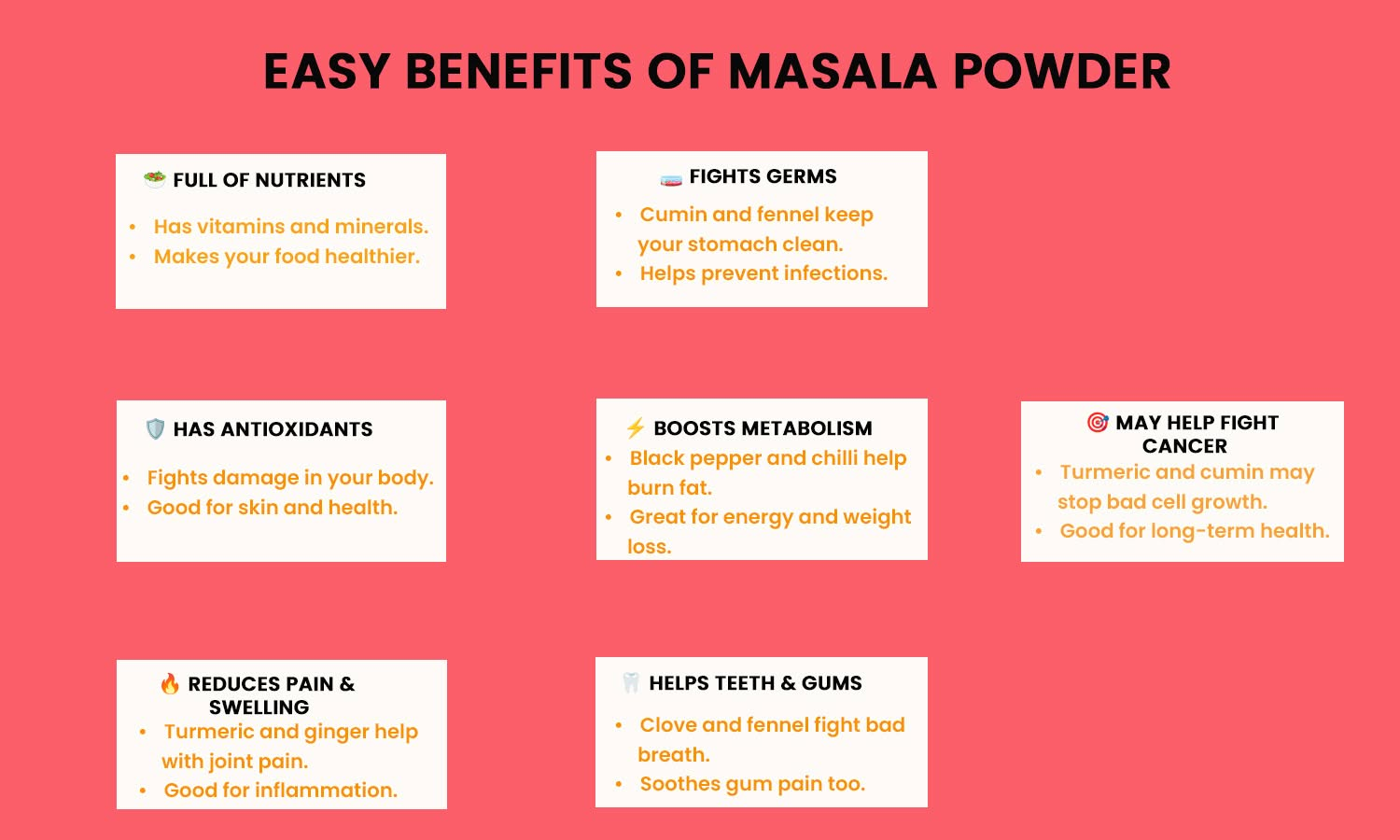
1. Acts as a Nutrition Bomb

Masala powders are full of essential nutrients like vitamins A, C, and K, along with minerals like iron, calcium, and magnesium. Health benefits of Indian spices are often rooted in their dense nutritional value. Every spoonful of masala becomes a smart nutritional addition to your meals, contributing to the overall benefits of Masala Powders.

2. Contains Antioxidants

Spices that boost immunity are cloves, cinnamon, and turmeric because they are loaded with antioxidants. These compounds help combat oxidative stress and reduce the damage caused by free radicals. Antioxidant spices play a key role in slowing down the aging process, improving skin health, and enhancing overall vitality. This is one of the most widely appreciated benefits of masala powders.

3. Has Anti-Inflammatory Properties

One of the standout ingredients in masala powder is turmeric, which contains curcumin, a well-researched anti-inflammatory compound. Turmeric health benefits include relief from joint pain, arthritis, and general inflammation. Other anti-inflammatory spices like ginger and black pepper work synergistically to reduce inflammation in the body.

4. Has Antimicrobial and Antifungal Properties

Indian spices are natural preservatives and germ-fighters. Cumin, coriander, and fennel have strong antimicrobial effects, helping to prevent infections and keep the gut microbiome healthy. These natural remedies using spices have been used for centuries in Ayurvedic medicine to support immunity and longevity.

5. Helps to Increase Metabolism

The benefits of masala powders also include better metabolism. Spices like black pepper and red chilli contain compounds like piperine and capsaicin, which help stimulate metabolic activity. These are the spices for weight loss that promote fat burning and energy production, making certain spices excellent for weight loss support and maintaining a healthy lifestyle.

6. Good for Dental Health

Yes, masala powders can even help your teeth! Clove and fennel, common components in spice blends, have natural analgesic and antibacterial properties. They help combat oral bacteria, prevent bad breath, and soothe gum pain. Using these spices for digestion and oral care is a gentle, effective remedy that’s been used across generations.

7. Helps in the Fight Against Cancer

Some compounds in Indian spices have been studied for their anti-cancer properties. Turmeric benefits include curcumin’s potential to suppress tumour growth, while cumin health benefits show promise in reducing carcinogenic cell activity, along with black pepper. While spices are not a cure, they’re certainly part of a strong prevention strategy and holistic nutrition, adding to your benefits of Masala Powders.

Conclusion

From ancient traditions to modern kitchens, masala powders are true wellness warriors wrapped in flavour. Each blend carries more than just taste, it holds the promise of good health, vibrant energy, and culinary joy. The benefits of masala powders touch every part of our well-being, boosting immunity, aiding digestion, reducing inflammation, and so much more.
Choosing high-quality spice blends like those from 777 ensures that you’re not only delighting your palate but also nourishing your body. Add them generously, cook with love, and savour the healing power of Indian spices in every bite.

FAQs

How many types of masala powder are there?There are many. Some of the most popular include garam masala, sambar powder, rasam powder, turmeric powder, jeera powder, and chilli powder. Each of the Benefits of Masala Powders have a distinct flavour and purpose.
Which masala is best for taste?Garam masala is widely considered the best for enhancing taste. It adds warmth, depth, and complexity to a wide range of Indian dishes.
Which masala is healthy? Masalas with turmeric, cumin, and black pepper are considered the healthiest. Garam masala benefits include improved digestion, metabolism, and immunity.
What is the queen of masala? Turmeric is often called the queen of spices due to its extensive health benefits, vibrant colour, and versatility in Indian cooking.

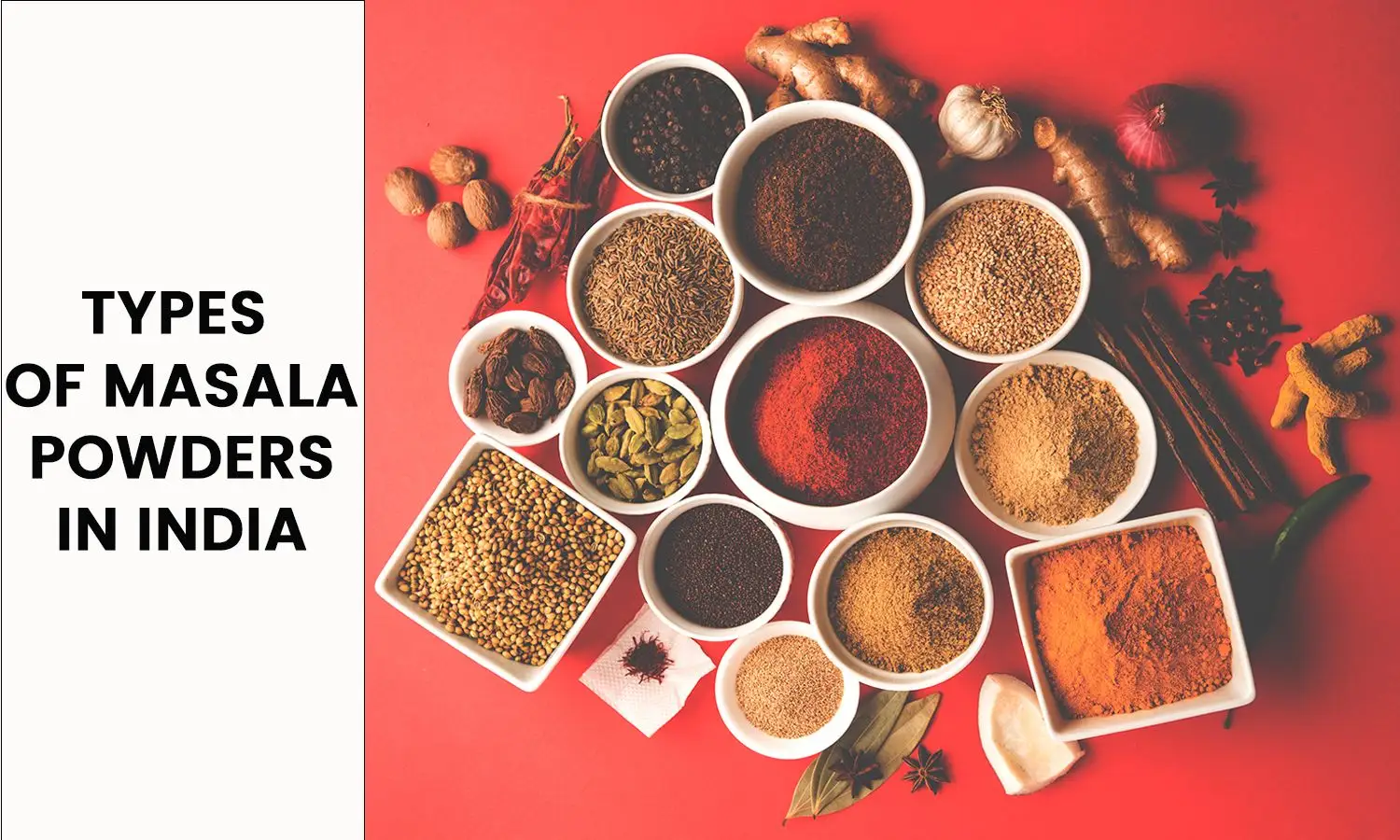
Types of Masala Powders in India

Introduction

Indian cuisine has vibrant flavours, and at the heart of it lies one key element, masala powders. These finely ground spice blends transform everyday cooking into rich, aromatic experiences. It enhances the taste of a dish by adding depth and colour, all types of masala powders in Indian kitchens are as diverse as the regions they come from.
In this blog, we’ll explore the most beloved and essential different types of masala powder list that bring both taste and health to your plate.

Garam Masala

One of the most widely used types of masala powders in India, garam masala powder is a warm, aromatic blend of spices like cinnamon, cardamom, cloves, nutmeg, and cumin. You can buy it in a garam masala packet or make it fresh at home, its purpose is to bring depth to gravies and stir-fries. The garam masala ingredients may vary by region, but the essence remains the same.

Sambar Masala Powder

A staple in South Indian households, sambar masala powder is what gives the beloved lentil-vegetable stew its signature taste. The typical sambar masala powder ingredients include coriander seeds, toor dal, red chilies, fenugreek, and curry leaves

If you’re looking for the best sambar masala powder, opt for blends that strike the perfect balance of tang, spice, and aroma.
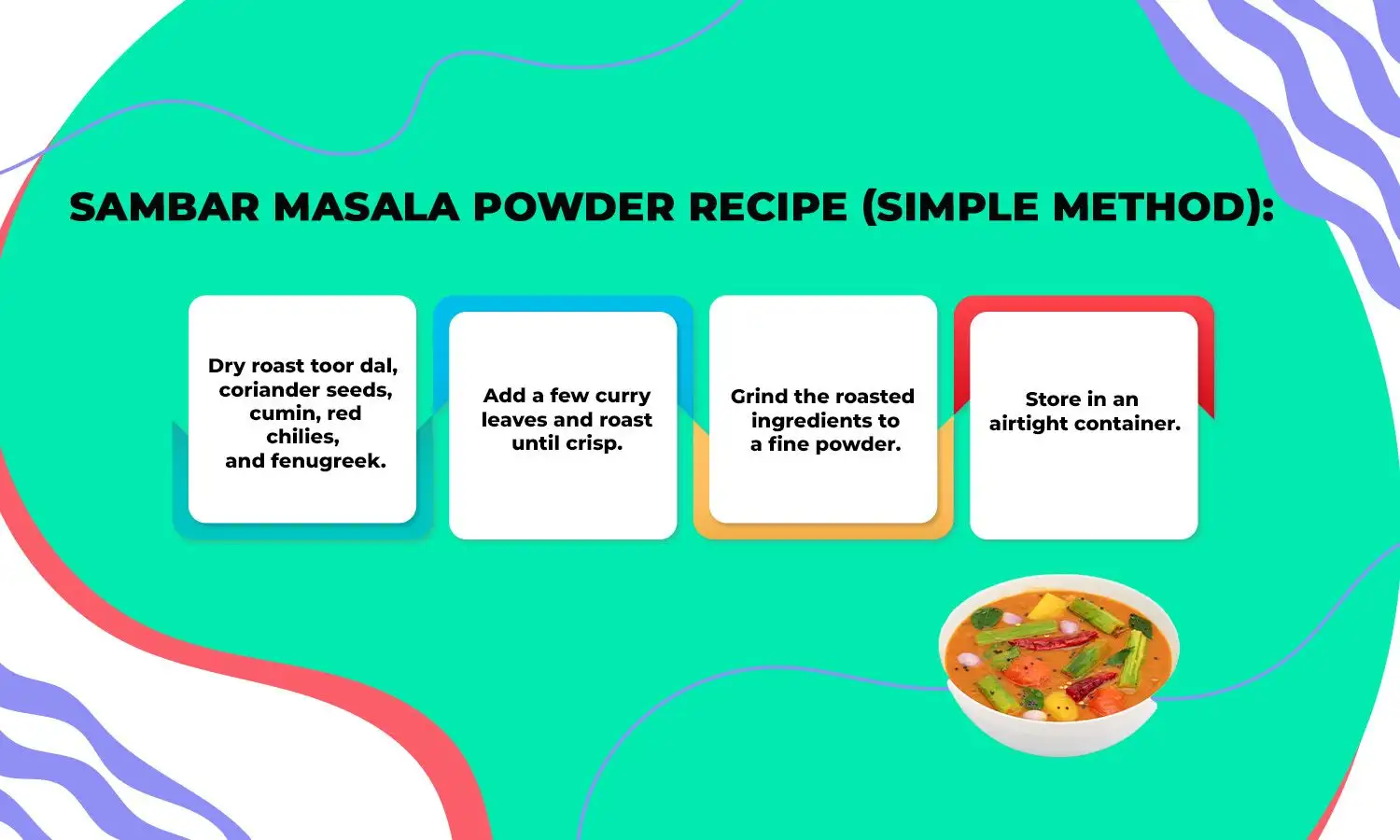
Sambar Masala Powder Recipe (Simple Method)

Sambar Masala Powder Recipe (Simple Method):

  • Dry roast toor dal, coriander seeds, cumin, red chilies, and fenugreek.
  • Add a few curry leaves and roast until crisp.
  • Grind the roasted ingredients to a fine powder.
  • Store in an airtight container.

Rasam Masala Powder

Light, peppery, and comforting, rasam is both a soup and a side dish. The rasam masala recipe typically uses black pepper, cumin, coriander, red chilies, and garlic. These rasam masala ingredients not only add flavour but also aid digestion.

For added wellness, opt for organic rasam masala made without preservatives or additives.

Coriander Powder

The health benefits of coriander powder are immense. ​Coriander powder, also known as coriander seed powder, is used in nearly every Indian dish, from dals to dry sabzis. It offers a citrusy, earthy note and acts as a base spice.

While coriander powder means simple ground coriander, its nutritional value is anything but ordinary. Rich in fiber and antioxidants, it’s known to support digestion. You can also explore the health benefits of coriander leaves powder as a fresher, herbal variant.
Turmeric Powder Benefits

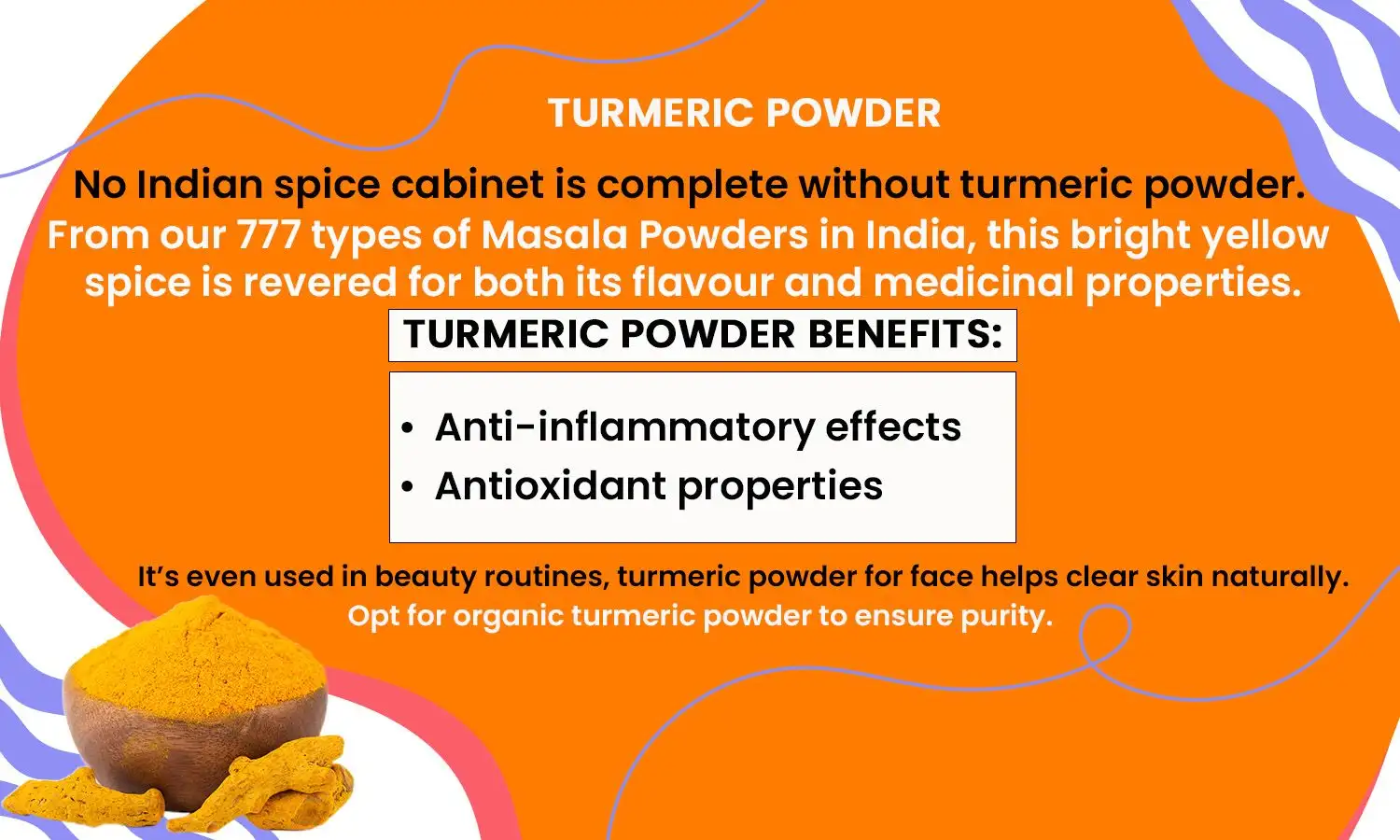
Turmeric Powder

No Indian spice cabinet is complete without turmeric powder. From our 777 types of Masala Powders in India, this bright yellow spice is revered for both its flavour and medicinal properties. Turmeric powder benefits include anti-inflammatory and antioxidant effects.

It’s even used in beauty routines, turmeric powder for face helps clear skin naturally. Opt for organic turmeric powder to ensure purity.

Note:

While turmeric is largely safe, excessive use may cause mild stomach issues. Always use in moderation to avoid potential side effects of turmeric powder.

Red Chilli Powder

If you love spice, red chilli powder is your go-to. Used to heat up everything from curries to chutneys, it’s a fiery favourite in Indian kitchens. The red chilli powder benefits include metabolism boosting and rich vitamin C content. Choose organic red chilli powder or the best red chilli powder blends to avoid additives and get maximum flavour.

Pepper Powder

Known for its sharp kick and healing qualities, the types of Masala Powders in India such as black pepper powder are used in rasam, soups, and even tea. It’s warming and full of benefits, pepper powder uses range from digestion aid to cold relief.

When someone says pepper powder means just heat, remind them of the rich benefits of black pepper powder that go beyond taste.

Jeera Powder

Jeera powder (cumin powder) is another everyday spice with deep roots in Indian cooking. If you choose roasted jeera powder for its smokiness, or a mix like jeera dhania powder, both bring a toasty, earthy flavour to dals and vegetables. For a unique touch, try black jeera powder, which has a bolder, nuttier profile and is great in Ayurvedic recipes.

Conclusion

Indian cooking isn’t just about spice, it’s about the right spice in the right amount. From the comforting aroma of sambar masala powder to the therapeutic warmth of organic turmeric powder, the types of masala powders in Indian kitchens are a perfect blend of taste, health, and heritage garam masala ingredients​.
What Are the 7 Indian Spices? The essential 777 Types of Masala Powders in India include seven powders, that is turmeric, cumin, coriander, mustard seeds, red chilli powder, garam masala, and black pepper garam masala packet​.
What Is the Difference Between Garam Masala and Curry Powder?Garam masala is a traditional Indian blend with warming spices, while curry powder is a Western creation often including turmeric as a base.
How Is Rasam Powder Different From Sambar Powder? Rasam powder is more pepper-forward and light, while sambar powder is richer with lentils and coriander.
What Are the Health Benefits of Coriander Powder? It aids digestion, is rich in antioxidants, and supports heart health. It’s a gentle spice packed with benefits.
Is Pepper Powder the Same as Black Pepper? Yes, pepper powder means ground black pepper and is used for its heat and medicinal value.
What Type of Dishes Use Red Chilli Powder?Our 777 Types of Masala Powders in India are used in curries, dals, pickles, chutneys, and marinades, basically, anywhere a spicy kick is desired.

What is Masala Powder?

What Does Masala Powder Mean?

Masala powder refers to a finely ground blend of spices used widely in Indian cooking. These spice mixes are mixed for the aroma and taste of a dish. If you’ve ever wondered what is masala powder, think of it as the soul of Indian cuisine.

Enter a temple, and you’ll find the tradition and heritage. Similarly, each spoonful of masala powder brings together heritage, taste, and nutrition. Sit at your home, make a comforting bowl of rasam with our rasam powder, and get the authentic taste of our 777 spices.
What is Masala Powder

Common Types of Masala Powder

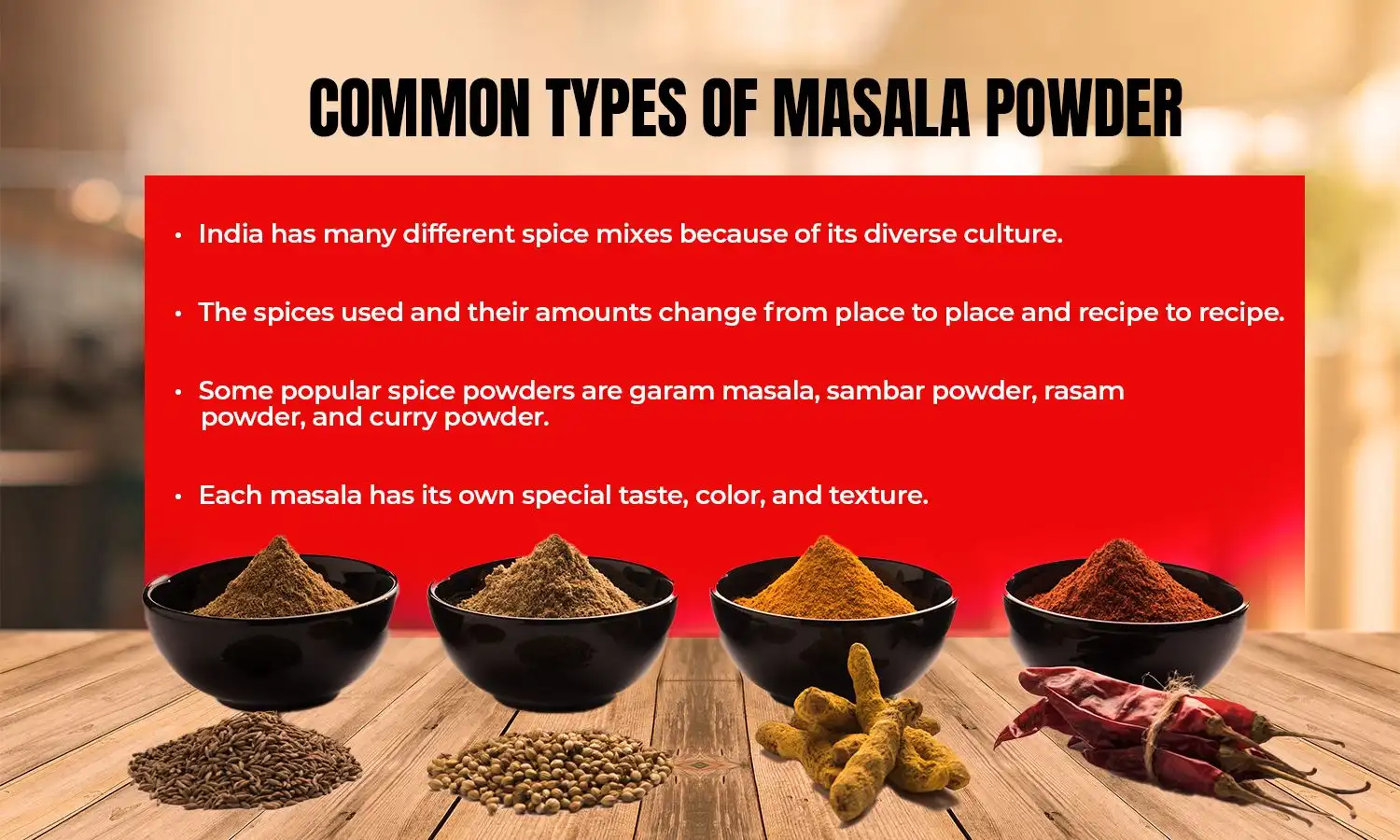
India’s diversity is beautifully reflected in its spice blends. Depending on the region and recipe, the combination and proportion of spices vary. Some of the most commonly used masalas include garam masala powder, sambar powder, rasam powder, and curry powder. Each of these has its own unique texture, colour, and taste.

Sambar Masala Powder

Sambar is a classic South Indian stew made with lentils and vegetables. The secret behind its flavour? A perfectly balanced sambar powder. 777 sambar powder is a much-loved choice that brings the authentic taste of Tamil Nadu to your kitchen. It’s a special blend of roasted lentils, red chilies, coriander, and a hint of hing, offering the richness of traditional homemade sambar masala without the prep time.

Rasam Masala Powder

A warm, tangy broth infused with spices, rasam is both a comfort food and a digestive remedy. The 777 rasam powder combines black pepper, cumin, red chilies, and aromatic herbs that help create the authentic rasam powder you’ve tasted in South Indian homes. Whether you crave the best rasam powder for a rainy evening or a soothing meal, this blend adds depth and healing warmth.

Dhall Powder

Dhall rice powder (also spelled dhal rice powder) is a dry condiment made from lentils, sesame seeds, and mild spices. It’s often served with hot rice and ghee, making it an instant, protein-rich meal. This powder is perfect for quick, nutritious lunches and is a pantry staple in most Tamil households.

Garam Masala Powder

Garam masala spice mix is one of the most popular Indian spice blends, especially in North Indian cuisine. Unlike curry powder, which is a Western adaptation, garam masala powder uses warm spices like cinnamon, cloves, cardamom, and bay leaves. For those seeking cleaner eating, organic garam masala options are also available, offering all the flavour with none of the additives.

What Are the Ingredients in Masala Powder?

For people who are wondering what is masala powder may wonder what are their ingredients as well. Our 777 powders are made using a variety of whole spices that are roasted and ground together. Common ingredients include coriander seeds, cumin, red chilies, black pepper, mustard seeds, fenugreek, turmeric, and curry leaves. The exact ingredients depend on the type of masala, but the aim is to deliver depth, aroma, and bold flavour to your meals.
What is Masala Powder

How Is Masala Powder Made?

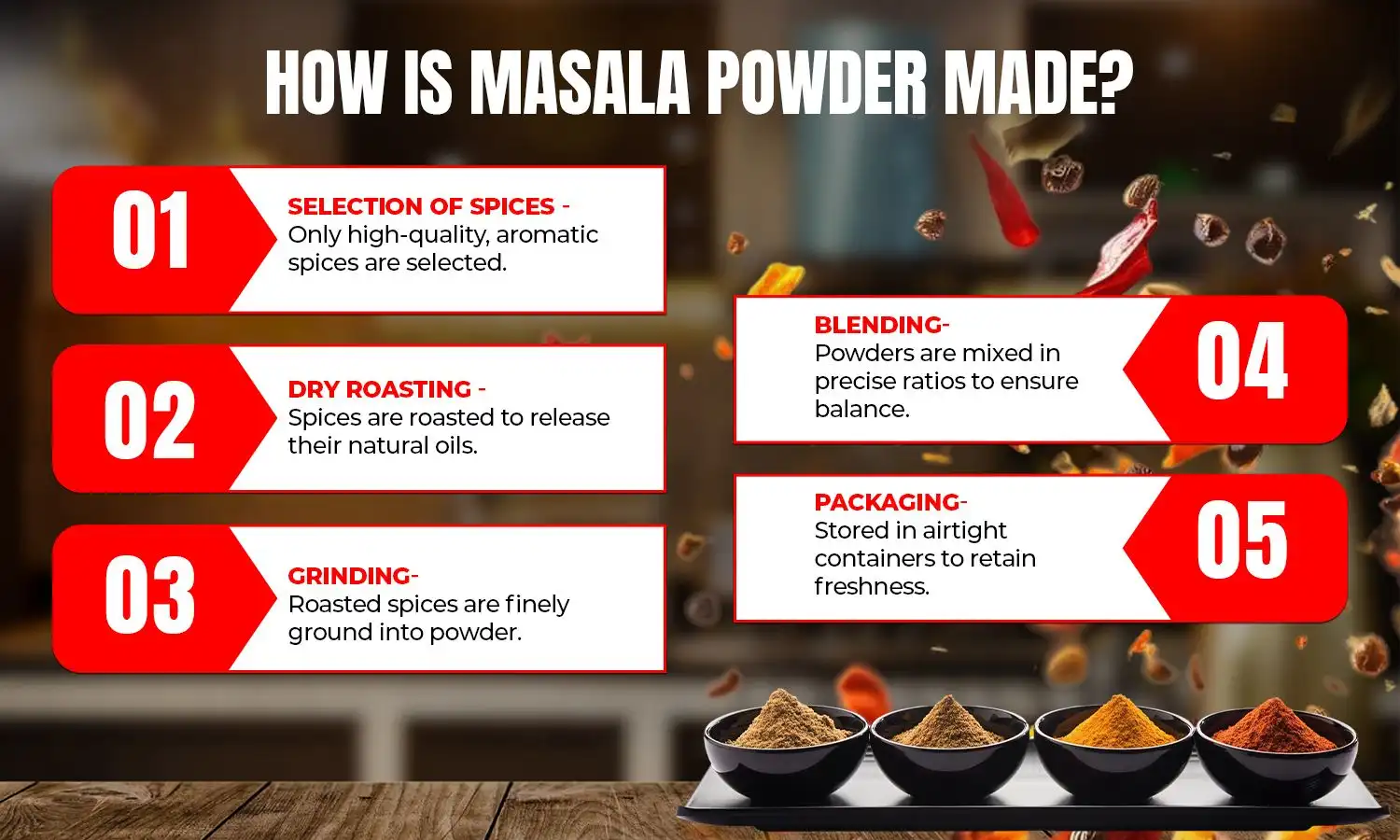
1. Selection of spices – Only high-quality, aromatic spices are selected.2. Dry roasting – Spices are roasted to release their natural oils.3. Grinding – Roasted spices are finely ground into powder.4. Blending – Powders are mixed in precise ratios to ensure balance.5. Packaging – Stored in airtight containers to retain freshness.This method is used by trusted brands like 777 to ensure that every pack, from 777 madras sambar powder to organic curry powder, delivers consistent flavour.

Uses of Masala Powder in Cooking

Masala powders greatly improve everyday meals into delicious experiences. Sprinkle masala powder into curries, dals, vegetable stir-fries, or even marinades. For people who are wondering what is masala powder and what types it has, our website contains, the masala powder list is endless, essential across all Indian meal times.

Health Benefits of Masala Powder

Beyond flavour, masala powders offer significant health benefits. The spices used are rich in antioxidants and anti-inflammatory properties. For example, turmeric supports immunity, cumin aids digestion, and pepper boosts metabolism. Using Indian masala blends like 777 sambar masala or garam masala spice not only enhances your meals but also contributes to well-being.
What is Masala Powder

How to Store Masala Powder

To keep your masala powders fresh:

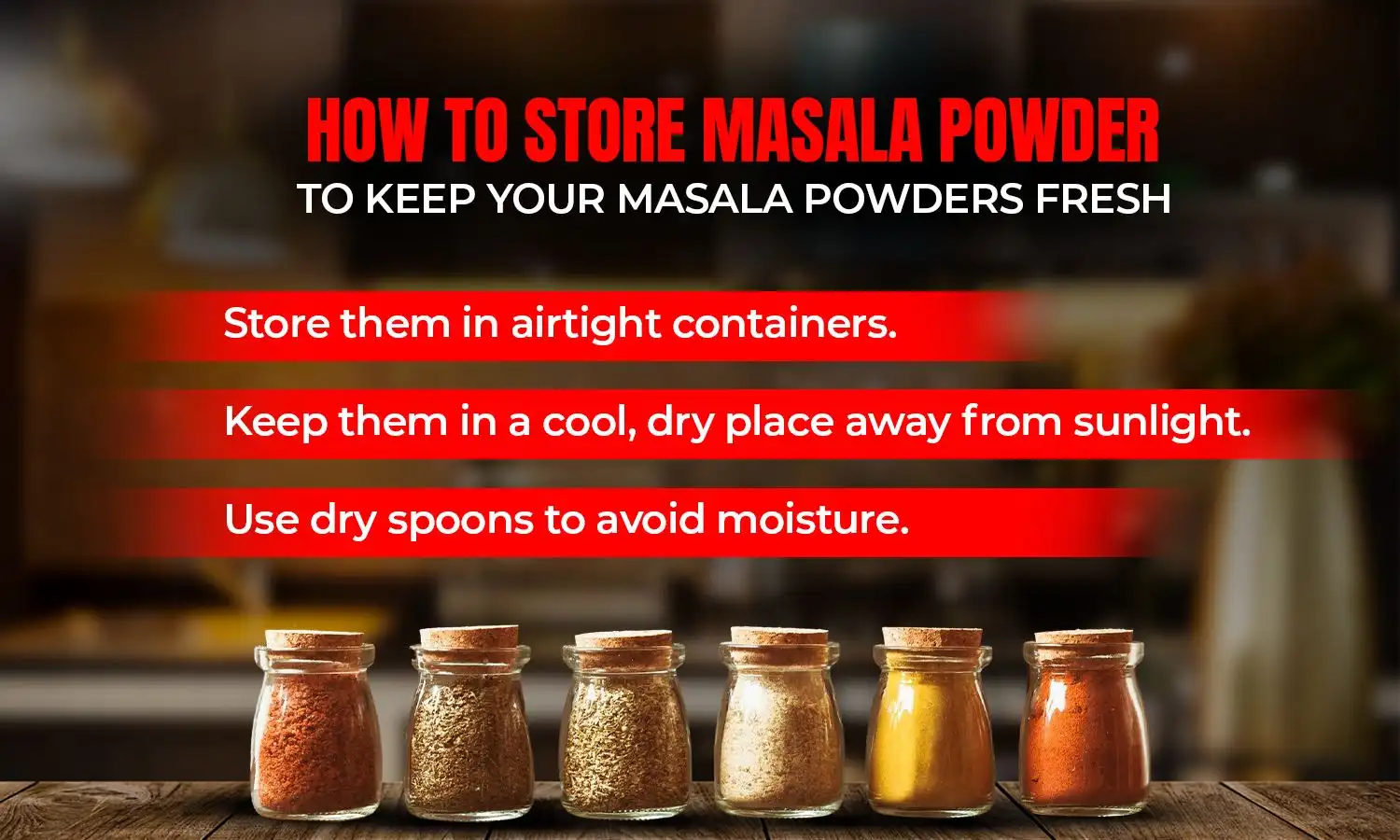
  • Store them in airtight containers.
  • Keep them in a cool, dry place away from sunlight.
  • Use dry spoons to avoid moisture.

Proper storage ensures that your best garam masala or best sambar podi retains its aroma and taste for months.

Conclusion:

So if you came to know what is Masala Powder, it isn’t just a blend of spices, it is an epitome of tradition. With trusted options like 777 sambar powder, rasam powder, and garam masala spice mix, you can enjoy authentic flavours without compromise, bringing your food to life.

FAQs

Is Masala Powder the Same as Curry Powder? Not exactly. While both are spice blends, curry powder is often a Westernized version of Indian masala. Indian masala blends like our 777’s best sambar powder or garam masala powder are more traditional and specific to each dish.
How Long Does Masala Powder Last? Most masala powders stay fresh for 6–12 months if stored properly. Look for the manufacturing date and follow the storage tips above.
What Dishes Can I Use Masala Powder In? From lentil-based dishes like sambar to rich curries and even simple stir-fried veggies, masala powder adds complexity and flavour. Try rasam powder in tomato soup, just like our homemade rasam, or dhall powder mixed with hot rice and ghee.
Is Masala Powder Healthy? For people who have no clue on what is masala powder may have doubts on whether it’s healthy or not. When made from natural ingredients without additives, as in organic curry powder or organic garam masala, they offer both flavour and health benefits.

What is Rice Puliyotharai Mix? | How to Make it Quickly

What is Rice Puliyotharai Mix?

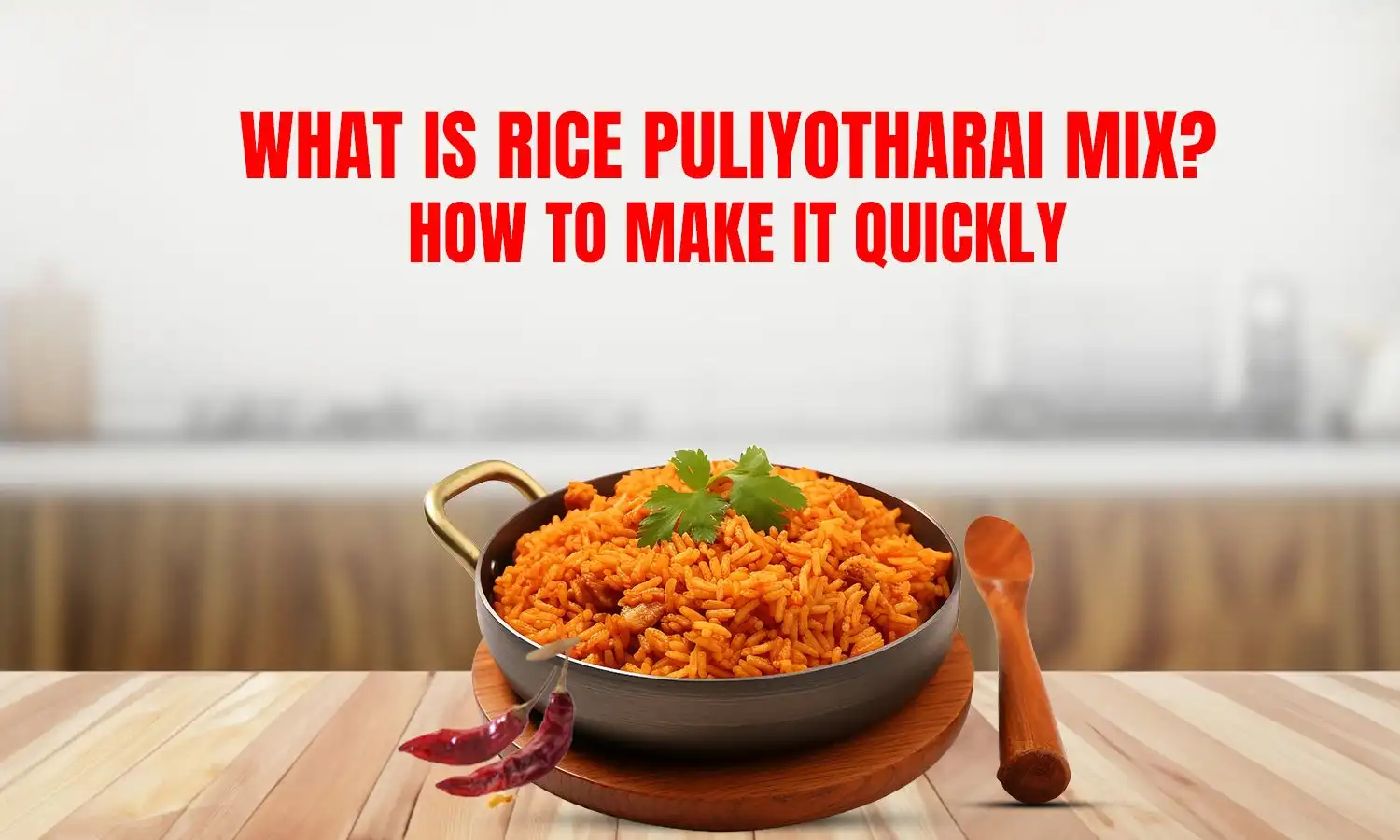
Rice Puliyotharai Mix is a traditional South Indian spice blend or paste made using tamarind, red chilies, mustard seeds, and aromatic spices. This flavorful mix simplifies the preparation of instant puliyotharai rice, also known as tamarind rice or puliyodharai. With its tangy, spicy, and slightly sweet notes, it’s a nostalgic dish for many, especially in Tamil Nadu and Karnataka, where it’s also known as puliyogare mix.The mix serves as a convenient way to prepare the dish without compromising on taste or authenticity. Rice Puliyotharai Mix offers a burst of flavor that feels just like a homemade meal even if you’re short on time, or looking for a quick lunchbox solution. This simple Rice puliyodharai mix recipe brings authentic taste to your table in minutes. Rice Puliyotharai Mix

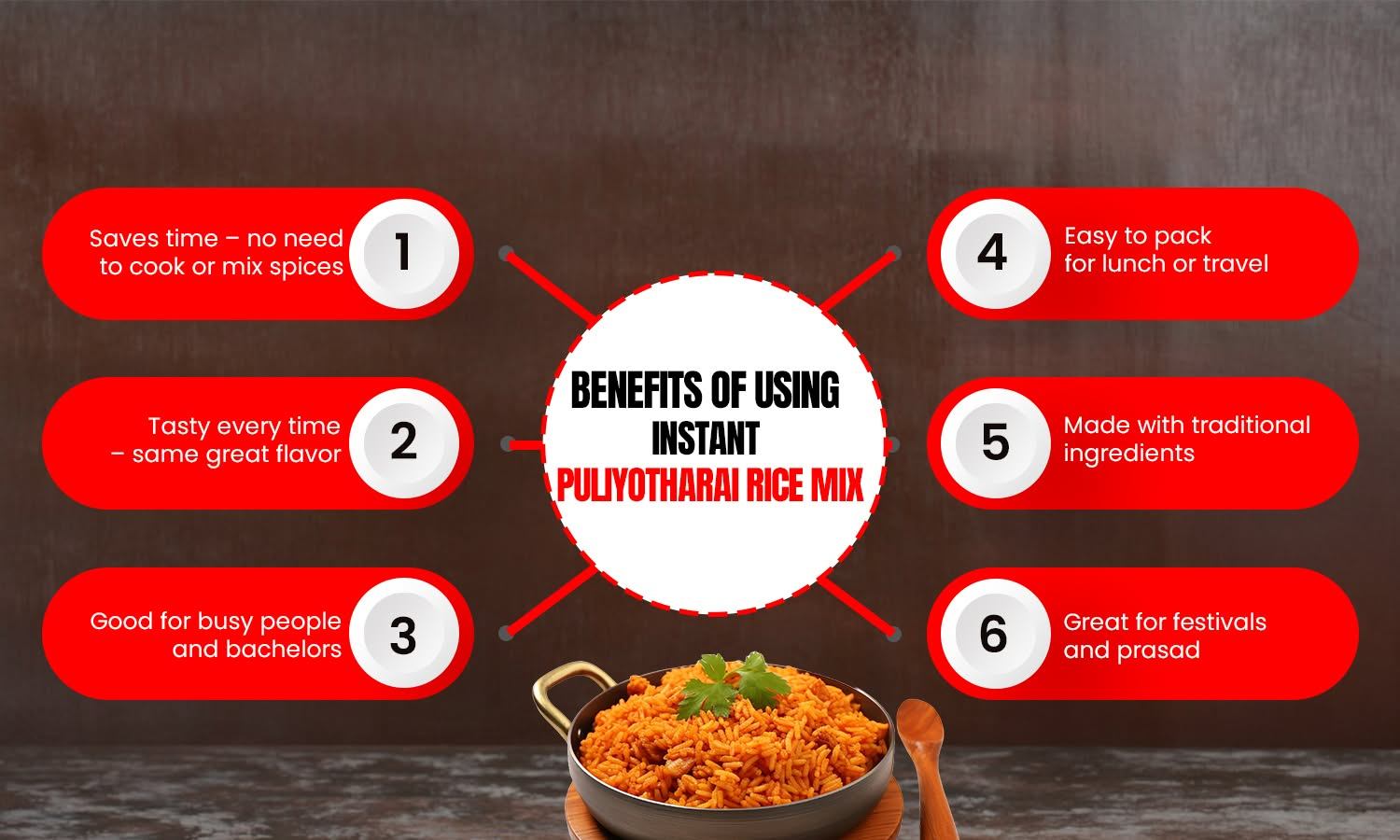
Benefits of Using Instant Puliyotharai Rice Mix

Choosing an instant tamarind rice mix saves both time and effort. You don’t need to roast spices, extract tamarind pulp, or balance the seasoning manually. A good puliyodharai rice mix offers consistent taste and aroma, making it perfect for busy households or bachelors.Some brands offer ready-to-eat tamarind rice or instant rice mix for lunch boxes, catering to those who want both nutrition and convenience. Many of these mixes are made with traditional ingredients that mimic a homemade puliyodarai paste, making it a go-to for quick meals, travel, or festive offerings. A quality Puliyodharai mix powder keeps your pantry ready for a fast, flavorful meal any day.
Rice Puliyotharai Mix

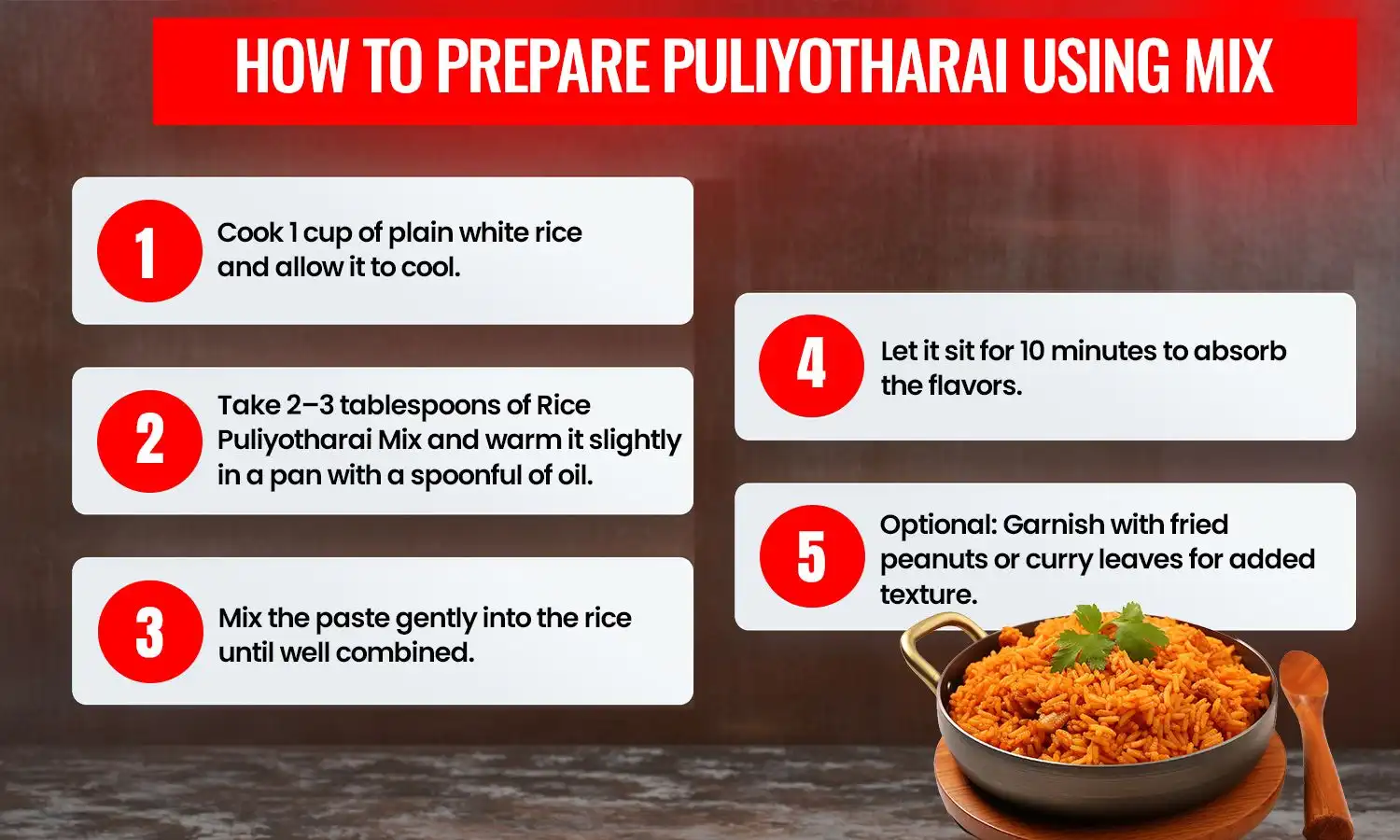
How to Prepare Puliyotharai Using Mix

Making puliyodharai is incredibly simple when you have a good tamarind rice paste and Rice Puliyotharai Mix. Here’s how you can do it in minutes:

  • Cook 1 cup of plain white rice and allow it to cool.
  • Take 2–3 tablespoons of Rice Puliyotharai Mix and warm it slightly in a pan with a spoonful of oil.
  • Mix the paste gently into the rice until well combined.
  • Let it sit for 10 minutes to absorb the flavors.
  • Optional: Garnish with fried peanuts or curry leaves for added texture.

This method answers the common query: “how to cook puliyotharai” quickly and efficiently. A spoonful of Puliyodharai rice mix paste is all you need to bring the dish together.

Homemade vs Store-Bought Puliyotharai Mix

Many home cooks take pride in preparing their homemade puliyodarai paste. However, recreating that perfect balance of spice, sourness, and salt each time can be challenging. Store-bought mixes like instant puliyotharai rice blends offer consistency, shelf stability, and ease of use.Trusted brands ensure hygiene, authentic taste, and sometimes even fortify the product for better nutritional value. For many families, a trusted mix tastes just like homemade puliyotharai rice made from scratch.

Shelf Life and Storage of Puliyotharai Mix

One of the advantages of using a packaged puliyodarai mix recipe is its excellent shelf life. A sealed pack can last up to 6–9 months if stored in a cool, dry place. After opening, always refrigerate the remaining mix and use a clean spoon to avoid contamination.

Understanding the lifetime of puliyotharai paste helps plan your meals better and avoid wastage, making it ideal for bulk purchases or meal preps.

Rice Puliyotharai Mix

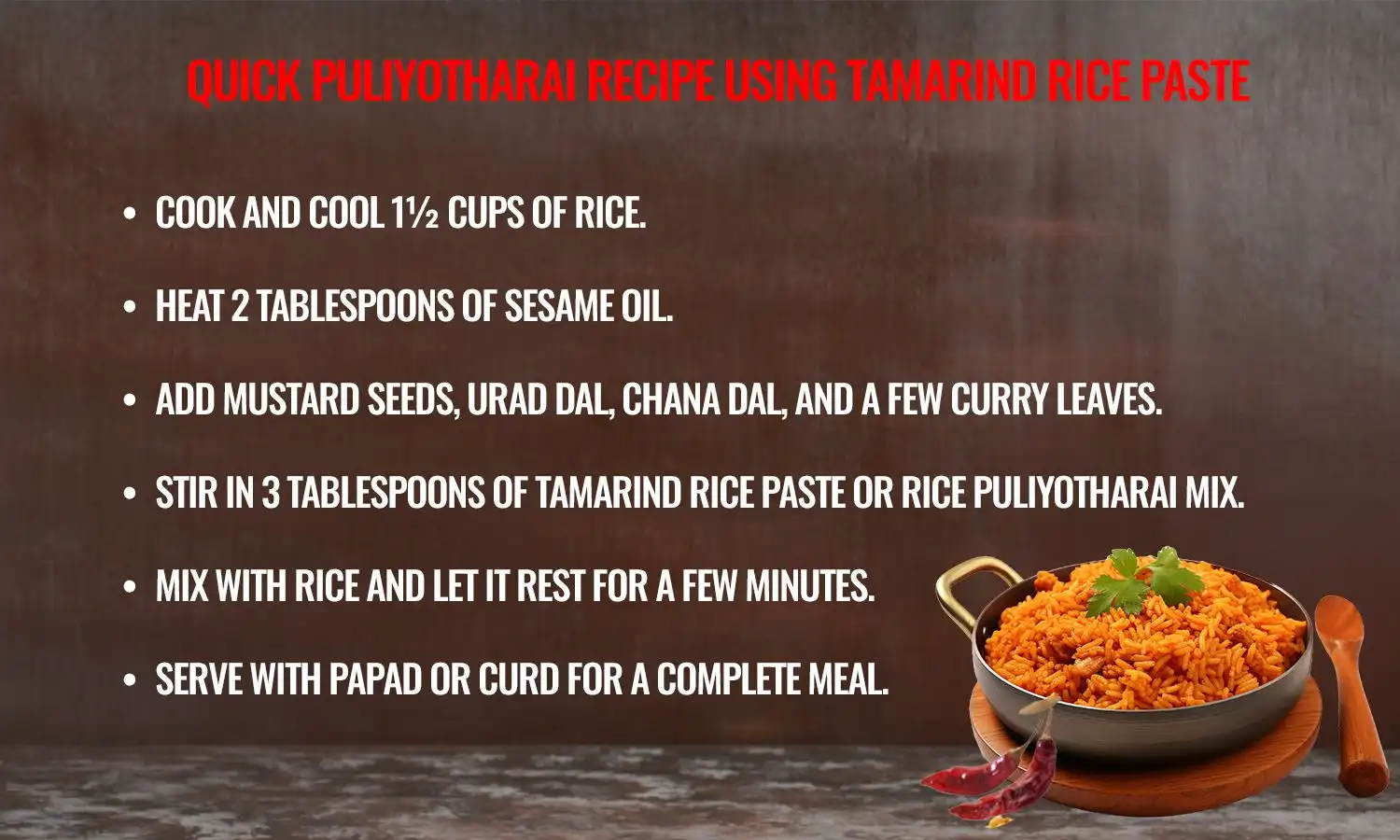
Quick Puliyotharai Recipe Using Tamarind Rice Paste

Here’s how to make instant puliyotharai rice using a tamarind rice mix:

  • Cook and cool 1½ cups of rice.
  • Heat 2 tablespoons of sesame oil.
  • Add mustard seeds, urad dal, chana dal, and a few curry leaves.
  • Stir in 3 tablespoons of tamarind rice paste or Rice Puliyotharai Mix.
  • Mix with rice and let it rest for a few minutes.
  • Serve with papad or curd for a complete meal.

This spicy tamarind rice mix is not just quick but also incredibly flavorful, making it a hit with both kids and adults. This easy Puliyodharai Rice Recipe is one of the most loved south indian Puliyotharai rice recipes for everyday meals.

CONCLUSION:

The authentic Rice Puliyotharai Mix is a reliable, tasty, and healthy solution. Its tangy and spicy profile satisfies the taste buds while offering ease and convenience. With so many puliyodharai mix options available today, it’s easy to enjoy authentic instant South Indian rice mix anytime, anywhere.

Key Takeaways

Which rice is good for puliyodharai? Short-grain rice like ponni or raw rice is typically used. The grains should remain separate for better flavor distribution.
Is Puliyotharai Mix the same as Puliyogare Mix? Yes, both refer to tamarind rice spice blends, though regional recipes may vary slightly in spice levels and additional ingredients.
Is Rice Puliyotharai Mix healthy? Yes, when used in moderation. It offers a good source of antioxidants from tamarind and spices. Choose versions with minimal preservatives for added health benefits.
Can I pair Puliyotharai rice with side dishes? Absolutely! Curd, appalam, or potato fry pairs wonderfully with tamarind rice. The dish also complements simple pickles or coconut chutney.

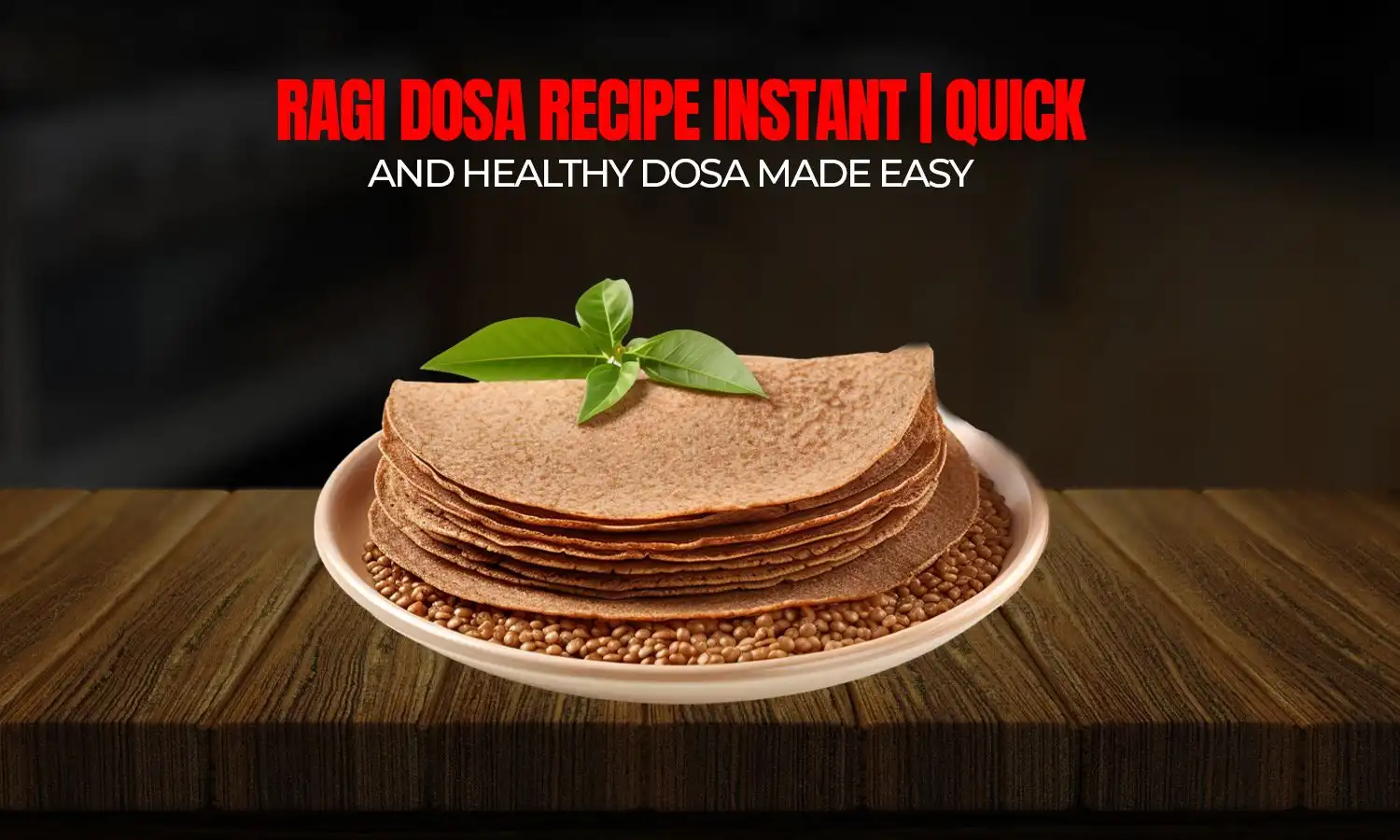
Ragi Dosa Recipe Instant | Quick and Healthy Dosa Made Easy

Ragi Dosa is more than just a delicious South Indian dish. With great nutrients, the ragi dosa recipe instant method is perfect for health-conscious food lovers and busy mornings alike.
Ragi, also known as finger millet, is rich in calcium, fiber, and iron. It helps regulate blood sugar, promotes heart health, and supports weight loss. With the instant ragi dosa mix, you skip the fermentation hassle and dive straight into a meal that is not only wholesome but also gluten-free and diabetic-friendly.

Among all instant ragi recipes, dosa is one of the most satiating and versatile options. Whether you’re preparing instant ragi dosa for weight loss or a family brunch, it suits every occasion.

Ragi Dosa Recipe Instant

Ingredients Needed for Instant Ragi Dosa:

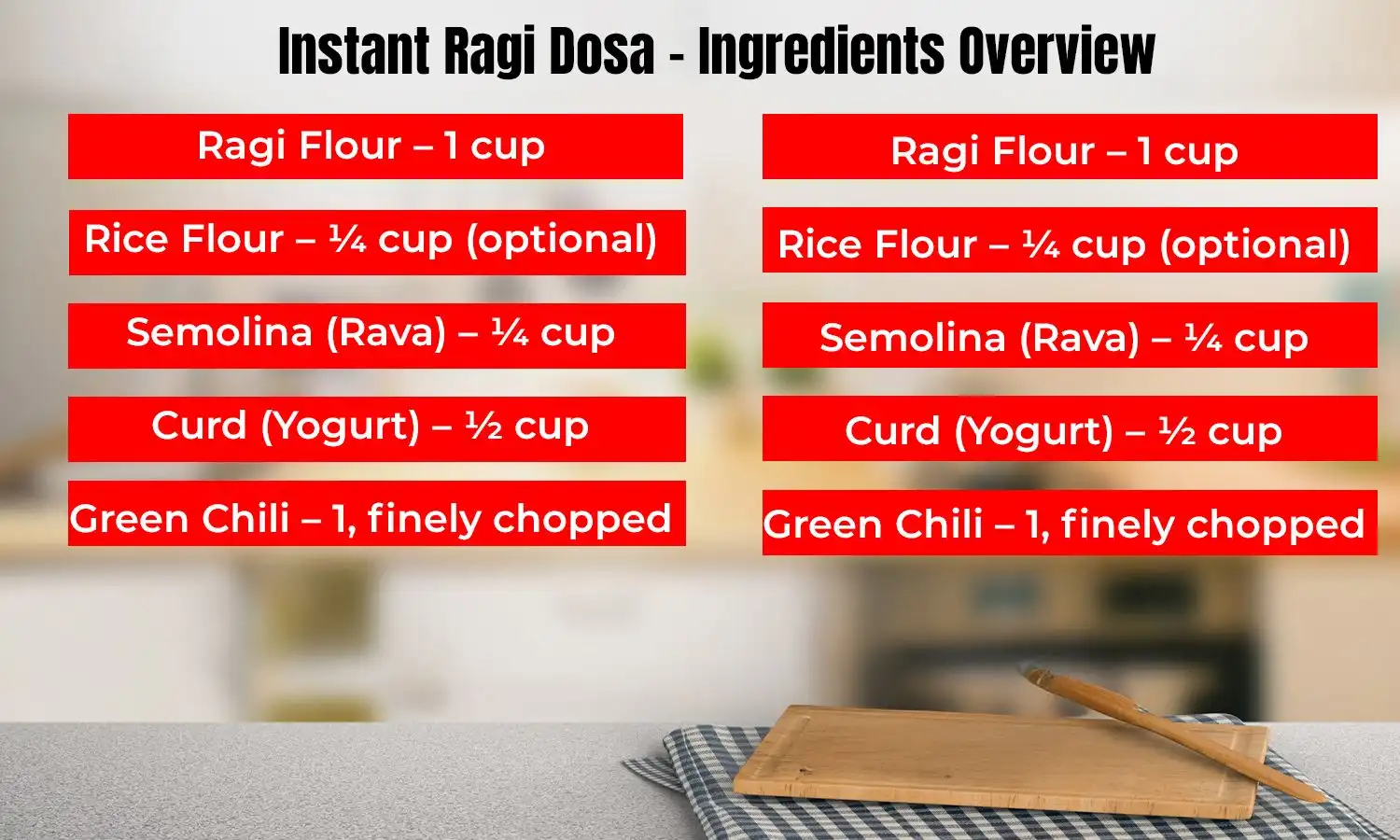
To make a delicious ragi dosa recipe instant, you’ll need the following:

  • 1 cup Ragi flour (finger millet flour)
  • ¼ cup rice flour (optional, skip for instant ragi dosa without rice flour)
  • ¼ cup semolina (rava)
  • ½ cup curd (yogurt)
  • 1 finely chopped green chili
  • 1 tsp grated ginger
  • 1 tsp cumin seeds
  • Salt to taste
  • Water (approx. 2 cups or as needed)
  • Chopped coriander and onions (optional for garnish)
  • Oil or ghee for cooking

This simple combination delivers the best instant crispy ragi dosa texture while staying authentic and satisfying.

Step-by-Step Ragi Dosa Instant Recipe :

Making ragi dosa instant recipe is simple and fuss-free:

1. In a mixing bowl, combine ragi flour, rice flour (if using), and semolina.2. Add curd, green chili, ginger, cumin seeds, and salt.
3.Gradually pour water to form a smooth, slightly runny batter. Rest for 10 minutes.
4. Heat a non-stick dosa tawa and grease it lightly with oil.
5. Pour a ladle of batter and spread it gently like rava dosa.
6. Drizzle oil around the edges and cook until it turns golden and crisp.
7. Flip if needed or serve directly if one side is cooked crisp.
8. Garnish with coriander or chopped onions.
Now you’ve got an instant ragi rava dosa recipe that’s ready in minutes!

Variations You Can Try :

What makes instant ragi dosa recipes truly exciting is their incredible versatility, allowing you to customize them to match your taste and health goals. Looking for a low-carb option? Simply skip the rice flour to make instant ragi dosa without rice flour. Want to boost the nutrition and color with your ragi dosa ingredients? Add grated carrots, beets, or spinach to the batter. Craving a spicier twist?

Infuse the dosa with black pepper, curry leaves, or crushed garlic for added depth. For a slightly tangier flavor, swap curd with buttermilk. These simple variations not only elevate the taste but also make it the best instant ragi dosa recipe for anyone seeking a healthy, delicious meal. Ragi Dosa Recipe Instant

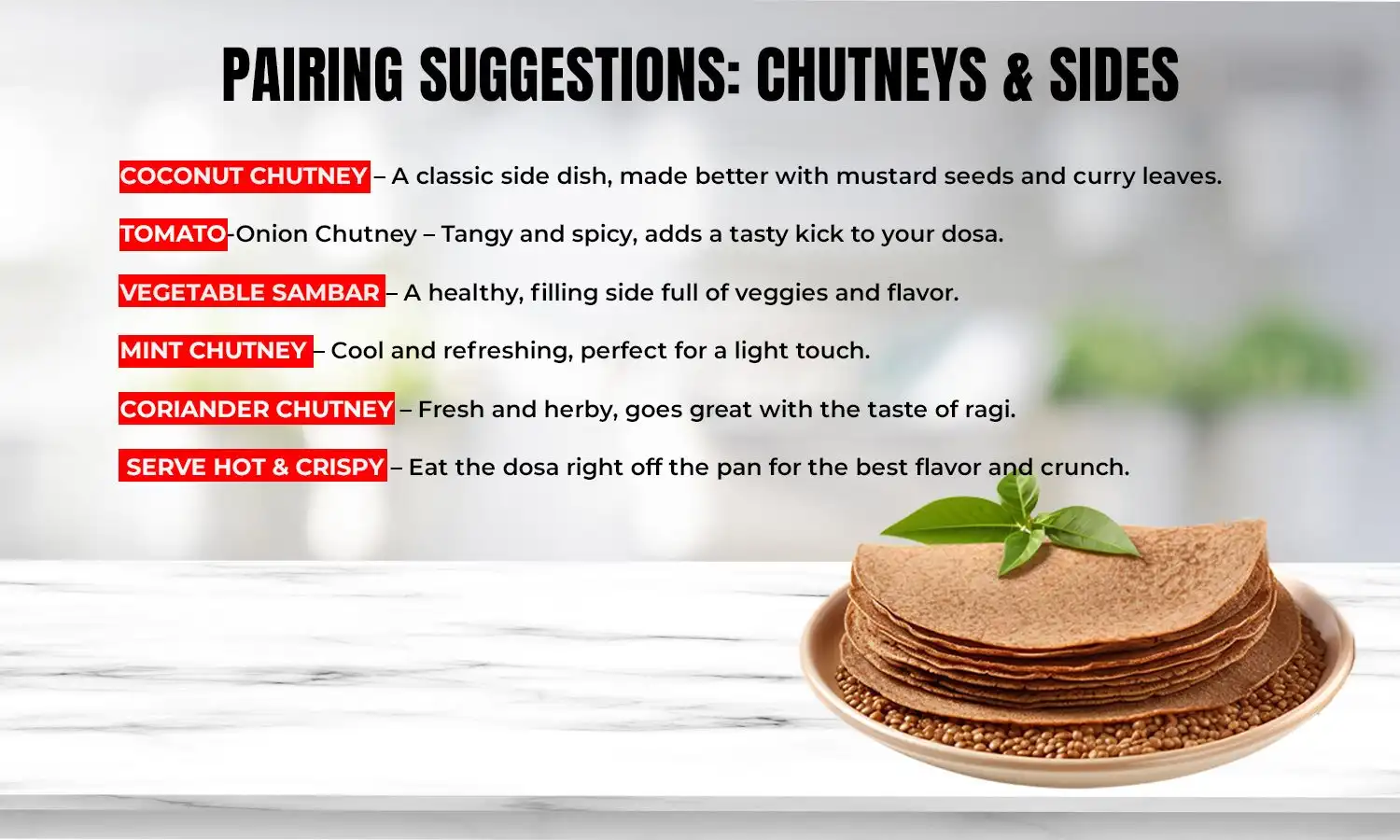
Pairing Suggestions: Chutneys & Sides

A delicious ragi instant dosa truly comes alive when paired with the right sides, turning a simple meal into a flavorful feast. For a classic combination, serve it with coconut chutney topped with tempered mustard seeds. Craving something tangy? Prepare a perfect zing of tomato-onion chutney recipe with your Ragi Dosa recipe instant.

For a more filling option, pair your dosa with a bowl of sambar brimming with seasonal vegetables. And for a burst of freshness, mint or coriander chutney brings a refreshing herbal touch. Serve your dosa hot and crispy straight off the pan to enjoy the ultimate instant ragi dosa experience that is comforting, wholesome, and irresistibly tasty.

Conclusion :

If you’re looking for a meal that strikes the perfect balance between flavor, nutrition, and convenience, ragi dosa recipe instant is your go-to. Packed with essential nutrients and adaptable to any taste, it’s ideal for those watching their weight or simply wanting a wholesome start to the day. Start your journey to a healthier plate with every crisp, delicious bite of instant ragi dosa.

Key Takeaways :

Is Ragi Dosa Healthier? Yes, ragi dosa is significantly healthier than traditional rice-based dosas. Ragi is rich in dietary fiber, calcium, iron, and essential amino acids, making it ideal for managing blood sugar levels, aiding digestion, and promoting weight loss. That’s why many turn to instant ragi dosa for weight loss and overall wellness.
Can I Have Ragi Dosa at Night? Absolutely. Ragi is light on the stomach and easy to digest, making it suitable for dinner as well. The ragi dosa recipe instant version allows you to prepare a wholesome evening meal without any fermentation delay, and it keeps you feeling full without heaviness.
Can I Eat Ragi Dosa Everyday?Yes, with Ragi Dosa Recipe Instant, you can enjoy ragi dosa daily as part of a balanced diet. Its high nutritional value makes it a great breakfast or dinner option. However, variety in diet is important, so consider mixing it with other instant ragi recipes or healthy alternatives throughout the week.
Who Should Not Eat Ragi Dosa? People with kidney stones or those advised to follow a low-oxalate diet should limit their ragi intake, as finger millet is high in oxalates. Always consult a nutritionist if you have specific dietary concerns before making ragi instant dosa a regular meal with a Ragi Dosa Recipe Instant.
How Many Calories Are in Ragi Dosa? One plain ragi dosa contains approximately 100–120 calories, depending on the ingredients and portion size. When prepared with minimal oil and paired with healthy sides, it becomes one of the best Ragi Dosa Recipe Instant for calorie-conscious individuals.

Why You Should Try This Gongura Pickle Recipe

Why You Should Try This Gongura Pickle Recipe

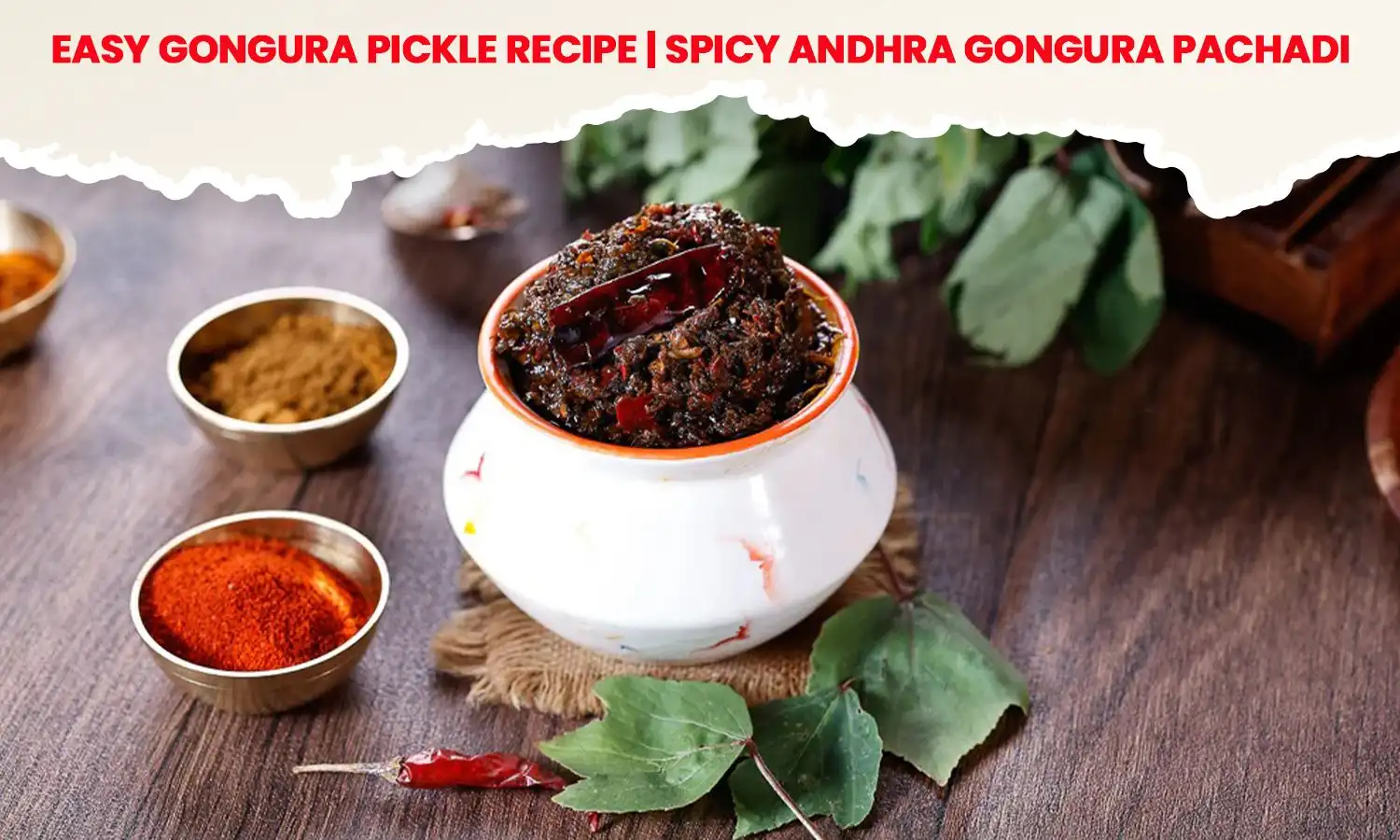
There are pickles, and then there’s gongura pickle—a bold, tangy, fiery classic from Andhra Pradesh that’s earned a cult following across India. Whether served with hot rice and ghee or spooned beside a dosa, Gongura’s sharp, sour taste wakes up your palate like nothing else.
So what makes this Gongura pickle recipe so special? It’s the earthy flavor of gongura leaves, the roasted spice mix, and the gingelly oil preservation that makes it both delicious and long-lasting.
This blog will walk you through a simple, authentic Gongura pickle recipe, explain its health benefits, and share tips to preserve it just like grandma used to.

What Is Gongura?

Gongura, also known as sorrel leaves or ambada, is a green leafy plant with a distinctly sour taste. It’s native to Andhra Pradesh and is used in a wide range of pickles, curries, and chutneys. The Telugu word for pickle is oorugai, and gongura oorugai is one of the most popular regional condiments.Used both in gongura chutney in Andhra style and as a base for pachadis and pickles, this leaf is prized for its tangy flavor and health benefits.
Gongura Pickle Recipe

Ingredients Needed for Gongura Pickle

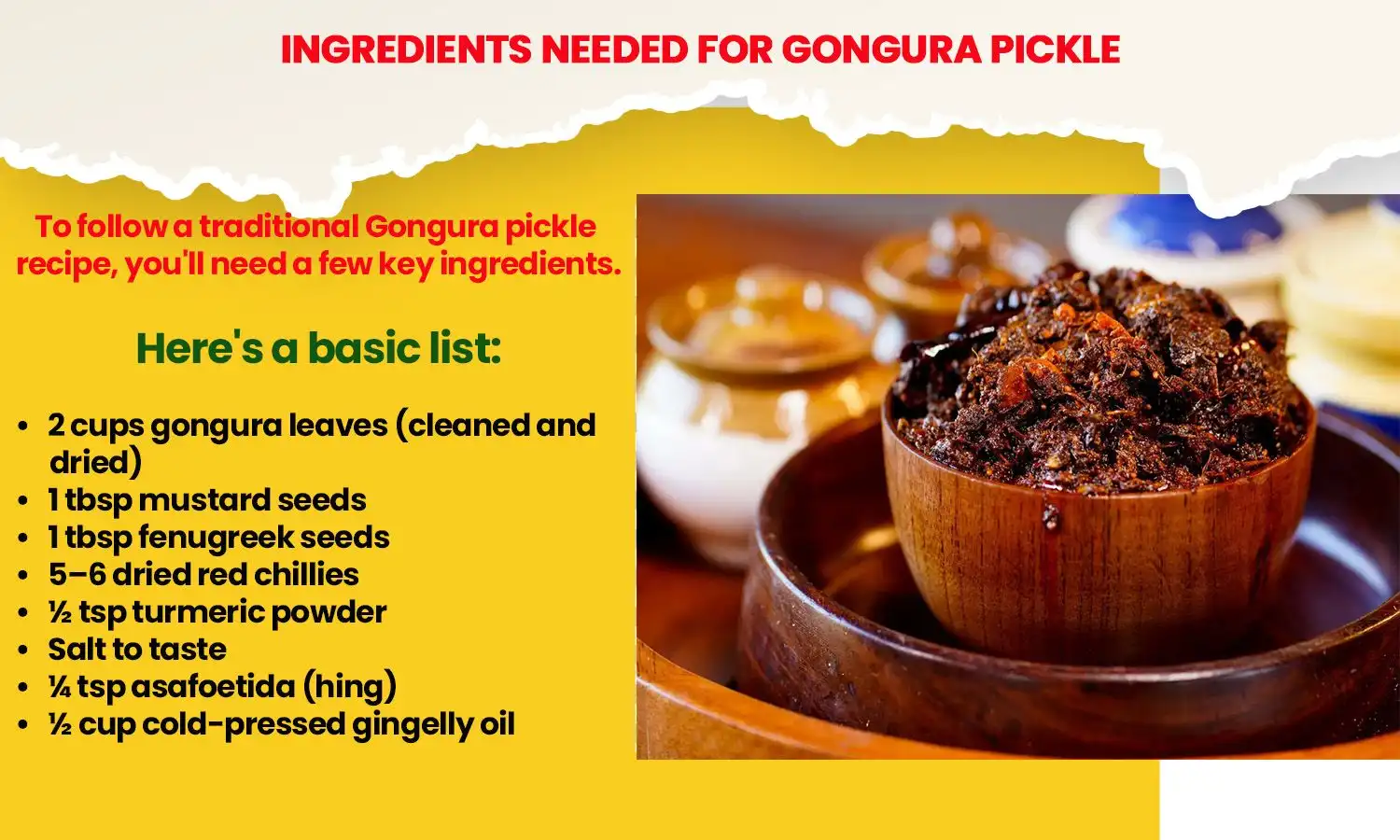
To follow a traditional Gongura pickle recipe, you’ll need a few key ingredients. Here’s a basic list:

  • 2 cups gongura leaves (cleaned and dried)
  • 1 tbsp mustard seeds
  • 1 tbsp fenugreek seeds
  • 5–6 dried red chillies
  • ½ tsp turmeric powder
  • Salt to taste
  • ¼ tsp asafoetida (hing)
  • ½ cup cold-pressed gingelly oil

These gongura pickle ingredients form the base of the recipe and can be doubled for larger batches. If you’d rather skip the prep, you can always buy gongura pickle online from authentic brands that follow the same traditional methods.

Step-by-Step Gongura Pickle Recipe

Now let’s learn how to prepare this spicy Andhra delicacy at home. Follow these simple steps for an authentic Gongura pickle recipe:

Prep the Leaves

Wash and dry the gongura leaves. Make sure there’s no moisture left.

Dry Roast the Spices

In a pan, roast mustard, fenugreek, red chillies. Cool and powder them.

Cook the Leaves

In a little oil, sauté the gongura leaves until soft and the moisture is gone.

Grind Together

Mix the sautéed leaves and spice powder in a blender.

Temper with Oil

Heat gingelly oil with asafoetida and mustard seeds. Pour over the mixture.

Let It Sit

Cool and transfer to a glass jar. Let it rest for 1–2 days before using.
That’s it! You’ve now made an authentic, home-style gongura achar ready to enjoy.
Gongura Pickle Recipe

Tips to Store and Preserve Gongura Pickle

Now that you’ve made the Gongura pickle recipe, here’s how to make sure it lasts:

  • Use only sterilized glass jars
  • Add a thin layer of oil on top to prevent air contact
  • Always use a dry spoon
  • Store in a cool, dark place for 2–3 weeks
  • Refrigerate for longer shelf life

If you’re short on time or ingredients, order the best gongura pickle online. Many small-batch producers maintain traditional Andhra taste without preservatives.

Serving Suggestions

Wondering how to enjoy your freshly made gongura pickle recipe?

  • Mix with hot rice and ghee — the Andhra classic
  • Pair with curd rice for a tangy kick
  • Use with dosa or upma
  • Serve with millet or pongal
  • Even as a side for chapati

Want quick access to this flavor? Look for gongura pickle online options that retain the texture and taste of homemade batches. Gongura Pickle Recipe

Health Benefits of Gongura

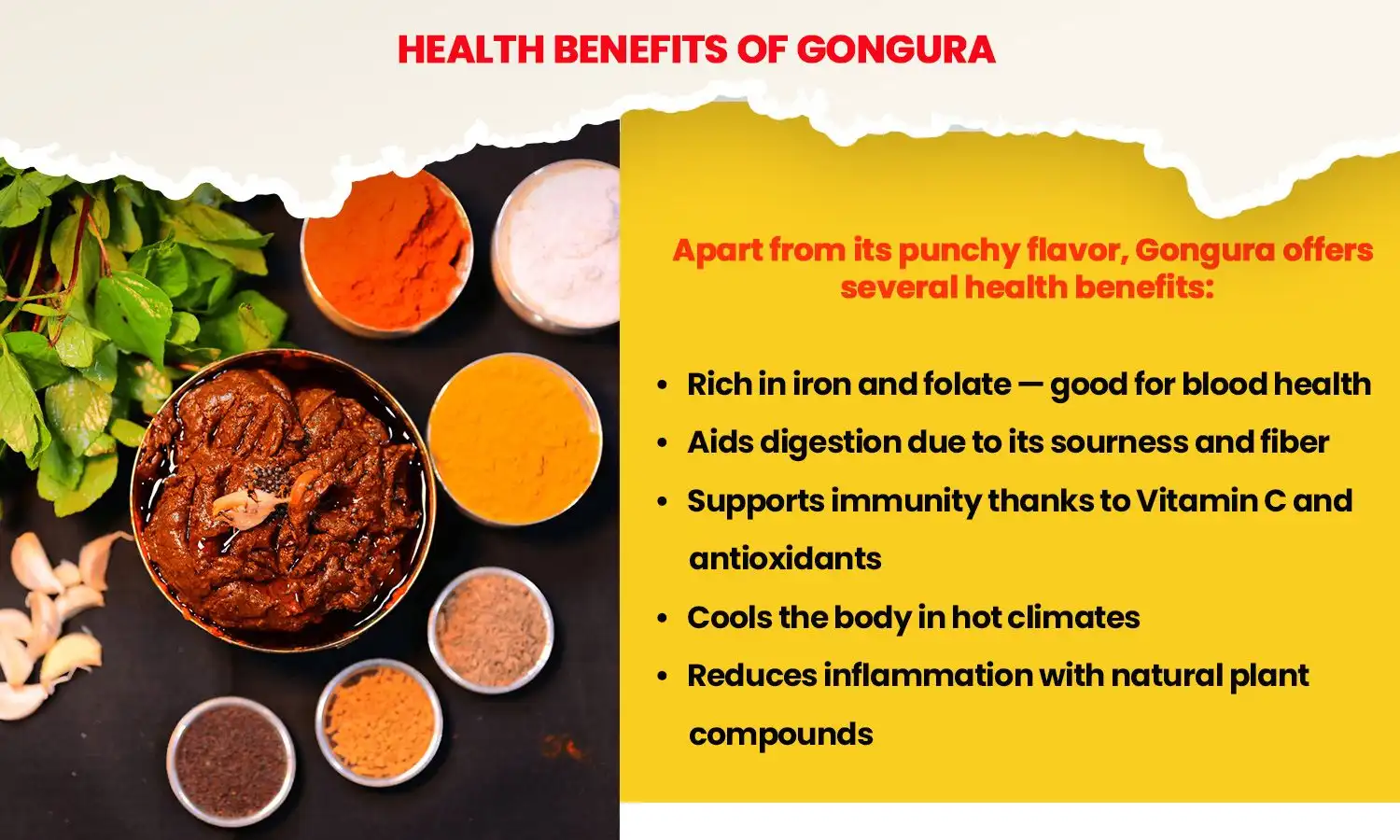
Apart from its punchy flavor, Gongura offers several health benefits:

  • Rich in iron and folate — good for blood health
  • Aids digestion due to its sourness and fiber
  • Supports immunity thanks to Vitamin C and antioxidants
  • Cools the body in hot climates
  • Reduces inflammation with natural plant compounds

With these health perks, it’s no wonder people buy gongura pickle not just for taste but for wellness too.

Conclusion

Gongura is more than just a leaf—it’s a flavor, a feeling, and a reminder of Andhra kitchens. With the right Gongura pickle recipe, you can bring that same bold taste to your home. Whether you eat it with rice, roti, or dosa, this pickle delivers both spice and nutrition.

Key Takeaways

  • The Gongura pickle recipe uses sorrel leaves, traditional spices, and gingelly oil
  • Gongura is rich in iron, Vitamin C, and natural antioxidants
  • Proper drying, oil tempering, and storage ensure shelf life
  • You can enjoy it with rice, rotis, or South Indian tiffins
  • Trusted options like 777 gongura pickle offer homemade flavor with convenience

Key Takeaways

What Is Gongura Pickle Made Of?Gongura pickle is made from fresh sorrel leaves, red chilli, mustard, fenugreek, salt, turmeric, and sesame oil. It’s cooked and preserved using a slow-curing process.
Is Gongura Pickle Good for Health?Yes. It’s rich in iron, folate, and antioxidants. The sour leaf supports digestion, boosts immunity, and cools the body during summer.
What Is the Difference Between Gongura Pachadi and Pickle?Pachadi is a quick chutney made fresh and consumed within a day. Pickle is oil-based, fermented, and preserved for longer shelf life. Both are based on Andhra style gongura pachadi traditions.
In Which State Gongura Pickle Is Famous?Gongura pickle is a signature dish of Andhra Pradesh. It’s commonly served in Telugu households and is a staple in both daily meals and festive spreads.

Instant Upma: Your Go-To Breakfast in Just Minutes!

What would you do in busy mornings that demands quick breakfasts?

You need something in an instant, but also healthy.Here’s where instant upma steps in as the ideal solution. If you are a working individual, a busy student, or just someone who misses a homely Indian breakfast but lacks time for the tedious preparation, the instant upma mix is always there to support you. Within a matter of a few minutes, you can have a hot, nourishing meal filled with nutrition and flavor.

Why Instant Upma is a Perfect Breakfast Choice

A healthy, delicious, and most importantly, quick-to-make breakfast is what everyone needs. A quick upma recipe is easy on the stomach, keeps you full for a long time, and is packed with nutrients, particularly when you include vegetables. It’s the perfect no-fuss breakfast that easily integrates into your daily schedule.
Instant Upma

What is Instant Upma?

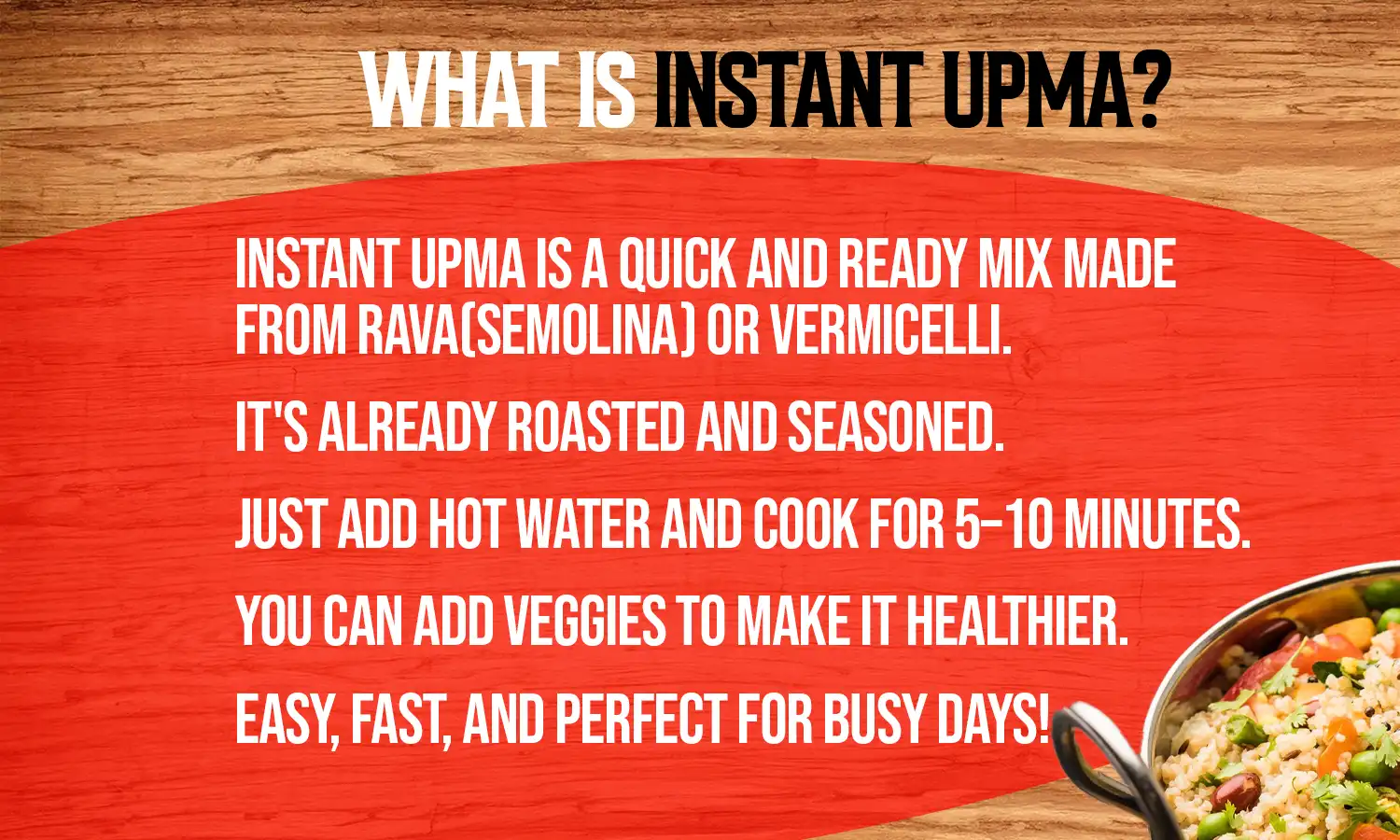
It is a pre-cooked, ready version of the conventional Indian upma prepared with rava (semolina) or vermicelli (sevai). The ready to eat upma is pre-seasoned and even pre-roasted at times, cutting down your cooking time to less than 5 to 10 minutes. You just need water and perhaps some fresh vegetables to make it more nutritious.
Instant Upma

Types of Upma You Can Make Instantly

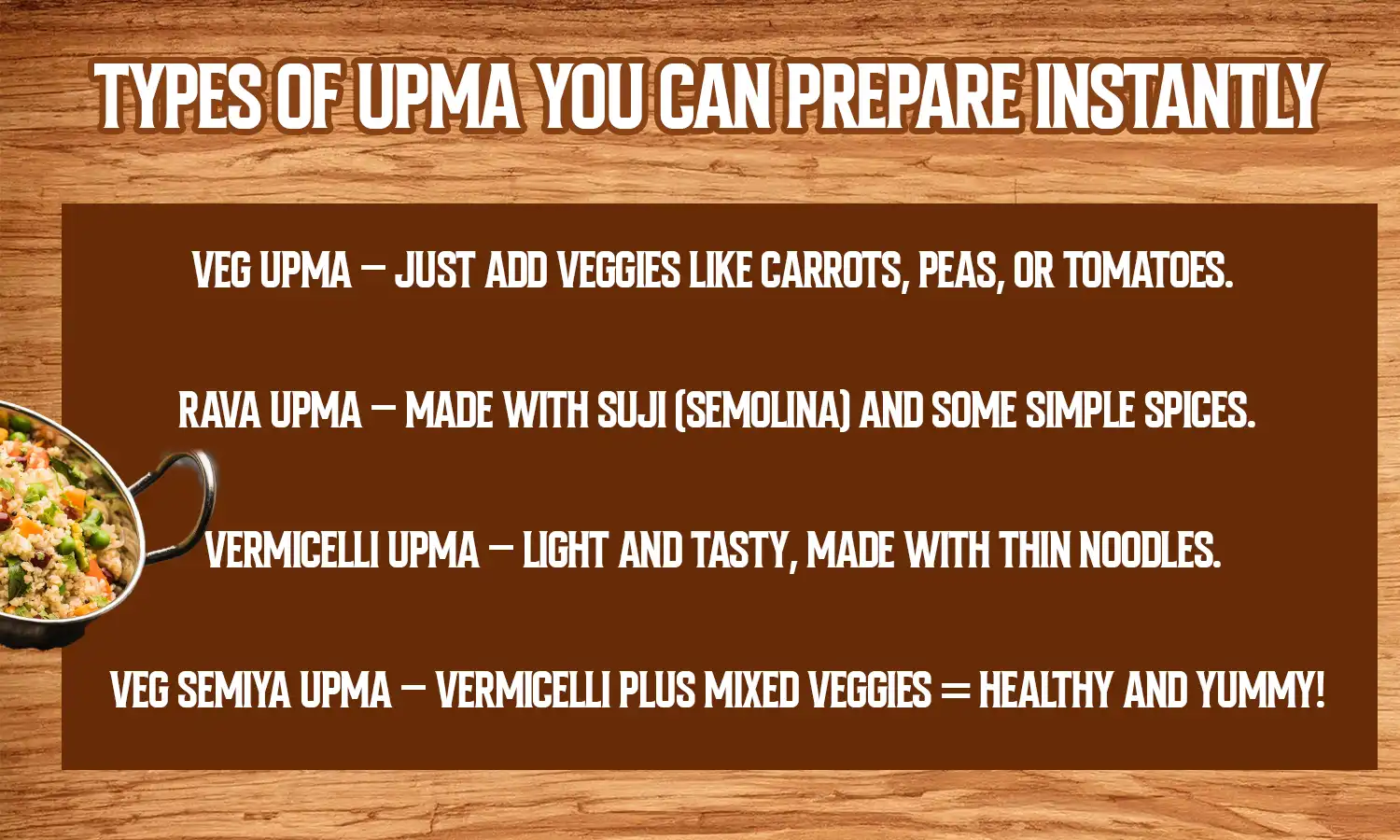
Due to the variety in instant upma packets, you can mix things up:

  • Vegetable Upma: Include carrots, beans, peas, or even tomatoes for added flavor and nutrition.
  • Vegetable Rava Upma: A traditional dish made with semolina, veggies, sprinkled with our authentic spices.
  • Instant Vermicelli Upma: A South Indian treat that’s light and slightly distinct in texture.
  • Semiya Vegetable Upma: This easy upma recipe includes vermicelli with mixed veggies for a healthy, colorful dish.

How to Prepare Instant Upma in Just a Few Steps

If you want a comforting meal without the hassle, following an easy upma recipe can give you a steamy, tasty dish that melts right in your mouth.

  • Heat a pan and add 1 tsp ghee or oil.
  • Onions and chopped vegetables, if required.
  • Sauté 2–3 minutes.
  • Pour water as mentioned in the packet instructions and boil.
  • Add the instant upma mixture slowly, pouring while stirring continuously to avoid lumps.
  • Stir and cook till the water absorbs and fluffiness is acquired.
  • Garnish lemon juice and coriander with a pinch.

And voila! Your delicious instant upma mix recipe is ready to be enjoyed!

Instant Upma

Nutritional Value & Calories in Instant Upma

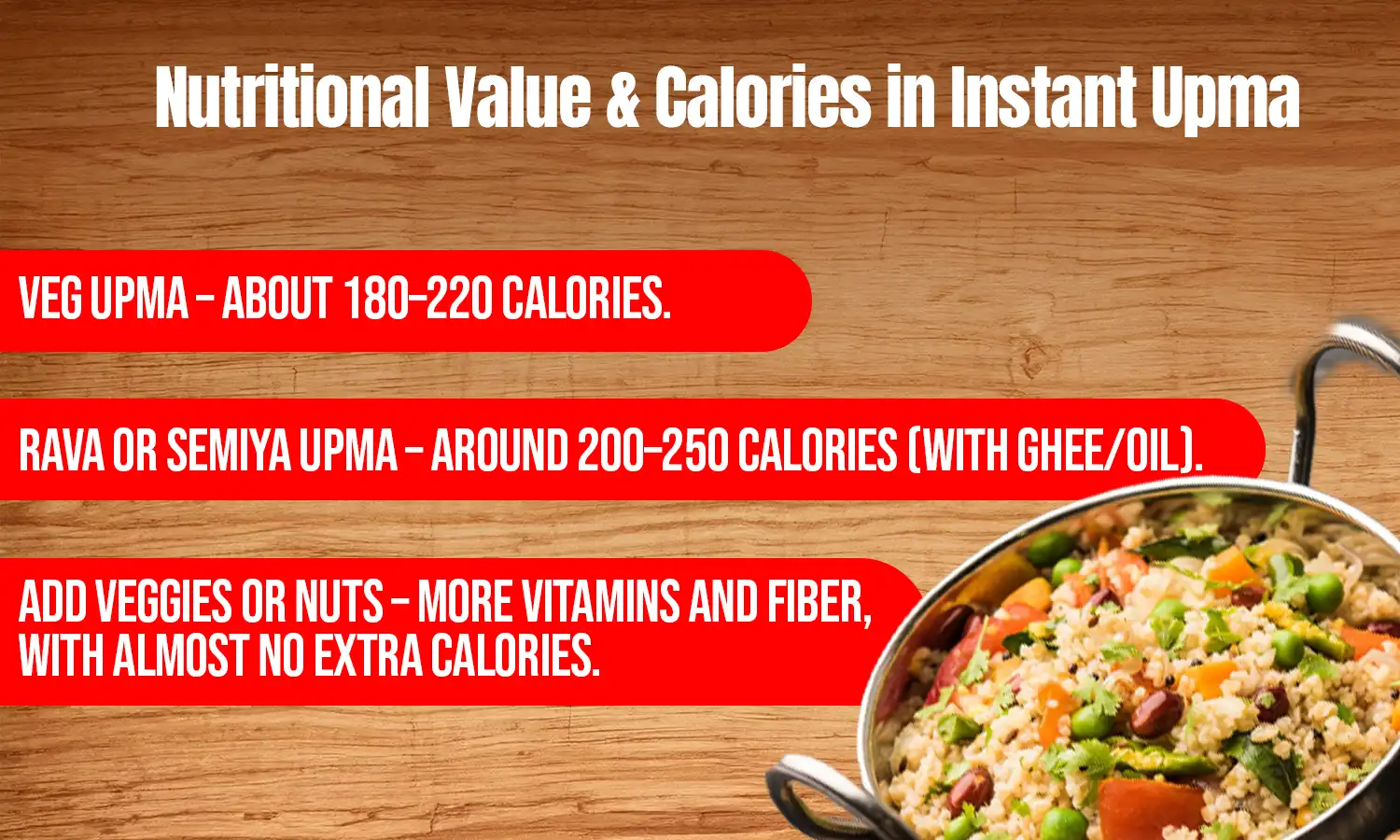
Vegetable upma calories contain around 180–220 calories, depending on what you’re using. When preparing vegetable rava upma or semiya vegetable upma, you can consume around 200–250 calories per serving, especially when ghee or oil is used. Nuts, peas, or carrots as added ingredients increase the vitamin and fiber content without really increasing the calorie content that much.

Why Choose Instant Upma Mix?

Choosing a premium readymade upma mix or instant upma mix from 777 Foods is ideal for travel, work lunches, or late-night snacking. You can make as many unique variations as you need, garnishing with your favorite veggies, nuts, or even paneer/tofu. It is high in fiber, low in fat, and filling. Besides, it’s quick & easy, meaning you can cook in minutes with very little effort.

Conclusion :

Choosing our 777 Foods’ instant upma mix is a delicious way to start your day, with little to no cooking. Impress your loved ones with your unique twist on this dish, and serve them a tasty, energy-packed breakfast to kickstart their morning.

FAQs

Is Instant Upma Healthy?

Yes, instant upma is a healthy and balanced meal, especially when prepared with added vegetables. It’s low in fat, rich in fiber, and can keep you full for longer periods. When made using high-quality ingredients like those found in an instant upma mix recipe.

Yes, instant upma is a healthy and balanced meal, especially when prepared with added vegetables. It’s low in fat, rich in fiber, and can keep you full for longer periods. When made using high-quality ingredients like those found in an instant upma mix recipe.

Adding vegetables to your instant upma recipe not only boosts flavor but also enhances its nutritional value. Whether you’re making instant vermicelli upma or a classic Indian vegetable upma recipe, you can include carrots, beans, peas, onions, or tomatoes. These additions make for a colorful and nourishing vegetable upma that turns your quick fix into a complete, satisfying meal.

Adding vegetables to your instant upma recipe not only boosts flavor but also enhances its nutritional value. Whether you’re making instant vermicelli upma or a classic Indian vegetable upma recipe, you can include carrots, beans, peas, onions, or tomatoes. These additions make for a colorful and nourishing vegetable upma that turns your quick fix into a complete, satisfying meal.

Yes, instant upma is one of the best travel-friendly meals you can prepare. It requires minimal ingredients, can be cooked almost anywhere, making it ideal for train journeys, picnics, or office lunches. Options like instant sevai upma and instant rava upma are lightweight, compact, and don’t require refrigeration, offering convenience without compromising on taste.

Yes, instant upma is one of the best travel-friendly meals you can prepare. It requires minimal ingredients, can be cooked almost anywhere, making it ideal for train journeys, picnics, or office lunches. Options like instant sevai upma and instant rava upma are lightweight, compact, and don’t require refrigeration, offering convenience without compromising on taste.

The calories in vegetable rava upma generally range between 200–250 calories per serving, depending on the type and amount of oil or ghee used. A simple vegetable upma with minimal fat and moderate vegetable content will keep you within the 180–220 calorie mark.

The calories in vegetable rava upma generally range between 200–250 calories per serving, depending on the type and amount of oil or ghee used. A simple vegetable upma with minimal fat and moderate vegetable content will keep you within the 180–220 calorie mark.

What is the difference between Avakaya and cut mango pickle?

Avakaya and Cut Mango Pickle? Here’s What Makes Them Different

Mango pickle is more than just a condiment in India—it’s an emotion. But ask anyone from the South, and they’ll instantly draw a line between Avakaya and cut mango pickle. One is fiery, rustic, and intense; the other, simple and quick. So, what exactly is the difference between Avakaya and cut mango pickle?

In this blog, we’ll break down both types—how they’re made, where they come from, what dishes they pair with, and how to choose the right one for your kitchen. Whether you’re a pickle lover, a home cook, or looking to try something new, understanding this difference adds meaning to every spoonful. Getting to know the mango pickle ingredients behind each one makes that choice even clearer.

Avakaya and cut mango pickle?

Avakaya and Cut Mango Pickle: What Makes Them Different?

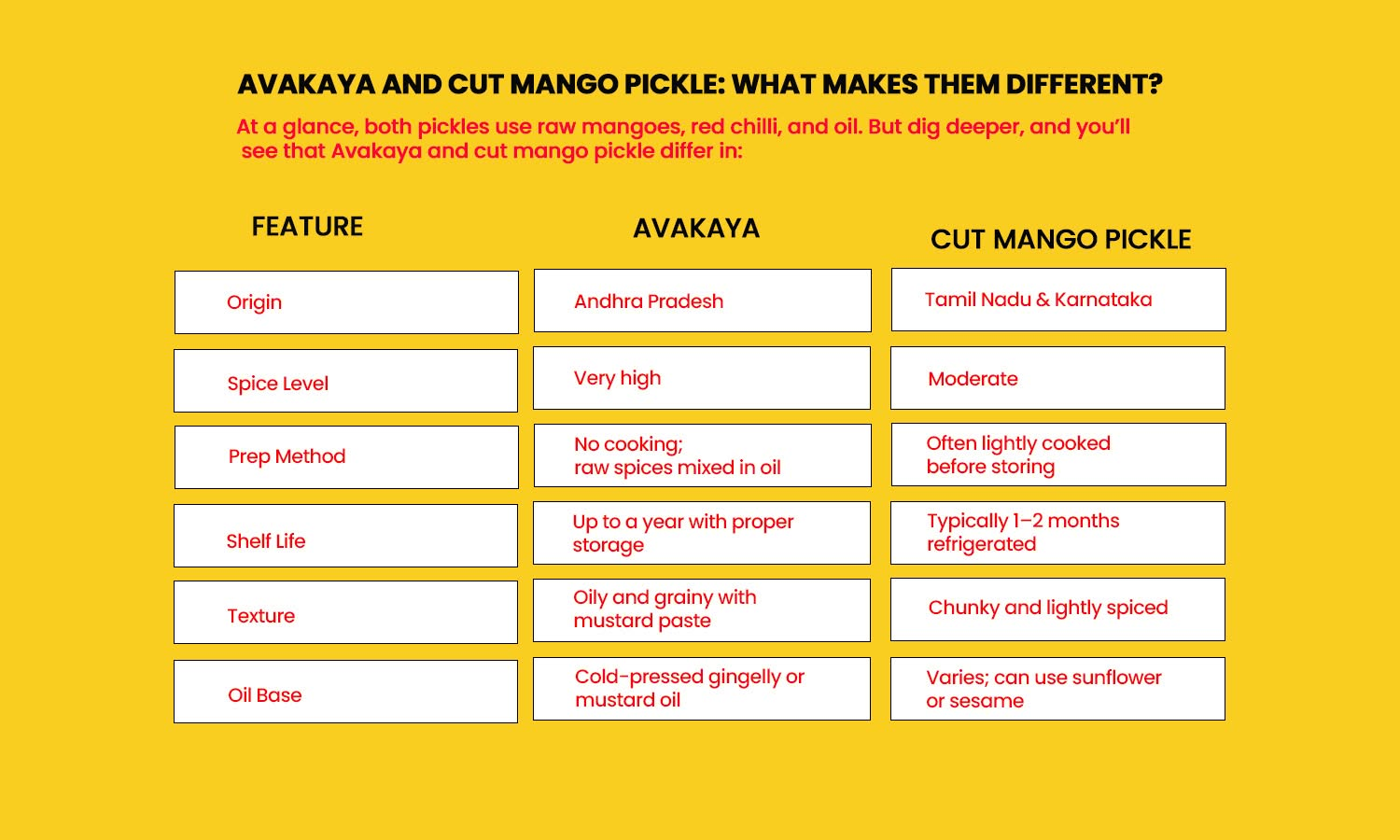
At a glance, both pickles use raw mangoes, red chilli, and oil. But dig deeper, and you’ll see that Avakaya and cut mango pickle differ in:

Feature Avakaya Cut Mango Pickle
Origin Andhra Pradesh Tamil Nadu & Karnataka
Spice Level Very high Moderate
Prep Method No cooking; raw spices mixed in oil Often lightly cooked before storing
Shelf Life Up to a year with proper storage Typically 1–2 months refrigerated
Texture Oily and grainy with mustard paste Chunky and lightly spiced
Oil Base Cold-pressed gingelly or mustard oil Varies; can use sunflower or sesame

In short, Avakaya pickle is bolder, richer, and long-lasting, while cut mango pickle is lighter and quicker to prepare. This is exactly what sets a true Andhra mango pickle apart from its milder cousin.

The History of Avakaya and Cut Mango Pickle in South Indian Homes

Let’s look at the roots behind Avakaya and cut mango pickleAvakaya, also called avakai or andhra avakaya, is believed to have originated in Telugu households centuries ago. The name comes from “Ava” (mustard) and “Kaya” (raw mango). It’s a summer ritual in Andhra—entire families come together to chop mangoes, dry spices, and fill huge ceramic jars. In many homes it is also lovingly called avakaya pachadi, a name passed down through generations.

How to Make Avakaya and Cut Mango Pickle at Home – Step-by-Step

Cut mango pickle, on the other hand, is more common in Tamil Nadu and Karnataka. Often referred to as avakkai or avakkai urugai, it uses similar ingredients but with less oil and a milder taste. It’s also made in smaller batches, meant to be eaten within weeks.

Avakaya Pickle: Traditional Andhra Style

Ingredients:

  • Raw mango pieces (firm and sour)
  • Mustard seed powder
  • Red chilli powder
  • Rock salt
  • Fenugreek powder
  • Cold-pressed gingelly or mustard oil

Steps:

  • Dry the mango pieces completely.
  • Mix all dry spices together.
  • Add oil to make a thick paste.
  • Coat mango pieces thoroughly.
  • Store in a dry jar for 4–5 days before use.

Following this avakaya pickle recipe carefully is what gives the pickle its signature punch.

Cut Mango Pickle: Quick Tamil Style

Ingredients:

  • Raw mango pieces
  • Red chilli powder
  • Salt
  • Hing
  • Turmeric
  • Mustard seeds
  • Sesame oil

Steps:

  • Heat oil and temper with mustard seeds.
  • Add mango pieces and spices.
  • Cook for 2–3 minutes until softened.
  • Cool and store in glass jars.

This simple cut mango pickle recipe comes together in minutes for a fresh, tangy batch. Want something ready to eat? Check out avakai pickle online or avakkai pickle online from reputed South Indian brands like 777 SGR Foods. Avakaya and cut mango pickle?

Best Foods to Pair with Avakaya and Cut Mango Pickle

Both pickles are incredibly versatile. Here’s how to make the most of each:

Avakaya goes best with:

  • Steamed rice + ghee
  • Curd rice
  • Dosas or pesarattu
  • Pongal or khichdi

Cut mango pickle pairs well with:

  • Chapati rolls
  • Lemon rice
  • Idli or upma
  • Parathas

Looking for a more conscious choice? Brands like 777 also offer organic mango pickle that uses sun-dried ingredients and no synthetic preservatives. A good cut mango achar works beautifully alongside almost any of these meals.
Avakaya and cut mango pickle?

Health Facts About Avakaya and Cut Mango Pickle You Didn’t Know

Pickles are often misunderstood. When made correctly, they offer great benefits:

  • Raw mango is rich in Vitamin C and antioxidants
  • Mustard and fenugreek aid digestion
  • Cold-pressed oils boost absorption of nutrients
  • Traditional pickles can act as natural probiotics
  • Homemade or small-batch pickles often use no chemicals

Want the taste without the effort? Explore options like andhra avakaya pickle online, which follow authentic recipes and long-fermentation methods. These same qualities are also why the avakaya benefits are valued in many traditional households.

Conclusion

Whether it’s the fiery kick of Avakaya or the mellow bite of cut mango pickle, both bring something unique to the table. They carry the legacy of South Indian kitchens—of summer rituals, sun-dried spices, and the joy of sharing meals.
If you want to experience that traditional taste without hours of prep, try 777 SGR Foods’ range of mango pickles—each one crafted with care, clean ingredients, and the same recipes you’d find in a grandmother’s notebook. For many, a jar of cut mango pickle / andhra avakaya is the easiest way to bring that legacy home.

Key Takeaways

  • The difference between Avakaya and cut mango pickle lies in their prep, oil use, spice level, and shelf life
  • Avakaya is bold, mustard-forward, and long-lasting
  • Cut mango pickle is quicker, lighter, and suited for short-term use
  • Both offer digestive and immune health benefits when made traditionally
  • Try mango avakaya pickle from trusted brands like 777 SGR Foods for authentic taste

FAQs

What are the benefits of Narthangai Pickle?

Both are Indian mango pickles. Avakaya is Andhra-style—spicy and oil-rich, while cut mango pickle is lighter, made with fewer spices and often cooked briefly.

Which one is spicier – Avakaya or Cut Mango Pickle?

Avakaya is typically spicier due to the heavy use of mustard seed powder and chilli. Cut mango pickle is milder.

How long can I store each pickle?

Avakaya lasts up to a year when stored well. Cut mango pickle lasts about 2 months in the fridge.

Is it easy to make them at home?

Yes, both can be made at home. Avakaya takes more time and precision; cut mango pickle is quicker. Follow traditional methods for best results.

What dishes go well with these pickles?Avakaya pairs best with rice dishes. Cut mango pickle goes with idli, dosa, paratha, or even wraps.