Introduction: A Pinch of Tradition in Every Dish
In every Indian kitchen, there’s one ingredient that adds more than just color and flavor—it adds heritage. Yes, we’re talking about turmeric. But have you ever paused to wonder what turmeric powder is made of?
More than just a golden spice, turmeric powder is the soul of many traditional recipes and home remedies. And when we ask what is turmeric powder made of, we’re really asking about a story that begins deep in the soil and ends in our everyday meals. In this blog, let’s explore the journey, composition, and goodness packed into that bright yellow pinch.
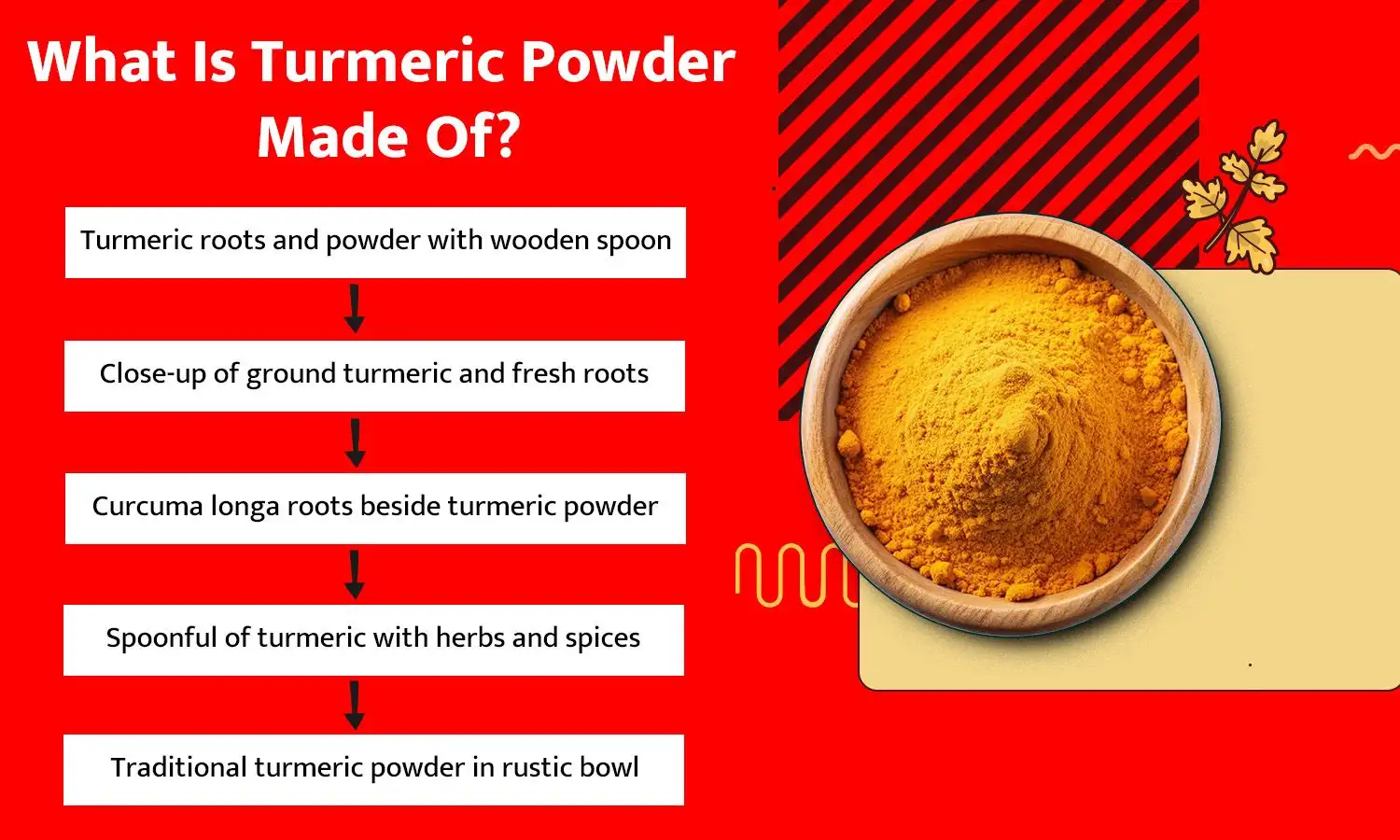
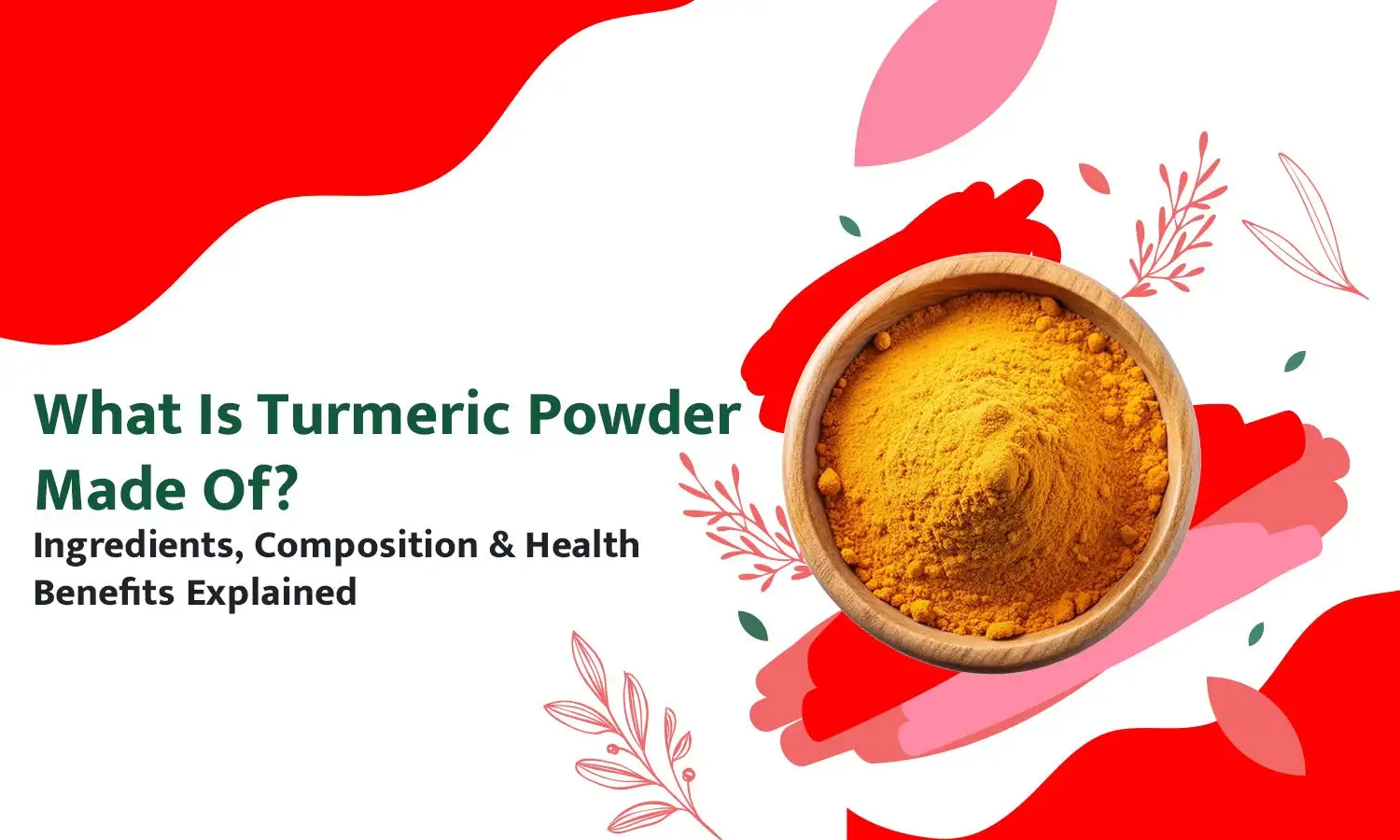
What Is Turmeric Powder Made Of?
At its core, turmeric powder is made of dried and finely ground turmeric root—scientifically known as Curcuma longa. It’s not just about color; the strength of turmeric lies in its complex blend of compounds. The most well-known is curcumin, a natural antioxidant and anti-inflammatory agent. But there’s more.
Turmeric contains natural oils (like turmerone), resins, and polysaccharides—each playing a role in its health and culinary benefits. When you’re holding that spoonful of spice, you’re holding generations of wellness and wisdom.
So next time someone asks, “What is turmeric powder made of?” —you’ll know it’s not just turmeric root; it’s tradition, science, and purity blended into one.
What Is Curcumin and Why Is It Important?
Curcumin is the golden powerhouse hidden within turmeric. It gives turmeric its bright color and carries most of its health benefits. Although it only makes up 2–5% of what turmeric powder is made of, it’s the star when it comes to medicinal properties.
This compound supports joint health, fights inflammation, and even aids in digestion and immunity. But here’s something important—curcumin is not easily absorbed by our body. That’s why pairing turmeric with black pepper (which contains piperine) enhances its effectiveness.Understanding curcumin helps you appreciate why turmeric powder made of genuine roots (and not fillers) truly matters for your well-being.
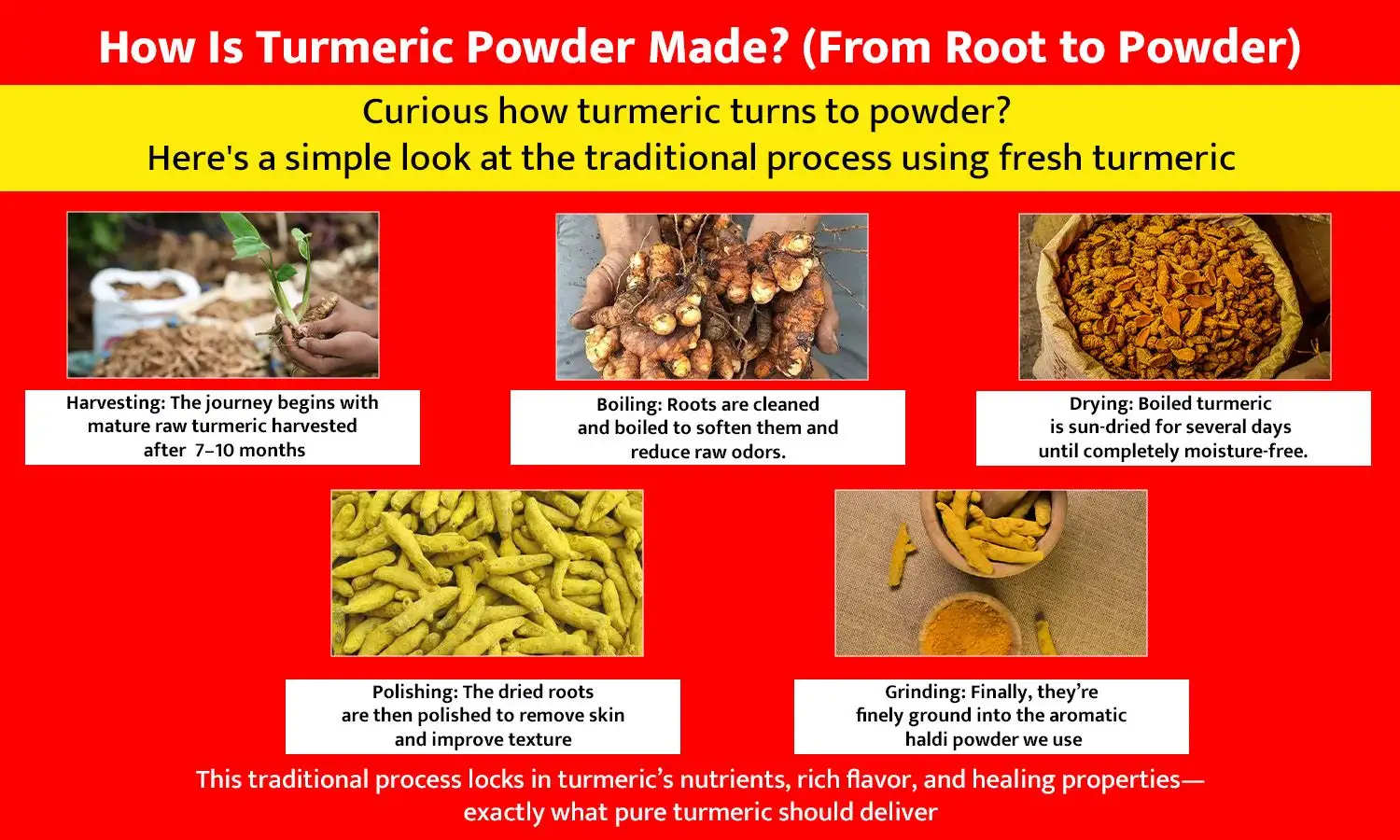
How Is Turmeric Powder Made? (From Root to Powder)
Wondering how turmeric is processed? Let’s break down how turmeric powder is made of fresh turmeric through a simple, traditional method:
- Harvesting: The journey begins with mature raw turmeric harvested after 7–10 months.
- Boiling: Roots are cleaned and boiled to soften them and reduce raw odors.
- Drying: Boiled turmeric is sun-dried for several days until completely moisture-free.
- Polishing: The dried roots are then polished to remove skin and improve texture.
- Grinding: Finally, they’re finely ground into the aromatic haldi powder we use.
This age-old process protects the nutritional value of natural turmeric and retains its flavor and medicinal qualities—exactly what you expect when you choose pure products.
Natural vs Adulterated Turmeric Powder
Sadly, not every packet labeled “turmeric” is pure. Some are laced with artificial colorants or chalk powder. This is where knowing what turmeric powder is made of becomes essential.
Pure organic turmeric powder smells earthy, tastes slightly bitter, and settles at the bottom when mixed in water. In contrast, adulterated ones may dissolve too easily or leave suspicious streaks.To avoid risks, always go for trusted names. Brands like 777 Foods follow traditional processing methods and use only fresh turmeric to create authentic, preservative-free turmeric powder.
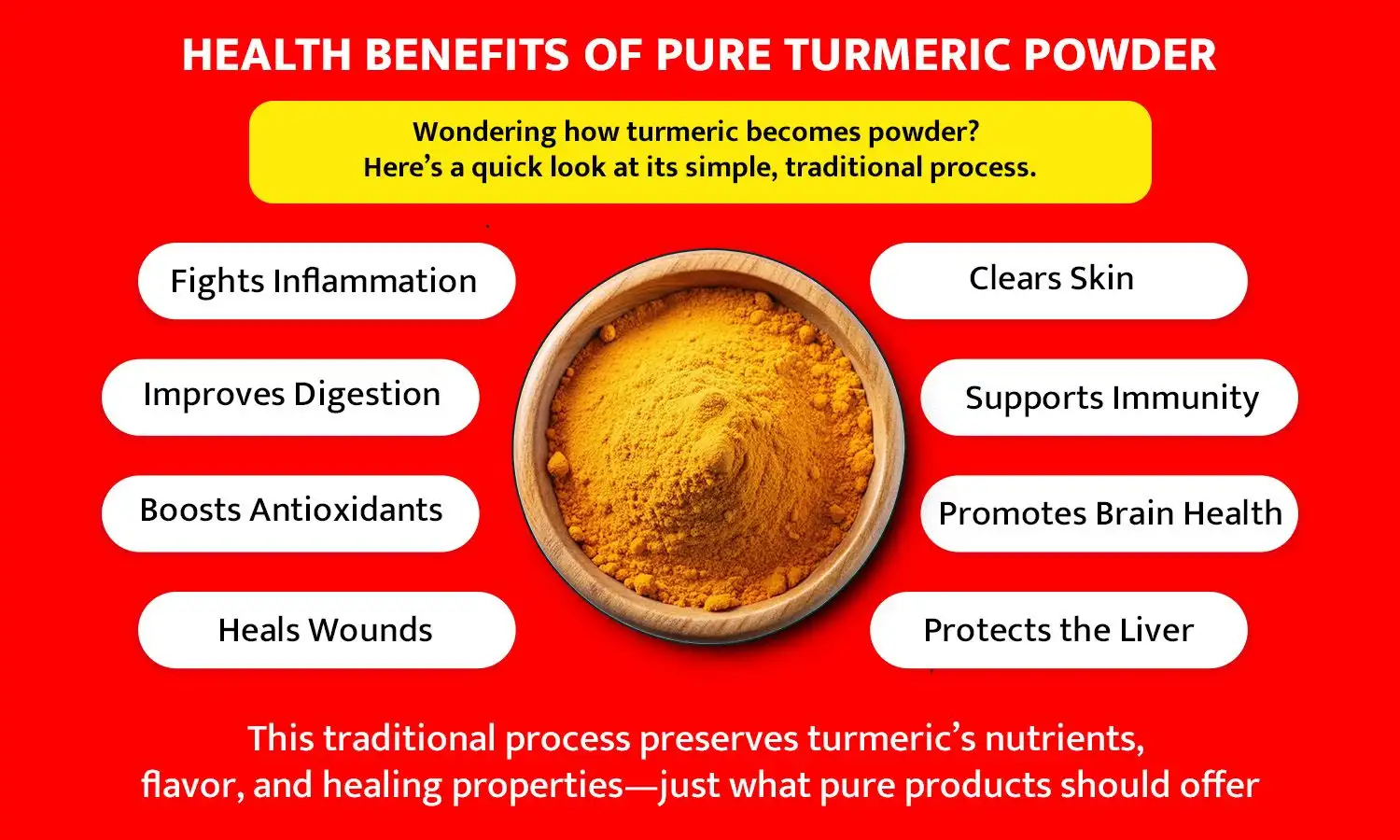
Health Benefits of Pure Turmeric Powder
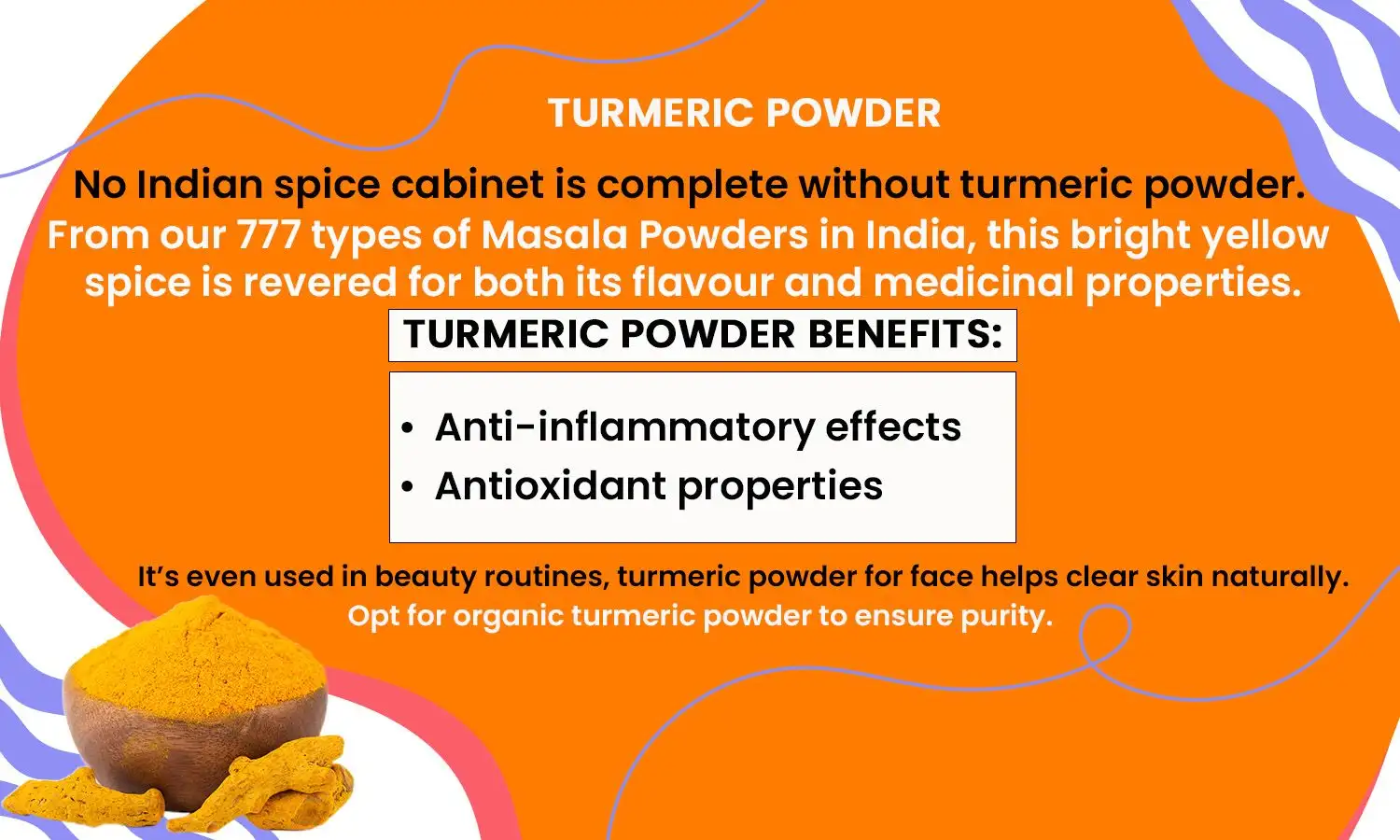
Let’s explore the health benefits of turmeric powder, especially when it’s truly turmeric powder made of clean, unadulterated turmeric root:
- Fights Inflammation: Curcumin helps reduce joint pain and swelling.
- Improves Digestion: Stimulates bile for better fat breakdown and less bloating.
- Boosts Antioxidants: Slows aging and reduces oxidative stress.
- Heals Wounds: Applying turmeric paste promotes faster skin repair.
- Clears Skin: Regular use helps fade turmeric for scars and blemishes.
- Supports Immunity: Acts as a natural guard against infections.
- Promotes Brain Health: May help prevent memory loss with regular use.
- Protects the Liver: Aids in detoxification and improved liver function.
When the turmeric powder is made of real turmeric root extract, you don’t just get color—you get centuries of Ayurvedic healing in every pinch.
Conclusion: A Legacy in Every Spoonful
So, what is turmeric powder made of? It’s made of sun-dried, hand-selected turmeric root, rich in curcumin, oils, and ancient wisdom. Choosing natural, pure haldi powder isn’t just a cooking decision—it’s a health choice.With 777 Foods, you get turmeric powder made of traditional methods and quality ingredients—nothing less. From your grandmother’s spice box to your everyday cooking, this golden powder continues to bring healing, flavor, and heritage to your plate.
Key Takeaways
- Turmeric powder made of dried turmeric root contains curcumin, oils, and resins.
- Curcumin is a powerful compound offering anti-inflammatory and antioxidant benefits.
- The traditional process of how turmeric is processed maintains its potency.
- Adulterated turmeric may harm your health—always choose trusted, pure sources.
- From digestion to skin clarity, the turmeric powder benefits are truly holistic.
FAQs
1. Does ground turmeric expire?
Yes, it does. While turmeric doesn’t rot, its strength fades. Fresh turmeric powder made of real root retains flavor for about 2–3 years if stored in a cool, dry place.
2. How to check if turmeric powder is pure?Add a teaspoon to warm water. If it settles at the bottom and doesn’t leave artificial streaks, it’s likely pure. Remember, genuine turmeric powder made of turmeric root has a bitter taste and earthy smell.
3. What is turmeric powder extracted from?It’s extracted from the turmeric root (Curcuma longa). After boiling, drying, and polishing, the root is ground to form the vibrant spice we know today. This is what turmeric powder is made of.
4. What is the lifespan of turmeric powder?
Turmeric comes from the root (rhizome) of the Curcuma longa plant. After boiling, drying, and milling, it becomes the bright yellow spice—so the root is the real source behind turmeric powder health benefits.