How do you reduce salt content in pickles?

How Do You Reduce Salt Content in Pickles?

If you love pickles but worry about your sodium intake, you’re not alone. Many people are now asking how to manage the salt content in pickles without compromising taste. The good news? You don’t have to give up your favorite tangy treat.

Salt plays a vital role in the pickling process—preserving the food, enhancing flavor, and maintaining texture. But high levels of sodium are a concern, especially for those watching their heart health. This blog explores ways to reduce the salt content in pickles, offer salt substitutes, and even help you make your own low salt pickles at home. salt content in pickles
Why Are Pickles So High in Salt?

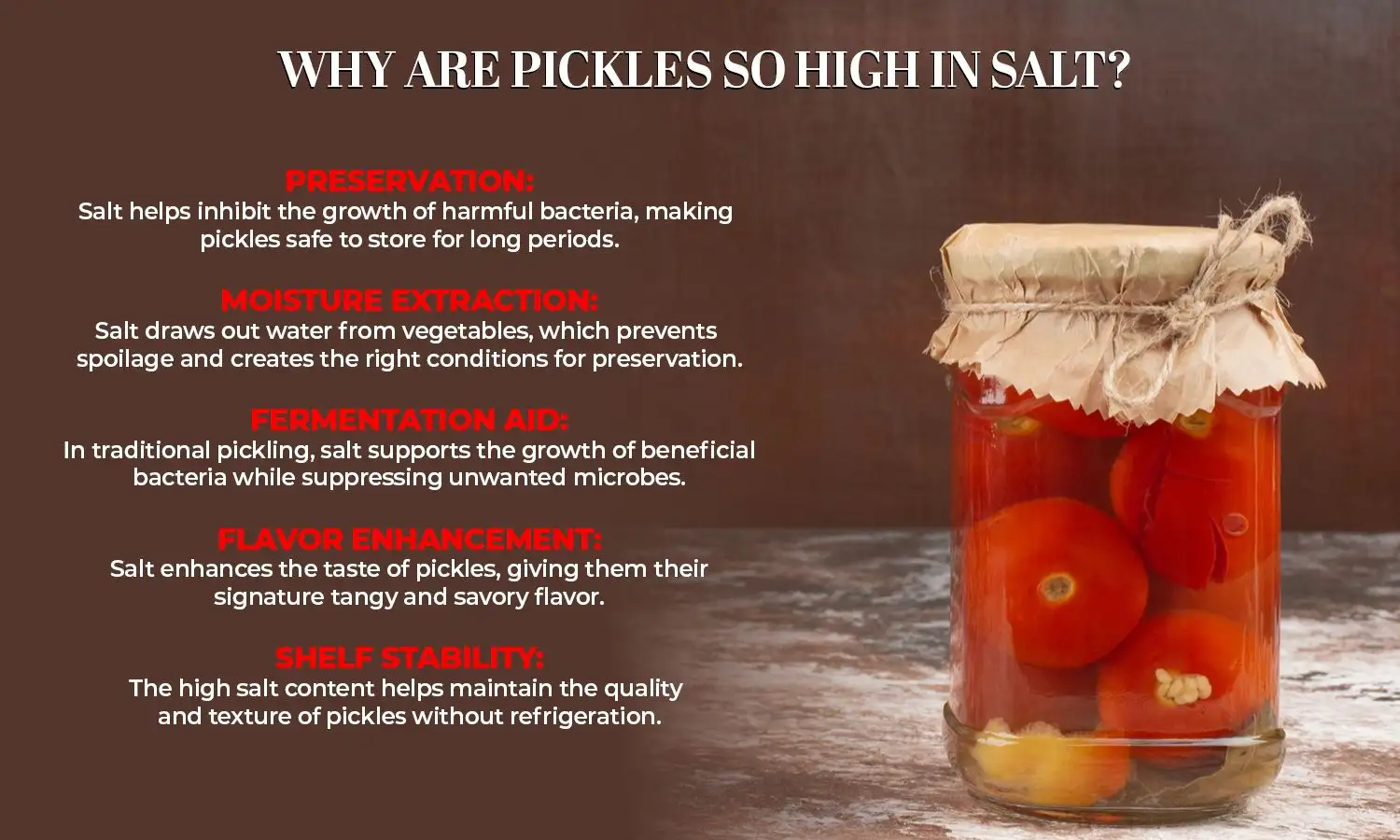
The naturally high salt content in pickles exists because salt helps inhibit bacterial growth and draws moisture from vegetables. This process is essential for traditional fermentation and safe storage.
But it comes at a cost. A single serving of store-bought pickles can contain over 800 mg of sodium, making it problematic for those needing pickles for high blood pressure or a low salt diet. That’s why alternatives and modifications are becoming more popular.

Can You Make Pickles with Less Salt and Still Keep Them Fresh?

Yes. You can reduce the salt content in pickles without sacrificing food safety if you adjust the preservation method. Traditional fermentation depends heavily on salt, but quick-pickling with vinegar allows for flexibility.

Here are three common techniques:

  • Refrigerate your jars after sealing.
  • Consume them within 2–4 weeks instead of storing long-term.

These methods are ideal for people seeking low sodium pickles or those looking to create salt content in homemade pickles that suits their health goals. salt content in pickles
What Can You Use Instead of Salt in Pickles?

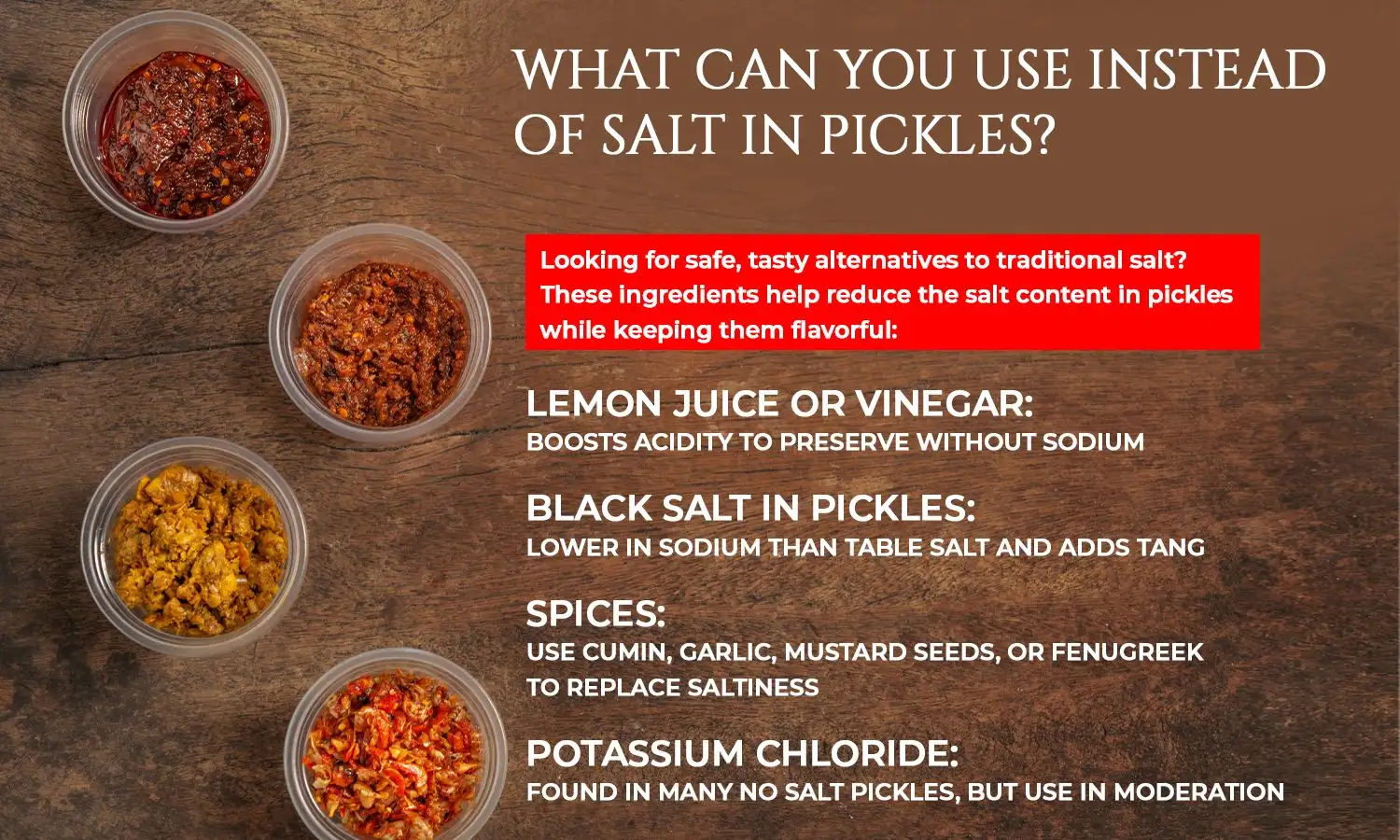
Looking for safe, tasty alternatives to traditional salt? These ingredients help reduce the salt content in pickles while keeping them flavorful:

  • Lemon juice or vinegar: Boosts acidity to preserve without sodium
  • Black salt in pickles: Lower in sodium than table salt and adds tang
  • Spices: Use cumin, garlic, mustard seeds, or fenugreek to replace saltiness
  • Potassium chloride: Found in many no salt pickles, but use in moderation

These are especially helpful when using salt-free pickling methods or exploring how to make pickles without salt entirely. salt content in pickles
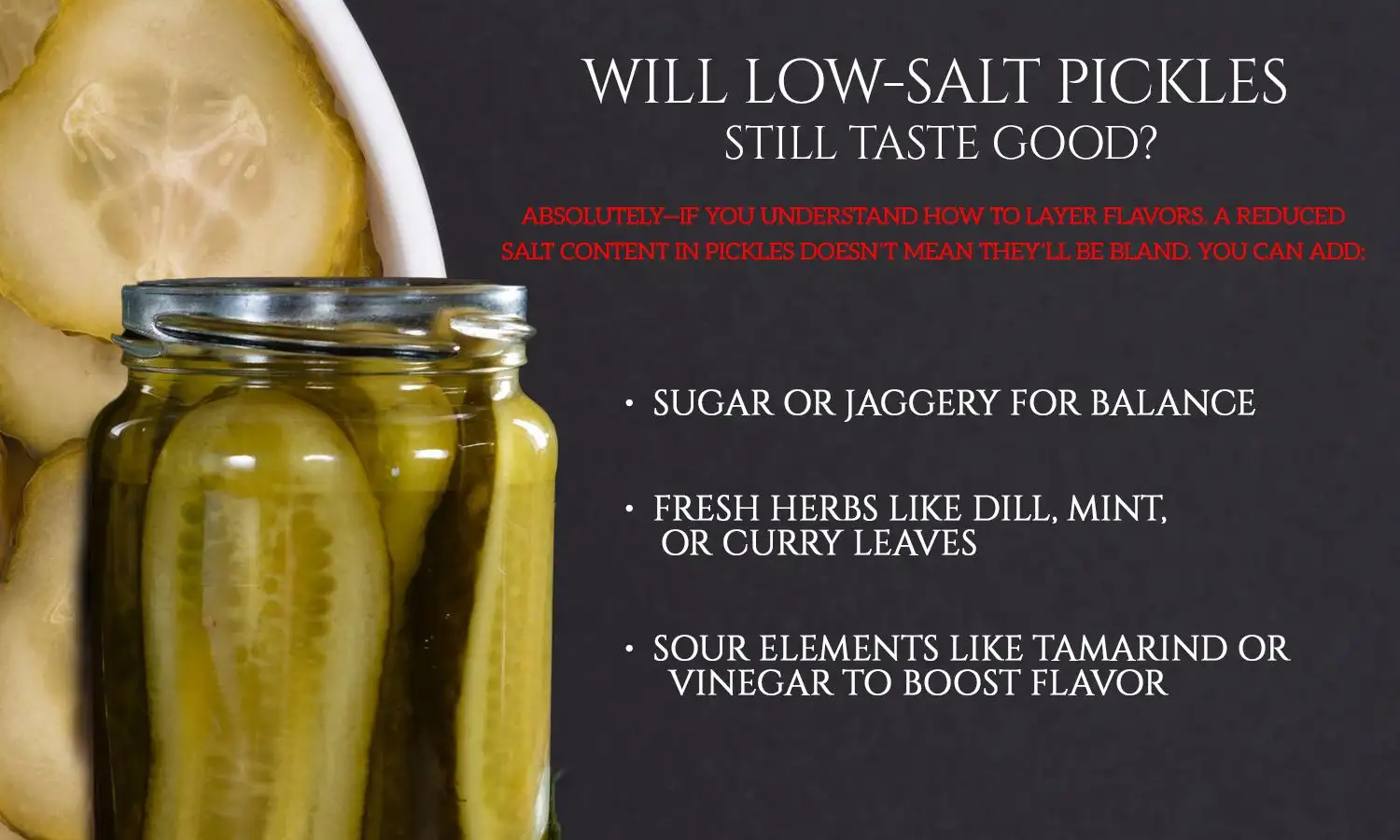
Will Low-Salt Pickles Still Taste Good?

Looking for safe, tasty alternatives to traditional salt? These ingredients help reduce the salt content in pickles while keeping them flavorful:

  • Sugar or jaggery for balance
  • Fresh herbs like dill, mint, or curry leaves
  • Sour elements like tamarind or vinegar to boost flavor

Some say that pickles without brine or with light brine actually taste fresher and brighter. Modern heart-healthy pickles are proof that low sodium doesn’t mean low flavor.

Where Can You Find Low-Sodium Pickles or How Can You Make Them at Home?

If you’re not ready to DIY, you can shop for best low salt pickles online. Look for labels that mention:

  • Reduced sodium pickles
  • Pickles with less salt
  • Pickles for low salt diet

If you prefer homemade, start with a low salt pickle recipe. Use less than 1 tsp per cup of water, and rely on vinegar or lemon juice for preservation. Always refrigerate and consume within 2 weeks.

Not sure how much salt is in pickles? Most store brands list sodium on the label—check per 100g for accurate comparison.

Conclusion

Managing the salt content in pickles is all about smart substitutions and process control. Whether you’re avoiding sodium for health reasons or simply experimenting with new flavors, there are plenty of ways to enjoy pickles without guilt.

By exploring salt substitutes for pickles, using acidic bases, and making short-term batches, you can control how much salt ends up in your jar. There’s no need to sacrifice taste—or your health.

Key Takeaways

  • The salt content in pickles can be reduced with vinegar, lemon, and spice-based flavoring.
  • Use low sodium pickles or make your own no salt pickles at home.
  • Alternatives like black salt in pickles offer lower sodium without losing flavor.
  • Refrigeration and short-term storage can replace traditional salt preservation.
  • Use trusted salt-free pickling methods for heart-healthy alternatives.

FAQs

Are pickles high in salt?Yes. Many commercial pickles have high sodium levels. Choose pickles with less salt or go for low salt pickle recipes instead.
What foods are high in sodium?Apart from pickles, processed foods, cured meats, instant noodles, and canned soups are sodium-heavy.
Why much salt is added to pickles?Salt preserves the pickles and adds flavor by drawing out moisture and preventing bacterial growth—key to preserving pickles with salt.
Are Indian pickles good for health?They can be if eaten in moderation. Choose low salt pickles or make your own versions using less oil and salt.
Are pickles good for you?Yes, in moderation. They offer antioxidants and probiotics but opt for pickles for high blood pressure if you’re watching sodium.
What Are Some Quick Pickle Recipes?

If you want the flavor of pickles without waiting weeks to enjoy them, quick pickle recipes are the answer. These no-fuss pickles are made by soaking vegetables or fruits in a simple brine, often using vinegar, salt, sugar, and spices. Unlike fermented pickles, they don’t need time to cure—just refrigerate and eat in hours.

Whether you’re preparing lunch, packing a tiffin, or elevating your evening meal, quick pickles bring instant flavor to the plate. You can use this method to recreate favorites like onion pickle, mango achar, or even amla pickle—without the long wait. Each instant pickle recipe here is a fresh take on the classic indian pickle recipe styles you already love.

Why Are Pickles So High in Salt?

The naturally high salt content in pickles exists because salt helps inhibit bacterial growth and draws moisture from vegetables. This process is essential for traditional fermentation and safe storage.

But it comes at a cost. A single serving of store-bought pickles can contain over 800 mg of sodium, making it problematic for those needing pickles for high blood pressure or a low salt diet. That’s why alternatives and modifications are becoming more popular.

What Are Quick Pickles?

Quick pickles, also called refrigerator pickles, are made without fermentation. Instead of relying on time and bacteria to develop tanginess, they get their punch from vinegar for pickling and simple seasoning.Unlike traditional methods, quick pickle recipes:

  • Require no fermentation
  • Can be eaten within hours or overnight
  • Use vinegar-based brine instead of saltwater-only solutions

This makes them ideal for modern kitchens, where time is short and flavor still matters. They are different from the best fermented pickles, yet just as satisfying, and a crisp cucumber pickle recipe is a perfect example.
Quick Pickle Recipes

Essential Ingredients for Quick Pickling

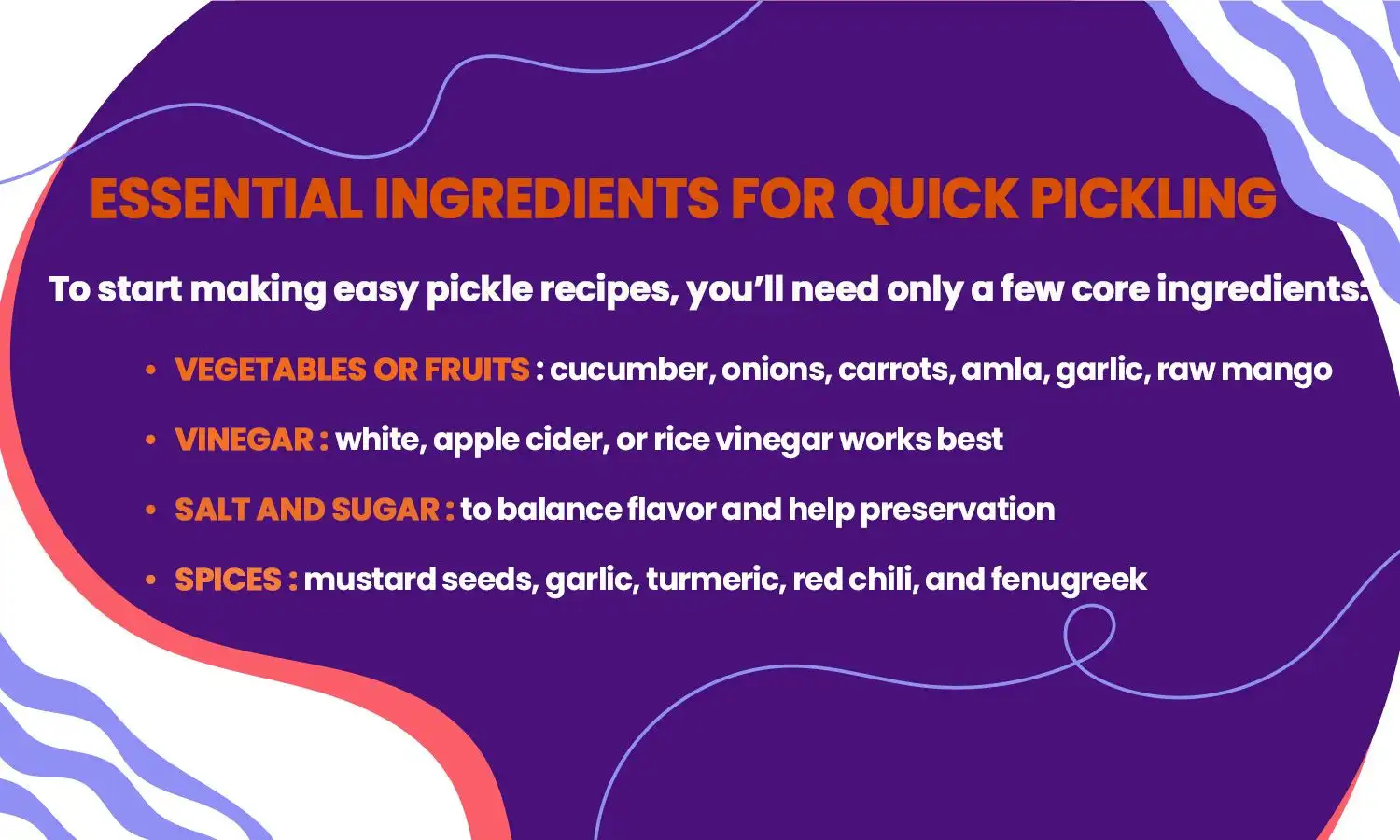
To start making easy pickle recipes, you’ll need only a few core ingredients:

  • Vegetables or fruits: cucumber, onions, carrots, amla, garlic, raw mango
  • Vinegar: white, apple cider, or rice vinegar works best
  • Salt and sugar: to balance flavor and help preservation
  • Spices: mustard seeds, garlic, turmeric, red chili, and fenugreek

You can customize every batch—add sweetness for onions, tang for lime, or heat for mangoes. The versatility of pickle recipes is endless. Keeping a simple pickle ingredients list ready makes the whole process even faster.
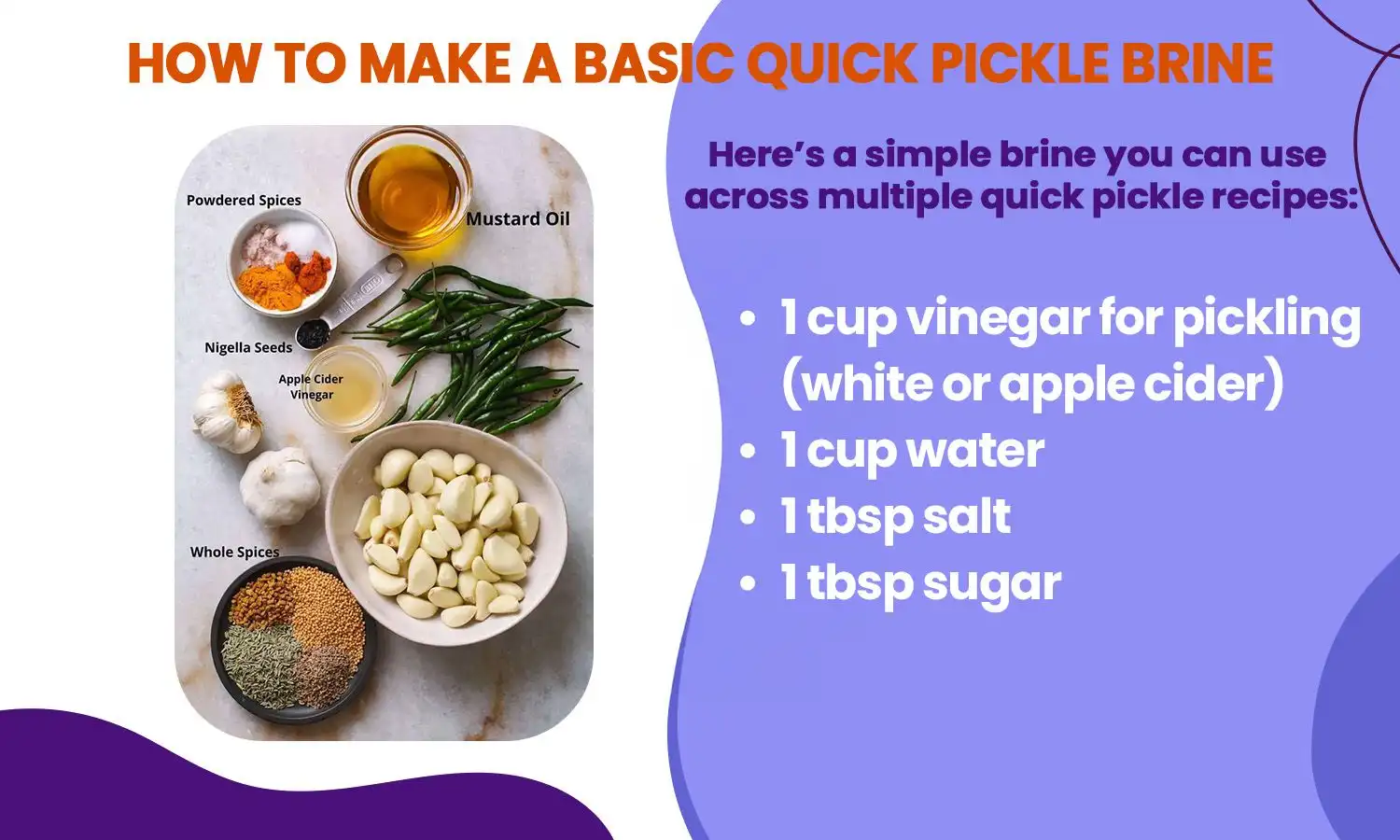
How to Make a Basic Quick Pickle Brine

How to Make a Basic Quick Pickle Brine

Basic Brine Formula:

  • 1 cup vinegar for pickling (white or apple cider)
  • 1 cup water
  • 1 tbsp salt
  • 1 tbsp sugar

Heat the mixture until sugar and salt dissolve. Pour over your prepared vegetables in a sterilized jar, let it cool, then refrigerate. That’s it.You’ve just made a classic easy pickle recipe that’s ready to eat in hours. It is the simple pickle recipe base that works for almost any vegetable.

Top 5 Quick Pickle Recipes You Can Try Today

Here are 5 delicious quick pickle recipes you can prepare in under 30 minutes:

1. Quick Mango Pickle

Skip the long sun-drying process. Cut raw mango into small cubes, toss with salt, mustard seeds, and chili powder. Pour hot mustard oil over it and let it sit for a few hours. If you’re looking to order instead, check the best mango pickle or mango pickle online for ready-to-eat options. This quick mango pickle recipe keeps all the flavour with none of the wait.

2. Quick Garlic Pickles

Peel garlic cloves, lightly crush them, and soak in vinegar with chili powder, turmeric, and fenugreek. This is a shortcut version of traditional garlic achar. For convenience, garlic pickle online options also offer instant taste. This easy Garlic Pickle Recipe is perfect for first-time picklers.

3. Amla Pickle (Gooseberry)

Boil gooseberries, deseed, and mix with mustard oil, red chili, turmeric, and salt. This amla pickle online method gives you all the health benefits without long prep.

4. Lime Pickle (Indian Style)

Cut limes into wedges, mix with salt, red chili powder, and mustard seeds. Add hot oil or vinegar. Let it sit overnight. This style mimics classic lime pickle Indian recipes without the weeks-long curing. Want to skip prep? Many lime pickle recipes are now available in ready-made jars. A tangy lemon pickle recipe like this brightens up any meal.

5. Tomato Pickle

Chop ripe tomatoes, sauté with mustard seeds, garlic, red chili, and salt. Cool and bottle. This semi-cooked pickle can be refrigerated for 5–7 days. A perfect twist on the usual best pickles you find online. This easy tomato pickle recipe is a great way to use up ripe tomatoes.
These quick pickles are excellent accompaniments to rotis, rice, or parathas—and can be scaled up or down as needed. Whether you want a spicy pickle recipe or lighter healthy pickle recipes, this list has you covered.
Quick Pickle Recipes

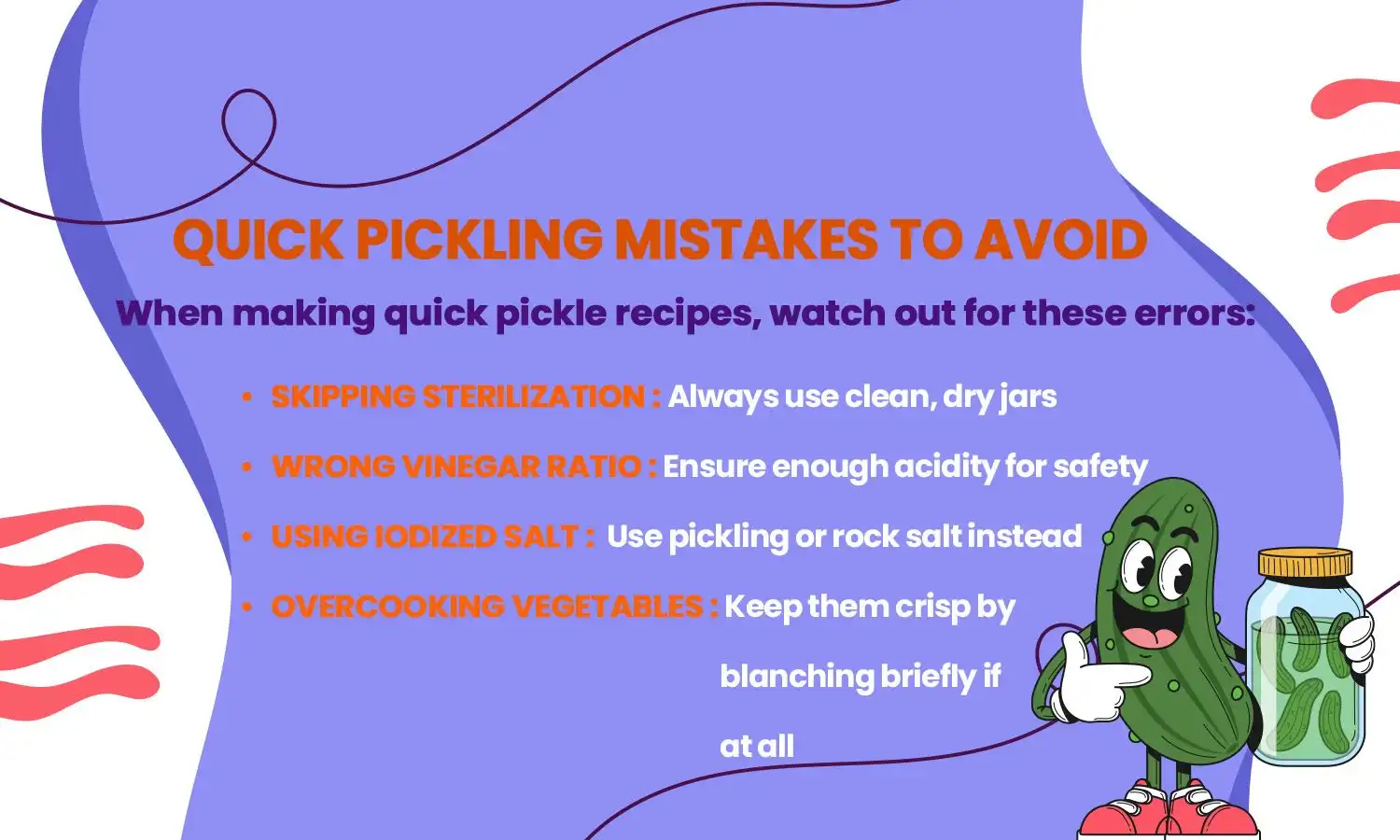
Quick Pickling Mistakes to Avoid

When making quick pickle recipes, watch out for these errors:

  • Skipping sterilization: Always use clean, dry jars
  • Wrong vinegar ratio: Ensure enough acidity for safety
  • Using iodized salt: Use pickling or rock salt instead
  • Overcooking vegetables: Keep them crisp by blanching briefly, if at all

If you’re new to pickling, try organic pickles from trusted sources as inspiration. These often use simple, preservative-free methods. You can even try a colourful mixed vegetable pickle using the same quick method.

Conclusion

If you’ve been curious about pickling but short on time, these quick pickle recipes are your best bet. With a handful of ingredients and 30 minutes of prep, you can have flavorful, homemade pickles ready to eat in hours—not days.
Whether you’re recreating the flavors of your grandmother’s onion pickle, trying a shortcut garlic achar, or experimenting with a tangy lime pickle recipe, quick pickles bring taste, health, and convenience to your table. From a zingy onion pickle recipe to fruity favourites, quick pickling fits any kitchen.

Key Takeaways

  • Quick pickle recipes are vinegar-based and ready in hours.
  • You need vinegar, water, salt, sugar, and your choice of spices.
  • Try mango, garlic, amla, lime, or tomato as your base.
  • Store them refrigerated and consume within a week or two.
  • Ready-made options like mango pickle online or garlic pickle online also offer convenience without compromise.

FAQs

How Are Real Pickles Made?Traditional pickles are made via fermentation—using salt, time, and natural bacteria. Quick pickles skip this and use vinegar for instant results.
What Are the 3 Basic Ingredients in Pickling?Vinegar, salt, and sugar form the base of most quick pickles. Add water and spices for variety.
What Is the Formula for Pickles?A typical brine includes 1 cup vinegar, 1 cup water, 1 tbsp salt, and 1 tbsp sugar.
How Many Pickles a Day Is OK?In moderation—1–2 servings are safe. Too many can raise sodium levels, even in organic pickles.
How to Make Pickles Without Vinegar?Use saltwater fermentation and natural acids. This requires more time and care, unlike quick pickle recipes which rely on vinegar.

How Do You Fix Overly Salty Pickles?

Summary

Explains why pickles turn too salty (wrong brine ratio, evaporation, over-pickling, reused brine) and offers five fixes: cold-water soaking for 30 minutes to 2 hours, diluting brine with water and vinegar 1:1, adding low-sodium vegetables, re-pickling in fresh brine for 24–48 hours, and balancing with vinegar or sugar. Lists clear signs when a batch should be discarded.

Pickles are meant to be tangy and flavorful—not so salty that your mouth puckers. But what if you’ve overdone it? How do you fix overly salty pickles without tossing the entire batch? Fortunately, there are proven, easy methods to bring balance back.

Whether you’re dealing with fermented pickles too salty or you accidentally added too much pickling salt, you’re not alone. Many home picklers run into this issue. The good news? It’s fixable—often without compromising texture or flavor.

Let’s look at why it happens and how to fix overly salty pickles at home with simple kitchen techniques.

Fix Overly Salty Pickles

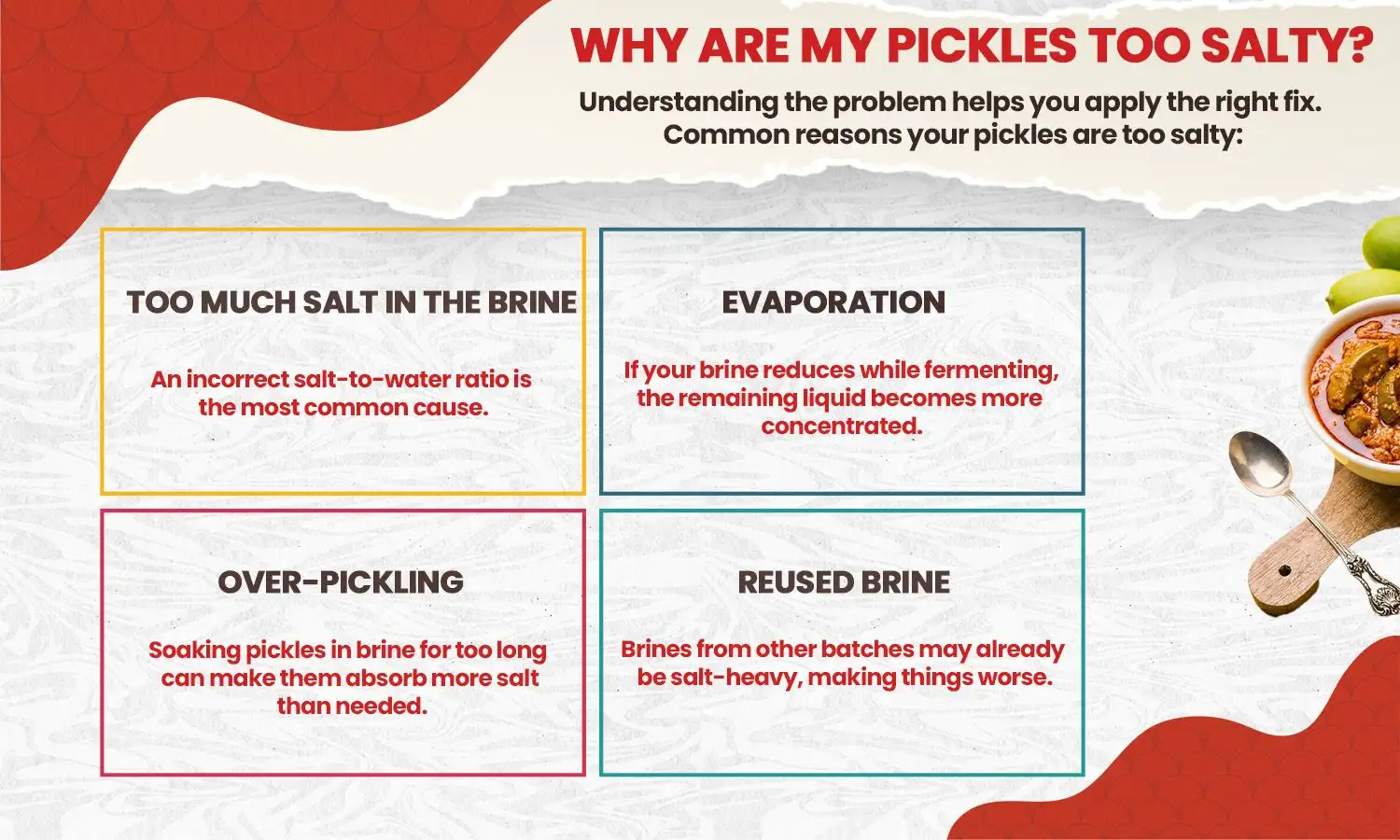
Why Are My Pickles Too Salty?

Understanding the problem helps you apply the right fix. Common reasons your pickles are too salty:

  • Too much salt in the brine: An incorrect salt-to-water ratio is the most common cause.
  • Evaporation: If your brine reduces while fermenting, the remaining liquid becomes more concentrated.
  • Over-pickling: Soaking pickles in brine for too long can make them absorb more salt than needed.
  • Reused brine: Brines from other batches may already be salt-heavy, making things worse.

So if your
pickle brine is too salty, adjusting the ingredients or dilution is your first line of correction.So if your pickle brine is too salty, adjusting the ingredients or dilution is your first line of correction.

Simple Methods to Fix Overly Salty Pickles

Here’s how to fix overly salty pickles using five effective, kitchen-tested methods:

1. Soaking in Cold Water

The easiest method is soaking pickles to reduce salt. Submerge them in cold water for 30 minutes to 2 hours, then taste-test. Water draws out excess salt from the surface.

2. Dilute the Brine

Remove a portion of your salty brine and replace it with a mix of distilled water and pickling vinegar (1:1 ratio). This reduces overall saltiness without stripping flavor.

3. Add Low-Sodium Vegetables

Chop low-sodium vegetables like carrots or cucumbers and add them to the salty pickle jar. Over time, these absorb excess salt, rebalancing the batch.

4. Re-pickle in Fresh Brine

If your pickles are still fresh and crisp, discard the old brine and prepare a low salt pickles solution with correct proportions. Let the pickles sit in the new brine for 24–48 hours.

5. Balance with Vinegar or Sugar

If desalting isn’t working, try rebalancing flavors. A splash of pickling vinegar or a pinch of sugar can cut through the salty profile without diluting texture.
All these approaches can also be used to fix overly salty homemade pickles made in small batches.

Using Vinegar to Balance the Salt in Your Pickles

Vinegar is a great tool to fix salt-heavy pickles. It adds acidity, which balances out excessive salinity. Use white pickling vinegar (5% acidity or higher) and start small—just 1–2 tablespoons per jar.
This method is especially useful when making reduced sodium pickles, as vinegar enhances the sharpness that salt usually delivers. It’s also helpful for correcting fermented pickles without restarting the process entirely.

How Long Should You Soak Salty Pickles to Fix Them?

If you’re soaking in water, start with 30-minute intervals and taste-test after each round. You can go up to 2–3 hours, but anything beyond may affect texture. For very salty batches, an overnight soak may be needed—but be prepared for slight flavor loss.
If you’re using vinegar or rebrining, allow the pickles to sit in the new solution for 24–48 hours in the refrigerator. This allows the flavors to rebalance evenly.
This is a core step when dealing with desalting pickles or adjusting brines in low sodium pickles. Fix Overly Salty Pickles

When to Throw Out Overly Salty Pickles

Sometimes, no method will salvage an overly salty batch. Here’s when to give up:

  • Pickles are limp or soggy after soaking
  • No amount of dilution restores flavor balance
  • Brine has visible mold or smells off
  • Salt content overpowers even after multiple fixes

Don’t keep force-fixing a batch that’s lost its texture or safety. It’s better to start over with a new batch using a reduced sodium pickles recipe from the beginning.

Conclusion

So, how do you fix overly salty pickles? It starts with understanding the cause—then choosing the right solution, whether it’s soaking, rebrining, or rebalancing with vinegar. Every method above has been used by home cooks and pro picklers alike.

Avoid future mistakes by measuring your pickling salt accurately, checking brine levels during fermentation, and tasting early. And if DIY doesn’t work, go for trusted brands offering well-balanced, low sodium pickles—like 777 SGR Foods.

Key Takeaways

  • You can fix overly salty pickles by soaking, rebrining, or balancing with vinegar.
  • Use cold water to draw out excess salt for mild cases.
  • Re-pickling in a new brine helps in serious cases.
  • Always monitor brine strength to avoid this issue in future.
  • Switch to low salt pickles or reduced sodium pickles if salt is a health concern.

FAQs

Are Salty Pickles Good for You?In moderation, yes—they offer probiotics and crunch. But too much sodium may lead to high blood pressure and bloating.
How Long Do Salt Pickles Last?Salt-cured pickles last 2–3 months in the fridge. Always check for spoilage or softening.
Is Vinegar or Salt Better for Pickles?Both have different functions. Vinegar preserves acidity, while salt controls moisture and fermentation.
Are Pickles OK to Eat Everyday?Occasionally is fine. But high sodium can be harmful if consumed daily—opt for low sodium pickles if you snack on them regularly.
What Happens if You Eat Too Much Pickle Salt?You may experience dehydration, bloating, or increased blood pressure. Stick to small portions and rinse if needed.

How Do You Know if Pickles Have Gone Bad

How Do You Know if Pickles Have Gone Bad? Let’s Break It Down

Pickles are built to last—but that doesn’t mean they last forever. Whether you’ve opened a store-bought jar or popped the lid on your grandmother’s homemade batch, you’ve probably asked yourself: How do you know if pickles have gone bad?

Spoiled pickles not only lose their taste but may also cause health issues if consumed. Fortunately, pickles give off clear warning signs when they’re no longer safe to eat. In this blog, we’ll explore how to tell if your pickle has spoiled, what smells or textures to watch out for, and how to store them the right way.

Let’s understand how to recognize the signs of spoiled pickles and ensure your jar stays safe and flavorful for months.

How Do You Know if Pickles Have Gone Bad

Common Signs That Pickles Are Spoiled

So, how do you know if pickles have gone bad? The first signs are usually visual or smell-related. Here’s what to look for:

  • Cloudy brine with bubbles: Natural fermentation causes cloudiness, but if it turns milky or foamy, it could be contaminated.
  • Mold on the surface: Any visible mold (white or fuzzy) means the pickle should be discarded.
  • Slimy or mushy texture: Pickles should stay crunchy. Slime = spoilage.
  • Unusual smell: If it smells sour in a bad way, not tangy, toss it.
  • Change in color: Discoloration or fading is a sign of bacterial activity.

Recognizing these pickle spoilage signs early can help avoid food waste or stomach troubles.

What Does a Bad Pickle Smell Like?

One of the most telling signs that your pickle has gone bad is the smell. A properly preserved pickle has a sharp, sour, slightly fermented aroma.

A bad pickle smell is usually:

  • Rotten or sulfur-like
  • Musty or metallic
  • Overwhelmingly pungent or chemical

If you’re unsure, follow the rule: When in doubt, throw it out. That’s how you stay safe when asking how to know if pickles have gone bad. How Do You Know if Pickles Have Gone Bad

How Long Do Pickles Last in the Fridge?

Storage plays a major role in how long your pickles stay safe. Generally, here’s what to expect:

  • Store-bought sealed jars: 1–2 years unopened
  • Opened jars in fridge: 2–3 months
  • Homemade pickles: 1–2 months if refrigerated and stored well
  • Quick pickles: 1–2 weeks at best

The answer to can pickles expire is yes—but the timeline depends on how they’re made and stored. How Do You Know if Pickles Have Gone Bad

How to Store Pickles to Prevent Spoilage

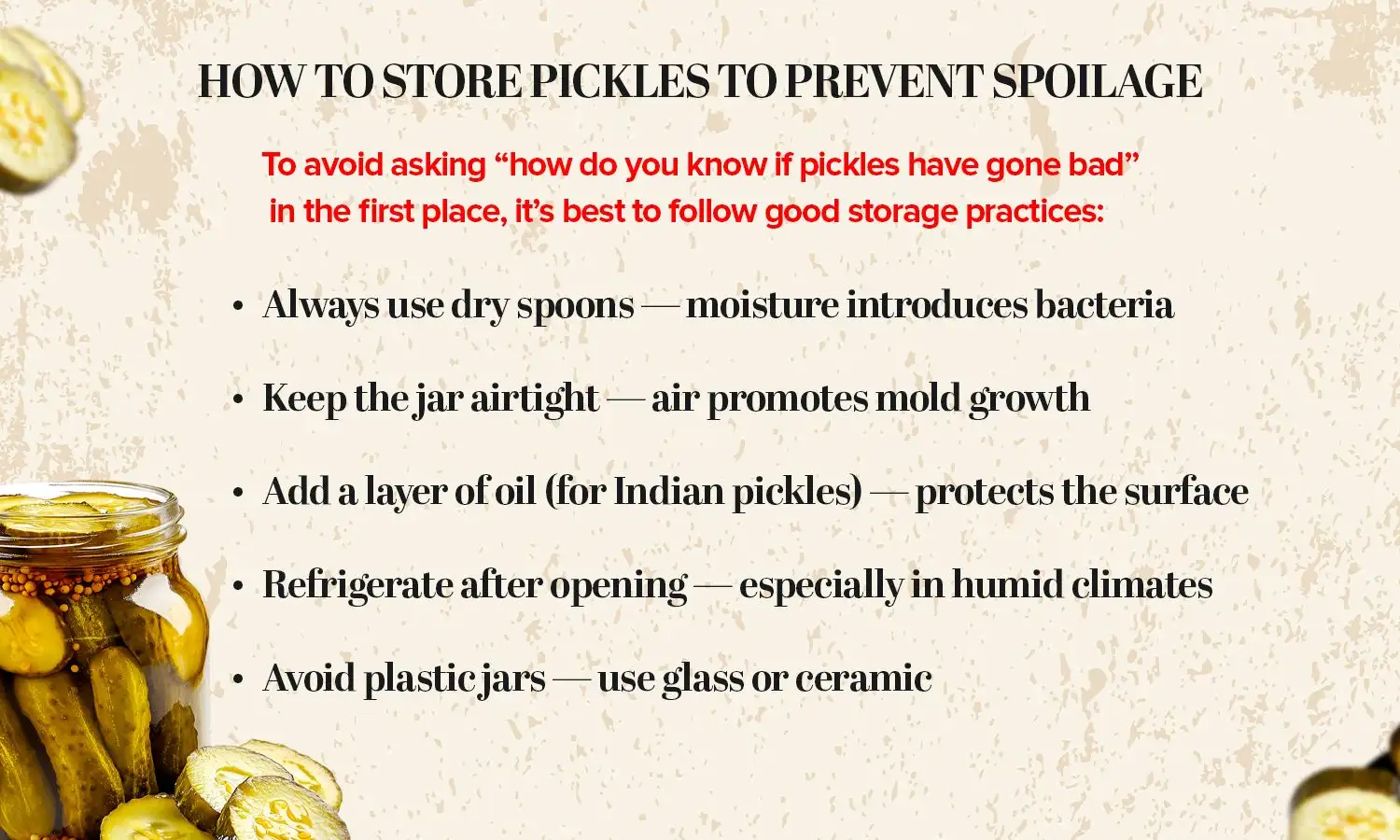
To avoid asking “how do you know if pickles have gone bad” in the first place, it’s best to follow good storage practices:

  • Always use dry spoons — moisture introduces bacteria
  • Keep the jar airtight — air promotes mold growth
  • Add a layer of oil (for Indian pickles) — protects the surface
  • Refrigerate after opening — especially in humid climates
  • Avoid plastic jars — use glass or ceramic

These steps help reduce the risk of spoilage and extend shelf life—especially if you’re dealing with do homemade pickles go bad concerns.

Conclusion

Pickles are a pantry staple—but only when they’re stored right. Knowing how do you know if pickles have gone bad is key to enjoying them safely. Look out for mold, sliminess, off smells, and color changes. If you spot any of these signs, it’s time to say goodbye to that jar.
To enjoy lasting flavor and safety, always follow proper storage practices—and when in doubt, trust your nose and eyes.

Key Takeaways

  • If you’re asking how do you know if pickles have gone bad, look for mold, slime, discoloration, and foul smell
  • Pickles can expire, especially when not stored properly
  • Homemade and quick pickles spoil faster than commercial ones
  • Dry spoons, sealed jars, and refrigeration help prevent spoilage
  • Trust your senses—when pickles seem off, throw them out

FAQs

Is It Okay to Eat Expired Pickles?It depends. If the pickles have been sealed and stored properly, they may still be safe. But if they smell off or look moldy, it’s not worth the risk. Yes—pickles expire, and it’s best not to gamble.
What if I Eat Bad Pickles?You might experience stomach cramps, nausea, or food poisoning symptoms. If you suspect spoilage, avoid tasting them altogether. That’s why it’s important to know: Do pickles go bad? Yes, they do.
What Do Spoiled Pickles Look Like?They appear mushy, discolored, and sometimes slimy. Mold may form on the surface, and the brine may look cloudy or separated—clear signs of spoiled pickles.
How Long Are Quick Pickles Good For?Quick pickles, which are not fermented or preserved with oil, usually last 1–2 weeks in the fridge. After that, they start to degrade. It’s important to know when to throw out pickles before they affect your health.

Can Pregnant Women Eat Pickles?

Introduction :

Pregnancy often brings about unexpected cravings, with pickles frequently at the top of the list. But can pregnant women eat pickles? While this tangy snack can be a fun treat during pregnancy, understanding its potential benefits and risks is crucial for making informed decisions.

Can Pregnant Women Eat Pickles?

Pickles are a common craving during pregnancy, and many women wonder if they are safe to eat. The good news is that in most cases, pickles can be enjoyed during pregnancy in moderation. However, there are a few things to keep in mind to ensure both safety and satisfaction.

Why Do Pregnant Women Crave Pickles?

  • Hormonal Effect
    During pregnancy, hormonal changes can heighten taste buds and increase cravings for certain flavors, including the salty and sour taste of pickles.
  • Emotional Stress
    Food cravings, including pickles, can sometimes provide a sense of comfort or relief from pregnancy-related stress. The sharp, tangy flavor can be refreshing and help improve mood.
  • Cultural Expectations
    In some cultures, pickles are a traditional part of pregnancy diets, further influencing cravings.
  • Taste Buds
    Pregnancy can alter taste perception, making bold flavors like those in pickles more appealing than ever.

Nutritional Facts of Pickles

Pickles are generally low in calories and contain small amounts of vitamins and minerals like vitamin K. So, can pregnant women eat pickles without worrying about nutrition? Yes—when consumed mindfully, they can be a flavorful and low-calorie addition. Some pickles, especially those made with garlic or chili, may offer additional benefits, but it’s important to check for added sugars or preservatives.

Is Consuming Pickles in Pregnancy Safe?

Many wonder, can pregnant women eat pickles safely? The answer largely depends on moderation. As long as pickles are consumed in reasonable amounts, they can be a tasty, safe addition to a pregnant woman’s diet. In moderation, pickles are safe for most pregnant women. The key is to avoid excessive amounts due to their high sodium content, which can lead to water retention and increased blood pressure. Always choose pickles made from fresh, natural ingredients and steer clear of heavily processed varieties. Can pregnant women eat pickles

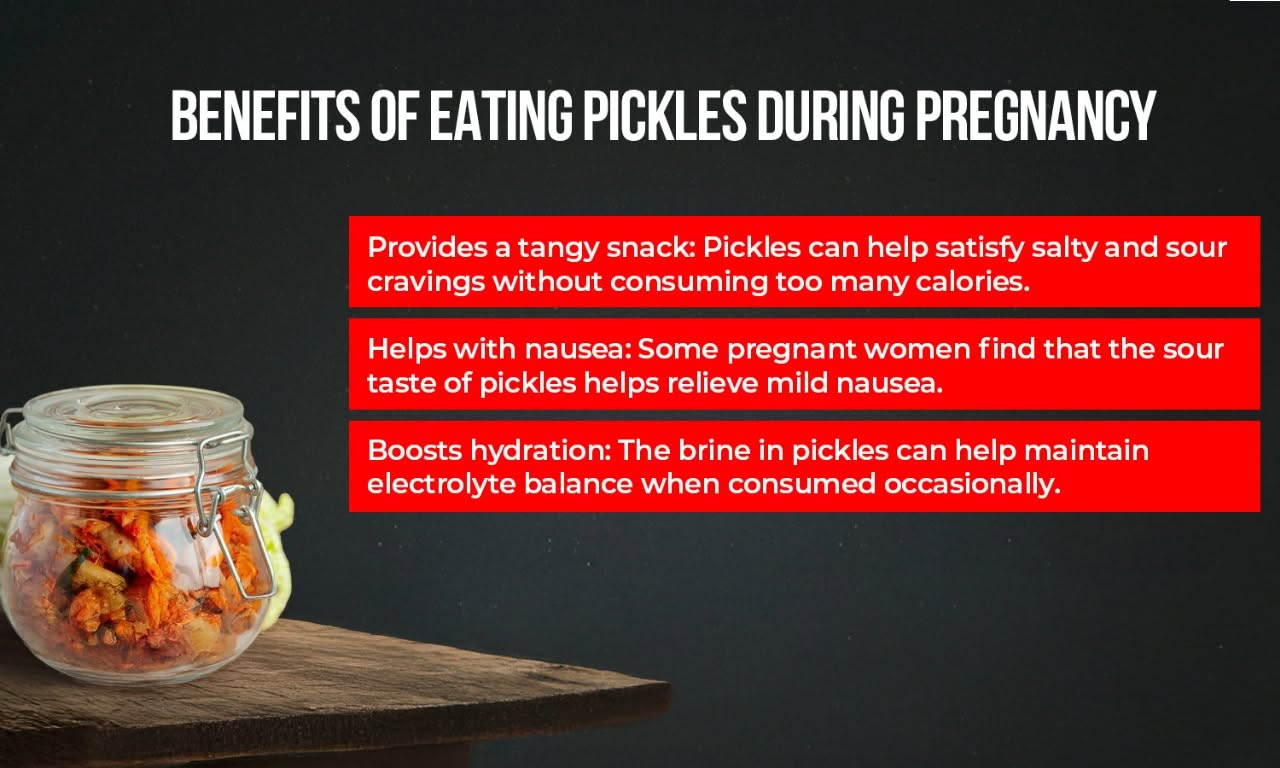
Benefits of Eating Pickles During Pregnancy :

Still wondering, can pregnant women eat pickles and get any health perks? The answer may surprise you.

  • Provides a tangy snack: Pickles can help satisfy salty and sour cravings without consuming too many calories.
  • Helps with nausea: Some pregnant women find that the sour taste of pickles helps relieve mild nausea.
  • Boosts hydration: The brine in pickles can help maintain electrolyte balance when consumed occasionally.

Can pregnant women eat pickles

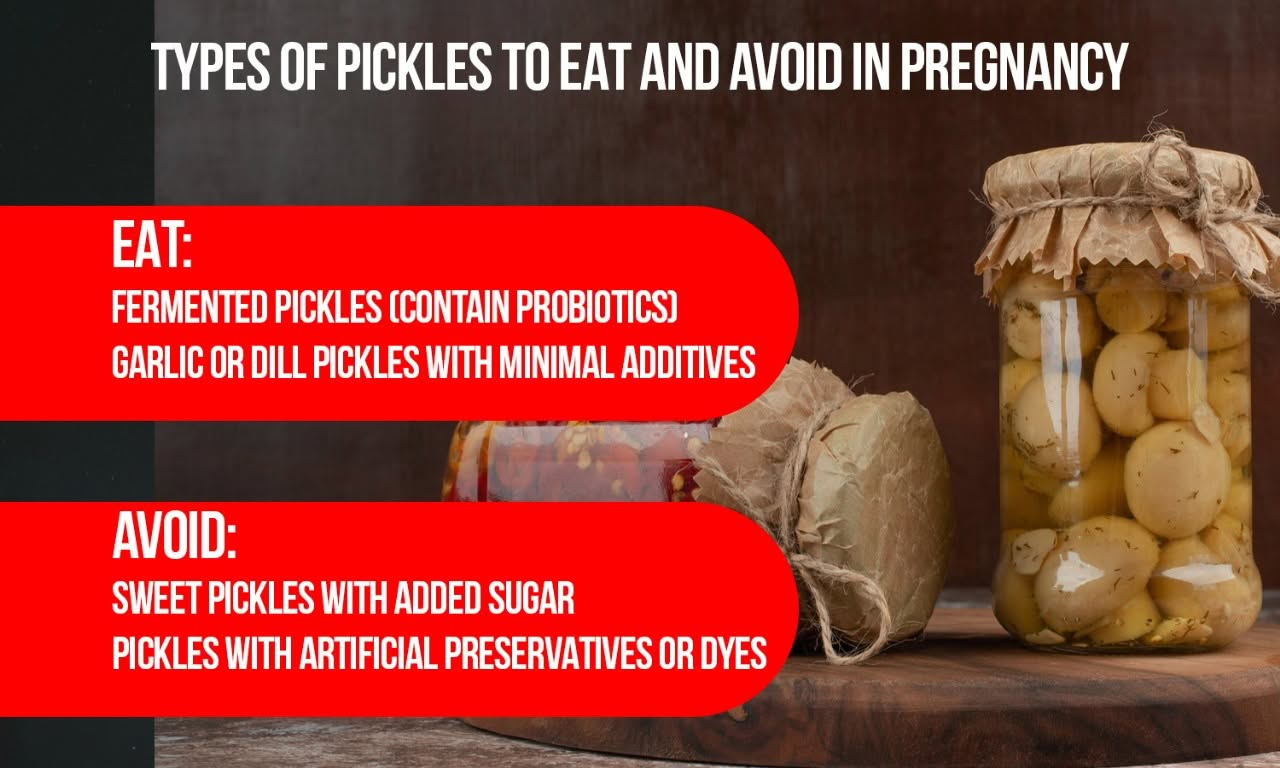
Types of Pickles to Eat and Avoid in Pregnancy

  • Eat:

Fermented pickles (contain probiotics).
Garlic or dill pickles with minimal additives.

  • Avoid:

Sweet pickles with added sugar.
Pickles with artificial preservatives or dyes.

Who Are Not Allowed to Eat Pickles During Pregnancy?

Women with certain conditions, such as high blood pressure or a history of gestational hypertension, should limit their pickle consumption. Additionally, if you have a sensitivity to vinegar or sodium, it’s best to consult your healthcare provider before adding pickles to your diet.

Conclusion :

Can pregnant women eat pickles? Yes—when enjoyed in moderation, pickles can be a safe, tangy, and satisfying snack during pregnancy. Their bold flavor may help ease nausea, and their low calorie content makes them a popular choice for expecting mothers. It’s important, however, to choose options with minimal additives and controlled sodium. 777 SGR Foods offers a trusted range of traditional pickles, made with authentic recipes and high-quality ingredients, making them a reliable and flavorful choice throughout pregnancy.

FAQs

Does Pickle Help With Pregnancy Nausea?Some women find that the tangy flavor of pickles can help reduce mild nausea, though it’s not a guaranteed remedy for everyone
Is It Safe to Eat Canned Pickles During Pregnancy?Canned pickles are generally safe, but it’s important to choose those with minimal additives and check the label for excess sodium.
Is It Safe to Eat Pickles During Breastfeeding?Yes, but as with pregnancy, moderation is key. Excessive sodium intake during breastfeeding can affect overall hydration and possibly impact milk supply.
Does a Pickle Cause Indigestion in Pregnancy?Some women may experience heartburn or indigestion after eating pickles, especially if consumed in large quantities. If this occurs, try eating smaller portions or opt for milder varieties.

Are Pickles Keto-Friendly?

Introduction :

Pickles are a common addition to many meals, but for those on a keto diet, it’s natural to wonder: are pickles keto-friendly? Understanding how pickles fit into a low-carb lifestyle can help you make informed choices and enjoy them without breaking your diet. For those who ask, are pickles keto-friendly, the answer lies in choosing the right varieties.

Pickles are a common addition to many meals, but for those on a keto diet, it’s natural to wonder: are pickles keto-friendly? Understanding how pickles fit into a low-carb lifestyle can help you make informed choices and enjoy them without breaking your diet.

What Are Pickles?

Pickles are cucumbers preserved in brine or vinegar, often with spices and seasonings. They come in various types, such as sour, spicy, and garlic pickles. While pickles are flavorful and versatile, knowing their nutritional profile is key to deciding if they’re a good fit for keto. Are pickles keto-friendly

Health Benefits Of Pickles :

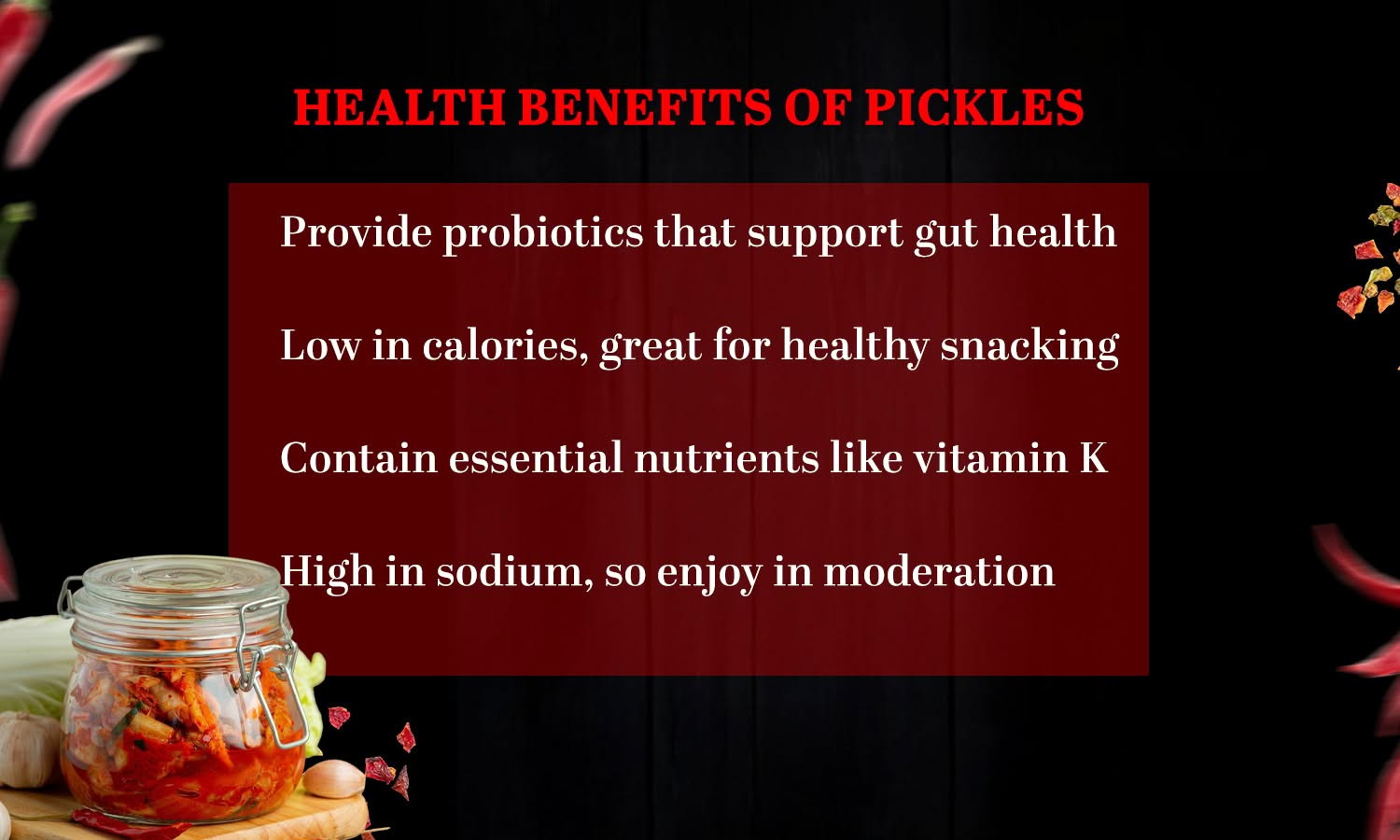
Pickles, especially fermented varieties, can provide beneficial probiotics that support gut health. They’re also a low-calorie snack that contains some essential nutrients like vitamin K. However, it’s important to remember that pickles can be high in sodium, so moderation is key.

How Many Carbs Are In Pickles?

Most pickles are low in carbohydrates. For instance, a dill pickle spear generally contains about 1 gram of net carbs. However, sweetened pickles, such as bread-and-butter pickles, may have higher carb counts due to added sugar. Reading labels can help you choose pickles that are keto-friendly.

Can I Eat Pickles on a Low-Carb Diet?

Yes, you can enjoy pickles on a low-carb diet, provided you choose unsweetened varieties. Dill and sour pickles tend to have very few carbs, making them an excellent choice for a low-carb snack or meal addition.The key is understanding are pickles keto-friendly based on their ingredients. Yes, you can enjoy pickles on a low-carb diet, provided you choose unsweetened varieties. Dill and sour pickles tend to have very few carbs, making them an excellent choice for a low-carb snack or meal addition.

Can I Eat Pickles on a Keto Diet?

Are pickles keto-friendly? Yes, as long as you opt for pickles without added sugars. Many traditional pickles, such as dill or fermented types, are keto-compatible because they contain minimal carbs. The key is to avoid sweet pickles and focus on those made with just vinegar, water, and spices

Are pickles keto-friendly

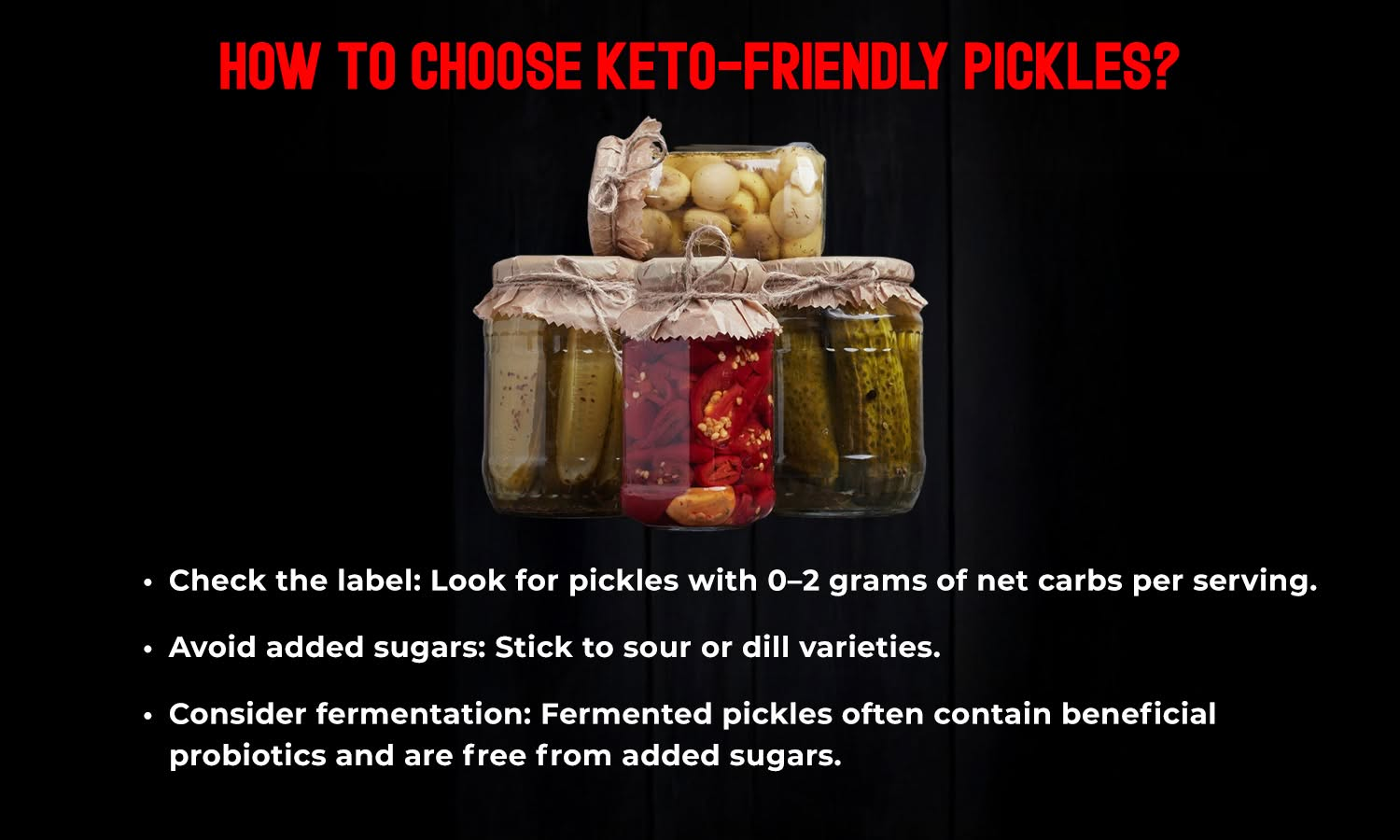
How to Choose Keto-Friendly Pickles?

  • Check the label: Look for pickles with 0–2 grams of net carbs per serving.
  • Avoid added sugars: Stick to sour or dill varieties.
  • Consider fermentation: Fermented pickles often contain beneficial probiotics and are free from added sugars.

Conclusion :

Pickles are a great addition to a keto diet if you choose the right kind. Low-carb, unsweetened pickles let you enjoy their tangy taste without affecting your keto goals. 777 SGR Foods offers tasty, high-quality pickles that mix traditional flavors with modern health needs, helping you stay on track and enjoy your meals.

FAQs

Are pickles high in sodium?Gulab jamun takes about 5-7 minutes to fry until golden brown on medium heat.
Do pickles have any health benefits on a keto diet?Pickles can provide a crunchy, low-carb snack and may offer some probiotics if they’re fermented. They’re also a simple way to add flavor without many calories.
How can I incorporate pickles into my keto meal plan?You can add pickles to salads, eat them as a snack, use them as a topping for burgers, or include them in keto-friendly wraps and charcuterie boards.
Are fermented pickles better for keto than other types of pickles?Fermented pickles are often lower in carbs and contain beneficial probiotics, making them a better choice for keto compared to sweetened or non-fermented varieties.

10 Shocking Health Benefits of Eating Pickles?

Benefits of Eating Pickles

Benefits of Eating Pickles

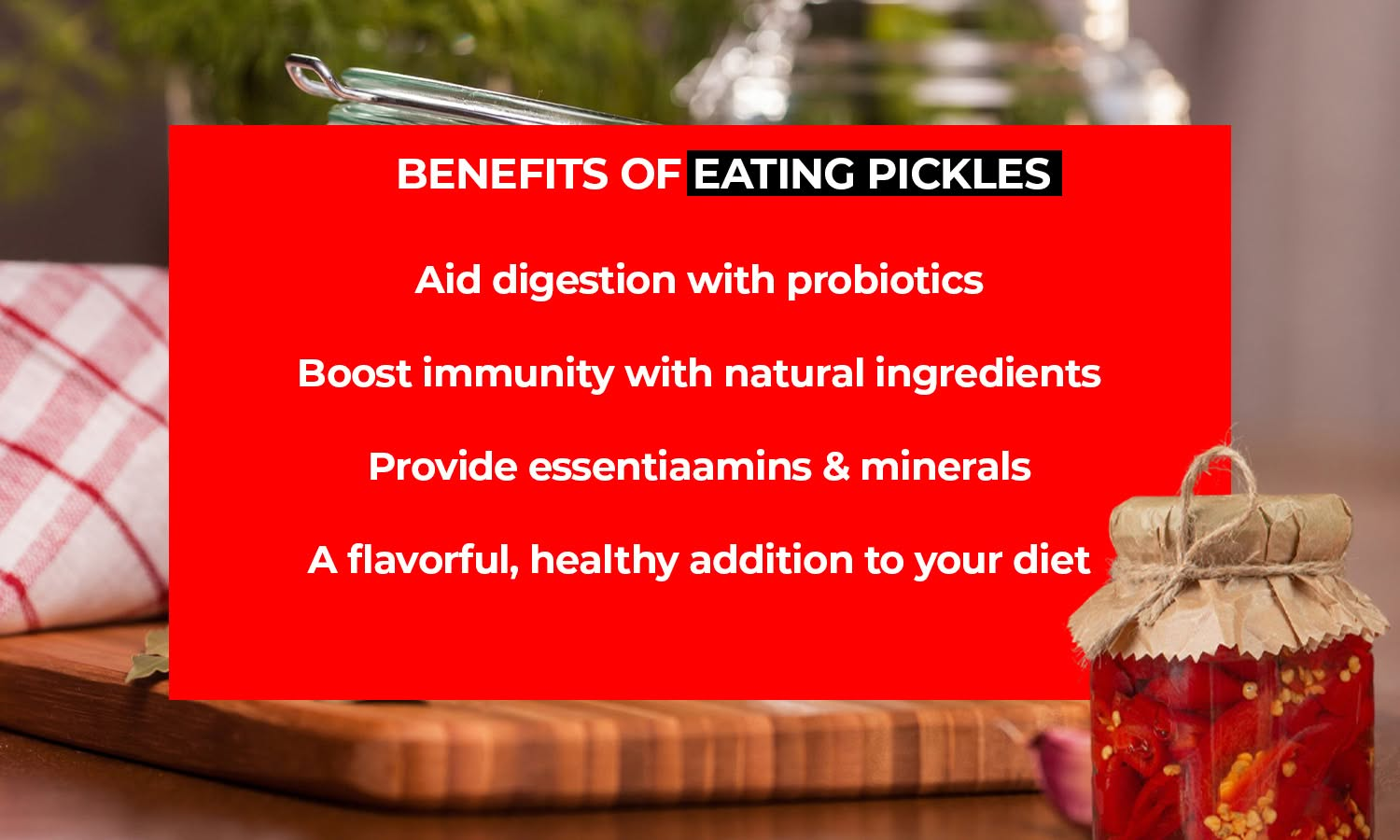
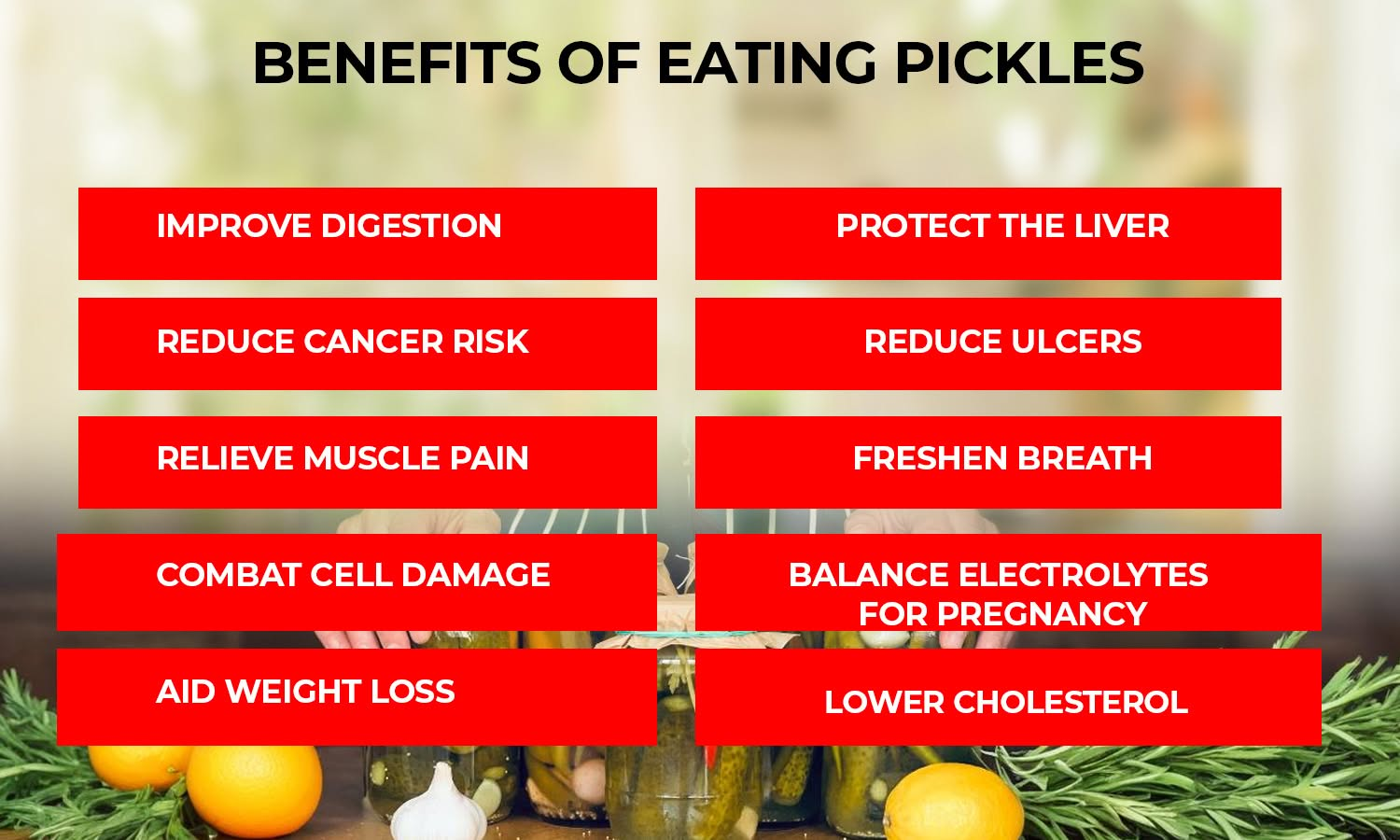
Benefits of eating pickles go beyond their tangy and spicy taste. These traditional fermented delights are not only flavorful but also packed with nutrients that offer several health advantages. The benefits of eating pickles include aiding digestion, boosting immunity, and providing essential vitamins and minerals. Whether homemade or store-bought, pickles can be a healthy addition to your diet. But are pickles good for digestion and overall well-being? Let’s find out!
Benefits of Eating Pickles

Pickles Are Good for the Gut

One of the major benefits of eating pickles is their ability to improve gut health. Fermented pickles contain probiotics, which are healthy bacteria that support digestion. If you’re wondering, are pickles good for digestion? The answer is yes! The natural fermentation process boosts the presence of probiotics, making your gut stronger and healthier.

Pickles Combat Cancer

Certain antioxidants found in pickles may help in reducing the risk of certain cancers. Fermented vegetables contain bioactive compounds that fight harmful free radicals in the body. So, are pickles healthy? When eaten in moderation, they can provide protective benefits against some diseases.

Pickles Reduce Muscle Pain :

Athletes often consume pickles to prevent muscle cramps. The electrolytes found in pickles help in reducing muscle soreness. So next time you experience muscle discomfort, consider the advantages of eating pickles for quick relief.

Pickles Reduce Cell Toxicity :

The antioxidants in pickles help combat cell damage caused by harmful toxins. Regular consumption of pickles, especially those made using natural ingredients, can protect the body from oxidative stress, making them a natural detoxifier.

Pickles Promote Weight Loss

If you’re wondering, are pickles good for weight loss? The answer is yes! Pickles contain vinegar, which has been linked to improved metabolism and fat reduction. Additionally, they are low in calories, making them a great addition to a weight-loss-friendly diet.

Pickles Protect the Liver

Among the benefits of eating pickles, their role in liver protection is significant. The antioxidants present in pickles help in maintaining liver health by reducing inflammation and protecting against harmful toxins. Are pickles good for your liver? Yes! When consumed in moderation, they contribute to a healthy liver.

Pickles Reduce Ulcers

The probiotic-rich content in pickles can help in preventing and reducing stomach ulcers. Fermented pickles enhance the production of good bacteria that strengthen the stomach lining, reducing the chances of developing ulcers.

Pickles Promote Fresh Breath

One of the lesser-known benefits to eating pickles is their ability to improve oral health. The acetic acid in pickles helps eliminate bad breath-causing bacteria, leaving you with fresher breath.

Pickles Are Good for Pregnant Women

Craving pickles during pregnancy? There’s a reason! Pickles provide necessary minerals like sodium and potassium, helping expectant mothers manage electrolyte levels. Are eating pickles good for you during pregnancy? Yes, when consumed in controlled portions, they help in balancing cravings and nutrient intake.

Pickles Help in Lowering Cholesterol

Pickles, especially those made with natural benefits of pickling techniques, may aid in lowering bad cholesterol levels. The fiber and probiotics in pickles help maintain heart health and keep cholesterol levels in check.

Conclusion :

The benefits of eating pickles are truly remarkable. Whether it’s supporting digestion, reducing muscle pain, or promoting weight loss, pickles are a healthy and flavorful addition to any diet. At SGR 777 Food Products, we offer high-quality pickles made using authentic techniques, ensuring every bite is packed with taste and nutrition. Explore our premium pickle pack, economy pickle pack, and affordable value pickles for a delicious and healthy experience!

Key Takeaways

  • Benefits of eating pickles include better digestion, weight loss, and liver protection.
  • Are pickles good for weight loss? Yes, they are low in calories and boost metabolism.
  • Are pickles good for digestion? Absolutely! They contain probiotics that enhance gut health.
  • Advantages of eating pickles include muscle recovery and improved oral health.
  • Shop for high-quality pickles from SGR 777 Food Products to enjoy the benefits of pickling.

FAQs

Is Pickle Good for Skin?Yes! The antioxidants in pickles help combat skin aging and promote a healthy glow.
Can I Eat Pickles Daily? Eating pickles in moderation is fine, but excess consumption can lead to high sodium intake.
Are Pickles Good for Your Liver?Yes! The probiotics and antioxidants in pickles contribute to better liver health.
Why Am I Craving Pickles?Pickle cravings may indicate a need for more electrolytes or sodium in your diet.

What are pickles and why are they so trendy? Take note

What Are Pickles?

Pickles are fruits or vegetables that are preserved using a process called pickling. This involves soaking them in pickling vinegar or brine, often with pickling spice for extra flavor. What are pickles known for? Their tangy, spicy, and sometimes sweet taste makes them a favorite across different cuisines. In India, Indian pickles play a crucial role in traditional meals, with varieties like mango pickle, chilli pickle, and garlic pickles being household staples. From a tangy sweet mango pickle to fiery chilli versions, there is a type for every taste.

Why Are Pickles Trending?

The love for pickles is spreading worldwide! But why? What are pickles doing that makes them so trendy? People are rediscovering their rich flavors, long shelf life, and health benefits. From gourmet pickles to exotic flavors, the rise of artisanal and homemade pickles has brought them into the limelight. Even those who buy pickles online are searching for the best pickles made with traditional recipes. Among the most trendy pickles today is the classic Mango Thokku Pickle, loved for its bold, spicy taste.
What Are Pickles

Health Benefits of Pickles

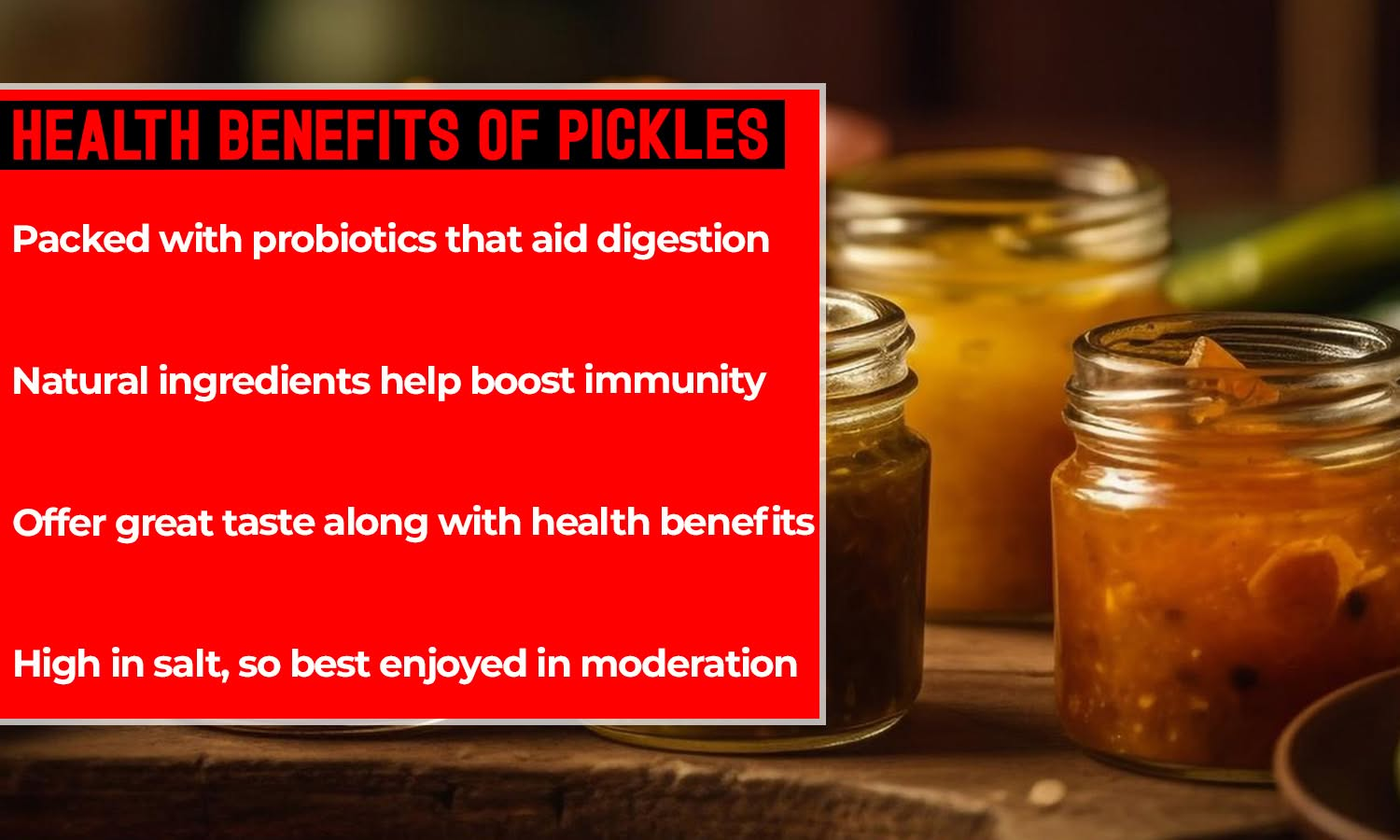
Eating pickles is not just about taste; it’s also about health! What are pickles good for? They are packed with probiotics, especially when fermented, helping in digestion. The natural ingredients in Andhra pickles and other regional varieties offer immunity-boosting properties. However, since pickles contain salt, it’s essential to enjoy them in moderation. The pickles benefits go beyond taste, and the health benefits of pickling have made them popular again in modern kitchens.
What Are Pickles

Pickle Recipes

Want to make pickles at home? Here are three simple yet delicious recipes for homemade pickles:

a. Cut Mango Pickle

Ingredients:
  • 500g raw mangoes
  • 50g salt
  • 2 tbsp red chili powder
  • 1 tbsp mustard seeds
  • ½ tsp turmeric powder
  • 100ml oil
Method:
  • Wash and chop mangoes into small pieces.
  • Mix with salt and turmeric powder. Let it rest for a day.
  • Heat oil, add mustard seeds, and allow them to pop.
  • Add chili powder, mix, and let it cool.
  • Pour over mango pieces and store in a jar.

This is also a great base for a dry mango pickle recipe or a traditional Andhra Style Cut Mango Pickle.

b. Lime Pickle

Ingredients:
  • 500g fresh lemons
  • 50g salt
  • 2 tbsp red chili powder
  • 1 tbsp mustard seeds
  • ½ tsp turmeric powder
  • 100ml oil
Ingredients:
  • Cut lemons and mix with salt and turmeric. Store for a week.
  • Heat oil, add mustard seeds, and let them pop.
  • Add chili powder, mix, and let it cool.
  • Pour over lemons and store.

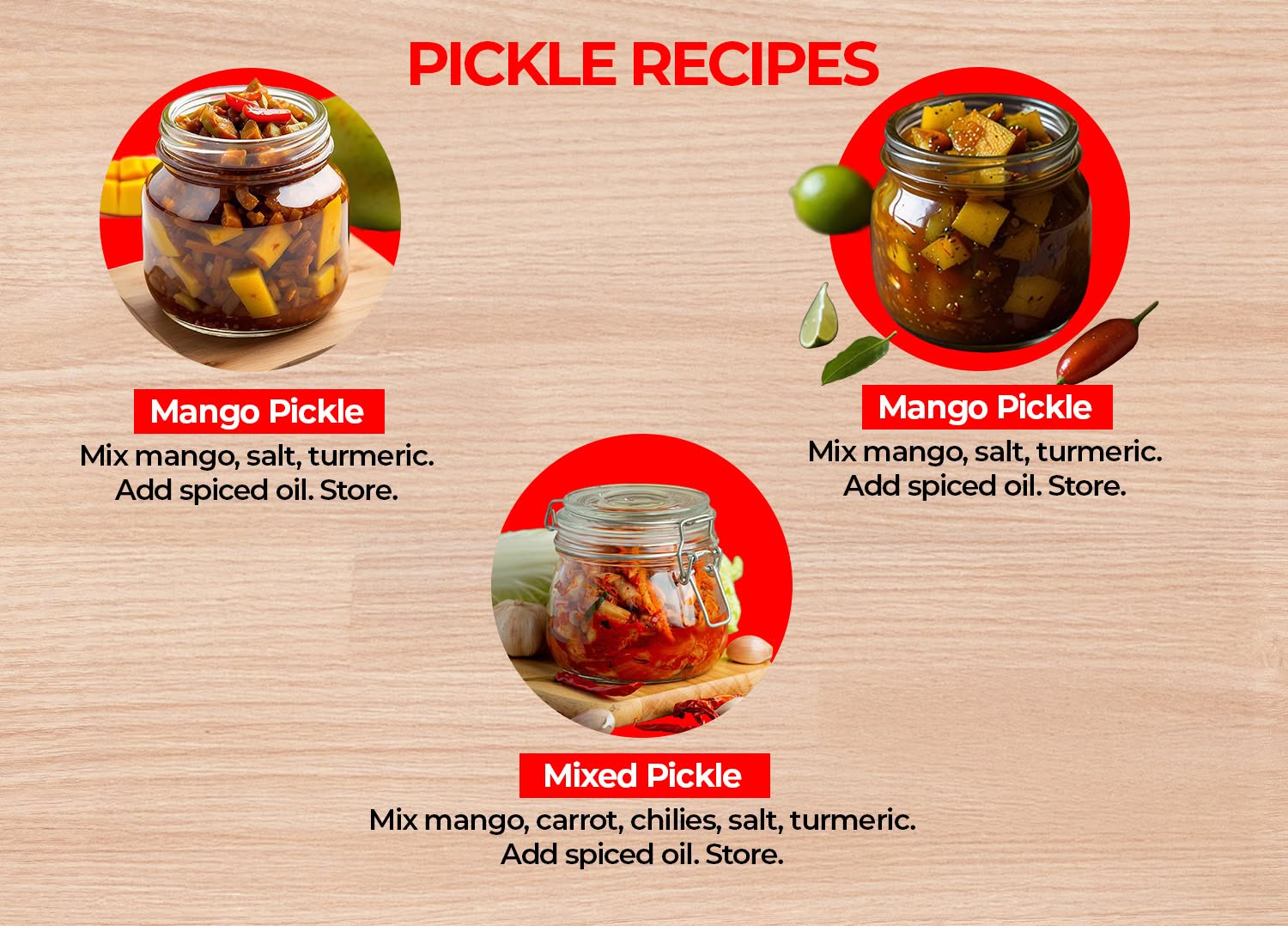
c. Mixed Pickle

Ingredients:
  • 200g raw mangoes
  • 200g carrots
  • 100g green chilies
  • 50g salt
  • 2 tbsp red chili powder
  • 1 tbsp mustard seeds
  • ½ tsp turmeric powder
  • 150ml oil
Method:
  • Wash, dry, and chop vegetables.
  • Mix with salt and turmeric and let it rest for a day.
  • Heat oil, add mustard seeds, and let them pop.
  • Add chili powder, mix, and let it cool.
  • Pour over vegetables and store.

You can turn this into an Andhra Style Mixed Pickle by adding more spice, making it one of the tastiest vegetable pickles around.

Benefits of Pickles

  • They enhance digestion due to probiotics.
  • Rich in essential vitamins and minerals.
  • Serve as a perfect side dish for meals.
  • Traditional varieties like soul pickle are deeply connected to heritage.
  • Available easily through pickles online, ensuring convenience.

Conclusion

Pickles are more than just a side dish; they’re a tradition, a health booster, and a flavor enhancer. Whether it’s the tangy garlic pickles, spicy chilli pickle, or sweet-sour mango pickle, every variety has a story. At SGR 777 Food Products, we celebrate the magic of authentic pickles, bringing you the best from our kitchen to yours. Explore our premium pickle pack, economy pickle pack, and affordable value pickles to relish the true taste of tradition!

Key Takeaways

  • What are pickles? They are preserved foods soaked in pickling vinegar or brine.
  • Pickles are trending due to their bold flavors and health benefits.
  • Homemade pickles with pickling spice are easy to prepare and delicious.
  • Andhra pickles, soul pickle, and other traditional varieties are deeply cherished.
  • Shop for pickles online to enjoy convenience and authentic taste.

FAQs

What Is the Purpose of Pickles?Pickles add flavor to meals, preserve seasonal produce, and support gut health.
How Many Pickles Can You Eat a Day?Eating pickles in moderation is key. One or two pieces are great, but excessive salt intake should be avoided.
Are Eating Pickles Healthy?Yes! Pickles provide probiotics and nutrients, but it’s important to choose ones with natural ingredients like pickling spice and pickling vinegar.
Why Do Indians Eat Pickles?Pickles are a staple in Indian households, bringing bold flavors to meals. Varieties like Andhra pickles, mango pickle, and chilli pickle are deeply rooted in Indian food traditions.

Are pickles good for weight loss?

Pickles have long been a staple in many diets, but are pickles good for weight loss? The answer depends on how they are made and consumed. While some best pickles can support weight management, others may have added sugars or high sodium levels that can work against your goals. Let’s explore how pickles good for weight loss can be part of a healthy diet.

Understanding Pickles

Pickles come in various types, and their nutritional value can differ. Some common types include:

  • Sour pickles: Made with salt and natural fermentation, they are low in calories and rich in probiotics.
  • Vinegar-based pickles: Tangy and flavorful but without probiotics.
  • Sweet pickles: Contain added sugars, making them less ideal for weight loss.
  • Spiced pickles: Includes mango pickle, chilli pickle, and garlic pickles, often made with mustard oil and spices.

For those looking to answer do pickles help you lose weight, choosing the right type is essential. pickles good for weight loss

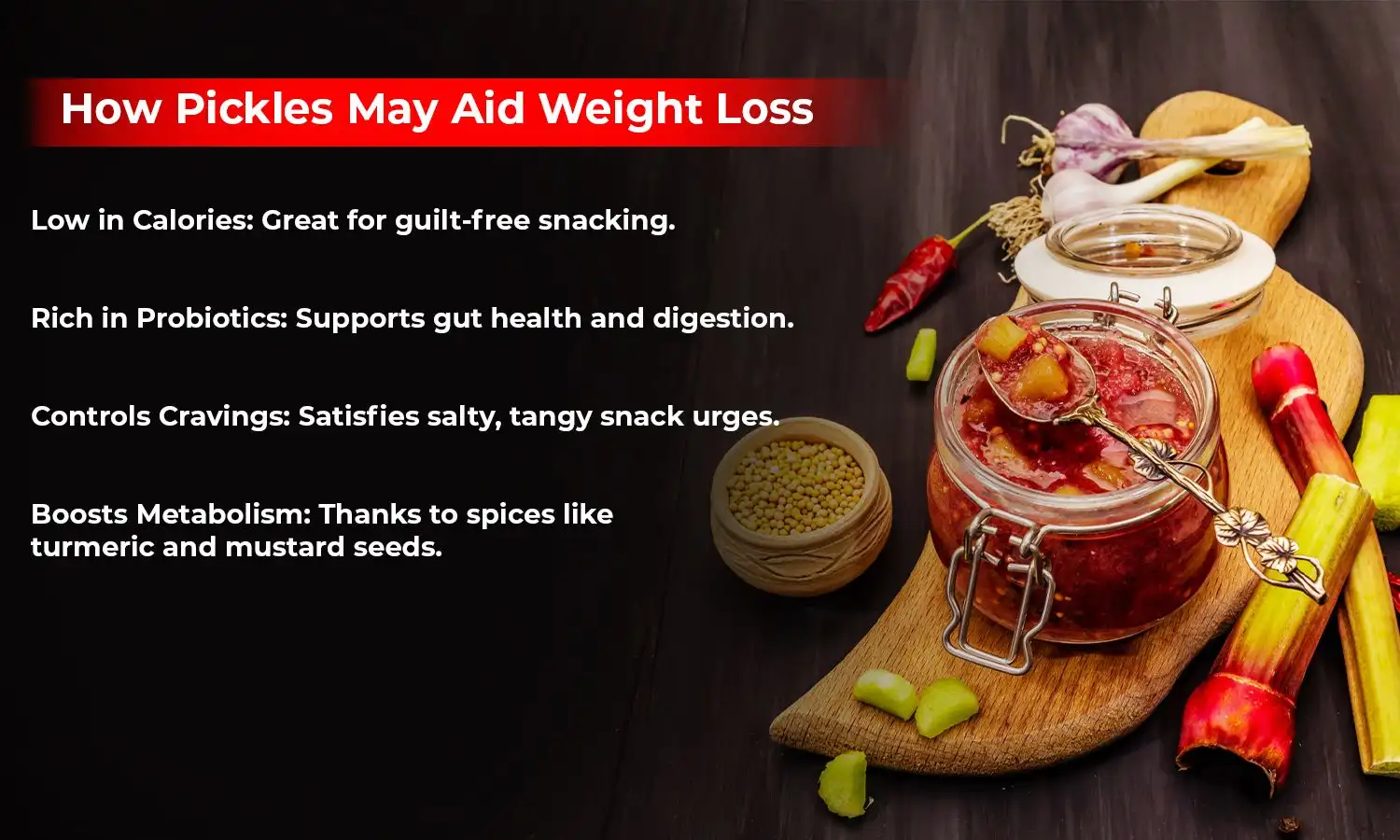
How Pickles May Aid Weight Loss

1. Low in Calories

Most pickles, especially those made without added sugar, are very low in calories, making them an excellent snack option for those trying to cut calories.

2. Rich in Probiotics

Fermented pickles contain probiotics that support digestion, improve gut health, and may aid in metabolism, helping in weight management.

3. Helps Control Cravings

The tangy and salty flavor of pickles can satisfy taste buds and curb cravings for unhealthy snacks.

4. Boosts Metabolism

Spices used in pickles, such as mustard seeds, turmeric, and garlic, may help boost metabolism, assisting in weight management.

For those wondering can pickles help you lose weight, the answer lies in selecting the best pickles with minimal additives and preservatives. pickles good for weight loss

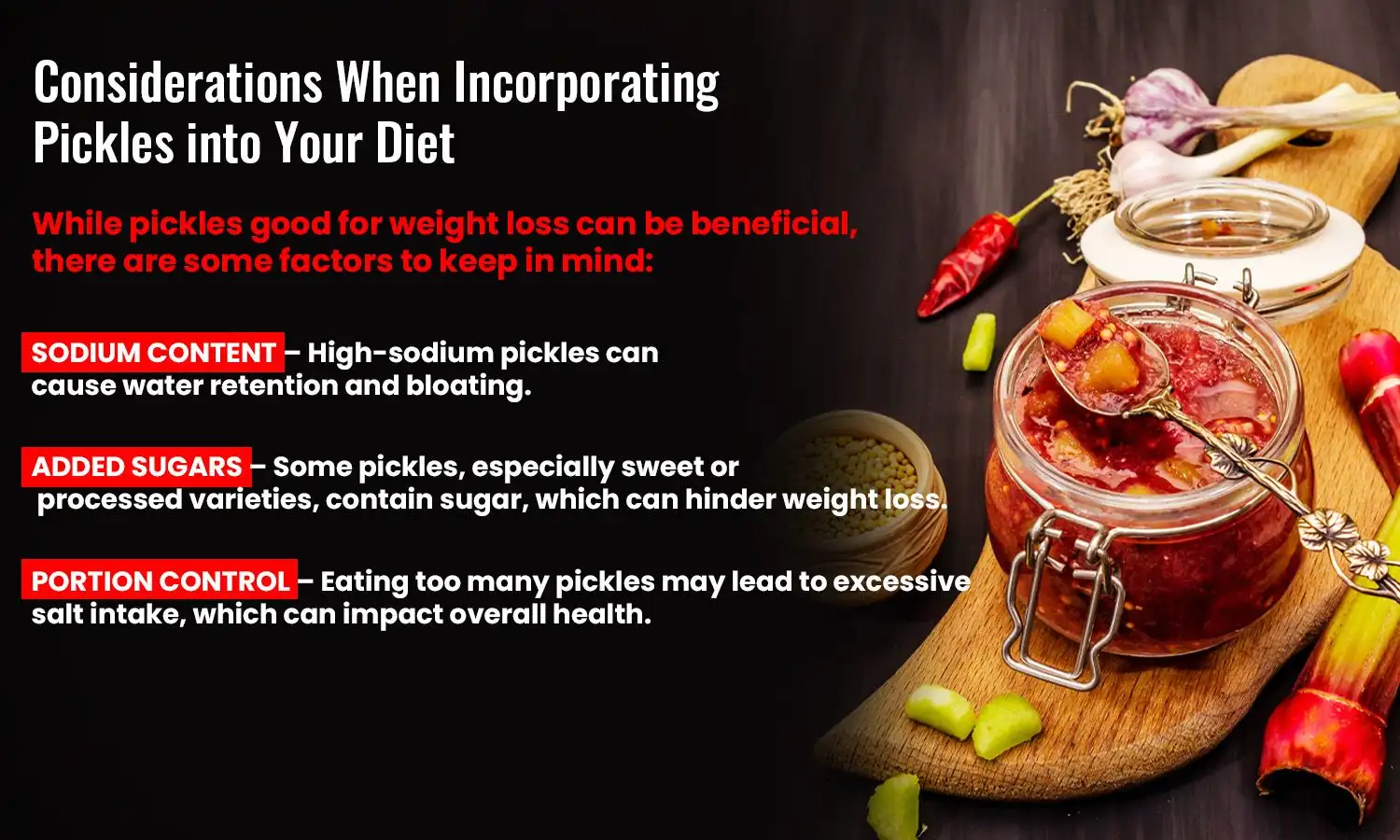
Considerations When Incorporating Pickles into Your Diet

While pickles good for weight loss can be beneficial, there are some factors to keep in mind:

  • Sodium Content: High-sodium pickles can cause water retention and bloating.
  • Added Sugars: Some pickles, especially sweet or processed varieties, contain sugar, which can hinder weight loss.
  • Portion Control: Eating too many pickles may lead to excessive salt intake, which can impact overall health.

Opting for low-sodium pickles or making homemade pickles can be a healthier choice.

Incorporating Pickles into a Balanced Diet

If you’re looking for are pickled foods good for weight loss, here’s how to include them effectively:

  • Pair with Protein: Eat pickles with lean proteins like grilled chicken or tofu to balance sodium intake.
  • Add to Salads: Slice pickles into salads for extra flavor without extra calories.
  • Use as a Condiment: Instead of high-calorie sauces, use pickles for a tangy kick in sandwiches and wraps.
  • Make Your Own Pickles: Homemade no-salt pickles or fermented varieties are the best for weight-conscious diets.

Conclusion

So, are pickles good for weight loss? The answer depends on how they are prepared and consumed. Fermented pickles, especially garlic pickles and chilli pickle, can support digestion and metabolism, while vinegar-based pickles can be a low-calorie snack.

However, avoiding high-sodium and sweet pickles is key. At 777 Foods, we offer a range of traditional, naturally fermented pickles that are flavorful, healthy, and a great addition to a balanced diet. If you’re looking for soul pickle flavors with authentic taste and health benefits, 777 Foods has you covered.

Key Takeaways

  • Pickles are low in calories, making them a smart weight-loss snack.
  • Fermented pickles aid digestion and gut health, supporting metabolism.
  • Avoid pickles with added sugar or high sodium content.
  • 777 Foods offers healthy, naturally fermented pickles for better weight management.

FAQs

Can Eating Pickles Help Reduce Belly Fat?

Pickles themselves don’t burn fat, but their low-calorie and probiotic content can support overall weight loss.

Are There Low-Sodium Pickle Options Available?

Yes. Many brands, including 777 Foods, offer low-sodium pickles for a healthier option.

Do Sweet Pickles Offer the Same Weight Loss Benefits?

No. Sweet pickles contain added sugars, which can contribute to weight gain rather than weight loss.

How Can I Make Low-Sodium Pickles at Home?

You can make no-salt pickles using vinegar, fresh vegetables, and spices without adding excessive sodium.

How to make pickles at home?

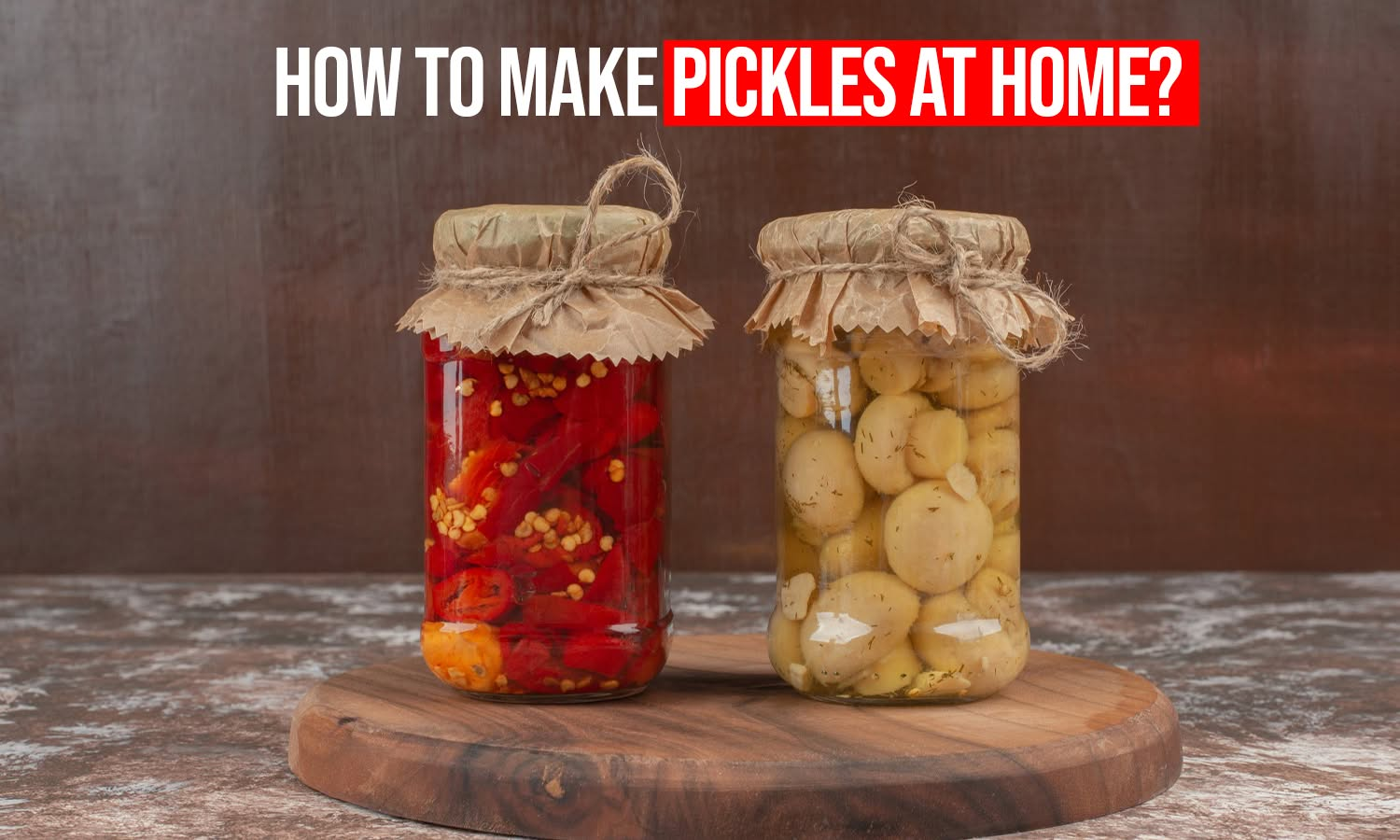
Pickles are a cherished part of Indian cuisine, adding tangy, spicy, and flavorful twists to every meal. Whether it’s mango, lime, or garlic, homemade pickles capture the essence of traditional flavours. If you’ve ever wondered how to make pickles at home, this guide walks you through every step, from selecting ingredients to storing your pickles for long-lasting freshness. With the right pickle masala and traditional pickle making techniques, you can enjoy authentic flavours every time.

What Are Pickles?

Pickles are preserved fruits or vegetables soaked in salt, oil, and spices. Indian pickles come in a variety of flavours, with each region following its own traditional pickle making methods. The combination of spices and natural preservation enhances taste while extending shelf life, making pickles an essential accompaniment to Indian meals.

Learning how to make pickles at home ensures fresh, preservative-free flavours. Many people also search for homemade pickles online or homemade pickles near me, but preparing a
homemade pickles allows complete control over quality, freshness, and ingredients.

How to make pickles at home

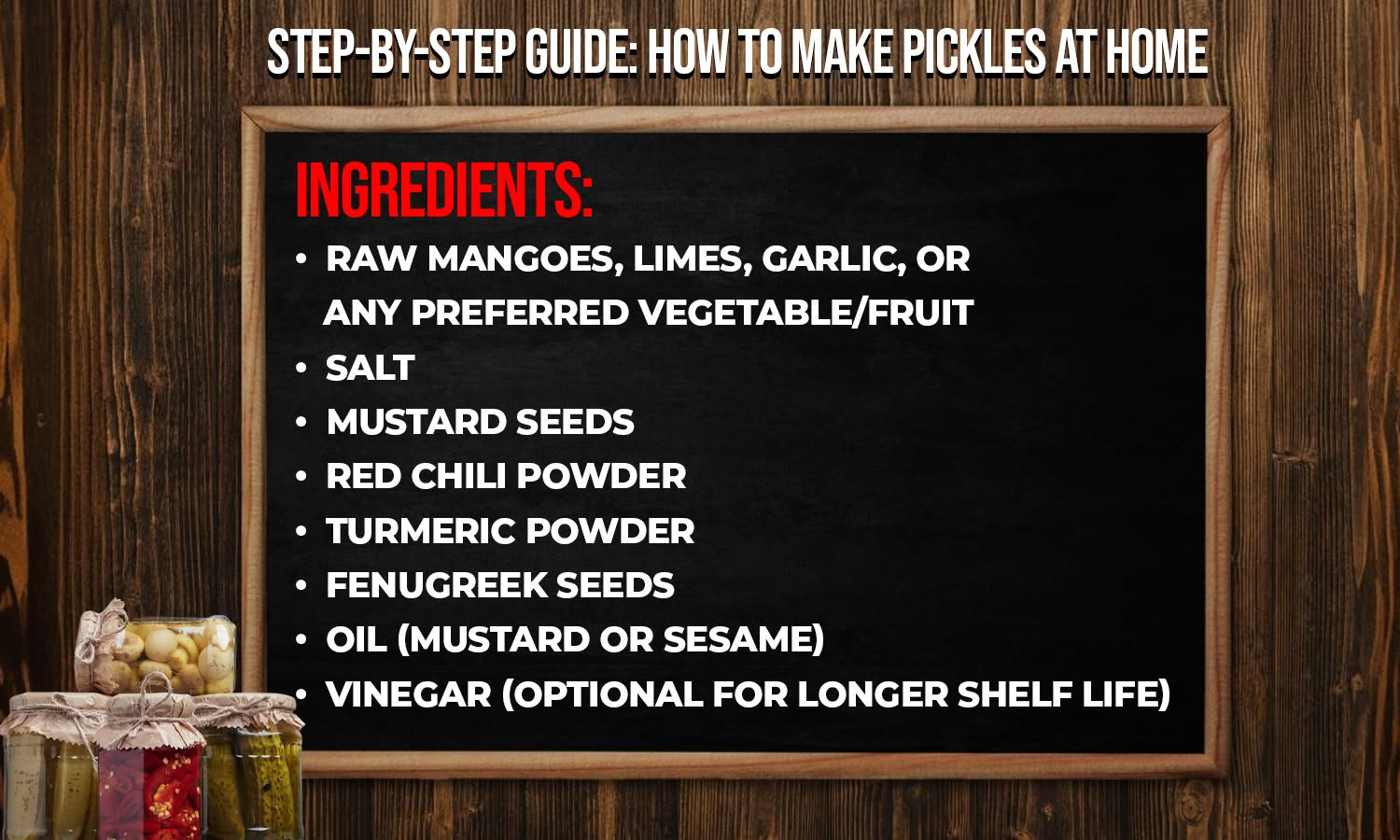
Step-by-Step Guide: How to Make Pickles at Home

Ingredients:

  • Raw mangoes, limes, garlic, or any preferred vegetable/fruit
  • Salt
  • Mustard seeds
  • Red chili powder
  • Turmeric powder
  • Fenugreek seeds
  • Oil (mustard or sesame)
  • Vinegar (optional for longer shelf life)
  • Pickle masala for enhanced flavour

Instructions:

    1. Prepare the Ingredients – Wash and dry the fruits or vegetables thoroughly to prevent moisture from spoiling the pickle.
    2. Cut and Marinate – Chop them into small pieces and coat them with salt, turmeric, and chili powder.
    3. Sun-Dry for Extra Flavor – Spread them under the sun for a day or two to improve spice absorption, a key part of traditional pickle making.
    4. Temper the Spices – Heat oil and add mustard seeds, fenugreek, and other spices. Let them cool before mixing.
    5. Mix Everything Together – Combine the sun-dried ingredients with the tempered spices and oil. This simple process creates an easy pickle recipe suitable for beginners.
    6. Store Properly – Transfer the pickle to an airtight glass jar and let it rest for a few days to develop its flavor.

Learning how to make pickles at home is rewarding because it allows you to customise flavours while preparing a fresh homemade pickle recipe. If you’re short on time, you can also explore homemade pickles online or search for homemade pickles near me to enjoy locally prepared varieties. How to make pickles at home

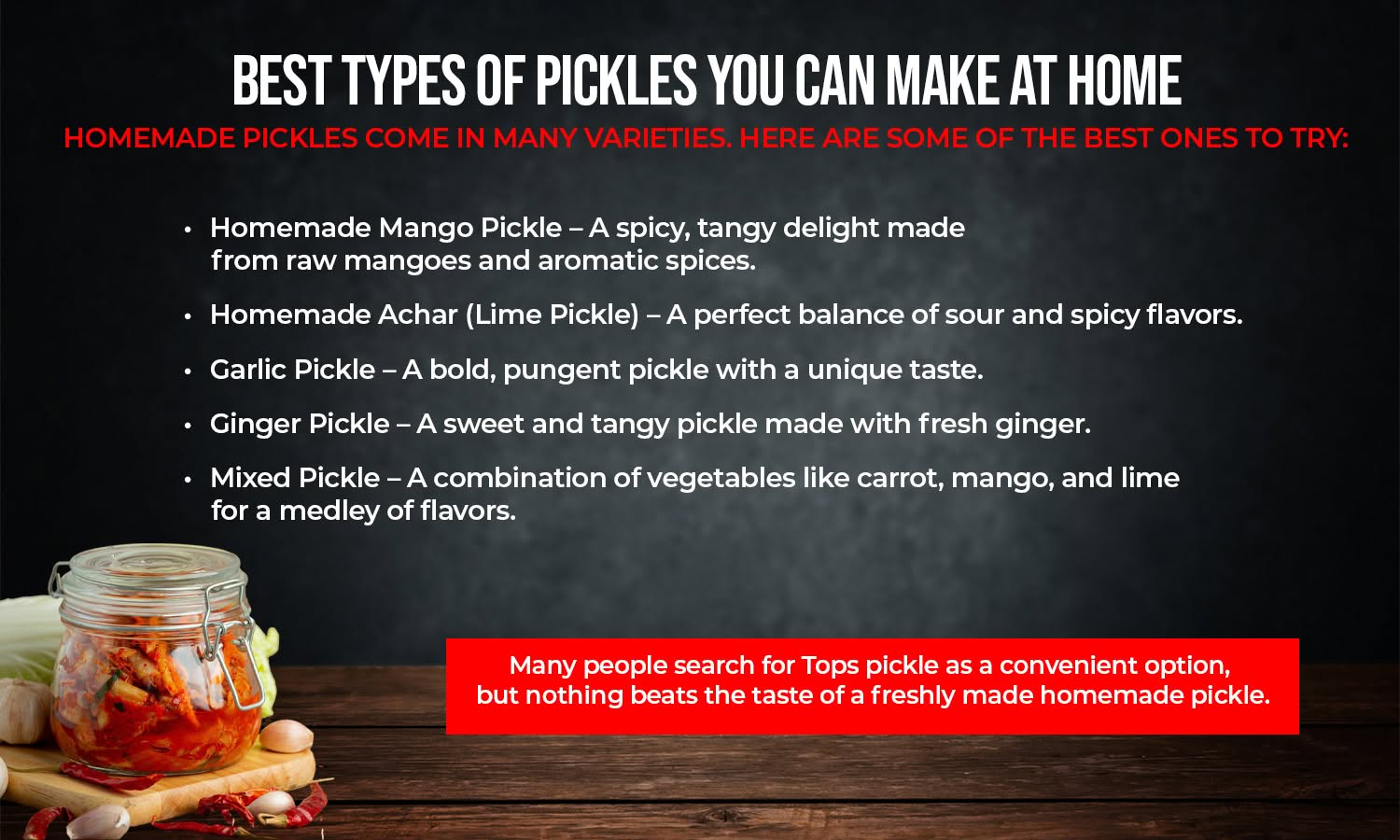
Best Types of Pickles You Can Make at Home

Homemade pickles come in many varieties. Here are some of the best homemade pickles you can try:

  • Homemade Mango Pickle – A spicy, tangy delight made from raw mangoes and aromatic spices. Besides its taste, many people also appreciate the mango pickle benefits, including its digestive spices and traditional preparation.
  • Homemade Achar (Lime Pickle) – A perfect balance of sour and spicy flavours using a classic lemon pickle recipe.
  • Garlic Pickle – A bold, pungent pickle with a unique taste.
  • Ginger Pickle – A sweet and tangy pickle made with fresh ginger.
  • Mixed Vegetable Pickle – A delicious mixed vegetable pickle prepared using carrots, mangoes, lime, and other seasonal vegetables.
  • Mix Achar – A traditional mix achar combines multiple vegetables and spices to create a rich blend of flavours loved across Indian households.

Many people search for Tops pickle as a convenient option, but nothing compares to the freshness of a home made pickle prepared using a trusted homemade pickle recipe.

Quick Pickles vs. Fermented Pickles: Which One Is Right for You?

  • Quick Pickles – Prepared using vinegar or oil, these are ready within a few hours to three days. They’re perfect if you’re looking for an easy pickle recipe that requires minimal waiting.
  • Fermented Pickles – These undergo natural fermentation over several weeks, developing deeper flavours and beneficial probiotics.

Whether you choose quick or fermented varieties, learning how to make pickles at home allows you to prepare pickles that match your taste and lifestyle.

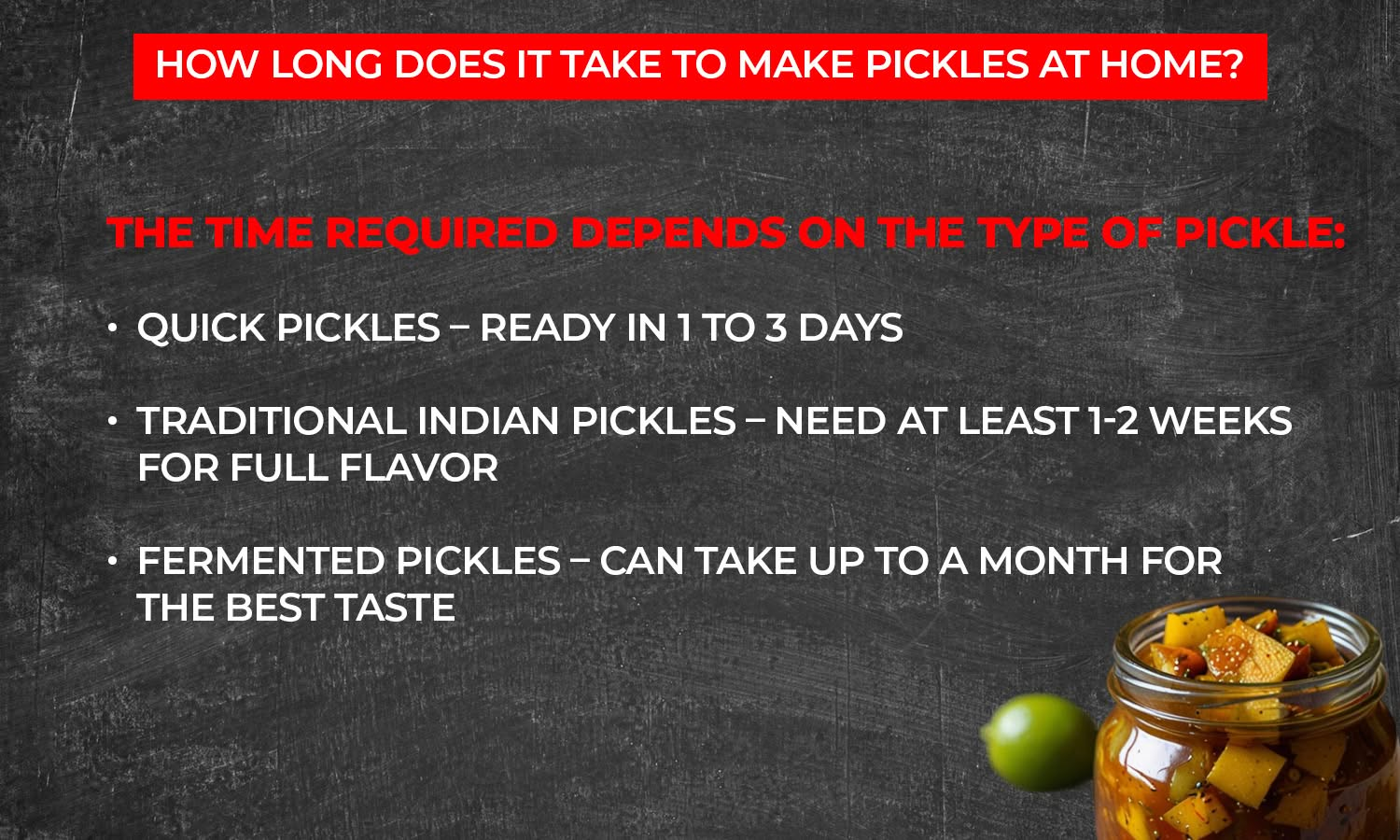
How Long Does It Take to Make Pickles at Home?

The time required depends on the type of pickle:

  • Quick pickles – Ready in 1 to 3 days
  • Traditional Indian pickles – Need at least 1-2 weeks for full flavor
  • Fermented pickles – Can take up to one month for the richest flavour

Understanding how to make pickles at home also means knowing when your pickle has matured enough to deliver the perfect balance of taste and aroma.

How to Store Homemade Pickles for Long-Lasting Freshness

  • Always use clean, dry glass jars for storage.
  • Keep pickles in a cool, dark place away from moisture.
  • Ensure the pickle is fully covered in oil to prevent spoilage.
  • Use a dry spoon every time to avoid contamination.

Proper storage is one of the most important steps in how to make pickles at home, helping your homemade achar remain fresh for months while preserving its authentic flavour.
How to make pickles at home

Health Benefits of Eating Homemade Pickles

Homemade pickles offer several advantages when prepared with quality ingredients.

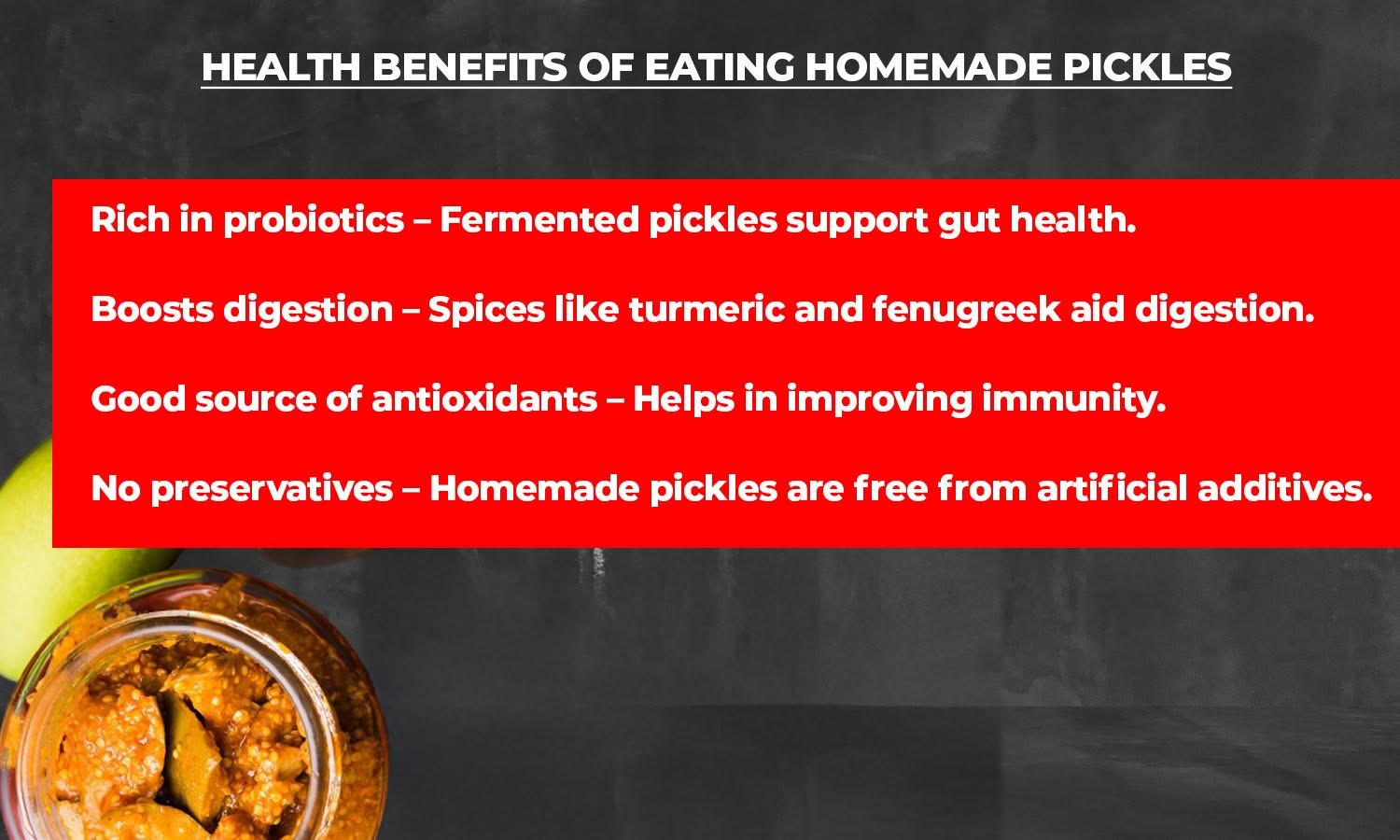
  • Rich in probiotics – Fermented pickles support gut health.
  • Boosts digestion – Spices like turmeric and fenugreek aid digestion.
  • Good source of antioxidants – Helps in improving immunity.
  • No preservatives – Homemade pickles are free from artificial additives.

Many people also enjoy the mango pickle benefits, as raw mangoes contain nutrients while spices traditionally support digestion. This is one reason many families continue choosing the best home made pickles over commercially processed alternatives.

Conclusion

Learning how to make pickles at home is both simple and rewarding. Whether you’re preparing a mixed vegetable pickle, following a lemon pickle recipe, or experimenting with a spicy pickle recipe, homemade pickles offer unmatched freshness and authentic flavour.
By using quality ingredients, the right pickle masala, and proper storage techniques, you can enjoy delicious homemade achar throughout the year. Traditional recipes continue to prove that nothing matches the taste of a carefully prepared home made pickle.

Key Takeaways

  • Learning how to make pickles at home helps create fresh, preservative-free pickles.
  • Traditional pickle making enhances flavour through natural preservation.
  • Recipes such as mixed vegetable pickle, mix achar, and lemon pickle recipe suit different tastes.
  • Proper storage extends freshness for several months.
  • Homemade pickles provide authentic flavours using quality ingredients and pickle masala.

FAQs

Which vinegar is used for Indian pickles?

White vinegar or apple cider vinegar is commonly used in Indian pickles to enhance shelf life and flavor.

Can we use lemon instead of vinegar?Yes. Many traditional recipes use lemon juice, especially in a classic lemon pickle recipe, as a natural preservative.
What oil is used in Indian pickles?

Mustard oil is the most commonly used oil for Indian pickles, followed by sesame oil in South Indian recipes.

What is the formula of pickle?A basic pickle combines fruits or vegetables with salt, spices, pickle masala, and oil or vinegar to preserve freshness and develop flavour.