Asafoetida Ingredients Guide: Everything You Should Know

Introduction of Asafoetida Powder

Asafoetida ingredients are often misunderstood because what we buy in stores is not always pure resin. Asafoetida, commonly known as hing, is derived from the dried gum-resin of the Ferula plant. In its raw form, it is extremely strong and sticky, which is why most commercial varieties are processed into Asafoetida powder for everyday use.

This powerful Indian spice has a sharp, sulfurous smell when raw. However, once heated in oil, its asafoetida taste transforms into a mellow, savoury flavour similar to cooked onion and garlic. In fact, many people simply say asafoetida is hing, as the two terms are used interchangeably in Indian kitchens.

Understanding the actual ingredients in Asafoetida helps you make better choices, especially when selecting quality products for home cooking.

Common Ingredients in Asafoetida Powder

When discussing Asafoetida ingredients, it is important to differentiate between pure resin and compounded powder.

1. Core Natural Components

Raw asafoetida is an oleo-gum-resin made up of three primary parts:

  • Resin (40–64%) – Contains ferulic acid and related compounds that contribute to many therapeutic properties.
  • Gum (25%) – A water-soluble portion made of sugars and polysaccharides.
  • Volatile Oil (10–17%) – Rich in sulfur compounds responsible for its strong aroma.

These are essentially the original Ingredients for making Asafoetida in its natural state.

2. Ingredients in Asafoetida Powder (Compounded Form)

Because pure resin is too concentrated, manufacturers create an Asafoetida powder mix by blending the resin with carriers and binders.
Common Ingredients of Asafoetida powder include:

  • Wheat flour (maida) or wheat starch – Used as a carrier in traditional varieties.
  • Rice flour – A gluten-free alternative.
  • Edible gum (gum arabic)– Acts as a binder and prevents clumping.
  • Edible oil – Helps preserve aroma and blend the mixture smoothly.
  • Turmeric (optional) – Added for colour in some brands.

When reading labels, always check the full list of ingredients in Asafoetida powder, especially if you have gluten sensitivities.

In Indian households, compounded powder is preferred because it is easier to measure in pinches and blends seamlessly with other Indian cooking spices.
Asafoetida ingredients

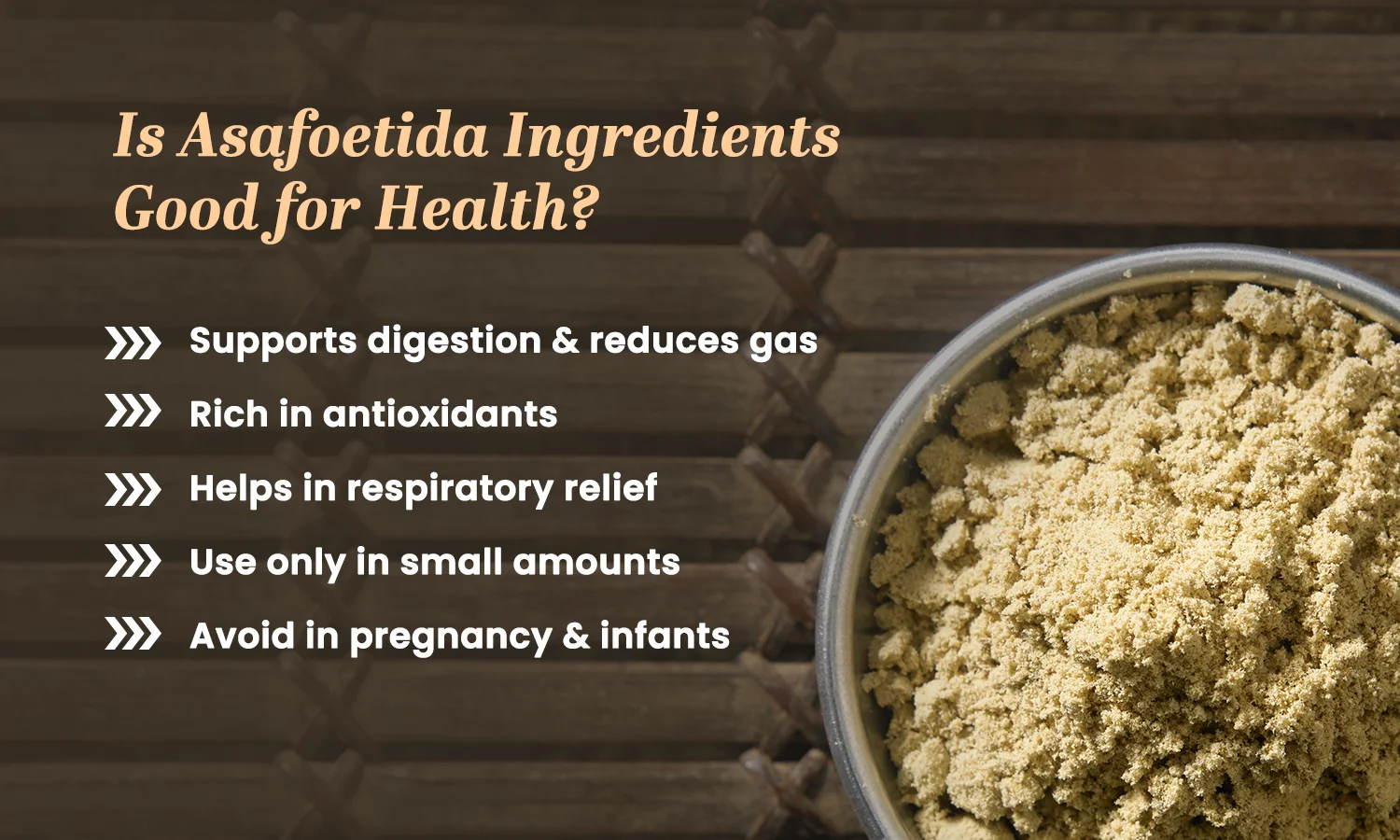
Is Asafoetida Ingredients Good for Health?

The natural Asafoetida ingredients contain compounds like ferulic acid and sulfur-rich oils that are traditionally valued for digestive support. Among the recognised benefits of asafoetida are relief from bloating and improved enzyme activity.

Some reported asafoetida health benefits include:

  • Supporting digestion and reducing gas
  • Acting as an expectorant in respiratory discomfort
  • Providing antioxidant properties

These asafoetida hing properties are why it is commonly added to lentils and beans. However, it should always be used in small quantities.

Safety considerations are equally important:

  • It is not recommended during pregnancy.
  • It should be avoided for infants.
  • Individuals on blood-thinning medication should consult a doctor.

When used responsibly, the overall health impact of Asafoetida ingredients can be beneficial in culinary amounts.
Asafoetida ingredients

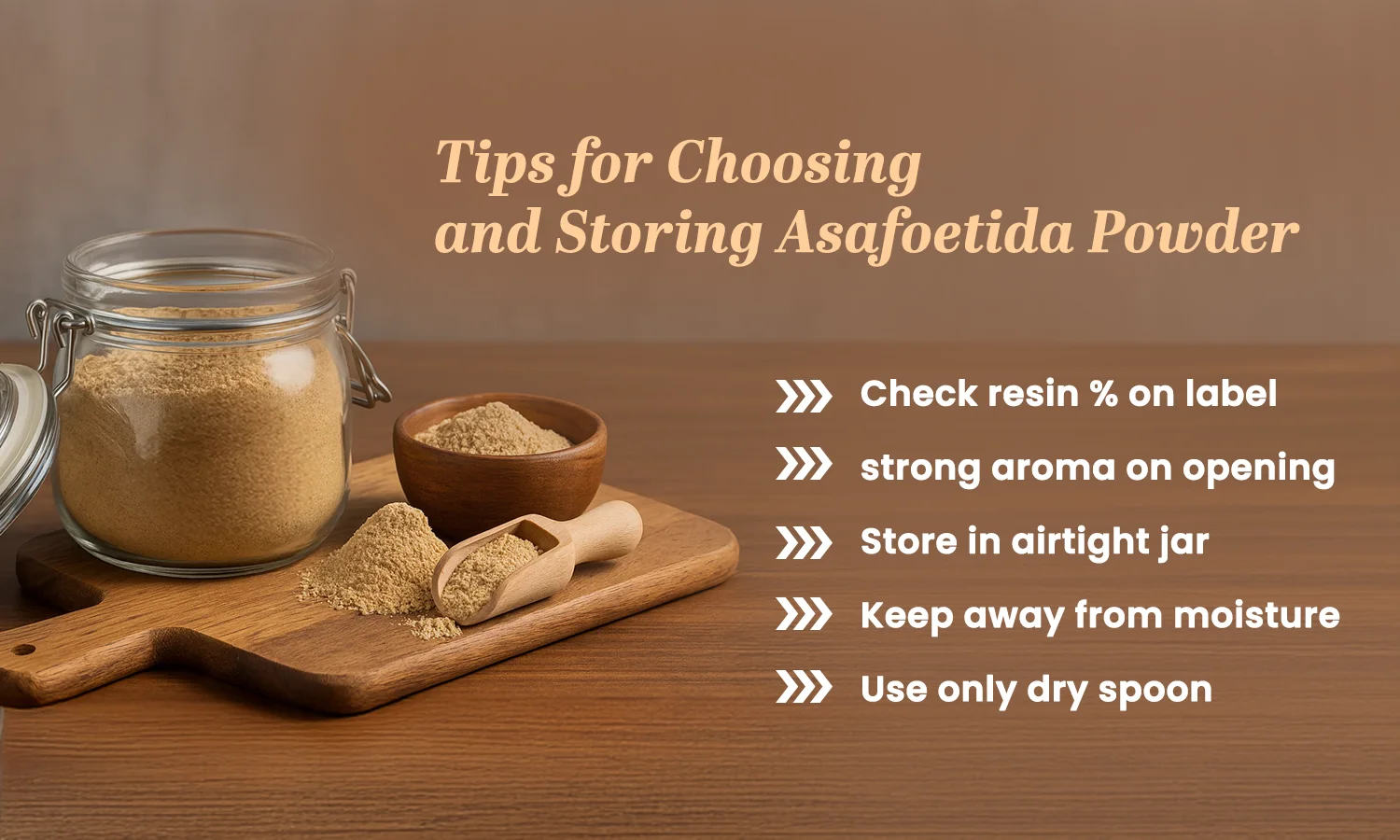
Tips for Choosing and Storing Asafoetida Powder

Since the quality of Asafoetida ingredients can vary, selecting the right product matters.

Choosing Quality

  • Read the label carefully to understand the ingredients in Asafoetida.
  • Look for a clear mention of resin percentage.
  • Avoid products with vague “flavouring” descriptions.
  • A good-quality powder should release a sharp aroma immediately when opened.

Many households consider purity and consistency when selecting from the Best indian spices available in the market.

Storage Guidelines

Proper storage preserves potency:

  • Store in an airtight glass jar.
  • Keep away from heat and moisture.
  • In humid regions, double-seal the packet.
  • Always use a dry spoon.

Good storage ensures that the flavour and active Asafoetida ingredients remain effective for up to two years.

Conclusion

Understanding Asafoetida ingredients helps you appreciate this remarkable spice beyond its strong aroma. From its natural resin composition to the compounded forms available in stores, each element plays a role in making it suitable for daily use.
Whether you use it for flavour enhancement, digestive comfort, or as part of your regular spice routine, knowing what goes into your hing ensures better cooking and informed choices. When selected and stored properly, this traditional ingredient continues to hold its place among the most valued spices in Indian kitchens.

FAQs

How to Make Asafoetida at Home?Pure resin can be crushed and blended with rice flour to create a basic homemade powder. However, it is extremely potent and must be used sparingly.
Is Ajwain the Same as Asafoetida?No. Ajwain is a seed spice, while asafoetida is a gum-resin extracted from plant roots.
Is Ajwain the Same as Asafoetida?A small combination of garlic and onion powder can mimic its flavour in recipes.
Why Is Asafoetida So Expensive?It is extracted manually from mature plants and produced in limited regions, making it labour-intensive and rare.
Is Asafoetida a Tree or Plant?It comes from the roots of perennial Ferula plants, not from a tree.
Is Asafoetida Good for Health? Benefits, Uses, and Facts

Introduction :

Is asafoetida good for health? This is a common question, especially among those who use hing regularly in cooking. For generations, asafoetida has been valued in traditional medicine and Indian kitchens alike. While modern research is still evolving, many of its properties are supported by both historical use and preliminary scientific studies.
Consumed in small quantities, hing can offer digestive support and other therapeutic benefits. However, like all potent ingredients, it must be used with care.

What Is Asafoetida and Why Is Asafoetida Good for Health?

Asafoetida is a dried gum resin extracted from the roots of Ferula plants, primarily grown in Iran and Afghanistan. It is commonly sold as asafoetida powder, which is easier to use in cooking.
The reason many people believe asafoetida benefits for health are significant lies in its bioactive compounds such as ferulic acid, coumarins, and volatile oils. These compounds are associated with digestive support, antioxidant activity, and anti-inflammatory effects.Traditionally, asafoetida medicinal benefits include reducing bloating, improving digestion, and easing respiratory discomfort. Though more human studies are needed, its long-standing use in Ayurveda continues to support its reputation. What Are the Main Benefits of Asafoetida?

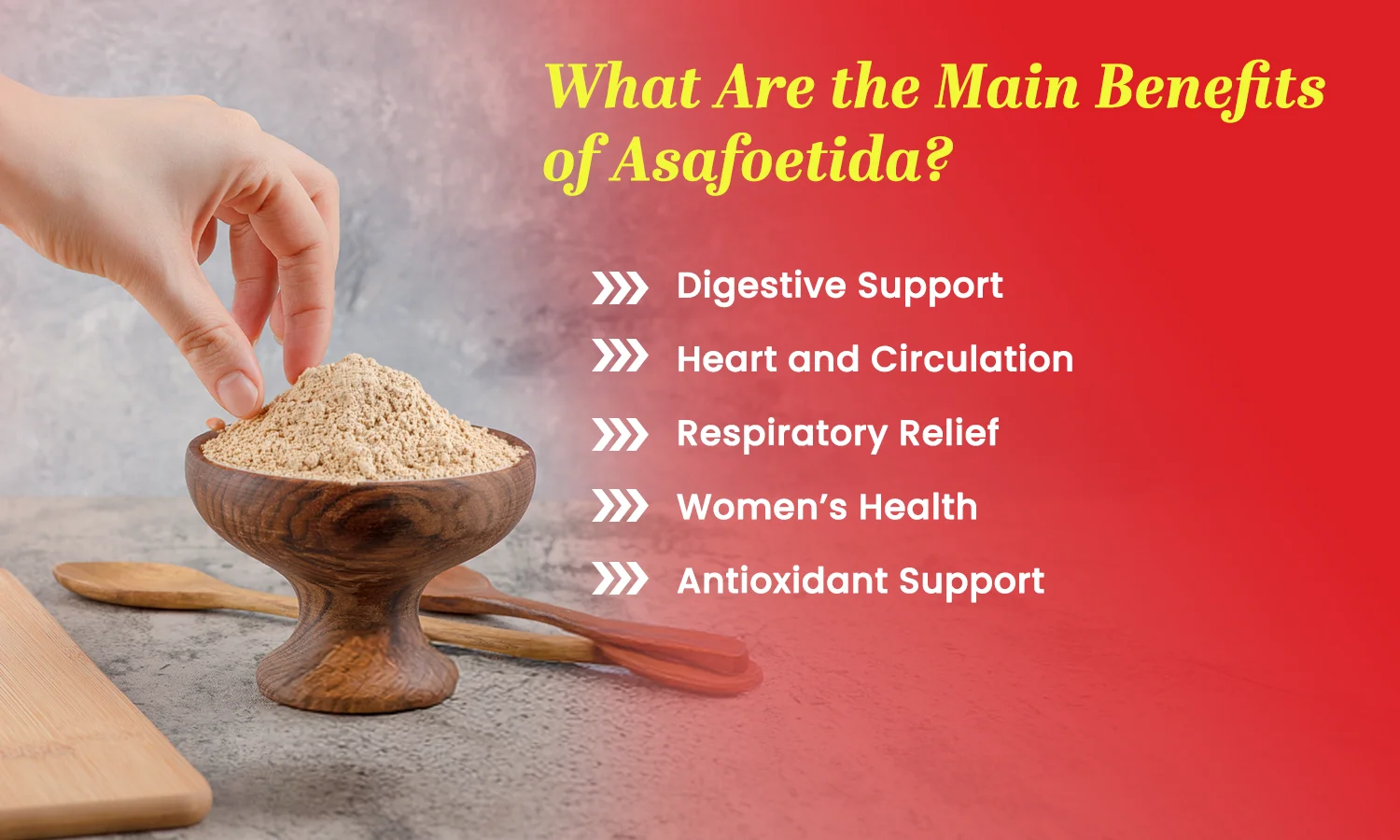
What Are the Main Benefits of Asafoetida?

When discussing the benefits of asafoetida, digestive support stands out as the most well-known advantage.

Digestive Support

One of the key asafoetida health benefits is its ability to reduce gas and bloating. It acts as a carminative, helping prevent gas formation and supporting its release. It may also stimulate digestive enzymes and bile production, aiding fat digestion. Some early research suggests it may help manage symptoms of IBS by calming intestinal spasms.

Heart and Circulation

Among the lesser-known Advantages of asafoetida is its potential role in improving circulation. Compounds like coumarins may act as mild blood thinners and support healthy blood pressure levels.

Respiratory Relief

In traditional medicine, Asafetida health benefits include helping relieve cough, asthma, and bronchitis. It is considered an expectorant that may help loosen mucus.

Women’s Health

Hing asafoetida benefits also extend to menstrual relief. Its antispasmodic properties may help relax uterine muscles and reduce cramps.

Antioxidant Support

Many asafoetida powder benefits are linked to antioxidants such as tannins and flavonoids, which help protect cells from oxidative stress. These contribute to overall asafoetida benefits for health when consumed responsibly.

Common Uses of Asafoetida in Daily Life

In daily life, asafetida uses go beyond cooking.

Culinary Uses

A small pinch added during tempering enhances flavour while supporting digestion. Many households rely on the asafoetida powder health benefits, especially when cooking lentils and beans, which can cause gas.

Home Remedies

Traditionally, a pinch mixed with warm water or buttermilk is used after heavy meals. Some households apply a mild paste externally for stomach discomfort.
When choosing products, many consumers look for the best asafoetida powder in India, ensuring quality and purity for regular use.

Preservation and Natural Pesticide Qualities

While the asafoetida benefits are often discussed in a wellness context, this potent resin is also a secret weapon for food preservation. Due to its antimicrobial and antifungal properties, one of the most practical uses of hing powder is in the pickling process, where it prevents spoilage and extends the shelf life of seasonal preserves. Gardeners have found that asafoetida medicinal uses extend to plant life; when diluted in water, it acts as a highly effective natural pesticide and repellent for aphids and whiteflies. Understanding how asafoetida is made, right from the concentrated sap of the Ferula plant, explains its intense aroma, which serves as a natural deterrent for pests while ensuring your organic garden stays healthy and thriving.

Aroma Science and Culinary Artistry

The unique benefits of asafoetida powder in the culinary world go beyond simple seasoning; it is a master of flavor chemistry. In many specialized diets that avoid onions and garlic, the primary asafoetida powder uses center on its ability to mimic those savory, “umami” notes when bloomed in hot oil. 

This chemical transformation is why hing for digestion is often a secondary thought to its role as a flavor fixative that harmonizes complex spice blends. Even when used as hing for stomach pain remedies, the heavy, sulfurous scent is the hallmark of its purity. Whether you are exploring its role in traditional perfumery or using it to balance a delicate sauce, the diverse uses of hing powder make it a fascinating study in how one ingredient can define the olfactory profile of an entire cuisine.

Is asafoetida good for health

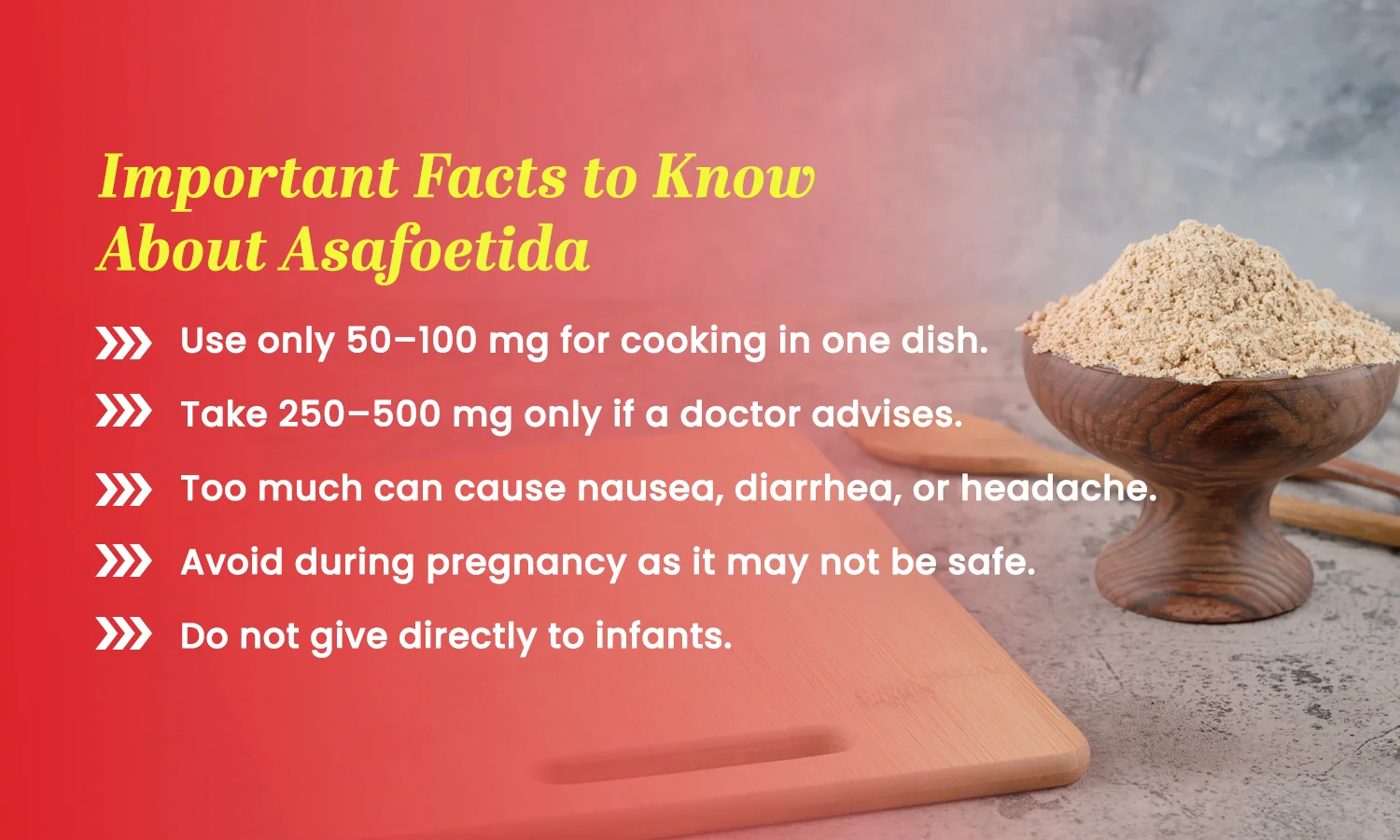
Important Facts to Know About Asafoetida

While answering “Is asafoetida good for health?”, it is equally important to understand safety aspects.

  • Recommended culinary use is around 50–100 mg per dish.
  • Medicinal doses (250–500 mg) should only be taken under guidance.
  • Excessive use may cause nausea, diarrhea, or headaches.
  • Asafoetida during pregnancy is considered unsafe, as it may stimulate uterine contractions.
  • It should not be given directly to infants due to potential health risks.
  • It should not be given directly to infants due to potential health risks.
  • Individuals taking blood thinners or blood pressure medication should consult a doctor before regular use.

Used correctly, the overall asafoetida benefits outweigh the risks for most healthy adults.

Conclusion

So, is asafoetida good for health? When consumed in small amounts and used properly, it can support digestion, provide antioxidant protection, and offer other wellness benefits. Its long history in traditional medicine highlights its value, but moderation remains essential.
Understanding both its advantages and precautions ensures that you can include hing safely in your daily routine.

FAQs

Who should avoid asafoetida?

Pregnant women, infants, and individuals on blood-thinning or blood pressure medications should avoid or consult a doctor before using it regularly.

Can we eat hing directly?

It is not recommended to consume it raw. It is best used in small amounts during cooking.

How much hing should be consumed per day?

For cooking, 50–100 mg per dish is sufficient. Higher medicinal doses should be taken only under professional guidance.

Which part of asafoetida do we eat?

The dried resin extracted from the plant root is processed into powder for culinary use.

How to consume asafoetida?

It is typically added to hot oil during tempering or mixed in small quantities into food for digestive support.